Recumbent Bike Touring in Spain: Planning Guide
Plan recumbent bike touring in Spain: compare bikes and trikes, check route access, transport and storage, and know when to change your plan.
Last updated November 2026: recumbent bike touring is a sound choice if you can control your loaded machine and know it works with your route, transport and overnight storage. Its main planning trade-off is fit, because a long or wide setup can struggle at barriers, on public transport or at lodging doors.
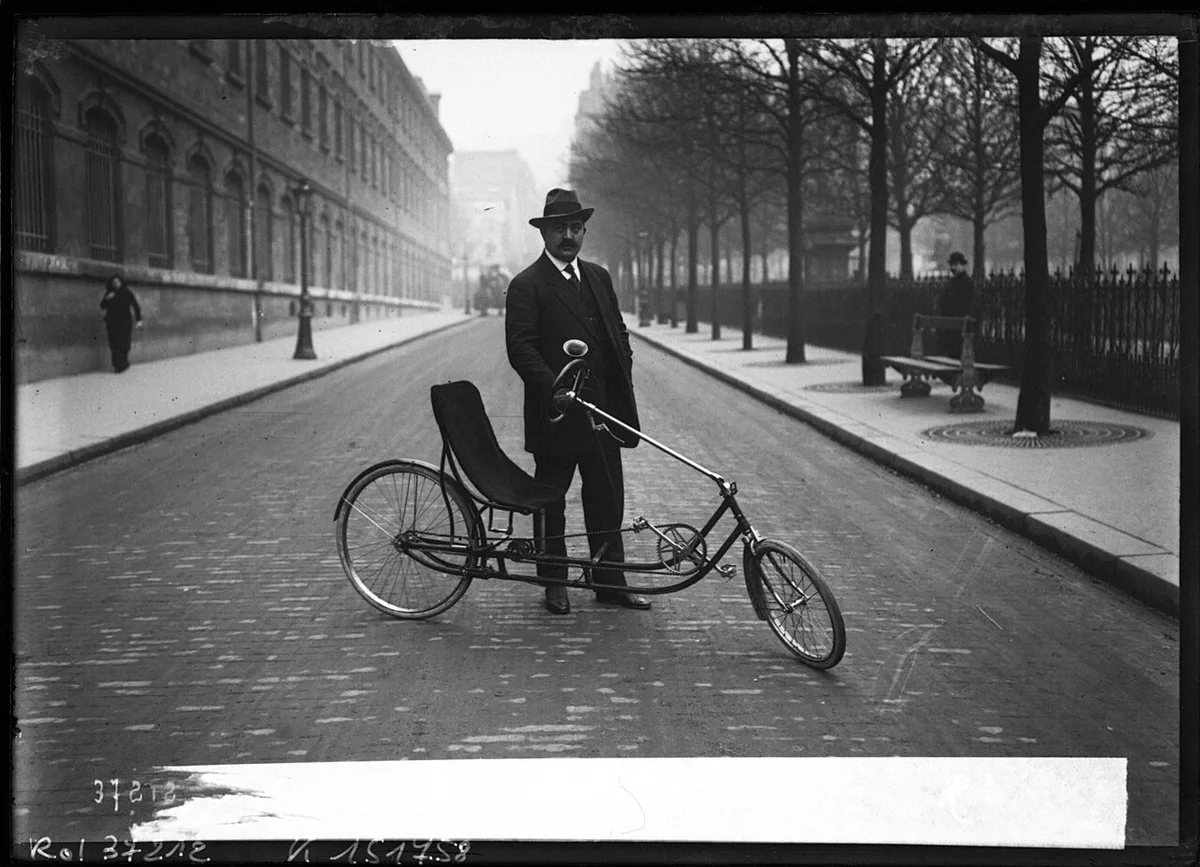
Featured image: El Pantera, CC BY-SA 4.0, via Wikimedia Commons.
Recumbent Bike Touring: Two Wheels or a Trike?
Choose around your tightest passage and hardest travel day. If you still need a corridor, compare Spain's EuroVelo route options. Models differ widely, so treat this table as a set of questions for your own machine.
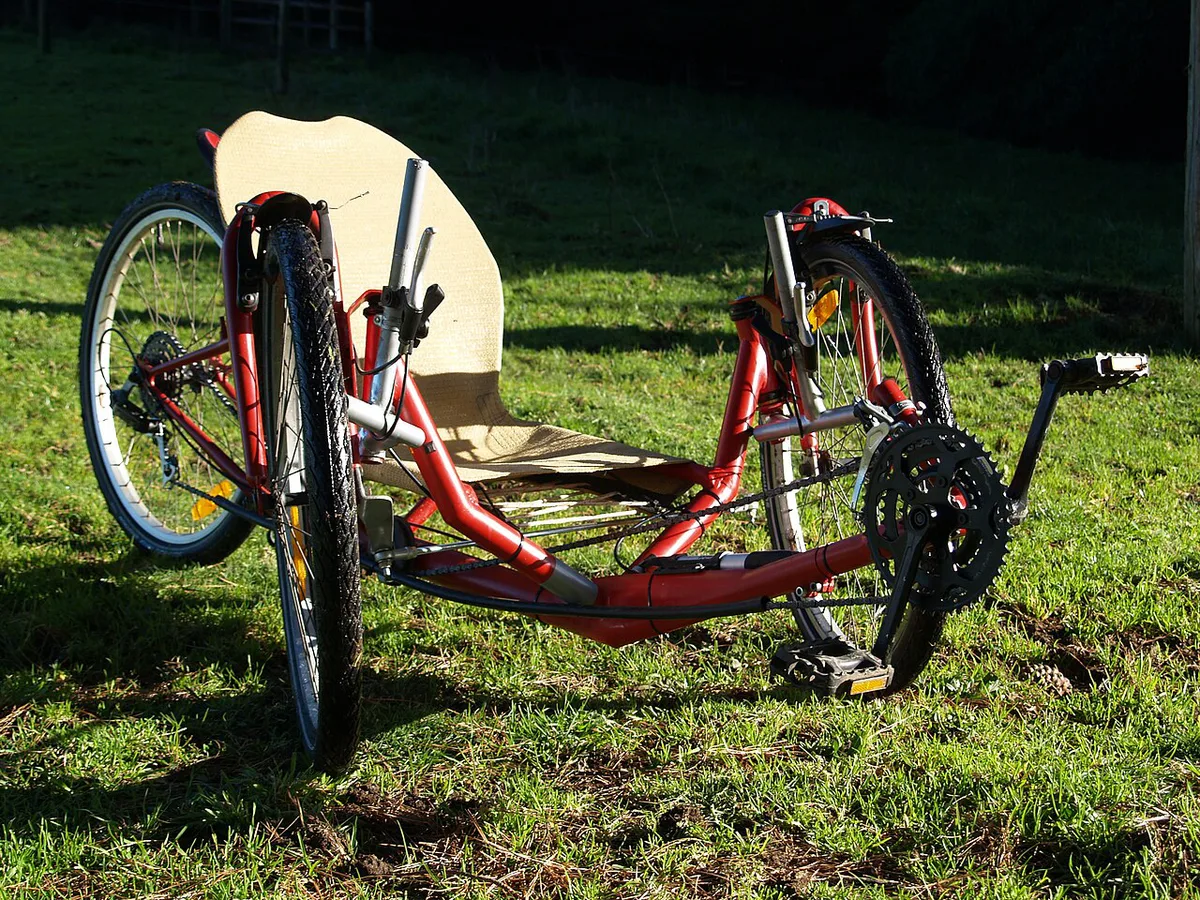
A two-wheeler may suit you if you handle it confidently with luggage and need a narrower profile. Consider a trike if staying upright at stops matters more and its width works throughout the trip. Reconsider either one if you can't move it through an essential access point. With trikes, compare layouts by seat access, luggage position, folded size and turning room.
| Decision point | Two-wheel recumbent | Recumbent trike |
|---|---|---|
| Stops and low speed | Needs balance and a foot down at stops | Stays upright when stopped on suitable ground; test cornering and cambered surfaces |
| Width and length | Usually narrower; length depends on the model | Usually needs more width; measure length too |
| Obstacles | Test walking it through tight turns | Check every wheel's path and the overall width |
| Luggage | Test balance with bags fitted | Test clearance and handling with bags or racks fitted |
| Loaded climbs | Practice starting and steering slowly uphill | Check gearing, traction and restarting uphill |
| Handling off the bike | Try pushing, parking and any necessary lifting | Try pushing, reversing and any necessary lifting |
| Transport and storage | Check length, weight and packing options | Check width, length, weight, folding and packing options |
Is Your Setup and Fitness Ready?
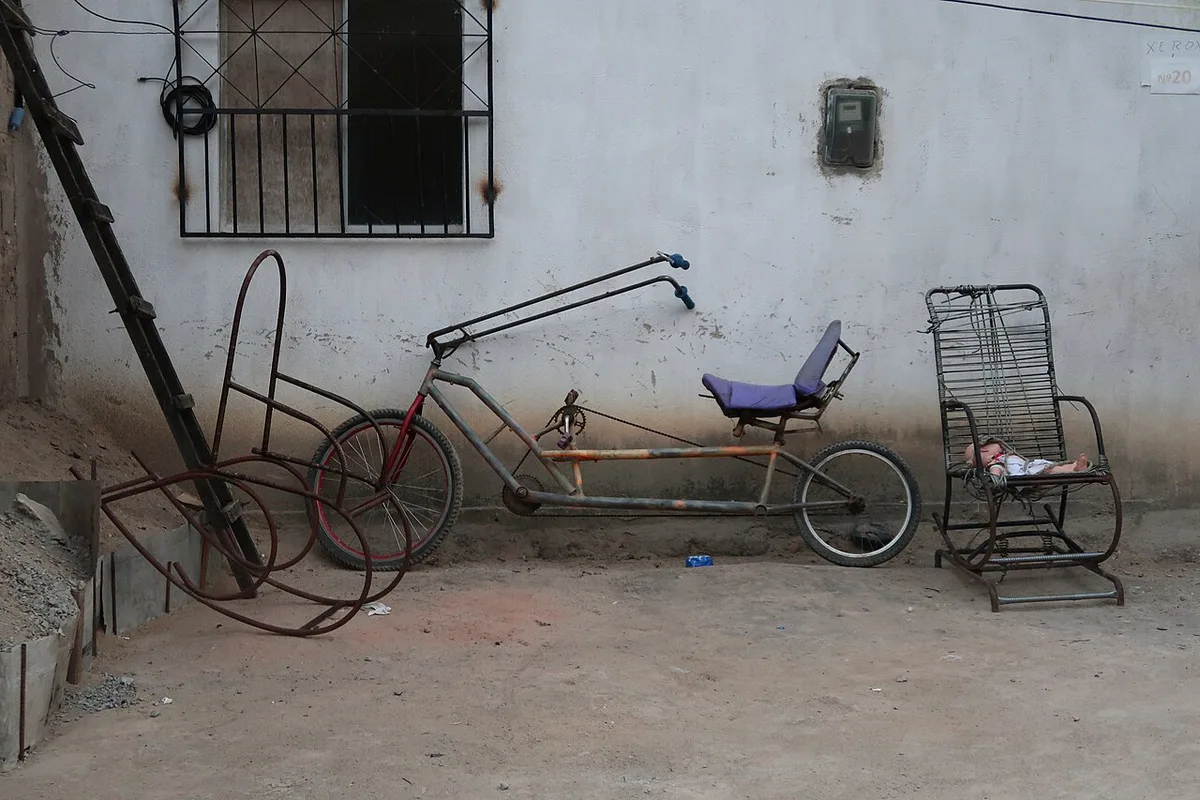
Set the seat and reach using the manufacturer's fitting instructions, or ask a recumbent specialist for help. Upright-bike experience doesn't show how you'll handle this position. Likewise, your usual daily range may not carry over.
Before committing, take a trial ride with your full touring load. Practice slow turns, hill starts, controlled stops and descents somewhere suited to testing. Check what you can see over your shoulder or in your mirrors, and consider how visible you are to other road users. Pay attention to braking, heel clearance and bag movement. If discomfort or poor control persists, change the setup before planning longer stages.
- Fit: seat position, leg reach and steering reach
- Control: starting, stopping and slow turns with luggage
- Equipment: brakes, gearing, mirrors, lights and secure bags
- Handling: pushing, turning around and loading for transport
How to Check a Spanish Route for Recumbent Access
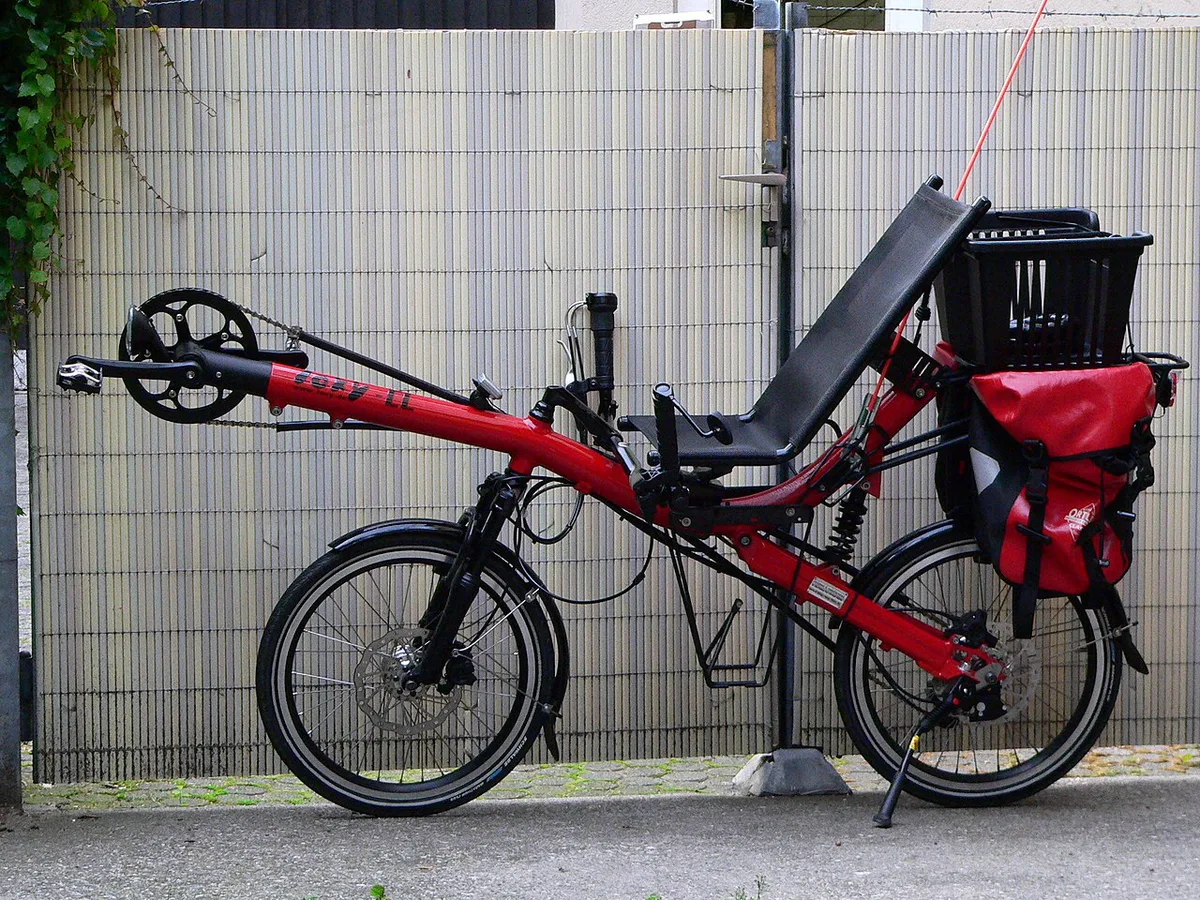
Measure your loaded width, length, ground clearance, turning space and total weight. A route label doesn't prove that this setup will fit. Use official EuroVelo route information to distinguish signed or open sections from planned or incomplete ones. Ask regional or local route managers about physical obstacles.
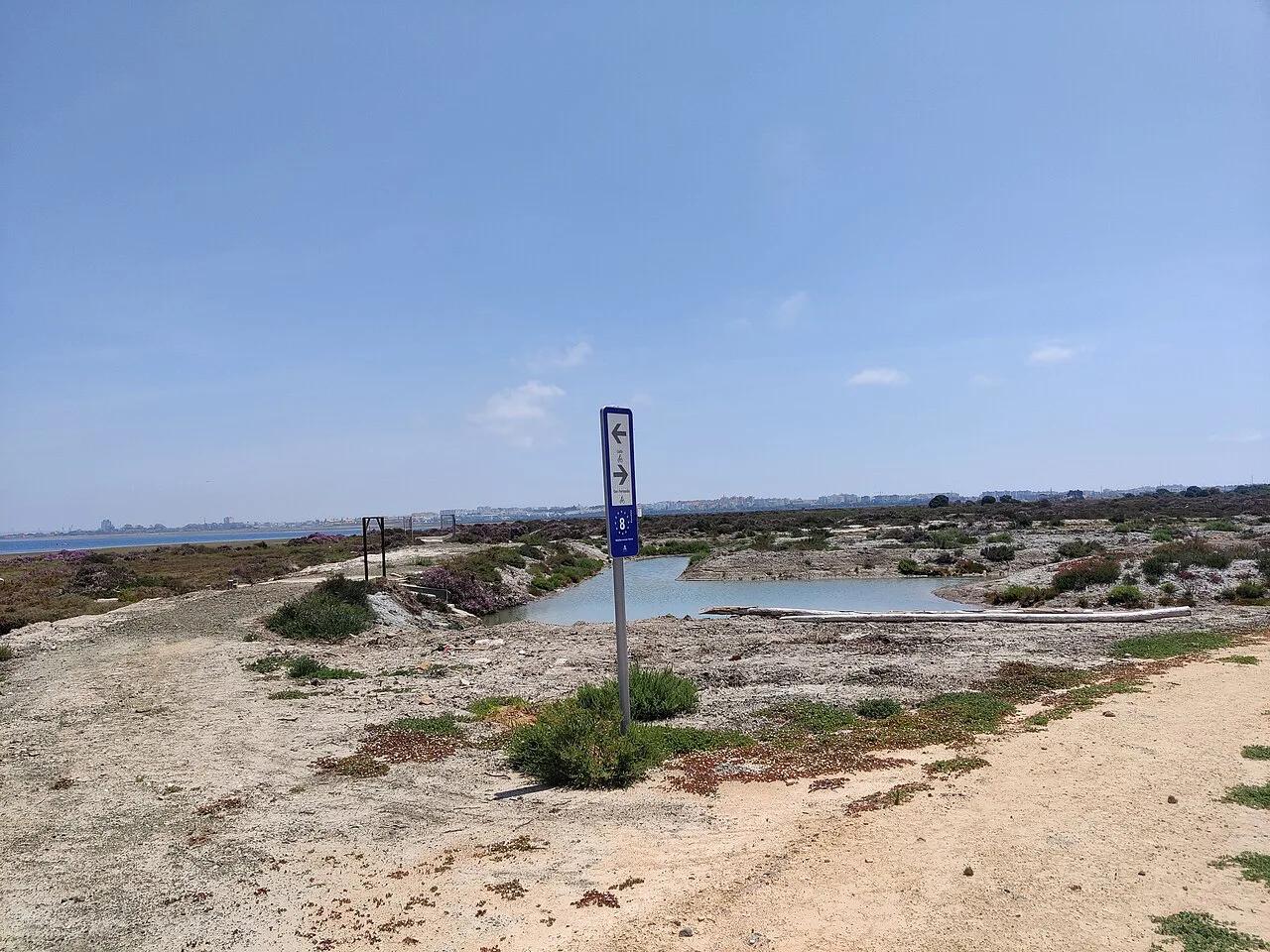
EuroVelo 8 names a corridor, so one narrow gate on it can still stop a trike or two-wheeler.
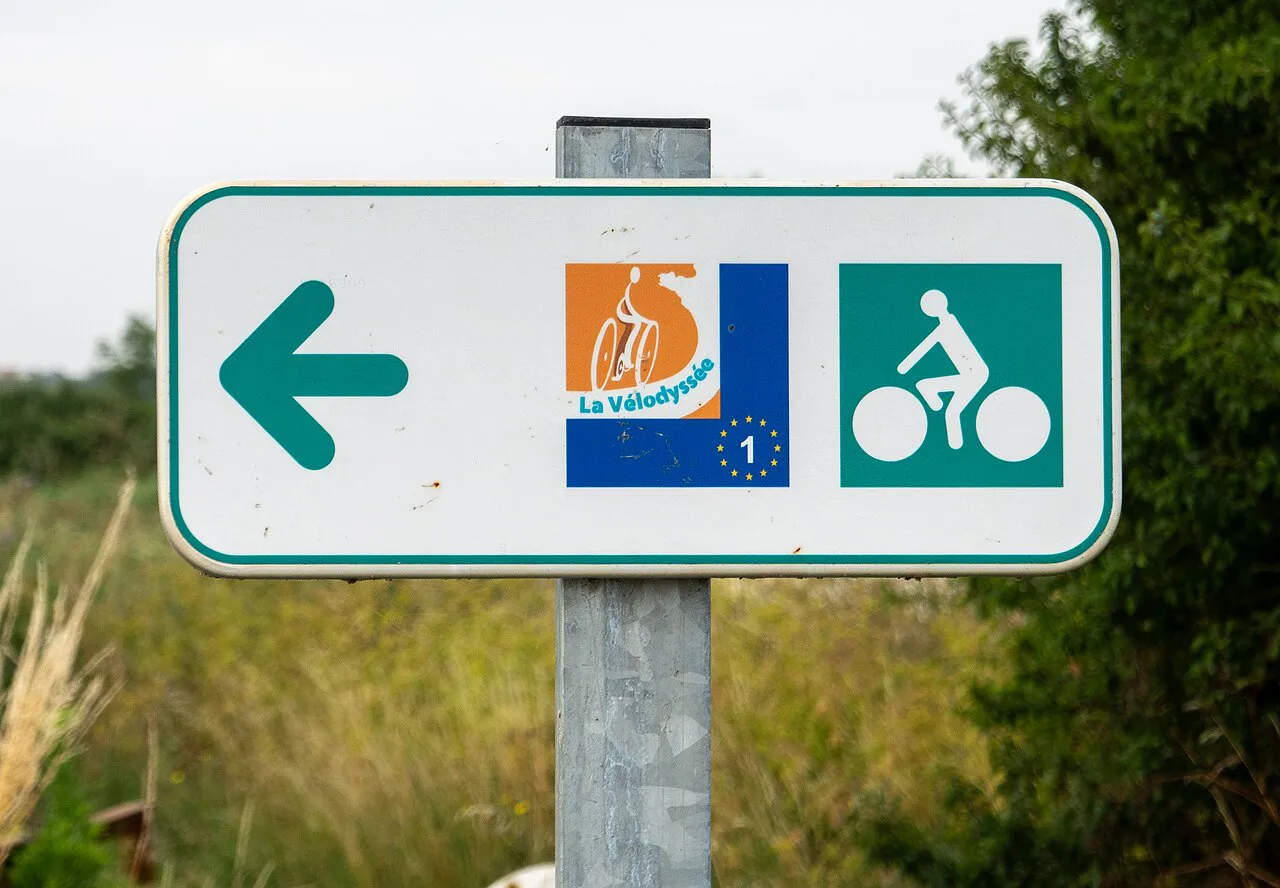
Possible research starting points include our EuroVelo 1 coverage. You can also compare the EuroVelo 3 corridor. Another candidate is EuroVelo 8 for route planning. None of these names establishes recumbent suitability. For greenway sections, look up individual routes through Spain's Vías Verdes network.
For road links, consult Spain's DGT traffic authority and applicable local authorities about rules, equipment and restrictions. Assess traffic, shoulders, sightlines, bridges and tunnels along your exact line. Shortly before departure, look again for closures and diversions.
| What to check | Why it matters | How to find out | When to change plans |
|---|---|---|---|
| Barriers, gates and narrow passages | Your widest point may not pass | Compare measurements with manager details or dated, measurable photos | No workable passage or detour |
| Steps, kerbs and tight turns | Lifting or turning may be impractical | Ask locally and inspect recent imagery | You can't manage the maneuver safely |
| Surface and ground clearance | Frame, chain or bags may catch; traction may suffer | Request current surface details and test similar terrain | Clearance or control is inadequate |
| Gradients and loaded weight | Climbing, braking and pushing change with luggage | Study elevation profiles against your trial rides | The slope exceeds your tested ability |
| Roads, shoulders, bridges and tunnels | Traffic exposure and access may differ by section | Check authority information and map each link | Access or acceptable road conditions remain unresolved |
| Closures and diversions | A replacement path may have new obstacles | Contact the route manager or local authority | The diversion fails your access checks |
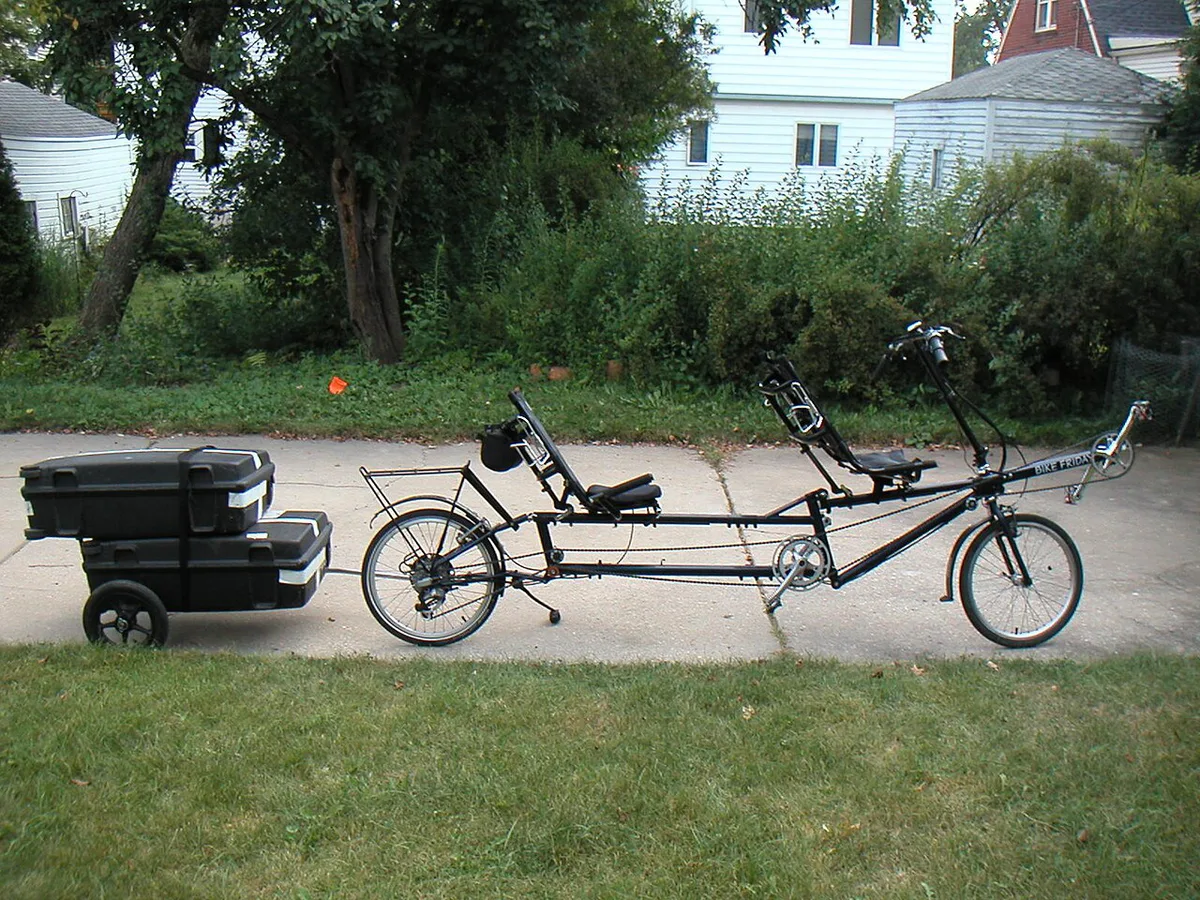
Plan Stages Around Your Slowest Constraints
Build each stage from your loaded trial rides, then adjust for climbing and surface. Weather, heat exposure, daylight and resupply can shorten a day that looks manageable on a map. Use official Spanish weather forecasts and warnings close to travel. Allow time for walking around obstacles. At each bailout point, make sure the onward service accepts your machine.
- Find the stage's weakest point: access, terrain or road exposure.
- Compare its climbs and surface with your loaded test rides.
- Place water, food, overnight storage and exit points.
- Review weather, heat and daylight.
- If a requirement fails, reroute, shorten the stage or delay it, then repeat the checks.
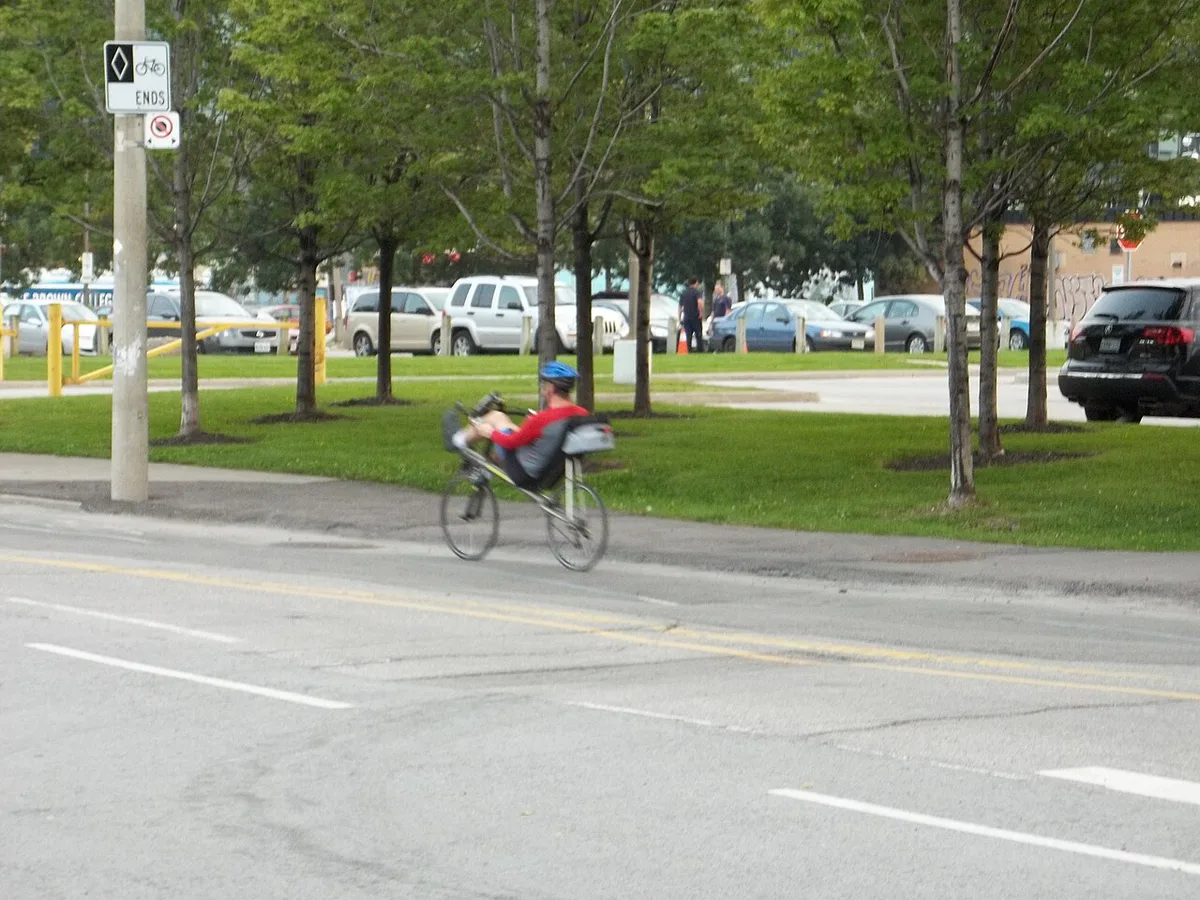
Transport, Overnight Storage and Repairs
A general “bikes allowed” policy may not answer whether your recumbent or trike can travel. Ask each rail, bus, ferry, air or transfer operator about your exact service, including the return journey. Send dimensions, loaded and unloaded weights, and a photo. Get unclear acceptance terms in writing.
Lodging needs the same detail. Ask whether your machine fits through the entrance, corridors and any lift, and where it will stay overnight. Establish who can access that space and how it is secured.
For repairs, record wheel and tyre sizes plus model-specific parts from your manual or maker. Ask shops along the route what they can service. Check whether your recovery provider can physically carry the machine.
- Carriage: size and weight limits, trike acceptance, reservations and fees
- Packing: folding, dismantling, packaging and assistance with loading
- Overnights: access dimensions, storage location and security
- Breakdowns: spare tyres and tubes, special parts, repair contacts and an exit plan
What Changes the Cost and Difficulty?
Compare complete trip quotes, since a cheaper machine arrangement can create a costlier transfer. Bringing your own gives you a familiar setup but may add packing, carriage and special transport. Renting could reduce travel with the machine, but only if a suitable model is available. Don't assume you'll find one near your start. Buying also requires time for fitting and loaded tests.
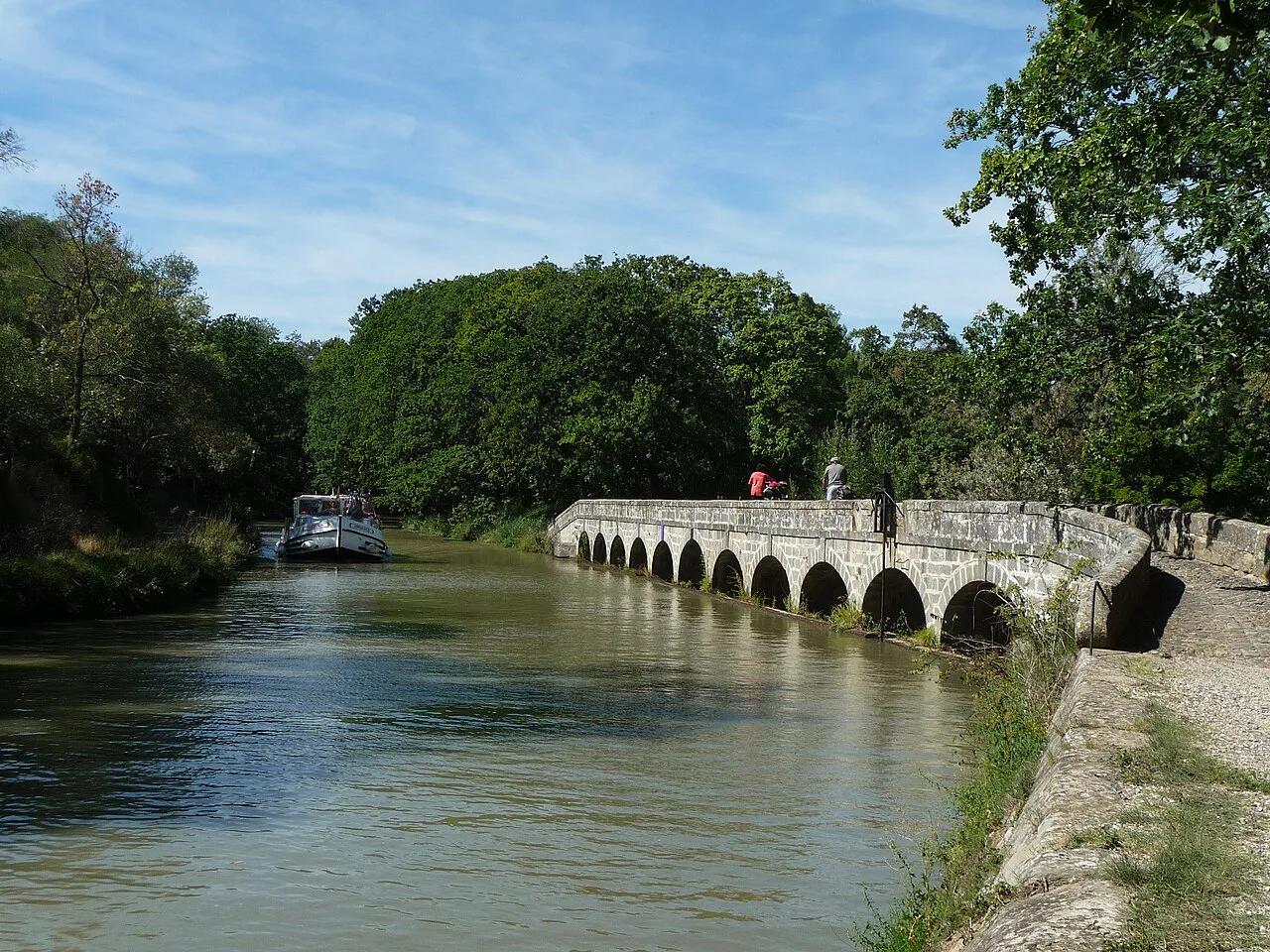
Price each option with the current provider. Include storage-compatible lodging, spares and extra days for delays. If your plan crosses borders, our Toulouse to Gibraltar planning guide is another route to research. For a possible French leg, apply the same access tests while reading about cycling the Canal du Midi.
| Choice | Cost items to compare | Main difficulty to resolve |
|---|---|---|
| Bring your machine | Carriage, packing, transfers and return travel | Acceptance on every leg |
| Rent a machine | Rental quote, delivery or collection, and return terms | Availability, fit and repair support |
| Buy before touring | Machine, luggage fittings, spares and transport | Enough time to fit and test it |
Go, Adapt or Postpone?
Make this decision before paying for nonrefundable arrangements where possible, then revisit it near departure. One unresolved essential link matters even if the rest of the route looks promising. Start by choosing one candidate stage and testing its access points, overnight stop and exit against your measurements.
| Decision | Conditions | Next action |
|---|---|---|
| Go | Loaded setup tested; critical access, transport, storage and exits confirmed | Save contacts and watch for route changes |
| Adapt | A specific limit has a workable solution | Use another section, shorten a stage, lighten the load or arrange a suitable transfer |
| Postpone or choose another route | An essential passage or transport leg is unresolved with no alternative, or you can't control the loaded machine safely | Change the route or delay until the problem is resolved |