EuroVelo 3 in Spain: Pilgrims Route Planning Guide
EuroVelo 3, the Pilgrims Route, links Trondheim with Santiago de Compostela. Plan the Spanish leg: choose a section, bike transport, stops and exits.
Last updated November 2026: EuroVelo 3, the Pilgrims Route, is a long-distance cycle route between Trondheim in Norway and Santiago de Compostela in Spain. Its Spanish leg comes in from France and heads across northern Spain to finish in Santiago de Compostela. Don't assume that leg has the same signs, surface or traffic levels throughout, so assess each stretch before booking. It can suit a tourer who is ready to plan navigation and exits section by section.
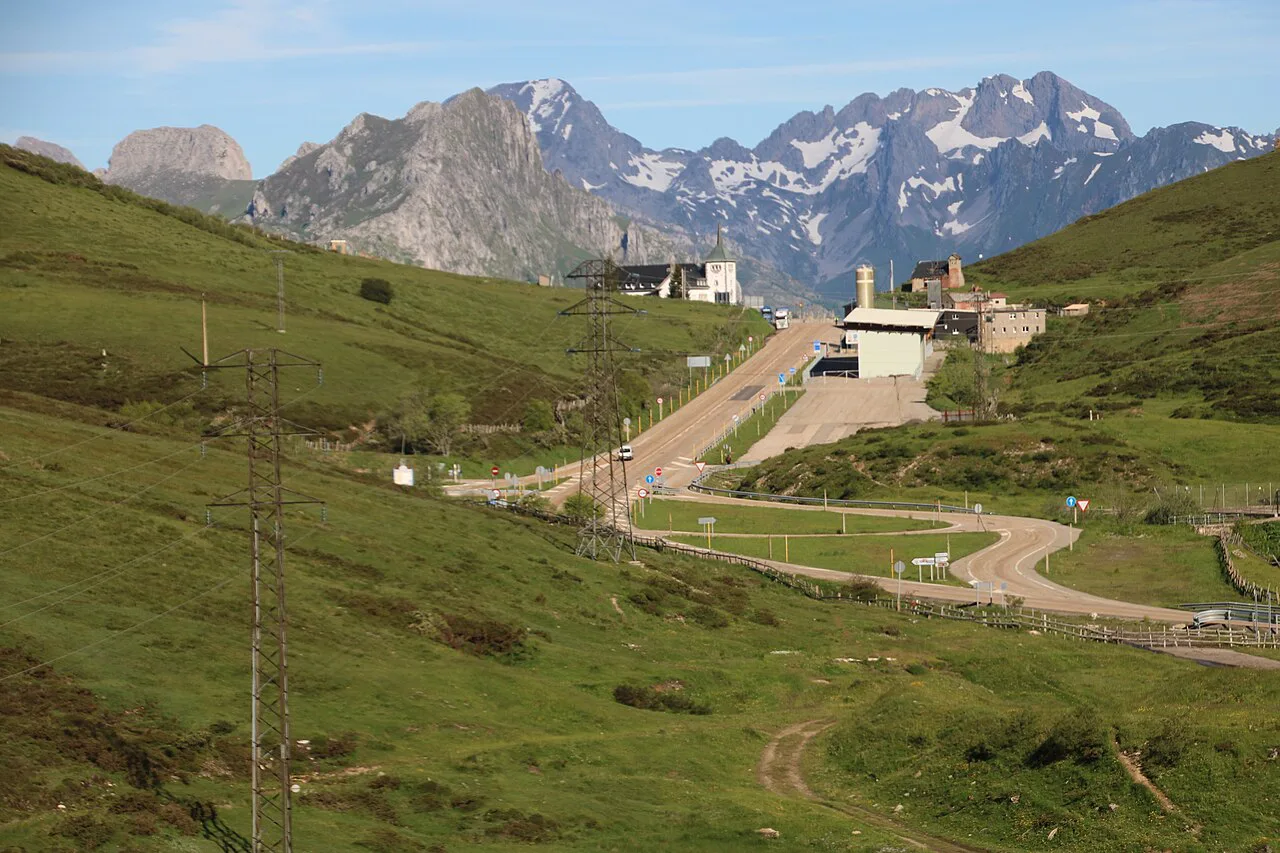
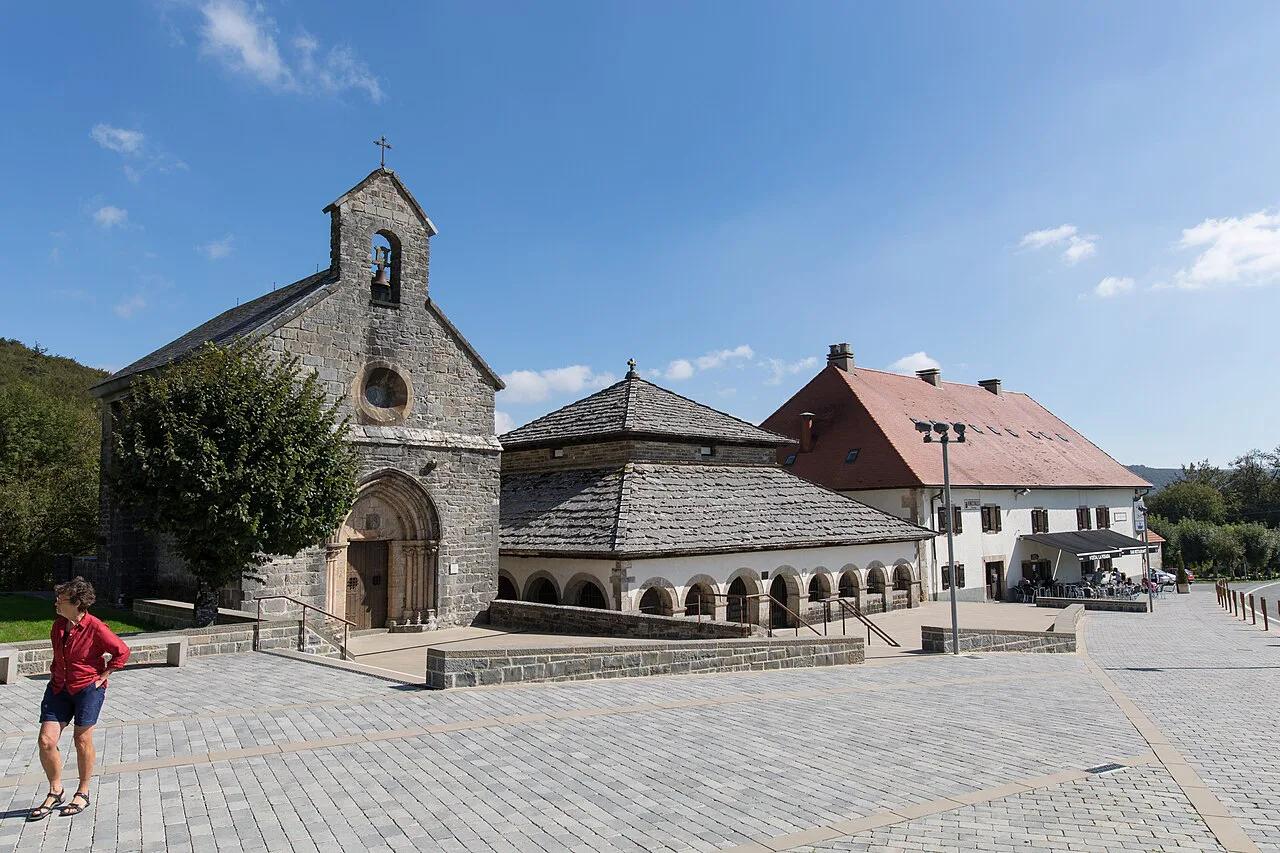
Featured image: A1AA1A, CC BY-SA 4.0, via Wikimedia Commons.
EuroVelo 3 route at a glance
Seen as a whole, this is an international route, and Spain holds its southwestern finish. You can ride a single stretch without taking on the full line from Norway. To weigh it against other options, start with our guide to EuroVelo routes across Spain. For the current alignment and development status, use the official EuroVelo 3 page. A line on that map or a downloaded track doesn't by itself show that a road is signed, car-free or suited to your bike.
| Planning point | EuroVelo 3 |
|---|---|
| Route name | Pilgrims Route |
| Endpoints | Trondheim, Norway, and Santiago de Compostela, Spain |
| Spanish direction in this guide | From the French side toward Santiago de Compostela |
| Main planning task | Assess each section you intend to ride |
Where does EuroVelo 3 go in Spain?
Riding southwest, you arrive from France and work toward Santiago de Compostela. Pin down your exact border crossing and overnight towns from a current route map. A walking guide or an older GPS file may follow a different line. Pilgrimage paths and signed cycle routes can serve different users, so a walker's marker doesn't prove that bikes should follow it.
For a shorter trip, work backward from your finish. Choose a start with transport you can use, then trace the cycling line from there to Santiago. If you want pilgrim credentials or a certificate, read the current rules from the Pilgrim's Reception Office before fixing that start. Don't treat riding a EuroVelo section as automatic qualification.
How ready is the Spanish leg?
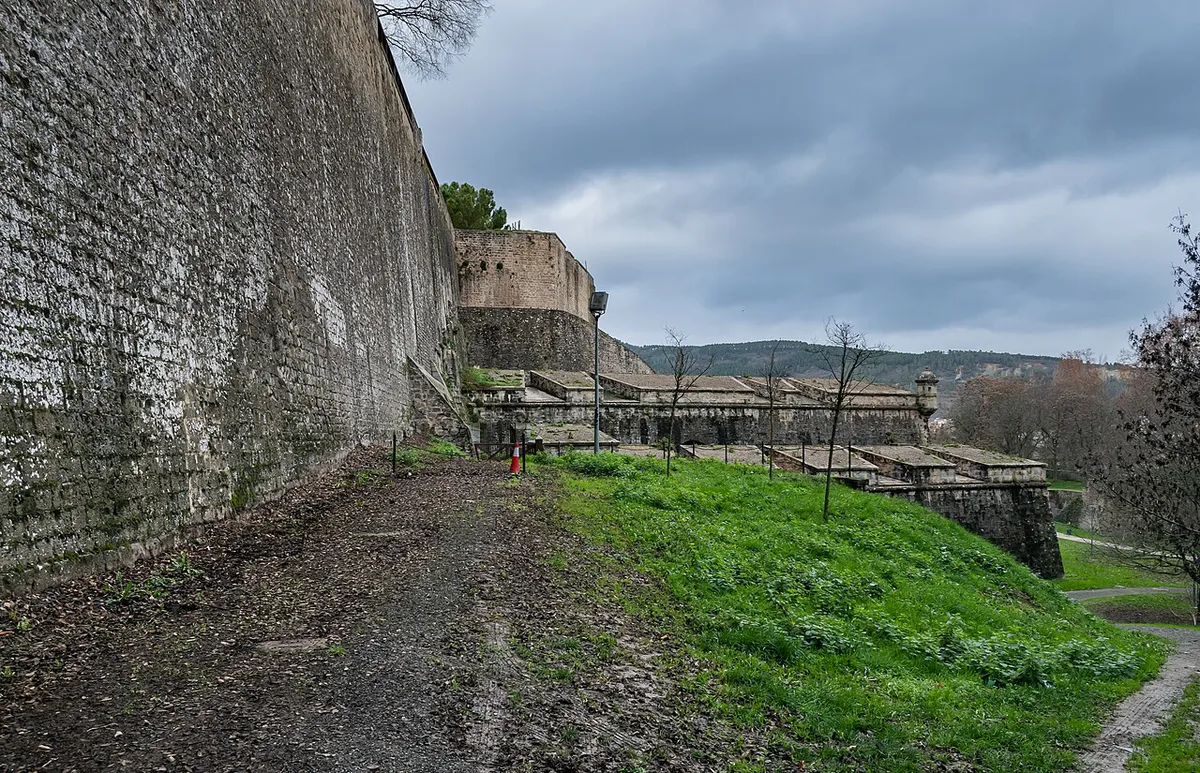
Readiness is the main limit on any quick recommendation. This guide does not give a Spain-only distance, climbing total or surface split. It also doesn't rate the whole leg as traffic-free or family-friendly. Use the table as a worksheet for each stretch between your overnight stops.
Keep official signs, a developed but unsigned line, planned infrastructure and suggested alternatives separate, using the map publisher's own definitions. For road restrictions and traffic information, consult Spain's DGT traffic authority. Local road managers may hold more detail on works. Spain also has a Vías Verdes greenway network. A greenway near your line isn't necessarily part of this route, and its surface needs its own assessment.
| Reality check: French side to Santiago | Current position in this guide | What to establish for your section |
|---|---|---|
| Distance | Spain total not confirmed | Length of each day, including detours to lodging |
| Status and signage | Not confirmed section by section | Official status and where you must navigate unaided |
| Surface | Not confirmed | Paving, gravel, mud, steps and tyre needs |
| Traffic | Not confirmed | Shared roads, busy crossings and legal bike access |
| Climbing | Not confirmed | Elevation profile and steep points with a loaded bike |
| Access points | Not confirmed | Stations or stops that will accept your bike |
| Main caveat | Conditions may differ between stretches | Closures, signed diversions and usable alternatives |

Which section should you ride?
Pick by constraint before scenery or mileage. First-time tourers should favor a stretch where lodging, food and an exit are all established. Experienced self-supported riders can accept wider gaps, but only after locating water and planning for repairs. With limited time, fix your return transport first and let it set the section.
Continuity and traffic exposure can pull in different directions. A direct road may simplify navigation while putting you closer to vehicles. A quieter alternative may add distance, climbing or rough ground. Compare both on a detailed map before choosing.
Bike setup matters too. Narrow tyres, trailers and adaptive cycles need evidence for the exact section, including barriers and surface. If you ride a recumbent, our recumbent touring advice can help with bike and transport planning. It doesn't establish that this route suits that setup.
| Your situation | Choose a section if | Reroute or choose another if | Trade-off |
|---|---|---|---|
| First tour | Daily stops and an exit are established | Road or navigation conditions remain unclear | Easier logistics may limit your choice of start |
| Self-supported tour | You can cover the longest service gap | Water or repair plans leave you exposed | More independence can mean more weight |
| Limited time | Both ends have workable bike transport | Your return depends on an unbooked bike space | Reliable access may matter more than preferred scenery |
| Heavy load or trailer | Climbs, surface and barriers fit your setup | Passing a barrier or climb is doubtful | A suitable detour may take longer |
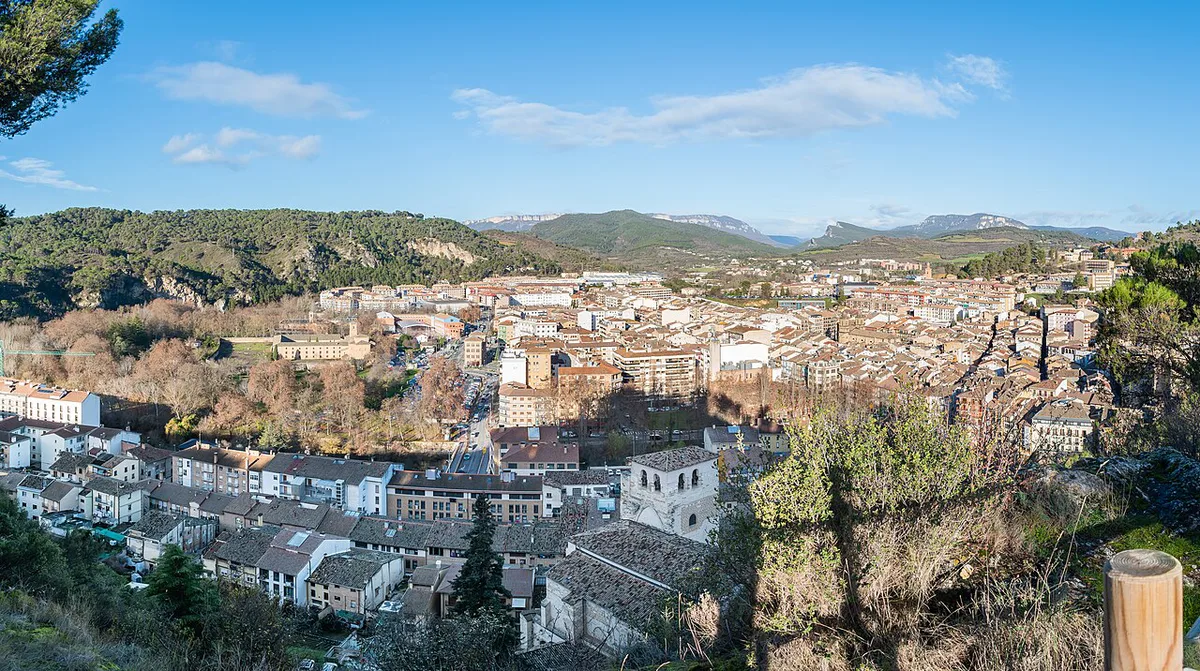
Getting to the route and home with your bike
Plan both journeys before paying for a chain of rooms. A passenger ticket doesn't necessarily reserve space for your bicycle. Ask each rail, coach, ferry or airline operator about the exact service you intend to use. For a trip beginning in France, get answers for both sides of the border, including every transfer.
Bringing your own bike keeps a familiar fit but adds transport and packing decisions. Renting can reduce that burden if the provider supplies a suitable bike and agrees to your pickup and return points. A one-way ride avoids retracing the route, although it may require a one-way rental or bike shipment.
- Carriage: ask whether your bike may travel assembled, bagged or boxed.
- Booking: find out whether it needs its own reservation and how capacity is allocated.
- Dimensions: give the operator your tandem, trailer, recumbent or adaptive-cycle measurements.
- Cost: ask for the bike fee and packing requirements on your travel date.
- Backup: identify another service or transfer if your preferred departure has no bike space.
When to ride and what affects your budget
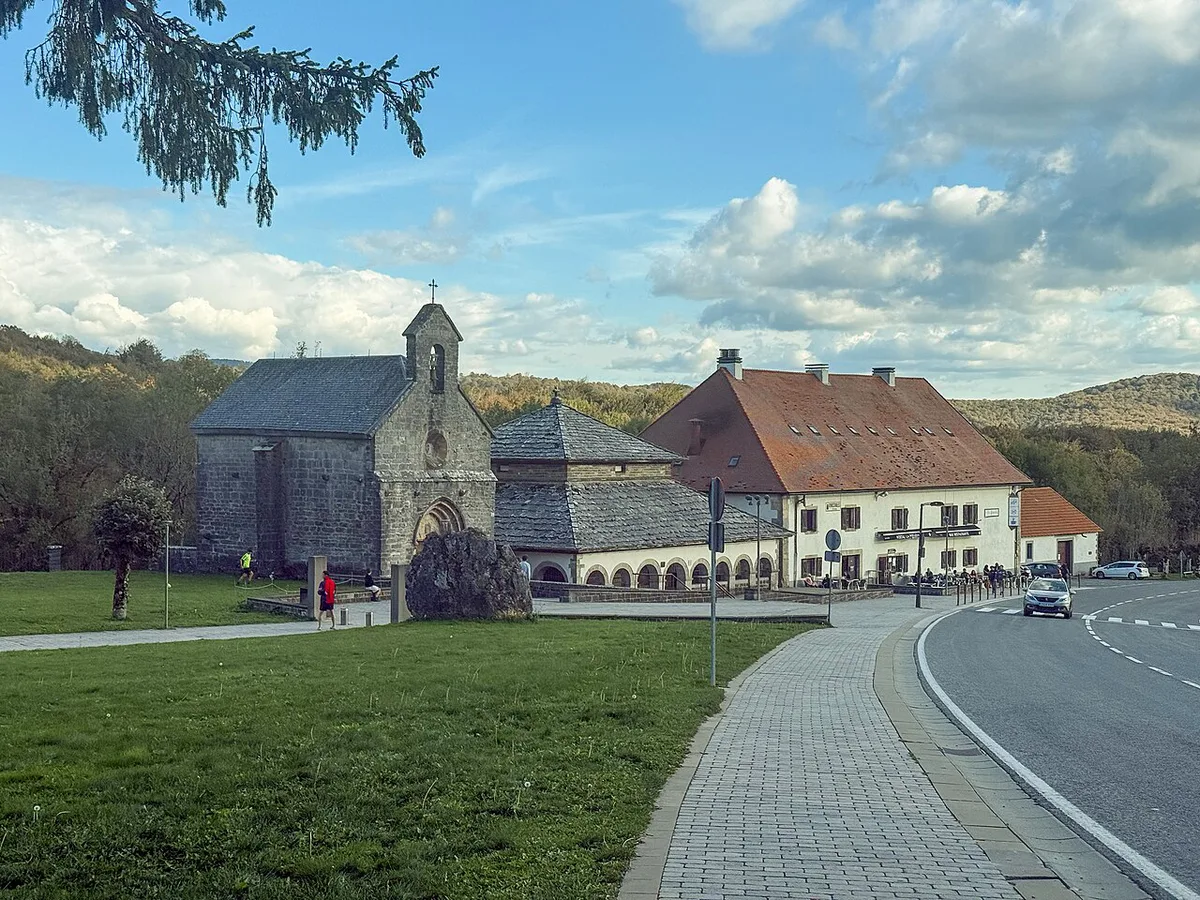
Don't pick a single best month for every part of the leg. Compare heat, cold, rain, wind and daylight for your actual stretch and dates, using Spain's official weather agency for forecasts and warnings. If you're planning from November for an off-season ride, ask about closed roads, high ground, seasonal lodging and shorter service hours. Leave room to shorten a day when conditions change.
For your budget, get dated quotes from transport operators, rental firms and places to stay. Camping can cost less than a private room, but compare actual quotes and account for the extra gear you must carry. Luggage transfer lightens your bike while adding a service to arrange.
| Budget item | What changes the cost | Where to get a figure |
|---|---|---|
| Sleep | Camping or indoor lodging and travel dates | Each campsite or accommodation provider |
| Food | Self-catering or prepared meals | Menus and shops near your stops |
| Bike access | Own bike, rental or one-way return | Transport operators and rental firms |
| Luggage | Self-carried bags or transfers | Providers serving your exact stops |
| Contingency | Emergency room or alternative transport | Realistic quotes along your section |
Navigation, overnight stops and bail-out planning
Get the latest available track from the route publisher and note its date. Save an offline copy, then compare it with local diversion notices before departure. At a closure, follow legal access signs even if your device points ahead. Carry enough map detail to find another road without a mobile signal.
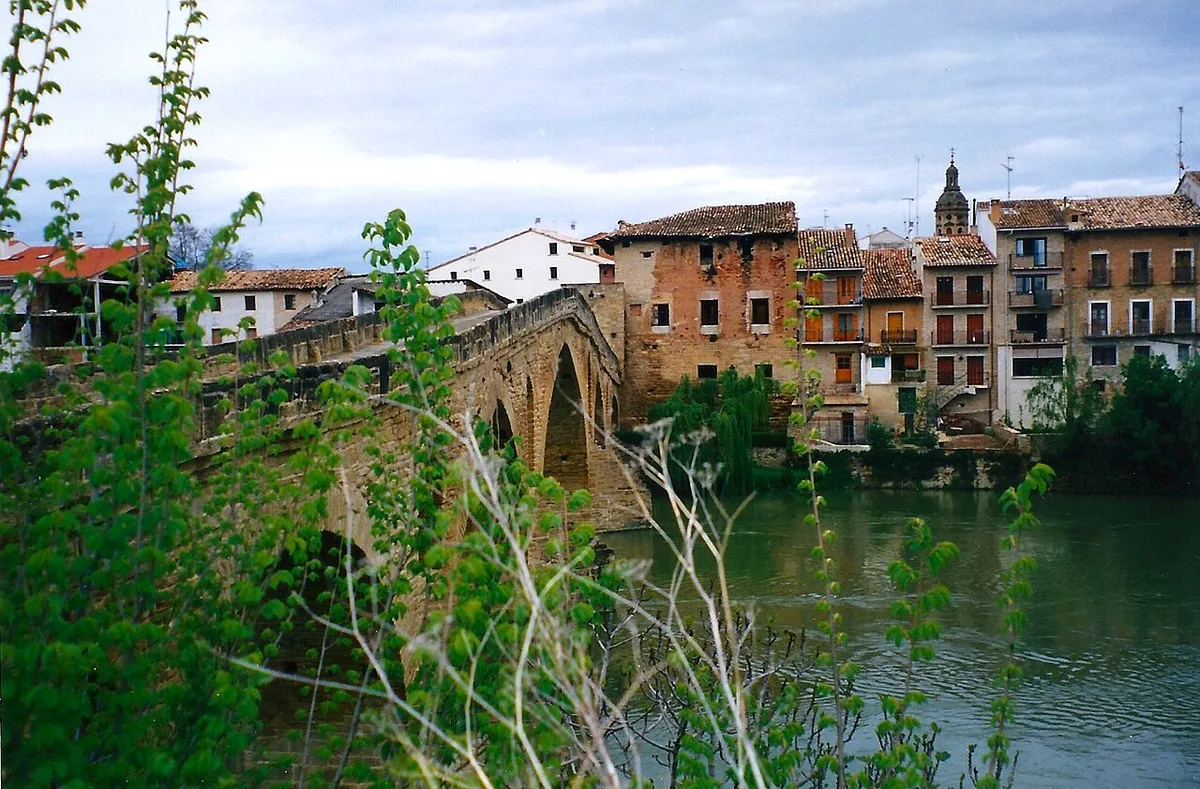
Plan overnight stops around the effort involved, since climbing and rough ground can make a short day demanding. Ask lodgings about arrival times and secure bike storage. For each day, mark dependable water, food and repair options, then identify long gaps. A bail-out town is useful only if you can reach it safely and its transport can take your bike on that day.
Should you consider a different or longer ride?
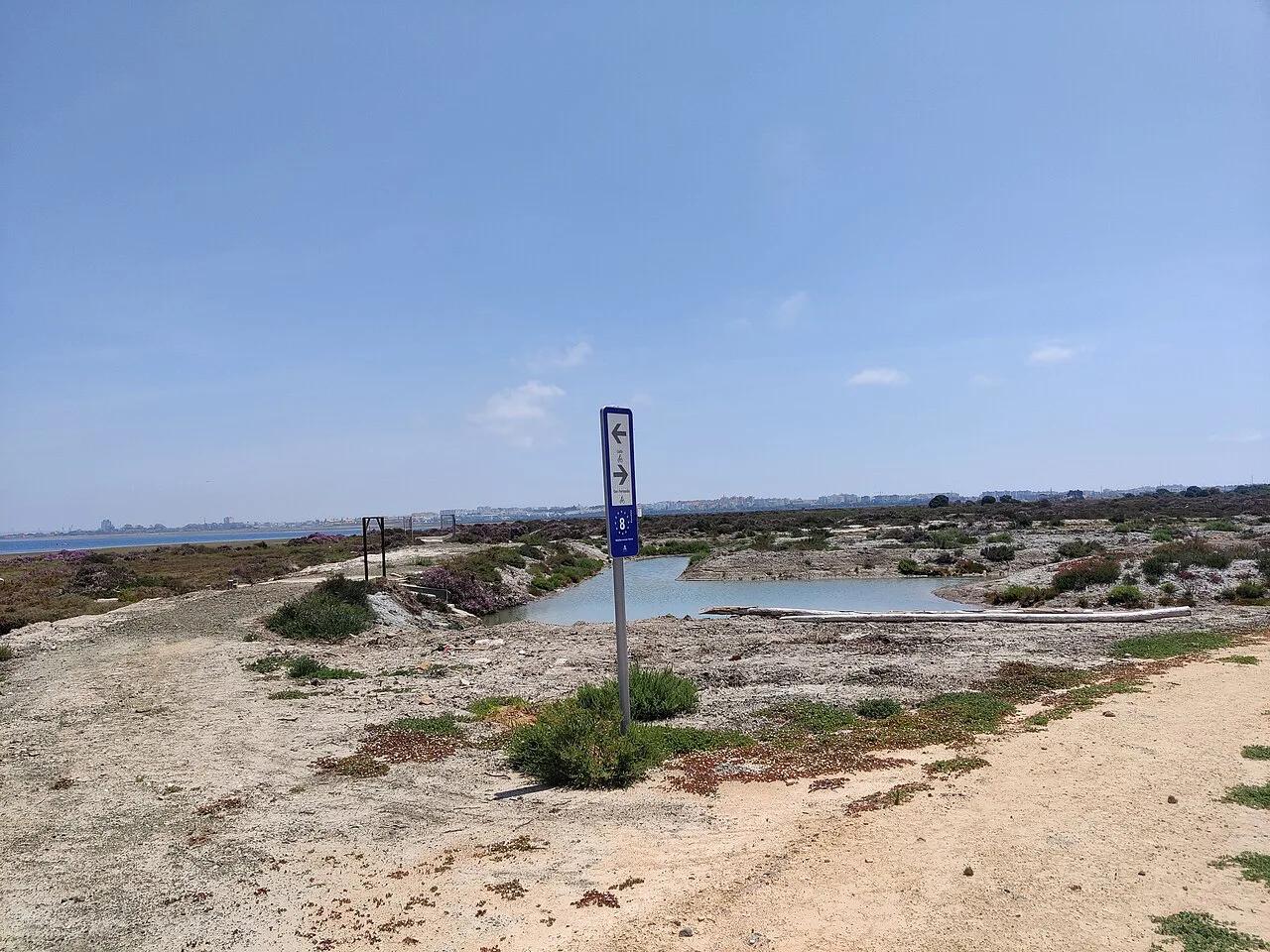
A Santiago finish makes this route a logical option when that destination shapes your trip. You can also compare our EuroVelo 1 planning guide. For another touring choice, read about riding EuroVelo 8. Judge each option on access, available time and section conditions.
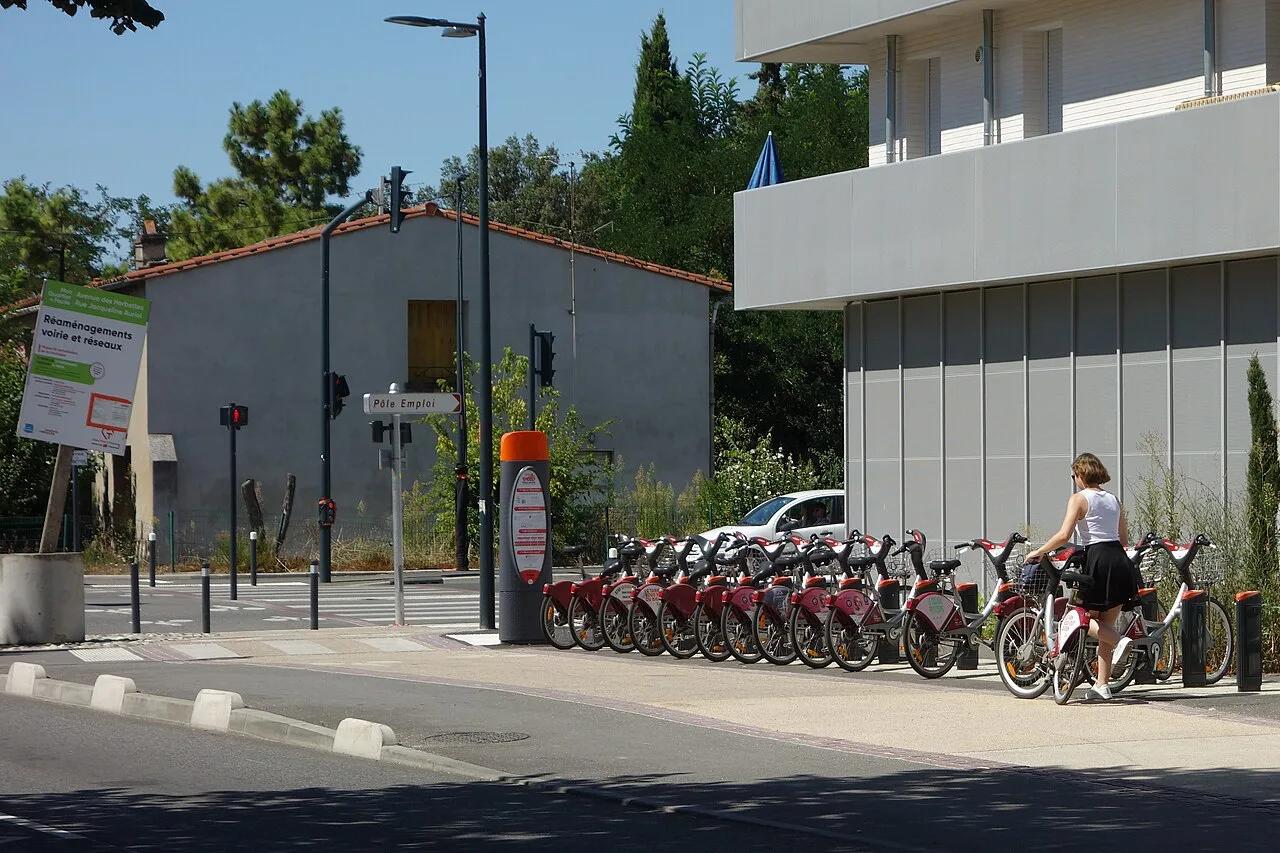
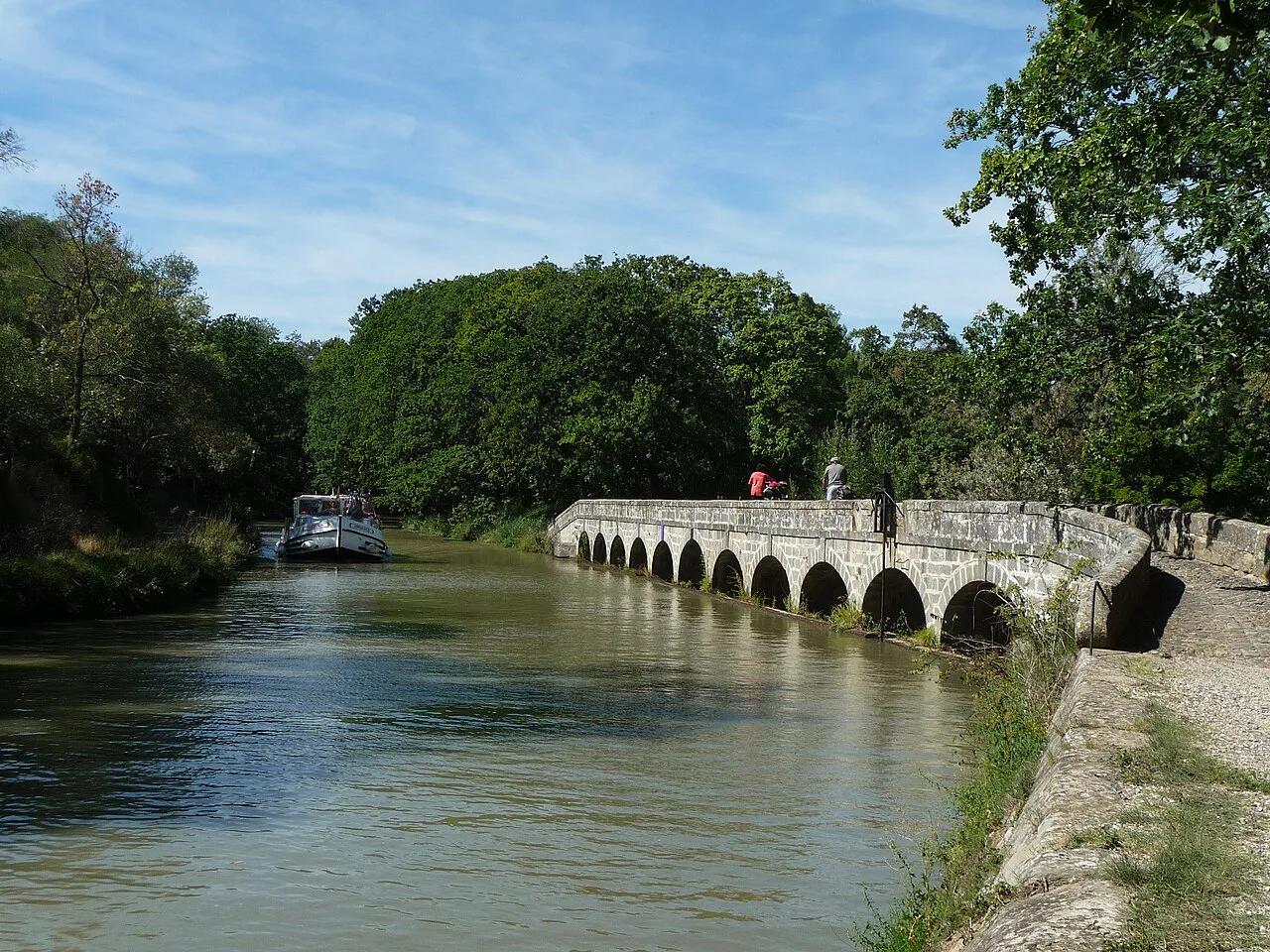
If your goal is Gibraltar instead, see this Toulouse-to-Gibraltar cycling itinerary as a separate planning idea. Riders considering a French add-on can explore the Canal du Midi Cycling: Toulouse to Sète Route Guide. For time in the city, use our Toulouse cycling guide. Neither add-on should be treated as a confirmed connection to your Spanish section.
Before-you-book checklist
Settle these points while you can still change your start, finish or travel date. If a major gap remains, keep bookings flexible or choose a stretch with clearer access.
- Track: record its source and date, and save it offline.
- Route: review status, surface, climbing, traffic and legal bike access.
- Disruption: look for current closures and usable diversions.
- Transport: secure any required bike space for outward and return travel.
- Stops: arrange lodging, bike storage, water and food around realistic days.
- Exit plan: choose where you can shorten the trip and how your bike will travel.
- Weather: review forecasts and warnings close to departure, then adjust exposed or demanding days.