Cycling Across Spain: Routes and Planning Guide
Plan cycling across Spain: compare route options, difficulty, season, bike transport, overnight stops, costs and self-supported or guided travel.
Last updated November 2026: cycling across Spain can mean several things, including a EuroVelo corridor, a ride in from France or a Pyrenees-to-Biscay mountain traverse. For a typical first-time tourer, we suggest a shorter section with manageable climbing, a surface that suits the bike, regular places to stay and a practical way home. Start with our Spanish EuroVelo network overview, then match an option to your time and fitness.
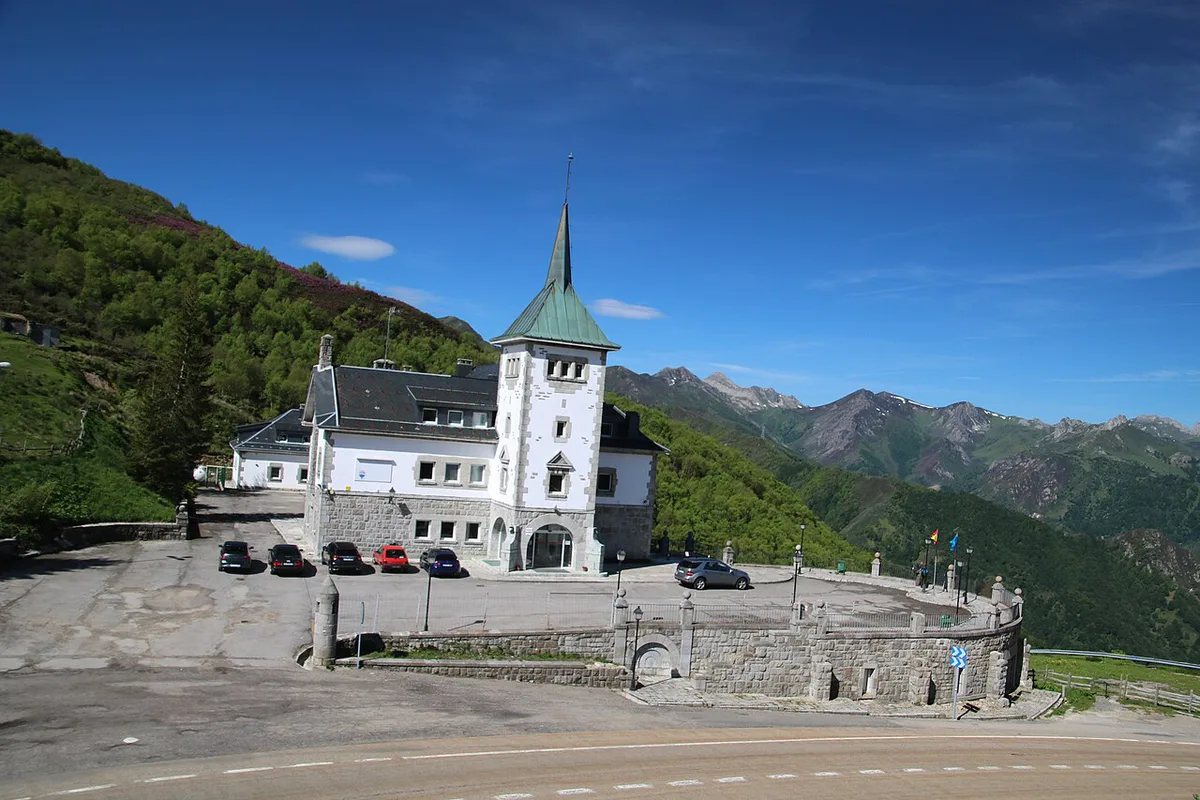
Featured image: Mongolo1984, CC BY-SA 4.0, via Wikimedia Commons.
Which Route for Cycling Across Spain Fits You?
First, decide what "across" means to you. It could be coast to coast, border to coast, north to south or one regional traverse. A ride covering only part of the country is a partial crossing, and it can still make a complete holiday. Compare these options before measuring mileage. A line on a map doesn't promise continuous signs, finished paths or freedom from traffic.
| Option | Shape of the trip | Likely fit | Main drawback |
|---|---|---|---|
| One section of a EuroVelo corridor | Partial crossing between endpoints you choose | First-time tourers who pick a manageable, well-serviced section | Does not take you all the way across |
| EuroVelo 1, Atlantic Coast Route | Atlantic-themed international corridor; map its Spanish portions | Riders building a trip around western or northern Spain | Not the same as one simple coast-to-coast line |
| EuroVelo 3, Pilgrims Route | International corridor with a pilgrimage theme, linked with travel toward Santiago de Compostela | Riders who value a cultural thread | Your preferred pilgrim path may differ from the cycling line |
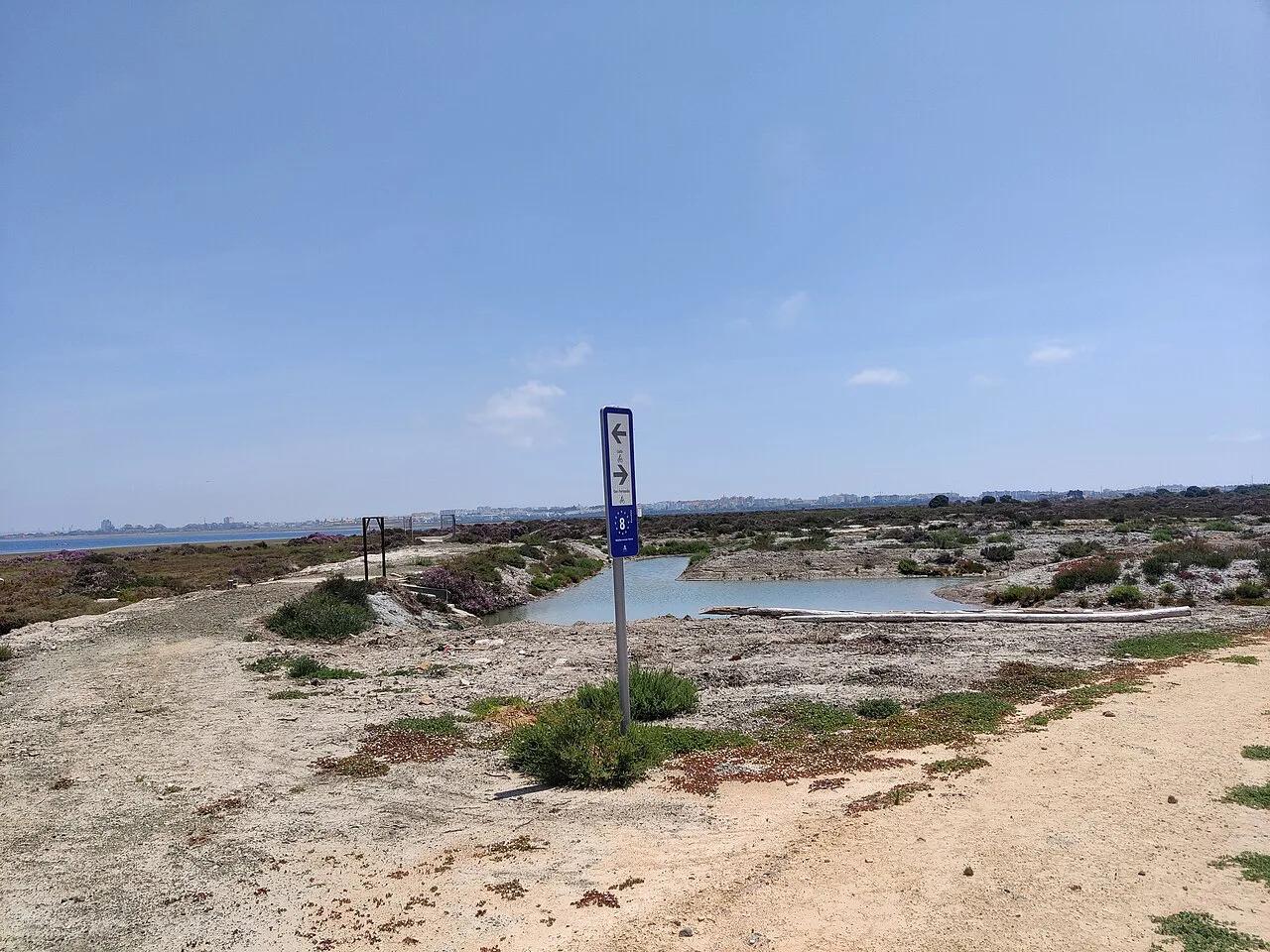
| EuroVelo 8, Mediterranean Route | Mediterranean-side corridor | Riders who want a coastal-side journey | Following one side of Spain is not an inland crossing |
| Toulouse to Gibraltar | Starts in France and ends at Gibraltar, outside Spain | Riders planning a long international tour | Longer-range planning and onward travel |
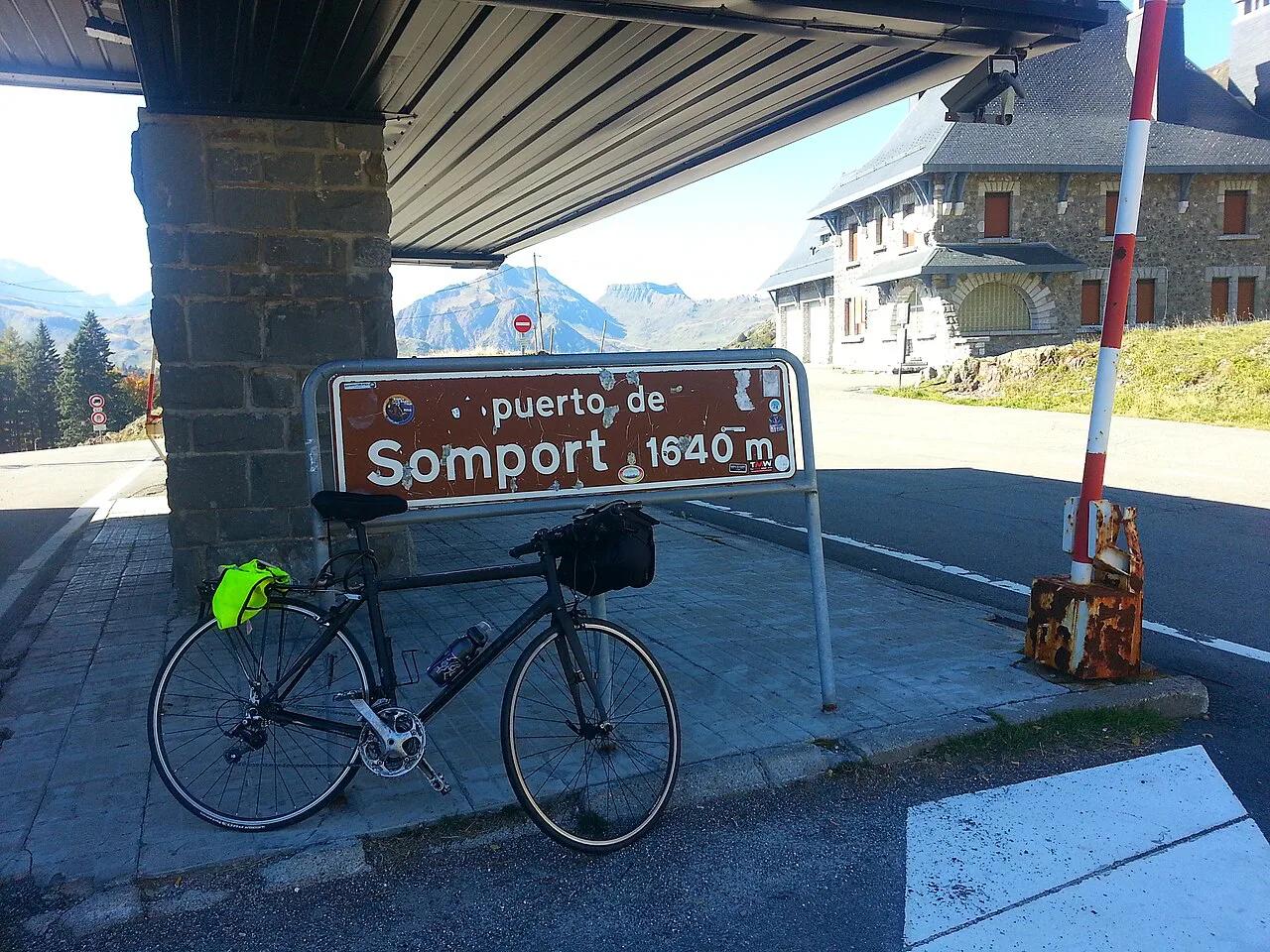
| Pyrenees to Bay of Biscay | Mountain traverse starting with Catalan climbs | Riders prepared for repeated hills | Climbing makes it a demanding first choice |
EuroVelo, France-to-Spain and Mountain Options
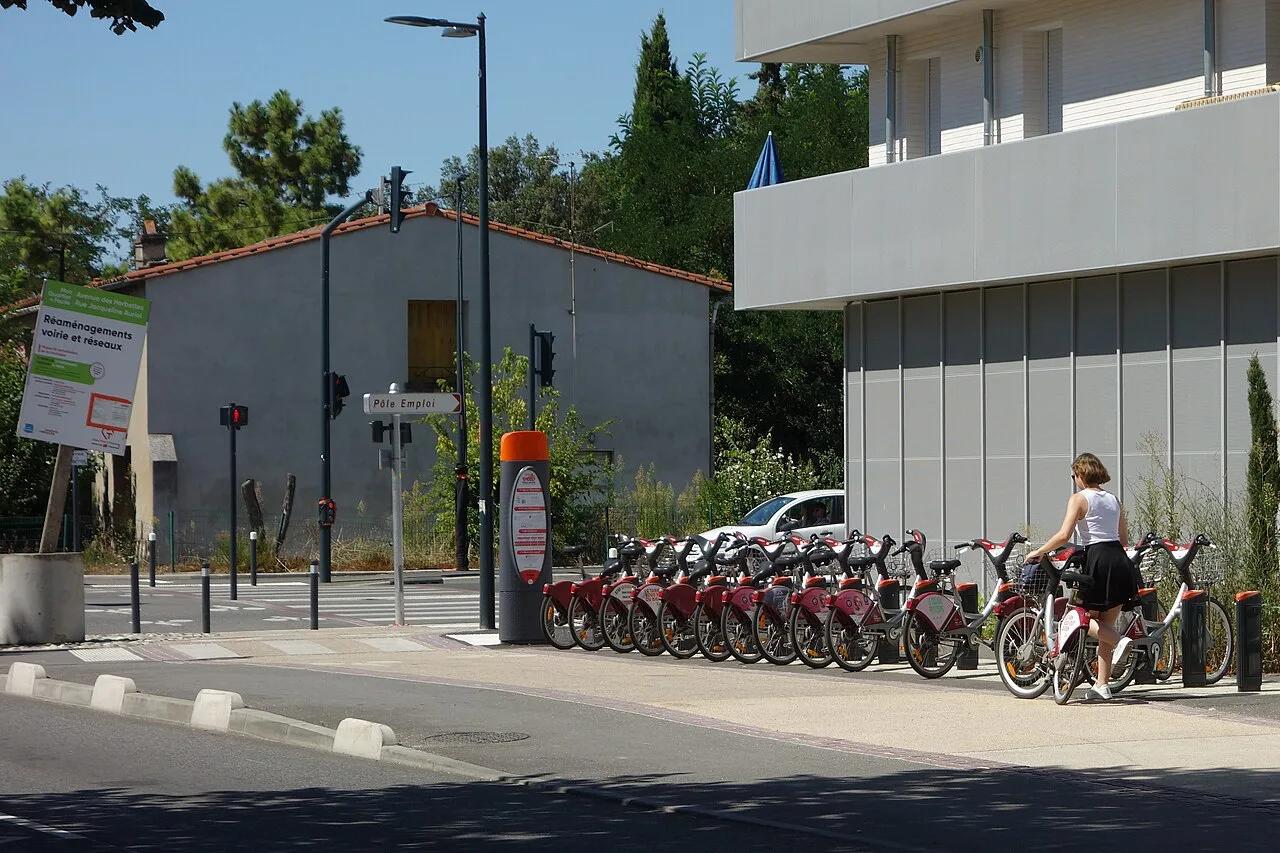
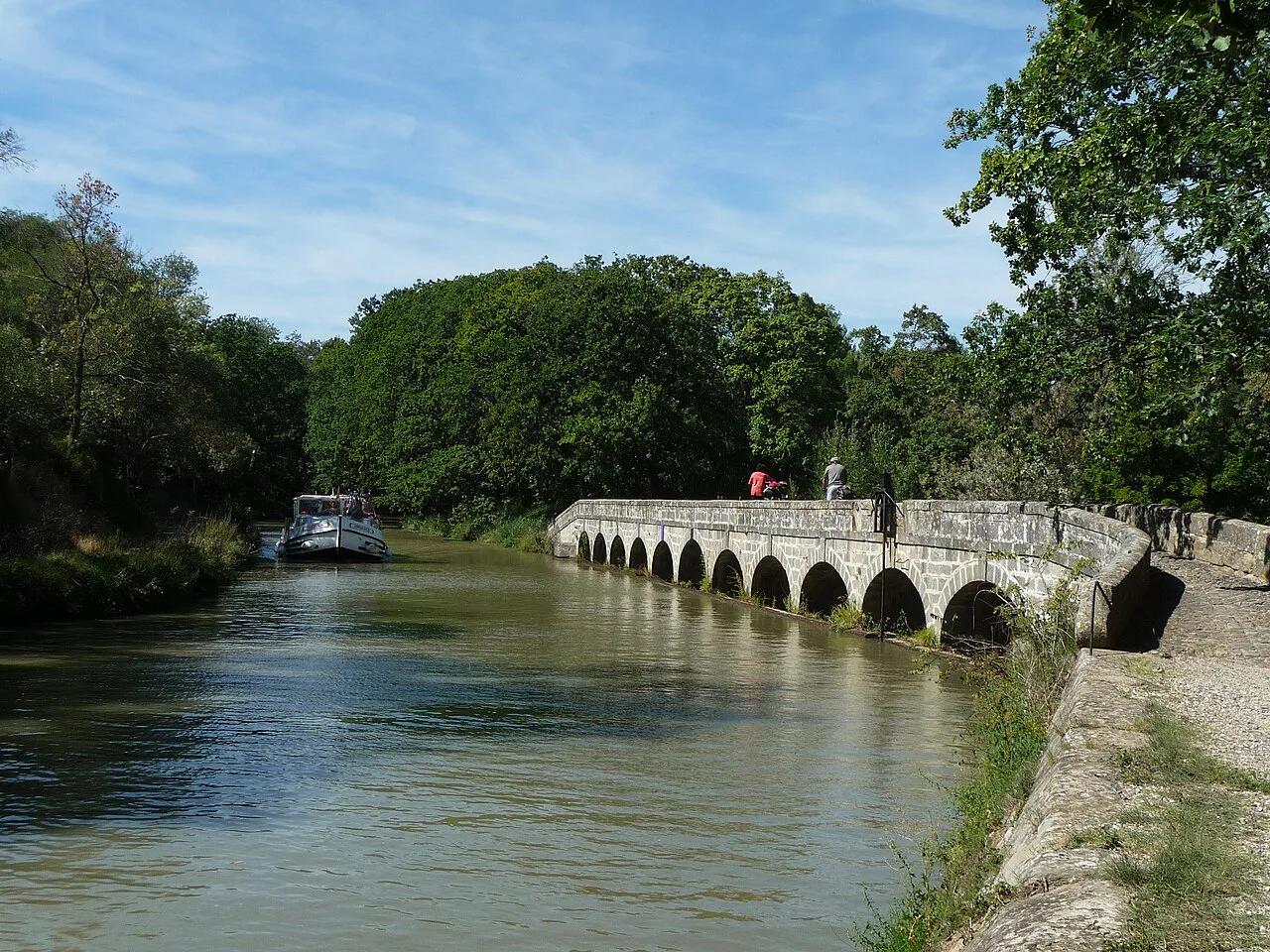
Use the official EuroVelo route information to check alignment and development status for each section. Then compare that line with current local maps. Our EuroVelo 1 guide covers the Atlantic option. For the pilgrimage-themed corridor, see the EuroVelo 3 route guide. Coastal-side planners can continue with the Mediterranean EuroVelo route. Starting north of the border? Compare France-to-Spain cycling options before fixing your crossing point. For a much longer idea, read about riding from Toulouse to Gibraltar. If that city is your launch point, plan your first days around Toulouse by bike. You can also research the Canal du Midi ride as a French approach, but it doesn't cross Spain. Ciclismo Classico has advertised a mountain tour through 4 Spanish regions. Its description starts in the Catalan Pyrenees, continues through hilly Aragon and the Basque mountains, and finishes at the Bay of Biscay. Treat it as a commercial itinerary rather than a standard signed route, and ask the company about current departures.
How Many Days Do You Need?
No single duration covers these different journeys. Divide your mapped route distance by a daily distance you can comfortably repeat. Round up, then add rest, weather and transfer days. As an illustration only, 600 miles at 50 miles per day means 12 riding days. Adding 3 spare days makes a 15-day plan, before travel to and from home. These figures don't describe a particular Spanish route. Shorten stages where climbing, heat, headwinds, heavy bags or rough surfaces will slow you. If the total exceeds your vacation, choose one continuous section. Another choice is to skip part of the line by train, provided your bike can travel on that service.
Spare days stack on top of riding days, so 600 miles at 50 miles per day means 12 riding days before any weather buffer.
- Distance: measure the exact line you intend to ride, including detours to lodging.
- Climbing: compare elevation gain for every stage, not just the trip total.
- Surface: identify pavement, gravel and rough tracks before choosing tires.
- Recovery: place rest days near towns with places to stay and transport.
- Fitness: test back-to-back rides on your loaded touring bike before departure.
When Should You Ride?
Choose dates for your route, because Spain's mountains, interior and coasts can present very different conditions. We would not name one best month for the whole country. Spring and autumn are sensible starting points for research, but neither guarantees comfortable weather. Review forecasts and warnings from AEMET, Spain's meteorological agency, as departure approaches. For earlier planning, compare historical conditions near your high points as well as your overnight towns.
- Mountain stages: allow for cold, changing weather and possible access disruption.
- Interior stages: plan around heat, exposed distances, shade and water.
- Coastal stages: consider wind, rain and seasonal demand for rooms.
- Every region: fit each stage into available daylight with time for repairs.
Getting There, Back and Around With a Bike
Bike carriage can differ by operator and train service, so check Renfe's current rail conditions before buying tickets. Apply the same check to every airline, bus company and ferry in your plan.
- Endpoints: price and plan the outbound and return journeys together, especially for a one-way ride.
- Packing: ask whether your bike must be boxed, bagged or partly dismantled.
- Space: find out whether you need a bike reservation and what size limits apply.
- Connections: leave time for station or terminal changes with luggage.
- Bike choice: if you ride a recumbent, review recumbent touring considerations and ask carriers about its dimensions.
- E-bikes: check battery restrictions separately from bike-space rules.
Where to Sleep, Refill and Get Repairs
Plan each stage around a bed or legal campsite, dependable water and a way to leave if something fails. Don't assume a village shown on your map has an open shop or room.
- Lodging: check seasonal opening dates, space availability and secure bike storage.
- Camping: read local, regional and protected-area rules; don't assume wild camping is allowed.
- Water and food: mark long gaps and carry enough to reach your next dependable stop.
- Repairs: save bike-shop locations and opening details, and carry tools you know how to use.
- Rental: ask about one-way returns, luggage fittings, spare parts and breakdown help.
- Backup: identify transport or taxi options that can accept your bike.
Self-Supported, Self-Guided or Guided Tour Costs
Self-supported touring gives you control over stages, but you handle navigation, bookings, bags and breakdowns. Self-guided packages can reduce planning, while guided trips add on-road leadership; inclusions vary by operator. For price context checked in November 2026, BikeTours.com listed a Catalonia road tour from €1550 for 7 nights. Its upscale Basque Country road trip started at €3954 for 6 nights. These are regional packages, not estimates for riding across the whole country. A separate Tenerife tour started at €2018 for 7 nights, but island riding is not a mainland crossing. Compare what each fee includes before judging value. Self-supported riders can control lodging and food choices, although this doesn't guarantee a lower total.
Catalonia's package at €1550 for 7 nights runs shorter than the 15-day illustration, so confirm which nights and riding days it actually covers.
| Trip style or listed tour | Cost or cost drivers | What to weigh |
|---|---|---|
| Self-supported | Lodging, food, bike, transport, repairs and contingency | Most control and most planning responsibility |
| Self-guided package | Package fee plus anything excluded | Ask about luggage, navigation, breakdown help and cancellation |
| Guided package | Package fee plus anything excluded | Ask about guide support, pace, vehicle backup and cancellation |
| Catalonia road tour | From €1550, 7 nights | Regional package |
| Basque Country upscale road tour | From €3954, 6 nights | Regional premium package |
| Tenerife cycling tour | From €2018, 7 nights | Island package |
Before You Commit
Load your GPX file, then inspect the line for busy roads, rough surfaces, closures and gaps. Review DGT traffic information for road rules and notices, and use local authorities for path-specific restrictions. Reconsider a full mountain or long-distance crossing if you haven't tested consecutive loaded riding days. A shorter section or supported tour may suit you better. E-bike riders should map charging access and plan climbing range with a reserve.
- Match route, climbing and surface to your fitness, tires and gearing.
- Check signs and completion status instead of assuming a mapped corridor is continuous.
- Arrange bike carriage and the one-way return before locking in nonrefundable stays.
- Identify every long water, food and lodging gap.
- Save an offline map and carry a backup navigation method.
- Keep contingency money, emergency contacts, insurance details and an exit plan for each stage.
Frequently Asked Questions
Can you do the Camino de Santiago on a bicycle?
Yes, you can ride toward Santiago de Compostela by bike. Walking paths and good cycling lines are not always the same, so inspect surfaces, access restrictions and road alternatives for your chosen Camino.
Do you have to wear a helmet on a bicycle in Spain?
Pack a helmet and plan to wear it on every stage. Legal requirements can depend on circumstances such as rider age and road type, so check the current DGT rules before your trip.