EuroVelo 1 in Spain: Route Guide and Planning Checks
Understand EuroVelo 1 and plan a ride in Spain, with route differences, GPX file tests, bike access, riding time, overnight stops and budget advice.
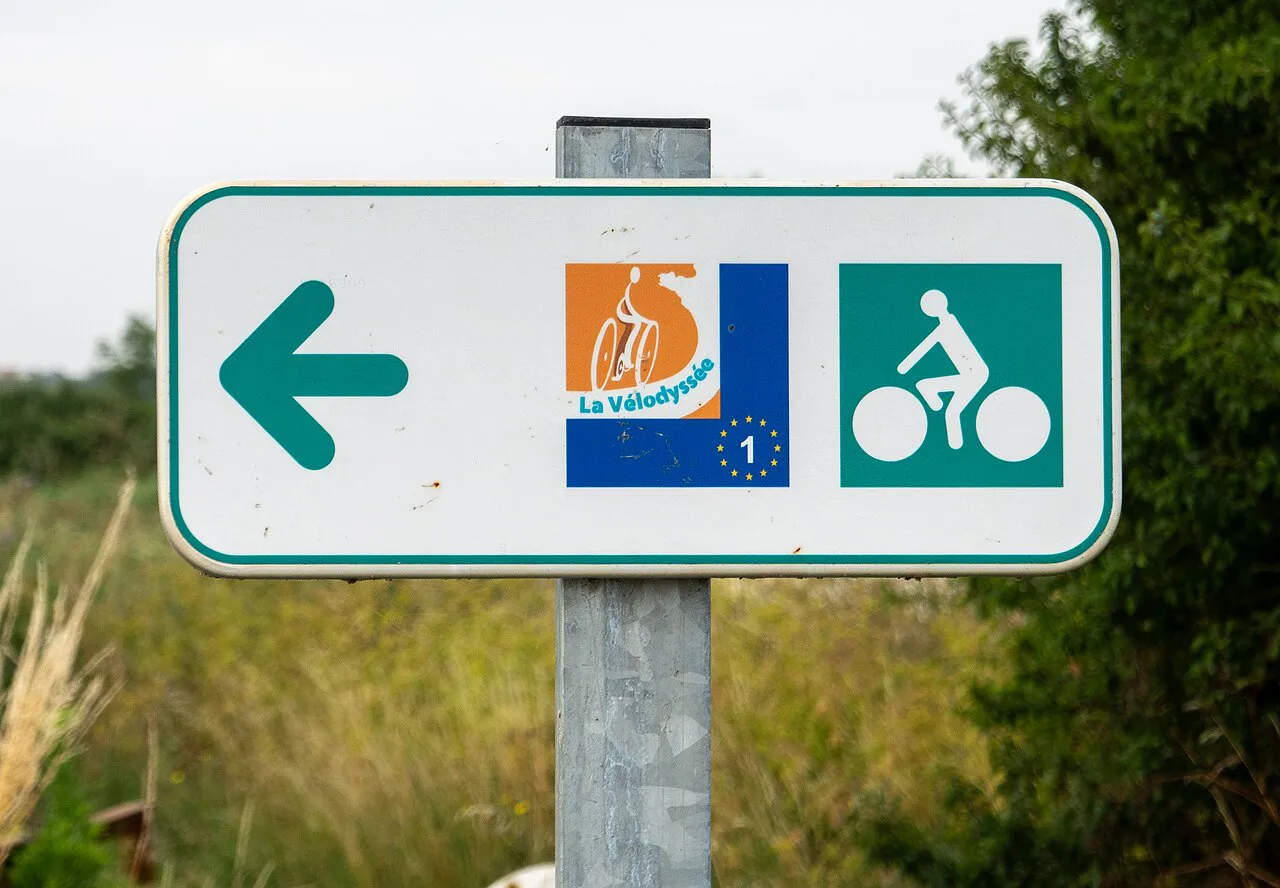
Last updated November 2026: EuroVelo 1, the Atlantic Coast Route, is a long-distance cycle route from North Cape in Norway to Portugal, where published finishes include Sagres and Valença. In Spain, route listings show a part passing Burgos, Salamanca and Mérida, plus a separate Galicia part that includes the Tui–Valença international bridge. A mapped line or GPX file alone cannot tell you whether your chosen stretch is signed, continuous or pleasant to ride.
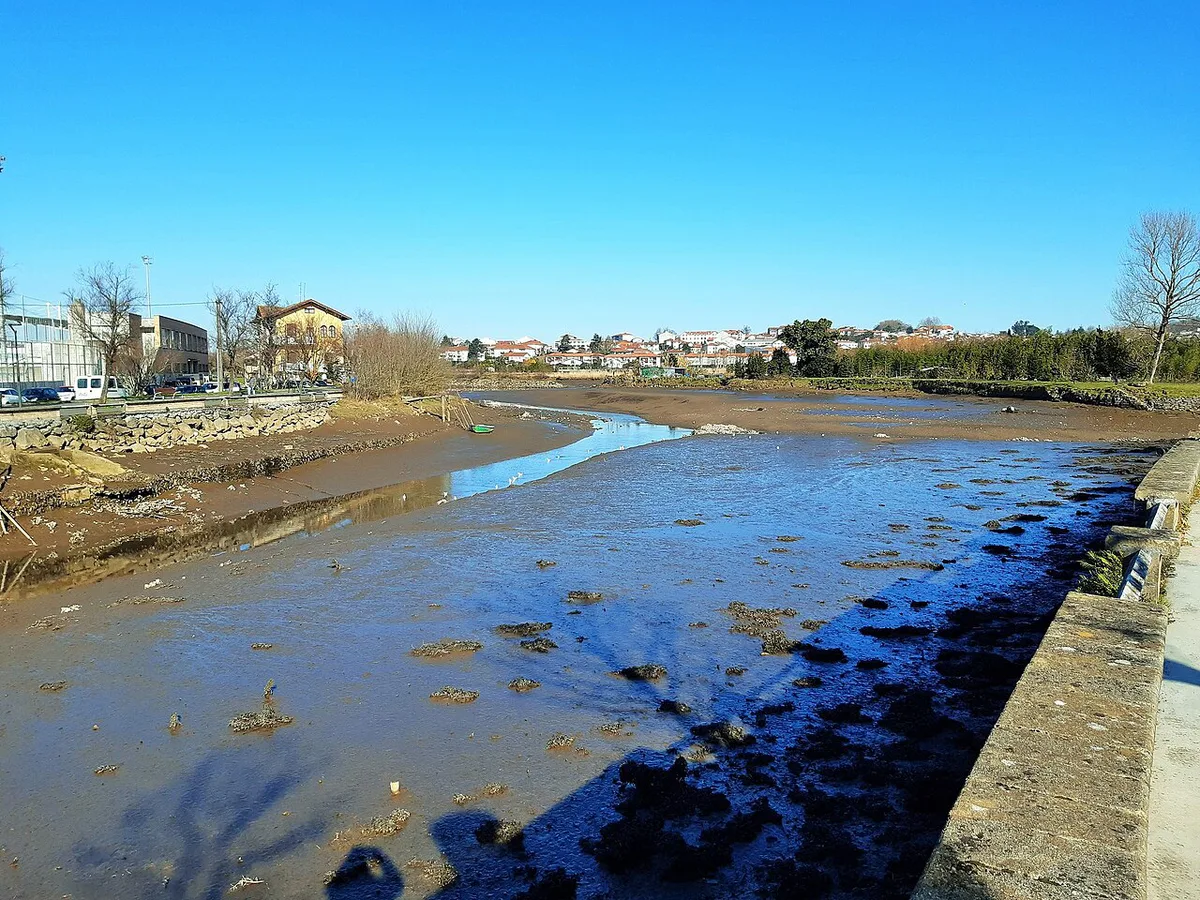
Featured image: No(0)GoodNamesLeft, CC BY-SA 4.0, via Wikimedia Commons.
EuroVelo 1 at a Glance
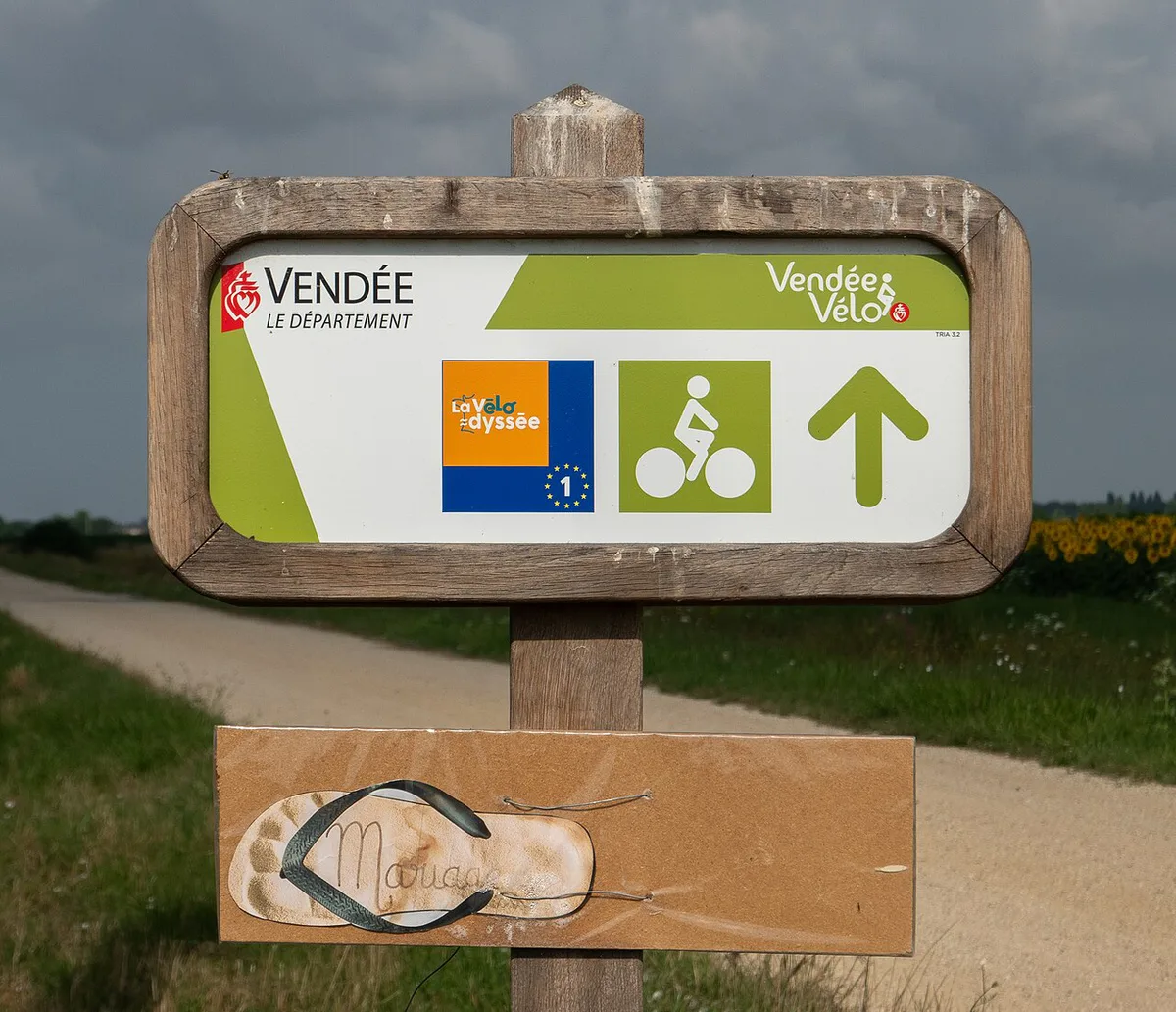
Start with the official EV1 route page for the current line and endpoints. Published totals differ widely. Text sourced from Wikipedia gives 10,650 km from North Cape to Valença. Route-mapping site Via Nostalgia lists 11,982 km, while a French-language EuroVelo 1 video description gives 8,200 km to Sagres. Treat these as separate descriptions rather than averaging them. Their full measuring methods are unclear, so none should become your riding itinerary. To compare this ride with other options, see Spain's other EuroVelo routes.
Country totals also depend on how you count. One list names 9 countries or constituent nations: Norway, Scotland, Northern Ireland, the Republic of Ireland, Wales, England, France, Spain and Portugal. Grouping the UK's nations together gives 6 countries.
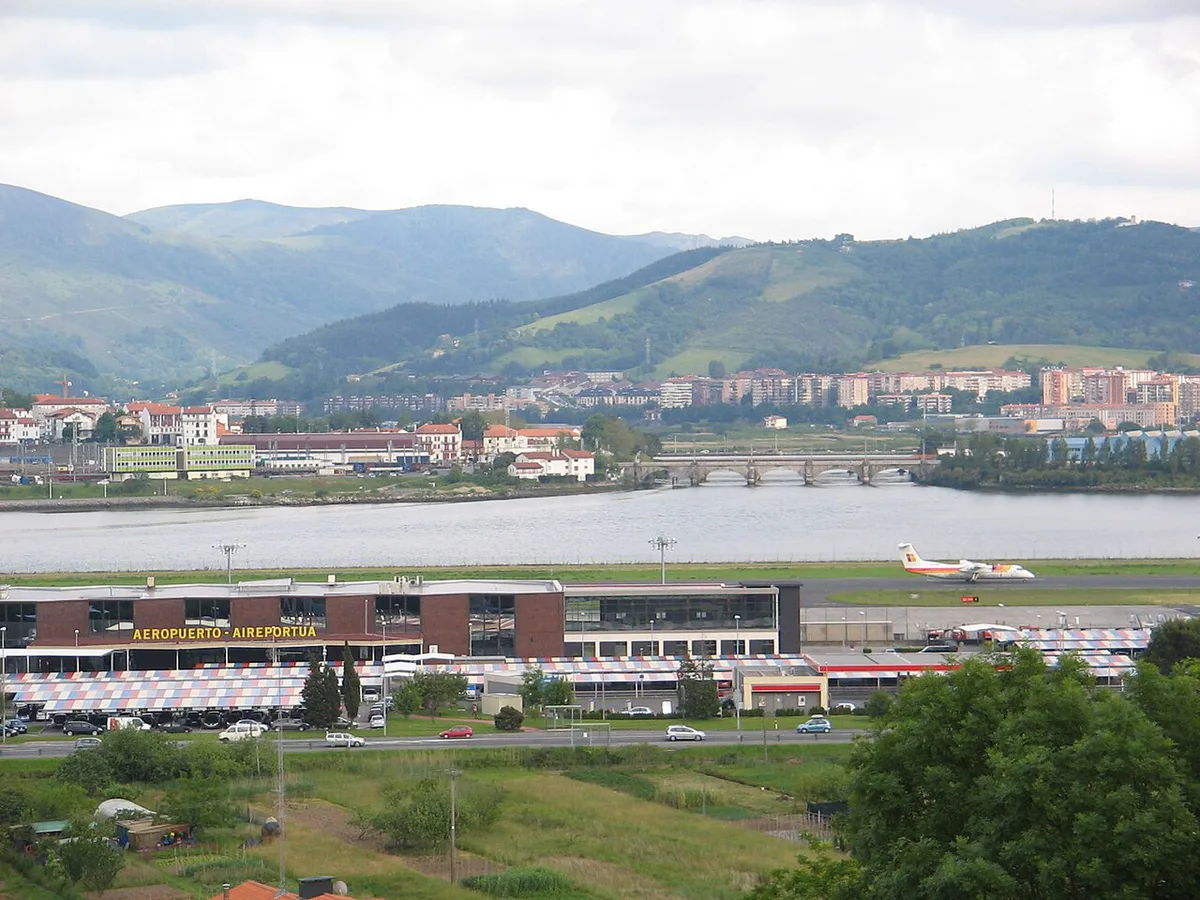
- Name: EuroVelo 1, or EV1, the Atlantic Coast Route
- Northern end: North Cape, Norway
- Southern end: Portugal, with Sagres and Valença both published
- Network body named in route listings: European Cyclists' Federation
Where the EV1 Route Goes in Spain
Don't picture the Spanish riding as one continuous coast road. Via Nostalgia lists a 1,414 km part labelled Spain, with Burgos Cathedral, Salamanca's New Cathedral and Mérida's Roman bridge as landmarks. Those places are inland. Its separate Spain–Galicia part measures 534 km and includes Santa Cruz Castle and the international bridge at Tui.
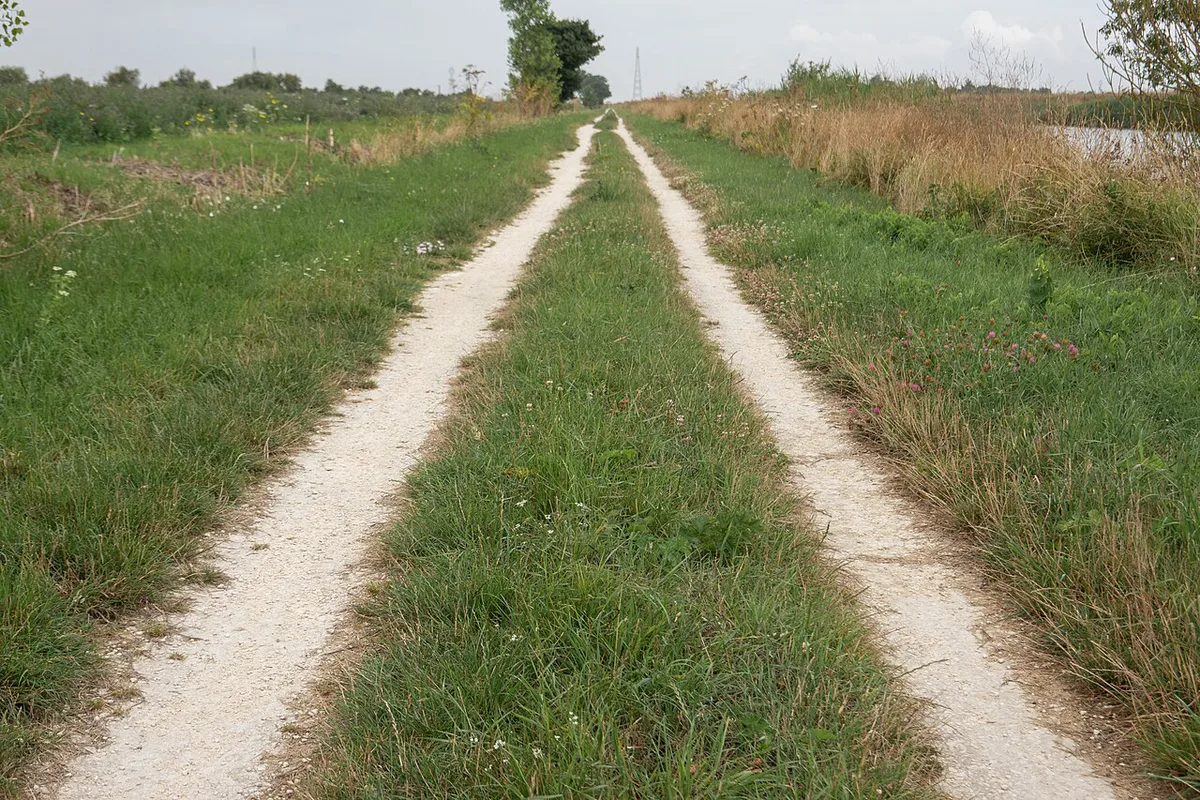
Keep those two distances apart. They are not an established official total for Spain, and the list does not show that they join as one ride. Their landmarks also don't establish the riding order, exact start points or finish points.
Another source of confusion is Fisterra. Cycling-route site Biroto publishes a 4,449 km track from Roscoff in France to Fisterra in Galicia. By contrast, a cycle.travel forum reply says EV1 does not run from Fisterra to Porto. Before using either place as an anchor for your trip, compare your file with the current official line. Treat any link between those two places as unproven until it matches.
Which Spain Section Suits Your Trip?
Choose by access and verified riding conditions before choosing by scenery. The listed 534 km Galicia part is shorter than the 1,414 km Spain part. Shorter does not mean easier, safer or better for a first tour. Comparable climbing, surface and traffic details are still needed for both.
Break your preferred part into a stretch with a reachable start and exit. For each candidate, record the points below and leave unknown fields blank. A blank traffic field, for example, is a reason to research further before taking children or a loaded bike. If you want a greenway ride, browse Spain's Vías Verdes network separately. Don't assume any greenway forms part of EV1.
| Listed option | Published distance | Places named | Open question before choosing |
|---|---|---|---|
| Spain part, Via Nostalgia | 1,414 km | Burgos, Salamanca, Mérida | Section ends, climbing, surface, traffic, signs and gaps |
| Spain–Galicia part, Via Nostalgia | 534 km | Santa Cruz Castle, Tui international bridge | Section ends, climbing, surface, traffic, signs and gaps |
| Roscoff–Fisterra track, Biroto | 4,449 km, starting in France | Roscoff, Fisterra | Match with official EV1; Spain-only distance |
- Start, finish, distance and total climbing
- Officially developed, signed or planned status
- Surface, traffic exposure, closures, gaps and detours
- Longest distance between water, food and beds
- Rail or other bike-friendly access at both ends
- Fit for your trip: first tour, short break, self-supported ride or loaded touring
Is the Route Ready to Ride? Maps, Signs and GPX
Via Nostalgia describes the route as waymarked EV1, but that broad label cannot establish continuous signs on your chosen Spanish stretch. Look for its current development and signage status. The forum reply about Fisterra and Porto also cautions that, where available, EV1 may not be the most pleasant choice. It says season and travel direction matter. That is one rider's view, but it is a useful reason to research recent conditions.
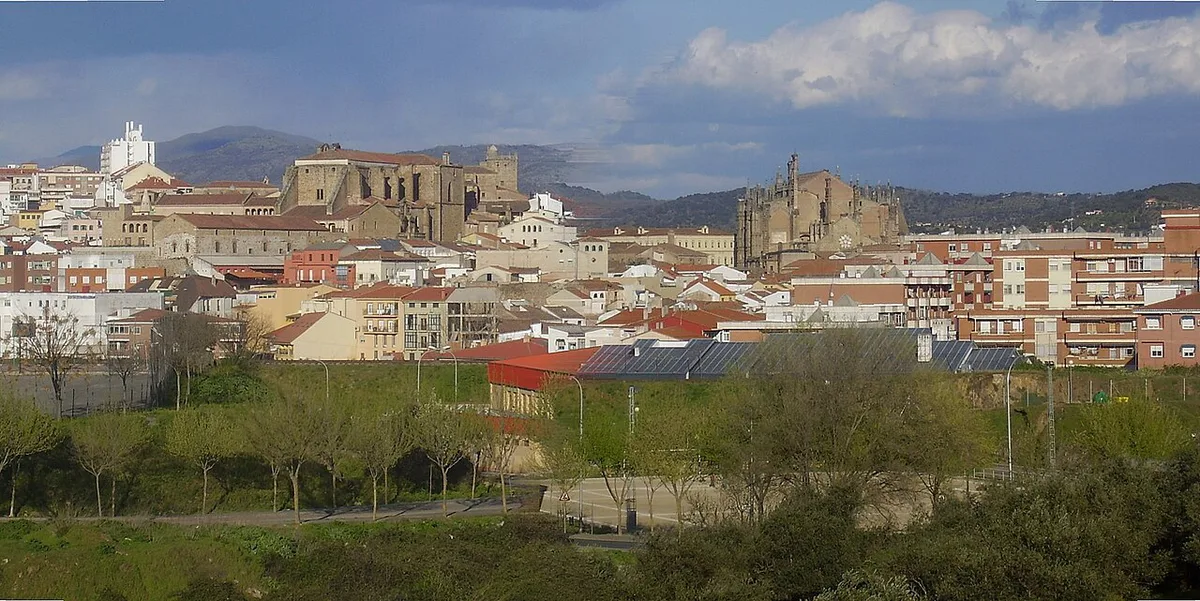
Files labelled EuroVelo 1 can cover just 46.4 km, far short of the 534 km Galicia part. Check which stretch any file actually represents.
GPX labels need similar care. A BikeGPX file titled EuroVelo 1 covers only 46.4 km with 435 m of climbing. Its listing does not identify which stretch it represents. Biroto says its much longer track draws on OpenStreetMap data and records an upload dated 1 July 2026. A recent upload date still doesn't prove that every road or path is open.
For road rules and traffic information, use Spain's DGT traffic authority. Ask the relevant local authority about path closures and surfaces.
- Identify the publisher, update date and reuse licence
- Compare the file with the current official alignment
- Label it as the full route, one section, a variant, an MTB track or a connector
- Mark ferries, closures and gaps
- Open it in your navigation app and save an offline copy
How Long to Allow and When to Go
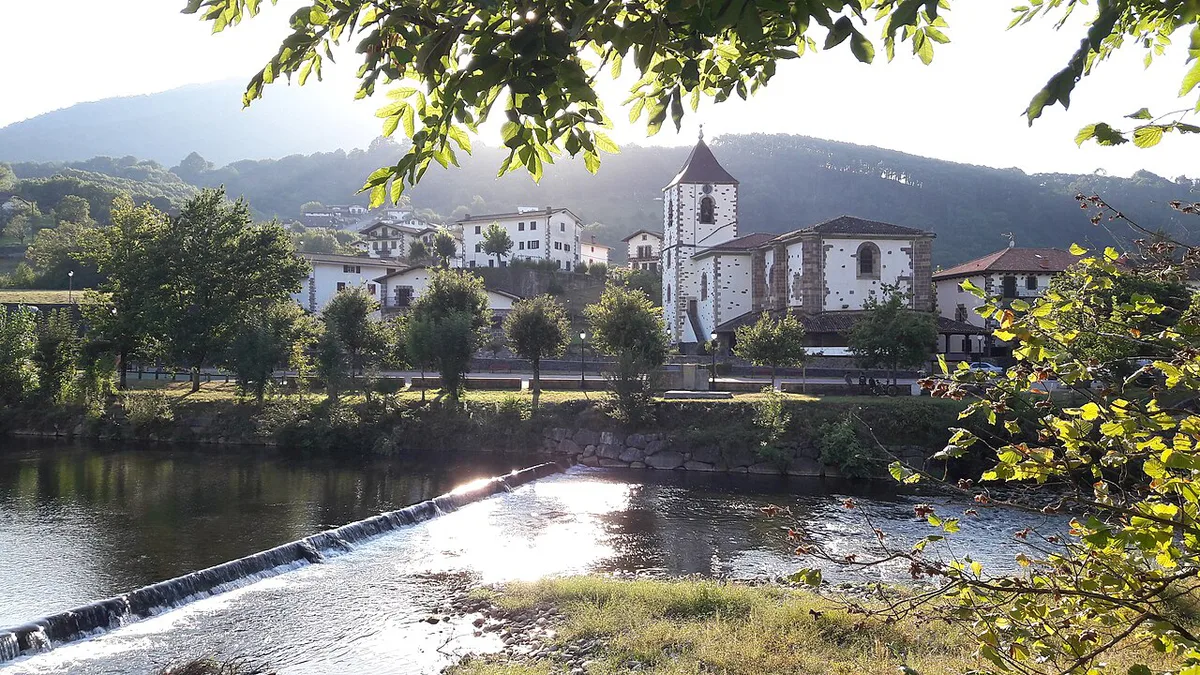
Estimate time from your verified distance, climbing and comfortable daily range. As a planning assumption only, 60 km per day would turn 534 km into about 9 riding days. At that same pace, 1,414 km would take about 24 riding days. Neither calculation includes rest days, transfers, detours or slower hilly stages, and neither is an official stage plan.
Then compare weather for each place on your line, rather than choosing one best month for all of Spain. Use official climate data and forecasts for heat, rain, wind and daylight. Inland places such as Salamanca and Mérida need their own research. So does your Galician stretch. Choose your direction only after comparing wind, climbing, transport and any one-way restrictions.
- Set a daily range you have already managed with similar luggage
- Shorten days with major climbing or uncertain surfaces
- Add transfer time at both ends
- Leave a spare day for weather, repairs or a broken connection
Getting to and From the Route With a Bike
Plan both ends before buying tickets. Bike rules can differ between train services, and a bus connection may have separate luggage conditions. Ask each operator about reservations, space limits, bagging and dismantling. Keep another exit town in your plan in case your preferred connection cannot take your bike.
With up to 2 sailings daily on the Roscoff–Plymouth crossing, build a spare day in case you miss one.
If your longer approach starts in Britain, Biroto lists the Roscoff–Plymouth ferry with daytime crossings of about 6 hours. It reports up to 2 sailings daily, so look up the operator's current timetable and bicycle conditions for your date. That crossing connects France and England; it is not access to a Spanish section.
Trip shape matters too. If you are considering a different long ride, compare a Toulouse–Gibraltar journey as a separate idea. For a canal-based alternative in France, read about riding the Canal du Midi. Neither should be treated as an EV1 section. You can also compare our guide to EV8 before settling on a route. Another option to assess is covered in our guide to EV3.
Overnight Stops, Supplies and Budget
Map beds, water and food before fixing daily distances. Via Nostalgia counts 1,252 places to stay and 485 campsites along its route mapping. Those whole-route totals say nothing about spacing or seasonal opening on your Spanish stretch. Identify the longest supply gap and a fallback bed for each uncertain day.
Storage arrangements need a direct question as well. Biroto's Roscoff listings show a €0 lockable bike room at Hôtel Armen Le Triton, with prices checked November 2026. Its Hôtel Bord de Mer listing instead describes restricted lobby storage accessible only to staff. These French examples are not Spain prices or a promise of current availability. Ask your chosen host whether your bike will fit, who can access it and whether there is a fee. Riders using longer machines may also want to consider touring on a recumbent when planning storage and transport.
Build a euro budget from live quotes for your dates. Compare campsite and room totals for the same overnight stops, including any bike charges. A cheaper pitch can still produce a costlier plan if it adds transfers or requires extra camping kit.
- Transport to the start and home from the finish
- Bike carriage, packing or hire
- Rooms or campsite pitches
- Food and water
- Repairs, a missed connection and an unplanned overnight stay
Final Checks for Your EV1 Stretch in Spain
Run this final check on the exact stretch you will ride, not just the EV1 name. Save your decisions with your offline map, including where you can leave the route if conditions change.
- Don't treat every EV1-labelled GPX file as complete or current
- Don't assume signs or traffic-free riding continue throughout
- Plan days around climbing, surface and supplies as well as distance
- Secure bike carriage before relying on a transport ticket
- Keep separate parts, variants and connectors separate until their links are established
- Carry an exit option and an offline copy of your route