7 Best Rides for Cycling in Mallorca: How to Choose
Plan cycling in Mallorca: compare 7 climbs, areas and easier rides, pick a base, weigh the seasons, decide on bike rental and check road access.
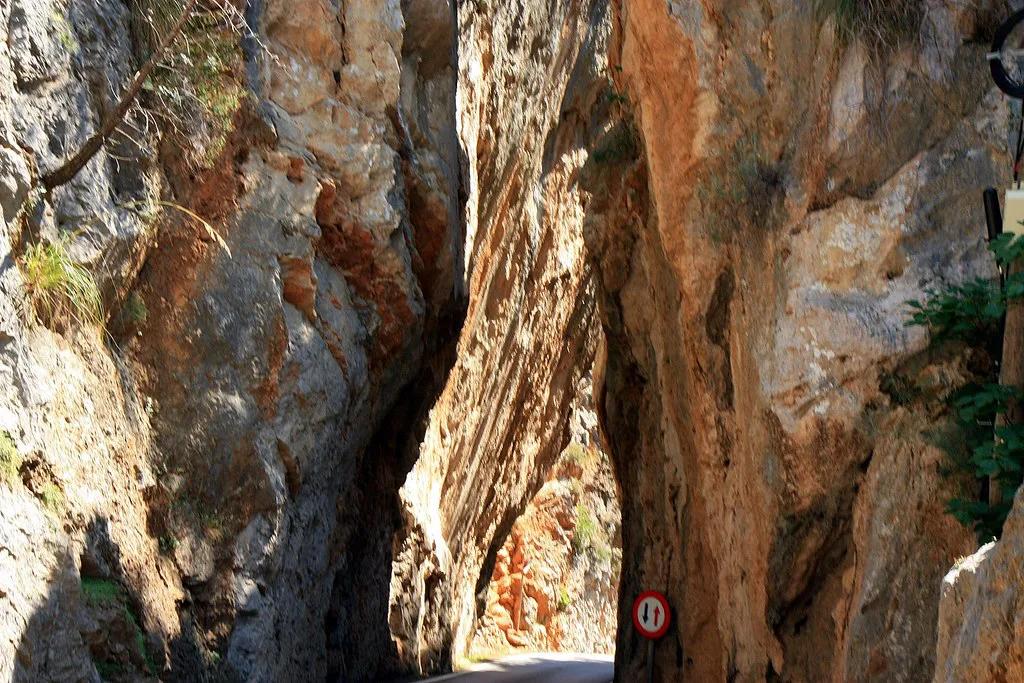
Last updated November 2026: cycling in Mallorca suits road riders who want to choose between mountain climbs and flatter inland days. Your main trade-offs are climbing ability, base location and how much road traffic you will accept. Start with a ride you can shorten, then add harder days once you know how your legs and bike are coping.
Featured image: Mr Moss, CC BY 2.0, via Flickr.
Is Mallorca Right for Your Kind of Riding?
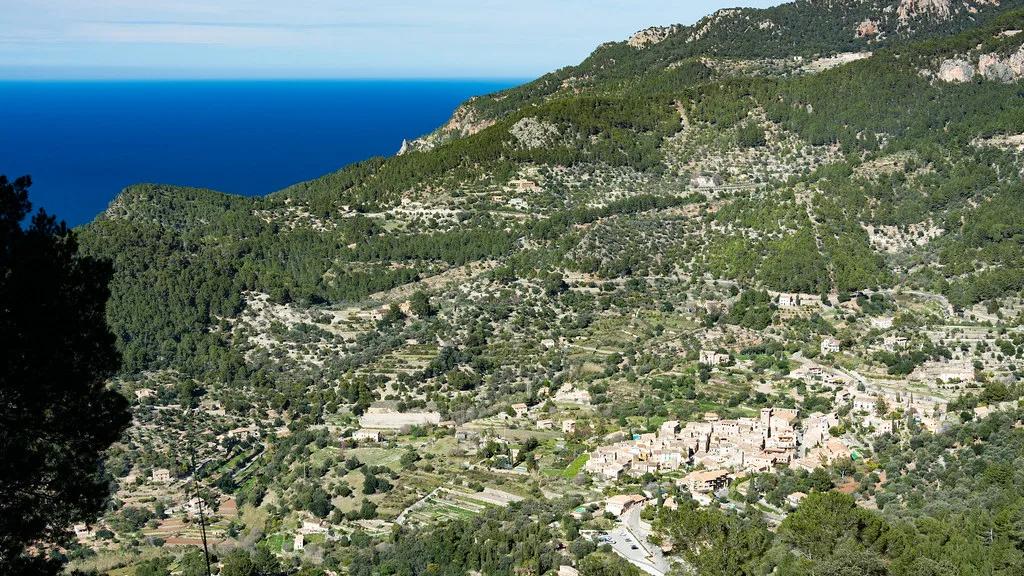
Experienced climbers should look first at the Serra de Tramuntana, the mountain range along the northwest side. Newer riders can begin on Es Pla's flatter inland roads, although flatter does not mean traffic-free or effortless. For more route ideas, compare these Mallorca road route options.
Mixed groups should agree on separate ride plans and a meeting point. If you want an e-bike or guide, secure a booking before relying on either. Trail riders need different bikes and routes, so start with off-road riding in Mallorca. If you are still choosing an island, our guide to cycling in Menorca, Ibiza and Formentera compares Mallorca’s quieter neighbours.
7 Best Rides for Cycling in Mallorca, Compared by Rider
These picks are an editorial chooser rather than a difficulty ranking, and some are areas where you build your own route. Before riding, map the full day from your door and back. A climb's distance and ascent never describe that whole outing.
Before you drop into Sa Calobra, save the emergency number. For an emergency in Spain, call 112.
| Ride or area | Editorial fit | Planning shape | Check first |
|---|---|---|---|
| Sa Calobra | Confident climbers | Down and back up, plus approach | Access, traffic, return energy |
| Puig Major | Climbers | Climb within a longer ride | Turnaround, tunnels, weather |
| Coll de Sóller | Pass-focused riders | Out-and-back or loop | Mapped road, descent |
| Cap de Formentor | Prepared coastal riders | Out-and-back | Access controls, wind |
| Wider Tramuntana | Experienced planners | Custom route | Bail-out, supplies |
| Es Pla | Warm-ups and inland days | Custom loop | Junctions, exposure |
| Vía Verde Manacor–Artà | Easier outings | Choose your turnaround | Surface, access |
1. Sa Calobra: for a committed climbing day
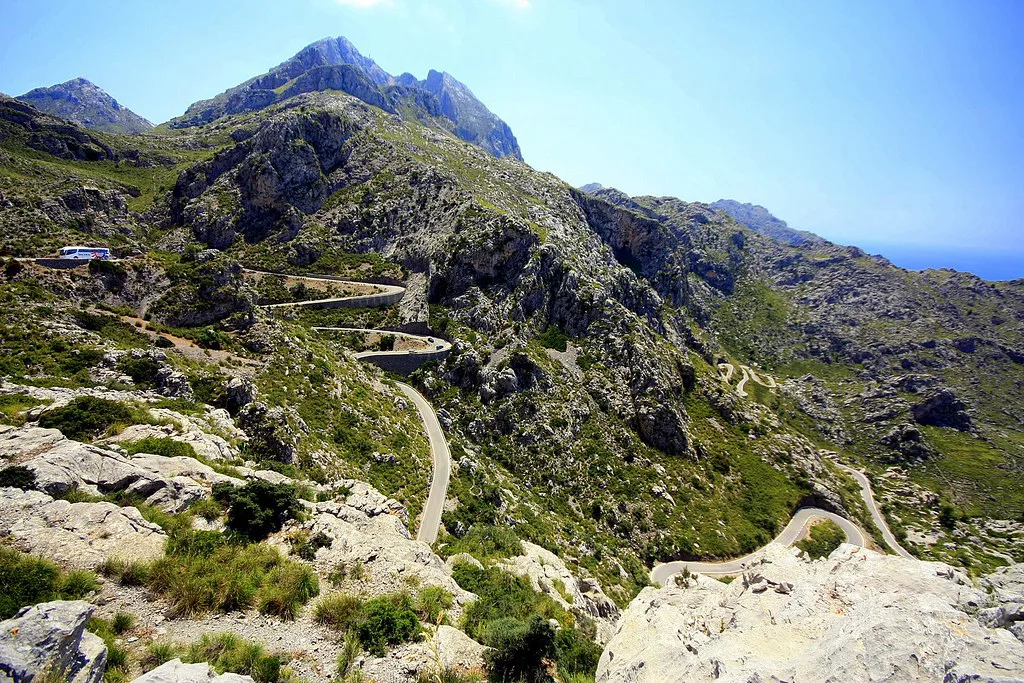
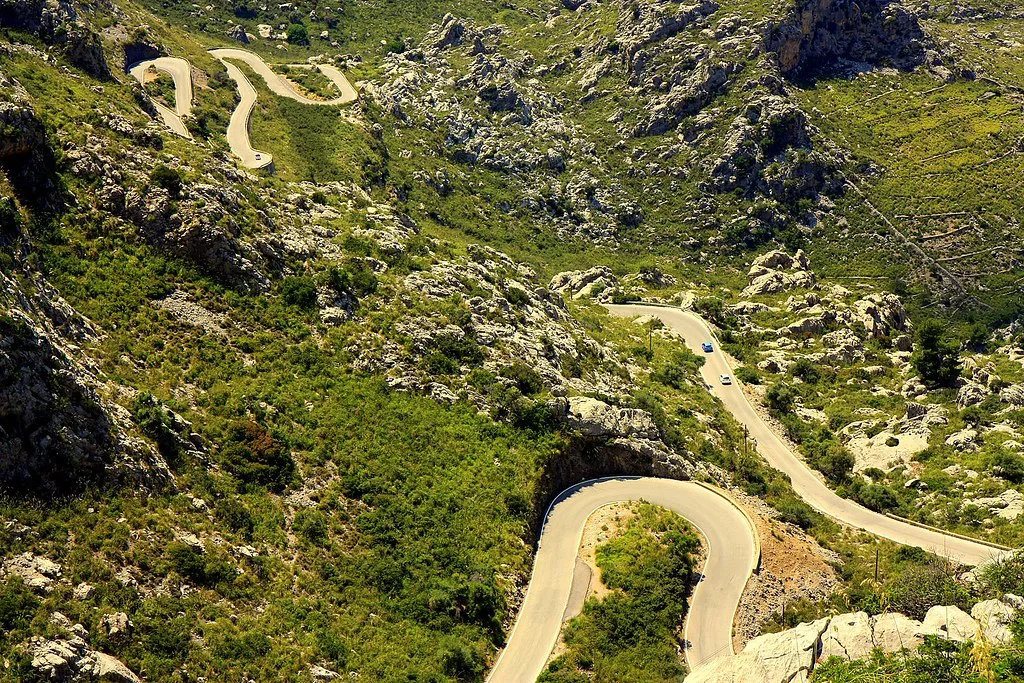
Pick this Tramuntana road if a descent to the coast and a climb back out are your main goal. Riding it both ways means the hard return starts after you reach the bottom. Plan your approach, return and food before dropping in, using this Sa Calobra riding guide.
Watch for coaches and cars on the bends, and keep your descending speed within what you can see. Skip it if you are unsure about long climbs or have no energy reserve for the ride home.
2. Puig Major: for riders building a mountain loop
Choose the Puig Major road climb when you want a major Tramuntana ascent within a longer day. Treat the road and the mountain's summit as separate places, and do not plan on reaching the peak by bike. Mark your turnaround or onward road using the Puig Major climb breakdown.
Pack a layer for the descent and check any tunnels on your mapped line. Skip it if poor mountain weather or a long return would leave you without a practical way out.
3. Coll de Sóller: for a focused pass ride
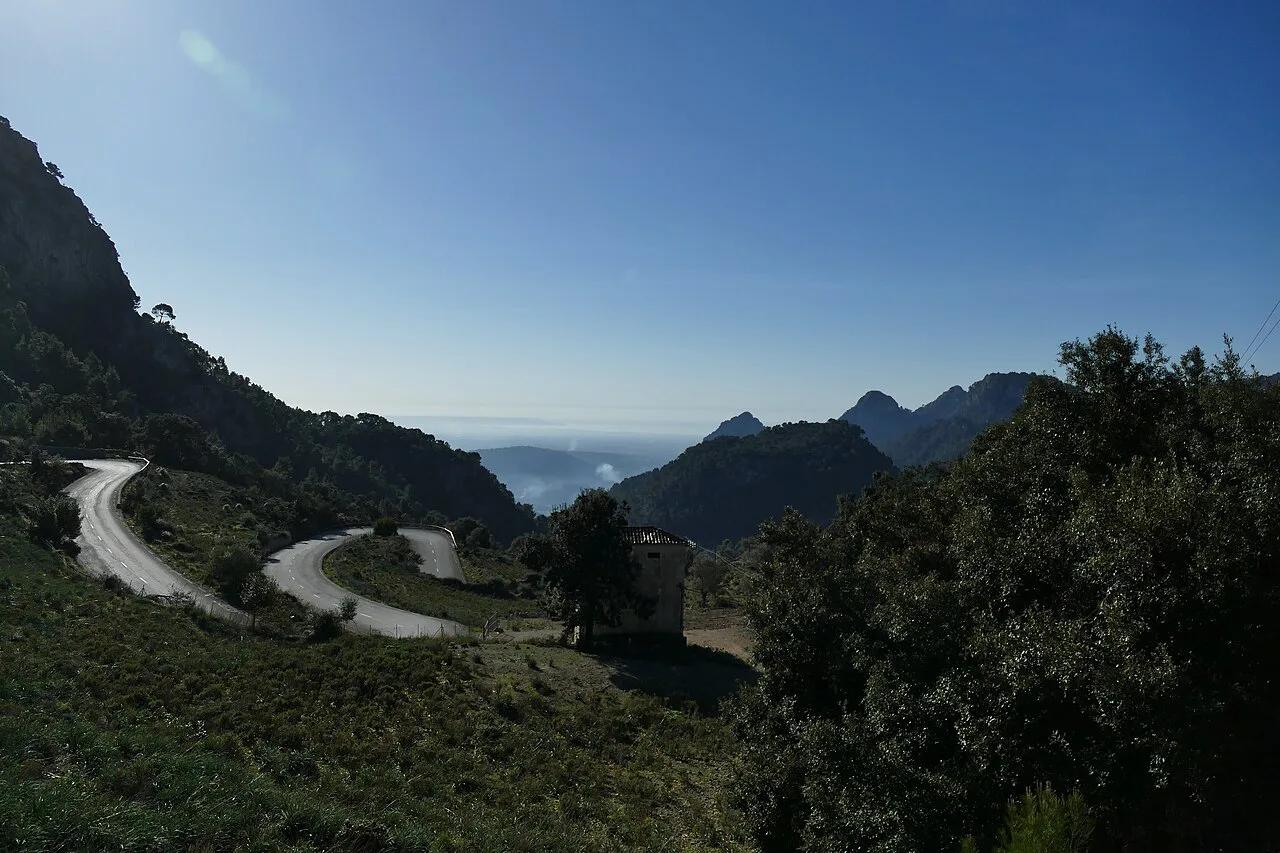
This Tramuntana pass is a candidate when you want switchbacks and a clear objective, with Sóller as the anchor for planning. Decide whether to turn back at the top, descend and return, or continue into a loop. Make sure your navigation follows the pass road rather than a tunnel route.
Our Coll de Sóller ride notes can help you shape the day. Skip it if tight bends make you nervous, or choose gentler inland practice first.
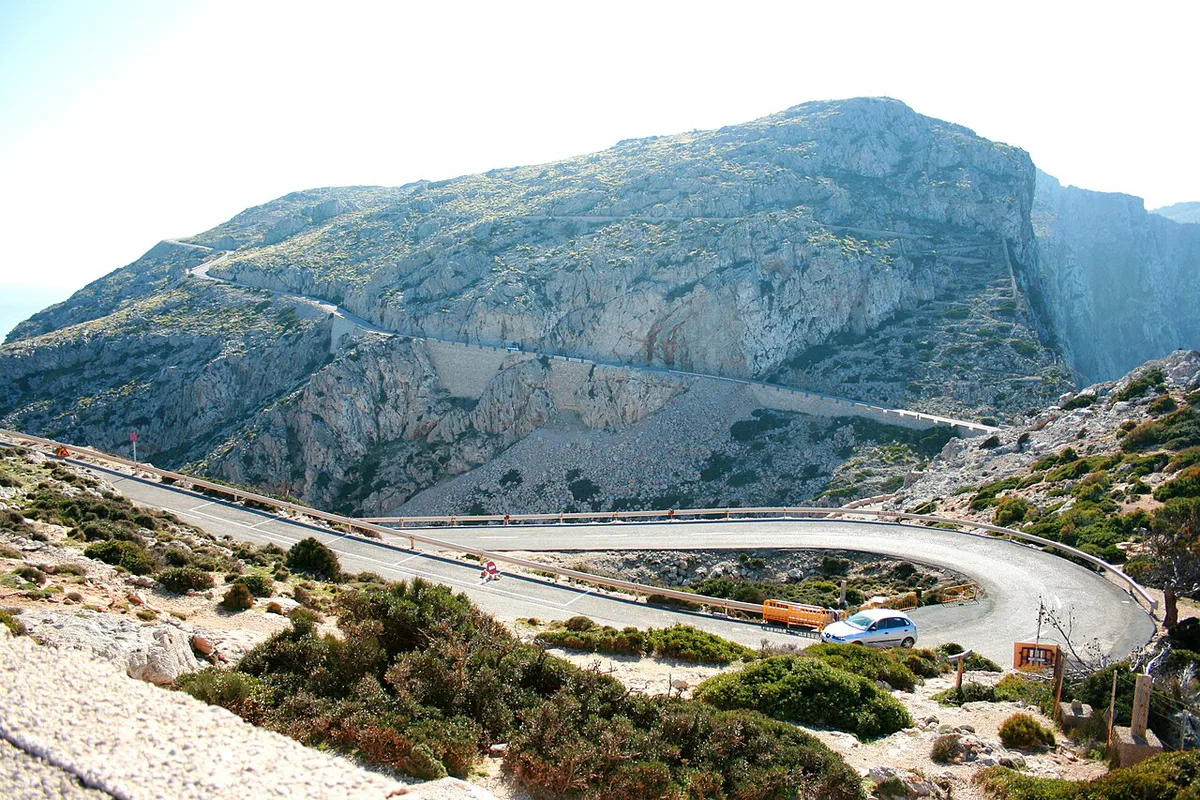
4. Cap de Formentor: for a coastal out-and-back
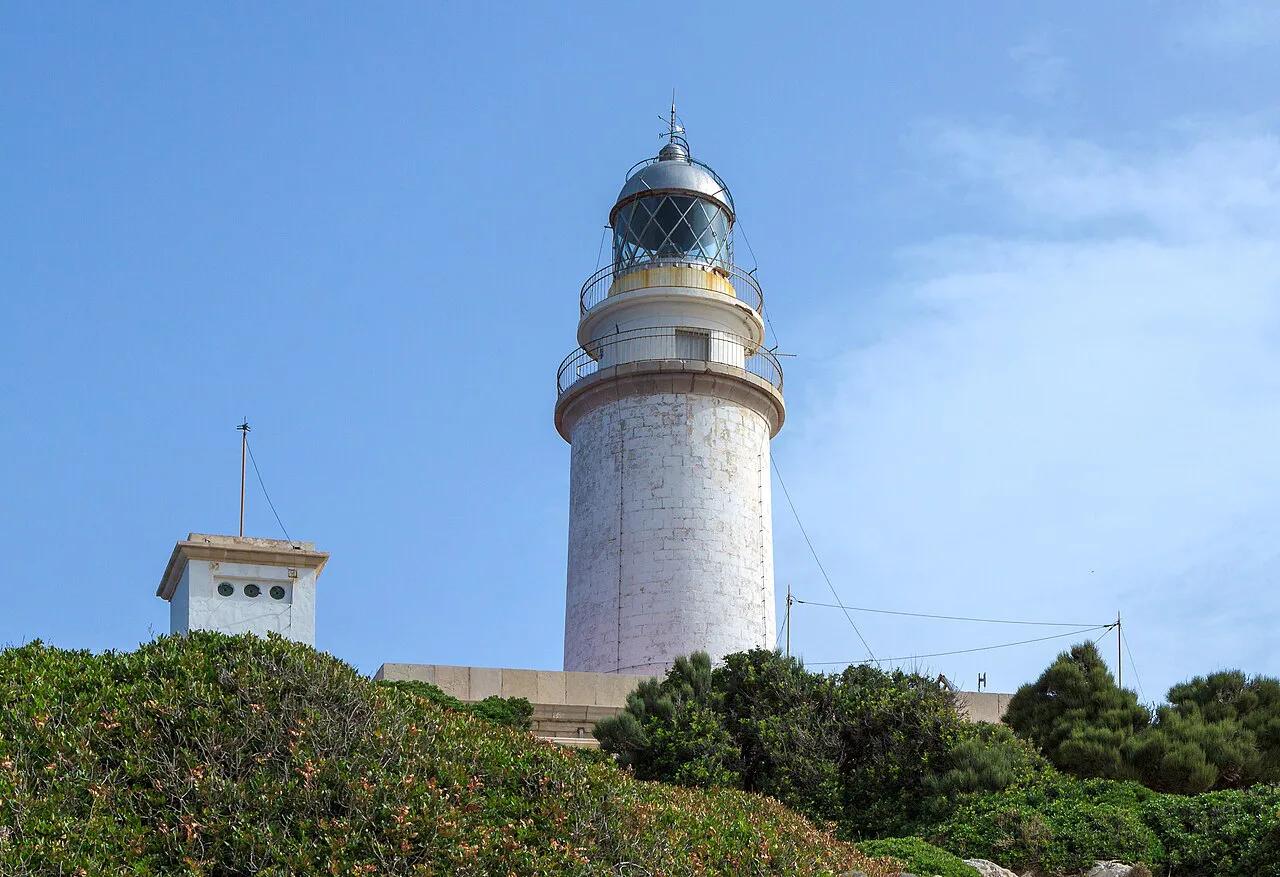
Choose Formentor for a ride toward the cape, with Port de Pollença as a natural starting point. Hairpins and the return leg deserve as much planning as the outward view. Access controls need a current check, including exactly how any motor-vehicle restriction treats bicycles.
Set a turnaround point before leaving, then use the Formentor by bike guide. Skip it on a day when wind or traffic exceeds your handling confidence.
5. Wider Serra de Tramuntana: for experienced route builders
Use the wider range when you want to join climbs, descents and villages instead of chasing one named ascent. Build a shorter option into every loop, because a mountain route can be awkward to cut short. Identify water and food stops before setting off.
You can compare route choices in this guide to riding the Tramuntana mountains. Skip long linked days if you have not yet tested your gearing, brakes and pacing on local climbs.
6. Es Pla: for inland base miles
Es Pla is the interior choice for flatter roads, a warm-up or a day between mountain efforts. Link villages into a loop that passes your chosen food and water stops. Flatter terrain still demands attention at junctions, on narrow roads and in exposed wind or heat.
Keep a shorter way back on your map, especially with a mixed-ability group. Skip it as your headline day if sustained climbing is the reason for your trip.
7. Vía Verde Manacor–Artà: for an easier greenway outing
Consider this greenway between Manacor and Artà when your group wants an alternative to a mountain-road challenge. Check the Vías Verdes greenway information for access, surface and any current disruption. Match your tires and bike to that surface, particularly if you normally ride narrow road tires.
Agree on a turnaround that works for the slowest rider, and plan how everyone gets back. Skip it if your priority is a high-mountain road ride.
When Should You Go?
In our editorial assessment, spring and autumn are sensible first windows to compare for a road-focused trip. Neither guarantees dry weather, quiet roads or open businesses. Summer plans need particular attention to heat, water and early starts. For a colder-season trip, use our advice on winter riding on Mallorca.
Before booking, compare climate information from the AEMET weather agency. Recheck its forecast before every mountain day, and look separately at daylight for your dates. Leave one flexible day so rain or wind need not force your biggest ride.
Which Cycling Base Should You Choose?
Choose a base around your first rides, not just its hotel list. Riders focused on Formentor can start their search with cycling from Port de Pollença. Alcúdia is another option to compare, while Port de Sóller puts your planning around the Sóller side of the mountains. Palma offers a capital-city stay and is the base to examine if airport access matters most.
When comparing bike-friendly places to stay, ask about secure storage and workshop access. Also confirm laundry, early food and transfer arrangements. Non-riding companions should check what they can do without your help while you are out.
| Base | Consider it for | First ride to map | Main check |
|---|---|---|---|
| Port de Pollença | Formentor plans | Short ride toward Alcúdia | Route to later climbs |
| Alcúdia | A stay with an easy shakeout planned | Short local loop | Daily approach to mountains |
| Port de Sóller | Sóller-side riding | Short out-and-back | Climbing on the way home |
| Palma | City stay and airport access | Route with an early turnaround | Urban riding and approach distance |
Should You Rent a Bike or Bring Yours?
Rental removes the job of flying with a bike, but you need to verify size, gearing, pedals and delivery. Read the damage terms and ask what happens after a mechanical fault. Start your comparison with our guide to renting on Mallorca. Huerzeler Bicycle Holidays is one provider whose current terms you can examine.
Bringing your bike preserves a familiar fit. Price the airline carriage, packing, insurance and an airport transfer that accepts your case. Allow time for reassembly, and identify useful bike shops on Mallorca before you need repairs.
| Your priority | Lean toward | What could change the choice |
|---|---|---|
| A short trip with simple luggage | Rental | Your size or preferred setup is unavailable |
| A familiar, precise fit | Your own bike | Carriage or transfer is impractical |
| A longer riding holiday | Compare both | Total cost, cover and repair support |
How Should You Plan Days and Budget?
Begin with an easy shakeout that tests your fit, brakes and navigation. Follow it with a moderate ride before attempting your biggest climbing day. Keep recovery and weather-flex time in the plan, and reorder rides around your base and the forecast.
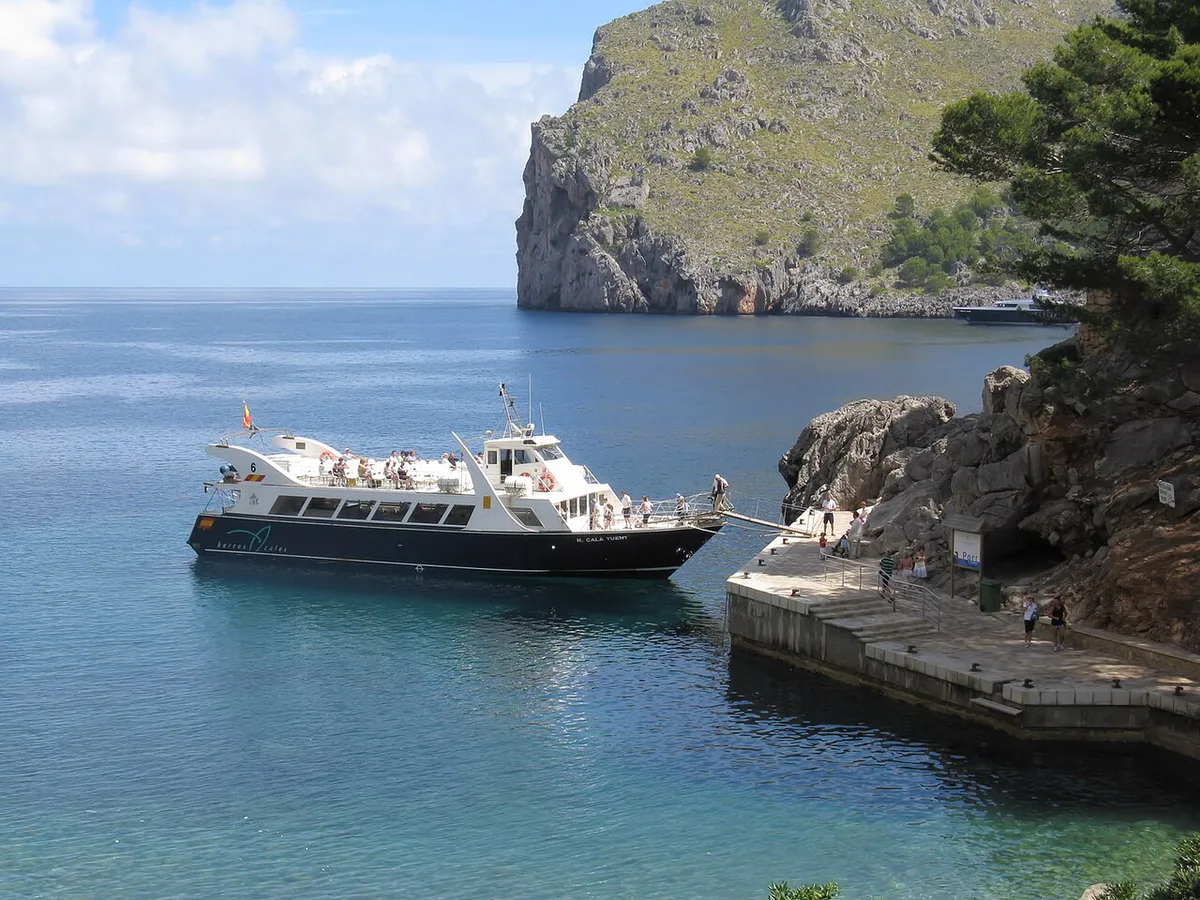
Build your budget from travel, lodging, food, insurance and either rental or bike carriage. Add transfers, guiding and event entry only if needed. Compare dated quotes for your exact travel period, using the same insurance cover and extras. Without a car, check your transfer and its luggage rules before booking. For public transport, consult Balearic transport information and confirm bicycle carriage on your service. If a rail leg interests you, ask the Tren de Sóller operator about bikes first.
What Road Rules and Safety Checks Matter?
Read current cycling and equipment rules from the DGT traffic authority, including helmet and lighting requirements. Before each ride, check closures, roadworks and timed access limits with the responsible authority. A restriction for cars may not apply to bicycles in the same way, so read its wording.
Expect to share roads with other traffic. Brake before bends, stay in your lane and never assume the road beyond a corner is clear. Carry water, food, a charged phone, repair supplies and weather protection. For an emergency in Spain, call 112. Save a bail-out route and arrange realistic help, because pickup may not be available wherever you stop.
- Test brakes, tires and gearing.
- Download your route, including the return.
- Check weather and road access.
- Mark water, food and turnaround points.
- Tell someone your plan and expected return.
What About Mallorca 312 and Guided Riding?
Mallorca 312 is an organized cycling event that needs separate preparation from a casual holiday ride. Use the official event organizer's website for the next edition, entry terms and route choices. Our Mallorca 312 planning guide can help you frame your training questions.
Guided riding may help if you want route support or company. Ask each operator about group ability, pace, regrouping, equipment and what happens when someone stops early. For general destination planning, consult Mallorca's tourism information.
Frequently Asked Questions
How hard is the Mallorca 312?
Treat it as a demanding endurance goal and judge your chosen route by its distance, ascent and time limits. Compare those official details with rides you have completed comfortably, including your pacing and fueling.
What are some good cycling routes in Palma de Mallorca?
From Palma, consider building a Coll de Sóller outing if you are ready for a pass and the full approach and return. For a first ride, map a shorter loop with an early turnaround and check how it leaves the city.
Explore More Guides
Keep planning your trip with these guides.
Guides
- Sa Calobra, Mallorca
- Cap de Formentor Cycling
- Puig Major Cycling
- Coll de Sóller by Bike
- Mallorca 312 Guide
- Mallorca Bike Rental: Bikes, Costs and Pickup Options
- Mallorca Cycling Routes: Compare Distance & Climbing
- Mallorca Bike Hotels: Where to Stay for Cycling
- Mallorca Cycling in February
- Mountain Biking Mallorca: Where to Ride and Plan
- Tramuntana Cycling
- Port de Pollença Cycling
- Bike Shops in Mallorca