11 Balearic Islands Cycling Rides Across 4 Islands
Compare 11 rides across Mallorca, Menorca, Ibiza and Formentera by terrain and effort, then plan your bike, your base and any island transfers.
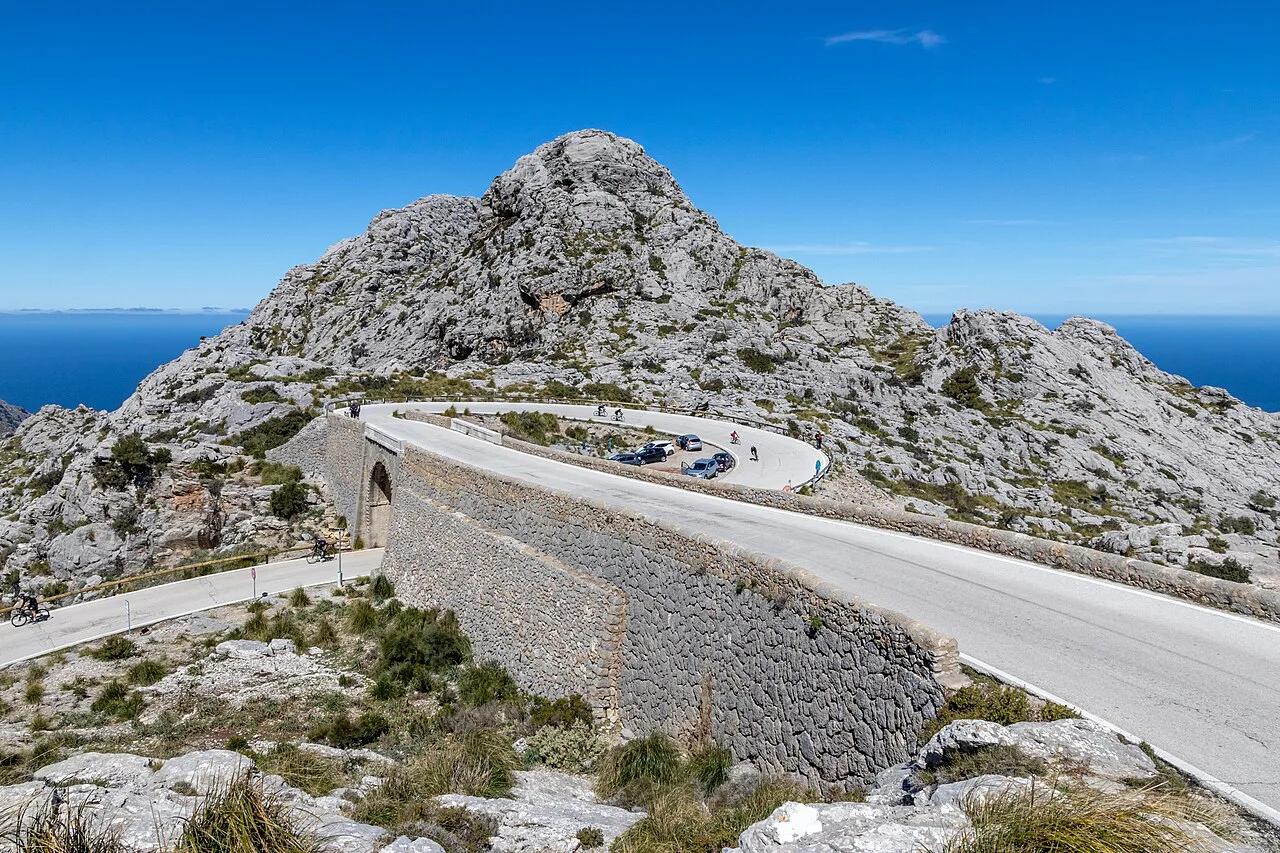
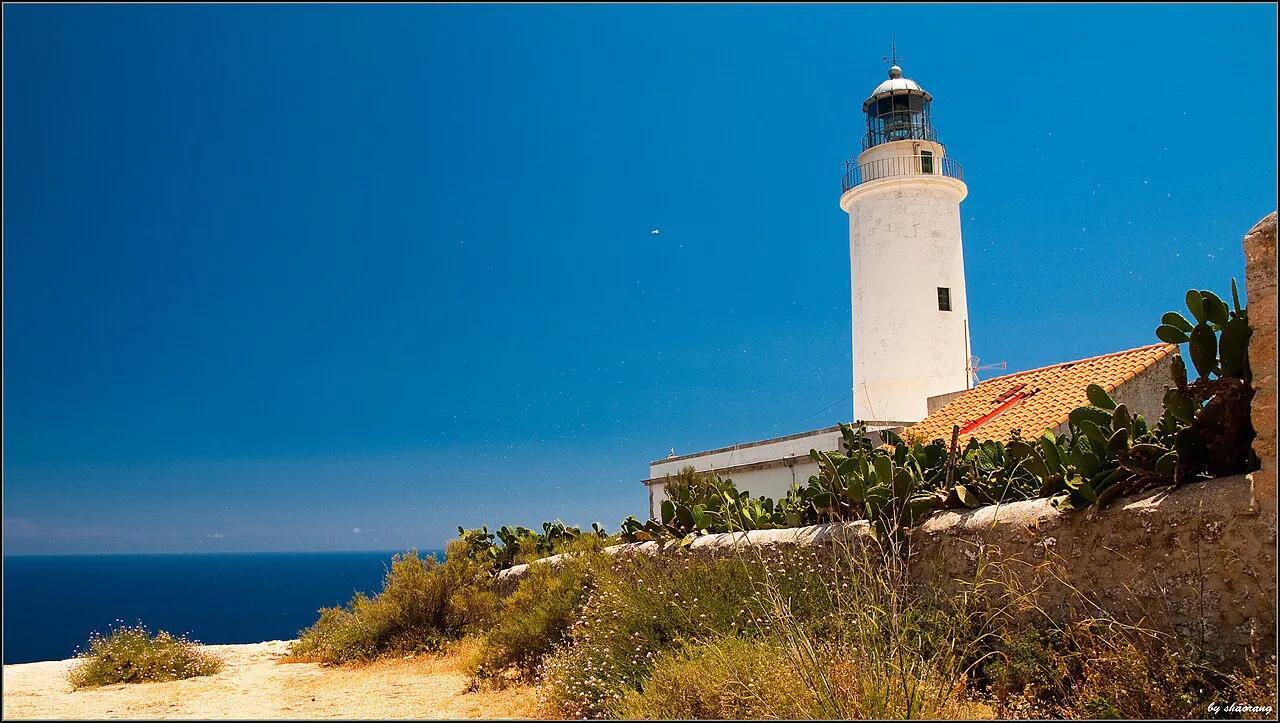
Last updated November 2026: for Balearic Islands cycling, make Mallorca your first look if you want big mountain climbs, though it has gentler rides too. Menorca suits riders curious about the off-road Camí de Cavalls, while Ibiza pairs interior riding with a hillier north. Formentera favors shorter, generally flatter exploring, with La Mola as a notable exception.
Featured image: Matthias Süßen, CC BY-SA 4.0, via Wikimedia Commons.
Which Balearic Island Should You Ride?
Choose by your hardest planned day, then pick a base that reaches it. All 4 islands need route-by-route judgment, because a signposted route can still include rough surfaces or motor traffic. Formentera is the smallest, and The Independent puts its length at under 20 km (about 12 miles). Short distances still leave sand, wind and gradients to consider.
| Island | Best-fit riding | Terrain | Bike to consider | Main trade-off |
|---|---|---|---|---|
| Mallorca | Mountain road days, plus easier options | Tramuntana climbs; gentler ground elsewhere | Road or e-road bike | Choice of base affects which rides are practical |
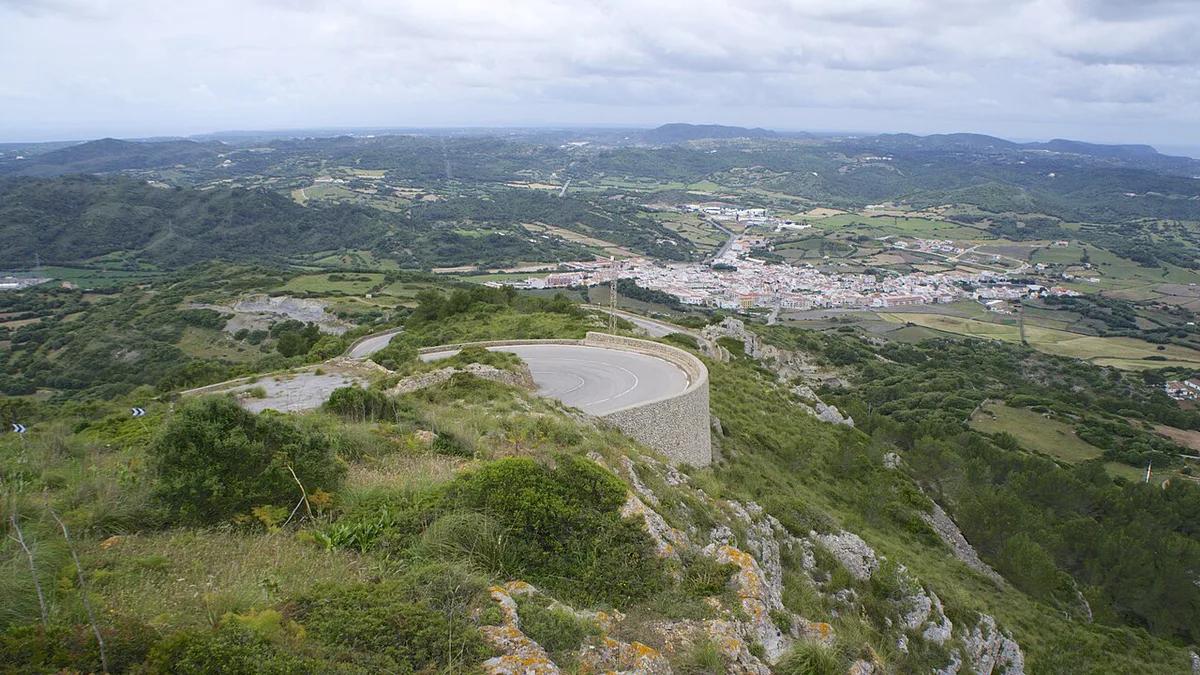
| Menorca | Trail interest and lane riding | Coastal path and lanes | Mountain bike for trail plans; match tires to lanes | The full coastal path is not a casual outing |
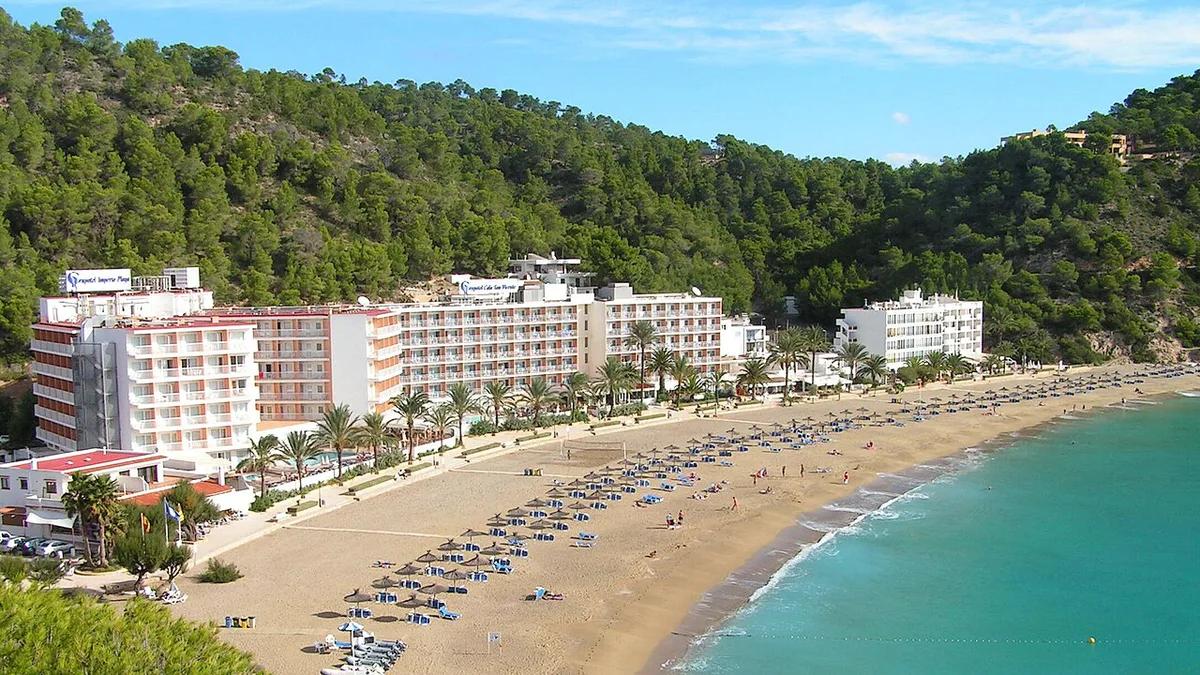
| Ibiza | Interior rides or northern hills | Gentler interior; hillier, rockier north | Depends on surface; mountain bike for rocky trails | Difficulty changes sharply by route |
| Formentera | Short-distance exploring | Generally flatter, with sandy paths and La Mola | Tires suited to your chosen surfaces | Access involves a sea crossing |
11 Balearic Islands Cycling Rides to Shortlist
Route figures here come from an EF Adventures tour itinerary and a travel feature in The Independent, reviewed November 2026. Road access, surfaces and conditions may have changed since publication. Metric figures include approximate imperial conversions. For wider context, an Illes Balears tourism sport page has listed 40 signposted cycle touring routes and over 500 km (about 311 miles). Treat that as a historical overview rather than a current inventory, and look for updates through the official Balearic tourism site.
1. Mallorca: Cap de Formentor Lighthouse Road
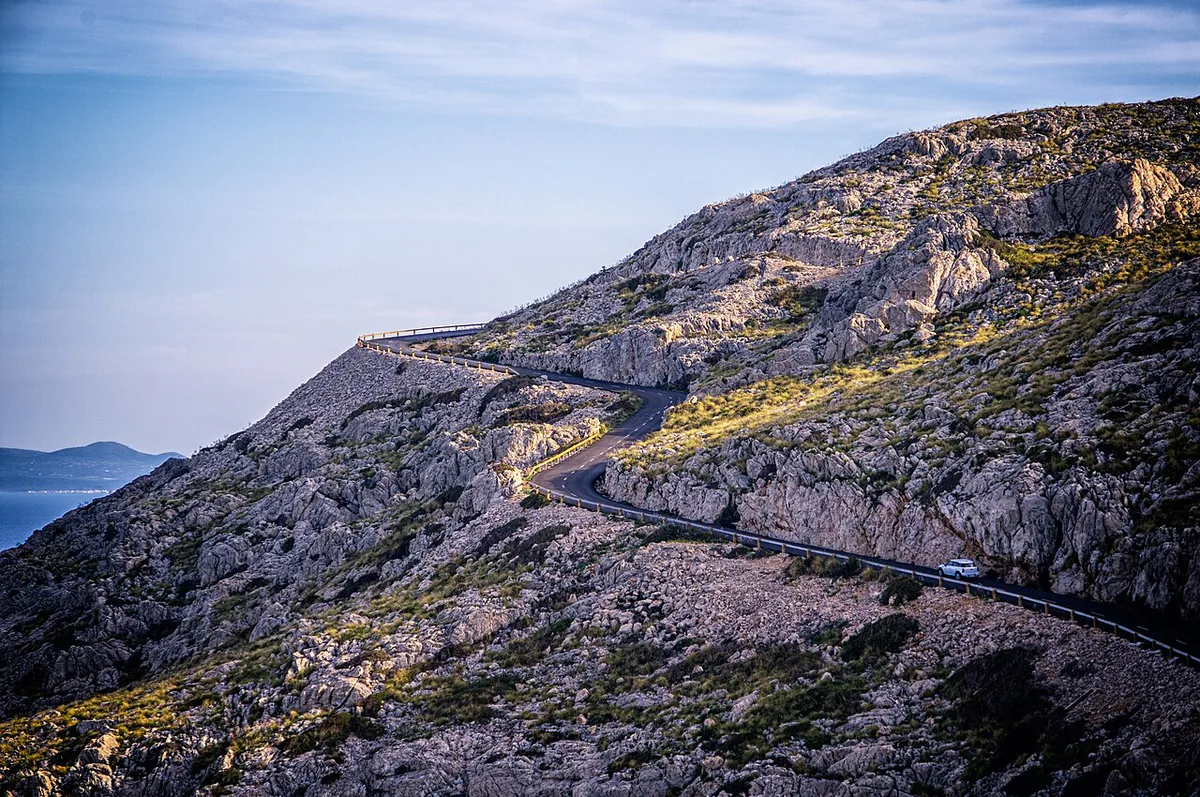
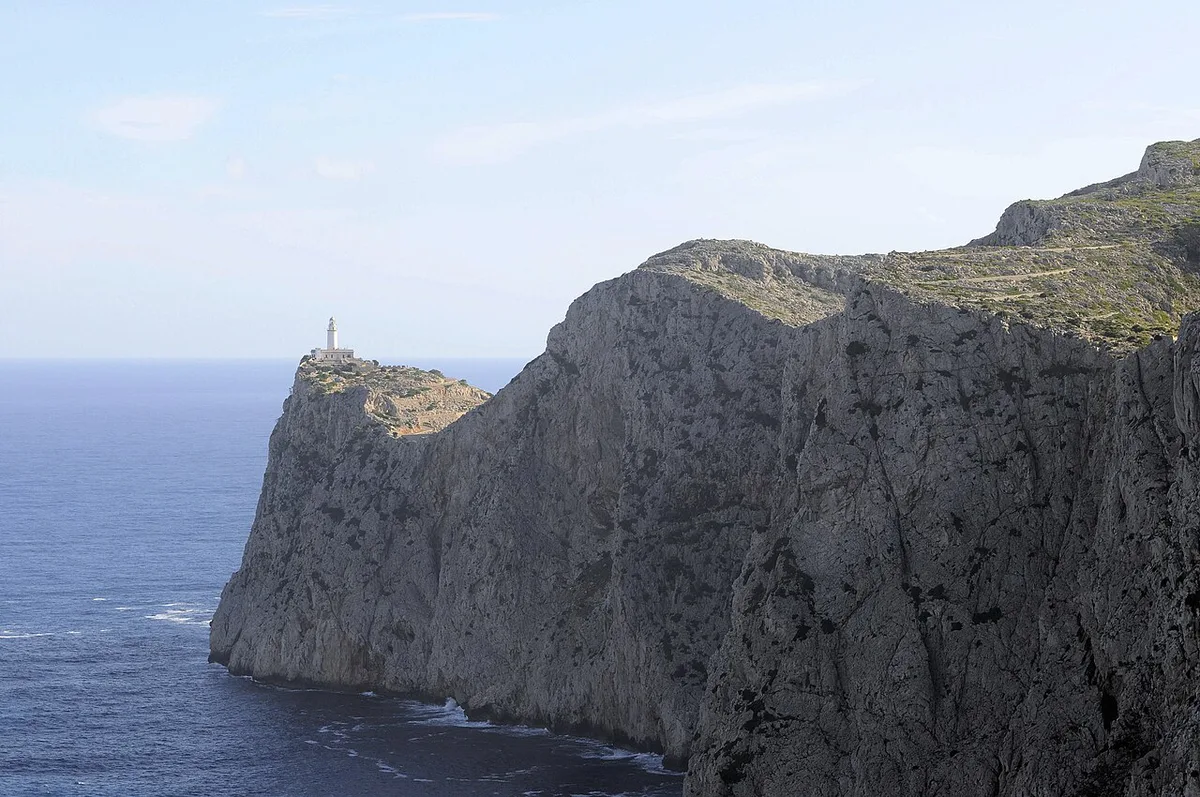
Start in Port de Pollença for a road day with switchbacks, viewpoints and a lighthouse turnaround on the Formentor peninsula. EF's shorter option is 25.7 miles with 2,834 ft of climbing, and its description returns the same way despite calling the ride a loop. Its longer option is 44.5 miles with 3,750 ft of gain, so don't treat that figure as the basic lighthouse trip.
EF also suggests extra riding through Alcúdia to Ermita de la Victoria for riders with energy left. Before setting out, check current access rules with local authorities and Spain's traffic authority, DGT. Skip it if repeated climbing or hairpin descents are beyond your current experience.
2. Mallorca: Sa Calobra to Coll dels Reis
Pick this serious climb for 26 switchbacks and the Nus de sa Corbata, where the road spirals through 270 degrees beneath itself. EF lists a 7.9-mile option with 2,287 ft of gain and a 24.9-mile option with 3,422 ft. Its riders arrive by boat from Port de Sóller with bikes aboard, on a tour that also provides a support van.
Independent riders shouldn't assume a public boat will accept bicycles. Settle your way into the cove and back to base before committing, including any road descent you must make first. Leave it out if you lack the fitness or confidence for a sustained mountain climb.
3. Mallorca: Coll de Sóller on the Way to Port de Sóller
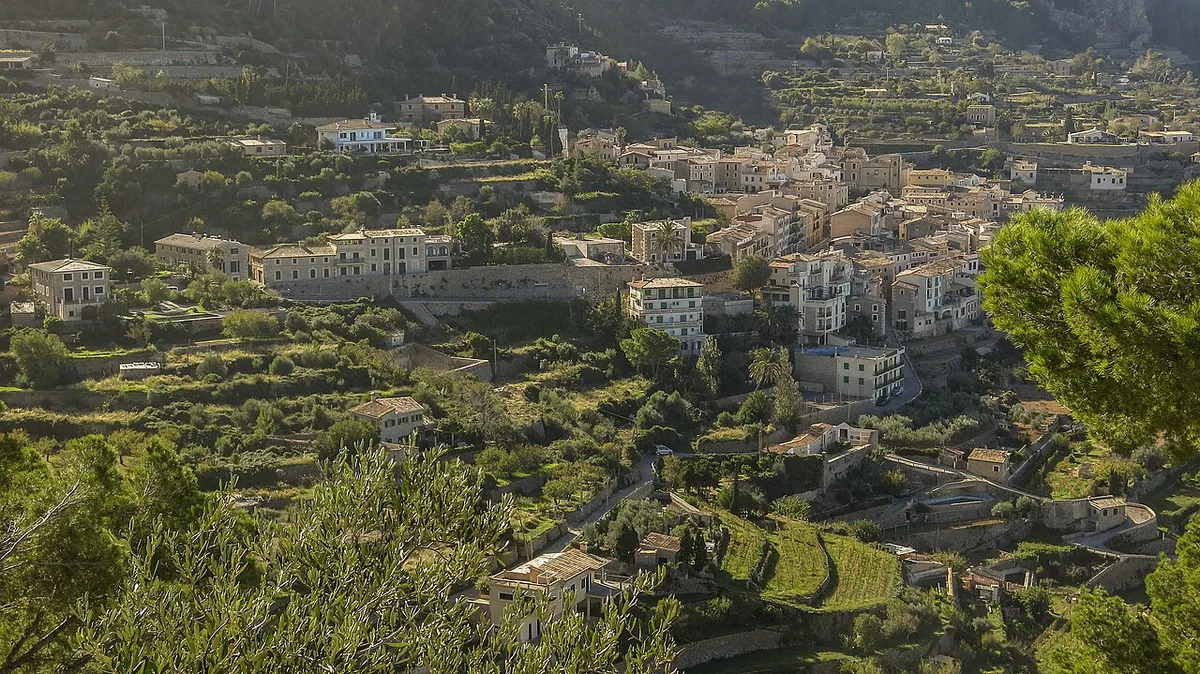
Add this switchback pass when you want a climb on the way from Bunyola toward Port de Sóller, finishing with a descent. EF offers it as an optional challenge on a ride from an olive farm near the Cura sanctuary. Its two itinerary options are 21.7 miles with 978 ft of gain and 32.1 miles with 1,821 ft.
Those totals cover tour options, not the pass alone, so map your exact line. For a bigger objective, The Independent describes a Puig Major climb from Sóller past Fornalutx to above 800 m (about 2,625 ft). Confirm Puig Major's road high point and tunnel conditions separately, and skip either climb if steep descending worries you.
4. Mallorca: Palma to S'Arenal Seafront Path
Choose Palma's red-painted path to S'Arenal when you want an easier seafront ride instead of a Tramuntana pass. The Independent describes it as easy and pairs it with a look around Palma's old town and Gothic cathedral. Its writer also encountered traffic in the city, so reaching the path may feel different from riding beside the sea.
Check a current map for breaks, crossings and shared sections, especially with children or nervous riders. Skip it if your priority is uninterrupted training or mountain scenery.
5. Mallorca: Artà to Sineu Countryside Route
Consider this eastern Mallorca route for distance through orange groves and open countryside without making a major mountain pass your goal. It runs from Artà through Petra, passes the Ermita de Bonany monastery and reaches Sineu. The Independent calls it long but straightforward and well signposted, with places where it meets the road.
Some riders continue to Pollença, though you should map that extension as a separate leg. Confirm the surface before choosing narrow road tires, and arrange your return if you ride only one way. Pass on it if you need a short outing or a route fully separated from vehicles.
6. Menorca: Camí de Cavalls
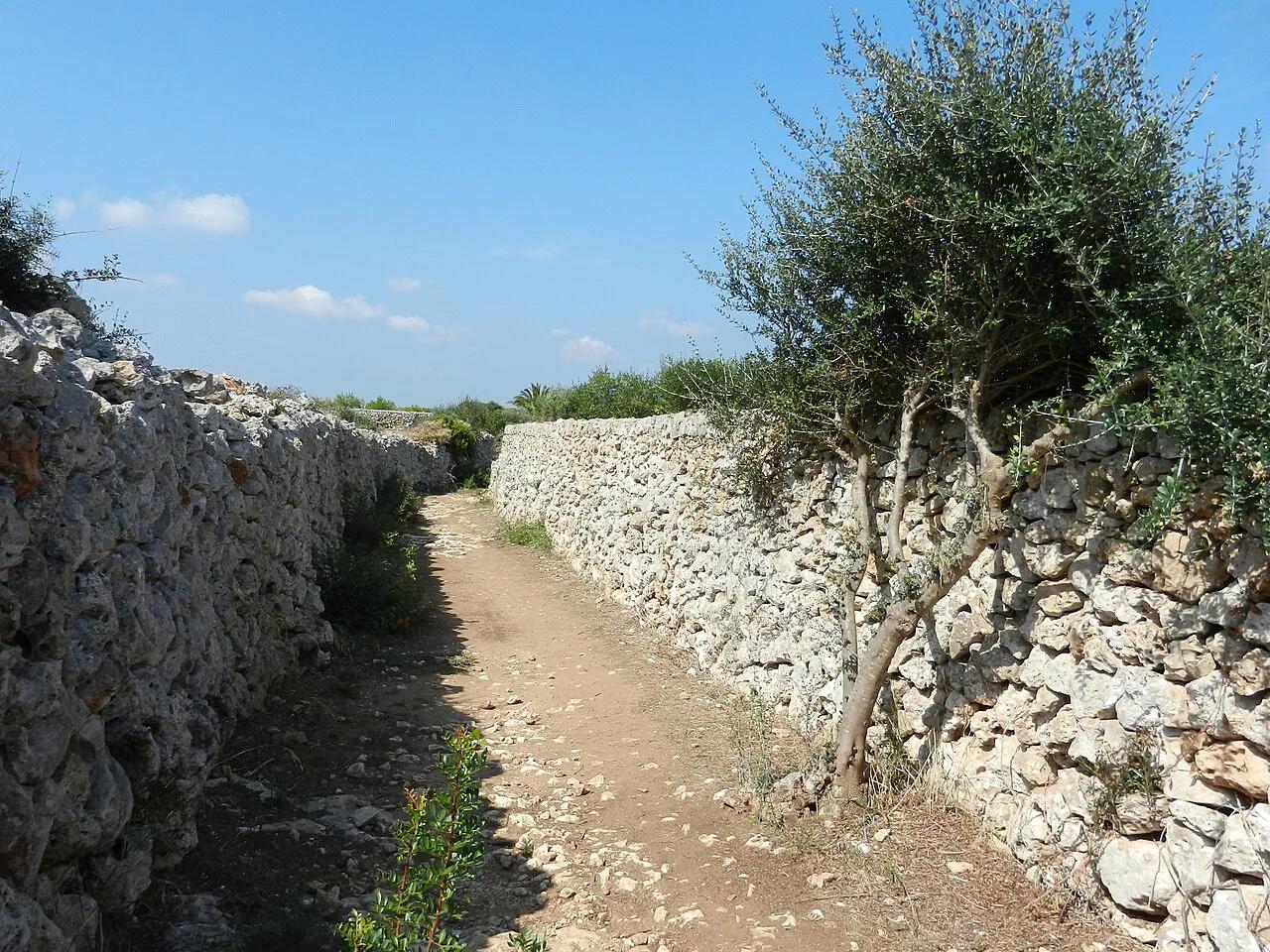
Menorca's old horse road rings the island for 186 km (about 116 miles), according to The Independent, which recommends it for mountain biking. Reddish cliffs above Cala del Pilar and the water at Cala Pregonda are notable places to research along it. Don't read that recommendation as proof that every section is beginner-friendly, suitable for gravel bikes or open to cycling.
Check bike access, direction rules, technical sections, carrying points and resupply with the trail manager, starting with Menorca's island council. Our guide to riding the Camí de Cavalls covers preparation in more depth. Skip rougher sections if you aren't comfortable walking or handling a bike on difficult ground.
7. Ibiza: Camí Vell de Sant Rafel
Ride the old road between Sant Rafel and Sant Antoni de Portmany for an easy, flat interior candidate. Its countryside setting includes pine woods, olive trees and crop fields, according to The Independent. You could plan it toward Sant Antoni late in the day, but keep enough light for your return or transfer.
The same feature groups it with tracks suited to mountain biking, so don't assume smooth pavement throughout. Confirm the current road name, surface and motor-vehicle access before renting. It won't suit you if you're looking for a sustained climbing workout.
8. Ibiza: Na Xamena Northern Route
Choose Na Xamena when you want northern coastal terrain at a level The Independent describes as intermediate. Its winding paths follow uneven cliffs before descending toward Port de Sant Miquel and Cala de Benirrás. That description points to a more demanding day than the Sant Rafel old road.
Before booking a bike, get a current track that shows the start, finish, surface and climb back from the coast. A mountain bike is the cautious starting assumption until you confirm the surface. Newer off-road riders should skip it unless a local guide confirms it matches their skills.
9. Ibiza: Moon Beach Route From Sant Joan
Save the Moon Beach route for stronger off-road riders who want a harder outing from Sant Joan de Labritja. The Independent traces it toward Es Pujolots, down to the cove behind the route's name and past other secluded inlets. A tricky climb and descent over rocky trails lead back to Sant Joan.
The route overlaps with Na Xamena but is described as more difficult. Confirm its current name, track and bicycle access, and plan on a mountain bike for the rocky ground. Skip it if loose descents or possible hike-a-bike stretches would turn your day into a struggle.
10. Formentera: Camí de Sa Guía to Illetes
Follow this sandy coastal path from the port toward Illetes for a shorter exploring objective with water on both sides at the destination. The Independent describes cycling it and notes limits on vehicles around Illetes. Sand can make a short ride harder than its distance suggests, particularly with narrow tires.
Ask your rental shop which bike fits the current surface, and check access through Formentera's island council. Elsewhere, Camí des Brolls crosses scrub and marsh beside the S'Estany Pudent lagoon and makes another track to research. Skip the sandy option if you need a consistently firm surface.
11. Formentera: La Mola Signposted Circuit
Take on La Mola if you want to test the idea that Formentera riding is always gentle. The Independent calls it the island's most difficult cycle route and describes stony cliff edges 192 m (about 630 ft) high. That figure is cliff height, not the route's total climbing.
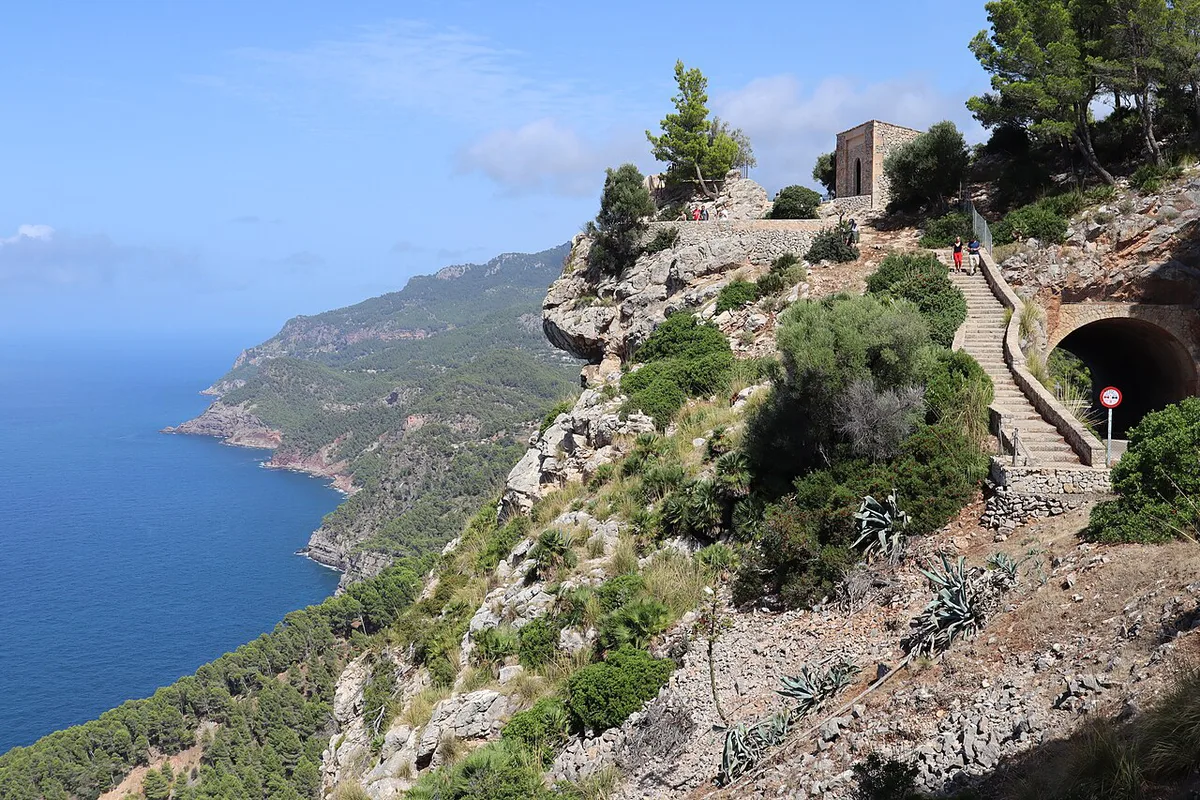
It belongs to the signposted green circuits, but that label doesn't establish a paved or car-free ride. For a different line, research Camí Vell de la Mola, which links Sant Francesc with Es Caló. Avoid La Mola if cliff-side riding or rough ground makes you uneasy, and carry a map because markers can be missed.
Where Should You Base Yourself and Get a Bike?
Work backward from your shortlisted rides. In Mallorca, EF splits its tour into 3 nights in Port de Pollença and 3 nights in Port de Sóller. Port de Pollença gives direct access to its Formentor day. It also starts a 22.6-mile inland ride to Moscari with 1,571 ft of gain. EF allows about 1 hour for the transfer there from Palma airport, and 30–45 minutes from Port de Sóller back to the airport. Don't assume every Sóller-based ride starts at your door: EF uses transport on some days. On the other islands, compare Ciutadella for Menorca lane exploring and Sant Joan de Labritja for the Moon Beach start. For Menorca, plan lane routes individually, and treat Cap de Faváritx, about 19 km (12 miles) north of Mahón, as a separate destination to map. Our guide to planning rides on Menorca can help you narrow the area. Before reserving, read about renting a bike on Menorca. For northern and interior options, use our Ibiza ride planning guide. With an e-bike, match its tires and range to your route, then ask about charging, battery rules and recovery if it fails.
Pollença suits the Formentor ride; EF allows about 1 hour for the transfer from Palma airport, so plan arrival time.
| Option | Best fit | Compare before booking |
|---|---|---|
| Rental bike | Flexible, independent trips | Size, delivery and collection area, repairs, insurance, deposit, one-way return |
| Own bike | Riders who need a familiar fit | Airline and ferry charges, packing, transfers, spare parts |
| Guided tour | Riders wanting route and logistics help | Intensity, lodging, meals, bike upgrades, luggage movement, vehicle support |
Should You Combine Islands on One Cycling Trip?
For a short trip, our editorial advice is to keep 1 base. You avoid repacking and leave more room to move a ride if conditions change. Ibiza plus Formentera is the pairing to examine first, since Formentera is reached by sea and Ibiza ferries serve it. A day visit keeps your Ibiza lodging but ties your ride to the return sailing. Staying overnight gives you more flexibility, with another room and luggage plan to organize. Compare current ferry timetables, bike charges and carriage conditions before choosing. Our guide to Formentera riding in detail can help you decide how much time to give it.
Formentera measures under 20 km (about 12 miles), yet its sea crossing still sets your return time.
| Plan | Time and access | Costs to compare | Best fit |
|---|---|---|---|
| 1 island | No inter-island transfer | Lodging, rental, local transfers | Short trips and focused riding |
| Ibiza plus Formentera | Add port access and a sea crossing | Fares, bike charges, possible second rental or room | Riders wanting a compact second island |
| Longer multi-island trip | More packing, connections and lost riding time | Flights or ferries, bike transport, luggage, lodging | Flexible travelers with spare days |
When Should You Go, and What Should You Check?
Season matters, but your route and heat tolerance should guide the dates. For Mallorca, EF gives summer temperatures of 70°F to 85°F and says winter temperatures are rarely below 50°F. It also identifies autumn and winter as the more common rainy periods. Don't apply those figures to every island or mountain road. Compare current wind, rain and heat data from Spain's meteorological agency, AEMET, alongside daylight, visitor traffic and seasonal services. Before each ride, review road rules, trail closures, water stops and emergency guidance. In an emergency in Spain, call 112.
| Planning mistake | Do this instead |
|---|---|
| Judging effort by miles alone | Compare climbing, surface, wind and technical sections |
| Assuming a coastal ride is flat | Inspect the full profile and surface |
| Assuming signposted means traffic-free | Look for road sections and crossings |
| Expecting buses or boats to carry bikes | Read the carrier's current bike conditions |
| Planning around old event listings | Use the organizer's page for the relevant edition |
Explore More Guides
Keep planning your trip with these guides.