Cycling in Ibiza: Routes, Bases and When to Ride
Plan cycling in Ibiza: compare road, gravel and MTB riding, choose a base and season, and decide whether to rent, tour or bring your own bike.
Last updated November 2026: cycling in Ibiza suits short breaks of hilly back-road, gravel or mountain bike riding, with mostly short climbs. For Ibiza bike rental, match the bike to your surfaces, then compare size, pedals, repair kit, delivery, damage cover and breakdown support. In our editorial assessment, a full week of road riding calls for Mallorca, so compare the Balearic riding islands first.
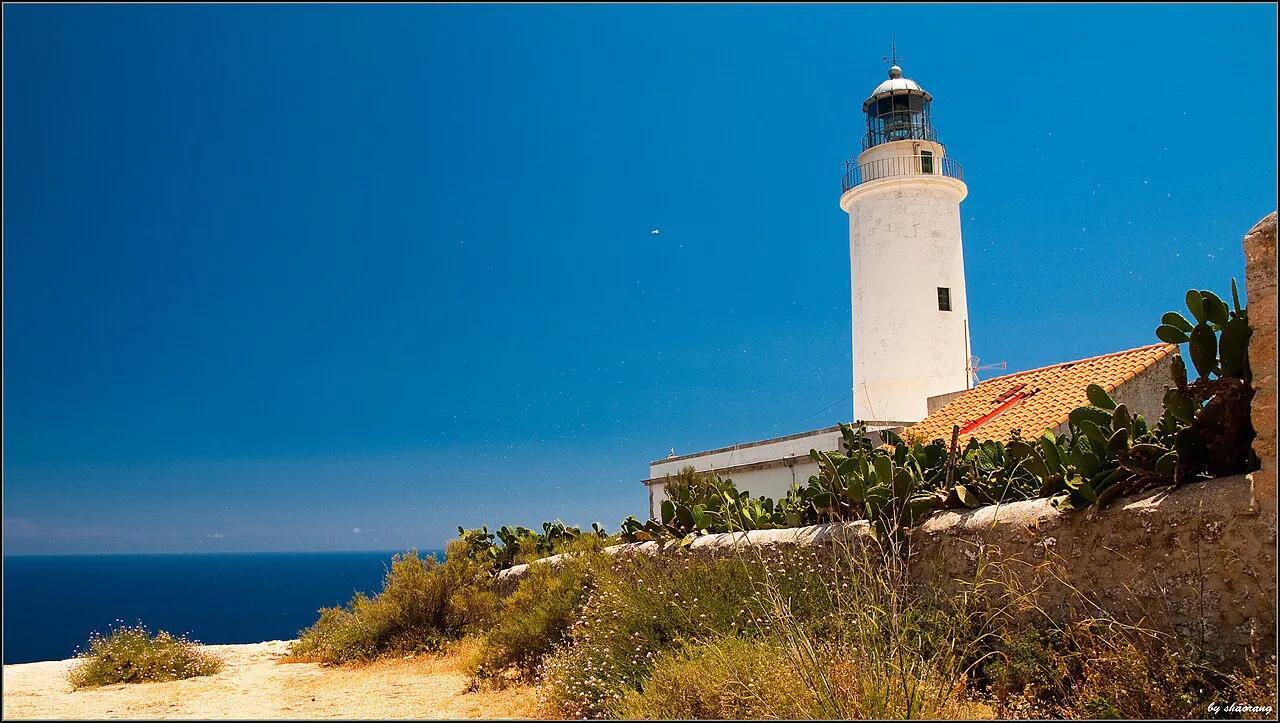
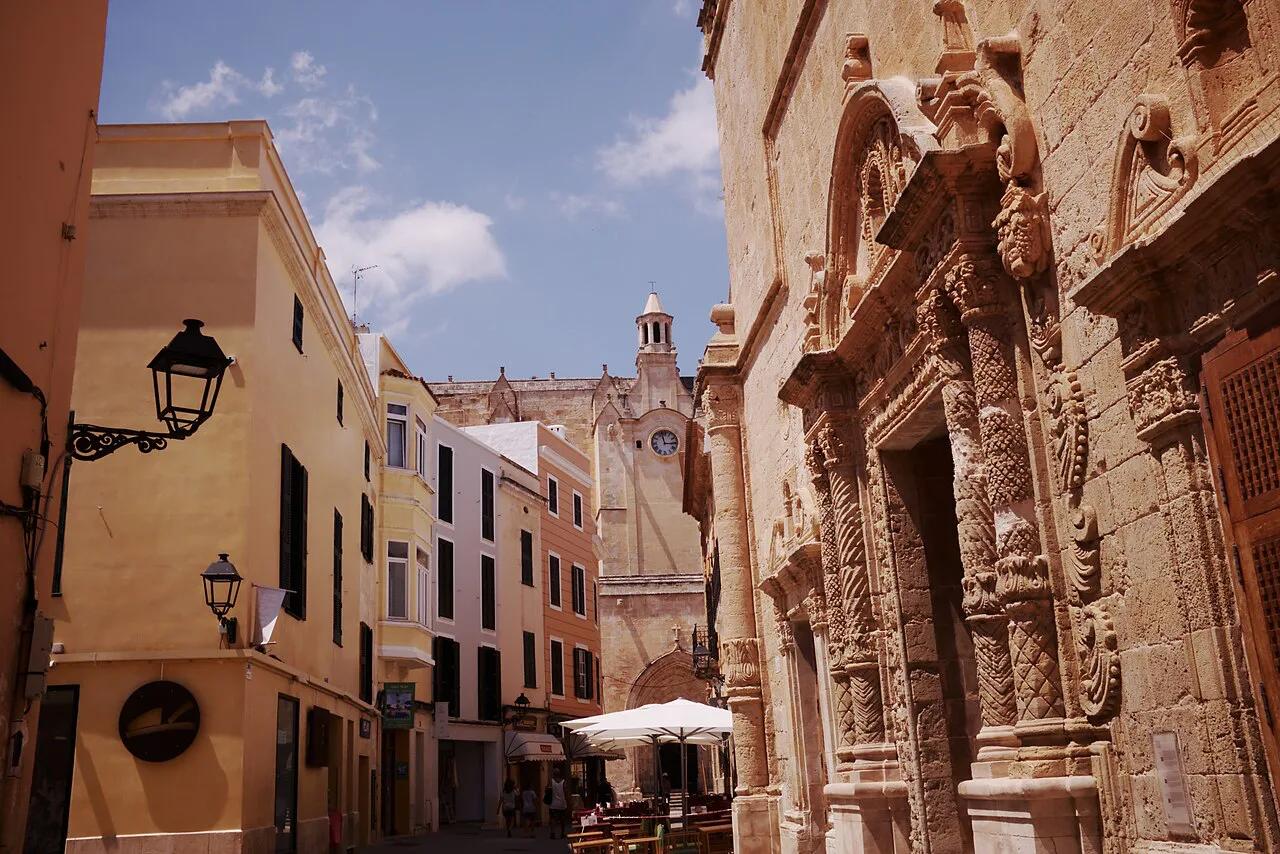
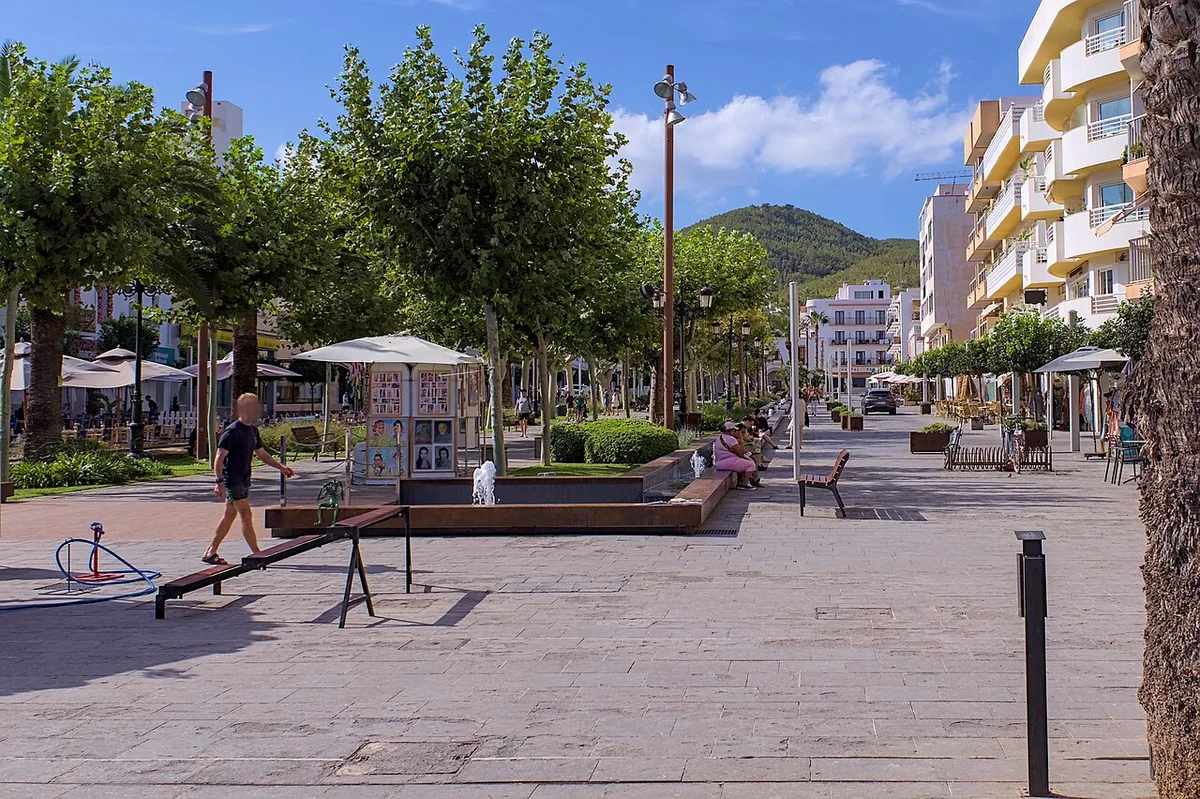
Featured image: BuzzWoof, Public domain, via Wikimedia Commons.
Which kind of cycling in Ibiza suits you?
Pick your surface before your bike. Road riders get rolling back roads, with occasional longer climbs of around 3.1 miles or more. Gravel bikes suit routes that mix small paved roads with the island's many well-maintained unpaved minor roads, though not every track is in that condition. Mountain bikers can find beginner and advanced trails, but rocky ground brings a puncture risk. One rider's view is that these trails feel less harsh than Menorca's Camí de Cavalls.
| Riding style | Best fit | Surface | Main constraint | Where to start |
|---|---|---|---|---|
| Road | Short hilly outings | Paved back roads | Few long climbs; busier roads in places | Northern Ibiza |
| Gravel | Mixing quiet lanes and tracks | Paved roads and gravel | Track condition and access vary | A mapped mixed-surface route |
| Mountain bike | Trail riders | Dirt and rocky trails | Technical ground and punctures | Northeast, or trails reached from Ibiza Town or Sant Antoni |
| E-bike | Riders wanting help uphill | Depends on bike and route | Traffic and technical ground remain | A route suited to the bike and your handling |
| Casual or family | Short, relaxed outings | Check the whole route | An easy label does not prove child suitability | A guided or fully checked ride near your base |
Ibiza cycling routes to consider
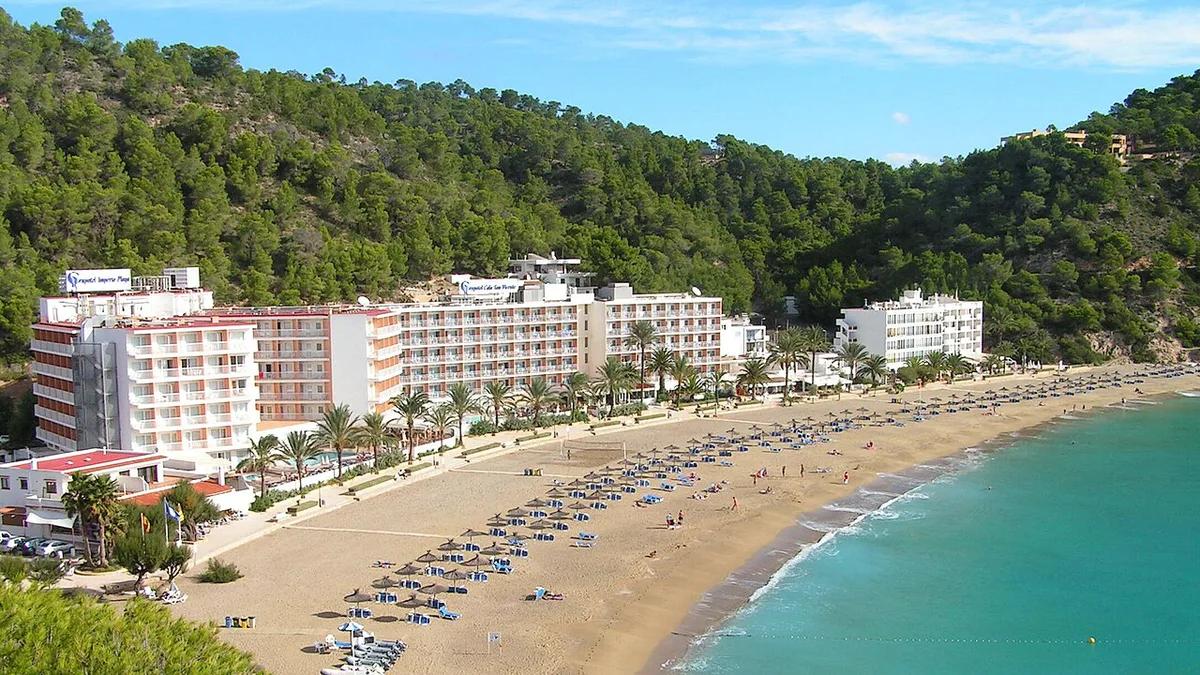
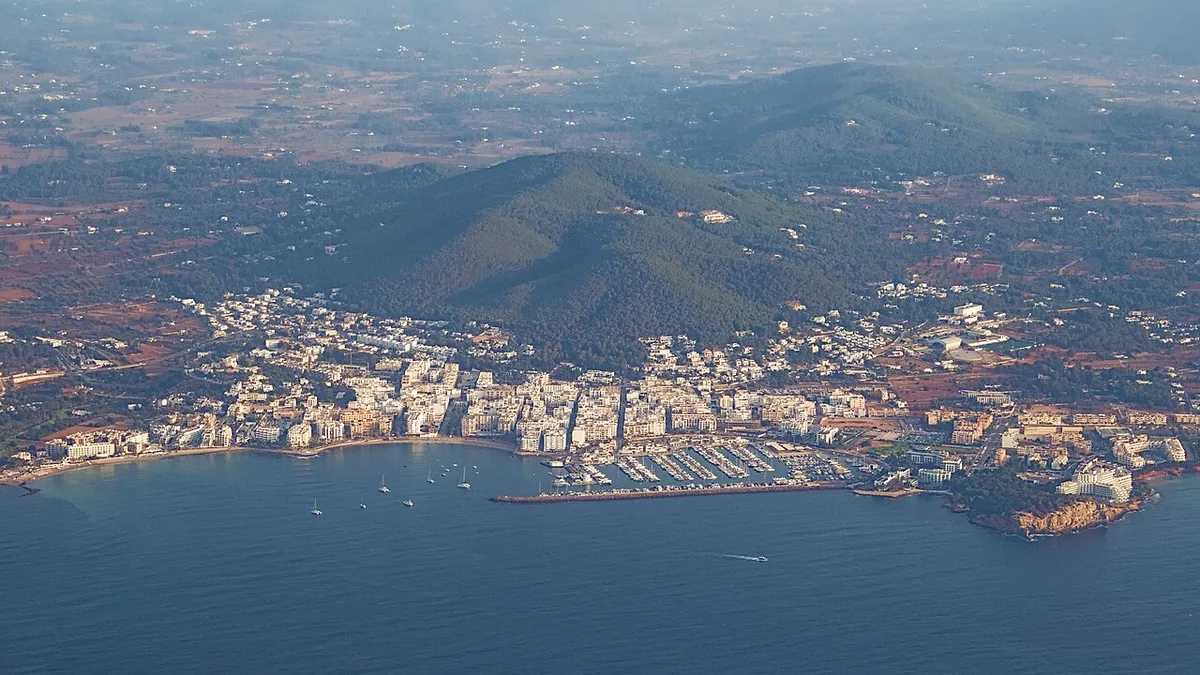
Treat these as planning candidates, then inspect the full track on a map for surface and access. In the route-app grading used for several rides below, easy means up to 2 hours and 500 ft of climbing on mostly paved surfaces. Hard means more than 5 hours or 1,500 ft of climbing and calls for very good fitness. These labels do not measure traffic safety or beginner suitability. One well-known climb runs about 3.7 miles from Cala de Sant Vicent toward Sant Joan de Labritja. It averages about 4%, with stretches up to 12%.
| Route | Start and end | Distance and climbing | Surface and level | Ride type | Traffic, access or return caveat |
|---|---|---|---|---|---|
| Sant Vicent climb | Cala de Sant Vicent to Sant Joan de Labritja | About 3.7 miles; tops out near 790 ft altitude; total gain not confirmed | Surface and level not confirmed; steep sections | One-way | Plan the return |
| Beaches Route | Sant Carles de Peralta to Santa Eulària des Riu | 10.7 miles; about 460 ft | Surface not confirmed; listed easy | One-way | Check direction and traffic; arrange return transport |
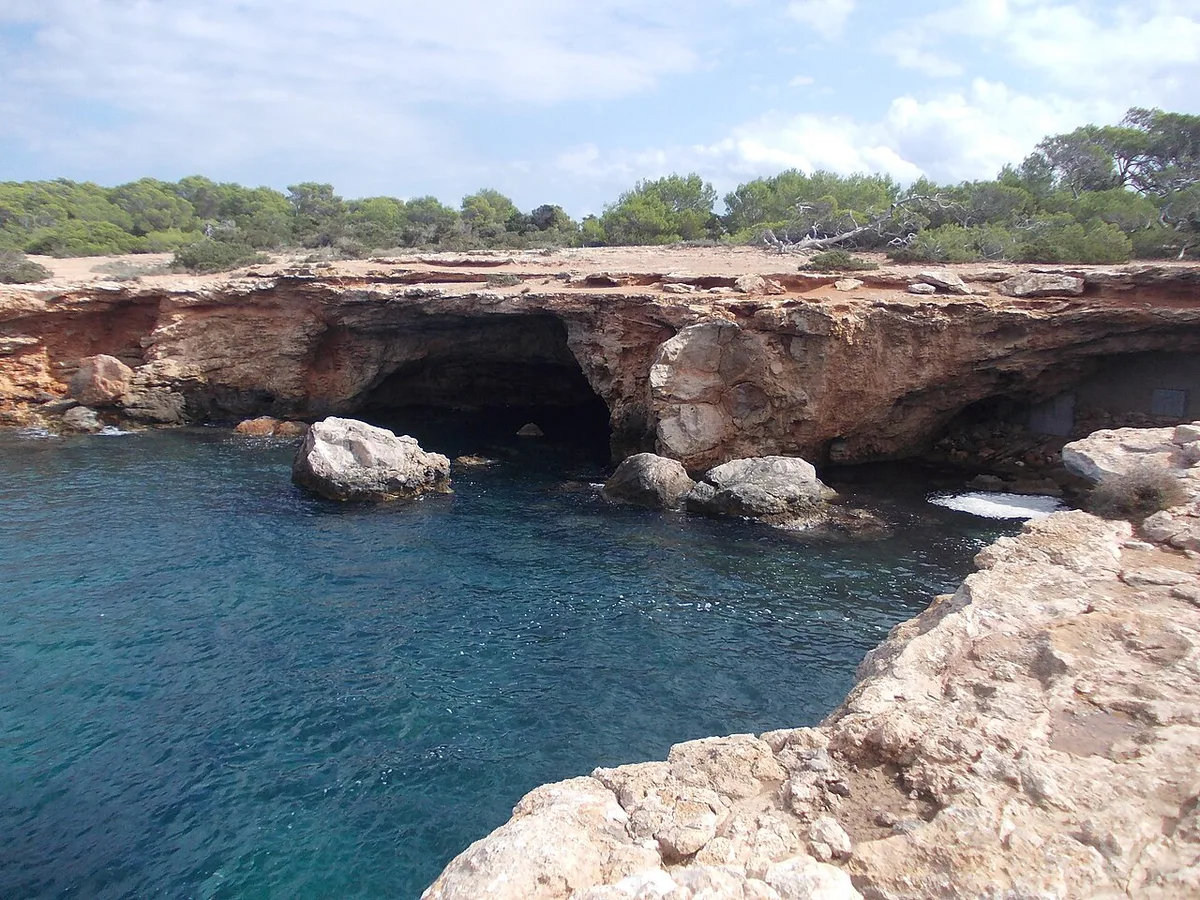
| West coast coves: Cala Tarida, Cala Vadella, Cala d'Hort | Exact start and end not confirmed | About 20 miles; 2,030 ft | Possible unpaved sections; listed hard | Not confirmed | Inspect access and surface |
| Ses Salines and Torre de ses Portes | Exact start not confirmed | About 16.8 miles; 490 ft | Mostly paved despite its gravel-route name; listed easy | Loop | Make sure the track stays on Ibiza and permits bikes in the natural park |
| Ibiza Town, Cala d'Hort and Sant Josep | Exact start and end not confirmed | About 25 miles; 2,100 ft | Road-bike route; level not confirmed | Not confirmed | Check traffic, especially near town |
| Round-island paved ride | Choose a start on the loop | About 87 miles; 6,600 ft | Paved; demanding distance and climbing | Loop | Split it according to fitness |
Can you ride around Ibiza?
Yes, a paved loop of about 87 miles with roughly 6,600 ft of climbing is possible. Fit, experienced riders may treat it as one long day. Others can spread it over 2 or 3 days as a bikepacking trip, with overnight stops arranged in advance. Roads set slightly back from the coast make good riding, while detours to places such as Portinatx or Ibiza Town add seaside breaks. A gravel version can reach more coves, but it needs its own mapped track.
Splitting the loop over 2 or 3 days suits a bikepacking trip, but with only 1 or 2 days on a road bike, keep your riding in the north.
North or south: where should you base yourself?
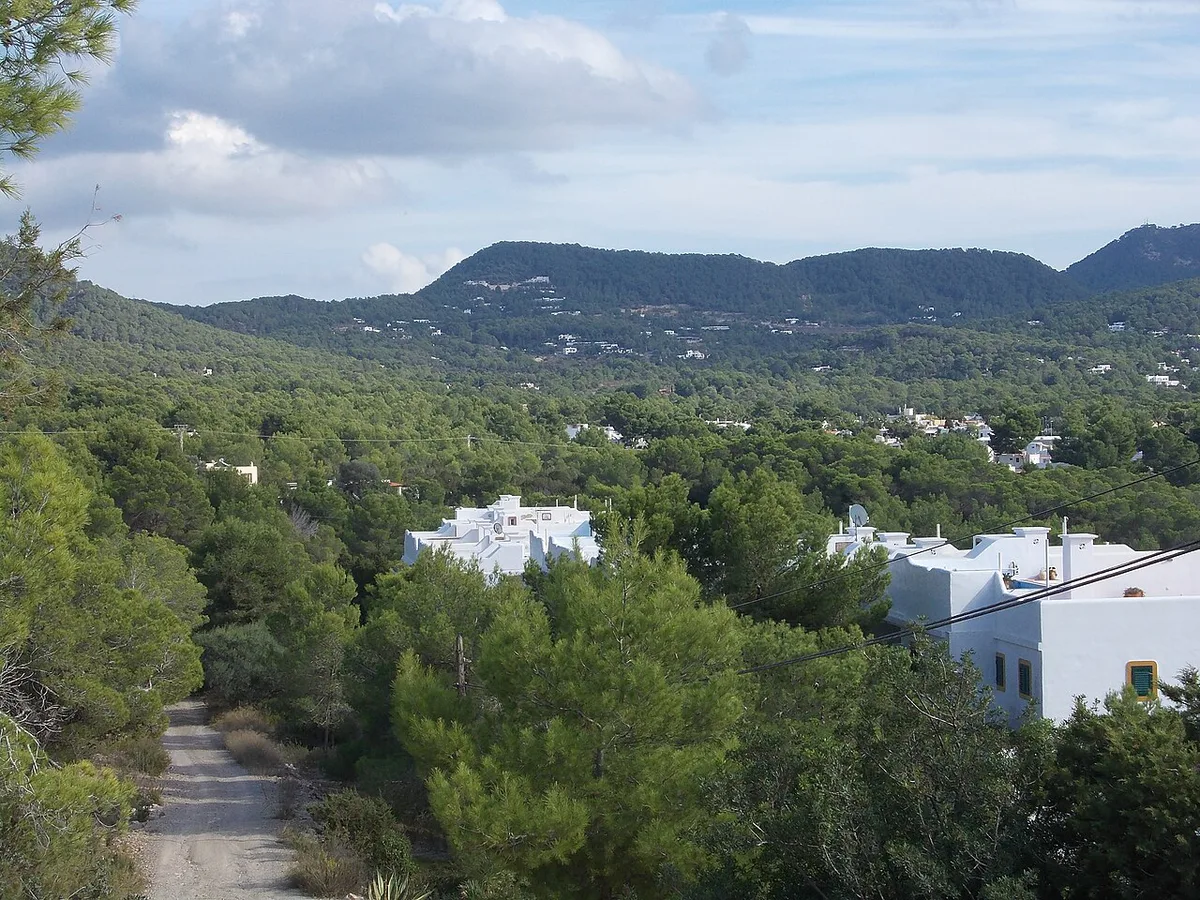
Start your search in the north if road riding matters most. Its smaller roads carry less traffic, particularly outside summer. With only 1 or 2 days on a road bike, we would keep your riding there. Expect more traffic in the south, especially closer to Ibiza Town and Sant Antoni. Before booking a room, ask about locked bike storage, taking bikes indoors, washing and repair facilities, and off-season opening.
| Base | Ride access | Atmosphere | Trade-off | Best fit |
|---|---|---|---|---|
| Sant Joan or Sant Miquel | Hilly northern roads | Green countryside with rural stays | Check distances to rentals, food and evening transport | Road riders wanting a rural base |
| Santa Eulària | East coast; possible end point for the Beaches Route | Quieter, family-oriented resort town | Check your road approach into the hills | Mixed groups and families |
| Sant Antoni | West-side riding and mountain bike trails | Many hotels and sunset views | More traffic near town | Riders also wanting resort services |
| Ibiza Town | Access to mountain bike trails | City, port and Dalt Vila old town | Busier approaches | Riders pairing cycling with city time |
When is the best time to ride?
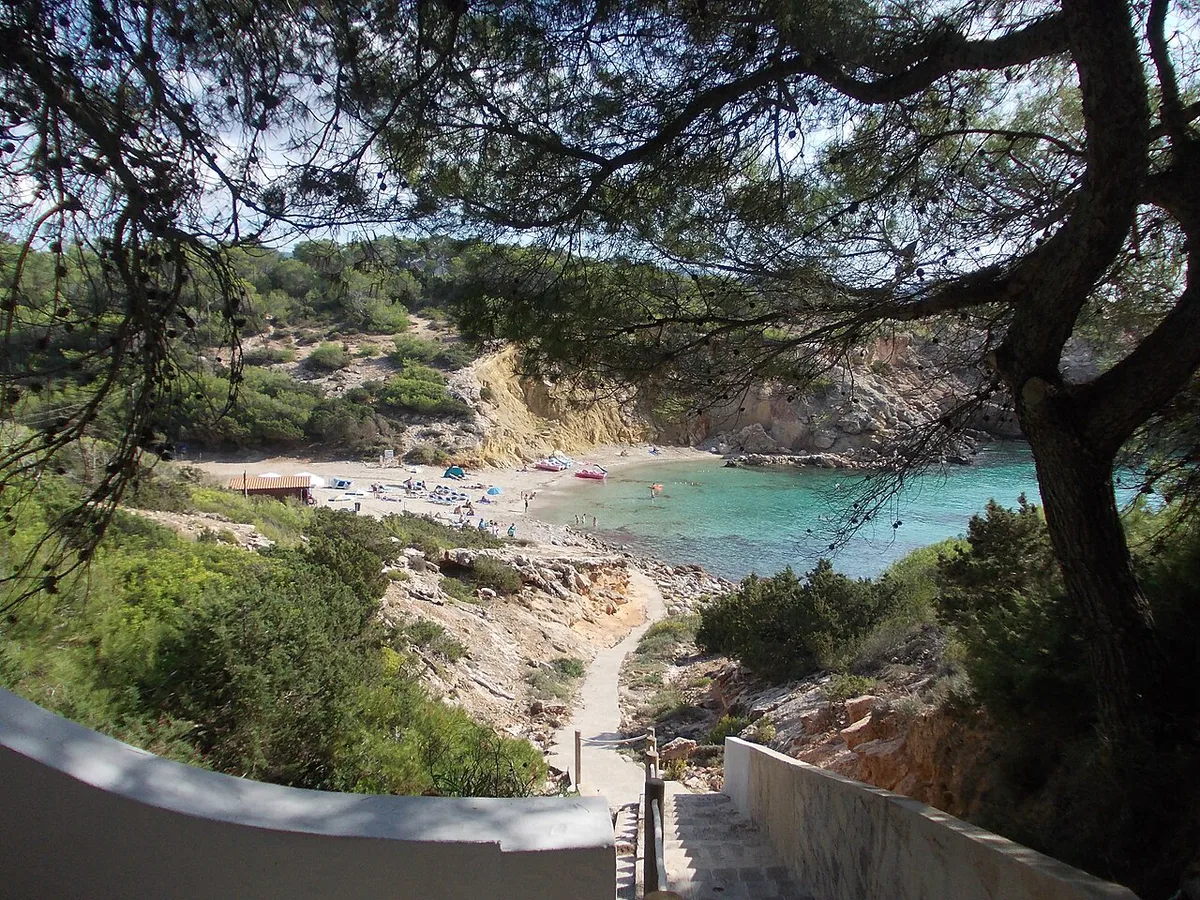
Spring and fall are our preferred seasons. March to June and September to November make useful planning windows, although June brings you closer to summer conditions. Local riding picks up from February and is busiest for cyclists through May. July and August are the hottest months. Early starts help with heat, but you still need to ride for traffic at that hour. Winter riding is possible, with some beach bars and accommodations closed. Use AEMET, Spain's weather agency, for temperature, rain and wind, and plan your finish around daylight.
| Season | Heat | Road traffic | Accommodation and services | Planning choice |
|---|---|---|---|---|
| Spring | Generally better for riding than midsummer | Often easier than summer | Some seasonal businesses may still be closed in April | Strong choice for road and gravel |
| Summer | Hottest period | Busier roads | Higher accommodation demand and prices | Ride early and keep routes short |
| Fall | Generally comfortable, especially after peak summer | Often easier than summer | Seasonal services wind down; many bike shops operate through October | Strong choice; check November openings |
| Winter | Mild periods possible | Low tourist season | Some businesses close | Book essentials first and stay flexible |
How many days do you need?
A few days is the sweet spot for most visiting riders, in our assessment. A week can work if you enjoy repeating good roads, mix bike types or take days off. Road riders who want new terrain and longer climbs each day will have more reason to choose Mallorca. For a calmer island change, compare riding on Menorca. Leave room for heat, wind, food stops and the return leg, since route-app ride times are only estimates.
- 1 day: choose one ride that matches your ability and starts near your base.
- Long weekend: plan a northern road day, a gravel or mountain bike day and an optional easier ride.
- Longer stay: add rest days or other activities between rides.
- Island extension: plan a separate Formentera ride, including its ferry connection and bike carriage.
Should you rent, join a tour or bring your bike?
Rent for a short break unless your own bike's fit matters enough to justify flying with it. Ask rental shops for a full quote, because pedals are often an extra charge even though many shops will fit yours for free. Compare that total with your airline's current sports-baggage fee plus packing, transfer and insurance costs. Bike Ibiza is one example of a local operator, with road, gravel, mountain and e-bike tours as well as rentals. High-season riders should reserve early.
| Option | Cost components | Convenience | Fit | Risk and details to compare |
|---|---|---|---|---|
| Rental | Hire, pedals, extras, delivery, deposit and cover | No bike flight | Depends on available model and size | Helmet, repair kit, damage terms and breakdown support |
| Guided tour | Tour fee, bike if separate, and any transfer | Route leadership | Match ride level and bike size | Language, group size, start point, cancellation and bad-weather terms |
| Own bike | Airline fee, box or bag, airport transfer and insurance | Packing and transport are your job | Familiar setup | Transit damage and airline weight limits |
How should you pack your own bike?
Follow your airline's packing rules first. A hard case gives more protection but weighs more than a soft bag, while a padded cardboard bike box is another option where accepted. Protect the rear gear hanger, a common damage point. Also ask your insurer whether the policy covers your bike in transit.
- Use an airline-approved box or bag.
- Turn or remove the handlebars as required, and remove or turn in the pedals.
- Let a little air out of the tires if the airline asks for it.
- Pad the frame and protect the rear derailleur and disc rotors.
- Include the packed bike's weight when reviewing your baggage allowance.
How do you get to your base with a bike?
Ibiza Airport (IBZ) is the island's air gateway. Settle your onward transfer before flying, especially with a boxed bike. Ask each carrier whether it accepts your bike or case, and get the same answer for any ferry. For a one-way ride, arrange your return before setting off.
| Airport option | Works for | What to settle first |
|---|---|---|
| Ride | Light luggage and an assembled bike | A suitable road route, daylight and where your case goes |
| Taxi | Door-to-door travel | A vehicle with room for the bike or case |
| Bus | Travelers whose bike is accepted onboard | Carriage rules, space and service to your base |
| Rental delivery | Visitors flying without a bike | Delivery area, time and collection terms |
| Private transfer | Groups or bulky cases | Number of bikes, luggage space and drop-off point |
What safety rules and kit matter?
Read current Spanish traffic authority guidance on helmets, lights, riding two abreast, passing, phones, headphones and alcohol. Helmet requirements can depend on factors such as road type and rider age, so do not assume they are optional; we recommend wearing one on every ride. Carry photo identification. For heat, fit 2 bottle cages and consider two 25 fl oz bottles with electrolytes, adding refill stops on longer rides. Call 112 in an emergency. Trail and protected-area access can be restricted, so consult the Consell d'Eivissa, park authority or municipality, and stay off private land without permission. Balearic official tourism information can also help with wider trip planning.
- Water, food and sun protection
- A wind layer for descents and changing weather
- Puncture supplies and a basic repair kit
- A charged phone with an offline map
- Emergency money
Which planning mistakes should you avoid?
Check the weakest link in your day before leaving, whether that is a rough track, a steep ramp or the ride home. A coastal connector that looks simple in an app may be unsuitable for your tires or closed to through travel.
- Trusting an app track without checking its surface and access
- Underrating short climbs with steep ramps
- Planning exposed riding during the midday summer heat
- Choosing a base only for its beach
- Assuming off-season services or bike transport will be available