5 Camino de Santiago by Bike Routes: How to Choose Yours
Compare 5 Camino de Santiago cycling routes, Francés start points, daily distance, climbing, bike choice, lodging, costs and Compostela rules.
Last updated November 2026: you can plan the Camino de Santiago by bike around your available days, climbing ability, tires and transport. Start with the Francés if you want the most published cycling detail here, but don't judge any day by distance alone.
Featured image: Joliet o0o jake, CC BY 3.0, via Wikimedia Commons.
Can You Do the Camino de Santiago by Bike?
Yes, cycling pilgrimages are possible. Gamintraveler's 2024 guide reports a 200 km (124-mile) minimum for a cyclist's Compostela, against 100 km for walkers and horse riders. Confirm that rule with the Pilgrim's Office in Santiago before choosing a start. Match your priority to a first option below, then test it against the actual track.
| Your priority | Start your research with | Decide before booking |
|---|---|---|
| A long inland ride | Francés from Saint-Jean-Pied-de-Port | Mountain start and total days |
| Fewer days on the Francés | Burgos, León or Ponferrada | Climbing and certificate distance |
| A start in Portugal | Portugués from Porto | Which route variant |
| A northern alternative | Del Norte | Full elevation profile |
| A different approach from the south | Vía de la Plata | Gaps between beds and services |
| A route from Ferrol | English Way | Certificate eligibility |
5 Camino Cycling Routes to Compare
Organized-trip prices and distances below come from Good Way Santiago's listings, with prices checked November 2026. These 'from' prices are commercial offers, so ask about occupancy, dates, inclusions and bike rental. Compare every route by endpoints, distance, ascent, surface, access, beds and your likely riding days.
1. Camino Francés
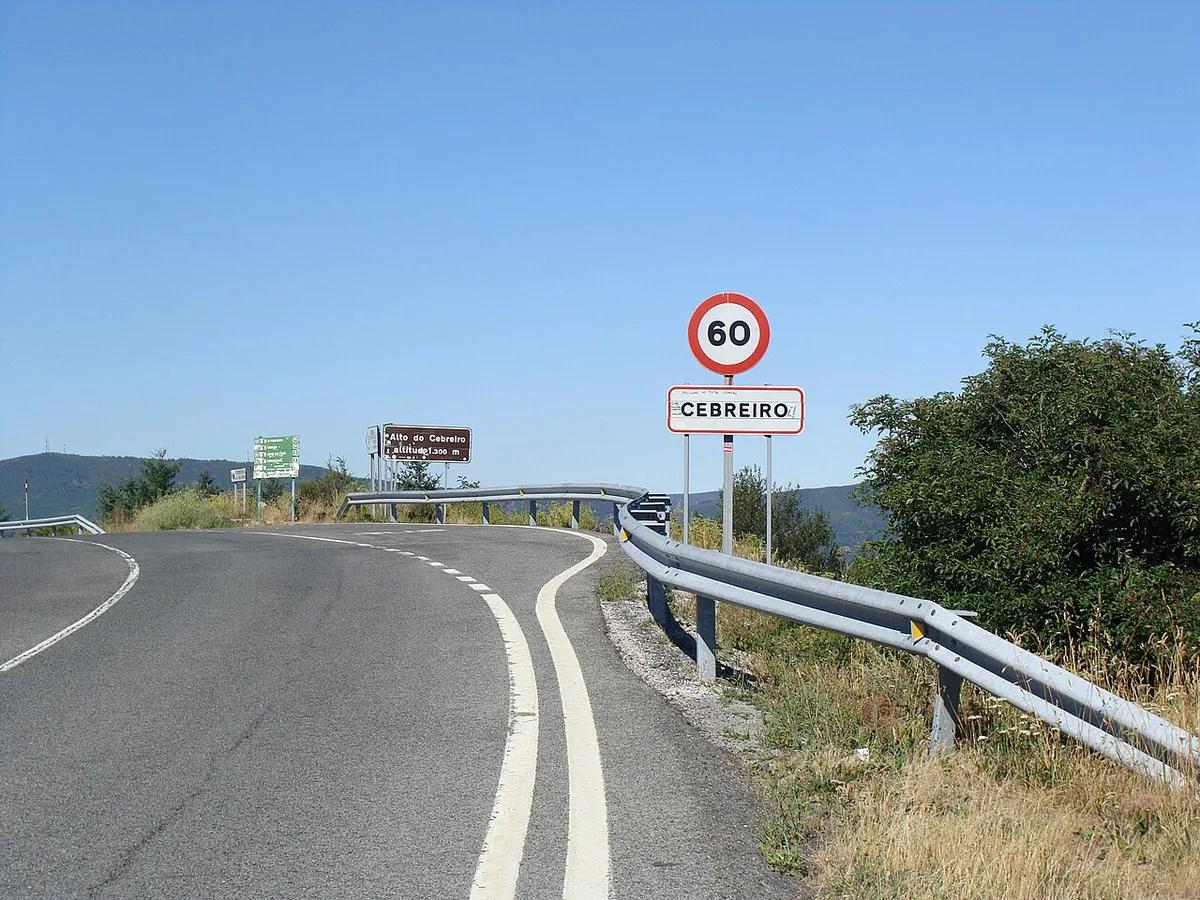
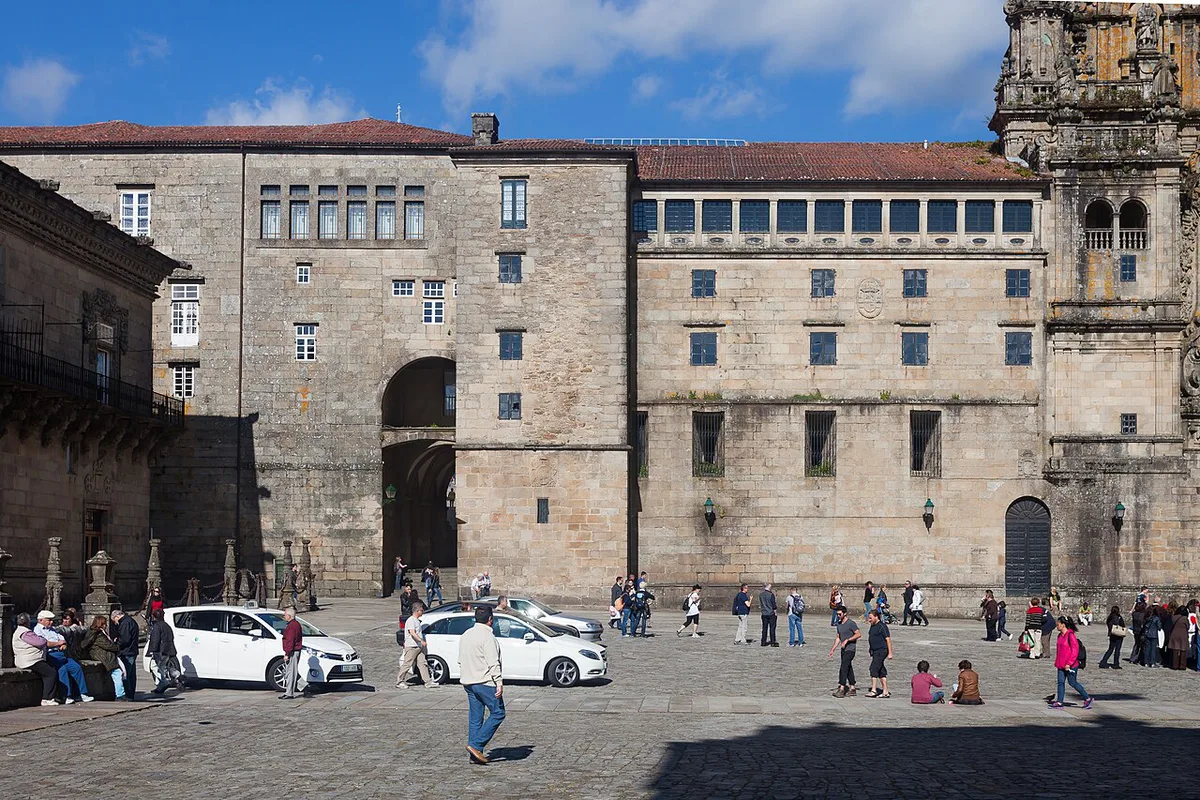
This is the option for riders who want detailed stage data, with komoot's cycling collection listing 857 km (533 miles) to Santiago in 19 half-day stages. Its mixed track starts in Saint-Jean-Pied-de-Port and passes Pamplona, Logroño, Burgos, León and Ponferrada. Its opening stage to Auritz climbs 1,320 m (4,331 ft) in 31.3 km (19.4 miles), is rated hard and may require pushing.
Good Way lists later starts at Burgos (488 km), León (312 km) and Ponferrada (210 km). Skip the full route if you can't allow for mountain days, and use the Francés cycling stage guide for detail.
2. Camino Portugués
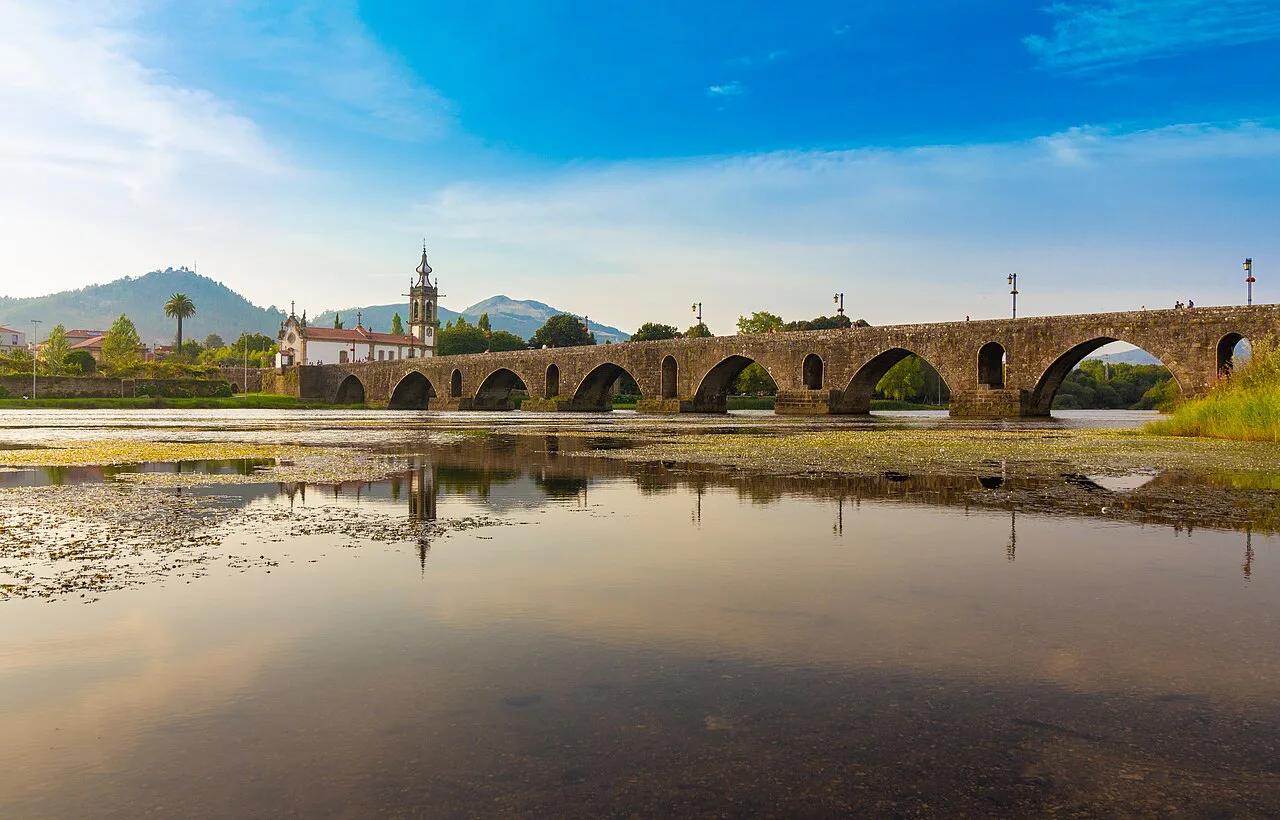
Choose this route if starting in Porto suits your travel plans better than crossing northern Spain. Good Way lists a 242 km (150-mile), 6-night trip from €849. Its label says Porto to Tui, but the day plan continues beyond Tui through Pontevedra toward Santiago.
Its first 3 stages run through Barcelos and Ponte de Lima to Tui, at 59, 35 and 44 km. Expect a climb at Labruja after Ponte de Lima, and identify whether your track follows an inland or coastal variant. Our Portuguese cycling route guide helps with that choice; skip a booking whose endpoints remain unclear.
3. Camino del Norte
Consider the northern option if you want an alternative to the Francés and can study its profile before committing. Plan its Basque section with Basque Country tourism information. For another section, consult Asturias tourism information.
Download a named track and total its ascent day by day, noting surfaces, road alternatives, bed gaps and access to your start. Skip fixed bookings until those fields are complete, and begin with the Del Norte bike guide.
4. Vía de la Plata
This route belongs on your shortlist if you want to approach Santiago from the south rather than follow the Francés. Choose an exact start that fits your days and the 200 km cycling minimum. Before booking, map each night's bed, the longest stretch without water, repair options and a way to leave the route.
Check heat and rain for each section and month, because one forecast can't describe the whole ride. Riders who won't research service gaps should skip it for now; the Vía de la Plata cycling guide is the next planning step.
5. English Way From Ferrol
The English Way option starting in Ferrol is worth comparing if your shortlist includes a route that begins within Galicia. Do not assume this start qualifies a cyclist for the Compostela, especially with a reported 200 km minimum. Ask the Pilgrim's Office whether your exact plan counts before you buy transport, and skip this start if your certificate matters and the answer is unclear.
Use Galicia's official Camino site to research the route, then verify distance, climbing and surfaces on your chosen cycling track.
Which Francés Start and How Long?
Gamintraveler puts the Francés at about 800 km (497 miles) in 7–10 days. That means 80–114 km (50–71 miles) daily. At 60 km (37 miles), the same distance takes about 14 riding days. It calls longer days possible for fit riders, but fitness, load, mud, weather and stops can change your pace sharply.
Keep track totals separate. komoot's description gives 857 km to Santiago plus a 90 km Finisterre extension. Its header shows 947 km, 12,660 m (41,535 ft) of ascent and 21 days. A separate full-route panel shows 933 km and 12,680 m. Treat Finisterre as an optional ride after Santiago. Add arrival, bike assembly, rest, weather buffer and return days to your riding total.
For later starts, Good Way's Burgos, León and Ponferrada plans list 9, 7 and 5 nights respectively. Check endpoints carefully: its labels say Burgos–Sahagún and Ponferrada–Sarria, yet both plans continue to Santiago. Sarria needs particular care for cyclists. komoot's 3 stages from there total 136.4 km (84.8 miles), short of the 200 km minimum.
| komoot track stage | Distance | Ascent / descent | Rating |
|---|---|---|---|
| Saint-Jean–Auritz | 31.3 km / 19.4 mi | 1,320 / 630 m (4,331 / 2,067 ft) | Hard |
| Auritz–Pamplona suburbs | 36.7 km / 22.8 mi | 270 / 710 m (886 / 2,329 ft) | Moderate |
| Pamplona–Estella-Lizarra | 57.1 km / 35.5 mi | 840 / 840 m (2,756 / 2,756 ft) | Hard |
| Estella-Lizarra–Logroño | 49.2 km / 30.6 mi | 600 / 660 m (1,969 / 2,165 ft) | Hard |
| Trabadelo–Alto do Poio | 26.2 km / 16.3 mi | 950 / 210 m (3,117 / 689 ft) | Hard |
Trail, Road Alternative or EuroVelo 3?
komoot says its blend of Camino paths and alternatives isn't meant for road bikes. It considers a touring bike suitable and a gravel bike better. That advice applies to its track, not every Camino path. EuroVelo 3 Pilgrims Route offers another planning reference. komoot describes it as largely following the Francés, with detours around bumpy ground. Our EuroVelo 3 guide covers that route through Spain.
For mountain bikes, compare tire grip with the effort of any paved sections. E-bike riders should map charging and range on climbs. Ask rental and transport providers about their limits, and ask the Pilgrim's Office whether e-assisted riding qualifies. Leave a walking path when mud, rough ground or crowding makes riding unsuitable, but verify the road alternative's legality and traffic first.
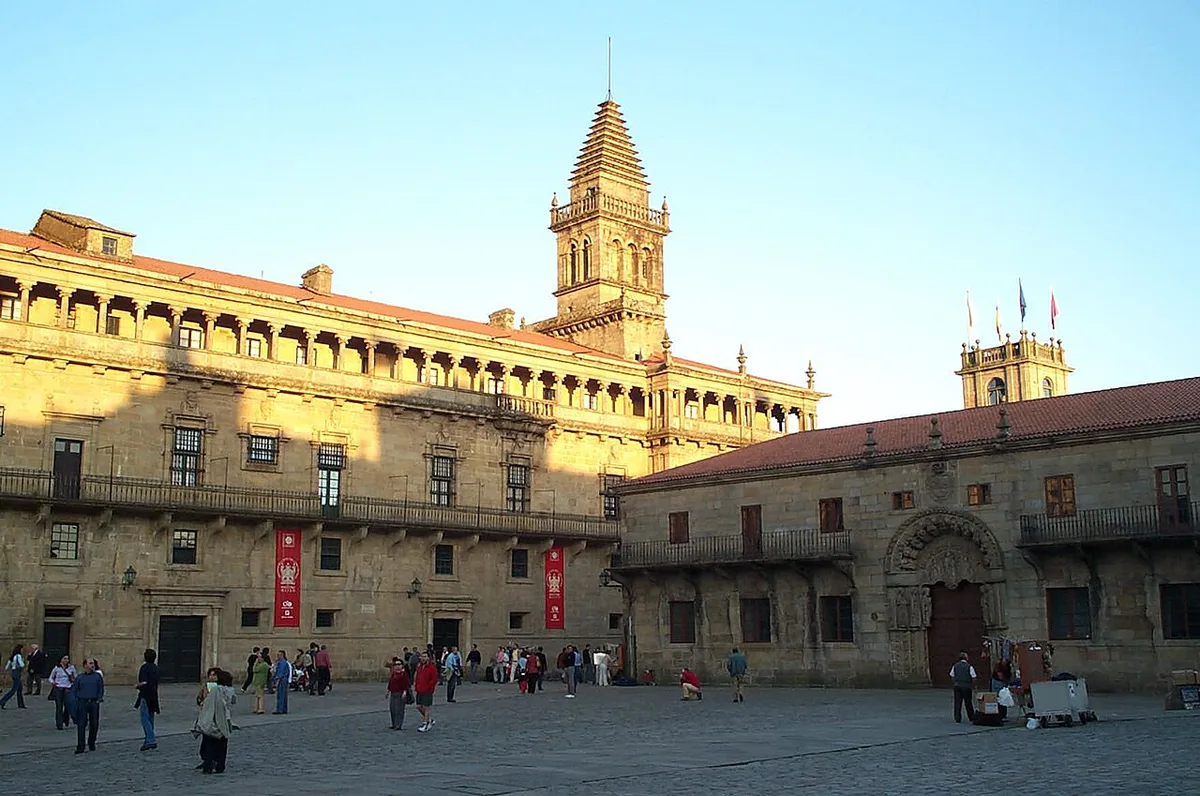
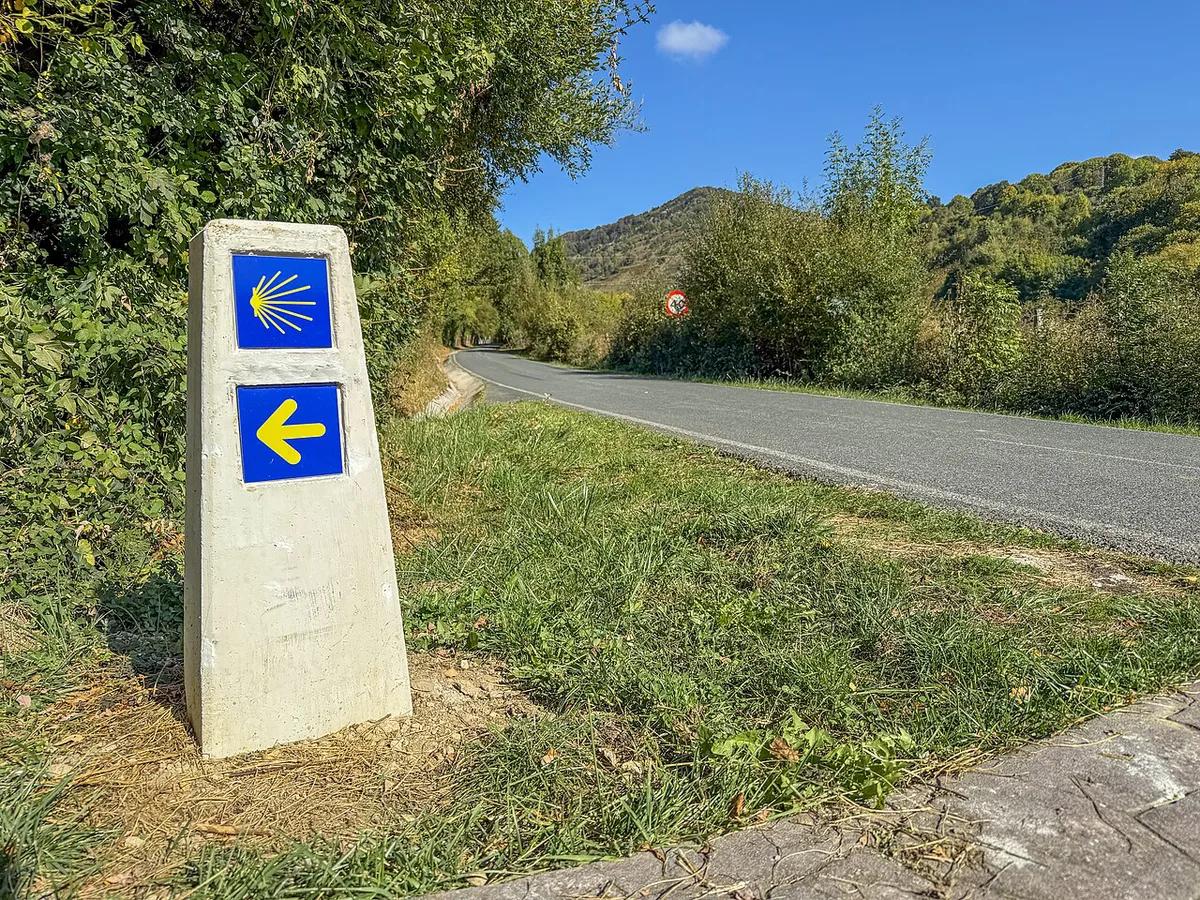
Yellow arrows and scallop markers help with navigation. komoot warns that shell direction can be confusing in Galicia, so carry an offline GPS track too. Slow down around walkers, announce your approach and yield on narrow sections. At road crossings and on loaded descents, leave extra braking distance.
| Line | Choose it for | Main trade-off |
|---|---|---|
| Walking trail | Staying on the pilgrim path | Rough sections, walkers and possible pushing |
| Road alternative | Bypassing unsuitable ground | Traffic and separate safety checks |
| EuroVelo 3 | A cycling-route reference | It departs from parts of the walking line |
Credential and Compostela Rules for Cyclists
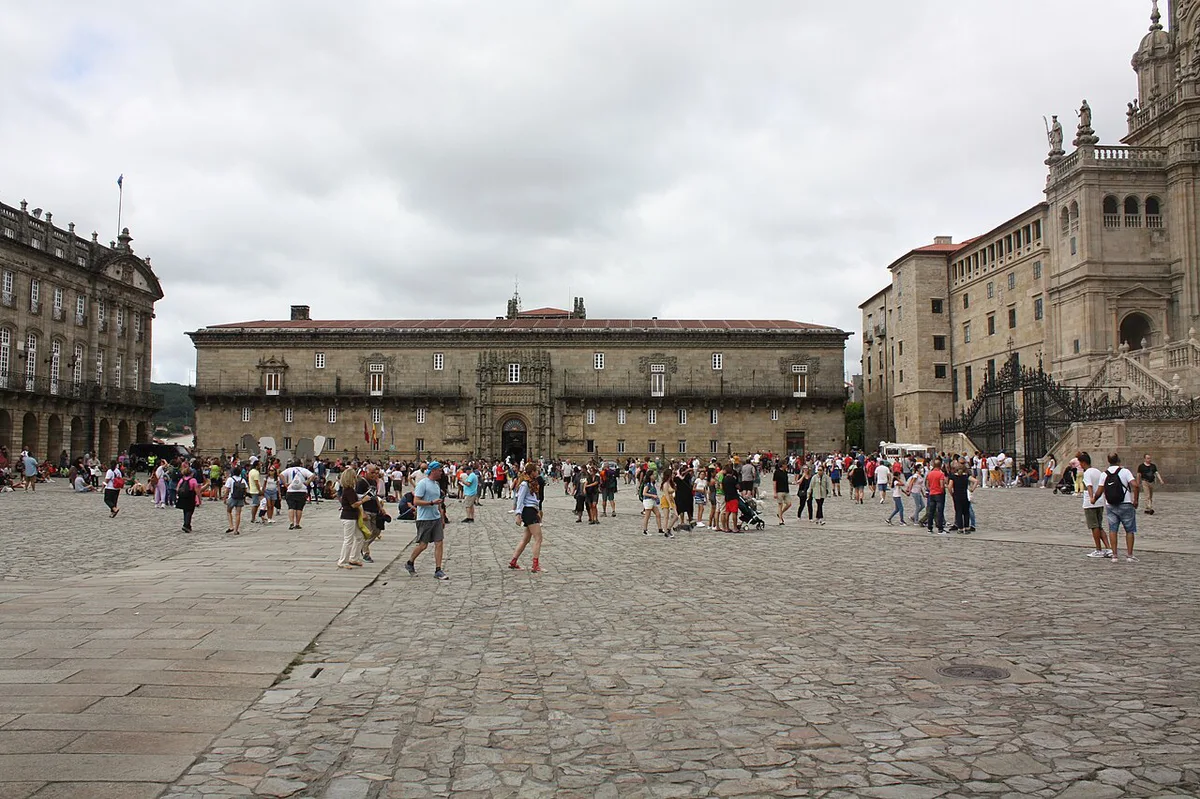
Get your pilgrim passport, or credential, before riding. komoot says you can collect one at a hostel in Saint-Jean-Pied-de-Port; Gamintraveler also points to local churches. Its 2024 article reports a €3–5 fee. Collect stamps at accommodation, churches or monasteries as you travel. On arrival, take the stamped credential to the Pilgrim's Office. Before departure, ask about qualifying final sections, required stamp frequency, Finisterre distance and current arrival steps. A qualifying certificate plan does not reserve you a bed.
Budget €3–5 for the credential, then check whether your planned start meets the 200 km (124-mile) cyclist minimum before you buy transport.
Where Cyclists Can Sleep
Public or donation-based albergues offer a pilgrim-focused stay, while private hostels, hotels and rural houses give you other options. Gamintraveler reports that walkers and horse riders receive priority over cyclists at albergues. Ask each property about cyclist admission, booking, arrival cutoff, secure bike storage and charging. Keep a private room or transport option as your fallback when beds fill. komoot also suggests campsites or, sometimes, a hostel garden with permission. Do not assume you can pitch a tent anywhere; local rules and landowner consent matter.
Cost: Self-Guided, Supported or Organized
Good Way lists organized trips from €589 from Ponferrada for 5 nights, €609 from León for 7 and €849 from Burgos for 9. These are not all-in trip budgets. Build your total from lodging, food, rental or flight carriage, one-way drop-off, transfers, luggage movement, repairs, insurance and a cash buffer. Price the rental versus own-bike choice with every transfer included.
Pair the €589 from Ponferrada for 5 nights offer with the 210 km Ponferrada start, then confirm what that price excludes.
| Trip style | What you control | What to price or confirm |
|---|---|---|
| Self-guided | Daily plan and flexibility | Beds, food, repairs and transport |
| Supported | Your ride with selected help | Luggage transfers, rescue and change fees |
| Organized | Less independent booking | Meals, rooms, bikes, support and exclusions |
Getting to the Start and Home With a Bike
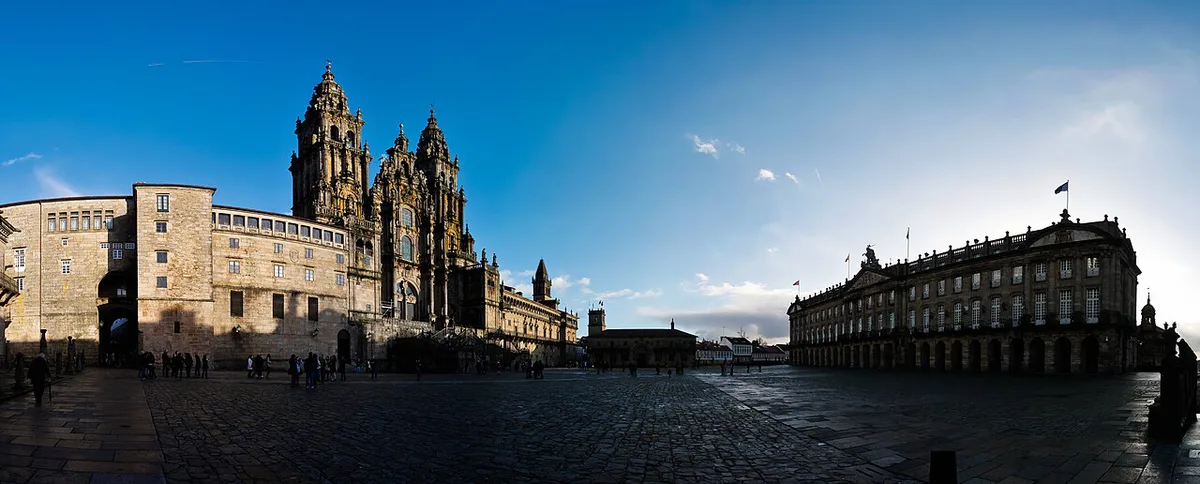
Book your start and return together. Check Renfe's train conditions for your exact Spanish service, including bike reservations, packing, size and e-bike restrictions. For Portuguese rail legs, consult CP's passenger information. Ask airlines, buses and transfer firms for their own written bike terms. Before flying, locate a box and packing space for both journeys. If shipping home, ask Correos parcel services or another carrier whether it accepts your bike's dimensions. Do not rely on collection or storage without confirmation. If you are adding riding days in Portugal, our guide to cycling in Portugal compares the Algarve, the Douro and the coast from Lisbon to Porto.
When to Ride, What to Pack and Mistakes to Avoid
Gamintraveler recommends April–June or September–October, citing heat and crowding in July–August. Compare climate, daylight, mountain conditions and seasonal closures along your exact sections. Pack tubes or a tubeless kit, pump, multitool, bottles, lock, weather layers, lights and secure luggage. Bring a helmet and check current traffic law for when it is required. Carry water and spares between confirmed stops rather than expecting frequent shops. Avoid distance-only stages and last-minute stamp checks. If you're weighing effort and pace, compare cycling and walking the Camino before committing.
Explore More Guides
Keep planning your trip with these guides.