Via de la Plata by Bike: Routes, Surfaces and Planning
Plan the Via de la Plata by bike: compare Santiago and Gijón finishes, road and off-road riding, trip length, bike options and key checks.
Last updated November 2026: riding the Via de la Plata by bike is feasible on road or off-road, and suits fit, self-reliant tourers who match their route to their load and conditions. Via de la Plata cycling gets tricky when planning your finish, daily surface, distance, climbing, service gaps, weather and bike transport. Use our overview of Camino bike routes for wider context, then decide between road, trail or a daily mix.
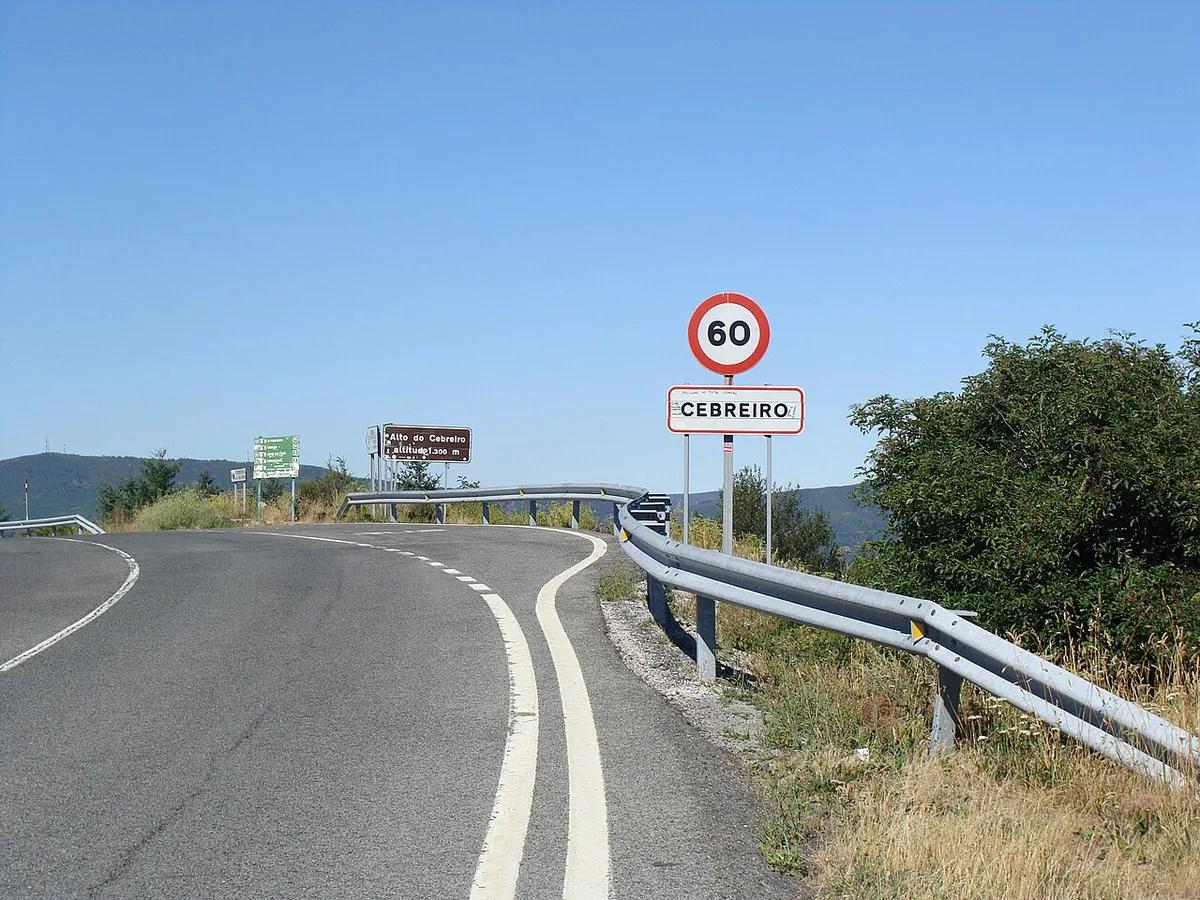
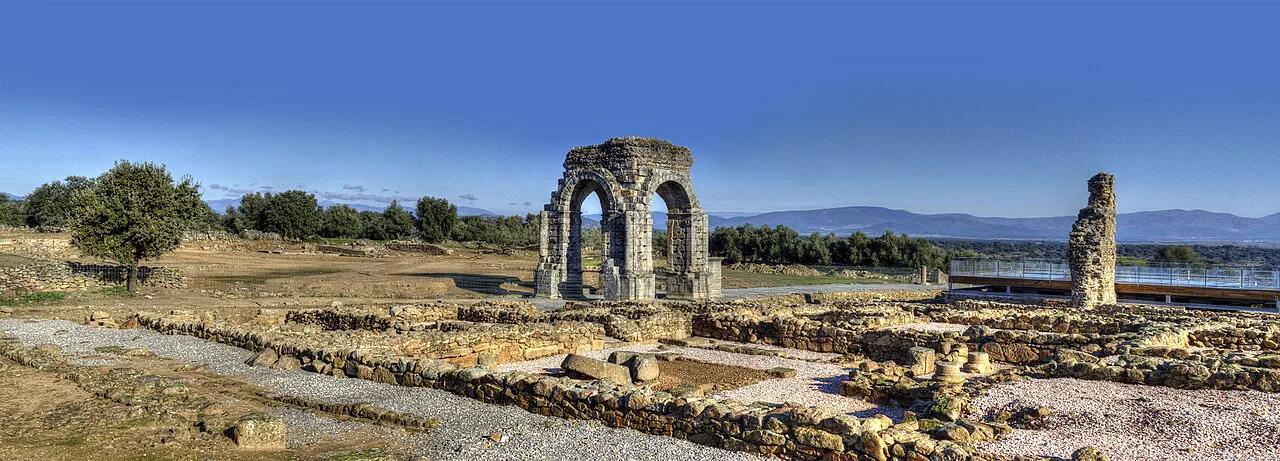
Featured image: Ángel M. Felicísimo, CC BY 4.0, via Wikimedia Commons.
Which Via de la Plata by Bike Route Should You Choose?
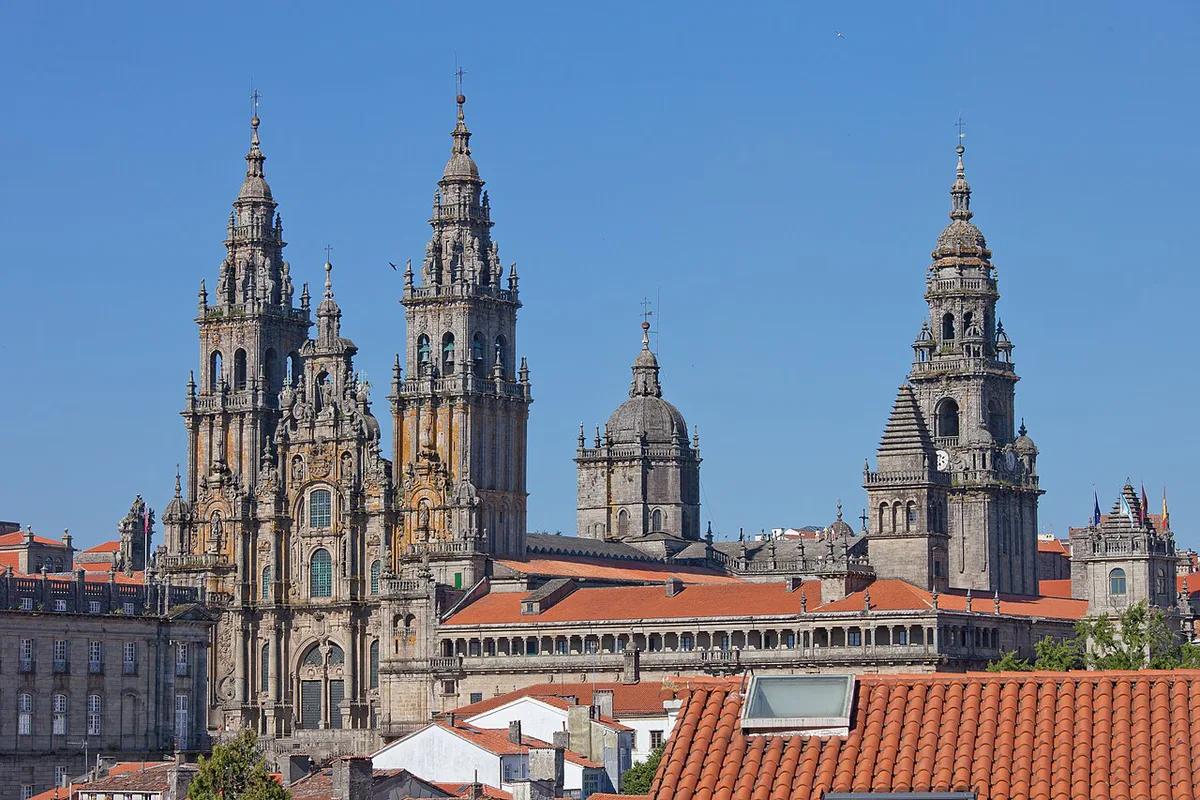
Starting in Seville, you face the big fork just north of Zamora. Turn west on the Camino Sanabrés for Santiago de Compostela, or continue through León and Oviedo to Gijón. Gijón's branch does not end in Santiago.
John Hayes, who wrote a Cicerone cycling guide to this journey, outlined its schedule in 2022. It assumes 14 or 15 cycling days, depending on the finish, and isn't a standard for every rider or surface. Published descriptions put the Santiago journey at about or above 1,000 km (621 miles). Treat that as scale only, and measure your own track for either finish.
Hayes prefers Gijón and rates León–Oviedo above the final approach to Santiago. That is his opinion. Our pick depends on your goal: Santiago for a pilgrimage finish, or Gijón if the Cantabrian crossing matters more.
| Option | Planning basis | Character | Best fit | Skip it if |
|---|---|---|---|---|
| Seville–Santiago | Uses the Camino Sanabrés after the split | Includes the mountains of southern Galicia | Riders set on finishing in Santiago | Your priority is León and Oviedo |
| Seville–Gijón | Goes north through León and Oviedo | Crosses the Cantabrian Mountains | Riders drawn to a north-coast finish | You want to arrive in Santiago |
| A Gudiña–Santiago | CaminoWays lists about 200 km (124 miles) | Mountains, then rolling hills after Ourense | Riders short on time | You want the long journey from Andalusia |
Road, Off-Road or Mixed?
In his 2022 account, Hayes described largely empty N roads suited to road bikes. His Camino alternative is mostly off-road, for touring, gravel or mountain bikes. He found some stretches excellent and others boring or difficult.
One Camino Forum rider suggested using the N-630 as a road spine in 2024. That rider also said early off-road sections require a mountain bike or electric mountain bike. Neither account shows that every trail suits a gravel bike.
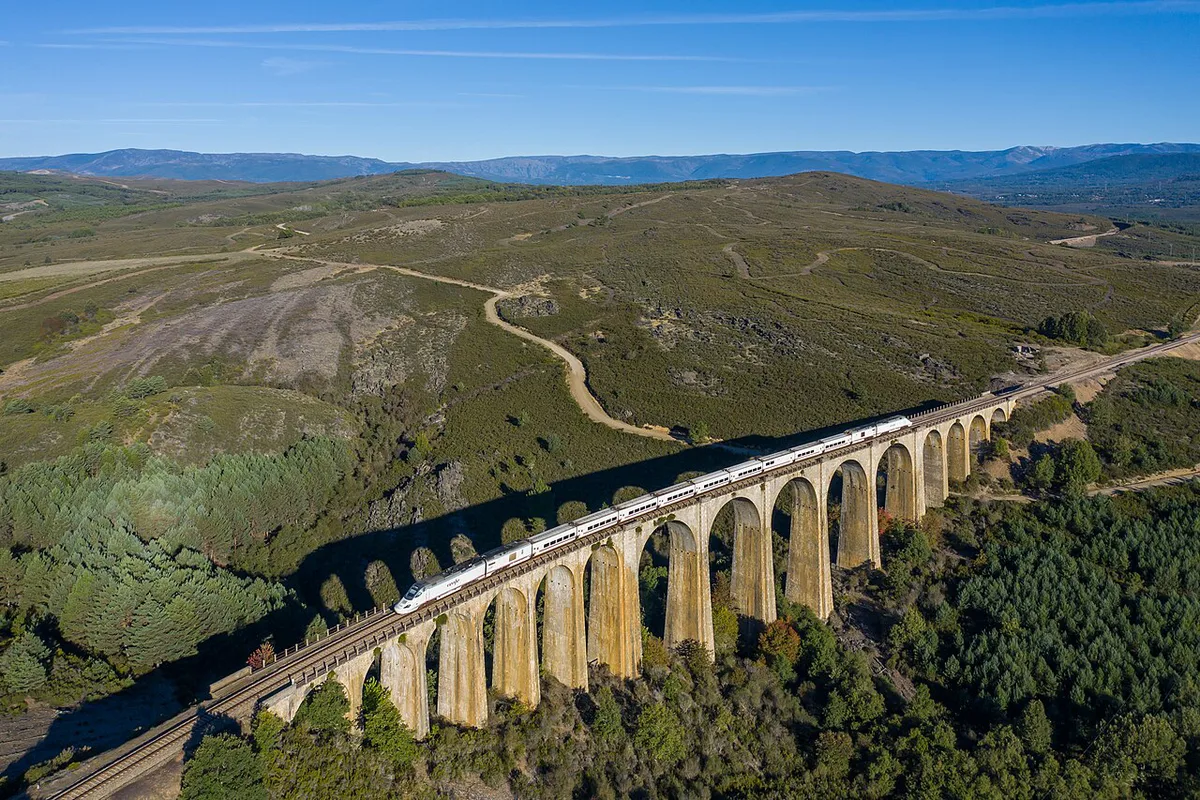
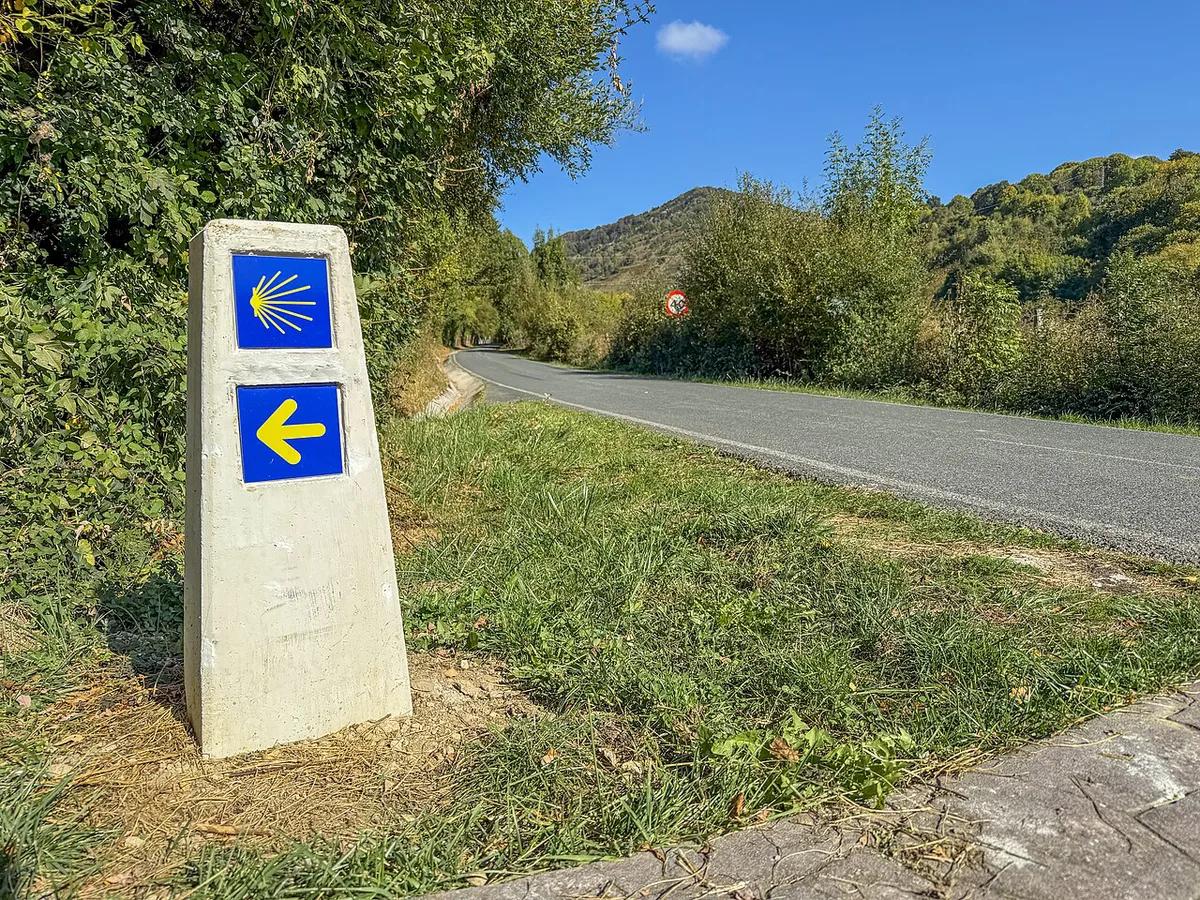
Our preference is a daily mix, provided you can identify safe places to switch. Walking waymarks don't guarantee a rideable or legal bike line. Our comparison of cycling and walking the Camino explains the wider decision. Before departure, check traffic rules with Spain's traffic authority, the DGT. Ask local route managers about access and diversions.
| Decision | Road | Off-road | Daily mix |
|---|---|---|---|
| Bike and tyres | Road or touring bike; fit tyres to your load | Suitable touring, gravel or mountain bike, depending on section | Bike able to handle the roughest stretch you select |
| Surface and traffic | N roads; assess current traffic | Largely unpaved Camino options; quality varies | Changes with each day's line |
| Navigation | Load a road-legal cycling track | Load a bike-specific trail track | Mark every transfer point offline |
| Services | Map stops along the road | Map stops reachable from the trail | Recalculate gaps after each change |
| Effort | Depends on climbing, wind and load | Rough ground can add effort and walking | Lets you shorten or simplify some days |
| Wet-weather fallback | Delay or use onward transport | Move to a checked road line | Choose road before leaving town |
| Poor choice when | Traffic exceeds your comfort level | Your bike or skills don't suit the ground | You haven't mapped safe connections |
Seville to the Finish: Route by Section
Plan northbound in sections, with a separate road and trail track where they diverge. Extremadura's official regional tourism site can help you research its towns. On the Gijón branch, use Asturias visitor information for the northern end. For Santiago, consult Galicia's official Camino website for the Galician leg.
CaminoWays describes A Gudiña as starting above 1,000 m (3,280 ft). Mountains lead toward Ourense, followed by rolling hills, which doesn't mean an easy or all-downhill finish. Its cycling holiday lasts 8 days with 7 nights, but package length doesn't equal riding days. Don't confuse it with the company's 100 km (62-mile) walking trip from Ourense.
Hayes mentioned a newer old-railway alternative between Béjar and Plasencia in 2025, but he hadn't ridden it. Look up its completion, surface and access through Vías Verdes or the managing authority before adding it. For every section below, record distance, ascent, surface, food, water, lodging gaps and exit transport.
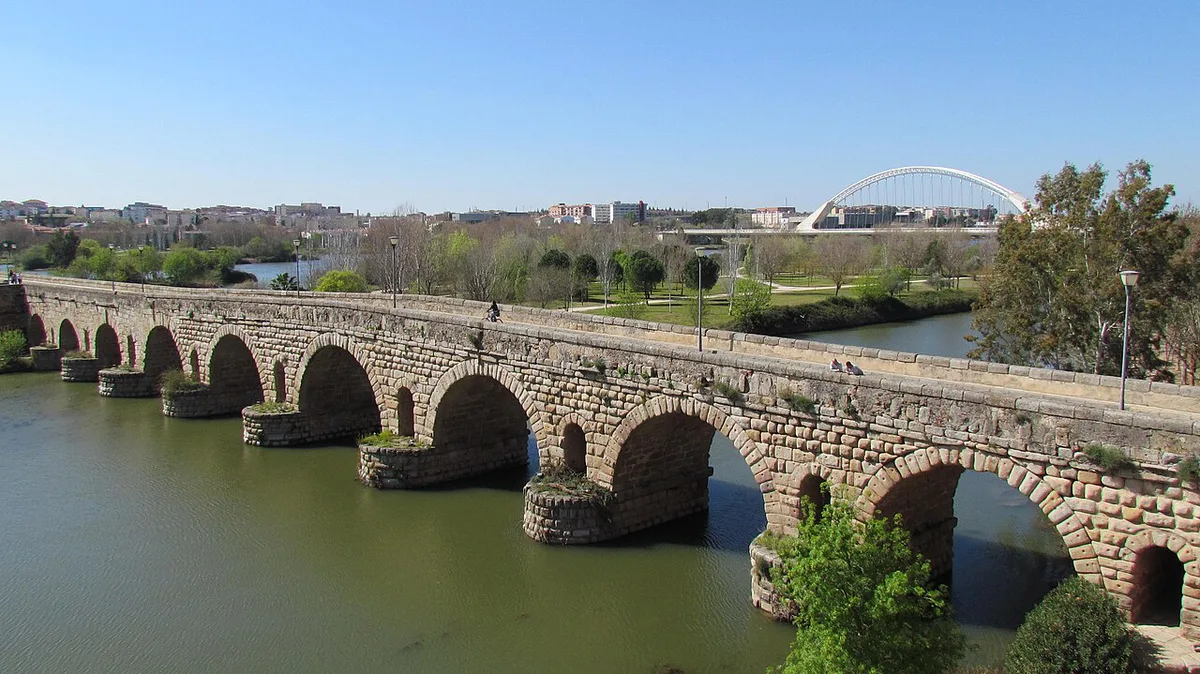
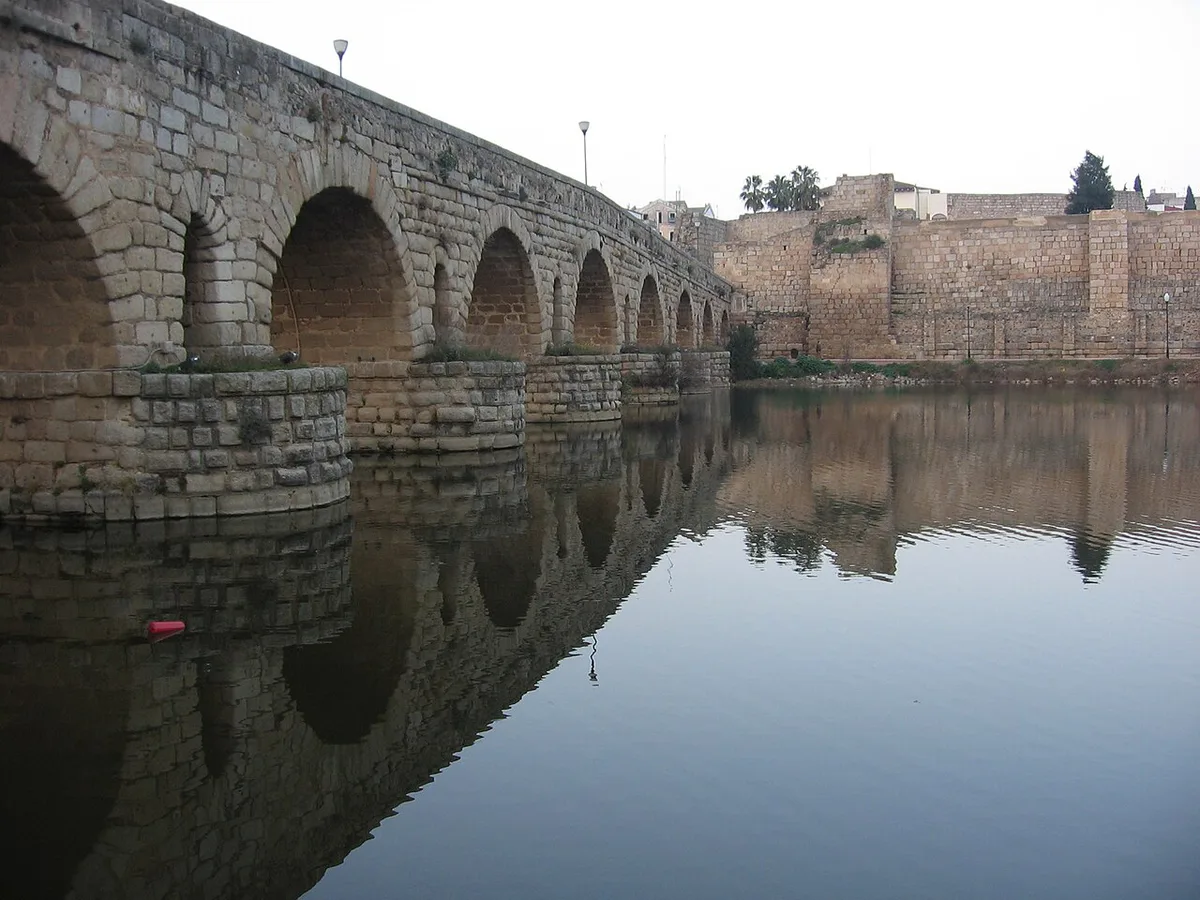
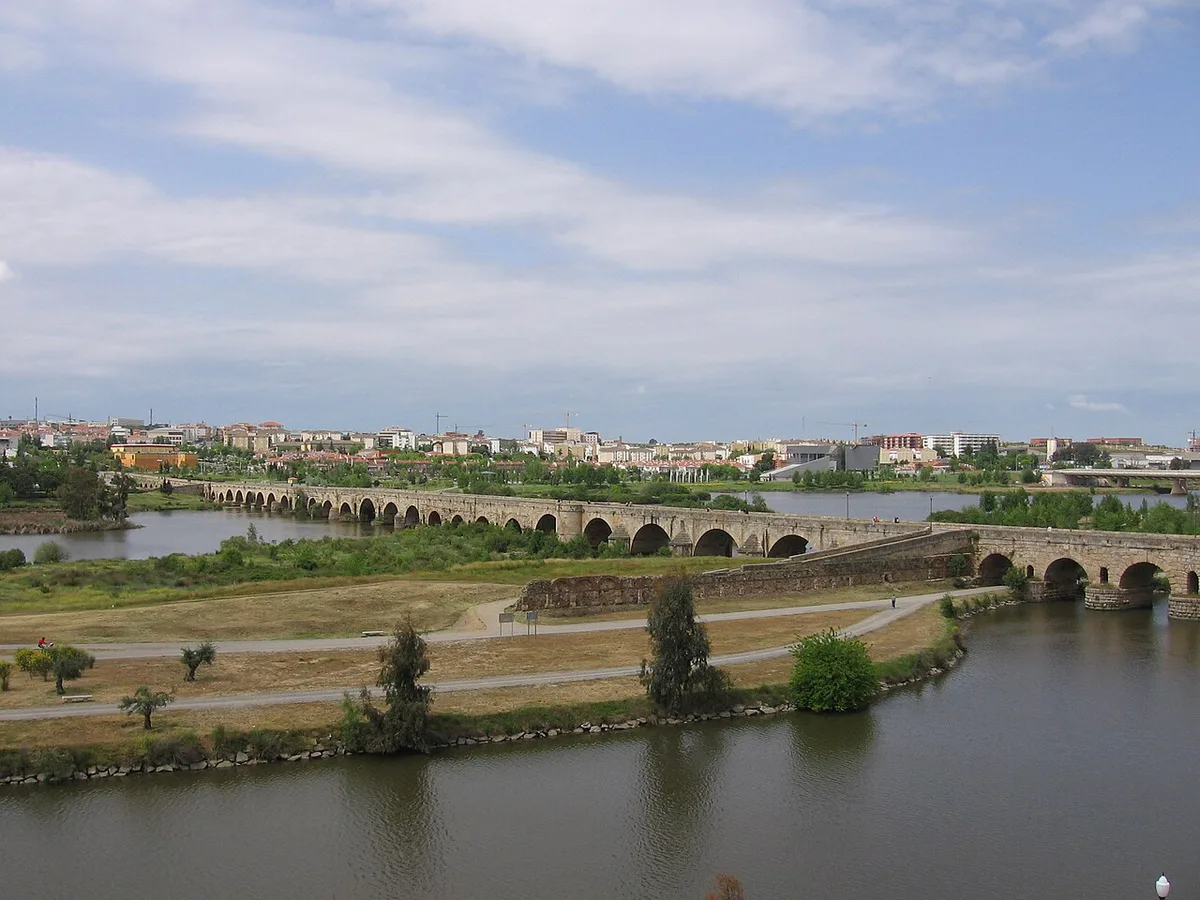
- Seville to Mérida: plan through Zafra; Mérida's Roman remains are a reason to pause.
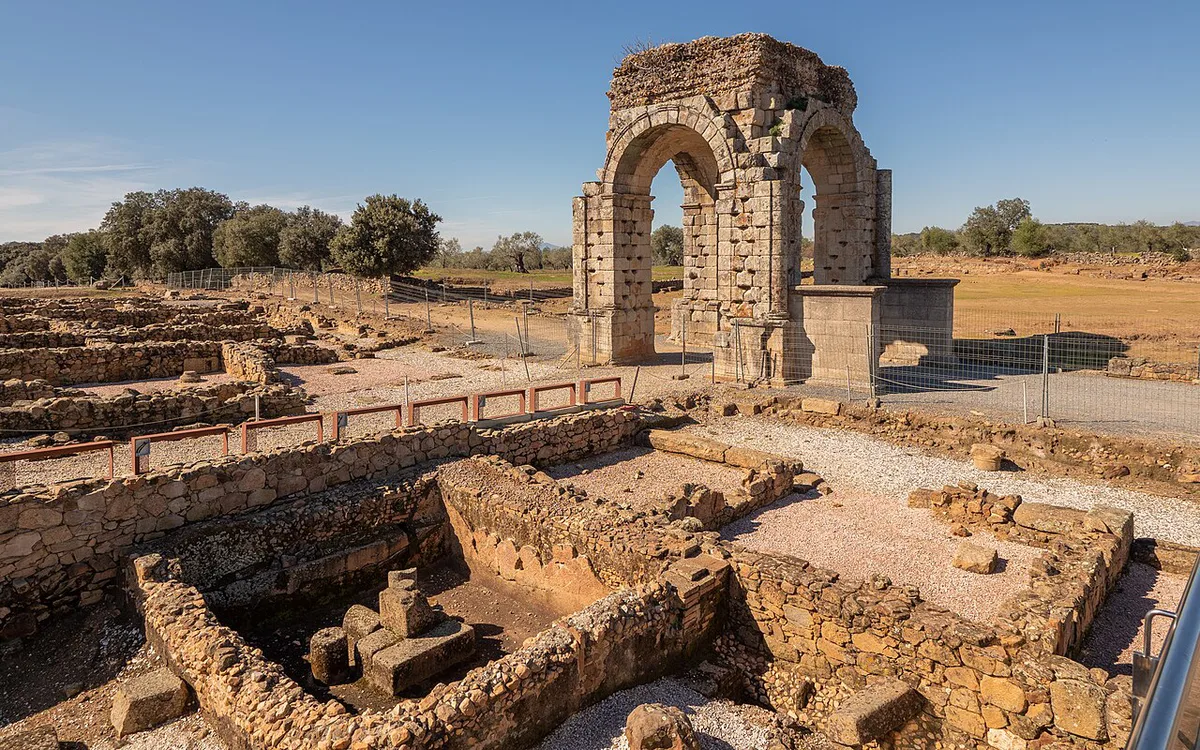
- Mérida to Salamanca: trace Cáceres, Plasencia and Béjar; allow time for Cáceres's old town.
- Salamanca to Zamora: use Salamanca as a sightseeing stop and settle your finish before the northern fork.
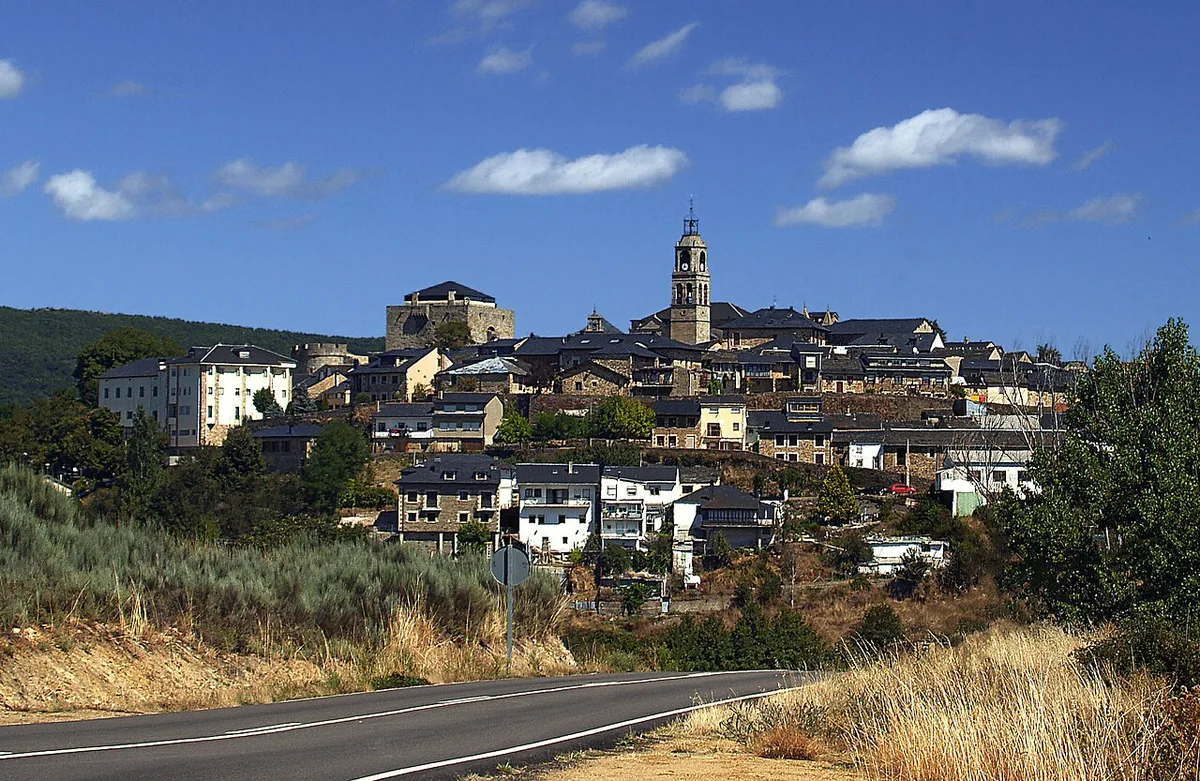
- Zamora to Santiago: follow your Sanabrés plan through A Gudiña and Ourense; Ourense is a Roman-era city to explore.
- Zamora to Gijón: continue through León and Oviedo, crossing the Cantabrian Mountains; leave time in León.
How Many Days Does It Take, and How Hard Is It?
Count riding, rest, sightseeing, arrival and departure days separately. Hayes says squeezing his schedule into a 2-week window is feasible. We'd treat that as a compressed plan and see whether travel days fit. One forum rider reported taking 5 weeks to reach Santiago with extensive sightseeing. That discussion covered a ride starting in Cádiz, so don't use it as a Seville benchmark.
Hayes says his road-only choices follow fairly gentle gradients. His description doesn't make the off-road lines or Santiago branch easy. Northbound riders approach the Cantabrian climb from its gentler southern side. Southbound, he says it is steep from the northern side and warns of lorries on road hairpins.
A fit rider may not need an e-bike, although one forum opinion can't settle that for you. If using one, compare tested range with each day's ascent and load, then map charging access.
| Your priority | Our planning choice | Trade-off |
|---|---|---|
| Limited time | Ride a shorter section | You leave much of the journey for later |
| Sightseeing | Add full rest days | Your trip takes longer |
| Loaded touring | Set days by ascent and service stops | You may need shorter stages |
| Mostly off-road | Allow slack for rough or wet ground | Daily progress is less predictable |
| Rider support | Compare supported packages | Dates and coverage depend on the provider |
When to Go: Heat, Rain and Mountains
We can't name a reliable best month without comparable regional climate evidence. Use Spain's meteorological service, AEMET, for climate records and forecasts along your chosen line.
CaminoWays describes A Gudiña as starting above 1,000 m (3,280 ft), so check Galicia's mountain conditions before you set out.
- South: assess heat, shade and distances between water stops.
- Central sections: compare daytime heat, rain, wind and daylight.
- Galicia: review rain, mountain conditions and muddy or slippery trails.
- Cantabrian branch: look for mountain rain, snow, visibility and road conditions.
- Every region: set a delay, road or transport fallback for bad conditions.
Bikes, Rental and Transport
Start with how your bike will reach Seville and leave your chosen finish. Our Camino bike hire guide can help frame the choice.
| Choice | Main advantage | What to settle | Main risk |
|---|---|---|---|
| Bring your own | Familiar fit and luggage setup | Packing and carriage in both directions | A transport restriction disrupts your trip |
| One-way rental | No need to bring your own bike | Fit, racks, delivery, collection, fee and repairs | Your finish falls outside coverage |
| Buy, then sell or donate | Choose a bike near the start | Fit, racks, condition and exit plan | No buyer or recipient at the finish |
| Supported package | Some logistics may be arranged | Bike, luggage, lodging, transfers and repairs | Needed services aren't included |
- BikeIberia: a 2024 rider reported Seville delivery and Santiago collection, subject to hotel choice, with electric and non-electric bikes.
- Triana Backpackers or Triana hostel in Seville: riders mentioned rentals in 2024; ask about current service and return locations.
- Gijón finish: get explicit collection terms; a Santiago return doesn't establish a Gijón option.
- Buying used: forum suggestions included Decathlon for inexpensive bikes, plus Wallapop and Milanuncios for listings.
- Onward travel: ask the actual rail, coach, air or ferry operator about assembled and packed bikes.
- Parcel options: ask Correos about parcel services, including whether your shipment is eligible.
Accommodation, Bike Storage, Luggage and Budget
Secure bike storage isn't guaranteed: Hayes couldn't vouch for it at every place he stayed. Ask each property before booking, and compare dated quotes because no reliable current trip total is available here.
| Budget item | What your quote should cover |
|---|---|
| Bike or rental | Bike, racks, luggage fittings and any deposit |
| One-way fees | Delivery, collection and location surcharges |
| Transport | You, your bike, packing and connections |
| Lodging | Bed, bike storage and cancellation terms |
| Food | Meals, trail snacks and water purchases |
| Luggage transfer | Covered stages, bag limits and handover points |
| Repairs | Spares, workshop charges and recovery |
| Contingency | Weather delays, rerouting and unexpected beds |
- Albergues: ask about cyclist admission, priority rules, reservations and locked storage.
- Pensiones and hotels: get written storage terms and ask about late arrival.
- Luggage: CaminoWays includes bed and breakfast plus daily transfers in its A Gudiña package; don't assume coverage elsewhere.
- Camping: identify legal sites before relying on them, and don't plan around informal wild camping.
- Rental cost: one forum poster found it expensive in 2024; compare complete current quotes with transporting or buying a bike.
Is the Via de la Plata Right for You?
Choose this journey if you enjoy planning each day and can adapt when a trail or service stop doesn't work. A road line suits riders avoiding rough ground, provided its traffic and climbs feel manageable. Pick support if arranging beds, luggage and breakdown cover alone would spoil the trip. A shorter section makes more sense when your schedule leaves no slack.
If another corridor appeals, compare the Camino Francés cycling route. For a Portugal-based option, see the Portuguese Camino by bicycle. Riders drawn north can explore our guide to cycling the Norte. Don't assume any alternative is easier without comparing its track, ascent and surface.
Final Checks and Planning Mistakes to Avoid
Settle these points before buying one-way travel or committing to a rental. If you want a Compostela, read current cyclist requirements from the official Pilgrim's Office.
- Choose Santiago, Gijón or a shorter finish, then save that exact track offline.
- Label each stage road, off-road or mixed; don't treat different variants as one route.
- Calculate distance, ascent and surface together.
- Mark water, food, beds, repair access and exit transport.
- Set bad-weather alternatives and a stopping rule for unsafe conditions.
- Reserve secure overnight bike storage where booking is possible.
- Don't assume walking trails are rideable throughout.
- Secure bike carriage, return arrangements and rental drop-off before paying for fixed travel.