Camino Francés by Bike: Stages, Days & Route Planning
Plan the Camino Francés by bike: compare start points and daily distances, choose trail or road, pick a bike, and check Compostela and travel logistics.
Last updated November 2026: you can ride the Camino Francés by bike, and it suits regular cyclists who can manage luggage and basic repairs. Big climbs, rough shared trail and long days make this French Way ride demanding, while nearby roads can ease progress but bring traffic and less contact with walkers. From Saint-Jean-Pied-de-Port in France, allow about 14 riding days for roughly 775 km (482 miles) at 55 km daily.
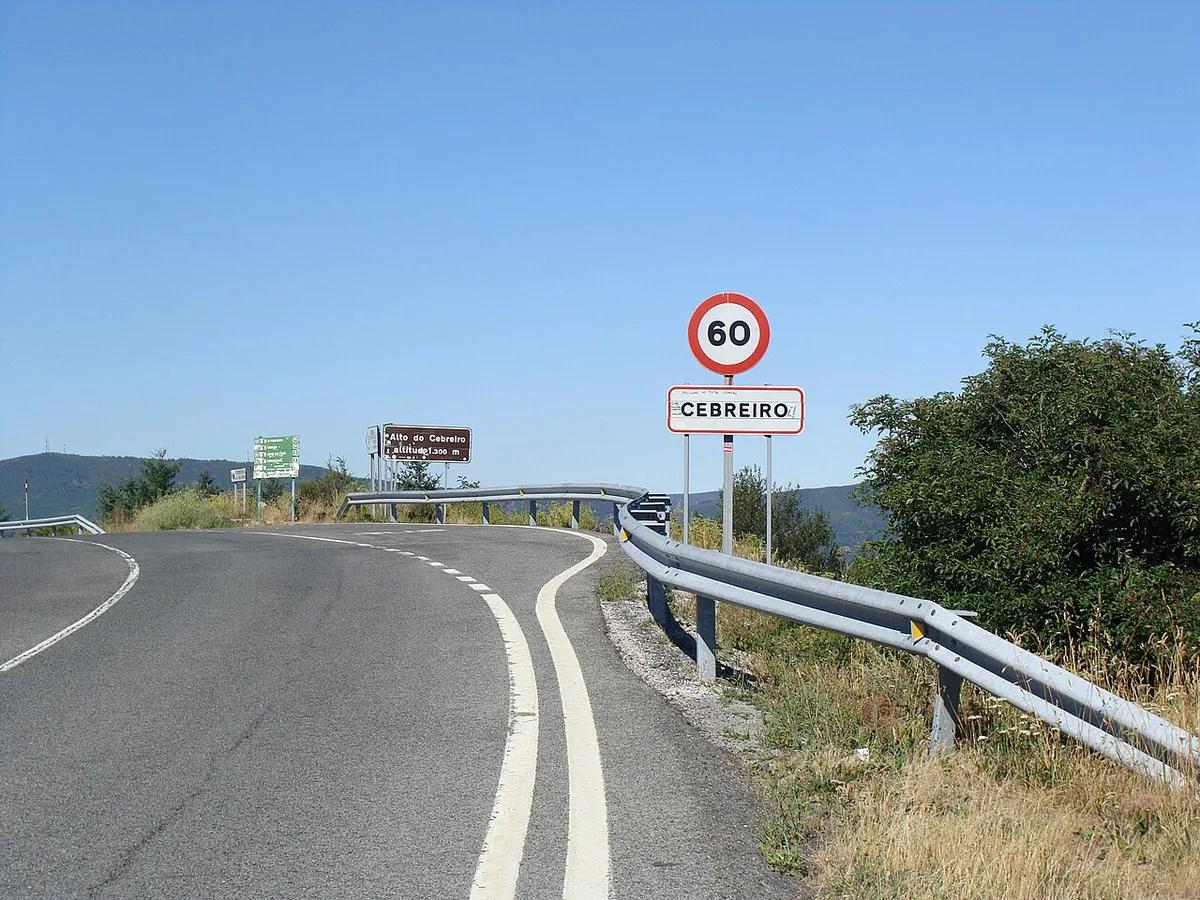
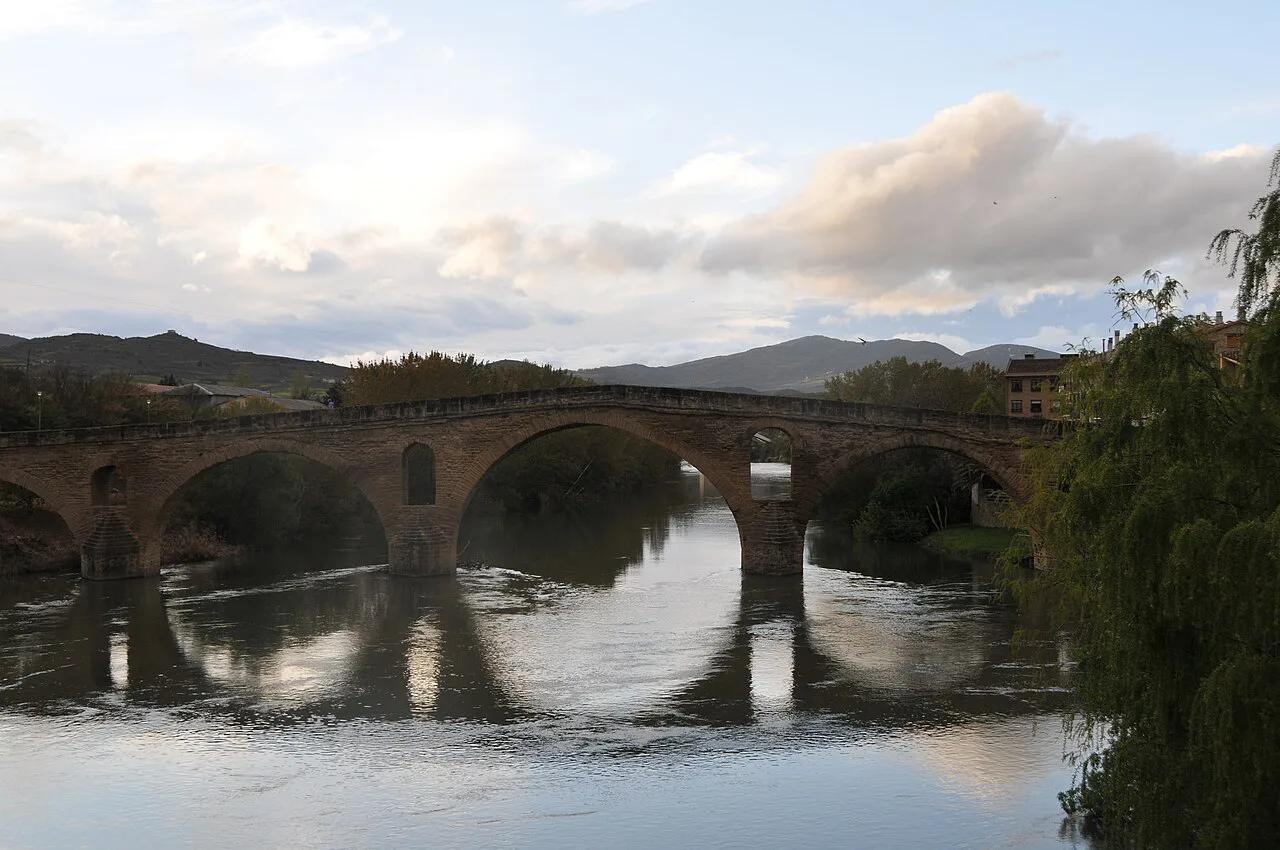
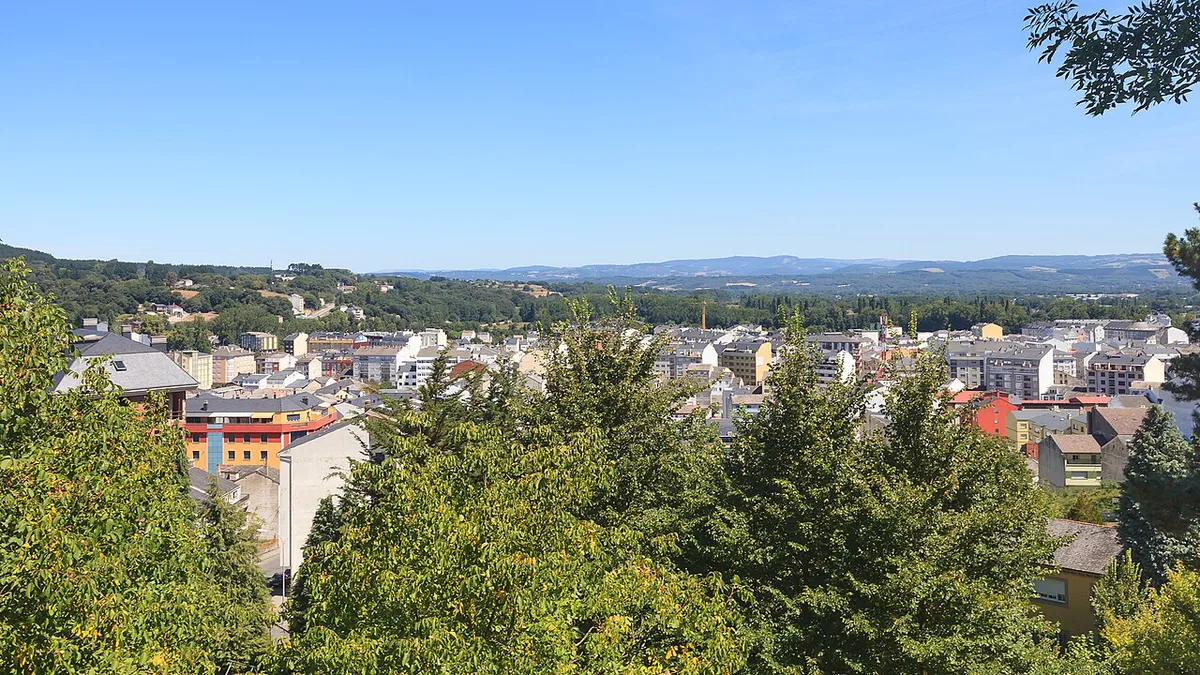
Featured image: Manuel Velazquez, CC BY 3.0, via Wikimedia Commons.
Camino Francés by Bike: Where Should You Start?
Choose your start by available riding days, fitness and certificate goal. Our Camino de Santiago cycling guide sets this route in context. Starting at Roncesvalles skips the Pyrenean crossing from Saint-Jean, but still leaves a published 746.6 km (464 miles) to Santiago. Ponferrada's 205 km (127 miles) clears the cyclist's 200 km minimum by only 5 km. Don't count on detours or transfers to protect that slim margin. Sarria is about 115 km (71 miles) out, which is too short for a cyclist's Compostela.
| Start | Distance to Santiago | Estimated riding days | Terrain and rider fit | Compostela distance |
|---|---|---|---|---|
| Saint-Jean-Pied-de-Port | About 775 km / 482 mi | About 14 at 55 km a day | Includes the Pyrenees; for riders ready for a long trip | Long enough |
| Roncesvalles | 746.6 km / 464 mi | 15 in one operator plan | Full Spanish crossing without the climb from Saint-Jean | Long enough |
| Ponferrada | 205 km / 127 mi | 5 stages in the same plan | Shorter trip with O Cebreiro near the start | Long enough, by a small margin |
| Sarria | About 115 km / 71 mi | 3 in one tour diary | Hilly Galician short ride | Too short |
- Start options: Saint-Jean-Pied-de-Port, Roncesvalles, Ponferrada or Sarria
- Time estimate: about 14 riding days from Saint-Jean at 55 km a day, excluding travel and rest
- Experience: regular riding, loaded practice and basic repair skills
- Bike: choose for your mix of trail and road, with secure luggage
- Certificate: cyclists need at least the final 200 km
How Many Days Do You Need? Stages and Pacing
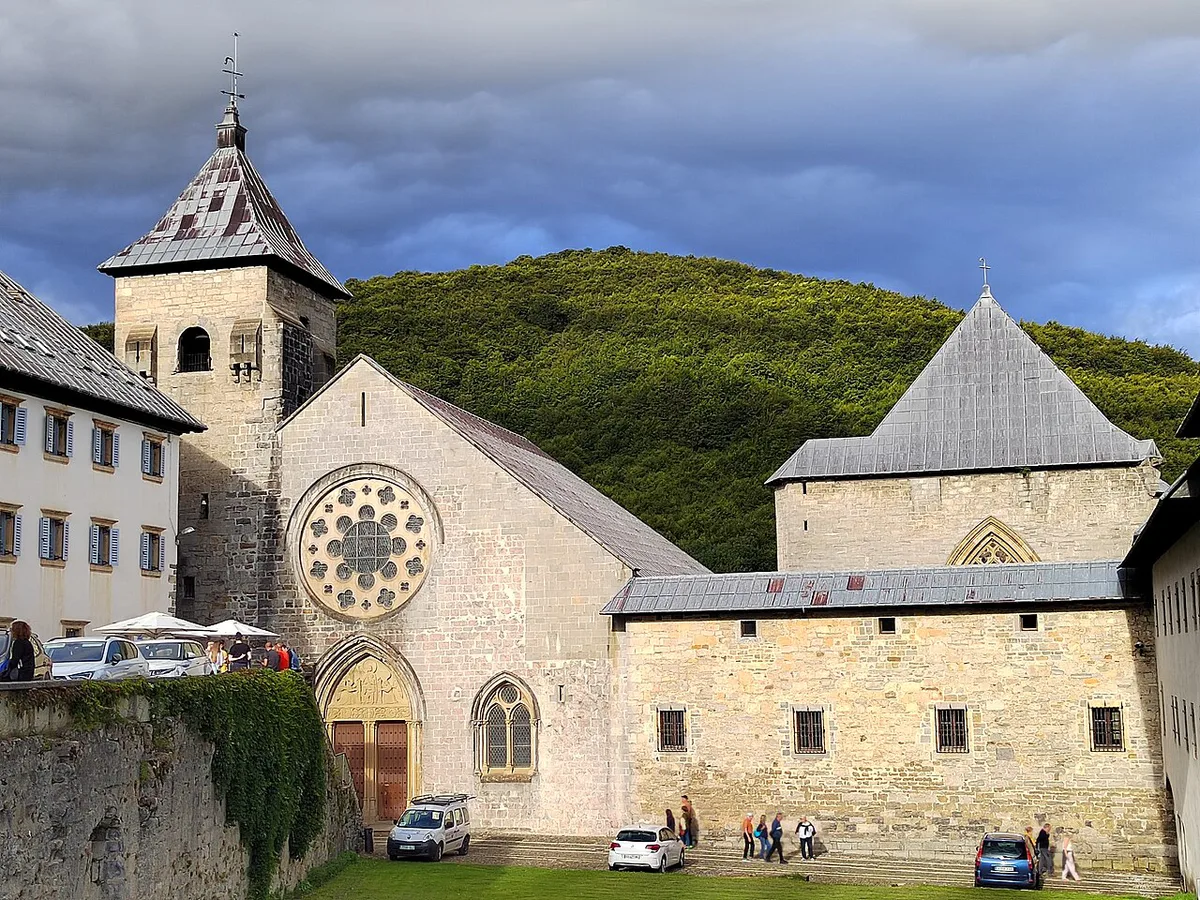
From Roncesvalles, <strong>40 km a day works out to about 19 riding days</strong>. At 65 km daily, the estimate drops to about 12. These are simple distance calculations, so ascent, surface, load, weather and fitness can change them. Add separate days for travel, rest and weather delays.
Follow the Camino's 17-day itinerary has 15 riding stages, averaging 49.8 km, and rates the trip "Moderate plus." Its longest stage is 70.5 km from Santo Domingo de la Calzada to Burgos. Road and walking-path distances can differ, so match every day to your own GPX track and elevation profile.
Difficulty also shifts along the way. According to the operator, Astorga to Ponferrada climbs to about 1,500 m at Cruz del Hierro. It also lists 1,000 m of ascent for the 28.4 km from Villafranca del Bierzo to O Cebreiro. For a gentler schedule, it offers an overnight split involving La Portela de Valcarce.
Across the Meseta, its León–Astorga stage is described as one of the flattest. Flat riding can still tire you, so plan around wind, heat and exposure. In Galicia, expect repeated rolling climbs, including on the 61 km from Sarria to Melide.
| Riding day | Stage (Follow the Camino itinerary) | Distance |
|---|---|---|
| 1 | Roncesvalles–Pamplona | 42.8 km |
| 2 | Pamplona–Estella | 44.5 km |
| 3 | Estella–Logroño | 50.2 km |
| 4 | Logroño–Santo Domingo de la Calzada | 50 km |
| 5 | Santo Domingo de la Calzada–Burgos | 70.5 km |
| 6 | Burgos–Frómista | 65.9 km |
| 7 | Frómista–Sahagún | 58 km |
| 8 | Sahagún–León | 55.2 km |
| 9 | León–Astorga | 52.6 km |
| 10 | Astorga–Ponferrada | 51.3 km |
| 11 | Ponferrada–Villafranca del Bierzo | 24.6 km |
| 12 | Villafranca del Bierzo–O Cebreiro | 28.4 km |
| 13 | O Cebreiro–Sarria | 39.2 km |
| 14 | Sarria–Melide | 61 km |
| 15 | Melide–Santiago de Compostela | 52.5 km |
Walking Path or Road?
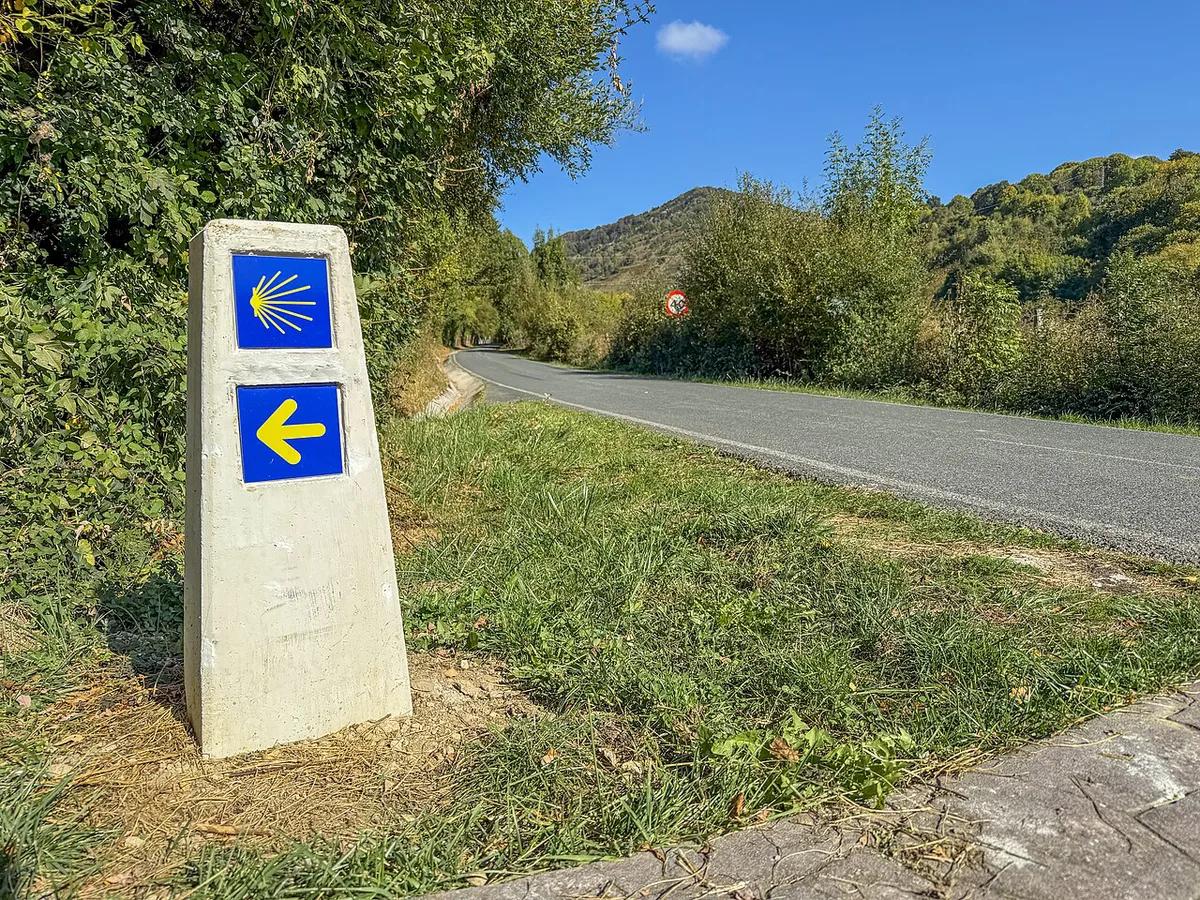
A mixed route is a sensible planning default: ride suitable trail and have a mapped road option for difficult sections. Don't treat the yellow-arrow path as rideable from end to end. Rocks or poor surfaces can force you elsewhere. Road alternatives may lack Camino waymarks, so carry checked offline navigation and a fallback line. Follow posted access limits, diversions and dismount instructions.
Rider experiences differ. One couple on rented mountain bikes started in Pamplona in 2025 and used roads for their first 3 days. They wanted more of the Camino, but found parts of the arrow path too steep, rocky, rutted or crowded. Eventually, they mostly used the adjacent road, as they reported on the Camino de Santiago Forum.
Another forum member rode the walking path about 95% of the time until Sarria in April 2022. Crowds then prompted a switch to the road, and walkers had already caused several daily dismounts earlier. A third rider recalled a local insisting on the road instead of the path down from Alto del Perdón. These accounts are individual experiences, not current safety advice. A nearby road isn't automatically safer.
| Factor | Walking path | Nearby road | Mixed route |
|---|---|---|---|
| Surface and bad weather | Includes dirt and rough trail; rain can damage it | Usually avoids trail ruts; wet-road risks remain | Lets you plan a bypass for poor ground |
| Climbing and pace | Rough climbs can mean slow riding or pushing | May ease progress; still check ascent | Varies by chosen section |
| Traffic and walkers | Expect shared space with pedestrians | Expect motor traffic where open to vehicles | Requires judging both |
| Navigation | Yellow arrows guide the walking line | Camino marks may be absent | Save both lines and their junctions |
| Scenery and contact | Keeps you on the pilgrim trail | May bypass parts of it | Keeps selected trail sections |
Which Bike Should You Ride?
A touring-ready mountain bike with sturdy tires, and possibly front suspension, is Matador's suggestion in its 2019 guide. Gravel and touring bikes can also be candidates if their tires, gears and your handling match the sections you plan to ride. Test the complete setup with luggage before leaving. Rear racks and panniers keep weight off your back.
Bringing your own bike gives you a familiar fit, but you must arrange packing and both journeys. With Camino bike rental options, compare fit, one-way return, deposit, insurance and breakdown cover.
E-bike help is useful on climbs, but heavy loads and demanding conditions affect range. CaminoWays reports up to 100–130 km in Eco mode on a full battery. Treat that as a best case, not your daily allowance. Match battery capacity to your hardest day, carry the charger and arrange overnight charging. Also plan motor support and a pickup or shorter-stage option in case power runs low.
| Bike | Surface and gearing priority | Luggage and repairs | Best fit |
|---|---|---|---|
| Mountain | Trail tires and low climbing gears | Check rack mounts and spare compatibility | Riders planning more rough trail |
| Gravel | Enough tire clearance and low gears | Check load limit and spares | Confident riders using road bypasses |
| Touring | Suitable tires; use alternatives where needed | Check rack setup and serviceable parts | Riders favoring roads and smoother tracks |
| E-bike | Suitability depends on frame and tires | Check rack, motor and battery support | Riders wanting climbing help and able to manage charging |
- Pack rain protection and warm layers.
- Carry a repair kit, spare parts, food, water and lights.
- Practice fixing a flat tire and a loose chain.
- Add camping gear only if you'll use it enough to justify the weight; check local camping rules.
Self-Planned, Luggage Transfer or Tour?
Self-planning gives you more freedom to shorten a difficult day. Luggage transfers lighten the bike, although fixed drop-off points can make changing stops harder. A tour can bundle bookings and support, but its cancellation and breakdown terms deserve close reading.
Quoted at €2,831 in November 2026, the Roncesvalles tour may not cover your dates, and e-bikes cost extra.
As a price example, Follow the Camino advertised its Roncesvalles-to-Santiago cycling tour from €2,831 when checked in November 2026. Ask which dates and room occupancy that starting rate covers. Listed inclusions are accommodation with breakfast, hotel-to-hotel luggage transfers, a mountain bike, breakdown insurance, a repair kit and 24/7 support. An e-bike costs extra. Dinners and airport pickup are optional, while flights, trains, drinks, lunch and its separately listed insurance exclusions need their own budget.
That company says its packages aren't for novices. Its riders must assemble a boxed bike and handle a flat or loose chain. CaminoWays describes a different service, with first-hotel bike delivery and fitting, and an average of about 40 km daily. Its easy cycling figure is about 20 km a day.
| Cost to include | Self-planned ride | Package comparison |
|---|---|---|
| Bike or rental | Add bike transport or one-way return | Check bike type and any e-bike supplement |
| Sleep and meals | Book and budget separately | Identify included meals and room basis |
| Luggage | Add each transfer if used | Check bag limits and handover rules |
| Protection and repairs | Add insurance, parts and service | Check exclusions and rescue coverage |
| Travel | Include both ends of the trip | Check which journeys and pickups are extra |
| Changes | Compare each booking's cancellation terms | Read the whole-trip cancellation terms |
Where to Sleep With a Bike
Albergues are pilgrim hostels, and many can store bikes. Arrival rules still matter: Matador's 2019 account says some hostels may turn away early-arriving cyclists. During busy periods, municipal beds can also fill early. A bookable private hostel or hotel can reduce uncertainty. "Bike-friendly" may mean storage only, so don't assume repair help.
Matador also names Pamplona, Logroño, Burgos, León and Ponferrada as places with bike shops. Check that your chosen shop is operating and can service your bike, especially an e-bike. Carry essential spares between towns. Never leave your bike unlocked in a communal area.
| Stay | What to ask before relying on it |
|---|---|
| Municipal albergue | Are cyclists admitted, and when may they check in? |
| Private albergue | Can you reserve, lock the bike away and charge a battery? |
| Hotel or guesthouse | Where will the bike stay, and can luggage be delivered? |
| Campsite | Is it open, is bike storage secure and is charging available? |
Getting There and Getting Home
Work out your return from Santiago before choosing the bike. For Saint-Jean, plan the cross-border approach and each connection separately, especially if you're arriving from Spain. Pamplona is another possible starting point, but starting there shortens your route.
For Spanish train legs, review Renfe's current train services and the bike conditions for your exact ticket. If shipping equipment, ask Correos about parcel services and whether your item and route qualify. Don't assume that a train, bus, airline or transfer will accept a bike. Battery acceptance needs a separate answer, especially for flights.
- Reservations: ask whether your bike needs its own booked space.
- Packing: check size, weight, boxing and disassembly rules.
- E-bike: get approval for both the bike and its battery.
- Connections: allow handling time and verify each operator's terms.
- Return: book rental drop-off or shipping, plus any storage you'll need.
How Does the Cyclist Compostela Work?
For a cyclist's Compostela, ride at least the final 200 km (124 miles) into Santiago. Before booking, read the Pilgrim's Office pilgrimage rules for stamps, proof and accepted motives. Matador reports that applicants are asked about religious or spiritual reasons, or an attitude of search. Using an e-bike? Ask that office how your motor-assisted ride will be treated, rather than assuming it qualifies.
Ponferrada's 205 km (127 miles) leaves 5 km of slack, and the certificate needs continuous riding, so detours erase it.
From Ponferrada, keep a record of your continuous route and don't replace any required kilometers with a transfer. If 205 km leaves too little room for a diversion plan, discuss an earlier start with the office. Planning for 2027? It's a Holy Year, so look at accommodation and transport availability early.
Sharing the Camino: Safety and Etiquette
Walkers share much of this route, so ride at a speed that lets you stop. Review traffic, helmet, lighting and visibility rules for both France and Spain. Around Sarria, allow for the possibility of more foot traffic without assuming every season feels identical. Choose a legal road alternative if the trail is too busy to ride considerately.
- Give an audible warning early, then wait for room to pass.
- Pass slowly and yield on narrow stretches.
- Dismount where crowding or posted rules require it.
- Control descents, especially where visibility or grip is limited.
- Avoid planning by distance alone or forcing every walking-path section.
- Don't assume battery range or an unconfirmed one-way rental return.
- Check certificate rules before leaving, not after reaching Santiago.
Is Cycling the Francés Right for You?
CaminoWays generally recommends its cycling trips for regular riders familiar with basic maintenance. If you're new to cycling, build experience before committing to consecutive days on this route. A road bypass or e-bike doesn't remove the need to control a loaded bike.
Cycling shortens the trip, but social contact can change. Several forum riders reported fewer repeat meetings than walkers. Still, the Pamplona couple valued shared albergue meals and said cycling was their only feasible way to complete the Camino. Our comparison of cycling and walking the Camino examines that choice.
May is marked as popular by Follow the Camino, while CaminoWays calls September one of the busiest months. Neither label proves a best month. Compare forecasts, heat, mud, daylight, closures and open services for your dates. Snow also deserves attention for mountain sections. Use Galicia's official Camino site when planning the final region.
Still choosing a route? Explore the Portuguese cycling route as one alternative. For a northern option, read about riding the Camino del Norte. You can also research cycling the Vía de la Plata.
- Fitness: can you ride comfortably on consecutive days?
- Load: have you practiced climbing, descending and braking with luggage?
- Repairs: can you fix common tire and chain faults?
- Handling: are you comfortable dismounting or taking a bypass on rough ground?
- Schedule: have you added spare time beyond riding days?
- Departure: are navigation, beds, bike return and certificate rules sorted?