Camino by Bike or Walking: Which Should You Choose?
Camino by bike or walking? Compare time, cost, fitness, terrain, luggage, certificate checks and backup plans before you book your trip to Santiago.
Last updated November 2026: for camino by bike or walking, cycle if days are tight for your chosen distance, you ride loaded bikes confidently, your fitness suits consecutive days, and you want a wider-ranging pilgrimage. Walk if you have enough days or can shorten the route, your body is prepared for repeated hiking, bike handling worries you, and you want a slower, foot-level pilgrimage. Your route can change this verdict, and our main Camino cycling guide covers the riding option in more detail.
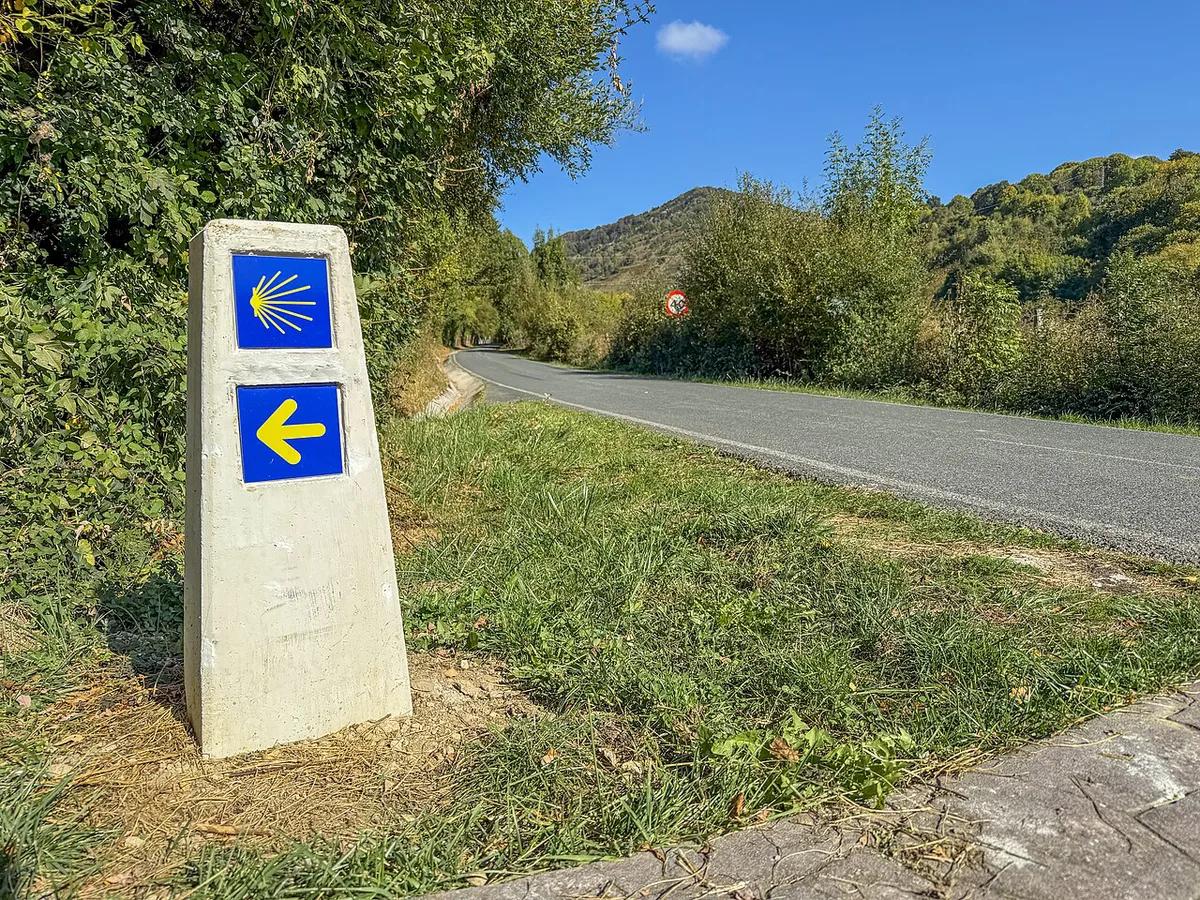
Featured image: Hayden Soloviev, CC BY 4.0, via Wikimedia Commons.
Camino by bike or walking: the short answer
Neither mode wins for everyone. Walking suits you if hiking feels familiar and you are happy for progress to be gradual. Reconsider it if your finish date forces long days that you haven't trained for.
Cycling suits riders who can manage a loaded bike on the surfaces they plan to use. Think again if your experience is limited to short, unladen rides, or if you don't know how the bike will get home. Fitness from either activity doesn't automatically prepare you for the other.
Bike vs walking at a glance
Use this table to find the factor most likely to decide your trip. Its entries are general tendencies and planning questions, so apply them to your exact start, finish and route.
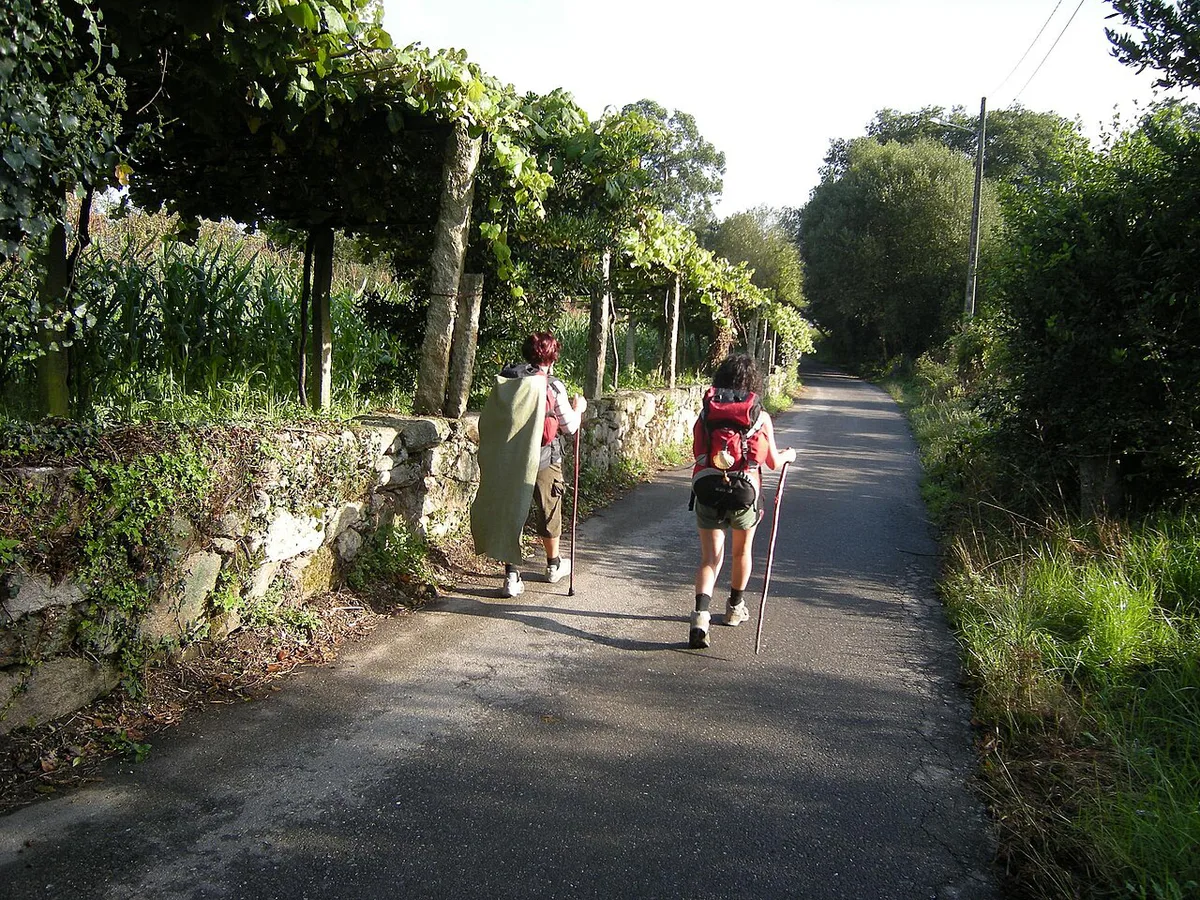
| Decision factor | Walking | Cycling | What changes the answer |
|---|---|---|---|
| Time | Usually slower | Usually covers more ground | Terrain, rest and travel days |
| Cost | Lodging, food, footwear | Also bike and transport costs | Trip length and rental terms |
| Physical demands | Feet and repetitive strain | Saddle, hands and repetitive strain | Training, load and recovery |
| Skills | Hiking preparation | Loaded riding and basic repairs | Surface and descents |
| Route access | Walking line | May need alternatives | Local rules and conditions |
| Accommodation | Policy varies | Policy and bike storage vary | Type of lodging |
| Luggage | On your back or transferred | On the bike or transferred | Weight and service coverage |
| Flexibility | Smaller daily detour range | Wider daily detour range | Fatigue and bookings |
| Certificate | Check walking rules | Check cycling and e-bike rules | Current official conditions |
How much time do you have?
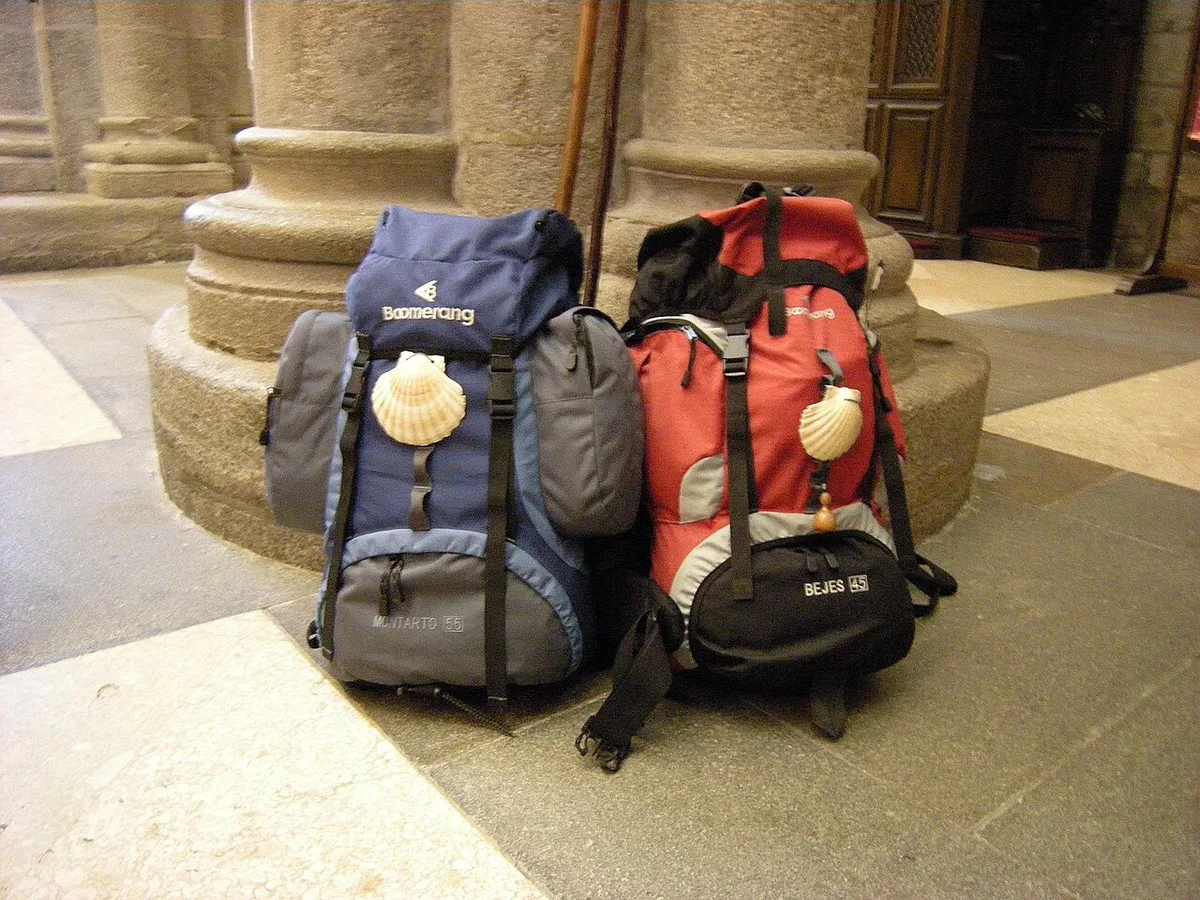
Start with the same departure point and finish for both modes. Divide that route into days you could repeat, using your own training and its climbs. A fixed cycling-to-walking speed ratio can mislead, especially on rough or steep ground. Then add rest, arrival, departure and bike collection or packing days.
Under the example figures, a 9-day ride totals more than a 12-day walk, so count rest and travel days before you book.
With a fixed holiday, reverse the question. Count the days left for travelling under your own power, then see how far each mode can reasonably take you. A walker may choose a later start, while a cyclist may fit a longer section. Those are different journeys, so compare their experience as well as their distance.
Leave spare time if your return ticket is inflexible. When neither plan has a buffer, shorten the route before booking.
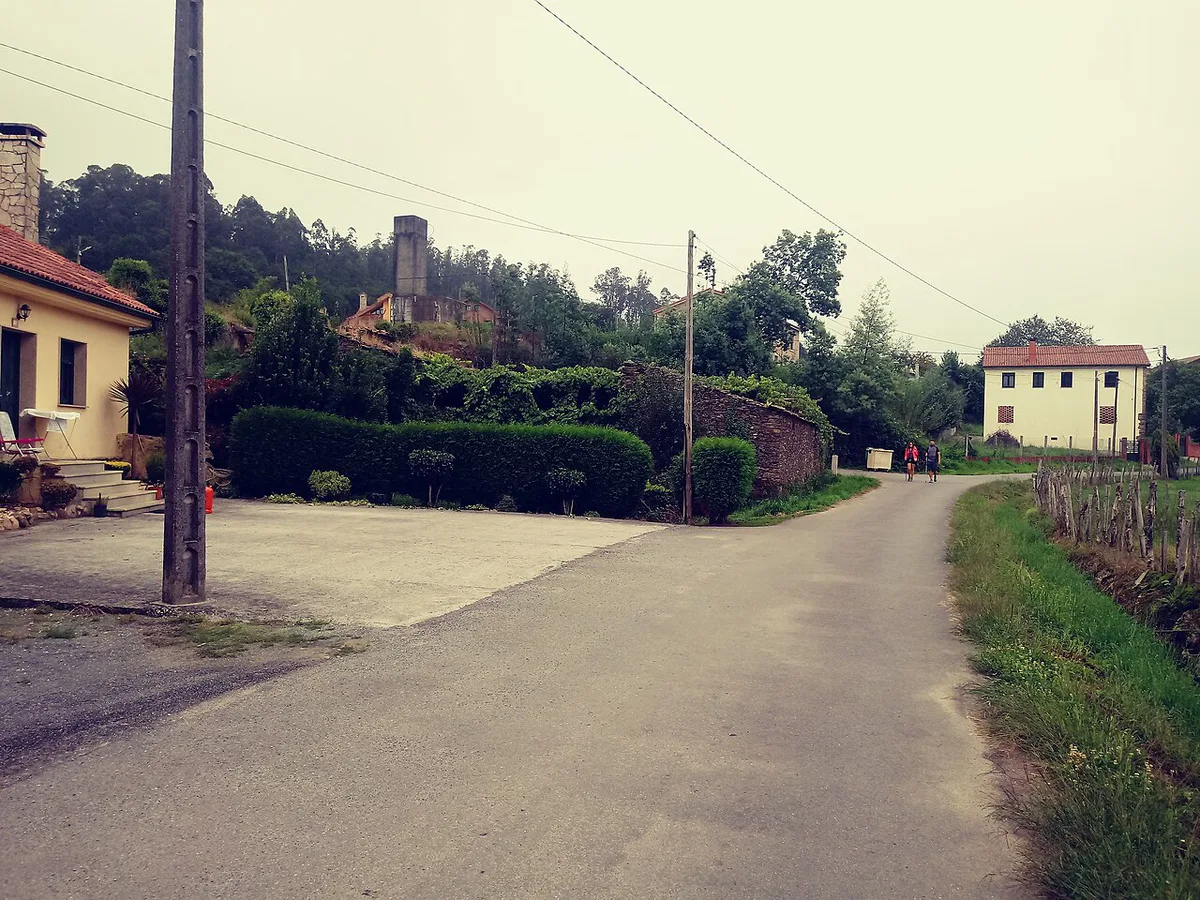
Which costs more?
A shorter trip isn't automatically cheaper. These November 2026 figures are invented-for-arithmetic planning assumptions, not quotes or typical market rates. Replace them with your own prices. Suppose either traveller spends €40–€60 per day on lodging and food. A 12-day walk then totals €480–€720 before travel and equipment.
Now suppose a cyclist also pays a one-off €150–€250 for the bike. A 6-day ride totals €390–€610, but a 9-day ride totals €510–€790. Under these assumptions, extra riding days can reverse the saving.
| Example option | Daily costs | Bike cost | Example total |
|---|---|---|---|
| Walk, 12 days | €40–€60 per day | None | €480–€720 |
| Cycle, 6 days | €40–€60 per day | €150–€250 | €390–€610 |
| Cycle, 9 days | €40–€60 per day | €150–€250 | €510–€790 |
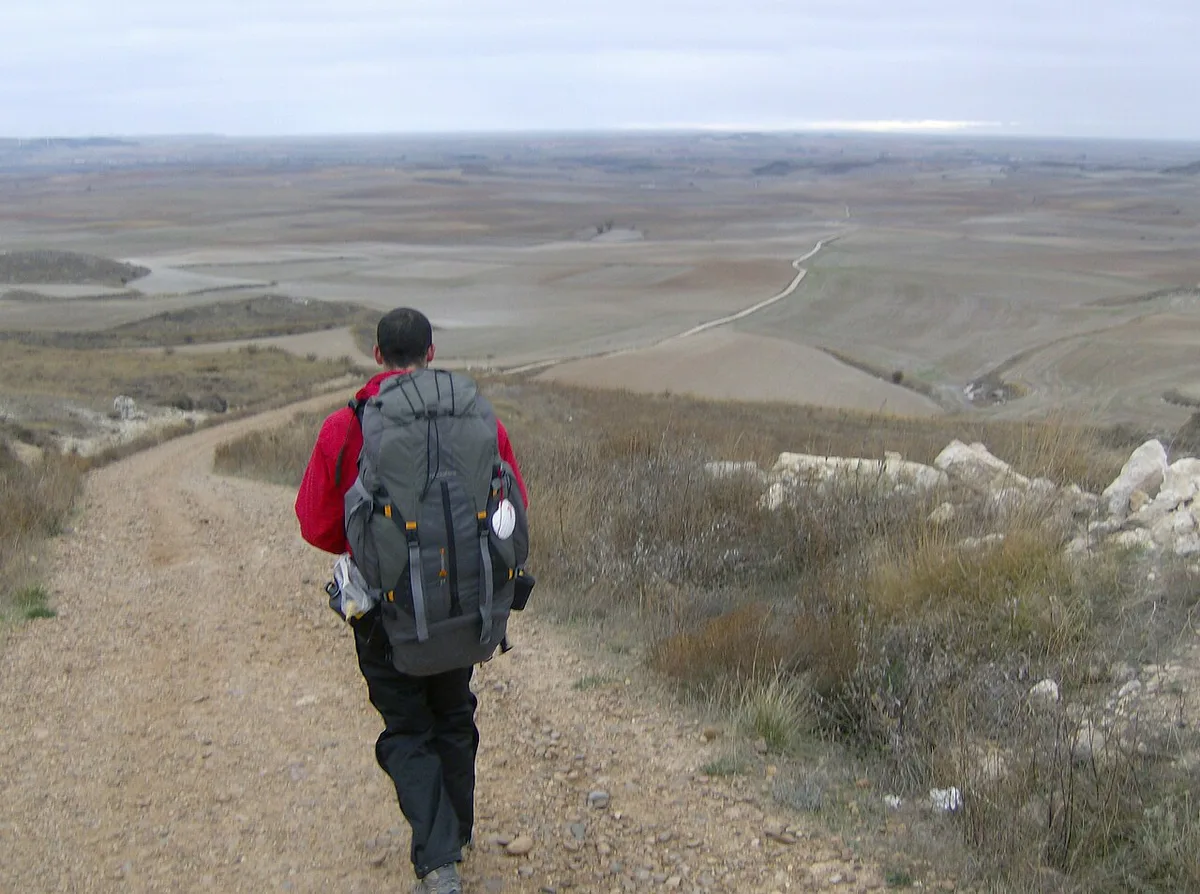
- Daily costs: beds, meals, laundry and any luggage transfers.
- Walking one-offs: footwear, pack and travel at both ends.
- Cycling one-offs: rental or bike transport, packing, accessories and repairs.
- Possible extras: insurance, rest nights and changed return tickets.
Fitness, terrain and safety
Walking repeats load through your feet and legs, and blisters or joint pain can disrupt a schedule. Cycling can bring saddle discomfort, hand numbness and knee strain. Neither is automatically easy or safer. Train on consecutive days with the footwear, pack or loaded bike you expect to use. Get medical advice about existing injuries or health concerns.
Bike confidence includes braking on descents, slow-speed control with luggage and handling traffic. You should also be able to deal with a puncture and recognise a fault that needs a mechanic. If loose or steep ground is beyond your skill, plan a suitable road alternative and assess its traffic too.
Don't assume you can or should ride every walking section. EuroVelo 3, the Pilgrims Route, is a cycling reference to compare with your intended line, not proof that it follows a particular walking path. For Spanish road rules, consult Spain's DGT traffic authority, then look for local restrictions. On shared paths, slow down, give people space and announce yourself courteously before passing.
Heat, rain, cold and limited daylight affect both modes. Wet surfaces can complicate braking and footing, while off-season closures can lengthen the gap between services. Look at forecasts from AEMET, Spain's meteorological service, and set a point at which you will stop for the day. For sections in Galicia, use Galicia's official Camino site as a regional planning source.
Route choice needs its own research. Compare our guides to cycling the Francés if that is your preferred corridor. Another option is riding the Portuguese Way. For a northern plan, read about the Norte on two wheels. Our Vía de la Plata cycling plan covers another choice.
Accommodation, certificate and trip experience
Pilgrim lodging doesn't share a single policy that you can safely assume. Ask each public, parish, association or private hostel about admission, arrival priority and reservations. Cyclists also need to know where the bike will stay overnight and whether that space locks. Walkers should ask what happens after a late arrival or when beds are full.
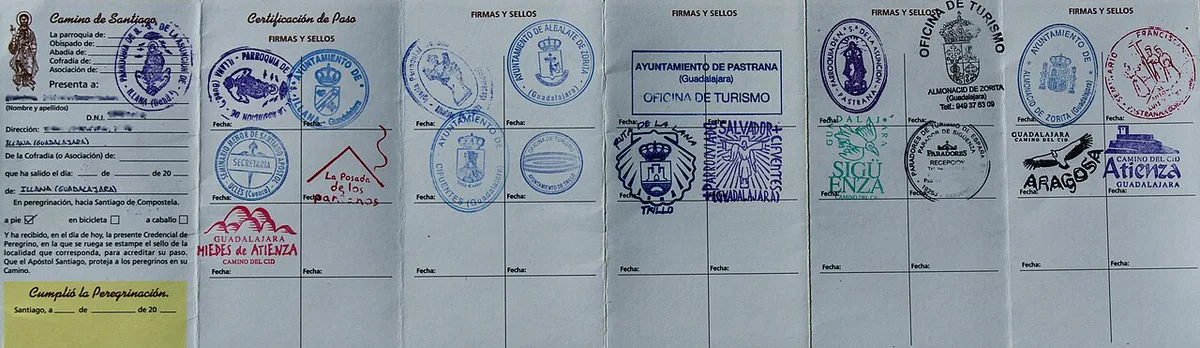
For a Compostela, read the current rules from the Pilgrim's Office in Santiago before choosing your start. Check the qualifying distance for your mode, the proof required along the way and any conditions for assisted bikes. Don't treat a walking plan as automatically valid for cycling, or the reverse.
An e-bike needs separate planning. Ask about certificate eligibility, overnight charging, rental conditions and battery carriage on every transport leg. Plan how you would continue if the battery ran out.
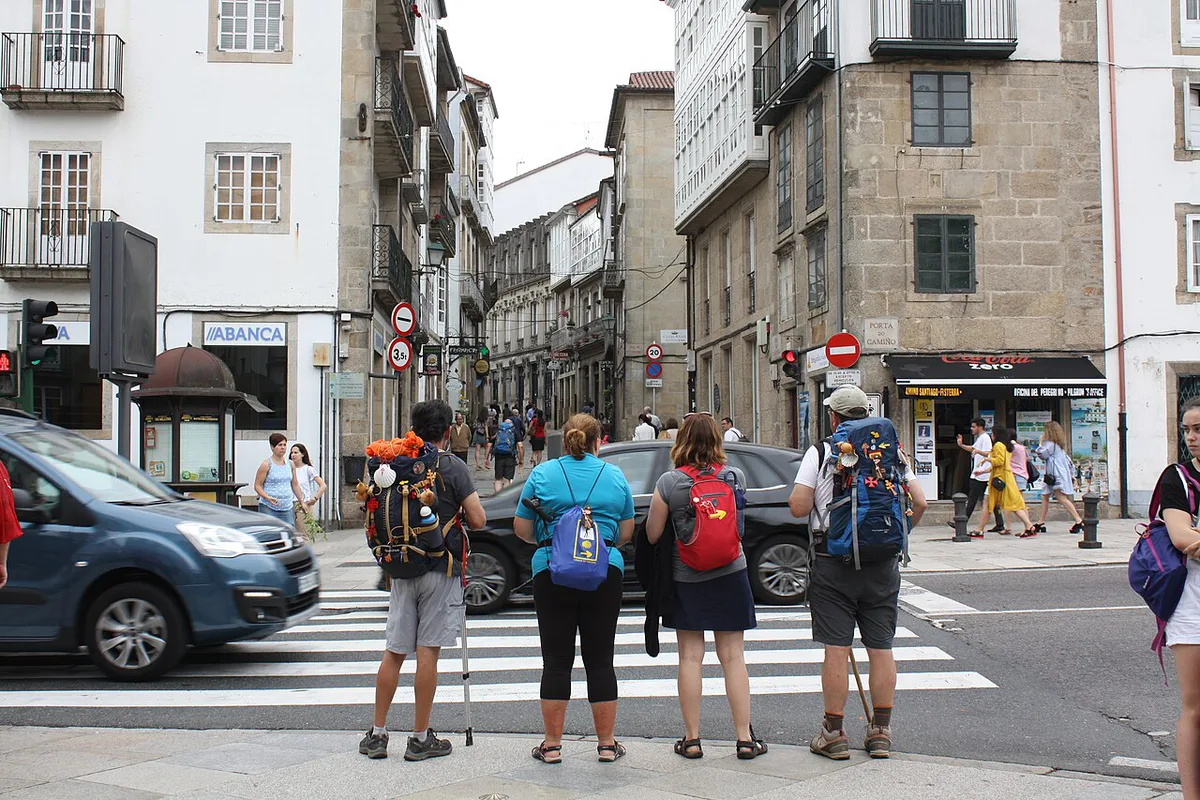
Walking tends to give you more time in each stretch of countryside, and you may keep meeting people who travel at a similar pace. Riding can widen your choice of daily stops, although you may leave walking companions behind. Social contact isn't guaranteed either way. Decide whether your ideal pilgrimage centres on slow repetition and conversation or on distance, movement and self-managed riding.
Transport, luggage and backup plans
Walkers need transport to the start and home from the finish. Cyclists must solve those journeys for the bike as well. A rental may simplify them, but only if its pickup and return arrangements match your route. Our Camino bike rental guide can help frame that choice. Ask about drop-off fees, luggage bags, repair support, damage liability and early returns.
If you take your own bike, price its packing and travel in both directions. Rail, bus and air operators set conditions that may differ by service, so get the policy for each booked leg. For Portuguese rail travel, start with CP, Portugal's train operator. For items you may send ahead or home, ask Spain's Correos postal service about current parcel options and limits.
Luggage transfers can reduce what you carry on foot or by bike. Match their coverage, collection deadlines and accepted lodging to every overnight stop. Keep medication, documents, water and weather layers with you.
Before leaving, work out how you would exit after illness, injury or severe weather. Cyclists also need a plan for a breakdown away from a repair shop, including how to move the bike. Save lodging contacts and local transport options, and keep money available for an unplanned night.
Should you walk or cycle?
Let your tightest constraint make the first cut. Then choose the experience you would still enjoy on a wet, tiring day. Before paying for anything nonrefundable, settle every item on this checklist.
- Walk if: hiking suits your preparation, your chosen section fits the calendar and a slower pace appeals.
- Cycle if: loaded riding feels manageable, your terrain skills match the route and bike logistics work.
- Reconsider your plan if: your finish date has no spare time, relevant training is limited or bike transport is unresolved.
- Route and days: fix the start, finish, mode-specific line, rest days and travel days.
- Total cost and preparation: price the whole trip and test your equipment on consecutive days.
- Beds and certificate: review lodging policies, bike storage and current Compostela conditions.
- Return and exit: arrange the journey home, bike handling and an early-exit option.