Sa Calobra, Mallorca: Cycling, Access & Beach Guide
Plan Sa Calobra by bike, car, bus or boat. Compare trade-offs, prepare for the climb back, and know what to expect at the beaches and Torrent de Pareis.
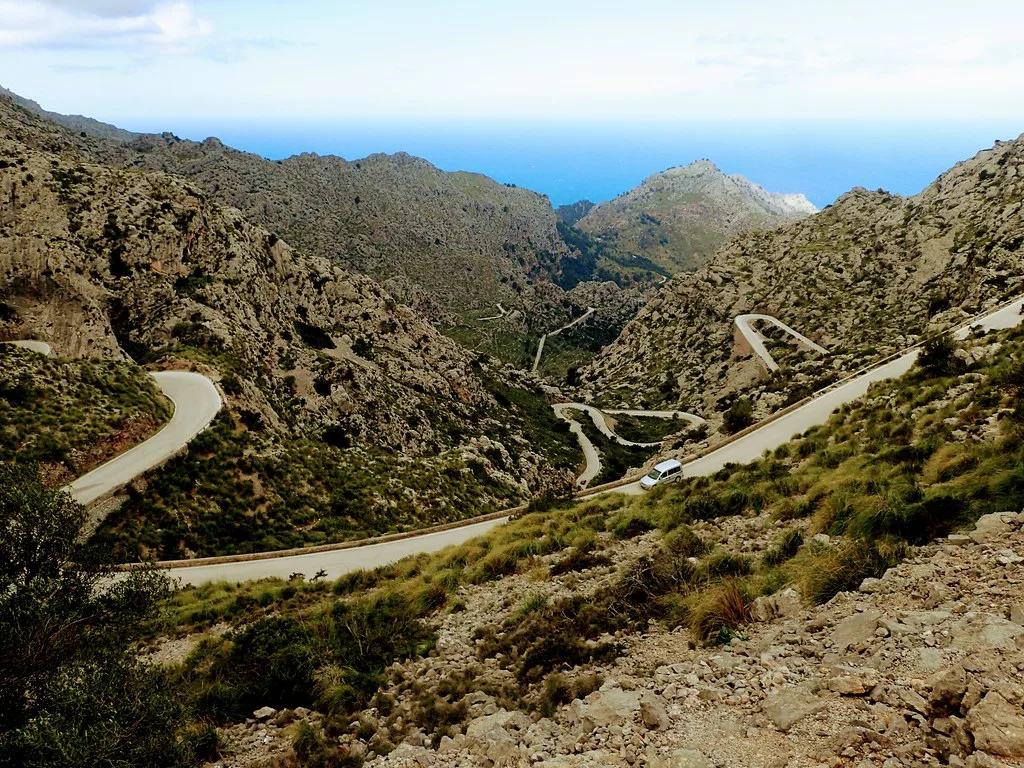
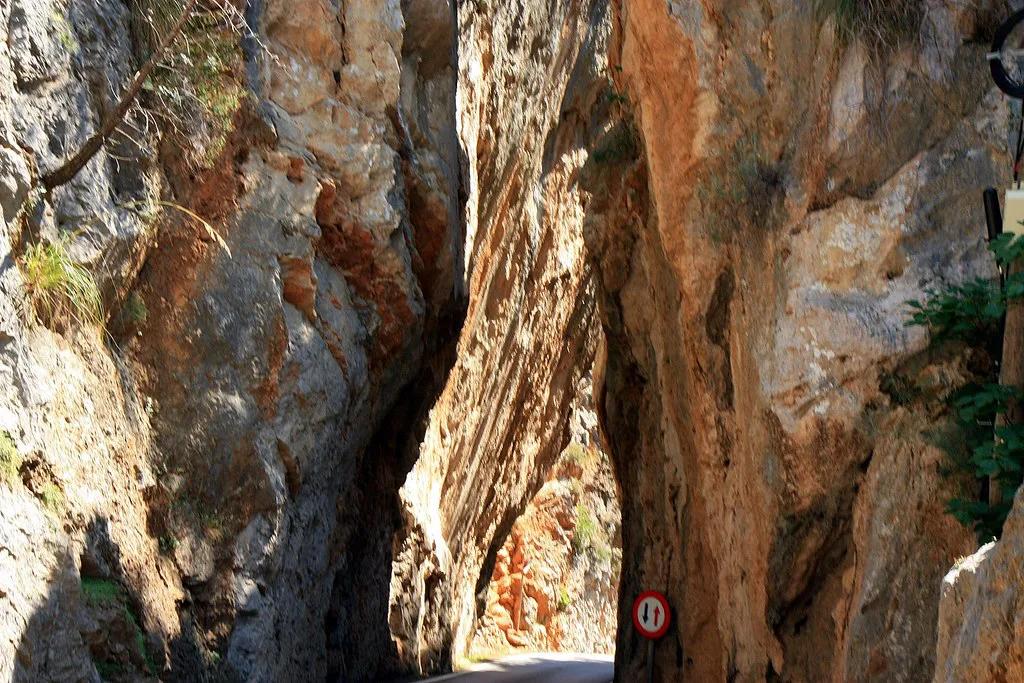
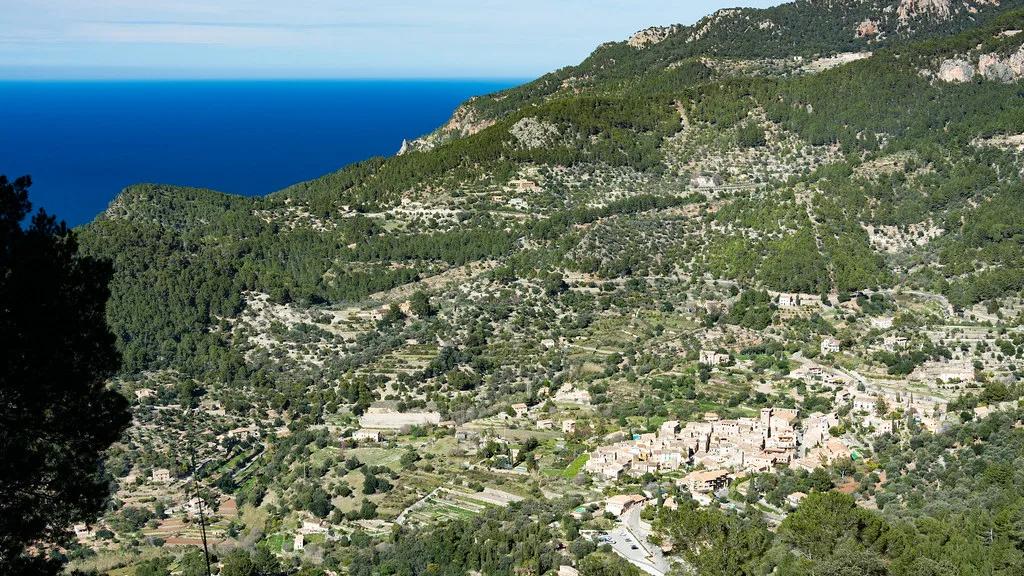
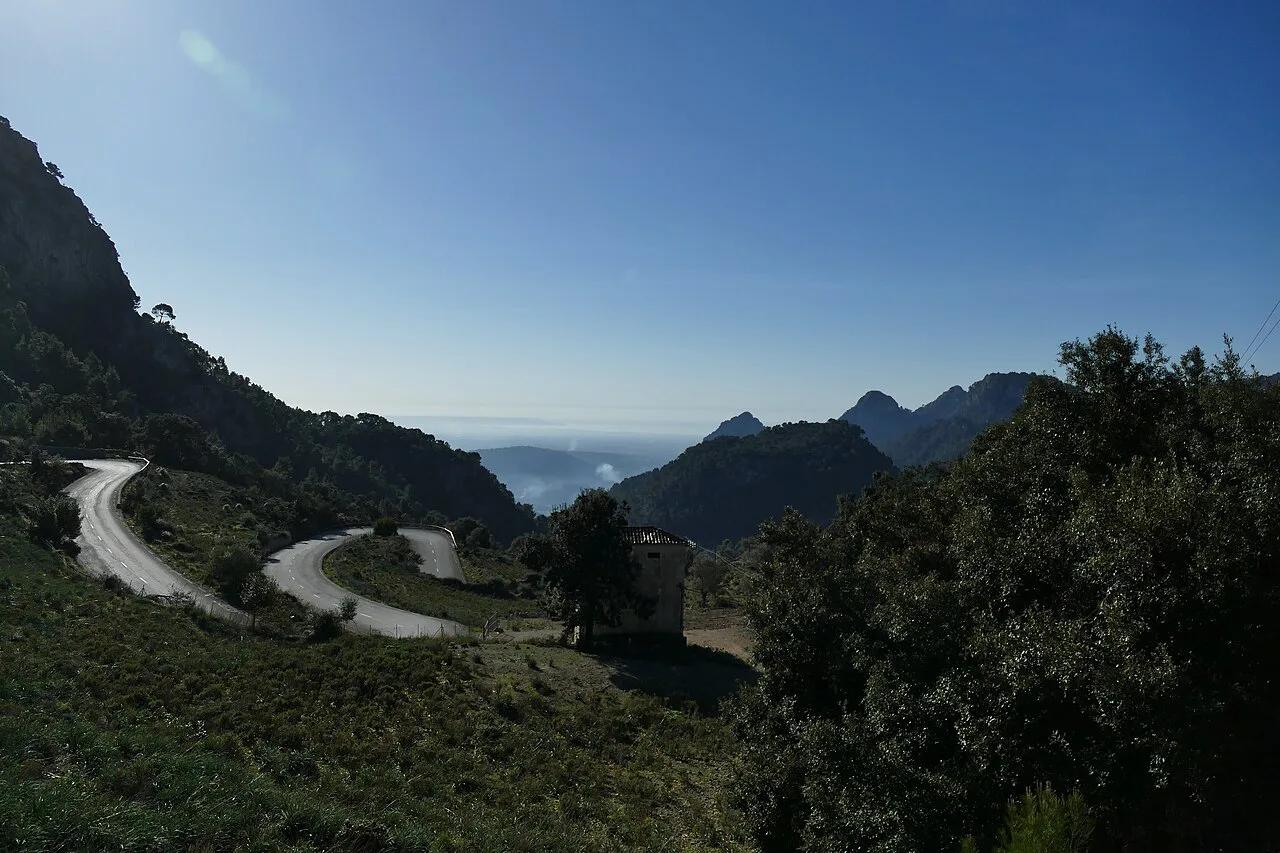
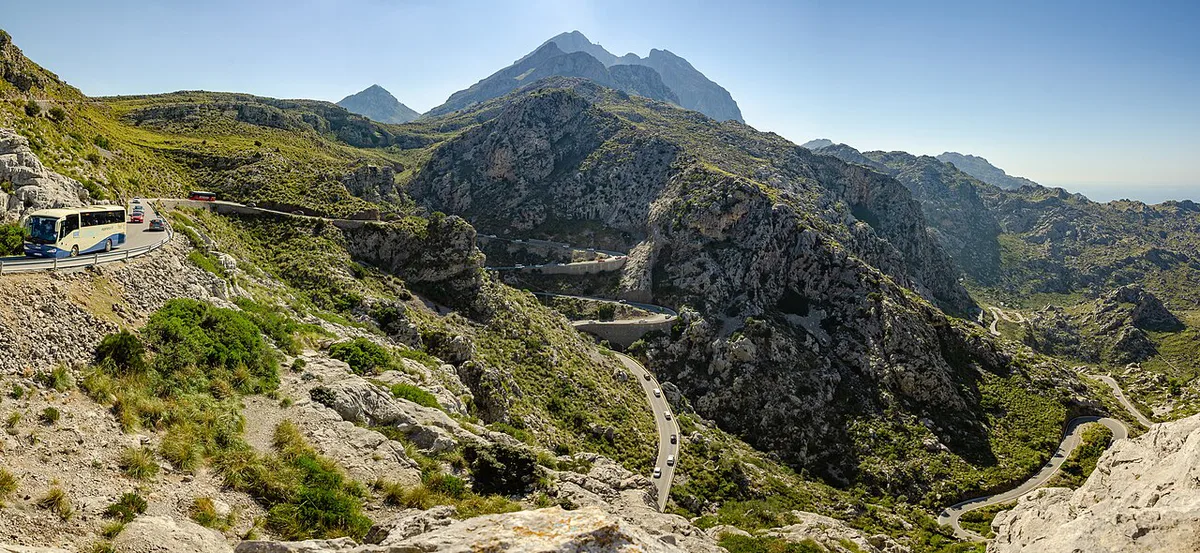
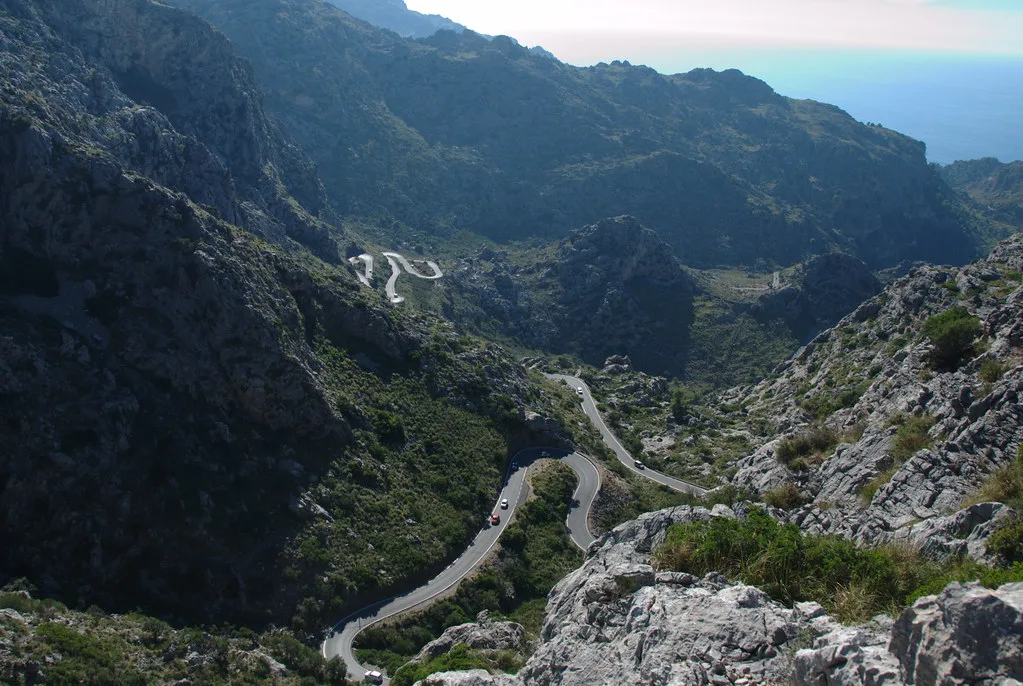
Last updated November 2026: Sa Calobra is a small cove in Mallorca's Serra de Tramuntana. Cyclists know it for the dead-end Ma-2141 climb from the coast to Coll dels Reis, so riding down means climbing back unless you've arranged another exit. Visitors also arrive by car, bus or boat for the coast and the Torrent de Pareis gorge mouth, and every option needs a return plan.
Featured image: s_mestdagh, CC BY-SA 2.0, via Flickr.
What Is Sa Calobra, and Is It Worth the Trip?
This village sits in the Escorca municipality on Mallorca's northwest coast. Its bay has 2 beaches: Cala Sa Calobra by the village and another at the mouth of the Torrent de Pareis. A tunnel walk links the village side with the gorge beach. Go if the mountain road, the climb or the cliff-backed coast is a draw. Think twice if winding roads make you ill or nervous, you need lifeguards, or your schedule is tight.
How to Get to Sa Calobra: Bike, Car, Bus or Boat
No single option suits everyone. Choose by how much effort you want and how firmly your return time is fixed. For boats from Port de Sóller, Mallorca Magic gives a journey of about 1 hour. It also mentions a few daily sailings in July and August, which doesn't establish the full operating season. Look up public routes, transfers, fares and the last return with Transport de les Illes Balears. A coach excursion is a separate booking with its own return terms.
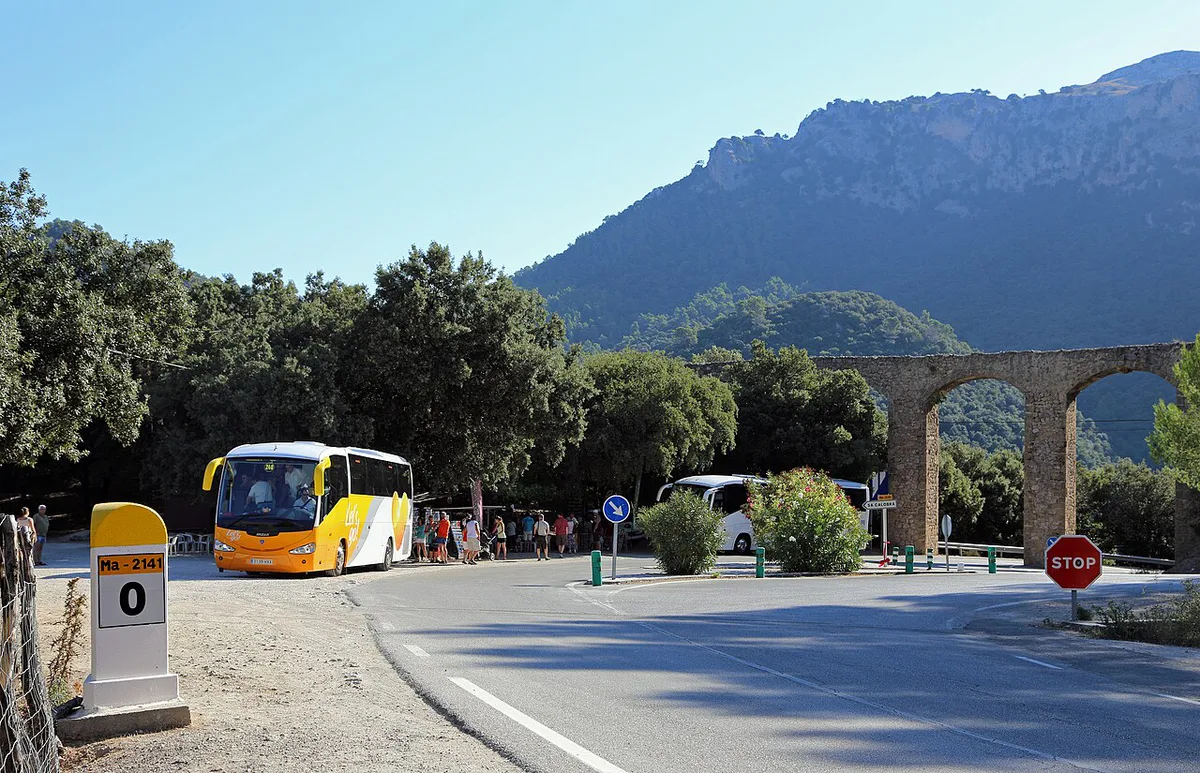
| Mode | Best fit | Time and cost | Flexibility and drawback | What to check |
|---|---|---|---|---|
| Bike | Riders prepared for the whole round trip | Depends on your base and pace; rental is extra if needed | Your own schedule, but the road exit is uphill | Full route, forecast, supplies and backup |
| Car | Drivers comfortable on tight mountain bends | Depends on origin and traffic; allow for parking and vehicle costs | Flexible departure, with traffic and parking limits | Road restrictions and parking terms |
| Bus | Visitors who prefer not to drive | Depends on service and starting point | Fixed departures; transfers may apply | Dates served, fare and last return |
| Boat | Visitors who want a sea approach | About 1 hour from Port de Sóller, as given by Mallorca Magic; get the current fare from the operator | Tied to sailings and conditions | Season, both departure times, bike carriage and cancellation terms |
- Road status: look for traffic notices from the DGT traffic authority and any local restrictions for your vehicle or bike.
- Parking: expect paid spaces at the entrance. Mallorca Magic also mentions a few free spaces farther away, but don't count on one or park informally on the roadside.
- Return: save the departure point and time before heading to the beaches, especially for the last bus or boat.
Cycling the Sa Calobra Climb
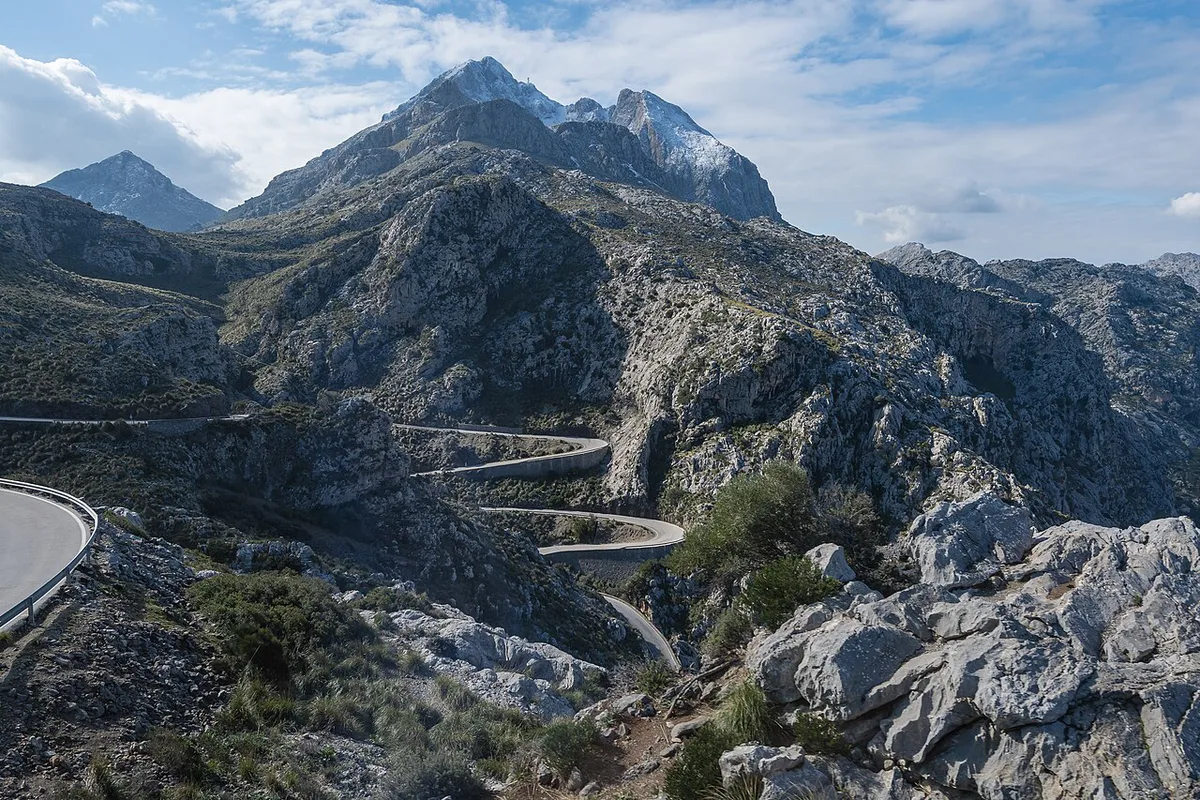
Mallorca Magic puts the uphill at 5.9 miles (9.5 km). Match its start and finish to your own map before using that figure for pacing. Study elevation gain, average gradient and steepest pitches on the same route profile. Your day also includes the approach, descent and ride home, so the climb is only part of the effort. For the wider island picture, start with our guide to cycling on Mallorca.
Be honest about readiness. You need enough reserve to reach the Ma-2141, descend, climb out and still ride back to your finish. Compare that total with rides you've completed comfortably in hilly terrain. Our overview of Tramuntana mountain riding adds regional context. Use Mallorca route planning to shape the full day. Riders comparing mountain efforts can also read about the Puig Major ascent or the Coll de Sóller road.
Descent, Traffic and Weather
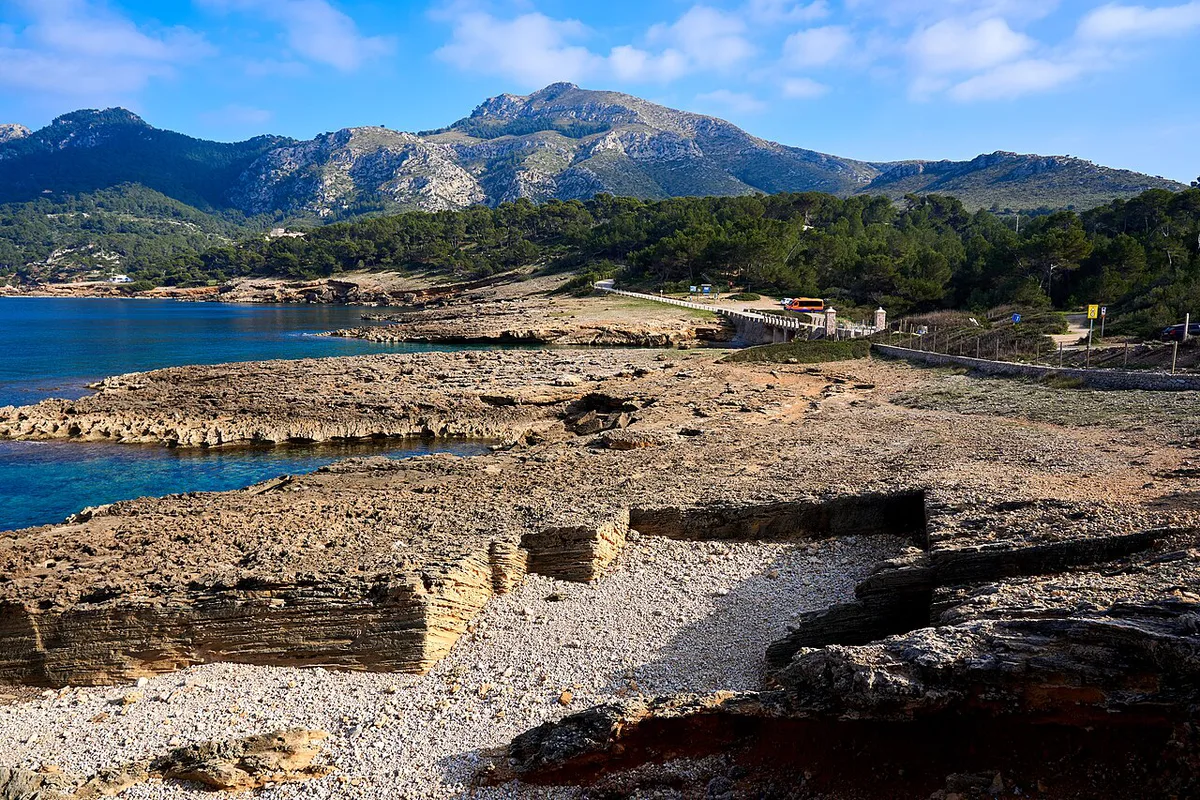
Treat the way down as technical riding on a shared road. Expect cyclists, cars and tour buses, particularly where bends limit your view. Keep to your side and control your speed so you can stop within the distance you can see. Don't chase another rider's line or pace. Before leaving, inspect brakes, tires and wheels. Take any fault to one of the bike shops on Mallorca. Renting? When arranging a rental bike in Mallorca, ask for fit and gearing that suit a sustained climb.
Read the forecast and warnings from the AEMET weather agency before setting off. Wind, rain, wet pavement, heat or cold can justify changing plans. Pack layers suited to the forecast and leave a generous daylight margin. Coach pressure can differ by date, so don't assume an early or late start guarantees an empty road.
Water, Food and Your Backup Plan
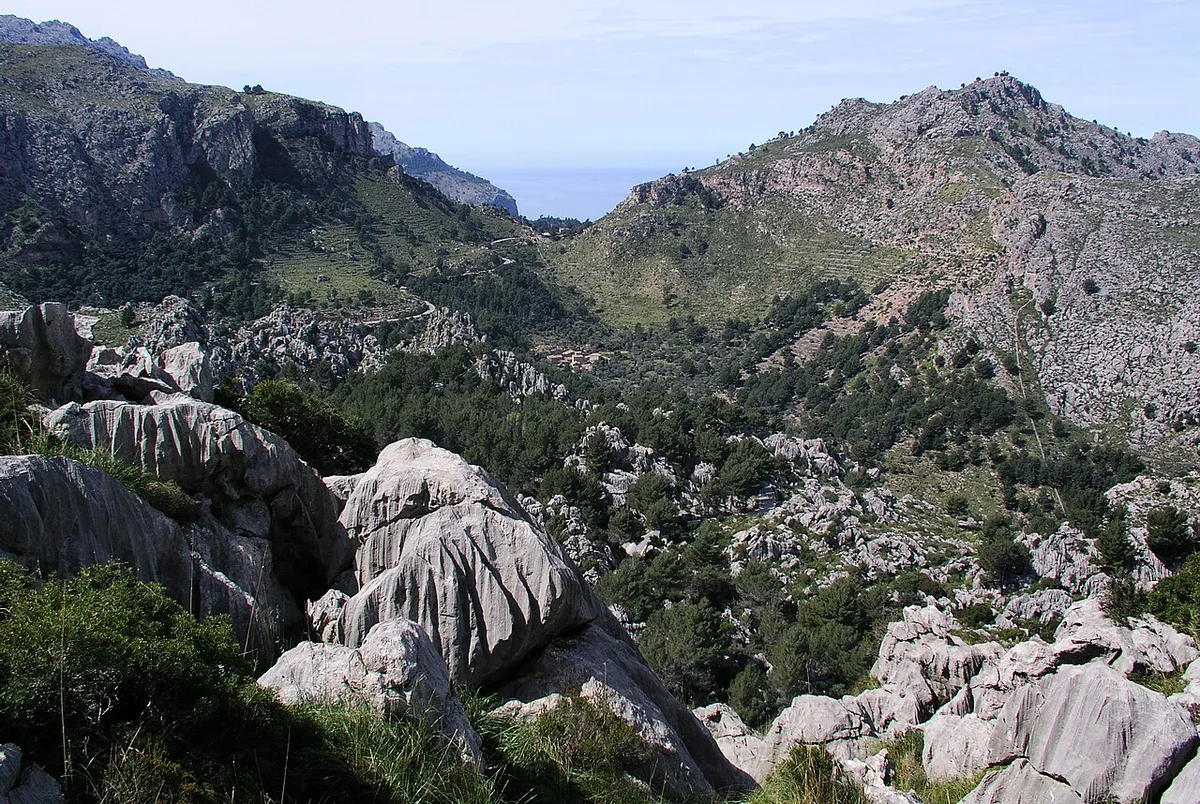
Bring enough water and food to cope with a closed stop. Sa Calobra has places to eat, but many restaurants and cafés close off-season. Don't assume there is a refill point where you need one. Decide on your turnaround rule before the descent, because feeling tired at the bottom leaves the climb still ahead.
- Boat exit: arrange it only after the operator accepts your bike for that sailing.
- Bus exit: don't treat it as a rescue option unless bike carriage and space rules allow your trip.
- Vehicle pickup: agree on a driver, meeting place and time in advance, with legal stopping and room for the bike.
- No dependable exit: postpone the descent if you doubt you can ride back up.
Sa Calobra Beach and Torrent de Pareis
Cala Sa Calobra is the village cove, with a pebble-and-sand shore and nearby places to eat. To reach the Torrent de Pareis beach, follow the coastal path past the harbor and through narrow tunnels. Wear sturdy shoes because parts can be steep and slippery. Expect a stony or sandy-and-stony surface, and carry your swimming things. Cycling shoes are a poor choice for this walk, so plan a change if swimming or exploring is part of your ride.
Walking to the gorge mouth is a different outing from hiking through the Torrent de Pareis gorge. Don't continue inland as an extension of a beach visit. A gorge hike needs current specialist route advice, including flood risk, closures, weather and exit planning.
Facilities, Families and Accessibility
Plan on swimming without lifeguard cover. Don't expect water-sports rentals, sunbeds or umbrella rentals. Showers and toilets are basic, while food service depends on the season. Bring a towel and anything you need to sit on.
Families are among the visitors, and Mallorca Info describes calm, shallow water in the sheltered bay. That description cannot guarantee conditions on your date. Assess the sea, supervise children closely and allow for stony surfaces, walking effort and the journey back. Mallorca Magic describes Cala Sa Calobra as wheelchair accessible. This does not establish step-free access to parking, toilets, transport, the water, tunnels or the Torrent de Pareis beach. Ask the relevant provider about each part you need.
How Much Time and Money to Allow
Total visit time and cost depend on your starting point, access mode and stops. Price transport, parking and rental through their providers; riding your own bike from your base avoids a bus or boat fare on that route.
- Ride and climb: add the approach, descent, uphill return, ride home, stops and a spare margin; budget for rental, supplies and any backup transport.
- Short beach visit: add travel, parking or queuing, both walking directions, viewing time and the return margin; price parking or tickets.
- Food and swimming: add changing, meals and drying off to the short visit; include food costs and any overnight stay.
Mistakes to Avoid and Pre-Trip Checks
Most planning errors start with treating arrival as the finish. Settle these points before you leave.
- Don't plan only the descent: fuel and pace for the climb and onward journey.
- Don't rely on an unchecked bus or boat: save the return time and bike policy.
- Don't assume food is available: carry reserves, especially off-season.
- Don't treat the gorge hike like the tunnel walk: arrange separate route advice.
- Don't use all your daylight: leave room for delays and changing weather.
- Check your equipment: brakes, tires, lights, layers, phone charge and suitable walking shoes.
Where to Base Yourself and What to Add Nearby
Choose a base around the whole ride or transfer. Sóller or Port de Sóller may suit a southern-side plan, while Port de Sóller also matters for a boat visit. Riders considering the north can compare cycling from Port de Pollença. Staying nearer, including around Escorca or at Lluc Monastery, may change your approach. Lluc offers accommodation and food, but map access and check availability before building a ride around it. Cala Tuent is a nearby cove by car. On a bike, calculate its extra descent and climbing before adding it. For broader visitor planning, use Mallorca's tourism information.
Frequently Asked Questions
How long does it take to climb Sa Calobra?
Your time will depend on fitness, pacing, gearing, weather and stops. Estimate it from your own recent efforts on comparable climbs, then add separate time for the approach, descent and ride home.
Which month is the best to cycle in Mallorca?
No single month suits every rider or guarantees good conditions on this road. Judge your travel dates by heat or cold tolerance, daylight and the services you need, then use the near-term forecast to choose your riding day.