Coll de Sóller by Bike: Climb and Route Guide
Plan your Coll de Sóller ride: judge the climb, pick a side and route, weigh the pass against the tunnel and know what to check before setting off.
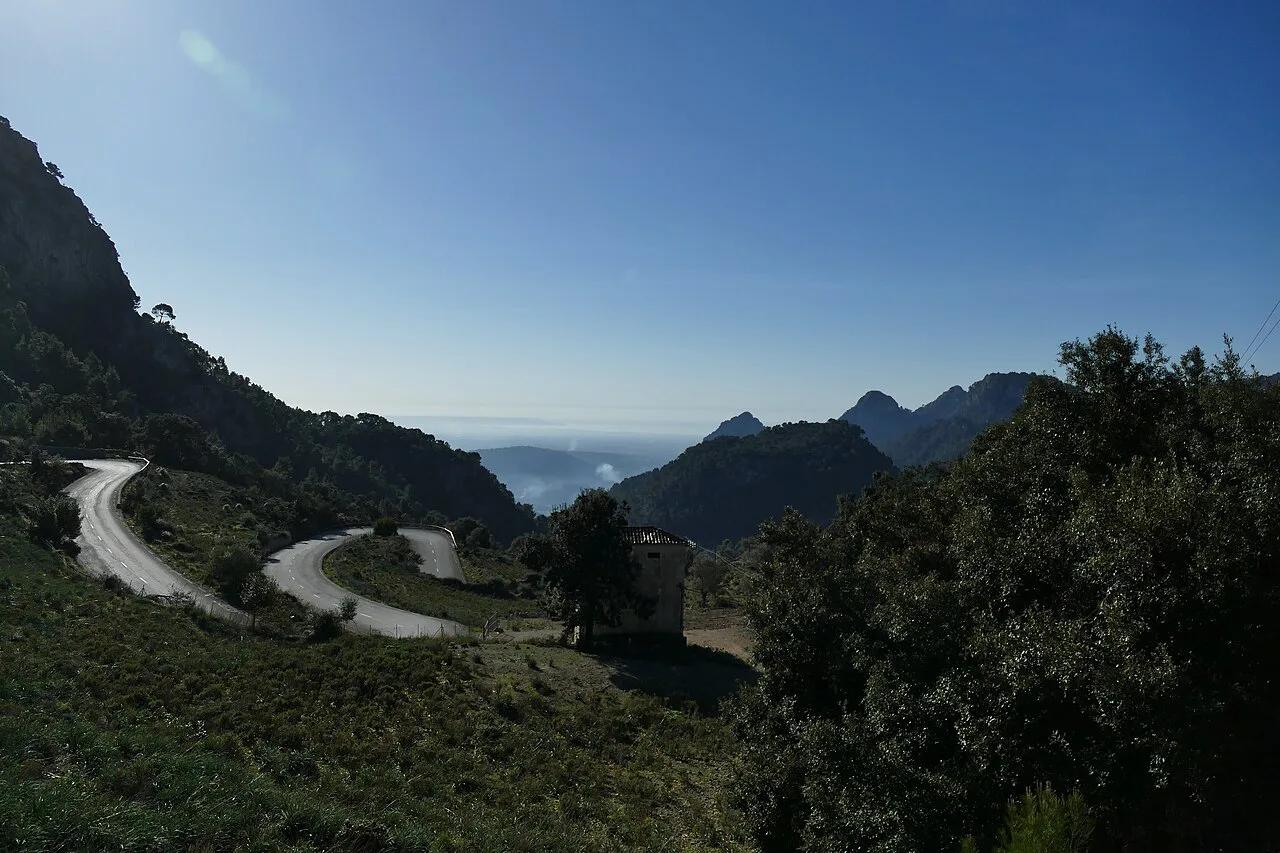
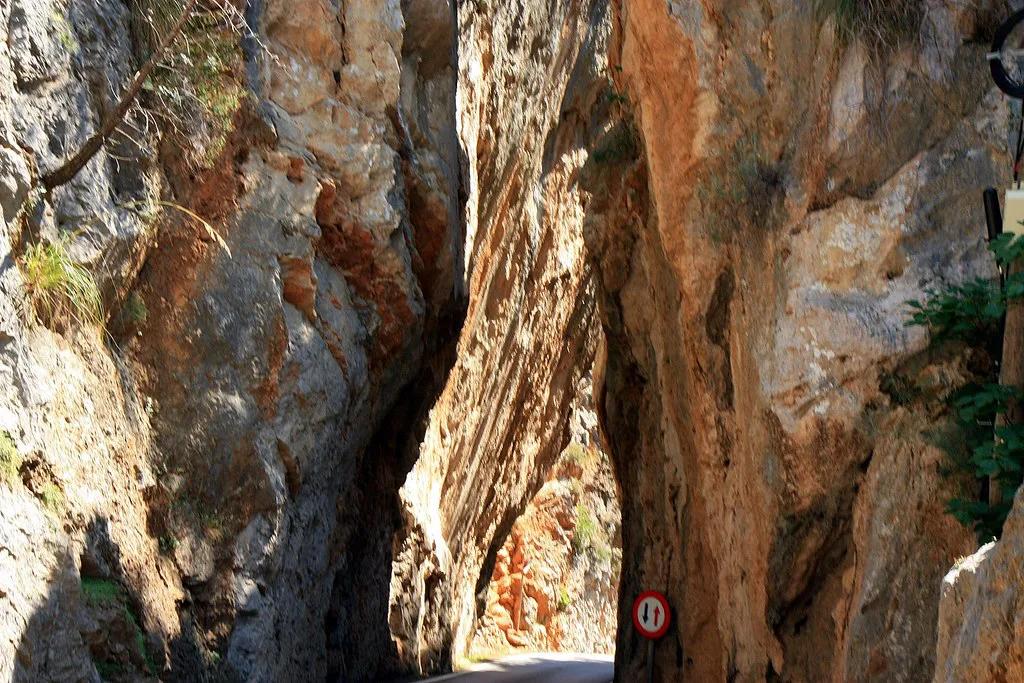
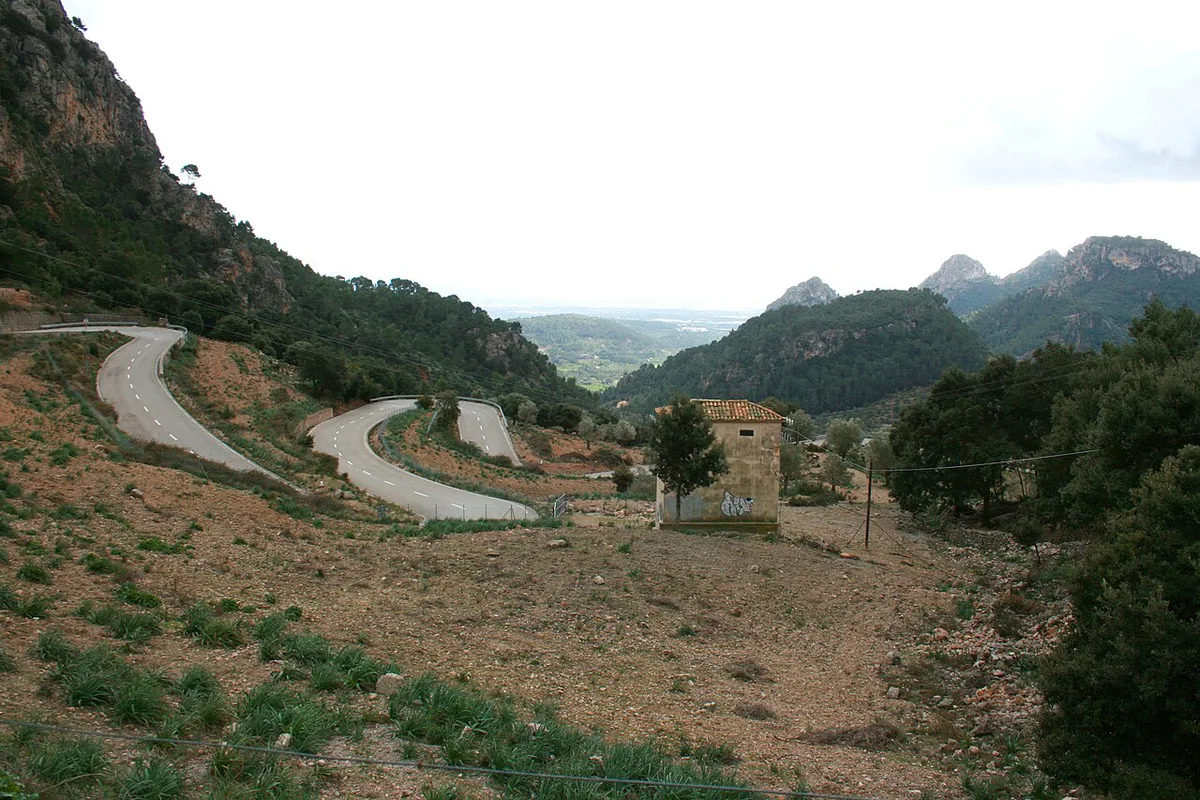
Last updated November 2026: Coll de Sóller is the old Ma-11A mountain pass between the Palma–Bunyola side and the Sóller valley. Cyclists can ride this switchback road instead of using the Túnel de Sóller. Our advice is to choose it when you're ready to pace a climb and control a bendy descent, after checking current road conditions.
Featured image: Kritzolina, CC BY-SA 4.0, via Wikimedia Commons.
Coll de Sóller at a glance
Use this summary to decide whether the pass belongs in your day. Our rider-fit advice rests on its switchbacks, which ask for uphill pacing and controlled cornering on the way down. For island-wide planning, start with our Mallorca cycling guide.
| Planning point | What to know |
|---|---|
| Road | Old Ma-11A mountain pass |
| Connects | Palma–Bunyola side and the Sóller valley |
| Character | Switchback climb and descent |
| Tunnel relationship | Pass road alternative to the Túnel de Sóller |
| Our rider fit | Riders comfortable with sustained effort and bends |
| Before leaving | Road status, weather, daylight and your return route |
How hard is the Coll de Sóller climb?
Difficulty depends on your recent riding, your gears and what else you've planned. Before choosing a pace, get the length, elevation gain and gradient from a topographic profile. Set its start and end points at the foot and top of your chosen side. Keep any approach from Port de Sóller separate, so it doesn't distort the climb figures.
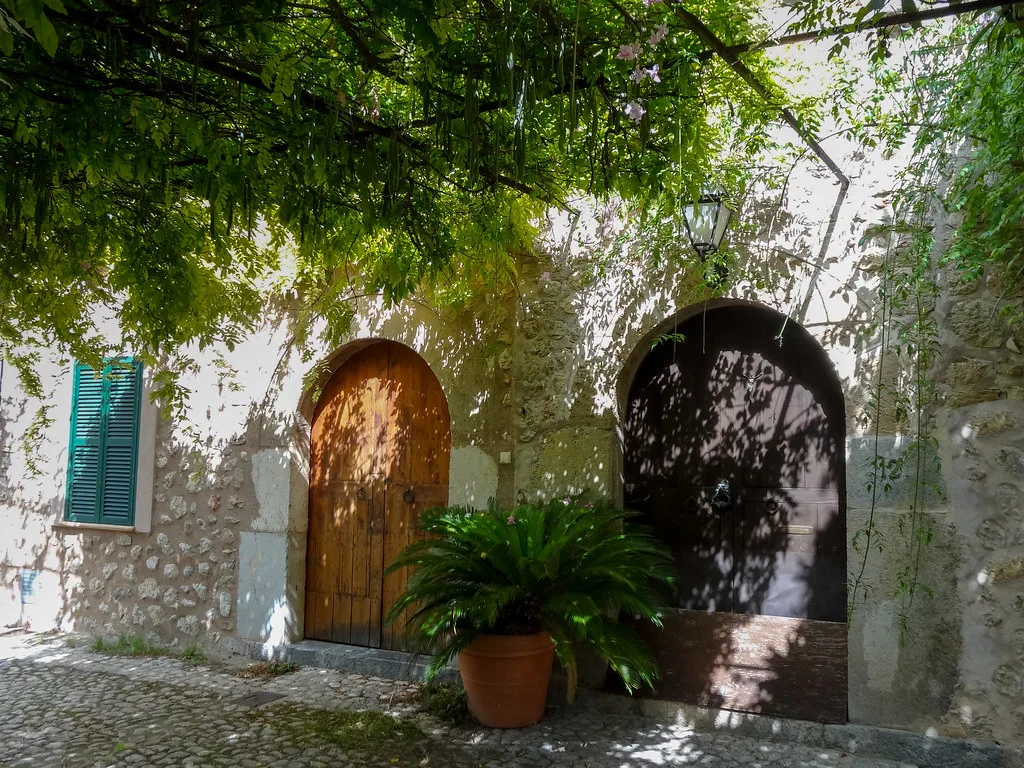
We'd skip borrowed finishing times. Another rider's result may reflect a different start point, effort level or bike. Begin at an effort you can control through the bends, and keep enough energy for the descent and ride home.
- Newer riders: Practice on shorter climbs first. Choose the pass once you can climb steadily and brake with control downhill.
- Regular riders: Compare the profile with a climb you've completed recently. Include the distance before and after it.
- Experienced riders: Set your effort around the whole route, especially if more climbing follows.
- Gearing: Fit a low gear that lets you keep pedaling comfortably when your legs tire.
- Turnaround: Turn back if your pacing, bike or confidence no longer supports the planned ride.
Which side of Coll de Sóller should you ride?
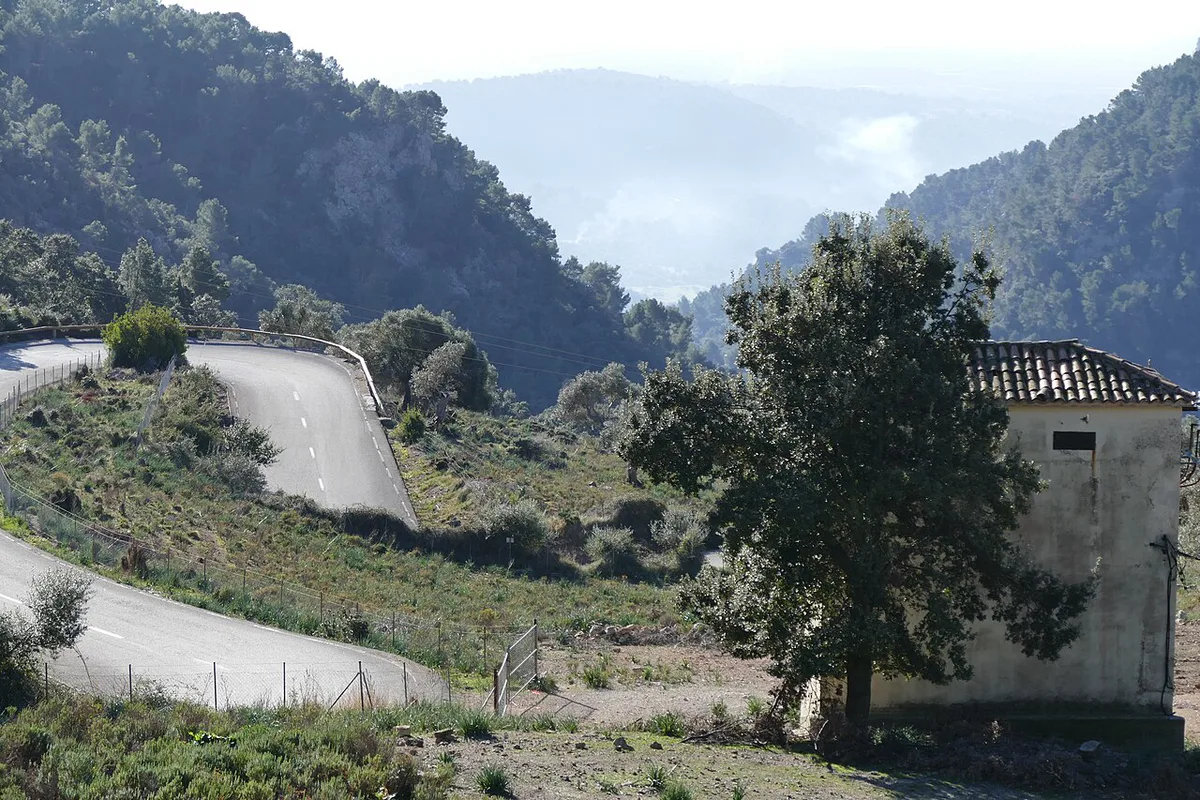
Our pick is to start from the side that gives you the simpler return. From the Sóller valley, an out-and-back climbs toward the Bunyola side's high point and descends back into the valley. Starting near Bunyola reverses that relationship. In either case, mark the summit as your turnaround if you don't want a second climb.
Crossing completely changes the commitment. After descending the far side, a return over the pass means climbing again. Compare both elevation profiles before deciding, because one side's figures can't describe the other.
| Approach | Where it fits | Climb-and-return descent | If you cross over |
|---|---|---|---|
| Sóller valley side | Valley or Port de Sóller base | Back toward Sóller | Return climb starts on the Palma–Bunyola side |
| Palma–Bunyola side | Ride arriving from that direction | Back toward Bunyola and Palma | Return climb starts in the Sóller valley |
Choose your Coll de Sóller cycling route
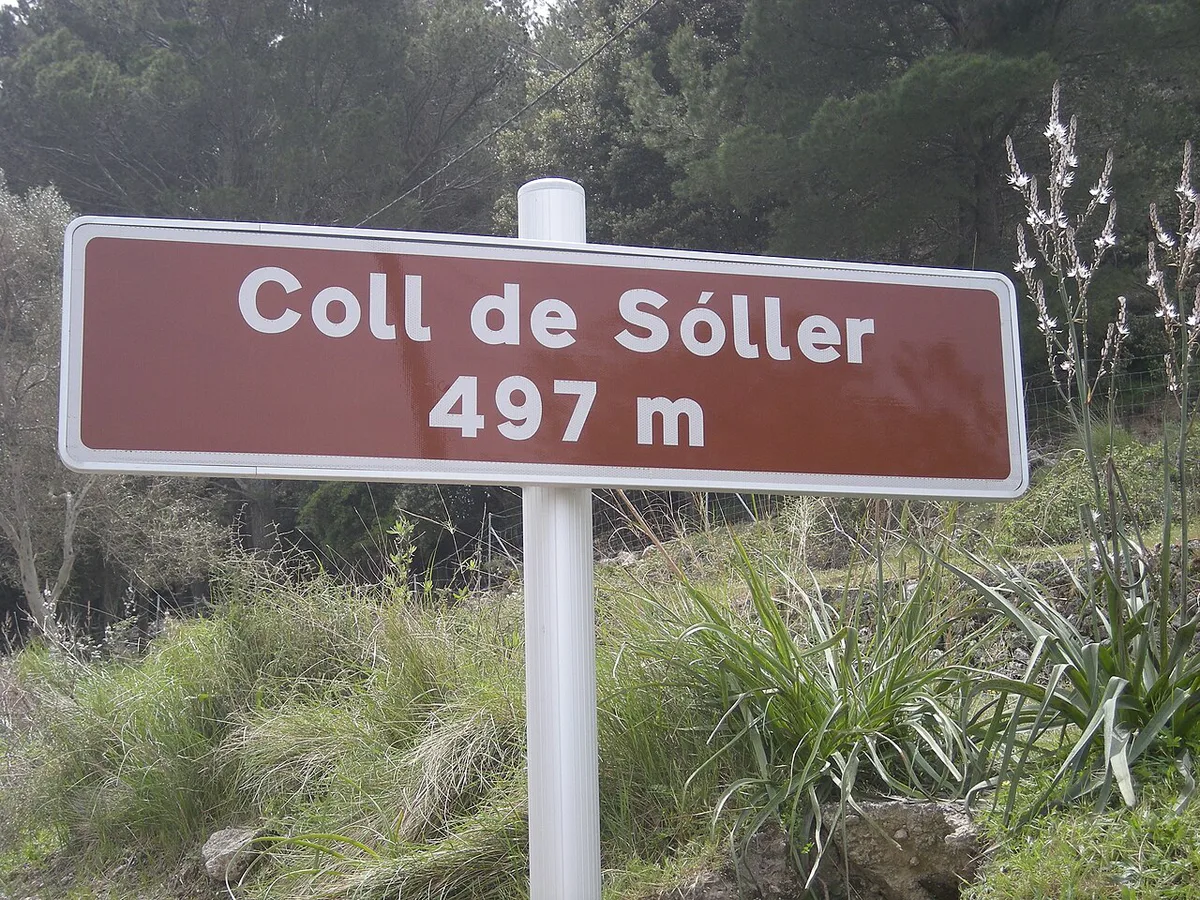
For a first attempt, we'd choose the climb and return from one side. It limits the plan to one ascent, and you can turn around before the top. Crossing and returning suits a rider who has allowed for both climbs. A longer loop adds navigation, distance and possibly more elevation beyond the pass.
Map the complete journey from your door, including the return. Check bike access, junctions and closures along every section. Our island route ideas can help you compare longer options. For regional context, browse riding in the Tramuntana.
| Option | Best for | Measure before riding | Time planning | Main trade-off | Bailout |
|---|---|---|---|---|---|
| Climb and return | First attempt or focused climb | Approach, ascent and return | Include climbing, descending and stops | Same road twice | Turn around before the top |
| Cross and return over the pass | Riders prepared for both sides | Both ascents and approaches | Estimate each side separately | Second climb is required to return this way | Turn back before descending the far side |
| Longer loop | Riders ready for a bigger day | Full distance and total gain | Add every section and planned stop | More effort and navigation | Set a return point before leaving |
Pass road or Túnel de Sóller?
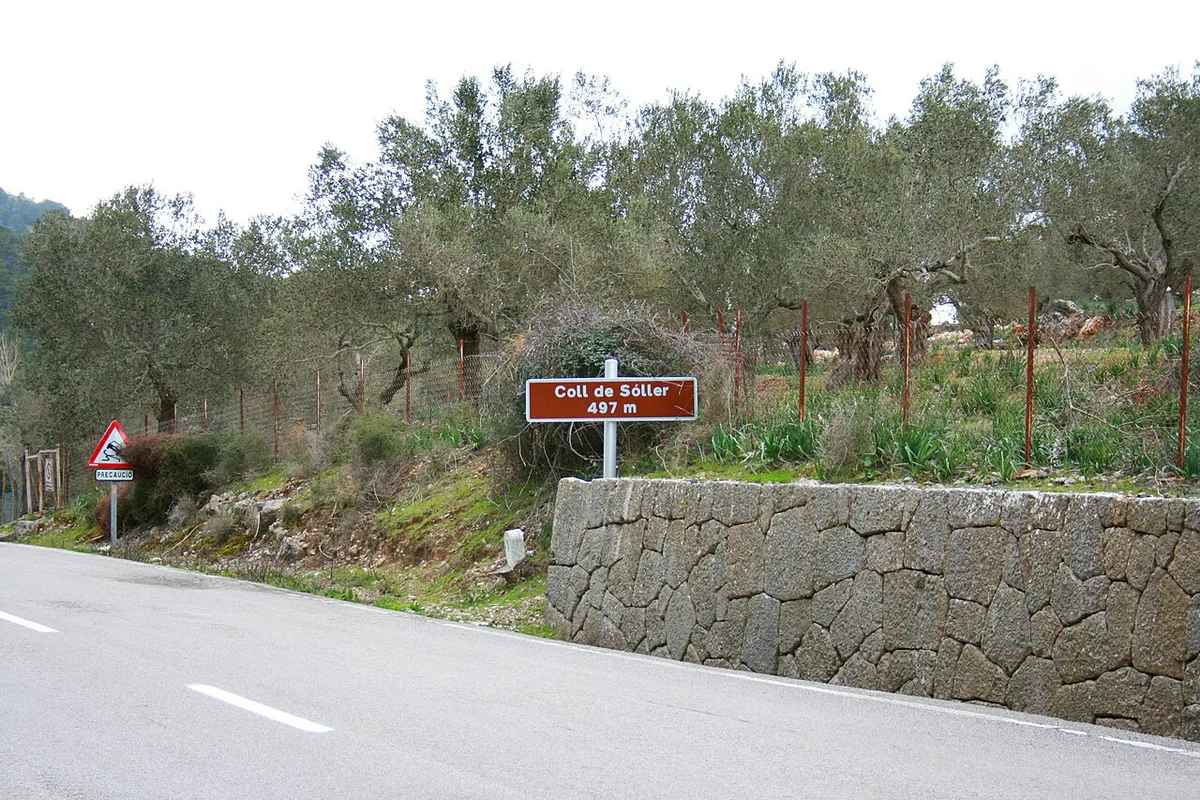
Cyclists seeking the mountain ride should plan on the Ma-11A. Don't treat the tunnel as a shortcut or emergency exit for a bike. Check its current access rules through road signs and DGT traffic information before considering any use. Look for restrictions on the pass at the same time.
Drivers face a simpler choice. We'd take the tunnel to avoid the switchbacks, and the pass only when the mountain road is part of the outing. Compare current journey times, restrictions and any charges for your vehicle before setting off.
| Decision | Ma-11A pass road | Túnel de Sóller |
|---|---|---|
| Cycling | Alternative to the tunnel | Do not assume bikes are permitted |
| Driving demands | Climbing, descending and switchbacks | Avoids the pass switchbacks |
| Views and experience | Mountain-road journey | Passage through a tunnel |
| Before travel | Closures and road conditions | Access rules and any charges |
Traffic and descending safety
Expect other road users, even if the tunnel takes some through traffic away. Plan for cars, other bikes and people around blind bends. Keep to your side, and choose a speed that lets you stop within the road you can see.
Brake before a bend, then look through it without cutting across the center. Allow more stopping distance when the surface is wet, dirty or uneven. Before riding, inspect your tires and brakes. If visibility or road conditions undermine your control, postpone the ride or turn around.
- Mistake to avoid: Assuming the road will be empty. Ride every blind bend as though someone could be around it.
- Mistake to avoid: Judging the day by the ascent alone. Include the descent and your route home.
- Mistake to avoid: Spending all your energy uphill. Save concentration and a time margin for braking and navigation.
When to ride and what to carry
Pick the day from its forecast and daylight, rather than the month alone. Read the AEMET weather forecast for rain and wind. November days are shorter, so we'd plan the route the evening before and start early. Winter cloud is also possible around Sóller; our guide to winter riding on Mallorca covers the wider season.
In warmer months, consider heat and exposure when choosing your departure time. Set a latest turnaround time before leaving, with daylight left for a careful return. Stick to it even when the summit feels close.
- A wind layer for the descent, adjusted to the forecast
- Front and rear lights, especially when daylight margins are tight
- Water and food for the full ride, including delays
- A spare tube or suitable tubeless repair kit, tools and inflation equipment
- A charged phone and a saved route with your turnaround point
Getting to the start and planning your day
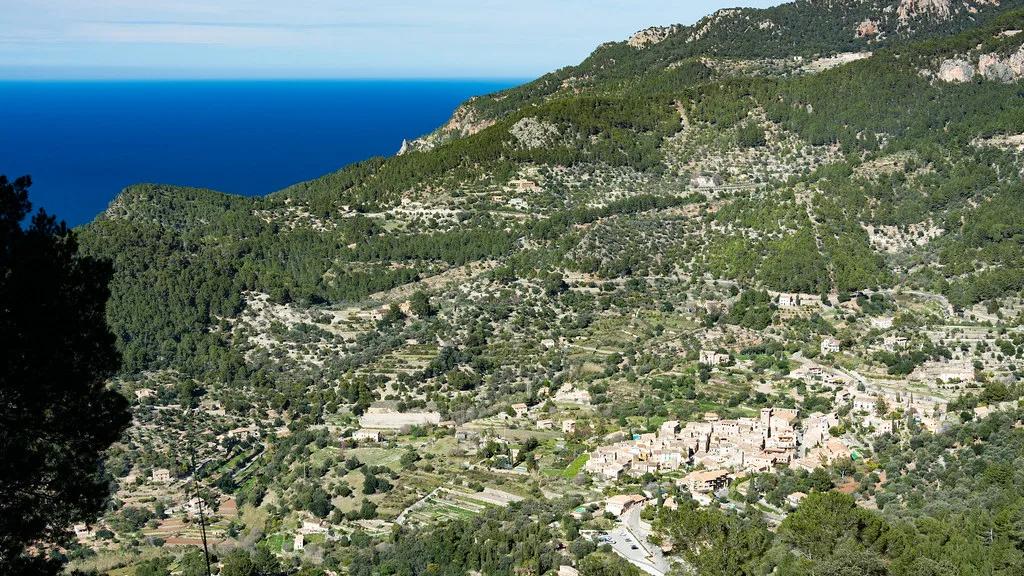
Starting in the Sóller valley puts the northern approach close to your base. Port de Sóller adds a ride toward town and the pass, which belongs in your total time and distance. Riding from Palma or Bunyola adds an approach on the opposite side. Choose the start that leaves your preferred amount of riding after the descent.
Ma-11A is the road to search when checking closures before riding from Palma or Bunyola, because the tunnel is not a bike shortcut.
Public transport can change that calculation, but don't assume your bike can travel. Read bike-carriage rules and timetables from Balearic public transport for relevant services. For the Sóller tram or train, consult the Sóller railway operator. If driving, use a legal parking space and read its posted time limits and charges.
Carry supplies from the start instead of relying on an open shop or tap along the road. Plan toilet and food breaks around places with current opening information. Visitors without a bike can compare Mallorca bike hire options. For mechanical help, use our island bike shop guide. Choosing an overnight base? Compare bike-friendly hotel choices against your intended start.
| Starting choice | Why choose it | Trade-off |
|---|---|---|
| Sóller town or valley | Close planning link to the pass | Arrange arrival or parking if staying elsewhere |
| Port de Sóller | Convenient if you're based there | Add the approach and return |
| Ride in from Palma or Bunyola | Includes the pass in a ride from that side | Plan how you'll return after reaching Sóller |
Is Coll de Sóller right for your ride?
Choose Coll de Sóller if you want switchback climbing and can manage the descent at a controlled speed. Consider another route if you need mostly flat riding or your daylight margin is thin. A base around Sóller puts climbing central to your options, so it's a weaker fit for an easy flat-road holiday.
Shorten the outing by turning around before the top. To extend it, add a mapped section only when your supplies and daylight cover the return. For another objective, study the Puig Major ascent. Riders considering a longer mountain day can also research the Sa Calobra ride. Compare matching profile data before deciding how either challenge fits your ability.