Mallorca 312 Guide: Route, Entry & Planning
Planning the Mallorca 312? See how to choose a distance and what to check on entry, route, cut-offs, training, bike choice, lodging and travel.
Last updated November 2026: the Mallorca 312 is an organized mass-participation road cycling event on the island, with long routes through the Serra de Tramuntana. It has been associated with more than one distance option, so check the current choices, entry terms and event date on the official organizer's website before booking travel. This guide helps you decide whether to ride, which commitment suits you, and how to plan your bike, bed and journey.
Featured image: Stein Arne Jensen, CC0 1.0, via Flickr.
Which Mallorca 312 distance should you choose?
Ciclos Gomila, a Mallorca bike shop, describes a 312 km route, about 194 miles. It also names Mallorca 225 and Mallorca 167. Its page isn't an official rulebook, so use those names as leads and take current distances from the organizer. Also look for each option's climbing total, time limits and rules for switching, both before and during the ride.
As editorial advice, base your choice on recent riding rather than ambition. Consider a shorter option if long climbing days or close group riding are still new to you. Wait for a later edition if your preparation time can't realistically close that gap.
| Option name | What to establish | Rider fit (editorial guidance) |
|---|---|---|
| Mallorca 312 | Distance, climbing, time limits, switching rules | Riders with solid recent long-distance and climbing experience who can manage time pressure |
| Mallorca 225 | Current availability, plus the same route details | Possible step down if the longest option looks too demanding; still assess it as a serious endurance ride |
| Mallorca 167 | Current availability, plus the same route details | Possible choice if your long-ride base is still developing; not automatically a beginner ride |

How do you enter, and which rules matter?
Start your entry research with the organizer, and make sure every page you read applies to the edition you plan to ride. Details published for 2026 shouldn't be carried into a later year. Secure your event place and understand its conditions before committing to nonrefundable travel.
Read the registration terms and event regulations for these points:
- Registration status, opening dates and deadlines
- Entry fee and what it includes
- Age and other eligibility requirements
- License, insurance or medical paperwork
- Transfer, deferral, cancellation and refund terms
- Bib collection location, times and identification
- Required equipment, plus rules for e-bikes and other bike types
- Official format, including timing, rankings or competitive categories
How should you read the route and cut-offs?
Study the official route file and elevation profile as a series of decisions. Mark the major climbs, technical descents and feed stops. Then find any places where you can shorten the ride or leave it. Look up what rider support covers if you have a mechanical problem or can't continue.
Applied to the 312 km route, about 194 miles, dividing distance by elapsed time gives your minimum overall average.
Cut-offs shape both your pace and your stop time. For each timed point, divide the distance from the start by the elapsed time allowed. That gives your minimum overall average. Your moving speed must be higher if you stop, so budget time for food, water, queues and repairs.
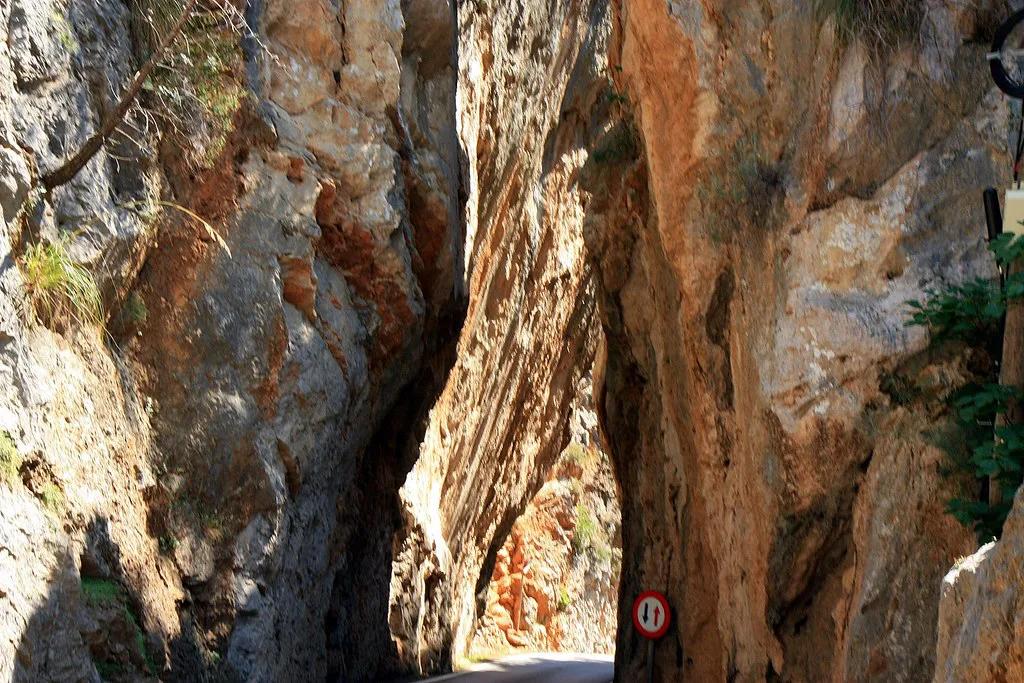
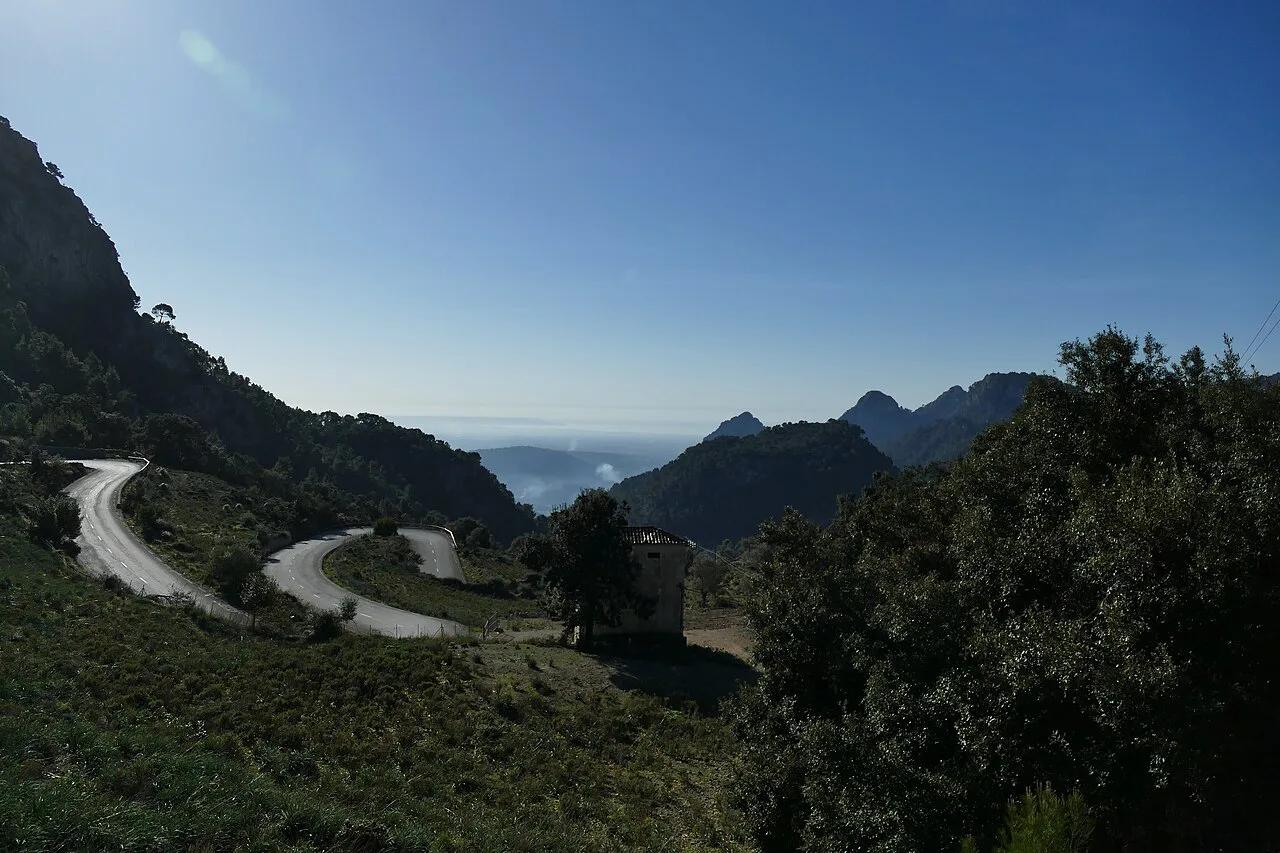
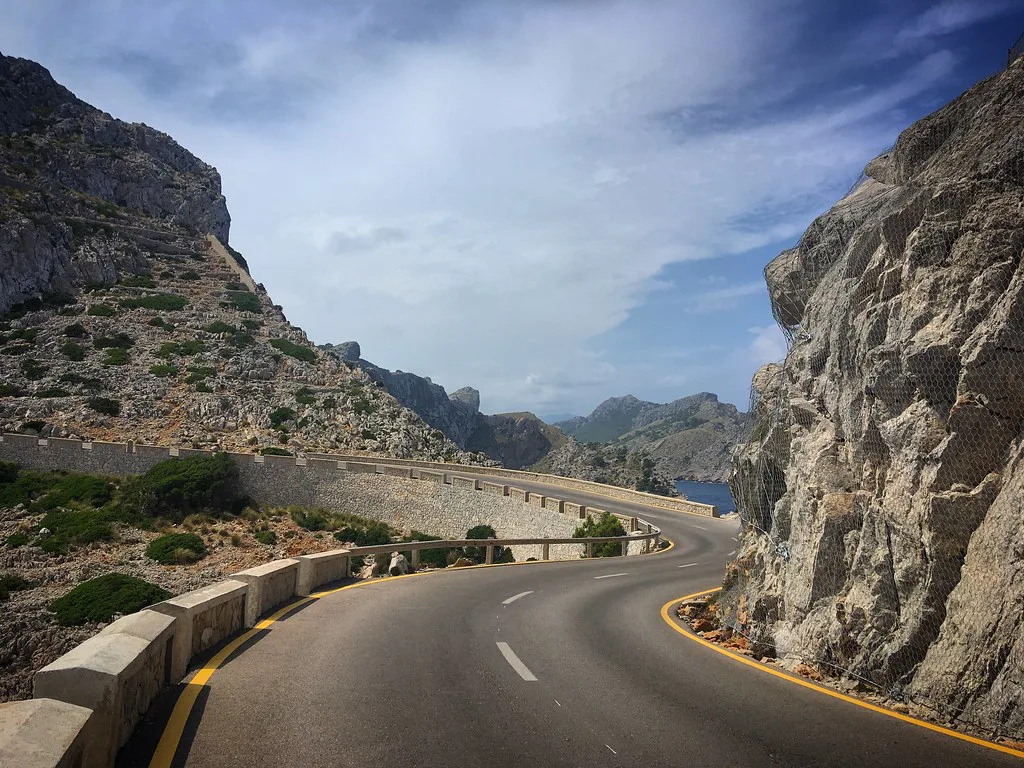
Road access needs the same care. Don't assume every road stays closed to traffic all day. Read the organizer's closure and reopening rules, and use the DGT traffic authority for road information. To learn the mountain terrain, start with our guide to riding in the Tramuntana. If Puig Major appears on your edition's route, study the Puig Major Cycling: Mallorca Climb Guide and Routes too. Treat a Sa Calobra ride as a separate trip idea unless official route material includes it.
Are you ready for the ride?
Compare your current ability with the preparation time you actually have. A useful plan starts from your recent riding, not someone else's weekly volume. Use this editorial checklist to find weak points early. If you plan an off-season training visit, read about winter riding conditions in Mallorca.
Mistake to avoid: don't plan around moving speed and forget your stops. Starting too hard and trying unfamiliar food or equipment on event day also add avoidable risk.
- Endurance: recent long rides leave you able to recover and function well
- Climbing: you can pace repeated ascents without repeatedly overreaching
- Descending: you can brake, choose a line and stay controlled when tired
- Group riding: you can hold a predictable line around other riders
- Fueling: you've practiced your food and drink routine on long rides
- Comfort: your saddle, position, shoes and clothing work over many hours
Should you bring your own bike or rent one?
Familiarity and comfort deserve as much attention as weight, aerodynamics or frame stiffness. Gearing should let you keep climbing when tired, and your brakes and tires need to be in sound condition. Renting doesn't guarantee a faster ride. Compare total quotes and terms, and leave time for a test ride.
If you're considering hire, start with our Mallorca bike rental guide. Ask whether your size and gearing can be reserved. Transporting your own bike is a separate service from renting one, so assess its availability and liability terms separately. For late spares or mechanical checks, see our guide to bike shops on the island.
| Decision point | Own bike, carried with you | Rental bike | Own bike via transport service |
|---|---|---|---|
| Fit and familiarity | Known setup; recheck after reassembly | Match size, saddle position and pedals | Known setup; recheck on arrival |
| Gearing, brakes and tires | Service before departure | Request specifications and inspect | Service before handover |
| Cost | Carriage, packing and transfers | Hire, extras and deposit | Service fee, packing and extras |
| Timing | Allow for assembly | Reserve early; allow setup and a test ride | Match handover and return dates to travel |
| Support and risk | Check carrier damage and delay terms | Check support, damage liability and cancellation | Check service area, damage liability and cancellation |
Where should you stay, and how will you get around?
Find your edition's start, finish and bib collection points before choosing a base. A hotel within riding distance of the start can simplify the morning. Staying farther away requires a workable transfer or parking plan. Think about your tired return as well as your early departure.
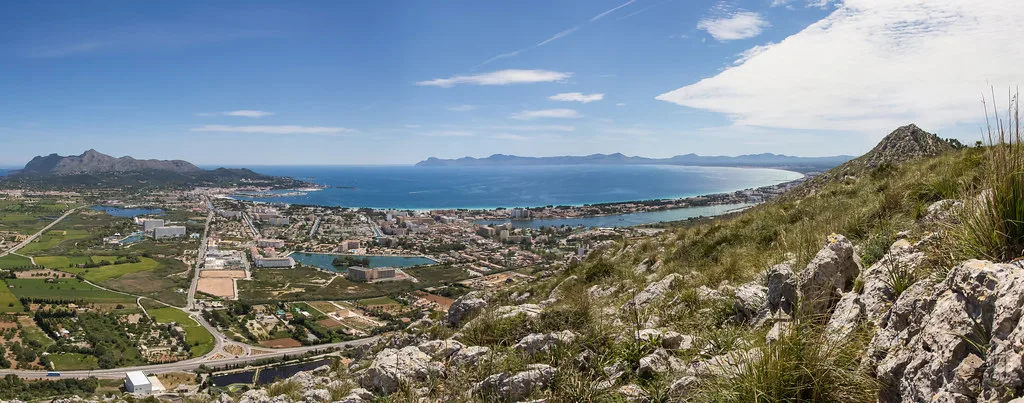
Use our guide to cyclist-friendly hotels to explore options, but don't assume any listed property is near the event. If the organizer's locations make the north relevant, compare it using our Port de Pollença cycling guide. Ask each property about secure bike storage, early breakfast, minimum stays and cancellation.
For public transport, consult TIB's island transit information. Confirm event-day service and bike carriage for your exact journey. Ask airport transfer providers whether they can take your boxed or assembled bike. Arrive with enough spare time to collect your bib, assemble your bike and fix faults.
- Early road access to the start
- Route back from the finish when tired
- Parking or transfer pickup point
- Secure bike storage and breakfast timing
- Minimum stay and cancellation terms
What should you budget and check before leaving?
Price the whole trip in euros, because the entry fee is only one part of your commitment. No fee is quoted here, so take the dated amount and inclusions from the official organizer. Then compare complete quotes for rental and bike transport, including extras and deposits.
Details published for 2026 do not carry into later years, so reprice the trip for your edition before budgeting.
Before the ride, follow organizer updates and the AEMET weather forecast. Pack clothing for the forecast conditions, including changes between lower roads and mountain sections. Decide how you'll stop safely and get back if you can't finish. For wider trip planning, use our Mallorca cycling guide.
| When | Budget or task checklist |
|---|---|
| Before booking | Entry and refund terms; travel, lodging and cancellation; rental or bike carriage; transfers and insurance |
| Before traveling | Required paperwork and equipment; bike service; spares; food; collection times; current organizer updates |
| Day before | Bib and bike setup; brakes and tires; clothing and fuel; start access; cut-offs; return plan |
Frequently Asked Questions
How long does it take to do the Mallorca 312?
Your time depends on the option you ride, your pace, the conditions and how long you stop. Estimate it from your recent hilly rides, then add stop time and a margin for fatigue. Compare that estimate with every official cut-off for your edition.