Puerto de Navacerrada Cycling: Climb Planning Guide
Plan your Puerto de Navacerrada cycling climb: judge your readiness, define your approach, check road conditions, pack well and prepare for the descent.
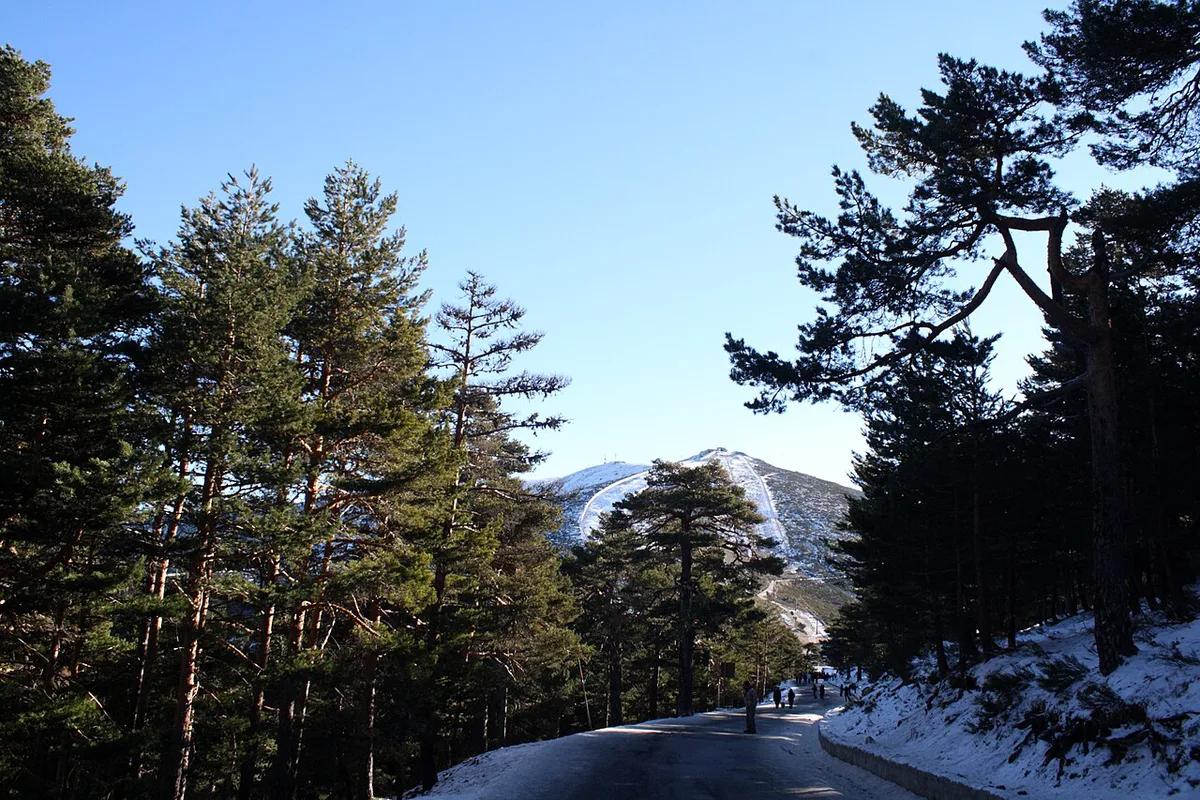
Last updated November 2026: Puerto de Navacerrada cycling is a sensible goal for road riders who are comfortable with sustained climbing, traffic and long mountain descents. This guide covers planning a paved road ascent from your chosen start, rather than one named side or a gravel or mountain bike trail. Before committing, make sure the road is open, the mountain forecast is acceptable and you have a way back if you stop early.
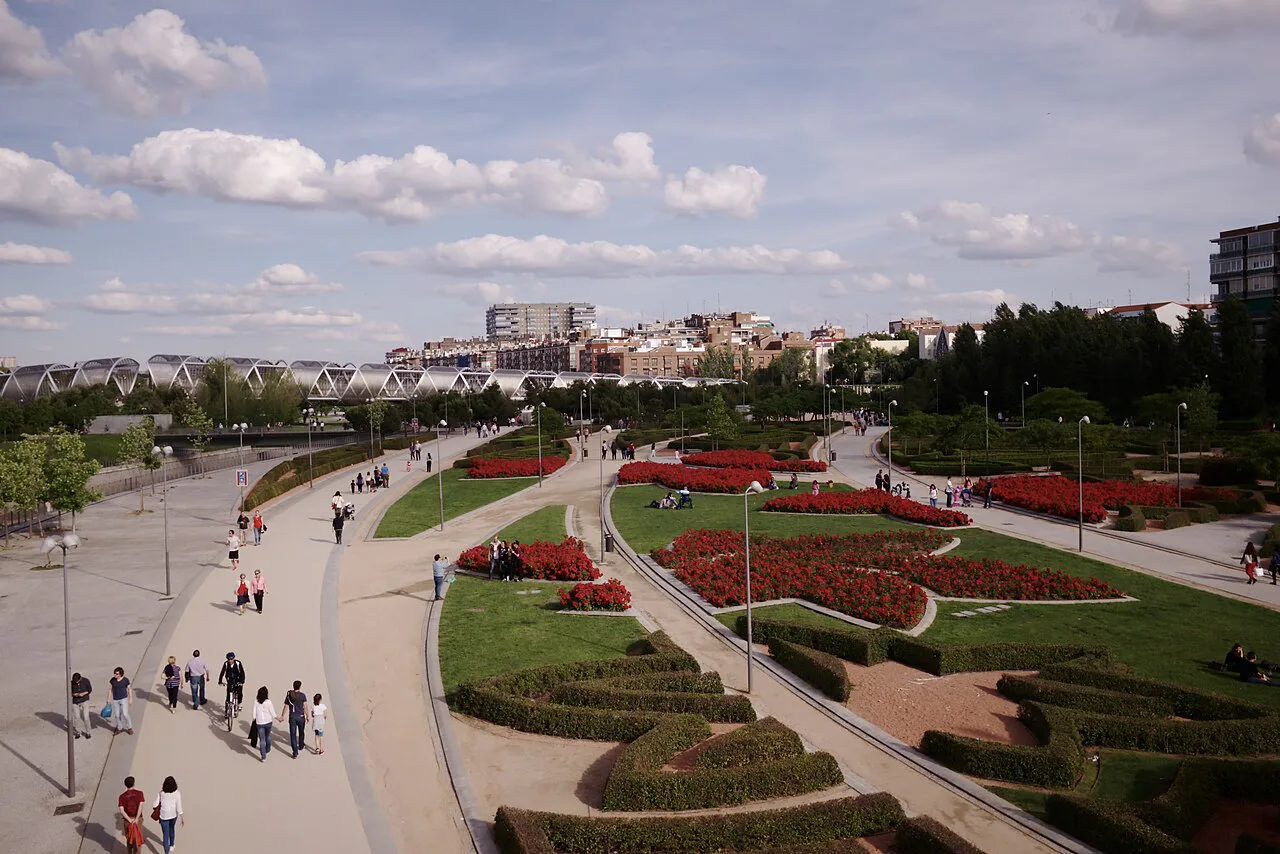
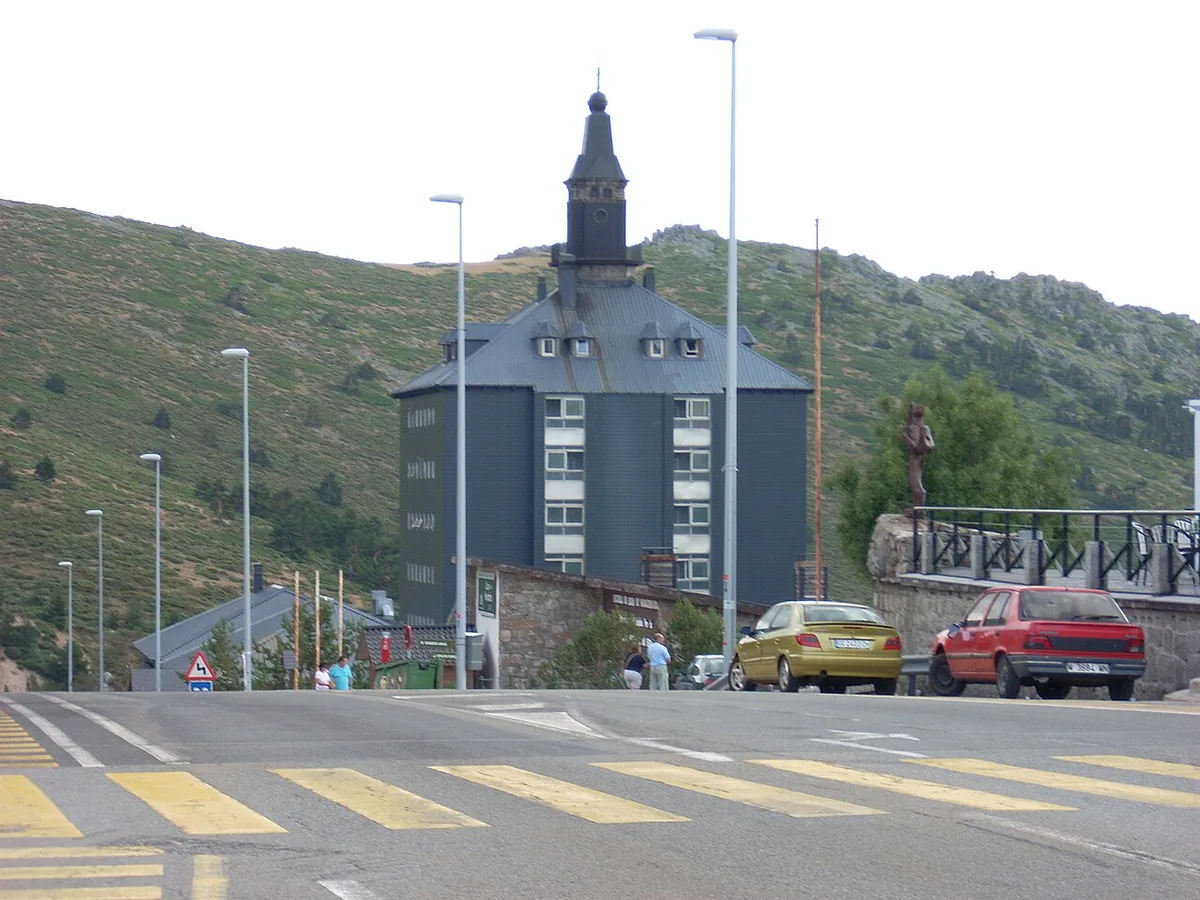
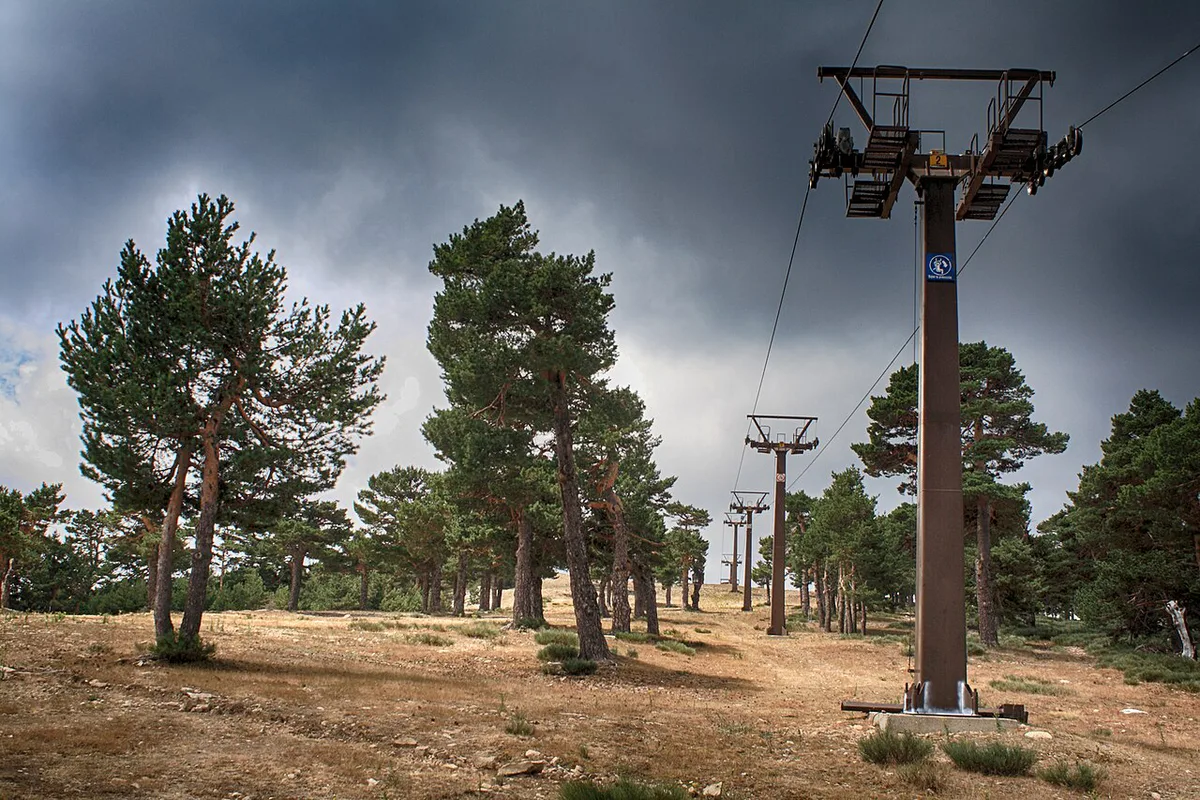
Featured image: M.Peinado from Alcalá de Henares, España, CC BY 2.0, via Wikimedia Commons.
Puerto de Navacerrada Cycling at a Glance
Treat this as a mountain ride with a climb and a descent to manage. For easier or more urban options, start with our guide to riding around Madrid. Distance, gradient and elevation gain depend on how you define the route, so take them from mapping that shows your exact start and finish. Compare figures only when they use the same endpoints and measurement method.
| Your situation | Suggested decision |
|---|---|
| You ride sustained hills and descend confidently on roads | Plan the road climb |
| You can climb steadily but feel unsure on fast descents | Build descending practice first |
| Your recent riding has been mostly flat or occasional | Choose an easier ride for now |
| You want gravel or mountain bike terrain | Research a separate route with legal trail access |
| Road status or mountain weather looks doubtful | Postpone |
How to Choose Your Approach
Pick an exact start point before comparing difficulty. A ride starting near the mountain and a ride starting in Madrid are different days, even with the same summit goal. Keep climbing distance separate from total riding distance. Then trace the whole route on a detailed map, including the way down and any link from public transport or parking.
- Endpoints: mark where the climb begins, where it ends and where your full ride finishes.
- Effort: compare distance, elevation gain, average gradient and the steepest sustained section.
- Road: look at surface, shoulder space, junctions, tunnels and expected traffic.
- Descent: identify bends, junctions and places where you can stop clear of traffic.
- Exits: note where you could turn around or arrange a safe ride back.
- Support: locate water, food, toilets and repair help, including their current opening periods.
Are You Ready for the Climb and Descent?
Judge readiness against your recent rides, not your strongest day from a past season. Compare your planned route's climbing and total distance with outings you have completed comfortably. You should be able to hold a controlled effort uphill and still concentrate on the way down. Start gently, eat and drink before you feel depleted, and set a latest turnaround time before leaving. Reaching the pass is only part of the ride.
- Climbing: you have recently handled long uphill efforts without repeated forced stops.
- Gearing: your lowest gear lets you keep pedalling smoothly on steeper ground.
- Descending: you can brake, choose a line and stay alert around traffic.
- Time: your schedule leaves room for slow climbing, a summit stop and repairs.
- Condition: you are rested and free from illness or pain that could affect control.
- Alternative: choose another ride if the descent worries you, even when the climb feels manageable.
How to Get to the Start and Back
Transport links, fares, bicycle carriage and parking depend on your chosen start, so use the current information from the responsible operator or local authority. EMT Madrid's official website can help with city bus planning, but don't assume its services reach your mountain start.
- Ride from Madrid: gives you control over departure, but adds effort and daylight needs before and after the climb. Research every connecting road.
- Public transport plus bike: may shorten your riding day. Confirm that your service accepts your bike, and plan the return before setting out.
- Car plus bike: offers a flexible departure if you have legal parking. Make sure your route brings you back to the car.
- Time budget: add travel to the start, climbing, stops, descent and return, then leave a margin for delays.
When to Go and When to Postpone
Choose your day by conditions rather than the calendar alone. Read the forecast and warnings from AEMET, Spain's official weather agency, for the mountains as well as your start. Look up DGT road and traffic updates shortly before departure. An open road does not by itself mean that conditions suit a bicycle. For any path or track section, read the access guidance from the responsible land authority. Where your route involves protected land, consult the Sierra de Guadarrama National Park website too.
- Go: your route is permitted, conditions are suitable, your equipment works and you have enough daylight.
- Postpone: snow, ice, strong wind, storms, dangerous heat, poor visibility or an official warning affects your ride.
- Turn back: weather worsens, you miss your turnaround time or a mechanical fault affects safety.
- Stop the ride: dizziness, unusual pain or exhaustion limits your control. Seek help instead of attempting an unsafe descent.
- Before descending: reassess the road, visibility, your brakes, tyres, warmth and concentration. Arrange another way down if riding is unsafe.
What to Bring and Which Bike to Use
For this paved ascent, use a well-maintained bike with climbing gears you already know and brakes you trust downhill. Fit road-suitable tyres in good condition, and secure luggage so it cannot interfere with steering or wheels. Carry enough supplies to cope if a planned stop is closed. Mountain conditions can change during your outing, so keep an extra layer accessible for the descent.
- Food and water for the full gap between dependable supply points.
- A windproof or weather-resistant layer, plus gloves when conditions call for them.
- A helmet, working lights and visible clothing.
- A pump, tyre repair supplies and tools suited to your bike.
- Offline navigation, a charged phone and spare power where needed.
- Payment, identification and an emergency contact plan.
Using a Rental Bike or E-Bike
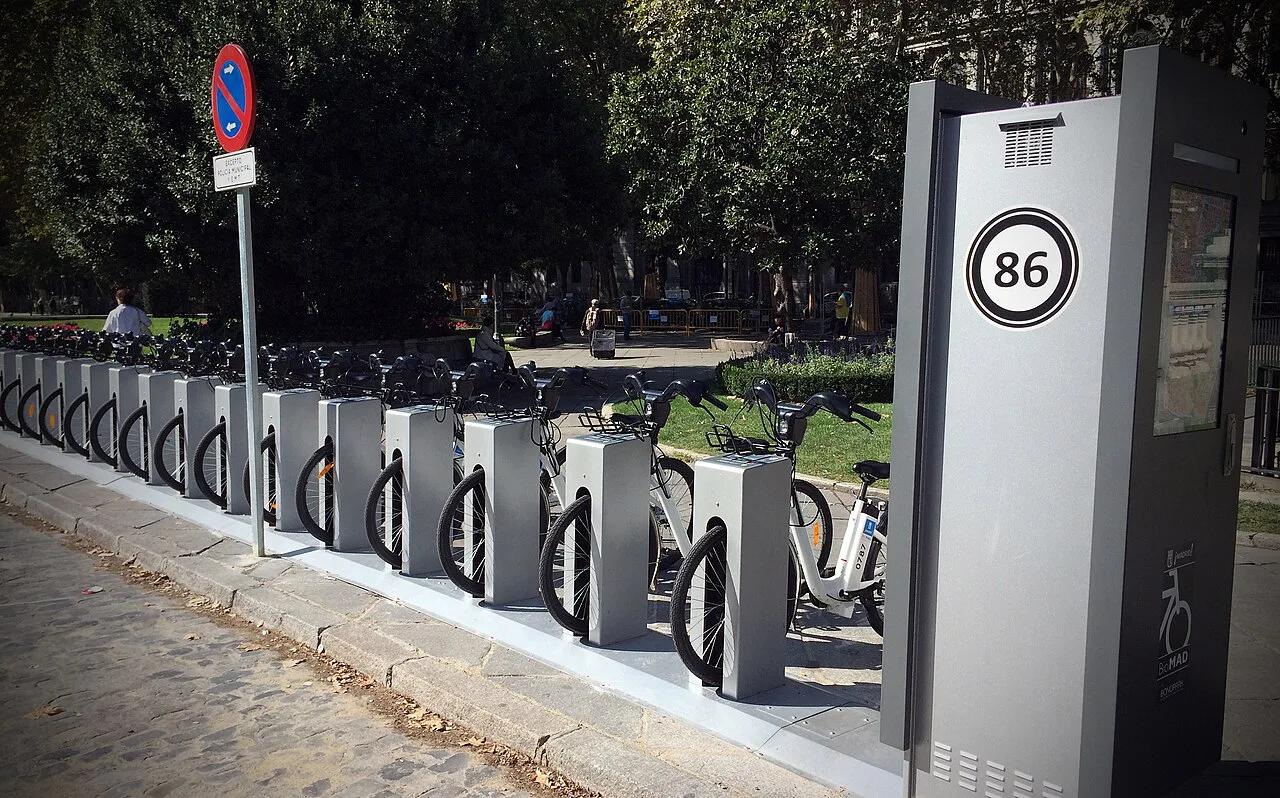
Ask before booking whether a rental may leave the city and be used on your mountain route. Our advice on renting a bike in Madrid can help you begin that search. Get the provider's answer in writing, including breakdown cover, transport restrictions and return time. For an e-bike, judge battery range against the whole ride, including climbing, temperature, rider load and assistance level. Don't rely on regaining charge downhill or finding a charger along the way. Likewise, don't plan this climb around Madrid's public bike system unless its current official service terms clearly permit your whole journey.
Easier Alternatives if You're Not Ready
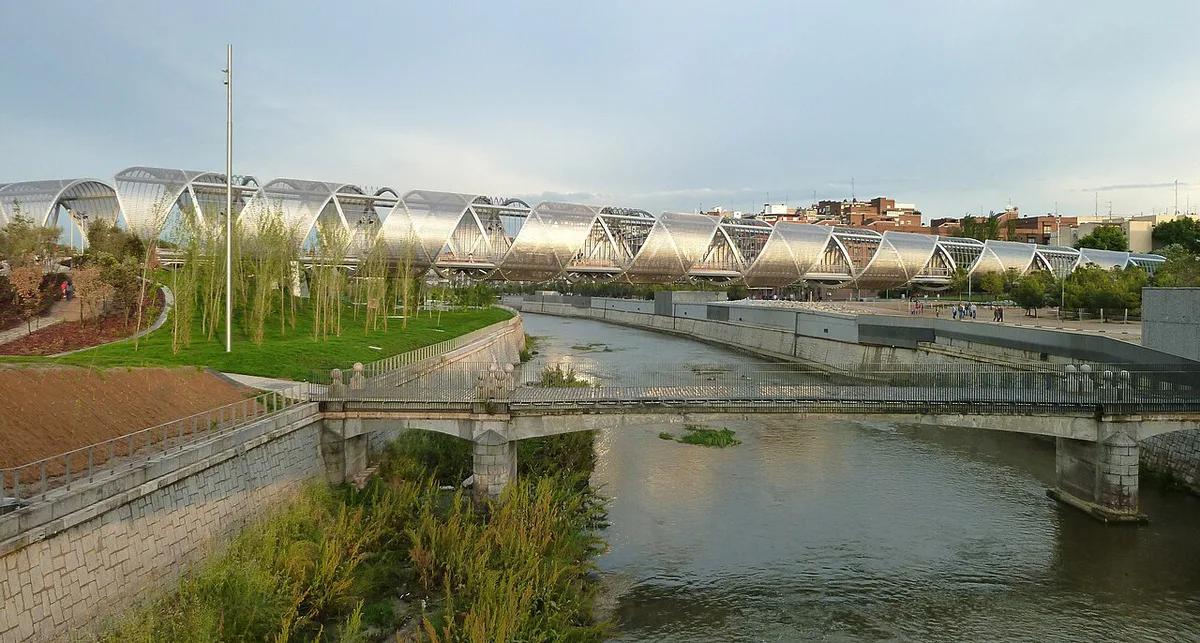
Postponing the pass can be the right call if sustained climbing or road descending is still unfamiliar. Consider a riverside ride at Madrid Río when you want a separate urban outing. For company, compare a guided ride in the city. Riders interested in assistance can also explore a Madrid electric bike tour. None of these should be treated as a substitute for mountain descending practice. Build that skill gradually on suitable roads, ideally with an experienced instructor or cycling group, before returning to your Navacerrada plan.