Mallorca Cycling in February: Weather, Routes & Planning
Thinking of cycling Mallorca in February? Weigh weather risks, route choices and places to stay, and see what to check before you book.
Last updated November 2026: Mallorca cycling in February is a practical option if you're prepared for changeable winter conditions and can move rides around. Your Serra de Tramuntana days often need a different plan from coastal ones, so consider other dates if you require warm, dry weather or fixed mountain rides. For wider trip planning, start with our guide to riding Mallorca.
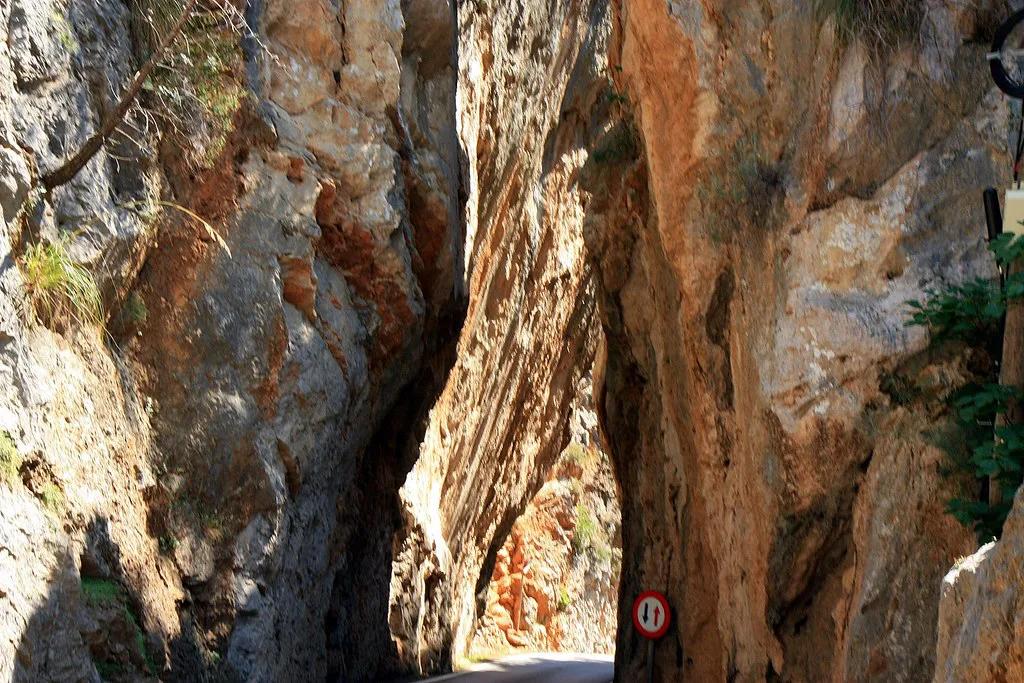
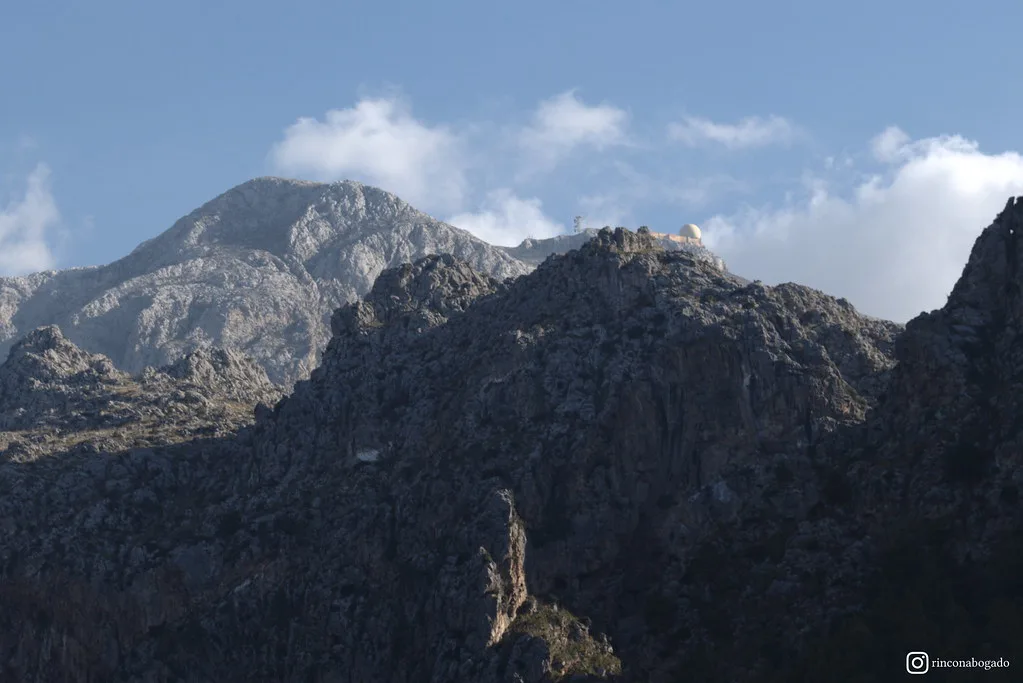
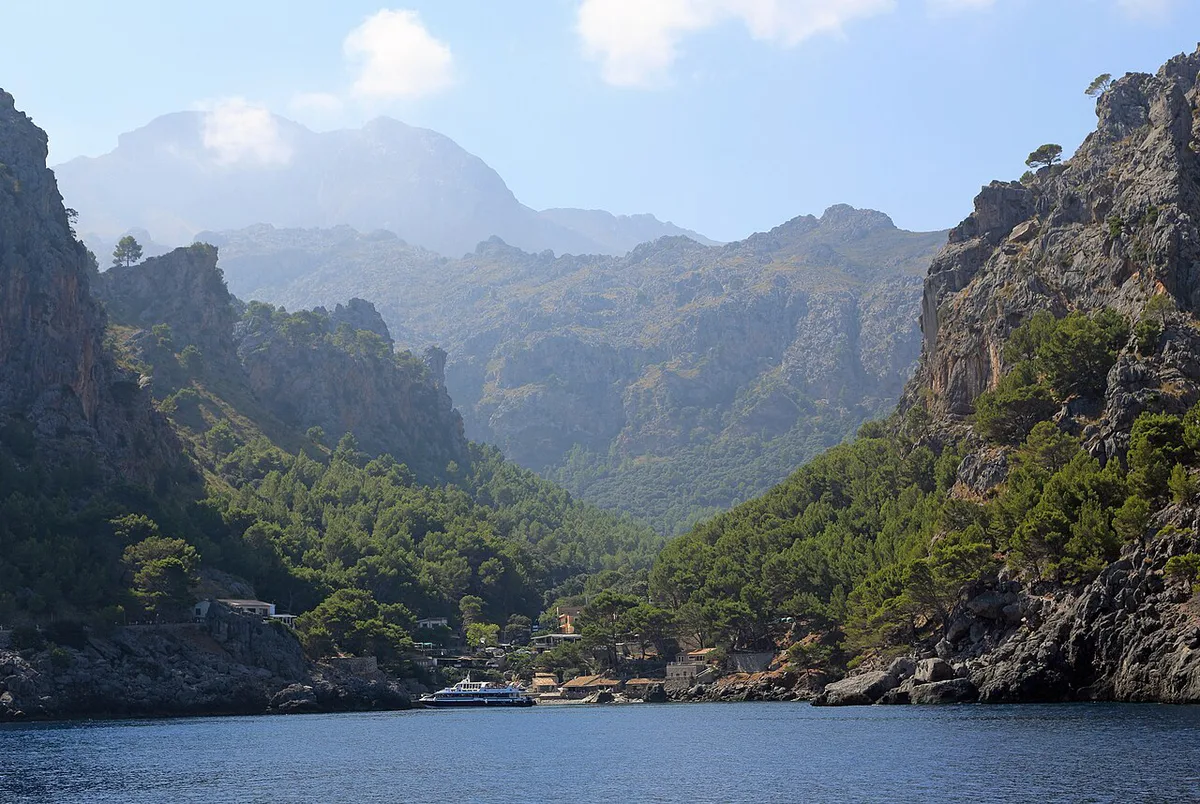
Featured image: rinconabogado, CC BY 2.0, via Flickr.
What is February weather like for cycling in Mallorca?
Don't plan around one winter average, because coastal or lowland readings can't describe a mountain road. Use AEMET, Spain's weather agency, for forecasts and warnings, and note the station and period behind any February climate figures.
| Check | What to look for | How it can change your ride |
|---|---|---|
| Temperature | Daytime high and overnight low near your route | Affects start time, layers and long descents |
| Rain | Amount, timing and rain earlier in the day or overnight | Roads may stay wet after showers pass, especially where shaded |
| Wind | Direction, sustained speed and gusts | May make exposed sections or descents unsuitable for you |
| Mountains | Conditions at height, not only at your hotel | Can call for warmer kit or a different route |
| Daylight | Sunrise and sunset for your exact dates, early or late in the month | Sets your latest sensible turnaround |
Is Mallorca cycling in February right for your trip?
February suits you better when riding well matters more than completing a fixed list. Think about your handling in the wet, comfort in cool weather and willingness to shorten a day. Tour operators also differ on timing. Huerzeler's bicycle holiday site is a place to check one provider's current travel dates. For general preferences, 57hours favors March to May and September to November. Rompelberg picks April, May, September and October, while also calling November through March suitable for recreational riders. Treat these as operator views, not a February forecast.
| Your goal | February fit | Main compromise | Fallback |
|---|---|---|---|
| Relaxed rides | Worth considering with flexible days | Some rides may be uncomfortable | Shorten the loop or take a rest day |
| Endurance training | Possible if you're equipped for cool or wet rides | Weather may interrupt your training block | Reorder harder and easier days |
| Major climbs | Conditional | No guaranteed day for a chosen summit | Pick a lower-commitment ride |
| First visit | Better if you're comfortable changing plans | Unfamiliar roads add decisions | Book route help or guiding |
| Warm-weather holiday | Consider other dates | Warmth and dry roads aren't assured | Compare later months before booking |
Which routes work, and when should you change plans?
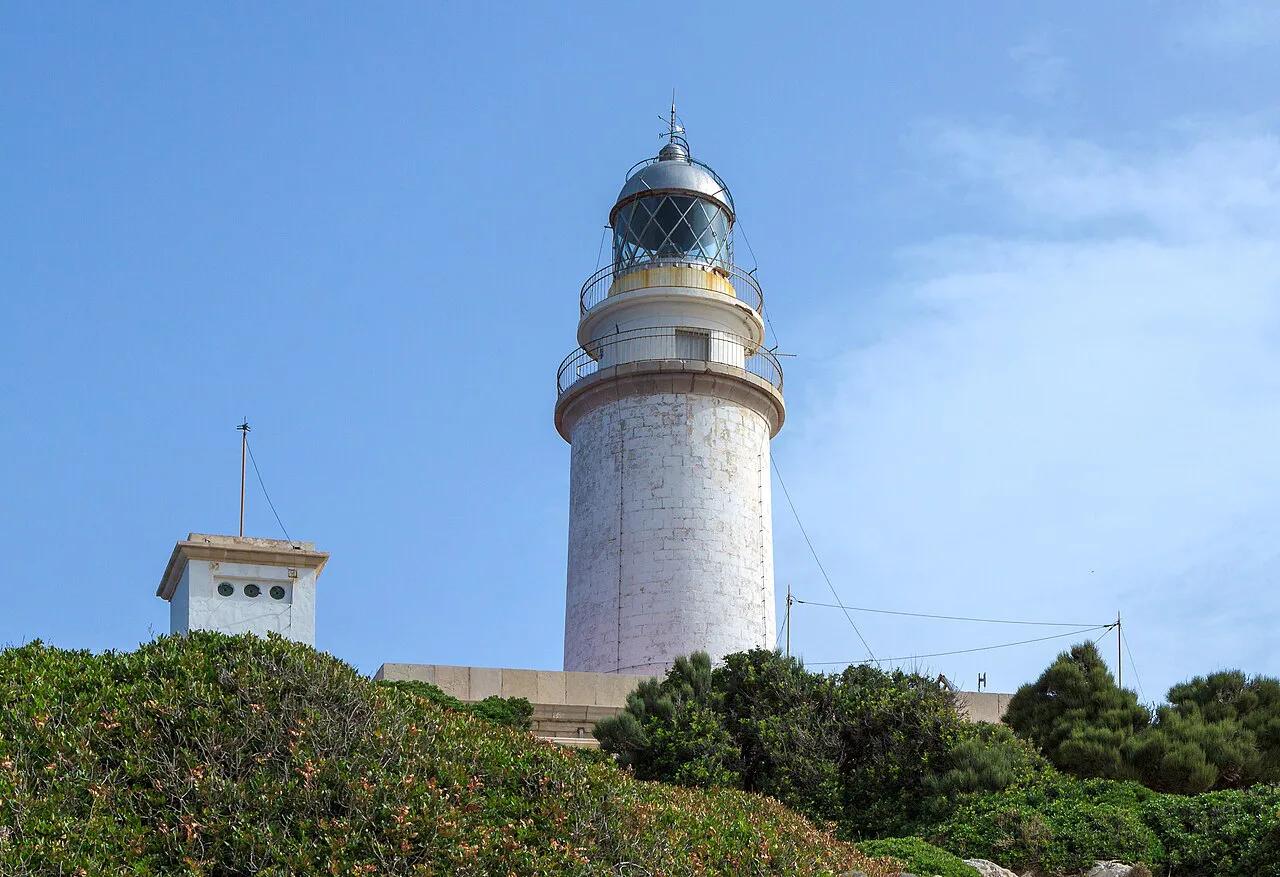
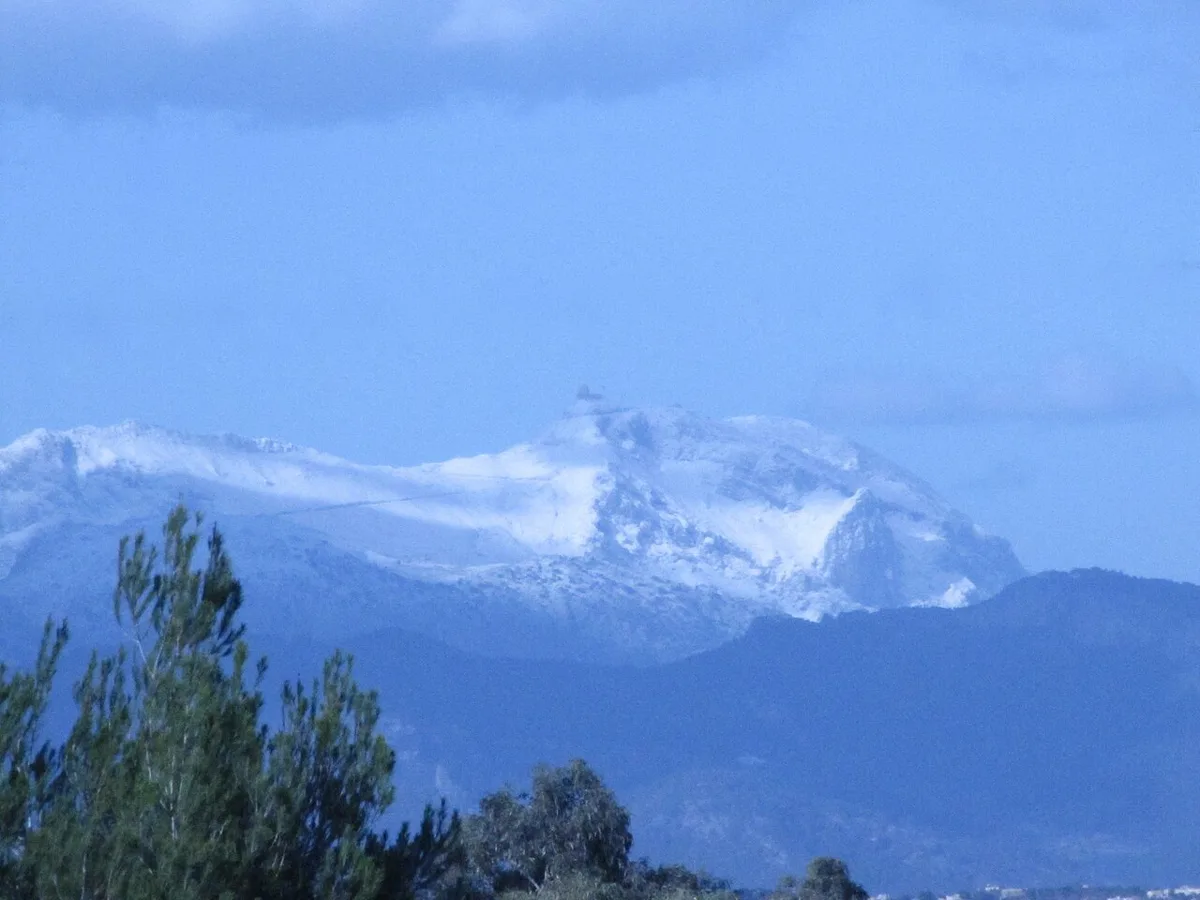
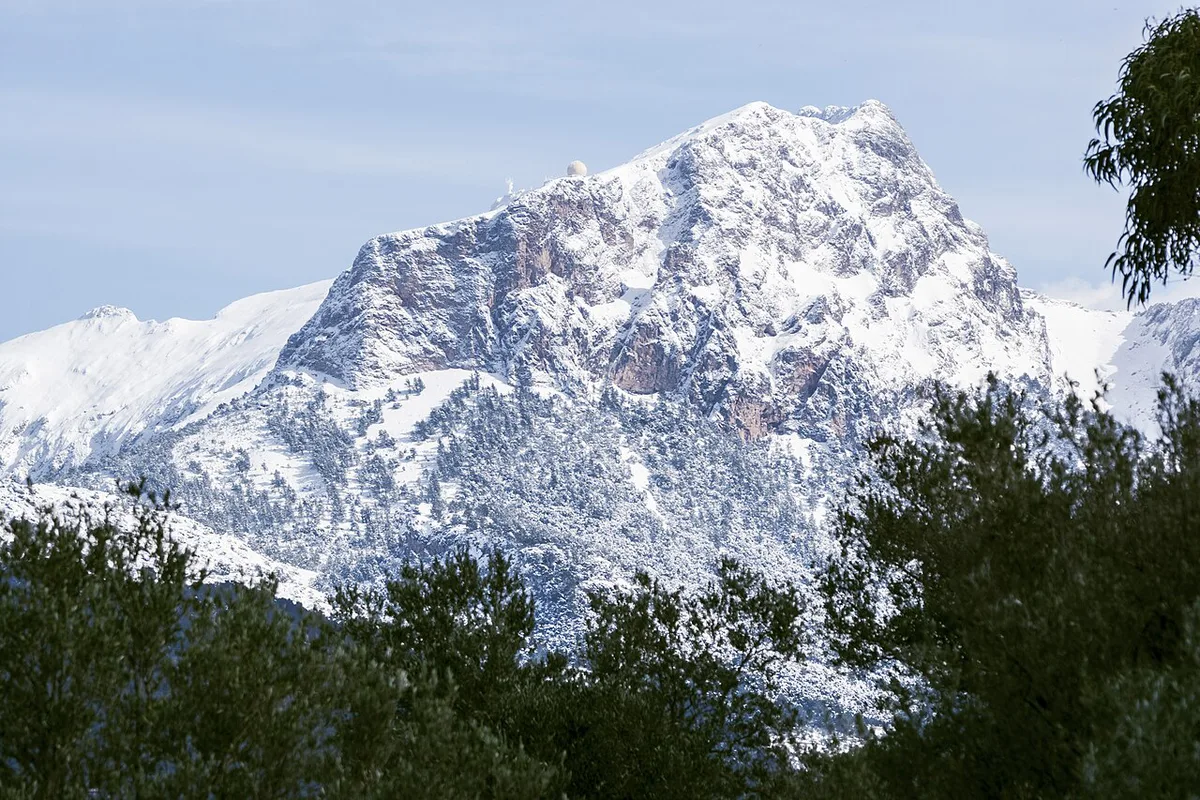
Start your shortlist with Mallorca route options, then favor loops with clear shortcuts and a realistic way back. A flat profile alone doesn't make a ride sheltered or easy to abandon. For bigger days, compare options for riding the Tramuntana mountains against your current climbing fitness. Treat the Sa Calobra ride as a full outing. Check the road layout and riding direction, then budget time and energy for climbing back out. Keep the Puig Major ascent on a movable day. Apply that rule to a Coll de Sóller climb too, since a familiar name says nothing about today's conditions. For Cap de Formentor Cycling: Route, Difficulty & Access, check current access rules and judge wind exposure for both directions. Reaching the lighthouse is only part of the ride. If you want an off-road alternative, compare Mallorca mountain bike options, but check trail conditions because dirt isn't automatically the wet-day choice. Before leaving, search DGT traffic information and ask the relevant local road authority about restrictions. Use the table as a decision aid, not a safety guarantee.
| Ride-day factor | Go | Shorten or switch | Skip |
|---|---|---|---|
| Rain and road surface | Conditions suit your skills and kit | Showers or damp sections affect only part of your options | Rain or wet descents exceed your ability to ride them |
| Wind and gusts | Forecast is manageable for your handling | Exposed sections look doubtful | Gusts could compromise your control |
| Mountain temperature | Your layers cover climbs, stops and descents | A lower route better matches your kit | Cold exceeds what you can manage |
| Official warnings | No warning affects your plan | An alternative avoids the affected area and hazard | Warnings affect every practical option |
| Road status | Route is open to bikes | A permitted alternative is available | Access is closed with no suitable alternative |
| Daylight | Finish has a comfortable time margin | A shorter loop restores the margin | You can't finish as planned with suitable visibility |
Where should you stay in February?
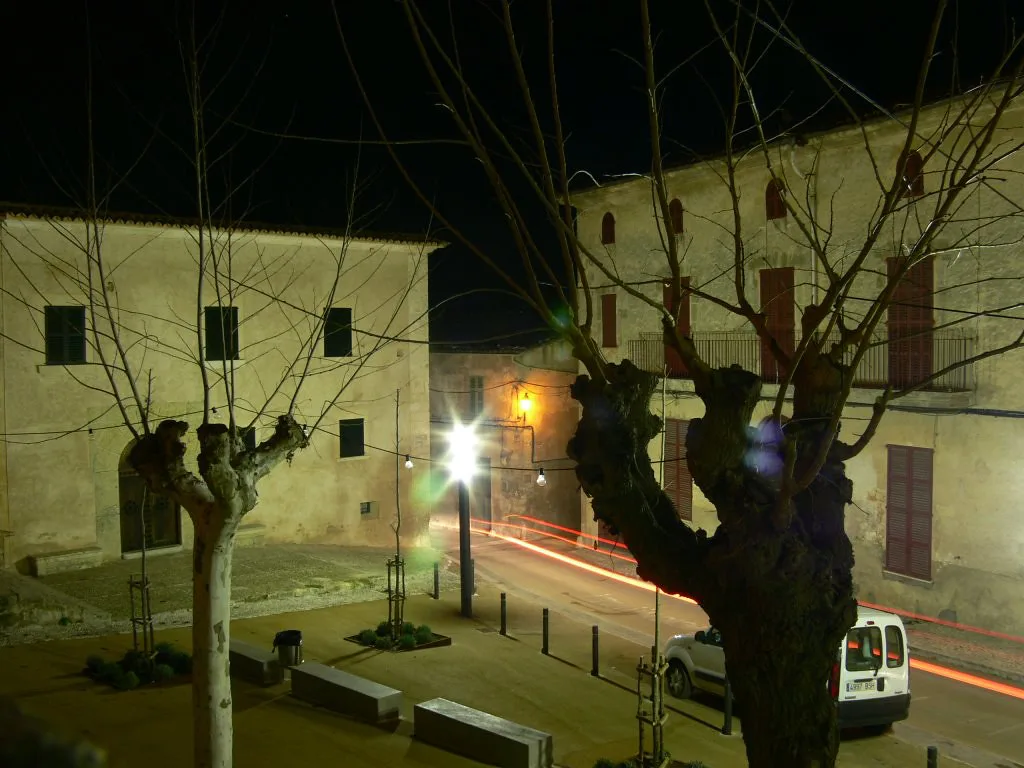
Choose your base around the rides you expect to do on ordinary days, not only your biggest climb. Port de Pollença, Alcúdia, Sóller and Inca are all options to compare. For the first, review riding from Port de Pollença. Ask each property about secure storage, bike-washing space and meal times on your dates. When comparing bike-friendly places to stay, get seasonal services confirmed in writing. One base avoids packing up and moving bikes. Two may reduce access rides, but you'll lose some flexibility and need to arrange luggage transfer.
| Base | Test before booking | May not suit you if |
|---|---|---|
| Port de Pollença | Distance to intended climbs and easier loops from your door | Your preferred routes require awkward transfers |
| Alcúdia | Route access, hire delivery and bad-weather options | Your chosen property lacks the support or off-bike services you need |
| Sóller | Climbing required from the door and easy-day choices | You want a gentle start but your planned exits begin uphill |
| Inca | Access to your target roads and nearby practical services | You want to stay by the coast |
Should you ride independently or book support?
Independent riding gives you the most control over route changes, but you handle navigation and breakdown plans. A self-guided package may organize some logistics, while a guided trip may add local decision-making and group support. Neither label guarantees a support vehicle or weather refund. Compare written quotes in euros for hire, delivery, lodging, transfers, guiding, damage cover and bike transport. A bundle can look dearer than a room-and-bike booking, so price the same inclusions both ways. Before paying, ask about deposits, date changes, weather cancellation, route substitutions and what “all-inclusive” covers. Compare bike hire in Mallorca with flying your own bike. Hiring can reduce airline handling, while bringing yours preserves your usual fit. Check frame size, tires, gearing, pedals and repair responsibility. Save contacts for Mallorca bicycle shops, then confirm February opening times and call-out coverage. For a possible bailout, check routes and bike carriage with Balearic public transport service TIB. If a Sóller plan relies on rail, ask the Tren de Sóller operator about service and bike rules for your date.
What should you pack for changeable rides?
Pack removable layers that work for a cool start, a warm climb and a colder descent. Keep rain protection accessible rather than buried in luggage. Shorts may work for some riders and conditions, but bring leg coverage too. Review current requirements for helmets, lights and reflective gear separately from comfort advice.
- Cold start: base layer, warm outer layer, gloves and optional leg warmers.
- Climb: breathable layers you can open or remove.
- Descent: dry gloves and a wind-resistant shell.
- Rain: waterproof or water-resistant jacket and protection for your phone.
- Visibility: lights and visible clothing suited to the conditions and legal requirements.
- Self-sufficiency: tube or tubeless repair kit, inflation tool, multitool, food, water and payment.
- Night before: check forecasts, warnings, road status, sunset and your shortcut.
- Morning: recheck conditions, charge devices and confirm that planned food or water stops are open.
How should you plan your riding days?
For a February 2027 trip, build a flexible order instead of assigning every climb to a fixed date. Put your main mountain goal on the first suitable day after you've checked your bike. Short breaks leave fewer chances to reschedule, so choose one priority and treat any other major ride as optional. Training for the Mallorca 312 challenge shouldn't override the day's conditions.
- Arrival: check bike fit, brakes and gears on an easy ride if conditions allow.
- Movable mountain day: set a turnaround time and know your exit options.
- Alternative day: keep a shorter route with fewer commitments ready.
- Backup day: rest, handle repairs or do something off the bike.
- Final planning: leave enough time to return, pack or transport your bike.
Should you book your February trip?
Make your booking decision on flexibility as much as fitness. A refundable or changeable plan has more value when one particular ride matters to you.
Last updated November 2026, this guide predates a February 2027 trip, so confirm operator dates and forecasts closer to departure.
- Book if you can ride around changeable conditions, your kit suits cool or wet spells and essential services are confirmed.
- Book with extra flexibility if mountain rides are a priority and you can reorder or replace them.
- Reconsider if your holiday depends on warm weather, dry roads or completing set climbs on set days.