Cycling in Northern Spain: 7 Best Areas and Routes
Compare 7 choices for cycling in northern Spain, from Asturias climbs to Camino routes and Rioja vineyards. Plan difficulty, season, bikes and transport.
Last updated November 2026: for cycling in northern Spain, our editorial picks are Asturias for major climbs and Santander to Gijón for hilly coastal touring. Choose a Camino for pilgrimage, the Basque Country for food and hills, La Rioja for wine, or a short, gentle trip with support for families. E-bike riders should compare charging, daily climbing and return transport, because a motor does not make every road suitable.
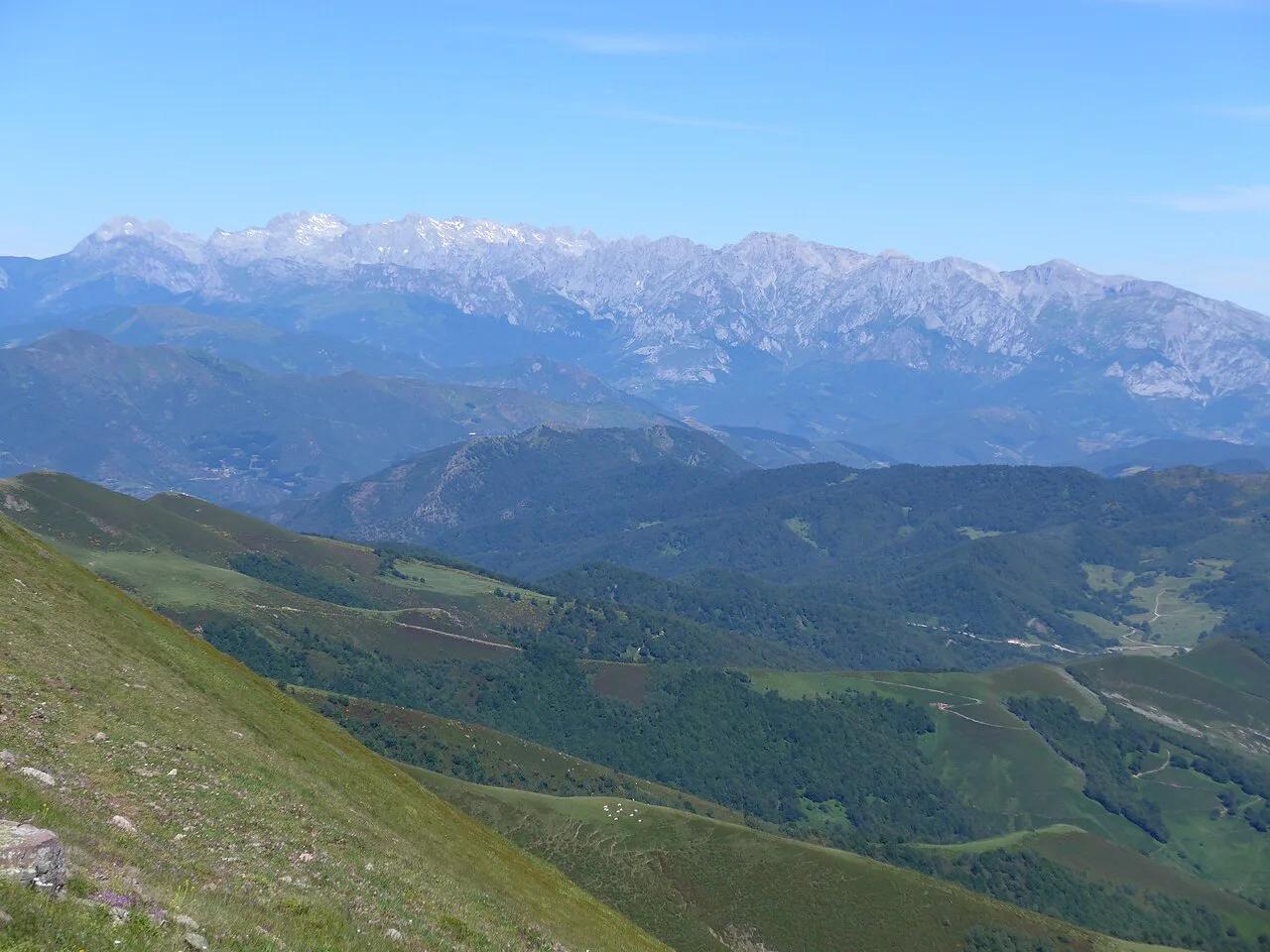
Featured image: Teofrasto820, CC BY-SA 4.0, via Wikimedia Commons.
Where Should You Cycle in Northern Spain?
Match your base to your hardest acceptable riding day, then think about scenery. Our core area covers Asturias, Cantabria, the Basque Country and Galicia, with La Rioja as an inland extension. Porto to Santiago, the Ruta de la Plata from Seville, Catalonia and Pyrenees traverses fall outside this guide. These rider matches are editorial judgments.
| Area or route | Best fit | Terrain and bike | Access or support to plan | Main drawback |
|---|---|---|---|---|
| Asturias | Climbers | Mountain roads for road bikes; separate off-road options | Climb access and bike hire | Hard ascents |
| Cantabria | Coast and hill touring | Rolling coast, hillier inland; touring or road | Links between bases | Climbing adds up |
| Santander to Gijón | Multi-day tourers | Mostly tarmac with some track and dirt | One-way return | Hilly stages |
| Basque Country | Food, towns and climbs | Coastal and inland hills; road or touring | City hire and transfers | Uneven terrain |
| Galicia | Varied touring | Flatter sections and climbs; bike depends on route | Start point and Santiago return | Wide range of difficulty |
| Camino routes | Point-to-point pilgrims | Paved and rougher sections; touring, gravel or MTB | Luggage and return travel | Consecutive riding days |
| La Rioja | Wine-focused riders | Vineyard roads and greenway options | Inland transfer | Summer heat |
7 Best Areas and Routes for Cycling in Northern Spain
These 7 choices are arranged by riding style, so the numbers are not a quality ranking. Operator distances and trip formats were checked in November 2026. Each example describes that company's trip, not a regional standard.
1. Asturias: Best for Mountain Climbs
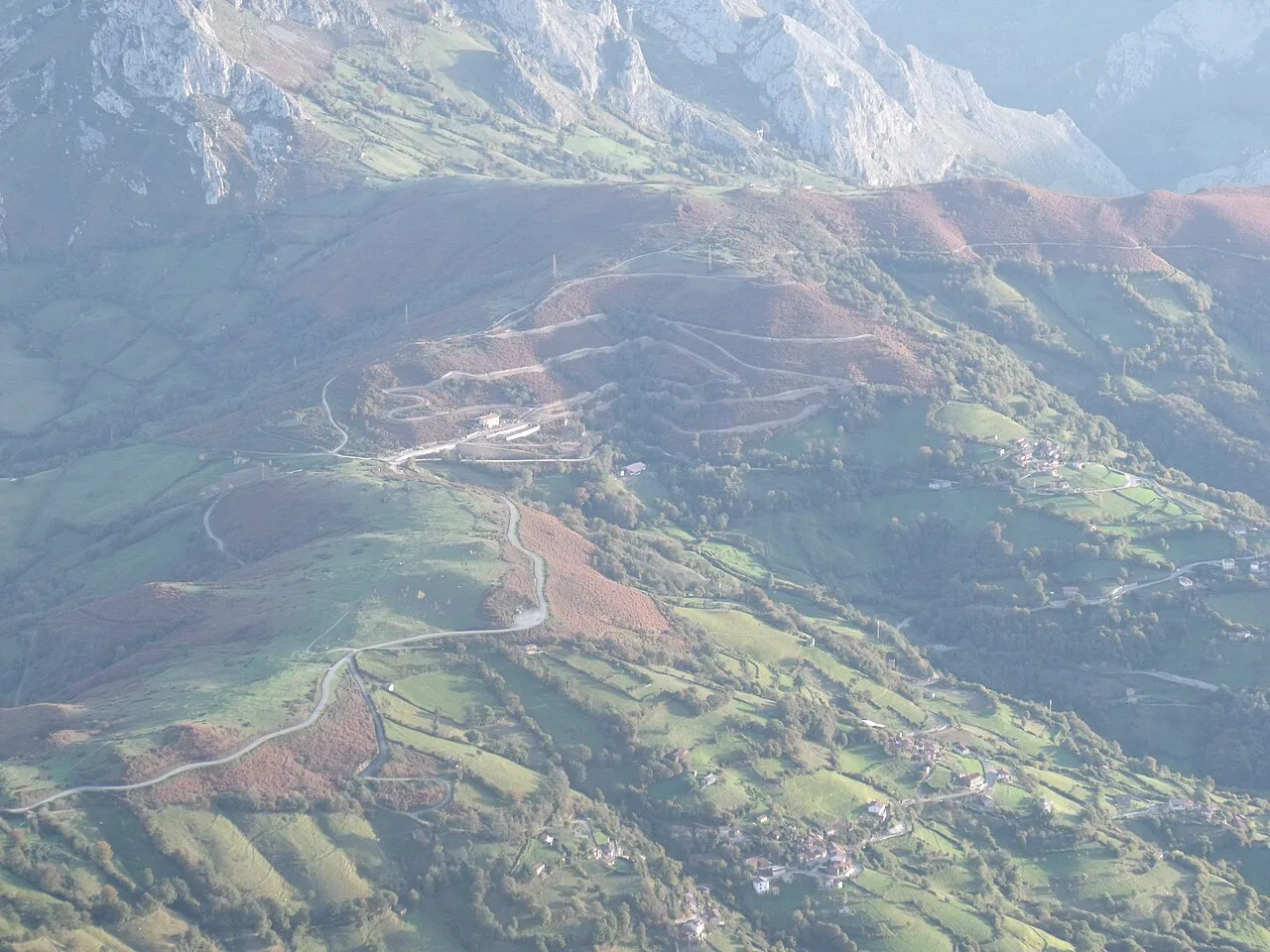
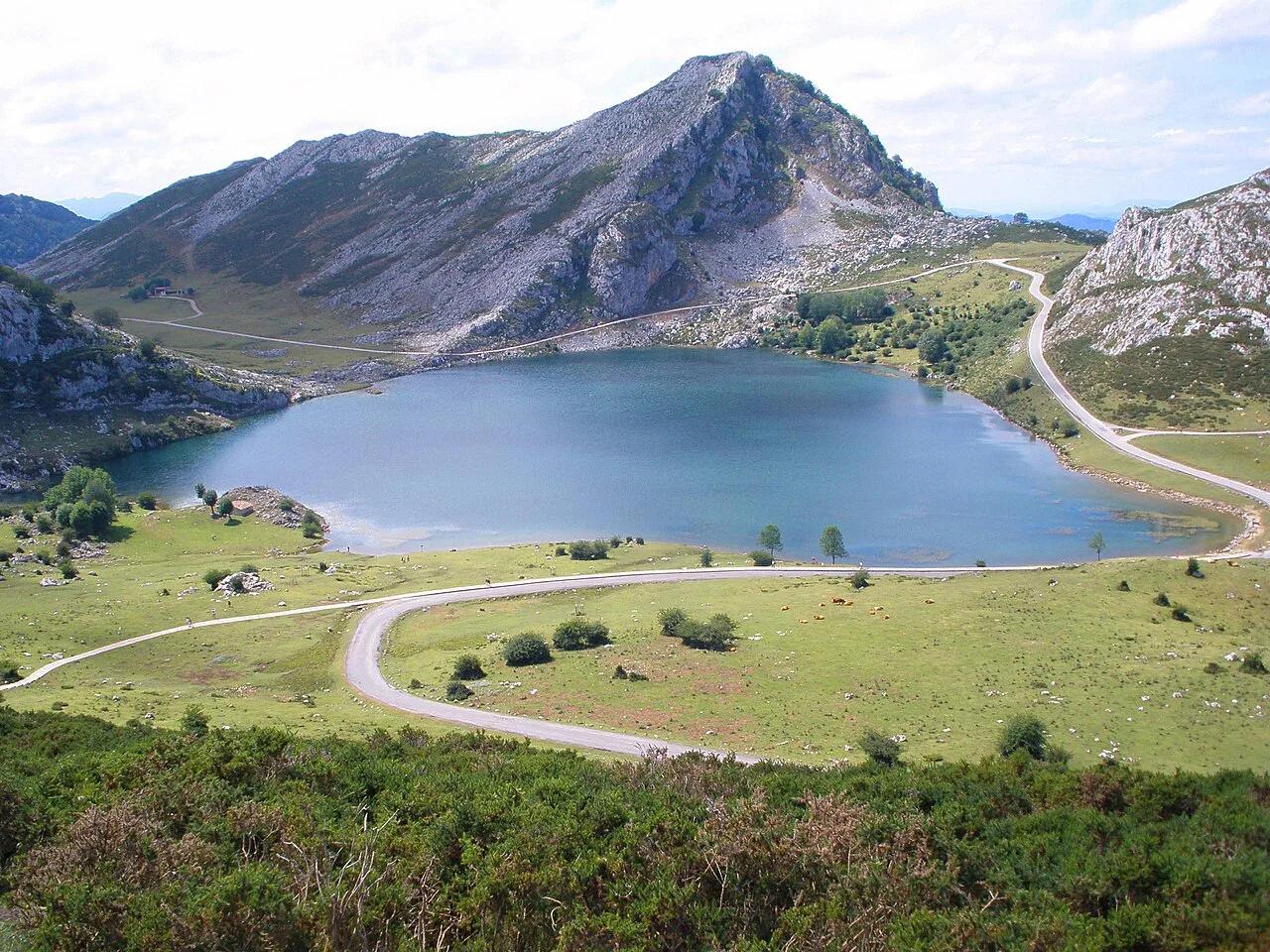
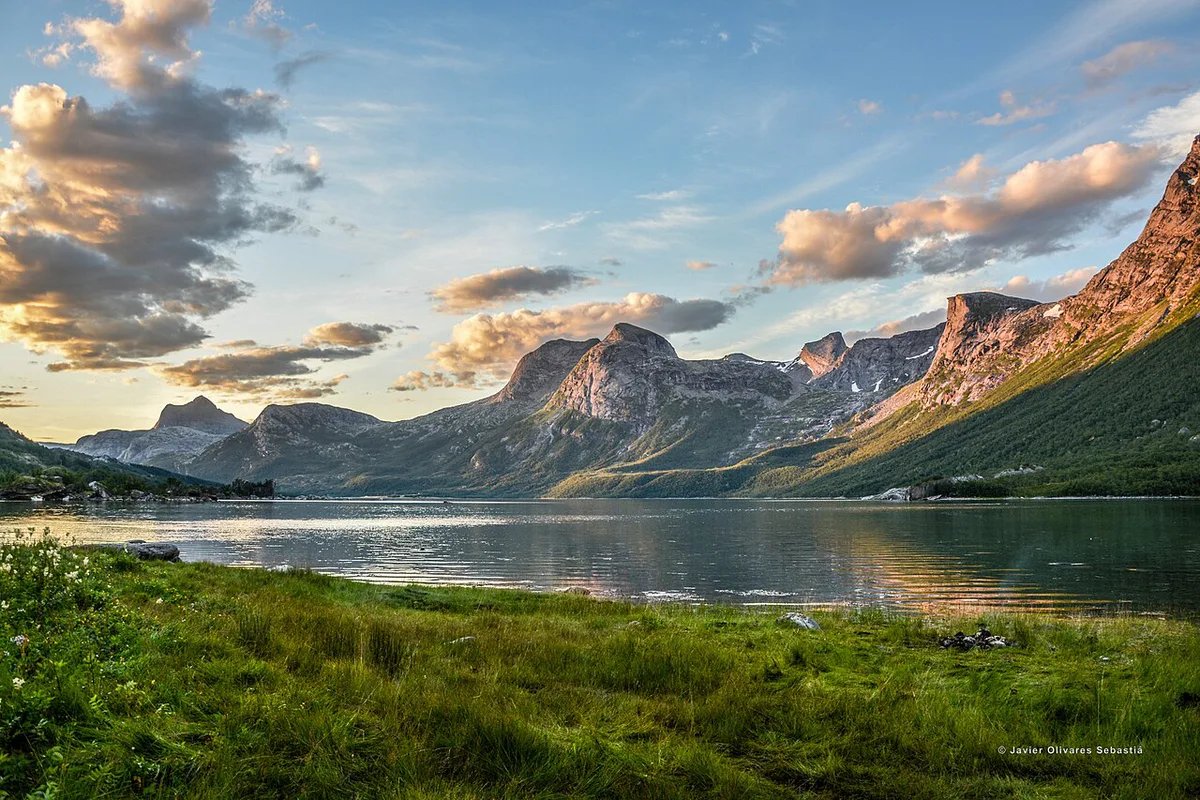
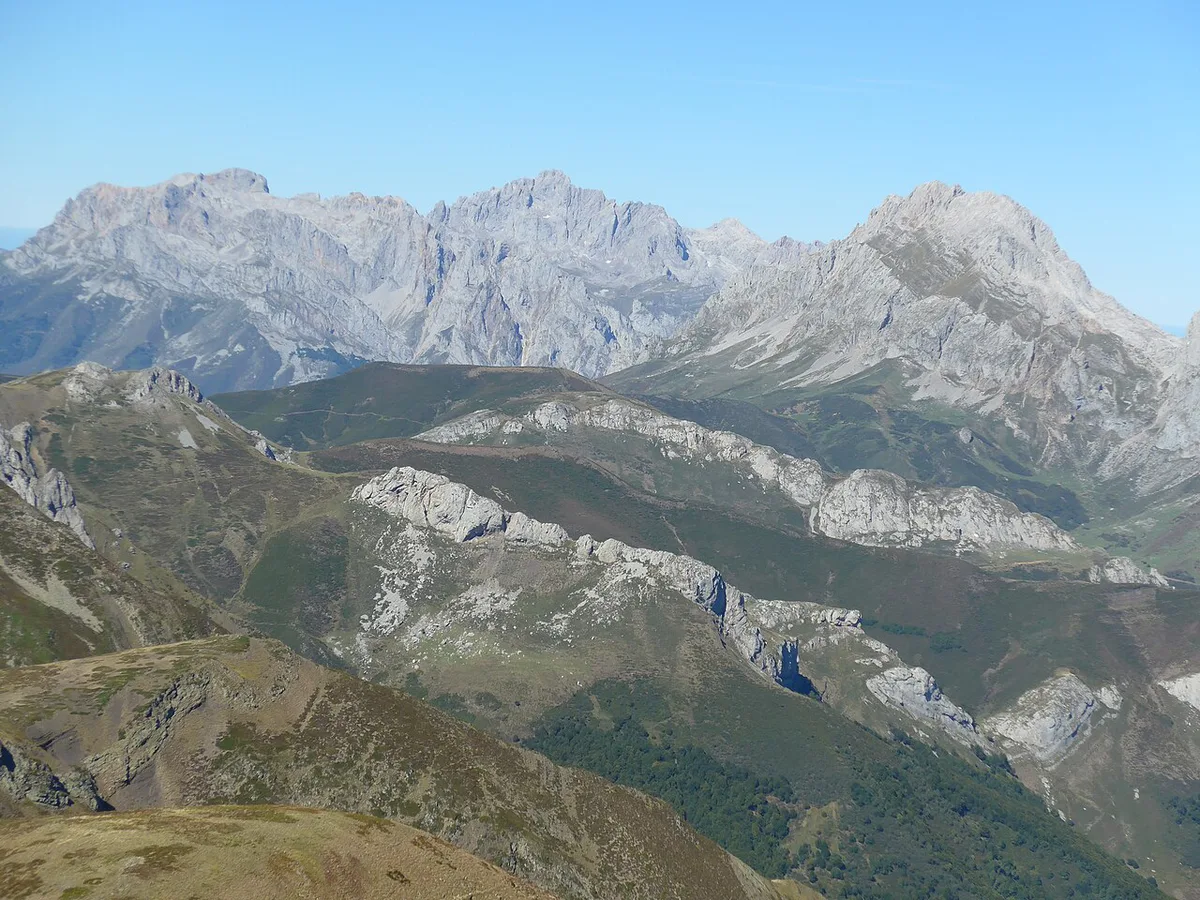
Pick Asturias for Angliru, the Lagos de Covadonga, Gamoniteiro or Puerto de la Cubilla, climbs associated with La Vuelta racing. Peaks above about 6,500 ft in the Picos de Europa stand roughly 16 miles from the coast in a straight line. S-Cape Spain, a local operator, offers a 4-day Cabrales trip based in one area, with road-bike days to plan around your legs.
Start your planning with our guide to riding across Asturias. For summit detail, read about the steep Angliru ascent and the Covadonga lakes climb separately, including current road access. Skip this choice if sustained climbing would spoil your holiday.
2. Cantabria: Coast With Inland Hills
Cantabria suits riders who want seaside towns plus inland hills toward the Cantabrian Mountains. Santillana del Mar, Comillas and San Vicente de la Barquera give you a clear westward chain of possible bases. Stop in Comillas to see Gaudí's El Capricho.
The Miera Valley, Liérganes and Somo are options for a separate leg toward Santander Bay. One IberoCycle listing runs 8 days from Santillana del Mar to Somo, with daily rides of 23 to 41 miles. Skip it if you need consistently flat roads, and map each link's direction, climbing and transport before booking.
3. Santander to Gijón: Multi-Day Green Coast Tour
This one-way trip from Away from the Crowds crosses Cantabria and Asturias, with 6 riding days in an 8-day, 7-night holiday. Overnight stops include Santillana del Mar, San Vicente de la Barquera, Llanes, Ribadesella and Villaviciosa. Daily stages run 20 to 31 miles with 1,309 to 2,598 ft of climbing.
Its surface mix is 85% tarmac, 10% cycle track and 5% dirt road. You get time for Comillas or Lastres at lunch, but the operator grades the ride Moderate+ with perhaps four ascents daily. Skip it if “coastal” means flat to you.
4. Basque Country: Hills, Food and Towns
Base yourself in San Sebastián or Bilbao if you want city evenings between hilly rides, with pintxos bars after you finish. Zarautz, Getaria, Lekeitio and Mundaka are coastal options, while Jaizkibel and Urkiola are named climbing targets. Skedaddle lists them at about 1,490 ft and 2,300 ft respectively; those are heights, not total ascent.
An IberoCycle example rides 44 miles from San Sebastián over Monte Igueldo to Lekeitio. Our guide to Basque cycling routes is the next planning step. Skip this area if you want flat, traffic-free riding every day, and assess each road before committing.
5. Galicia: Varied Touring Toward Santiago
Galicia, an autonomous community in northwest Spain, offers flatter riding as well as climbs through coast, forest and interior. Santiago de Compostela makes a natural finish for a pilgrimage-focused journey. You can also build days around A Coruña's Tower of Hercules, Lugo's Roman walls or the wine-growing Sil Canyon.
The rugged Costa da Morte, or Death Coast, is another touring option with fishing villages. Pick your bike only after choosing between road, gravel and trail sections. See our Galician riding guide for route planning, and skip a broad loop if your short trip allows only one base.
6. Camino del Norte or Primitivo: Point-to-Point Pilgrimage
Choose the Norte for a journey from the Basque Country west through the north before heading to Santiago. The Primitivo starts in Oviedo and crosses rural Asturias and Galicia, with several demanding stages. S-Cape Spain suggests surfaced-road shortcuts where Camino paths are narrow or stony.
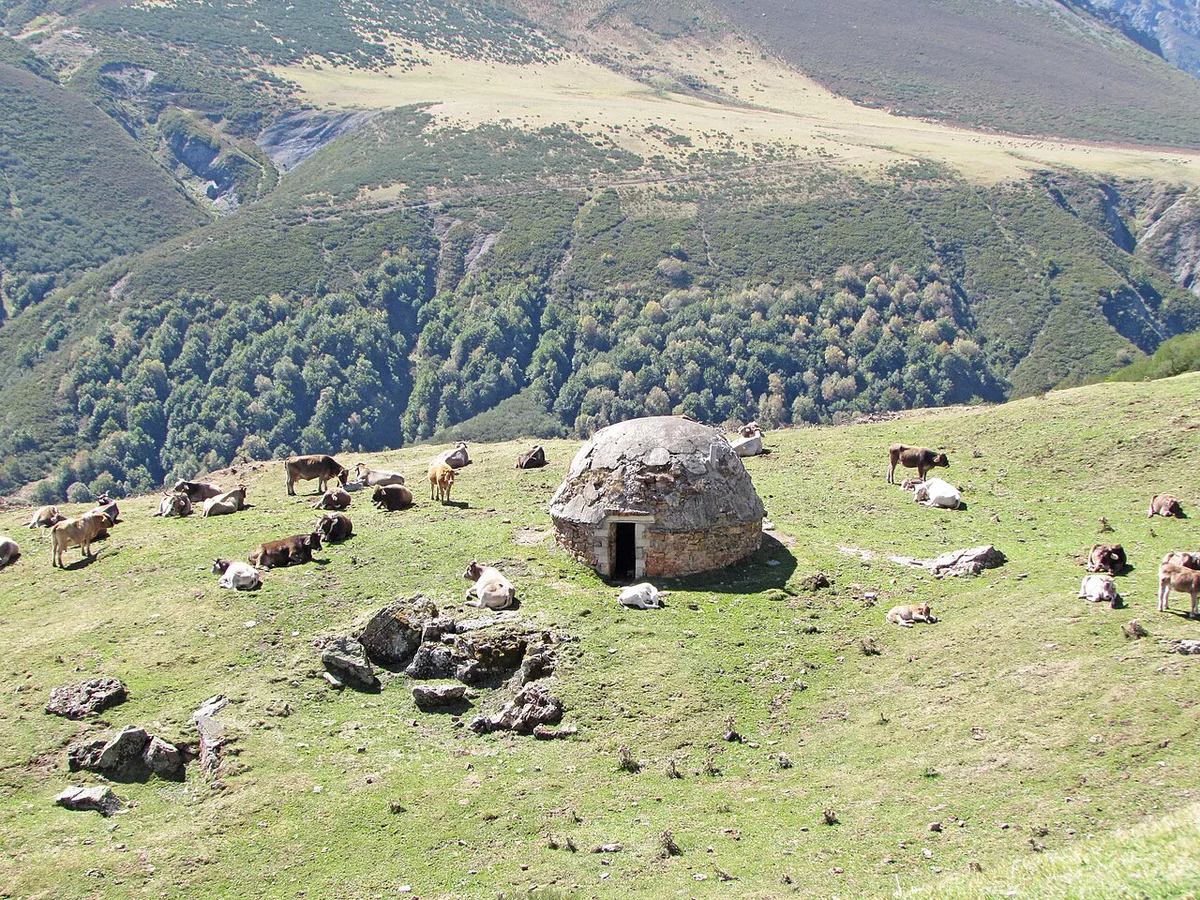
Its Primitivo challenge covers about 186 miles over 6 riding days in an 8-day trip. For a Compostela by bike, it gives a minimum of about 124 miles (200 km); confirm current conditions with the Santiago Pilgrim's Office. Skip walking-trail sections unless bikes are allowed and your tires suit them; the Camino Francés is a separate inland choice.
7. La Rioja: Inland Vineyard Extension
Add La Rioja for a wine-focused change from the green coast, using Logroño, Haro, Laguardia or the Ebro as planning anchors. Skedaddle lists an 8-day self-guided trip graded Gentle/Moderate, with vineyards, greenway riding and San Millán de la Cogolla monastery. Search the Vías Verdes greenway network for former-rail routes, then inspect every connection because a greenway does not make the whole day car-free.
Our Rioja vineyard ride guide can help you shape the extension. Taste after the day's final ride, or use non-riding transport after a winery visit. Skip midsummer if heat is a problem.
How Hard Is Cycling in Northern Spain?
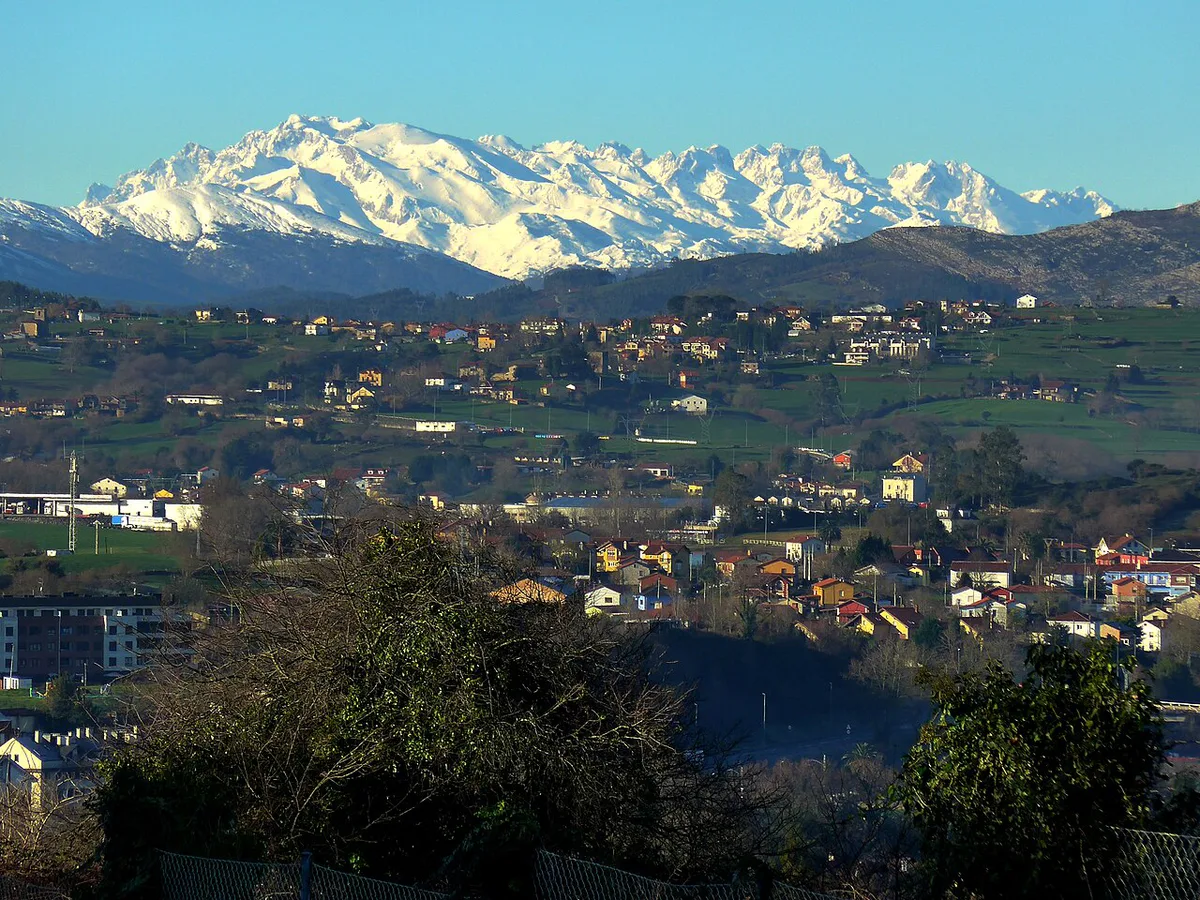
Distance alone can mislead you. On the Santander to Gijón example, daily averages are 27 miles and 2,069 ft of climbing. Its Villaviciosa arrival stage is the biggest listed climb, at 2,598 ft over 30 miles. Compare ascent, steepness, surface, consecutive days and luggage, then judge the hardest day as well as the average. S-Cape Spain's mountain-bike Picos trip shows another level, with routes reaching about 4,900 ft of ascent.
- Choose another option if the hardest climb exceeds what you can repeat comfortably on a multi-day trip.
- Switch to a single base if daily luggage carrying or fixed hotel transfers would remove your flexibility.
- Pick a paved route if rough or muddy sections would push your handling skills.
When Is the Best Time to Go?
Late spring and early autumn are our editorial first choices. TourRadar favors May, June and September within an April to October touring window.
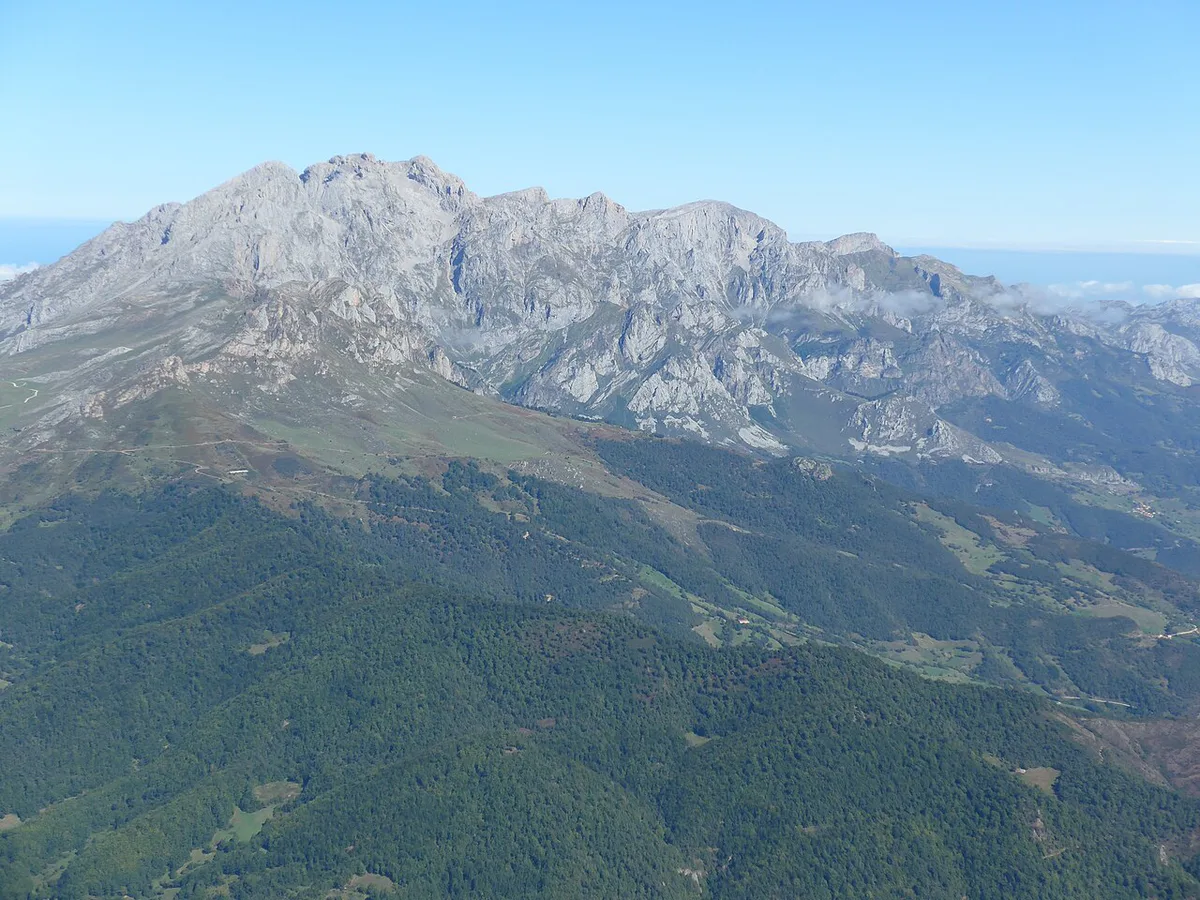
- Spring: S-Cape Spain cites typical temperatures around 64°F from April to June. Pack for rain, and assess high roads separately from coastal conditions.
- Summer: S-Cape Spain gives a 73°F average for July and August in the north. Rain still occurs, while La Rioja can be hot.
- Early autumn: Mid-September through October averages around 64°F in the same operator's guidance, with quieter roads reported. Shorter daylight should shape longer stages.
- Winter: November through March tends to be wet and cold. Check mountain forecasts, daylight, open lodging and seasonal transport before planning a ride.
Self-Planned, Self-Guided or Guided?
Self-guided travel suits riders who want arranged lodging and their own pace. As of November 2026, Away from the Crowds lists its Green Coast tour from €1,162 per person sharing for April to June and mid-September to October. July to mid-September is €1,512. Bike hire adds €135, or €210 for an e-bike. Its base package includes 7 nights, 7 breakfasts, hotel luggage transfers, navigation, emergency support and activity insurance.
| Decision | Self-planned | Self-guided | Guided |
|---|---|---|---|
| Planning effort | You arrange everything | Company supplies a planned trip | Company organizes the trip |
| Flexibility | Highest control | Own daily pace; fixed bookings | Shared schedule |
| Navigation | Your maps and tracks | Usually supplied; verify format | Guide-led |
| Luggage | Carry or arrange transfer | Check whether included | Check whether included |
| Mechanical or emergency help | Arrange your own | Check response coverage | Check guide and vehicle coverage |
| Group pace | Your party's pace | Your party's pace | Group coordination |
| Cost components | Separate bookings | Package plus extras | Package plus extras |
- Compare lodging, meals, bike or e-bike hire, insurance and luggage transfers.
- Add airport transfers, one-way transfers, ferries and the trip back to your start.
- Check single or solo supplements, seasonal surcharges and cancellation terms. On the Green Coast example's lower-season rate, they are €257 for a single room or €549 for a solo traveler.
Which Bike Should You Take or Rent?
Take a road bike for paved climbs, a loaded touring bike for road tours, and gravel or MTB equipment where the surface calls for it. S-Cape Spain says restaurant or café charging is usually possible if you buy lunch, but arrange it around your route. Test e-bike range against climbing and total load. On some group or supported listings, Skedaddle says the pace follows riders without e-bikes. For families, S-Cape Spain lists an 8-day Asturias trip averaging about 12 miles and 656 ft of ascent daily; check current availability.
- Before renting in Gipuzkoa, compare options in our San Sebastián hire guide.
- For e-bikes, ask about battery removal, charger supply, ferry or transit weight limits and one-way returns.
- For children, check traffic, surfaces, daily ascent, bike sizes, bail-out points, rest days and legal age limits.
Getting There and Moving Between Bases
Bilbao, Santander and Asturias airports serve different ends of a northern trip. Away from the Crowds lists ALSA buses from Bilbao to Santander about hourly, taking 1 hour 30 minutes. Its Gijón guidance gives 45 minutes by bus to Asturias airport and about 3 hours back to Santander. Ferry arrivals from Plymouth or Portsmouth can also start a Santander plan. Passenger service alone does not mean your bike can travel.
- Reserve bike space where required on buses, trains, ferries and flights, and read each operator's packing rules.
- For a parked car in Santander, plan both your return from Gijón and your bike's journey.
- Arrange luggage storage before an arrival-day ride or a late departure.
- Use one base for loop rides; move hotels when a linear route avoids repeated transfers.
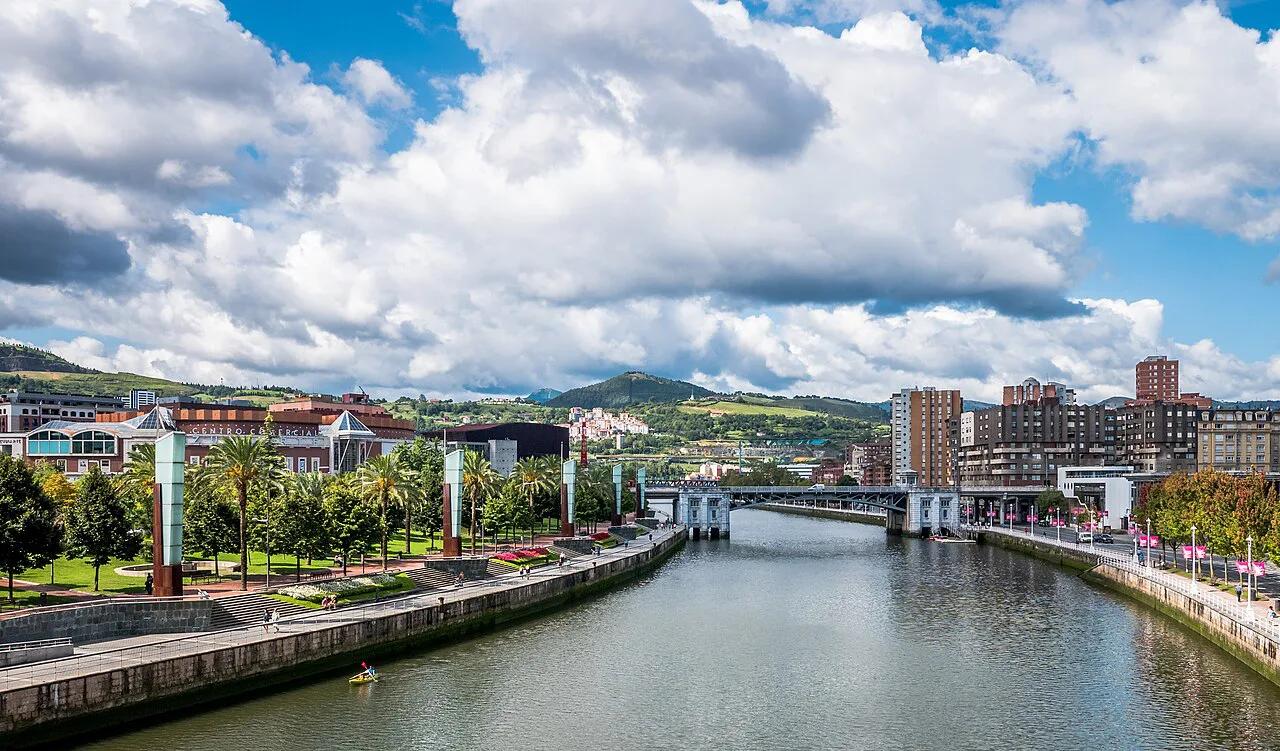
- If you arrive by city, our Bilbao bike hire guide helps with the next choice.
- Browse official Bilbao visitor information while planning your arrival.
How Many Days Do You Need?
For a weekend, stay in one compact area; S-Cape Spain's 2-day family bike-and-hike trip on the Senda del Oso is one example. With about a week, choose a single base or one linear route such as the 8-day Santander to Gijón format. For longer trips, S-Cape Spain suggests 10 days for Bilbao to Oviedo on the Norte. Allow separately for flights, transfers, weather changes and recovery when your booked dates do not already include them.
Safety, Road Rules and Mistakes to Avoid
Expect road riding, since a continuous network of dedicated bike paths should not be your assumption. Download navigation for offline use and carry layers for weather changes. Plan water, food, repair access and an exit point for each remote stage. Review current rules through Spain's traffic authority, DGT, including rules relevant to children and e-bikes.
- Do not judge a stage by distance alone; inspect its climbs and surface.
- Do not assume the coast is flat.
- Do not book a one-way route without a way to return both rider and bike.
- Do not choose tires before checking paved, gravel and trail sections.
- Do not rely on a hotel transfer or repair callout unless your booking states it.
Camino del Norte or Camino Primitivo: Which Fits Your Ride?
Choose the Camino del Norte for a longer coastal journey with frequent changes between towns, roads and rougher Camino sections. Operator schedules allow about 18 days from Bilbao, so it works best when you can give the trip substantial time.
Choose the Camino Primitivo for a shorter but more demanding route from Oviedo through Asturias and Galicia. One challenge itinerary covers about 186 miles over 6 riding days within an 8-day trip. Expect sustained climbing, and use surfaced-road alternatives where official paths are narrow or stony.
For either route, a touring or gravel bike is usually more adaptable than a pure road bike. Confirm luggage transfers, bike transport and your return from Santiago before booking. Riders seeking a Compostela by bicycle need to cover at least 200 km, or about 124 miles, before arriving in Santiago.
Frequently Asked Questions
How many days to cycle the Camino de Santiago?
Your route and starting point set the duration. S-Cape Spain allows about 18 days for the Norte from Bilbao and 8 to 10 days for the full Primitivo from Oviedo. Treat these as operator plans, with extra time for any travel or rest outside the booked trip.
Where is the best place in Spain for cycling?
No single base fits every rider. Within northern Spain, our editorial pick is Asturias for climbers, while La Rioja makes more sense for an inland vineyard trip.
Explore More Guides
Keep planning your trip with these guides.
Guides
- Angliru Climb Guide: Cycling Alto de L'Angliru
- Lagos de Covadonga Cycling
- Cycling in Asturias: Climbs, Gravel Routes & Planning
- Basque Country Cycling
- San Sebastian Bike Rental: How to Choose
- Bilbao Bike Rental: How to Choose and What to Check
- Rioja Bike Tour: How to Choose the Right Ride
- Cycling in Galicia: How to Plan Your Ride