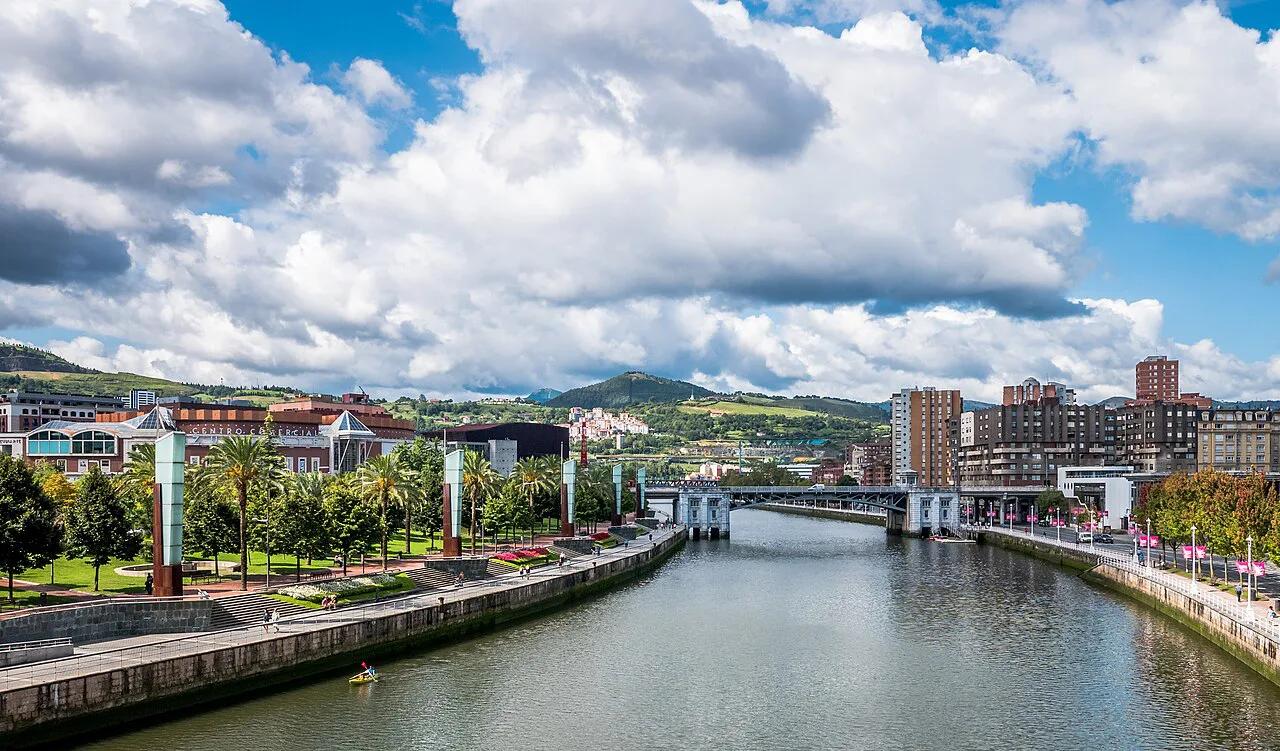
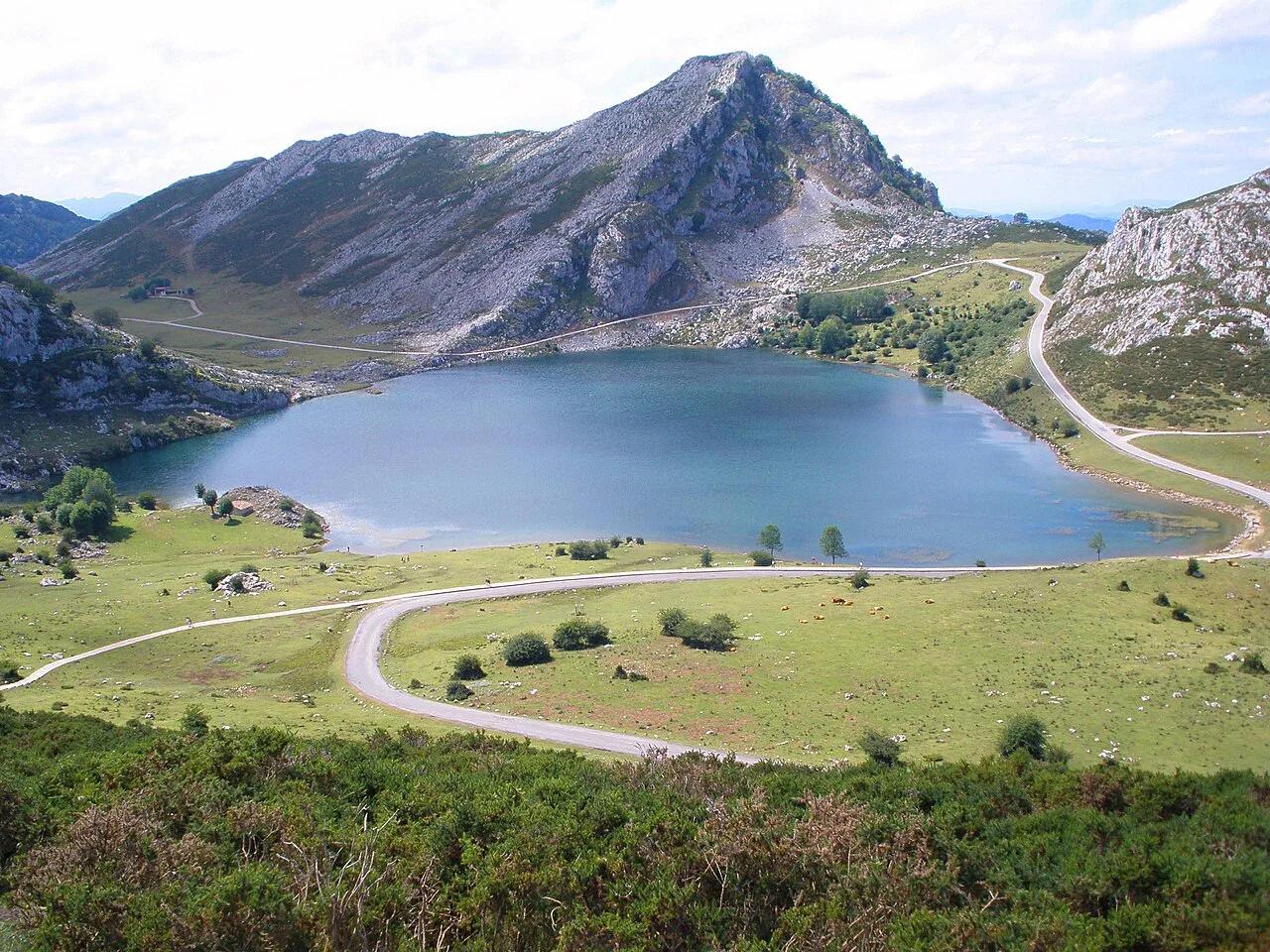
Basque Country Cycling: Terrain, Bases & Trip Planning
Plan Basque Country cycling: judge the terrain, choose a base, compare ride styles and check bike rental, transport and road conditions before you go.
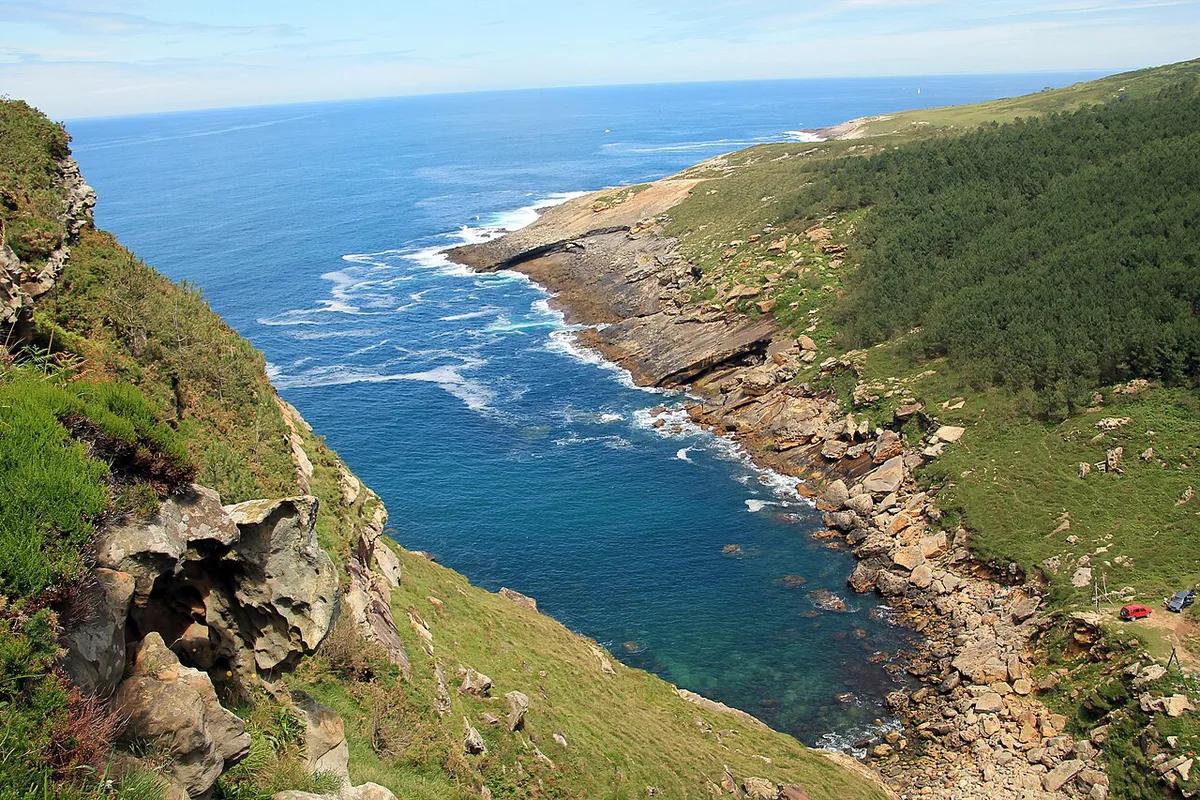
Last updated November 2026: basque country cycling in Spain centers on short or sustained hill efforts by road, with rail-trail options for a different kind of day. Cycling in the Basque Country can suit you if you welcome climbing or can shape easier outings around suitable paths. Your main trade-off is varied riding against the effort and handling that hills may demand. Decide on your ride style first, then pick lodging, gearing and a bike. This guide mainly serves visiting leisure road riders, with pointers for casual cyclists. For a wider trip, compare options for Cycling in Northern Spain: 7 Best Areas and Routes.
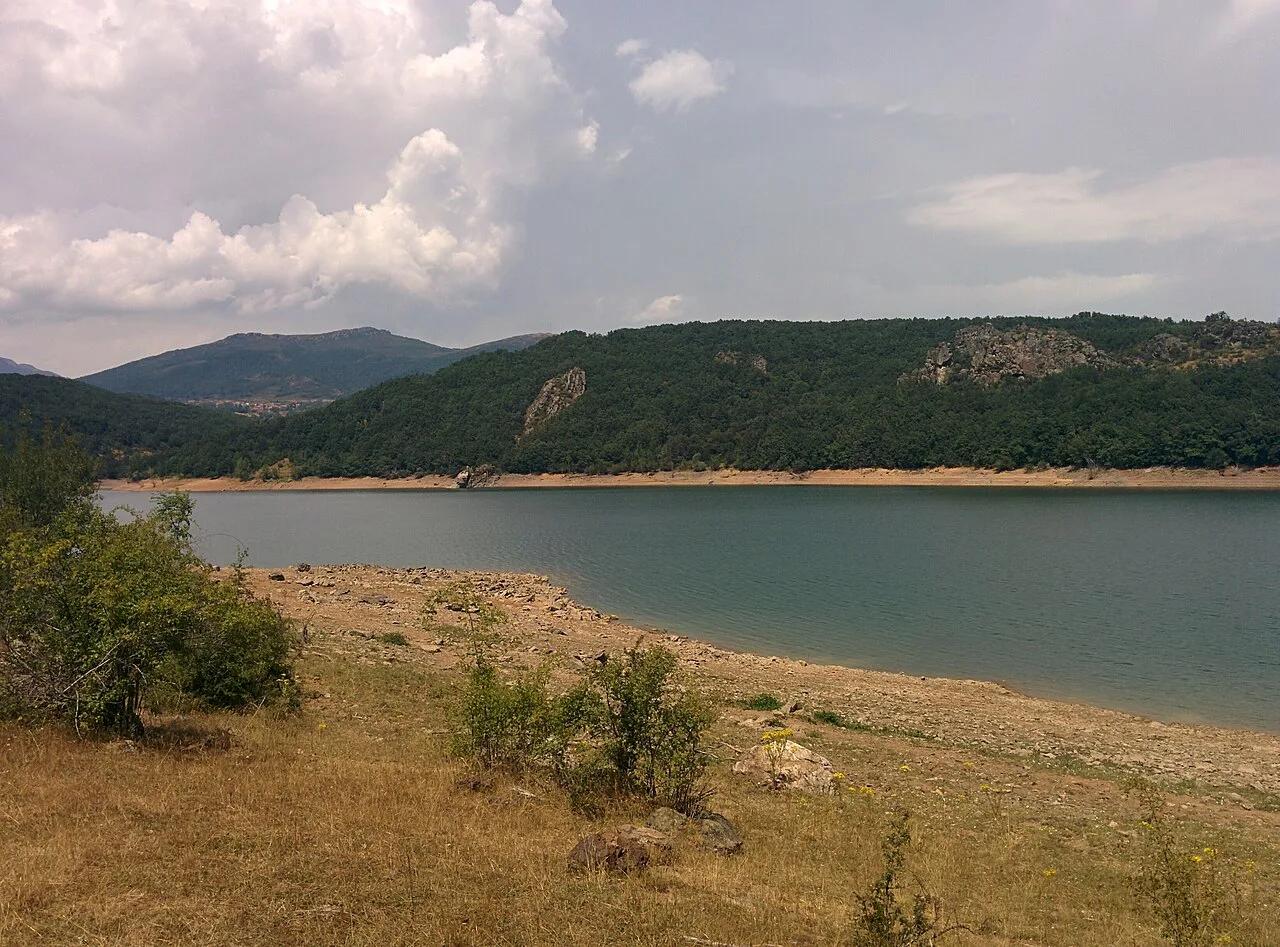
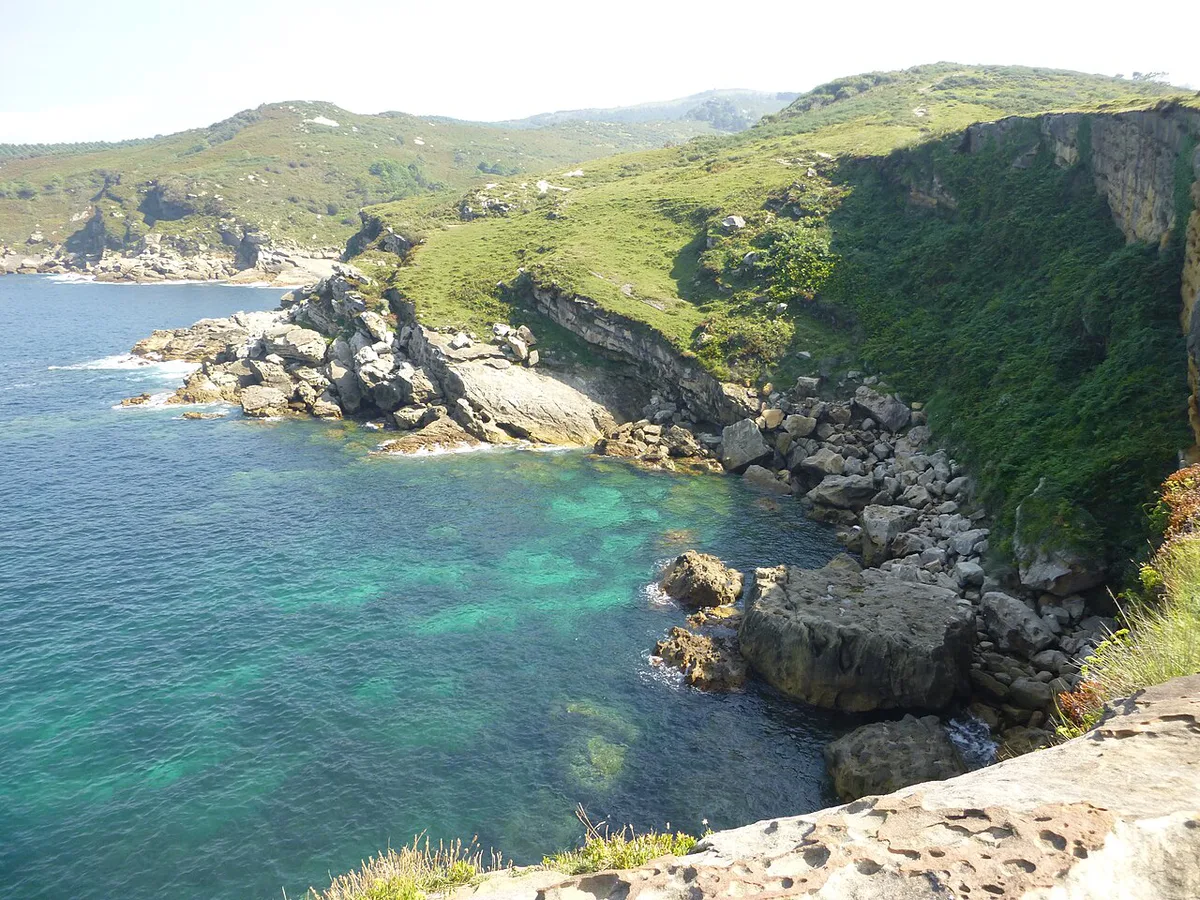
Featured image: Ondare Lagunak, CC BY-SA 4.0, via Wikimedia Commons.
Basque country cycling: what the riding is like
Expect to plan around hills. Coastal roads and narrow inland climbs both feature in the region's best-known stage race, alongside short, steep ascents and technical routes. That describes race terrain, so judge each visitor route on its own profile. Neither coast nor inland automatically means easy.
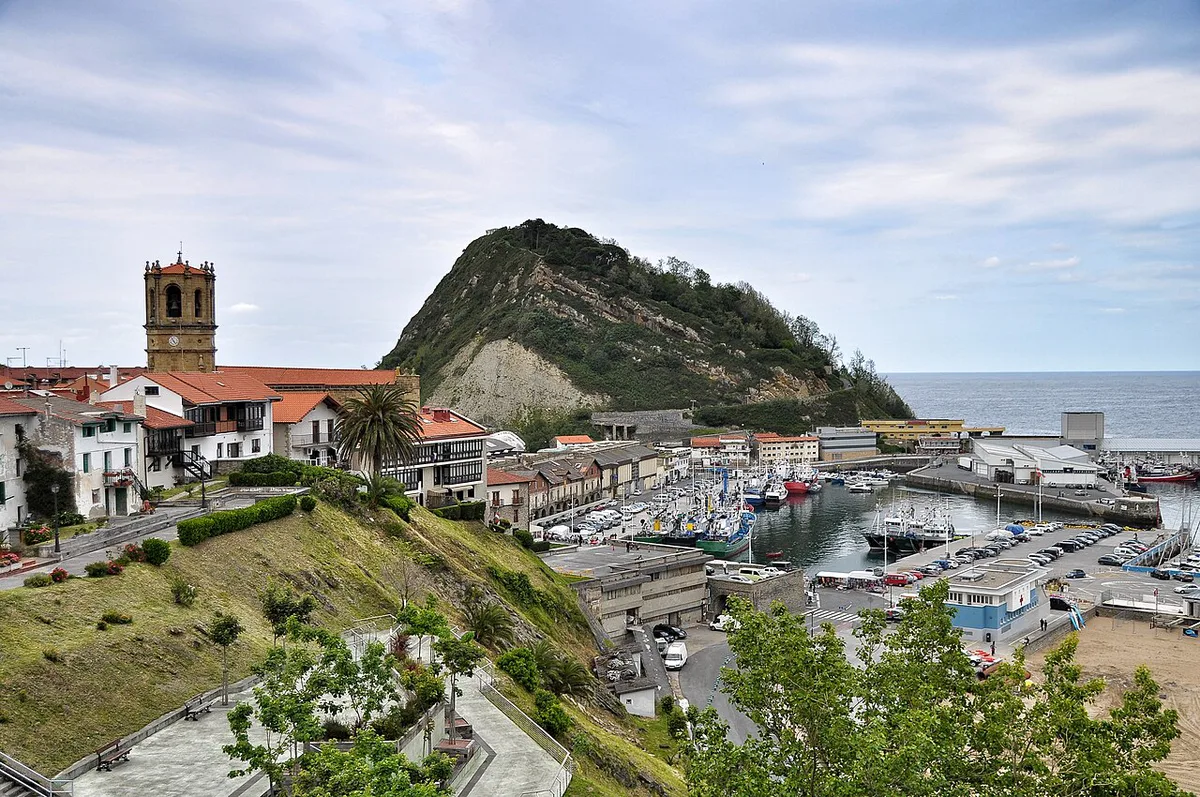
Racing shows how sharp some ramps can be. CyclingUpToDate reported slopes well above 15% at times on Gainza and Lazkaomendi during an April 2025 Itzulia stage. Those were peak pitches, not climb averages.
Distance alone can understate your day. Several short climbs may tire you differently from one long, steady ascent. Descents also demand attention, especially where bends are tight or the road is narrow.
For gentler riding, search the Vías Verdes greenway listings, which cover routes based on old railway lines. Review each trail's surface, access and current condition. Before any ride, read the official weather forecast and allow for seasonal changes.
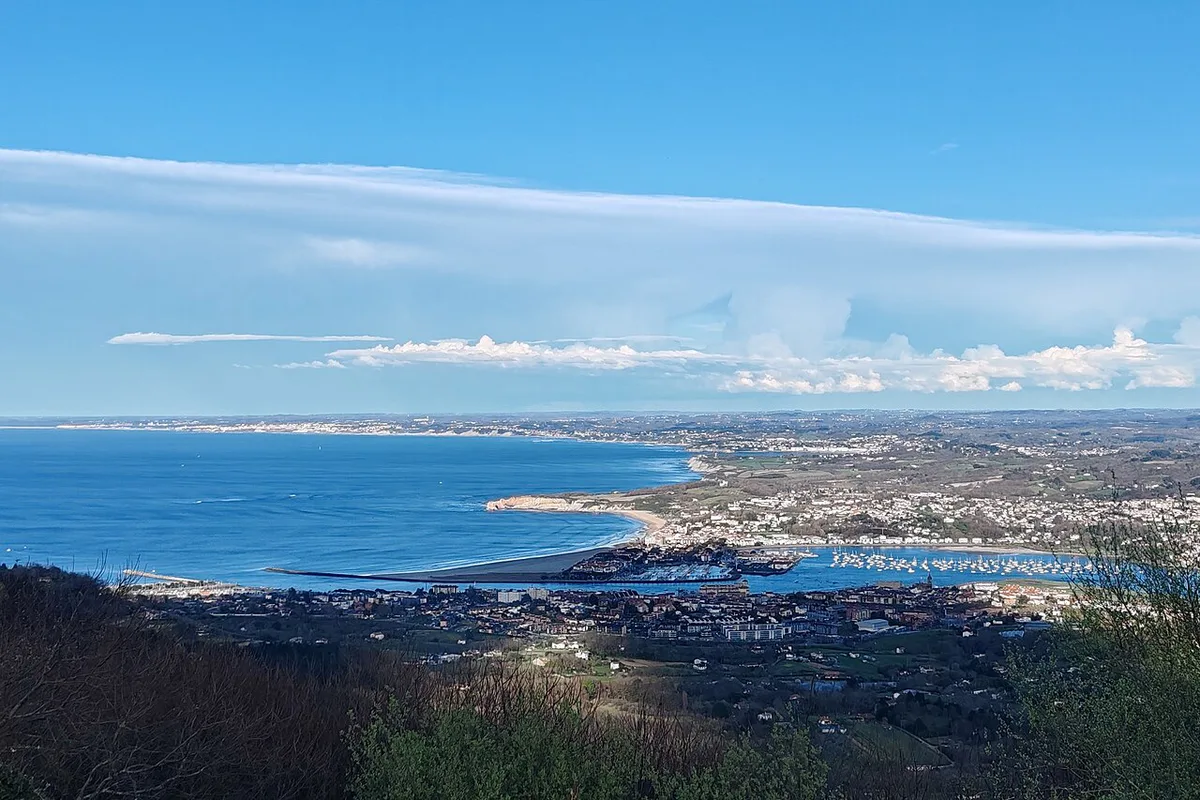
- Total ascent: compare it alongside distance.
- Gradient: look at both the steepest pitch and the longest sustained section.
- Descents: assess bends, road width and your braking confidence.
- Exit options: mark where you can shorten the ride or turn back.
Which kind of ride fits you?
Choose for the day you can comfortably finish, including the return. These comparisons are editorial guidance rather than official route grades. If your group has mixed abilities, plan around the rider with the least climbing or handling confidence.
An e-bike can change how a climb feels, but you still have to manage descents and the bike's weight. Match battery range to total ascent, and arrange charging. Ask about carrying it on stairs or trains. Read the rental terms for battery, charger and breakdown responsibilities.
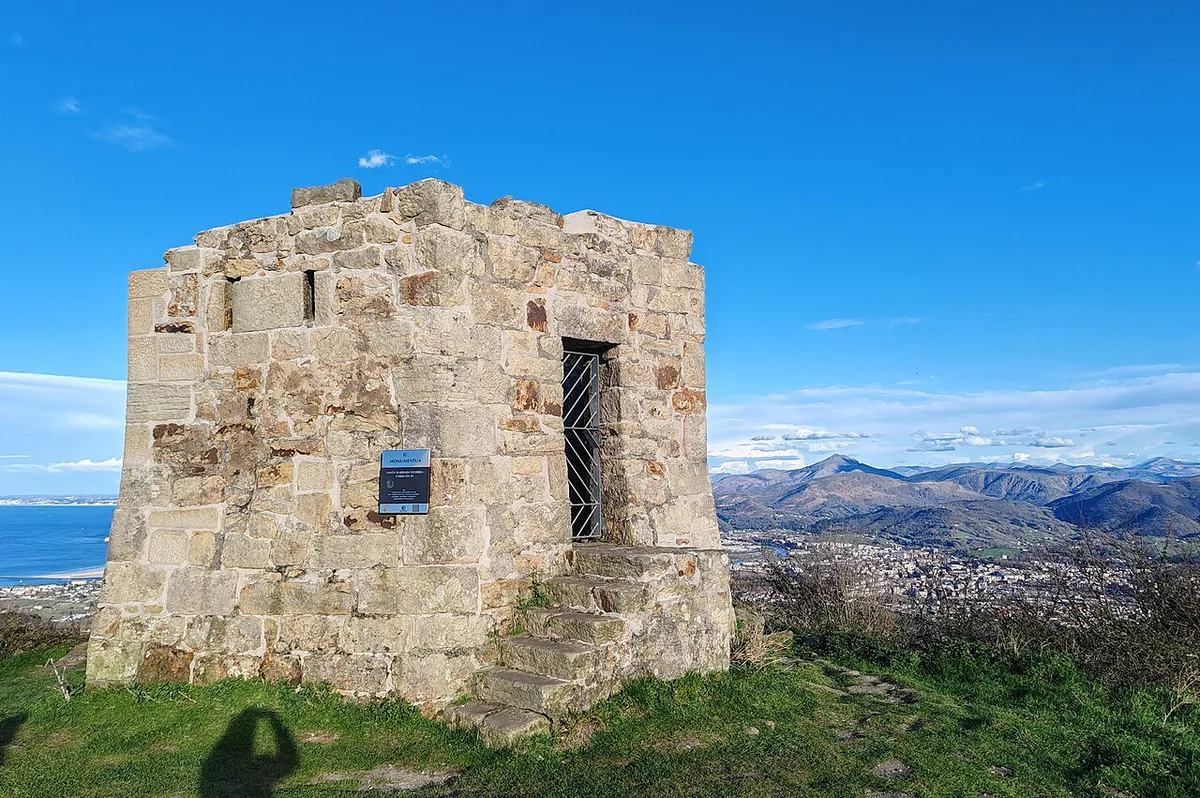
| Ride style | Best for | Effort and bike handling | Support or luggage | Main trade-off | What to check |
|---|---|---|---|---|---|
| Easy city or leisure ride | Casual riders and shorter outings | Usually the lowest target; allow for junctions and shared space | Light day kit | Less focus on big climbs | Path continuity, surface and local rules |
| Hilly day ride | Regular leisure riders | Moderate to hard; repeated climbs and controlled descending | Food, water, repair kit and return plan | Scenery and variety can bring cumulative fatigue | Ascent, gradients, traffic and shortcuts |
| Demanding climbing day | Fit riders comfortable on steep roads | Hard; sustained effort or repeated sharp ramps, plus confident handling | Self-sufficiency or arranged support | A bigger challenge leaves less margin for fatigue | Low gears, weather, closures and bailout points |
| Multi-day tour | Riders able to manage consecutive days | Varies by route; recovery matters | Carry bags or arrange luggage transfers | More ground to explore, with more logistics | Daily ascent, lodging, bike storage and transfers |
Where to base yourself
Your useful base is the one that makes your intended rides and arrival simple. Compare exact lodging addresses, since a city name tells you little about the first stretch of a ride. Trace each exit on a map and inspect traffic, junctions and path connections.
San Sebastián merits a look if you want city riding or non-cycling time there. Local company Bike Rental San Sebastian describes a cycle path along almost the entire coastline, connecting the main neighborhoods. That does not make longer road rides easy or traffic-free. Use San Sebastián's tourism office as a starting point for visitor planning.
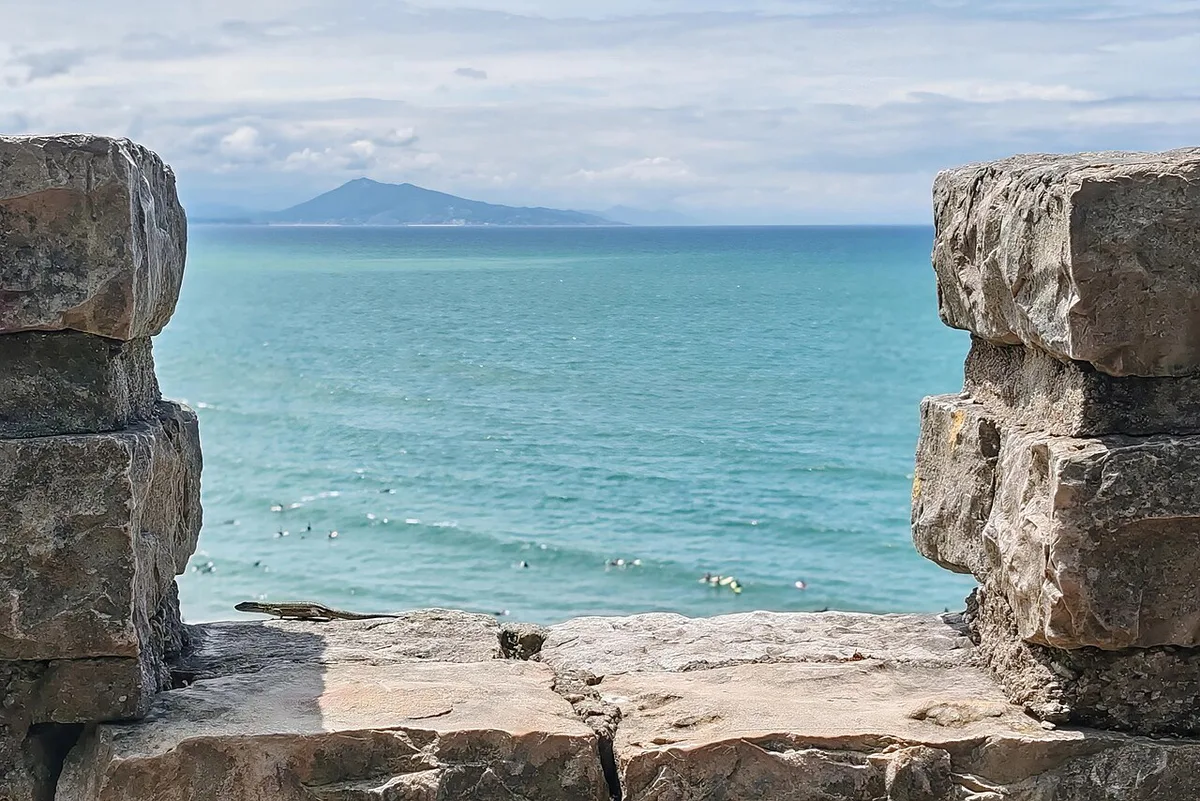
Bilbao is the other city to compare, particularly if its arrival connections suit your itinerary. Begin non-riding plans with Bilbao's official visitor information. Judge road access from your chosen accommodation separately.
An inland or multi-base trip is also worth researching if your preferred routes sit far from either city. Moving lodging may reduce some repeat travel, but it adds packing and transfer planning. Broader destination ideas are available through Basque Country official tourism.
| Base option | Why consider it | Trade-off to test |
|---|---|---|
| San Sebastián | City cycling and non-riding time | How your lodging connects with longer routes |
| Bilbao | City stay and potentially convenient arrival | Traffic and access on your chosen exit |
| Inland or multi-base | Closer access to selected routes may be possible | Rental collection, luggage moves and services |
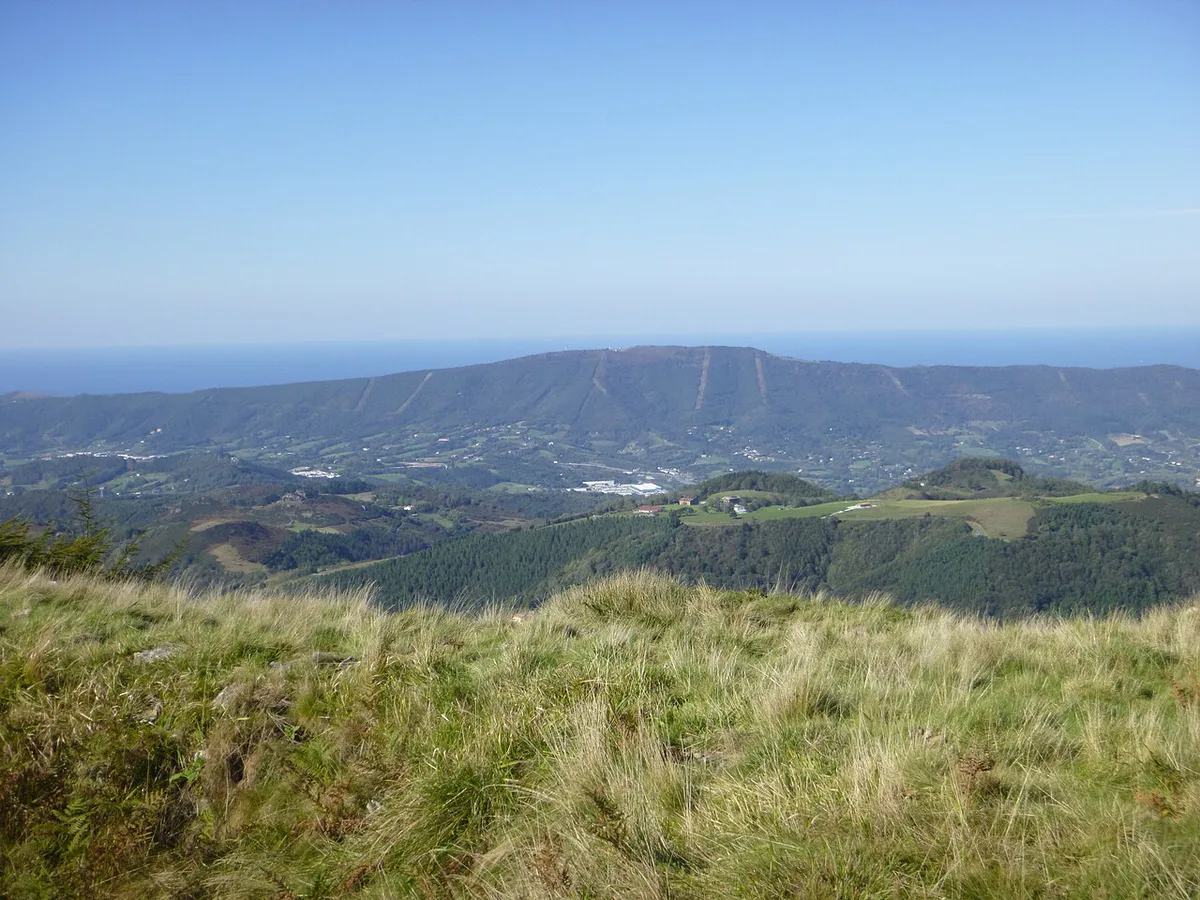
- Arrival: compare the full journey to your lodging with luggage or a bike case.
- Road access: inspect the ride out and the tired ride back.
- Rental fit: match the shop's location and equipment to your plan.
- Storage: ask where the bike stays overnight and who can enter.
- Rest days: pick a place that also works off the saddle.
Bike rental, transport and storage
Bringing your bike preserves your familiar fit, but adds packing, transport and damage risk. Renting can simplify the journey if a suitable model is available for your dates. Compare the full cost of each choice, including cases, carriage charges, transfers and insurance.
If you are staying east, start comparing San Sebastián bike rental options. For a western city base, review bike rental choices in Bilbao. Give the shop your height, riding experience and intended climbing so you can discuss fit and gearing.
Treat every airline, train, metro and bus operator as a separate booking question. Read its current bike rules before buying a ticket, especially for a connection. Boxing, available space, reservations and permitted travel times can affect whether your plan works.
Ask your accommodation to confirm secure indoor storage in writing. If you may leave a bike elsewhere in San Sebastián, look for current municipal parking guidance. Ask your rental provider which locks and parking arrangements its terms require.
- Bike: type, size, available dates and low gears for steep climbs.
- Equipment: pedals, lights if needed, bottle mounts and a repair kit.
- Logistics: collection hours, return time, delivery and any one-way return.
- Protection: insurance exclusions, theft responsibility, damage charges and deposit.
- Changes: cancellation terms, weather policy and breakdown help.
- Transport: bike dimensions, packing rules, booking steps and any carriage fee.
Plan your time and budget
With one ride day, prioritize an outing with a simple return and a shorter alternative. For a short break, leave space around arrival, bike collection and tired legs. On longer trips, balance harder riding with recovery or an easier day. Keep a bad-weather alternative that does not depend on completing the same climbs.
Transfer days deserve their own plan, especially if you change bases. If you want to extend the trip, compare a Rioja cycling tour by its transfers and support. Riders seeking another destination can explore cycling routes and planning in Asturias. Its Angliru climb belongs to a trip beyond the Basque Country.
Price the same trip dates and service level for each option. A lower rental rate may cost more overall once delivery, storage or transfers enter your total. For guided riding, ask what the quote covers before comparing it with an independent trip.
- Bike hire or carriage, including cases and protection.
- Lodging with suitable storage.
- Local transfers and any one-way bike return.
- Guiding, luggage movement or vehicle support.
- A reserve for repairs or a changed return journey.
Before you ride: mistakes to avoid
Run this checklist while you can still shorten the route or change the day. Look for traffic restrictions and current cycling rules through Spain's DGT traffic authority. Seek local notices for closures that affect your exact roads or paths. No route label can promise suitable conditions for every rider.
- Do not choose by distance alone; compare ascent, gradients and descending.
- Do not guess at gearing; match your lowest gear to the steep sections.
- Do not assume a city path continues safely or without traffic onto a longer route.
- Do not assume every public transport service accepts bikes.
- Do not leave without reviewing weather and road or path closures.
- Carry enough water and identify realistic places to refill.
- Save bailout points, an offline route and emergency contact details.
Itzulia Basque Country: the pro-racing connection
Itzulia Basque Country is a professional road stage race held each April, so it matters if your visit overlaps it. Domestique lists it as a UCI WorldTour (2.UWT) event first held in 1924. If you plan to watch, use the organizer's current notices for dates, stage routes and road closures. Build your own ride around access that day. Race gradients and distances are no guide to what you should attempt.
Itzulia pitches ran well above 15% at times, so compare your steepest pitch with sustained climbing before copying a race route.