Cycling Lisbon to Porto: Route, Stages & Planning
Plan cycling Lisbon to Porto: compare route distances, stages, climbing and surfaces, and see what to check before you ride.
Last updated November 2026: cycling Lisbon to Porto works as a multi-day ride, but distance, climbing and conditions depend on the line you choose. Take it on if you are very fit and ready for consecutive days on roads and mixed surfaces; reconsider if you need a beginner or traffic-free trip. One komoot route runs 403 km (about 250 miles) and indicates 4–8 days, while a 7-stage komoot collection covers 487 km (about 303 miles).
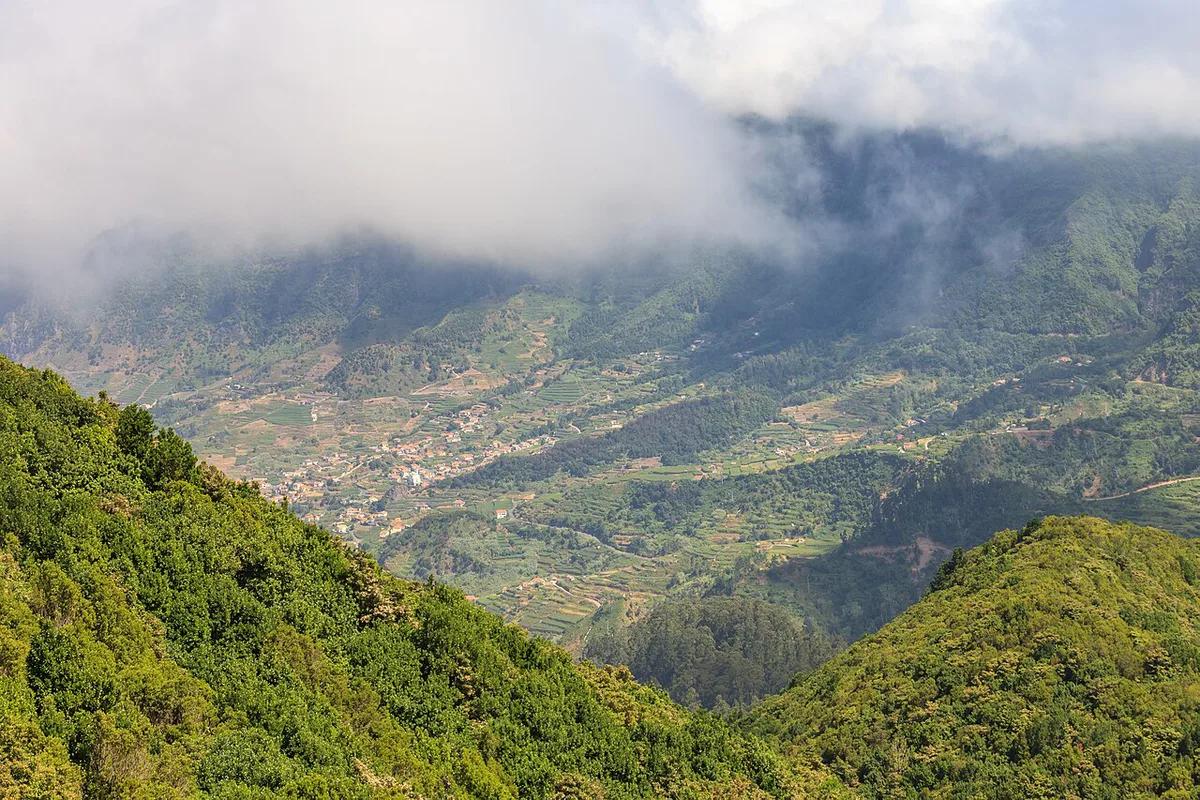
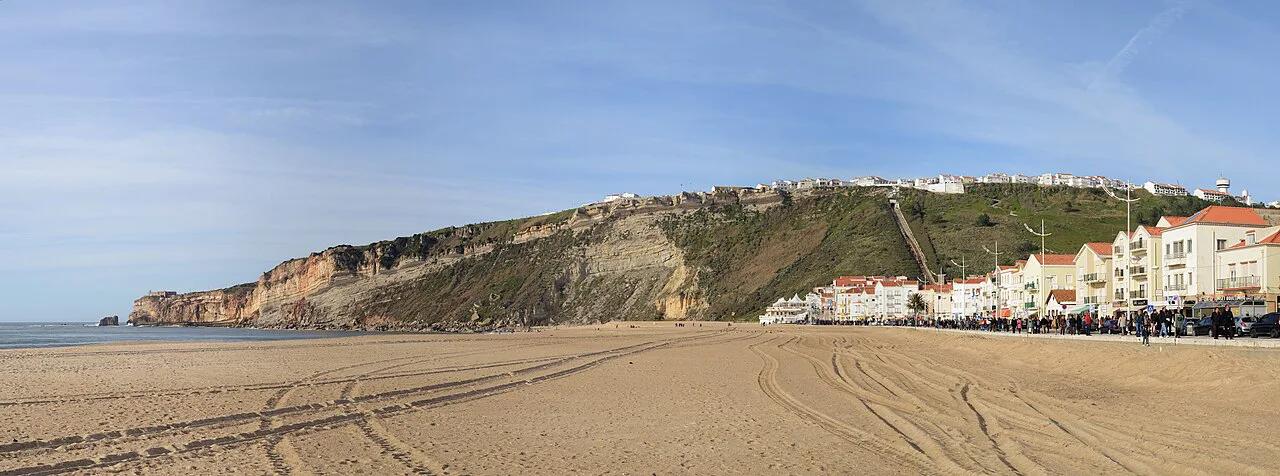
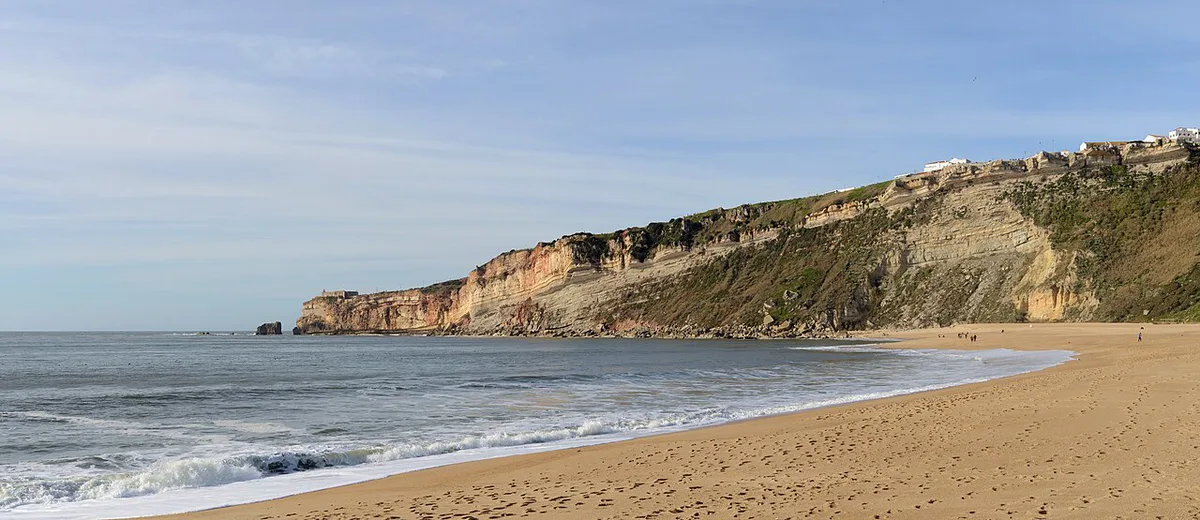
Featured image: Alvesgaspar, CC BY-SA 3.0, via Wikimedia Commons.
Which Cycling Lisbon to Porto Route Should You Follow?
Choose a single GPX line first, because komoot's listings differ by as much as 93 km. Its shortest version, a route dated June 15, 2019, lists 403 km in 25:17 at 15.9 km/h. Downloading that GPX requires you to sign up or log in.
Hannah, the 7-stage collection's author, says it mostly follows EuroVelo 1, with small detours inland. She rode in February 2019, using fewer stages and some different sections. Compare your file with the official EuroVelo 1 route page before relying on any stretch being signed or continuous. For other trip ideas, see our wider Portugal riding guide.
Elevation appears below as the paired figures in each komoot listing. On the live map, check which number is ascent in your travel direction.
| komoot version | Distance | Elevation pair | Time | Keep in mind |
|---|---|---|---|---|
| Single route | 403 km (about 250 mi) | 2,930 m / 2,880 m (about 9,610 / 9,450 ft) | 25:17; most people would take 4–8 days | Dated June 15, 2019; rated hard |
| 7-stage collection | 487 km (about 303 mi) | 3,640 m / 3,650 m (about 11,940 / 11,980 ft) | 7 days, summarized as 3–5 hours a day | Some stages list more than 5 hours |
| From Lisbon to Porto planner entry within the collection | 496 km (about 308 mi) | 3,720 m / 3,740 m (about 12,200 / 12,270 ft) | Not listed | Shows a November 15, 2024 update; this does not establish current conditions |
7-Stage Itinerary and How to Adjust It
Hannah's suggested stages range from 48.2 km to 93.3 km. Stage 5 is the longest at 93.3 km and 5:48. Stage 1 follows at 85.2 km and 5:45, with the largest elevation pair of 880 m and 870 m.
Both times exceed the collection's 3–5-hour daily summary. Allow extra daylight for breaks, navigation and delays. Split a long day only where you have found a bed or a workable transport exit. Add rest days in stage towns where your lodging can take you for another night.
According to Hannah's description, every stage destination except Cadima had accommodation you could book online. Check current beds around the end of stage 5 before fixing other dates.
Spread evenly over 4–8 days, the separate 403 km route averages about 101 down to 50 km daily. This is simple arithmetic rather than a stage plan, and it does not describe the 7-stage line.
| Stage | Distance | Listed time | Elevation pair | komoot rating | Planning note |
|---|---|---|---|---|---|
| 1. Lisbon–Ericeira | 85.2 km | 5:45 | 880 / 870 m | Hard | Second longest; largest elevation figures |
| 2. Ericeira–Lourinhã | 48.2 km | 3:24 | 690 / 700 m | Hard | Shortest, with substantial climbing |
| 3. Lourinhã–Caldas da Rainha | 65.0 km | 4:12 | 540 / 500 m | Hard | Plan for consecutive effort |
| 4. Caldas da Rainha–Marinha Grande | 59.3 km | 3:50 | 570 / 540 m | Hard | Consider your recovery before stage 5 |
| 5. Marinha Grande–Cadima | 93.3 km | 5:48 | 560 / 580 m | Hard | Longest; resolve the overnight stop |
| 6. Cadima–Aveiro | 59.0 km | 3:55 | 150 / 210 m | Moderate | Smallest elevation figures |
| 7. Aveiro–Porto | 77.1 km | 4:42 | 260 / 260 m | Moderate | Leave arrival time for onward travel |
How Hard Is the Lisbon to Porto Bike Route?
For its 403 km route, komoot calls for very good fitness and warns that you may need to push on some segments. Cycleway accounts for 137 km, or about a third of the distance. Road, street and state-road categories together total 241 km.
Those labels alone cannot tell you how busy or safe a section is. Locate the 63.5 km classed as state road, then assess each stretch and any alternative.
Surface listings include 18.6 km unpaved, 10.6 km compacted gravel and 3.35 km cobblestones. Another 44.3 km is marked unknown. In our editorial assessment, durable tires with some extra width are a better fit than narrow racing tires. Test your tires, brakes and luggage setup together on rough ground.
On an e-bike, compare loaded range with each day's distance and climbing, and arrange overnight charging. In the 7-stage version, stages 1–5 are rated hard and only stages 6–7 moderate. Reconsider or adapt your ride if any warning below applies.
- Reconsider if you are not ready for consecutive loaded days.
- Choose a different trip if you require a traffic-free route.
- Change your bike or route if your setup cannot handle mixed surfaces.
- Adapt your schedule if you cannot absorb a disrupted crossing or a missing bed.
Route Checks: Off-Grid Section, Ferry and Waypoints
These details belong to the 403 km route, so do not assume the 7-stage line passes the same points. Navigation may be limited on an off-grid segment that komoot describes as “After 329 km for 3.73 km.” Inspect that part of the map and save it for offline use.
Save offline maps for the off-grid stretch: it runs 3.73 km after 329 km, and the ferry follows at 332 km.
Further along, the São Jacinto–Forte da Barra Ferry appears at 332 km. Ask its operator or the regional transport authority about operating days, times, fares, bike carriage and disruptions. Plan a fallback before booking a bed beyond the crossing, including any added distance.
- 36.5 km: Estrada do Guincho Cycle Path. Check present access and continuity.
- 264 km: Fort Santa Catarina in Figueira da Foz. Look up visitor access if you want to stop inside.
- 304 km: Quinta da Lagoa. A komoot user describes a holiday resort with a private beach, so do not count on public access.
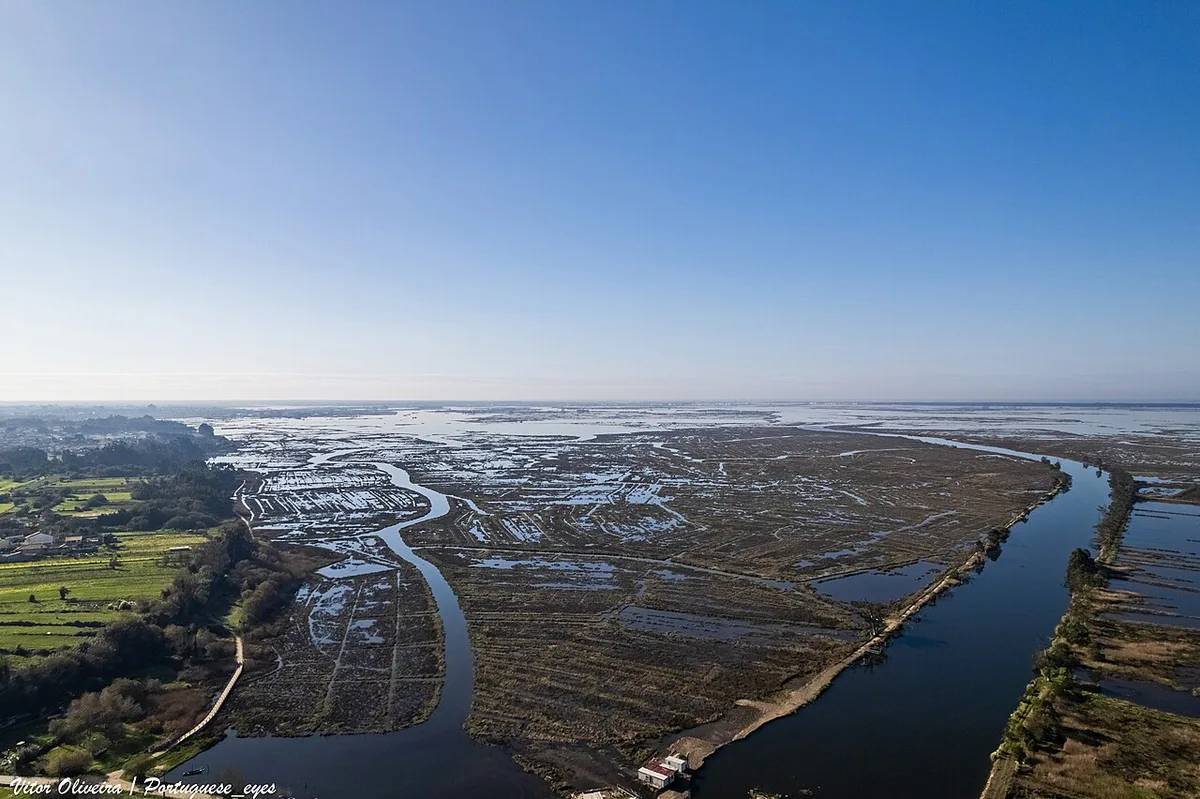
- 329 km: Aveiro Lagoon, also called Ria de Aveiro, at the Mira Channel. Inspect the route alignment.
- 332 km: São Jacinto–Forte da Barra Ferry. Keep your fallback route with your offline map.
When to Ride and Which Direction
Do not assume a tailwind either northbound or southbound. Before choosing dates, use national weather service data to compare wind, heat, rain and daylight along each coastal section.
Bikes, Luggage and Getting Back From Porto
Panniers put your luggage on every climb, including stage 1 with its 880 m and 870 m elevation pair. Luggage transfer or a guided trip could reduce that load. Count on either option only after a provider agrees to your dates and exact stops.
If you need a bike, compare options for renting a bike in Lisbon. Ask whether touring use and a Porto drop-off are allowed, and get any one-way terms in writing.
For a rail return or mid-route exit, consult CP's passenger information. Match its bike rules to your exact train, especially for assembled, boxed or electric bikes. Bus travel needs the same bike-specific answer from the carrier. Identify usable stations or stops for each riding day.
Before the long ride, a short guided Lisbon outing can be a separate pre-trip activity. After arrival, you can compare guided rides around Porto. With spare days, consider onward riding in the Douro.
| Choice | Possible advantage | Trade-off | Cost and booking factors |
|---|---|---|---|
| More days | Lower average daily distance on the same route | Longer trip | More nights and meals; possibly more rental days |
| Fewer days | Fewer paid nights | More riding each day and less spare time | Overnights must fit longer stages |
| Self-guided with panniers | More control over stops where beds are available | You carry your gear | Beds, food, any rental and return transport |
| Self-guided with luggage transfer, if offered | Less weight on the bike | Plans depend on agreed collection and drop-off points | Transfer charge in addition to trip costs |
| Guided, if offered | Support set out in the provider's terms | Dates and stops may be less flexible | Tour charge, exclusions and cancellation terms |
Budget and Booking Checklist
Price your trip by beds, food, bike rental, luggage transfer, return transport and any ferry crossing. Get dated quotes in euros (€) from providers for your travel period. A 7-day ride has 6 overnight breaks between riding days, before extra nights in Lisbon or Porto. Each rest day adds 1 night and may add another day of rental.
Each rest day in a stage town adds 1 night, so budget that bed on top of the 6 overnight breaks in a 7-day ride.
Resolve the Cadima stop first if you follow Hannah's stages, then book around the other 5 breaks. Compare cancellation terms in case weather, fatigue or a route disruption changes your schedule. Complete this checklist before departure.
- GPX: save your chosen version and an offline map.
- Closures: ask the relevant municipalities or road authorities about affected sections.
- Crossing: if your line uses the ferry, check that day's service and keep the fallback route.
- Beds: match every booking to your daily endpoint.
- Weather: review wind, rain, heat and daylight for each stage.
- Return: arrange bike-compatible onward travel from Porto.
- Bailout: note a transport exit and contact details for each riding day.
Frequently Asked Questions
Is there a fast train between Porto and Lisbon?
Search CP's rail passenger site for current services and journey times between these cities. Before buying a ticket, make sure that particular service accepts your type of bike.
Which route is best for cycling?
In our editorial assessment, the 7-stage collection is the more useful planning template for this trip because it suggests daily endpoints. Choose the 403 km line if shorter total distance matters more, then arrange your own stages. Treat neither as a beginner or traffic-free ride.