Cycling in Galicia: How to Plan Your Ride
Planning cycling in Galicia? Compare ride styles and trip formats, then work through routes, bike rental, transport, weather and costs before booking.
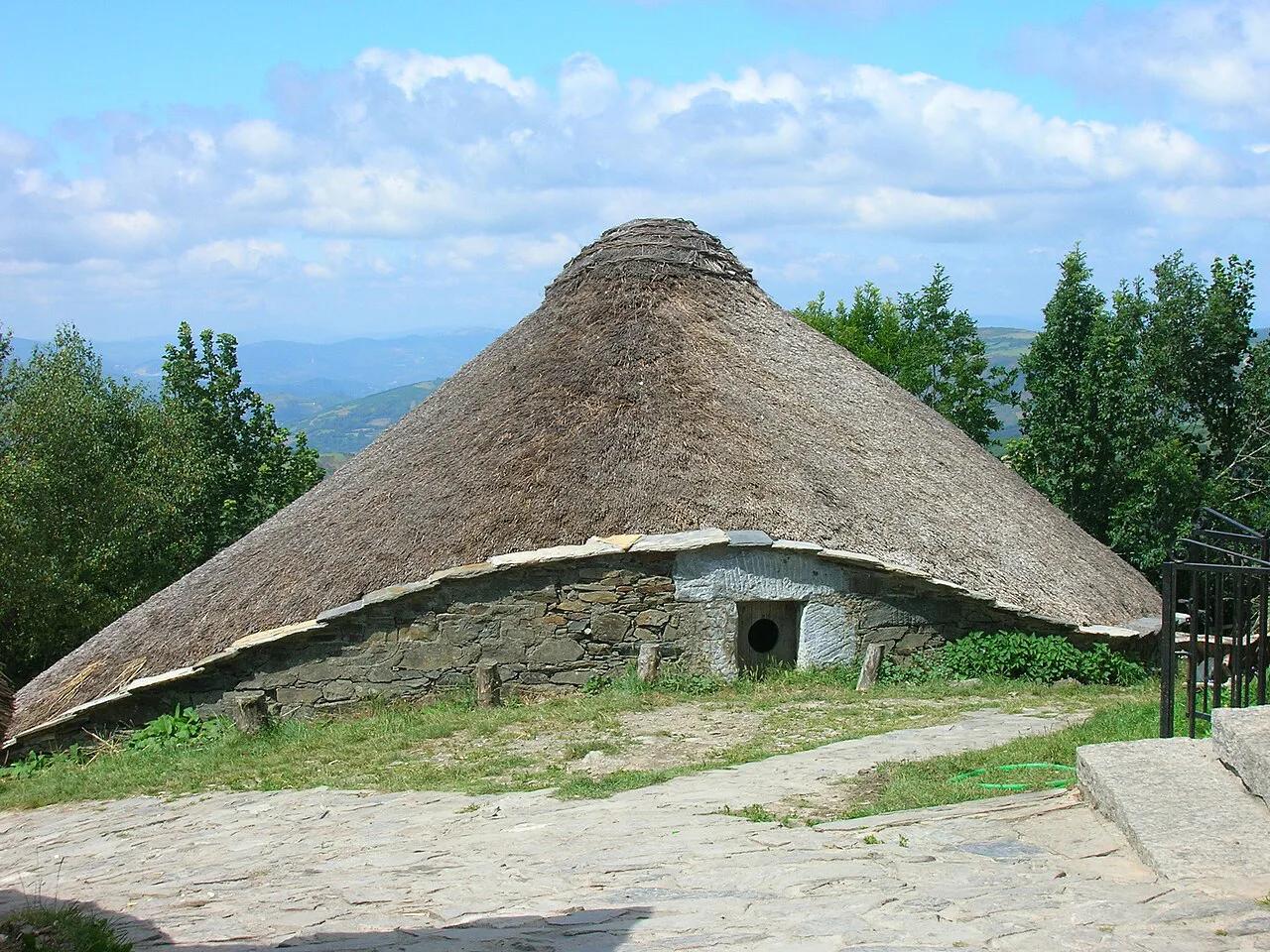
Last updated November 2026: cycling in Galicia rewards riders who are ready for rolling or hilly terrain. Your Galicia cycling options include Camino journeys and coastal road riding, so choose by climbing ability, preferred surface, traffic comfort and support needs. Use this guide to narrow your trip style, test a route and plan your bookings.
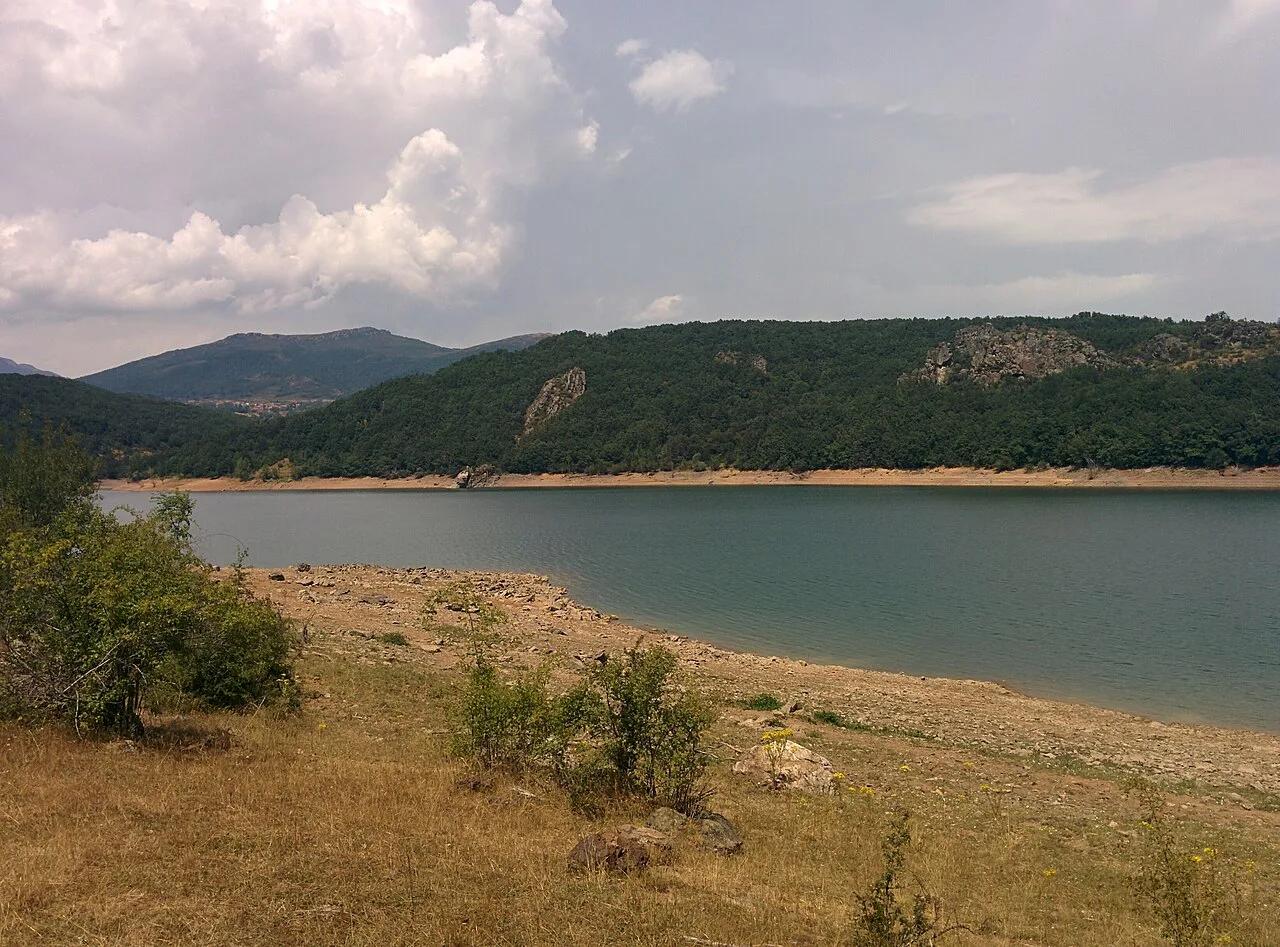
Featured image: SanchoPanzaXXI, CC BY-SA 3.0, via Wikimedia Commons.
Cycling in Galicia: Which Trip Suits You?
Start with the riding you can comfortably repeat day after day, including luggage if you plan to carry it. Match that ability to a style below, then judge each route on its own details. On an e-bike, compare loaded battery range with the planned climbing, and know where you can charge. Ask who helps if the bike or battery fails between overnight stops. For a wider regional choice, compare options for Cycling in Northern Spain: 7 Best Areas and Routes.
| Trip style | May suit you if | Bike and surface needs | Support to plan | Main trade-off |
|---|---|---|---|---|
| Road | You prefer paved riding and are ready for climbs | Road bike and a suitable paved route | Repairs and a way out | Less suited to rough surfaces |
| Gravel or mountain bike | You have the handling skills for unpaved ground | Bike and tires matched to the roughest section | Navigation and recovery from remote points | Surface can slow your day |
| Leisure or touring, including a Camino journey | You want travel and stops to shape the ride | Comfortable fit and luggage fittings if needed | Overnight stays and bag handling | Luggage adds effort |
| E-bike option | You want climbing assistance | E-bike suited to the route surface | Charging and breakdown help | Battery range limits your plan |
How to Choose Galicia Cycling Routes
Distance alone won't show how hard a day is. Read it beside total ascent, steep pitches and surface, especially where terrain keeps rising and falling. Galicia's official tourism site is a sensible starting point for regional trip research. For possible greenway sections, search the Vías Verdes greenway listings. A downloaded track doesn't prove that a road or path is open or suits your tires. Ask the authority managing it about current access.
- Effort: compare distance, elevation gain and the placement of steep sections.
- Surface: identify paved and unpaved stretches, then judge the roughest one.
- Traffic: study road sections and junctions, and use Spain's traffic authority, the DGT, for road rules.
- Supplies: mark water and food stops, including any long gaps.
- Navigation: carry an offline map and a backup for a flat phone battery.
- Exit options: note where you could shorten the day or arrange a pickup.
One Base or Point-to-Point, Guided or Self-Guided?
Settle your overnight pattern and your level of support separately. You can join guided day rides from one base or travel self-guided between overnight stops. Pick a base only after matching it to your intended rides, arrival transport and bike services.
- One base: luggage stays put and you can swap ride days around the weather, but route choice depends on what you can reach.
- Point-to-point: you cover new ground, while bags, fixed bookings and the return journey need more planning.
- Guided: ask about group pace, climbing, mechanical help and what happens if you stop early. Guiding is a cost to price.
- Self-guided: you control your day, so establish who handles navigation, repairs, bad-weather changes and any included transfers.
Getting There, Galicia Bike Rental and Transport
Bringing your bike keeps your familiar fit, but you take on packing work and transport risk. Renting cuts that packing job, although your size and preferred equipment must be available. Bike rules can differ by operator and service, so read the conditions for every leg. Keep a transfer fallback in case a service can't take your bike. If your wider itinerary includes the Basque Country, see options for bike rental in Bilbao. Don't assume an out-of-region rental can be collected or returned in Galicia.
- Fit and equipment: request the size, bike type, pedals and luggage fittings you need.
- Accessories: ask whether a helmet, lock and repair kit are included.
- Terms: get the deposit, insurance cover and breakdown responsibilities in writing.
- Handover: agree on pickup, delivery and return points, especially for a one-way ride.
- Public transport: ask about reservations, bike space and any boxing or bagging requirement.
When to Ride and How Much Time to Allow
Compare possible travel periods using weather records from AEMET, Spain's meteorological agency. Look at places along your route, since one location's figures may not describe a coastal or inland stage elsewhere. Study rain, temperature and wind, then add daylight for your exact dates. Work out trip length from what you can realistically ride each day on that terrain. Allow for food stops and slower surfaces. Keep arrival and departure time separate from your spare time for bad weather or tired legs. Before leaving, look for current road, path and park restrictions from the responsible authority.
What Affects the Cost?
Compare quotes by their inclusions, using each provider's current price page or written offer. Against a plan you arrange yourself, price every added service, including guiding or luggage transfer. Record each quote's date and cancellation terms beside its total.
| Cost item | What can change the price | Ask before booking |
|---|---|---|
| Bike | Type, rental length and accessories | Deposit, delivery and return charges |
| Accommodation | Location, dates and room type | Bike storage and charging |
| Meals | Dining choices and package inclusions | Which meals are covered |
| Transport | Route, operator and bike carriage | Bike fees and reservations |
| Luggage transfer | Stops, distance and bag count | Bag limits and delivery arrangements |
| Guiding and support | Group format and service level | Pickup and mechanical help |
| Insurance | Level of cover and exclusions | Rider, bike and cancellation cover |
Booking Mistakes to Avoid
Resolve these weak points before paying for anything nonrefundable. Riders extending their holiday can plan Cycling in Asturias: Climbs, Gravel Routes & Planning as a separate leg. Basque Country cycling is another northern option to weigh. Climbers heading to Asturias can also study the Alto de l'Angliru. It isn't a Galicia ride, so allow separate travel time. As a different onward trip, consider a Rioja Bike Tour: How to Choose the Right Ride.
- Choosing by distance without comparing climbing and surface.
- Following a route file without knowing current access and road suitability.
- Assuming every transport service will carry your bike.
- Reserving point-to-point stays before arranging luggage movement and bike return.
- Expecting a rental size, accessory or one-way service without written agreement.
- Leaving no fallback for bad weather, fatigue or mechanical trouble.
Frequently Asked Questions
Can you do the Camino de Santiago on a bicycle?
Yes, you can make a Camino journey by bicycle, but don't assume every walking section suits your bike or loaded bags. If you want a Compostela certificate, read the current cyclist requirements from the Pilgrim's Office in Santiago before planning your distance.