Toulouse to Gibraltar by Bike: Route Planning Guide
Plan Toulouse to Gibraltar by bike: compare route choices, daily pace, terrain, season, budget, overnight stops, border checks and the journey home.
Last updated November 2026: you can plan Toulouse to Gibraltar by bike, but treat it as a route you assemble across France and Spain, with no continuous signed cycleway confirmed. Choose a Mediterranean-side or inland line first, then test its roads, Pyrenees crossing, services and Gibraltar entry before setting distance or dates. This guide covers the bike journey rather than other transport.
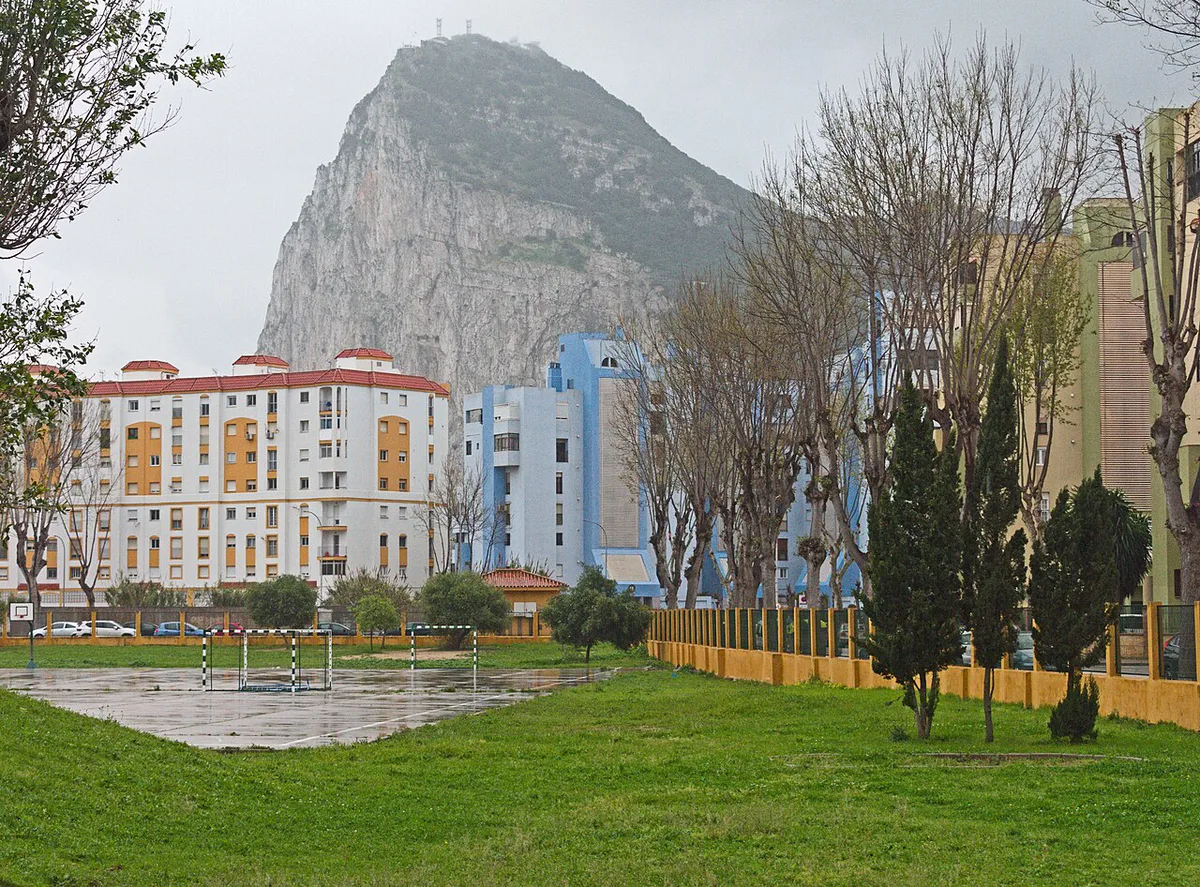
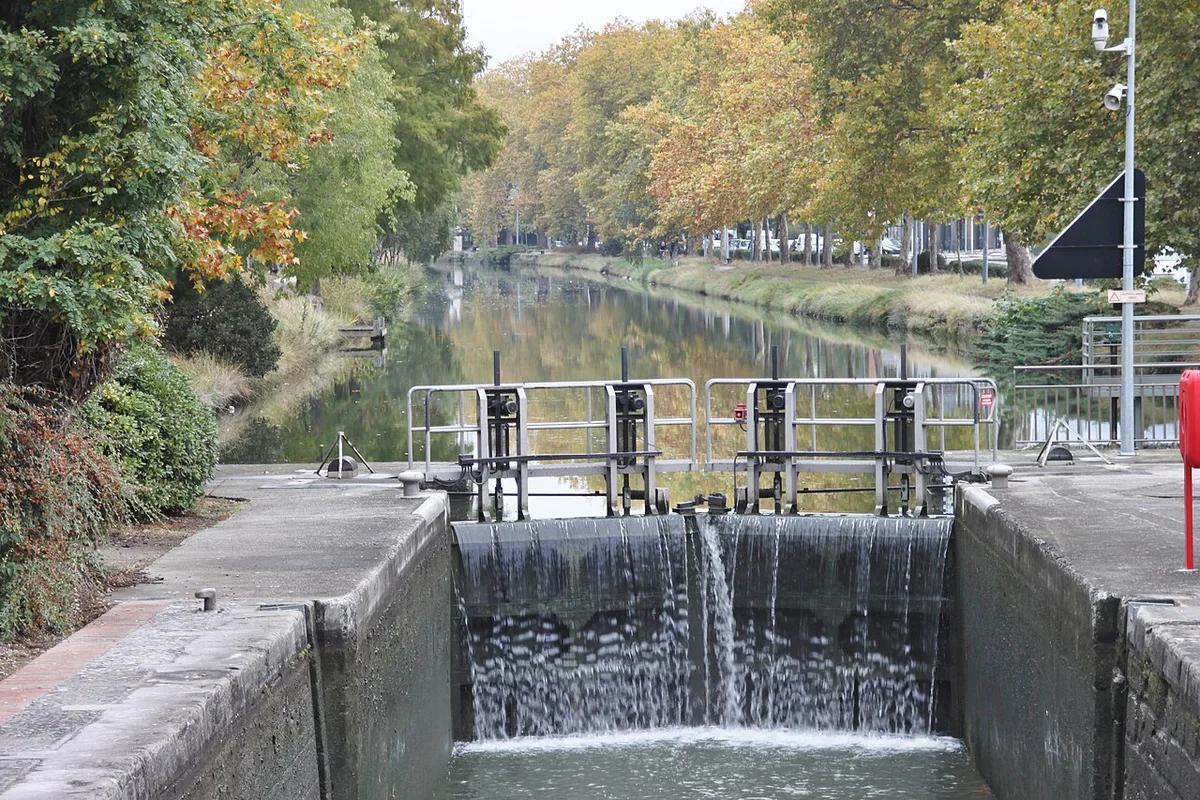
Featured image: Christian Ferrer, CC BY 4.0, via Wikimedia Commons.
Can You Cycle from Toulouse to Gibraltar?
Yes, as a self-planned tour for a rider who can navigate, adjust stages and arrange an exit. Total distance, climbing and surface depend on your exact line, and we have not verified a reference route for them. For wider network context, see our guide to Spain's EuroVelo cycling routes.
A note on this address: in 2007 the miralabici.net domain carried a French and English account of a 20-day, roughly 1,730 km recumbent ride from Toulouse to Gibraltar. This guide is new and independent of that trip and its riders; it does not reuse their diary or photos.
Separate officially designated sections from your own connecting roads on the map. Designation alone does not tell you that a section is finished, signed or suited to your tires.
- Navigation: carry a route file with an offline copy.
- Main constraint: unproven links between recognized route sections.
- Suitable rider: someone with loaded touring experience who can replan on the road.
- Departure: use our Toulouse cycling guide to plan local riding.
Which Route Should You Choose?
Start with two planning concepts, not two finished routes. A Mediterranean-side plan heads toward the sea before working toward Gibraltar. An inland plan crosses Spain on links you select yourself. Neither earns a claim to be shorter, flatter or quieter until you compare complete route files in the same mapping tool.
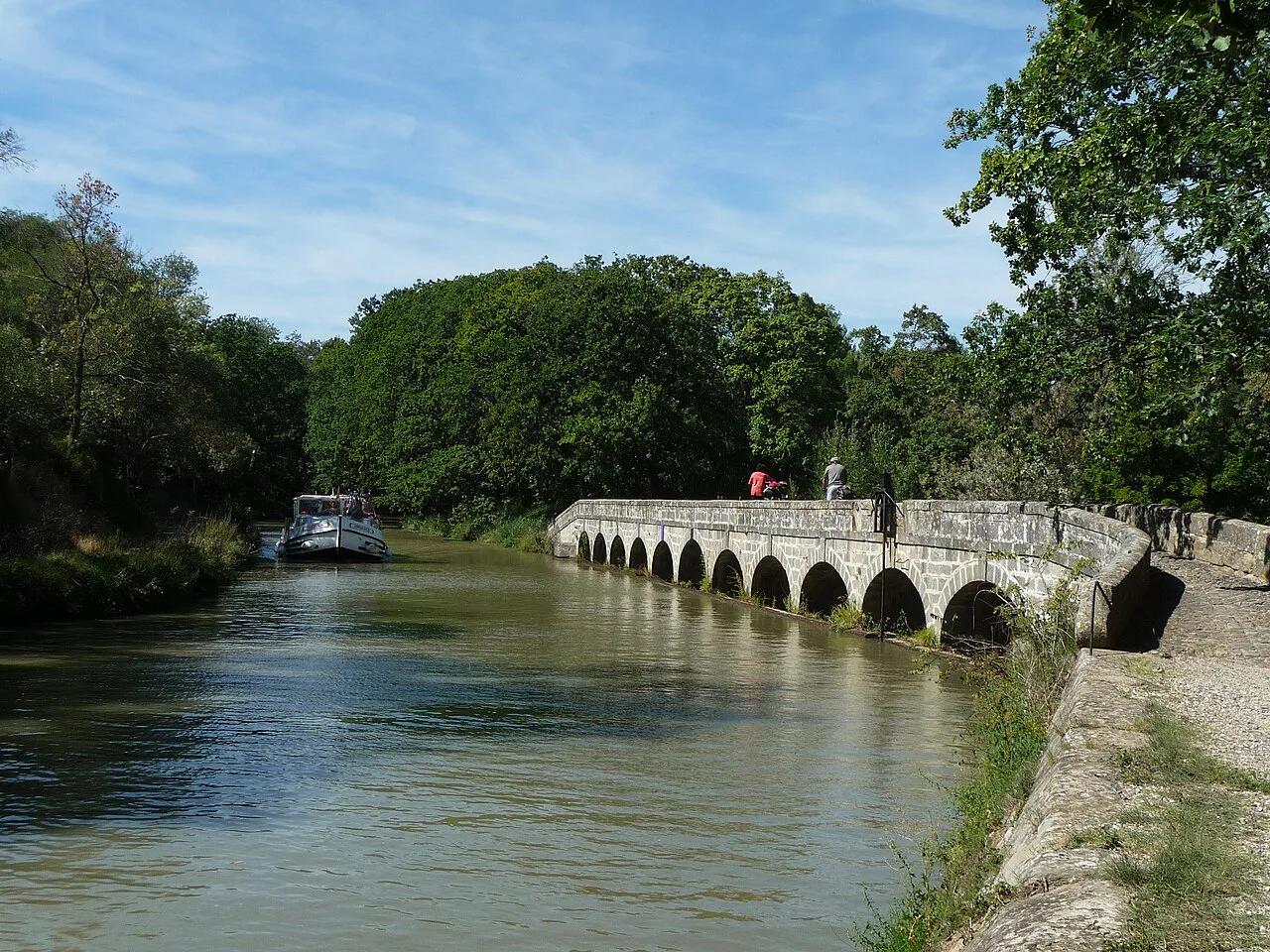
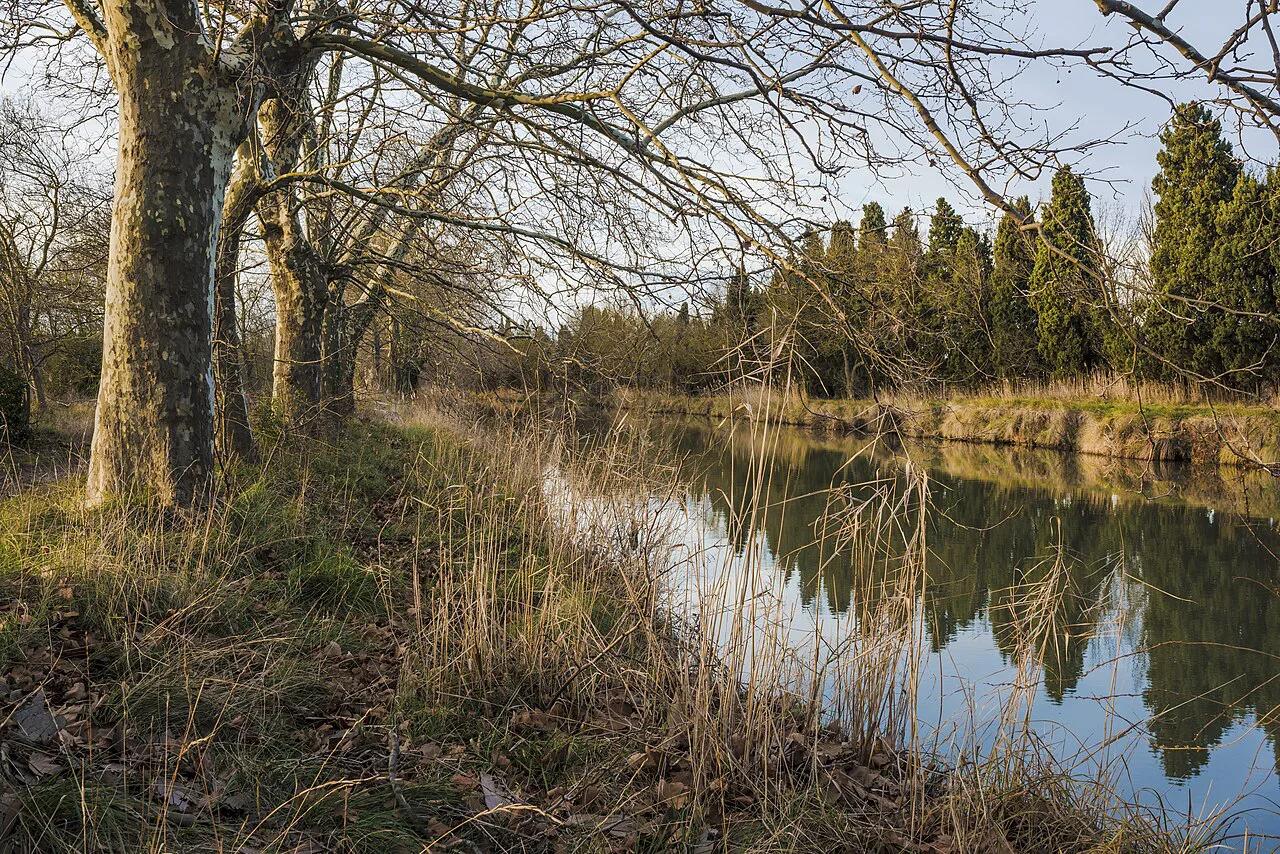
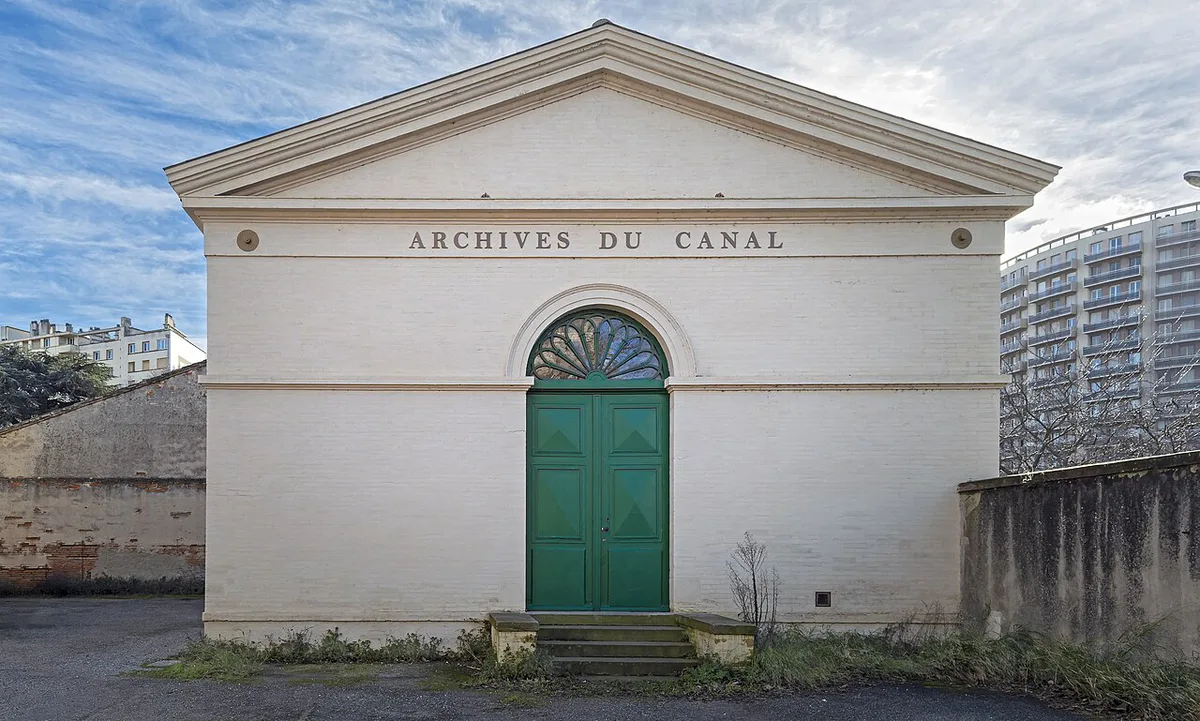
For the departure, review the Canal des 2 Mers cycle route information. Our Canal du Midi riding guide helps you judge that possible leg. For towpath access, also look for notices from France's waterway authority or the local path manager.
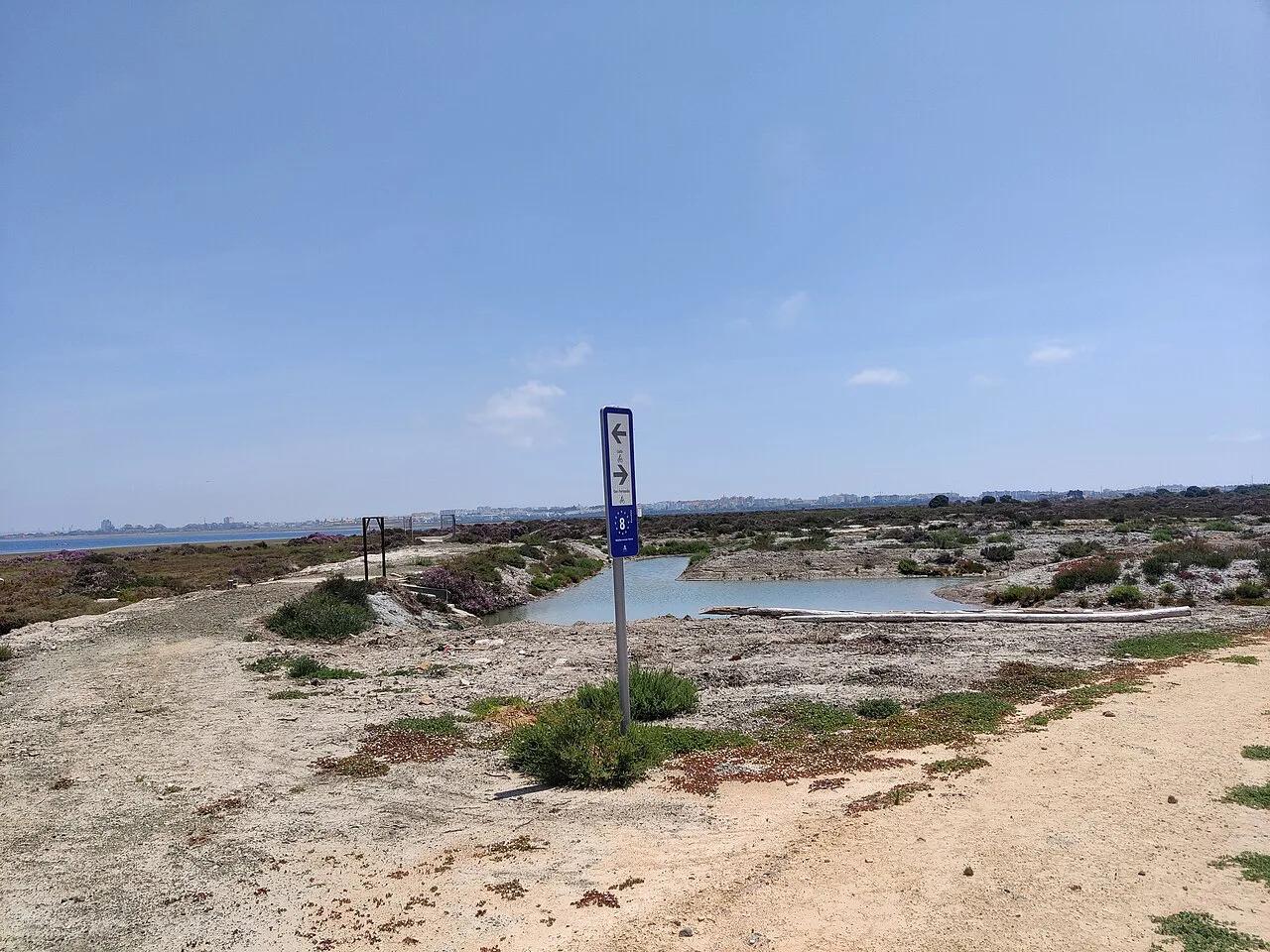
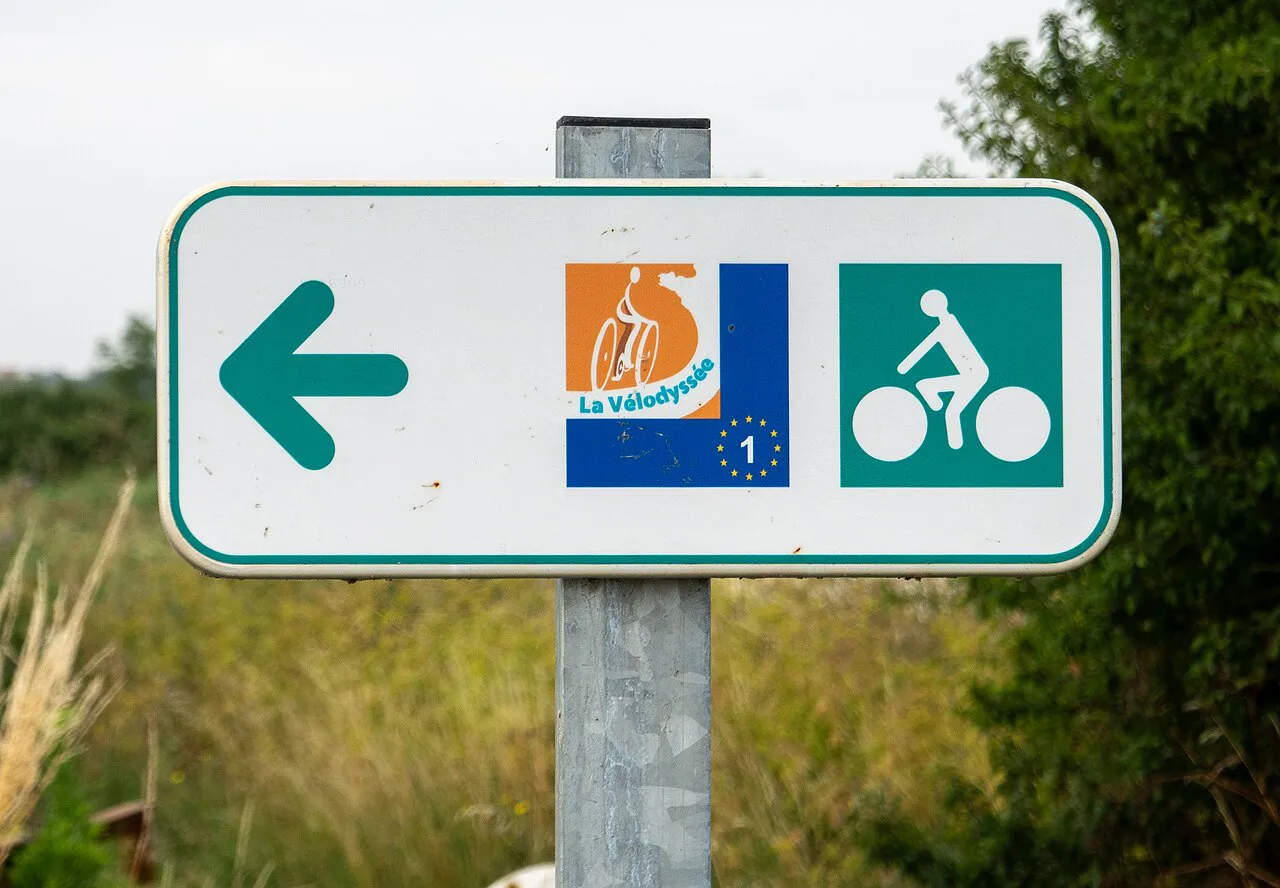
On the coast, compare your line with the official EuroVelo 8 Mediterranean Route map. Our EuroVelo 8 overview gives further context. Use only sections that run your way, and inspect their signs, surface and gaps. Likewise, EuroVelo 1 in Spain: Route Guide and Planning Checks should not enter your plan on its name alone. Apply that test to EuroVelo 3 in Spain: Pilgrims Route Planning Guide too.
Spain's Vías Verdes greenway network is another place to look for segments. Do not assume separate greenways connect. For road rules and traffic notices in Spain, use the DGT traffic authority. A line drawn by an app does not prove that cycling is legal there. Review every tunnel, major road and final approach, with separate research for French and Gibraltar roads.
| Decision factor | Mediterranean-side concept | Inland concept |
|---|---|---|
| Distance and climbing | Unverified; measure the full file | Unverified; measure the full file |
| Surface | Inspect canal, greenway and road links separately | Inspect greenway and road links separately |
| Traffic exposure | Assess urban areas and coastal road links | Assess town exits and long road links |
| Service gaps | Map water, food, beds and repairs | Map water, food, beds and repairs |
| Bail-out points | Mark usable stations and coach stops | Mark usable stations and coach stops |
| Best-fit priority | Testing canal and coastal route sections | Building your own line through the interior |
How Many Days Do You Need?
Measure your chosen line before booking a finish date. For planning, our assumed daily averages are 60 km relaxed, 80 km moderate and 100 km demanding. Divide your route distance by your pace and round up. To show the arithmetic, the table uses a 1,000 km block, which is not the length of this trip. It adds a rest day after every 6 riding days when more riding follows.
A 1,000 km block at a demanding 100 km pace totals 11 days once the rest day after every 6 riding days is counted.
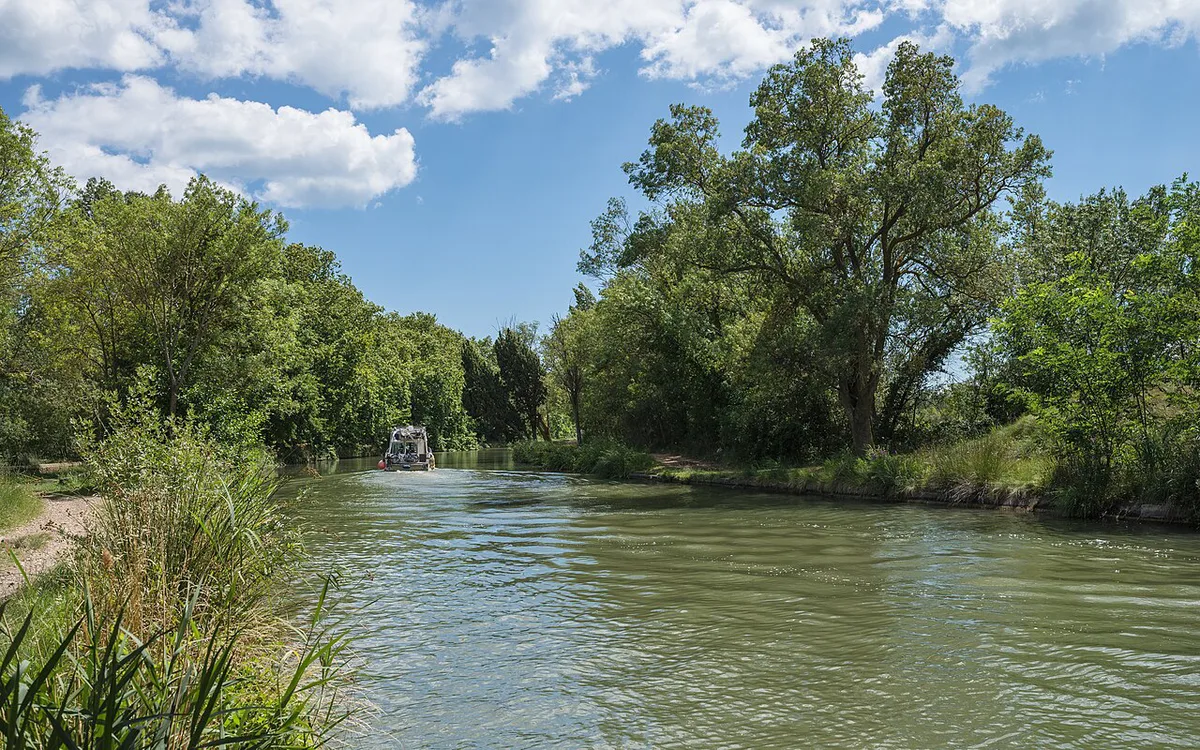
Heat, headwind, climbing, luggage, rough surfaces and short daylight can all cut your daily range. Choose overnight breaks only after locating water, food and a bed. Add spare time for closures, repairs and your journey home.
| Pace | Assumed daily distance | Riding days per 1,000 km | Rest days | Total before spare time |
|---|---|---|---|---|
| Relaxed | 60 km | 17 | 2 | 19 days |
| Moderate | 80 km | 13 | 2 | 15 days |
| Demanding | 100 km | 10 | 1 | 11 days |
Hardest Sections and Mistakes to Avoid
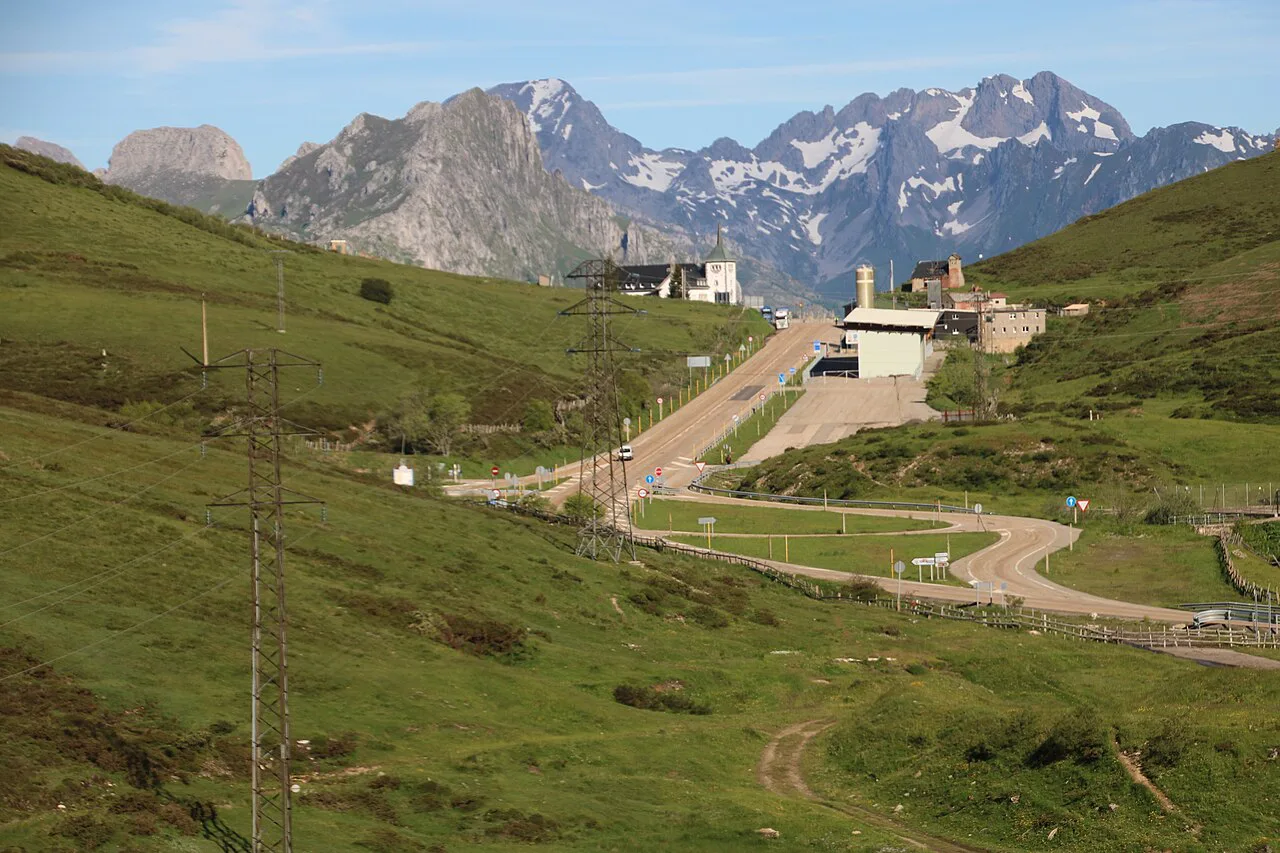
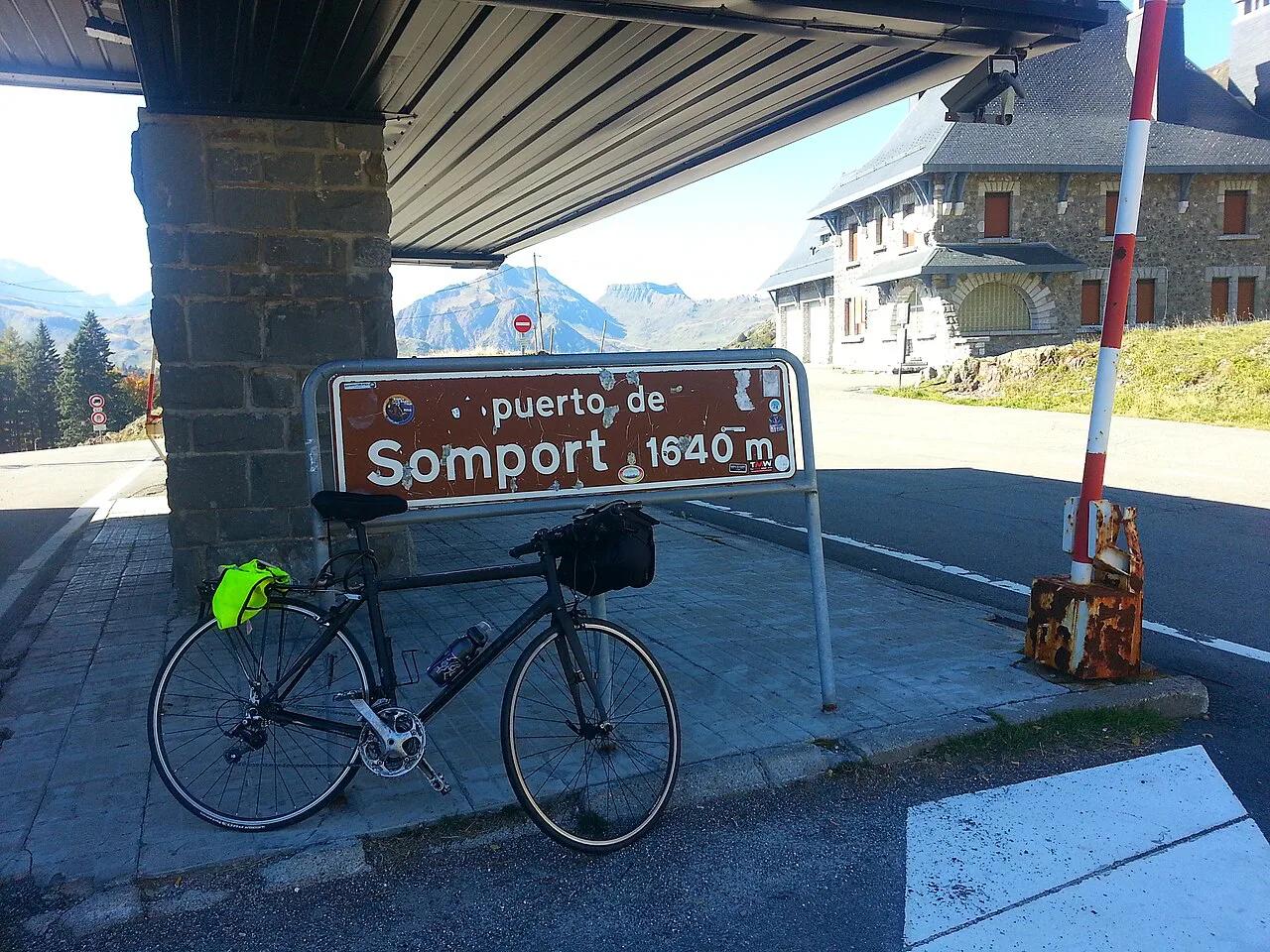
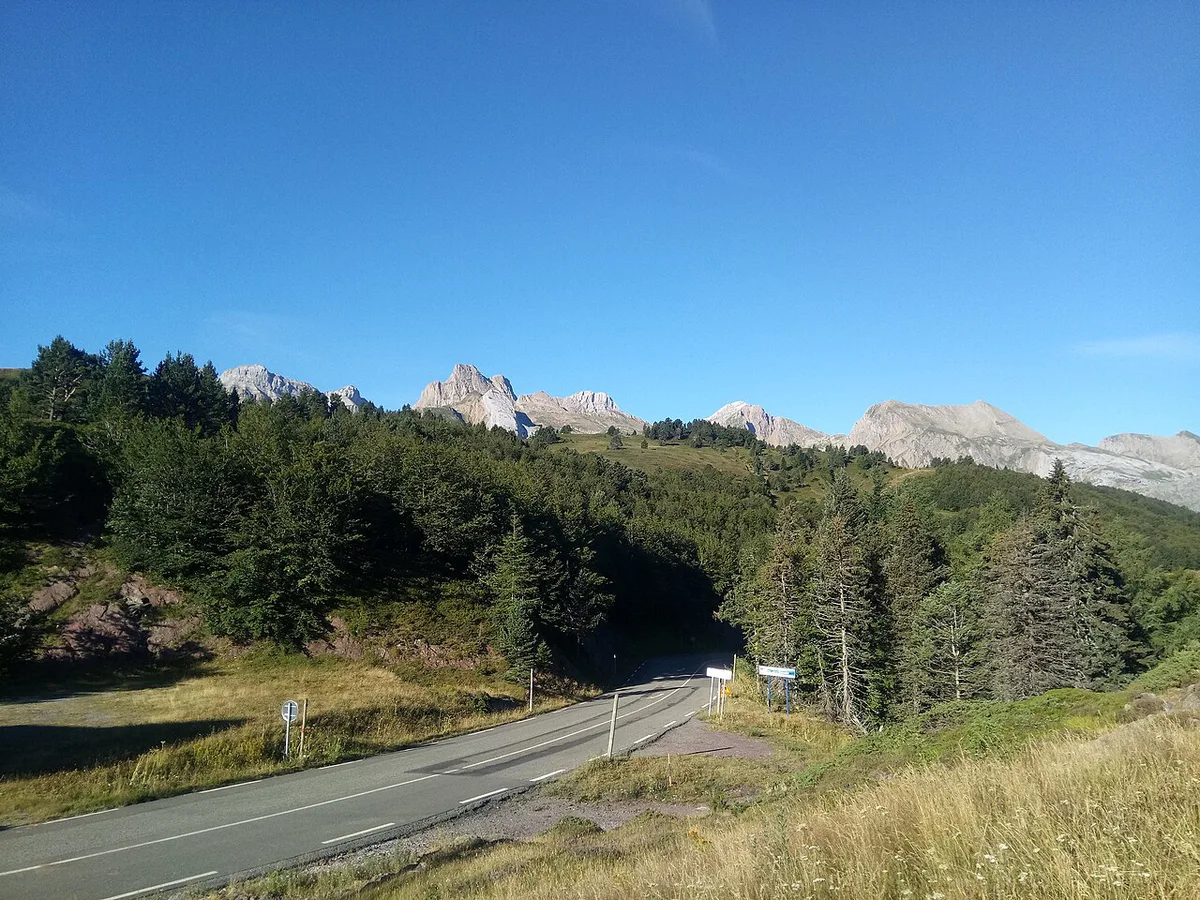
Work through likely trouble spots in route order. Leaving Toulouse, test where your chosen path starts and whether its surface suits a loaded bike. At the Pyrenees, compare crossings for climbing, road access, seasonal closures, weather exposure and places to turn back.
Across Spain, look closely at long gaps between supplies and repair shops. Near Gibraltar, trace the legal cycling approach all the way to the entry point. Choose tire width only after reviewing the surfaces. On a recumbent touring setup, also test barriers, narrow paths and transport limits. Apply the same access test to trailers or wide loads.
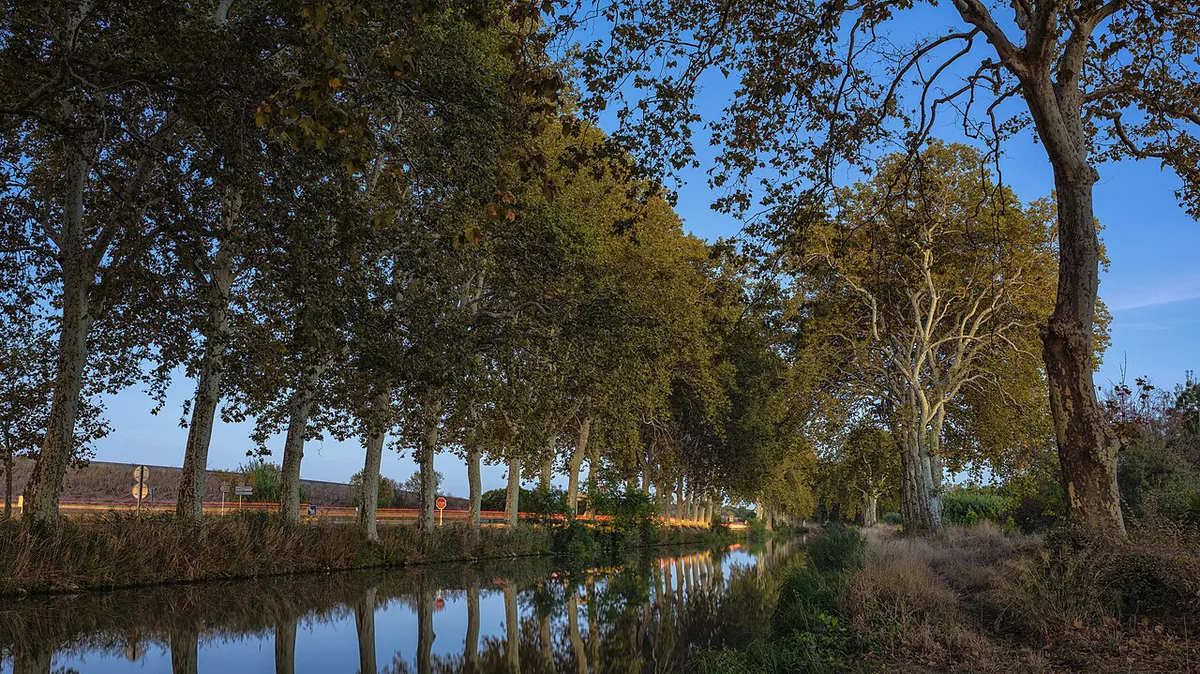
- Mistake: treating a mapped line as legal or rideable.
- Mistake: assuming a EuroVelo route is complete or signed.
- Mistake: planning stages by distance while ignoring climbing and wind.
- Mistake: finding water, food or repair gaps only on the day.
- Mistake: leaving without bail-out points and backup beds.
When to Ride
Pick dates segment by segment, because Toulouse weather cannot represent the mountain crossing or southern Spain. Spring and autumn are sensible starting points for research, not guarantees of mild or dry riding. In summer, assess heat, shade and water access. Winter planning needs close attention to cold, high ground and daylight.
Use Météo-France for French climate information and AEMET for Spain. Compare prevailing wind with your southbound direction, then review short-range forecasts during the tour. Seasonal lodging closures and booking pressure can also change where each stage ends.
Budget and Overnight Stops
We have no verified, dated prices for a full-route total. Build yours in euros for France and Spain, with a separate allowance for Gibraltar. Camping usually costs less per night than a private room, but it adds gear weight. Indoor lodging lets you pack lighter, while tying stages to available beds.
Price each planned stop on the provider's booking page for your dates. Get current quotes from transport operators for the ride home. For camping, follow local rules and do not assume wild camping is allowed. Ask lodgings about locked, indoor bike storage before booking. Toulouse arrivals can use the city tourism office website as a starting point for local planning.
| Cost item | Camping-led | Mixed | Indoor lodging |
|---|---|---|---|
| Lodging | Mostly campsite fees | Campsite fees and rooms | Mostly room rates |
| Food | Groceries and camp meals | Groceries and prepared meals | Based on kitchen access and dining choices |
| Repairs | Spares and shop reserve | Spares and shop reserve | Spares and shop reserve |
| Transport home | Quote with bike and bags | Quote with bike and bags | Quote with bike and bags |
| Contingency | Backup room and transfer | Backup room and transfer | Backup room and transfer |
Arriving in Gibraltar and Getting Home
Gibraltar is not part of Spain, so plan your arrival as a separate entry question. Border arrangements are an area of recent change. Before travel, verify document and bike-access rules with the Gibraltar and Spanish authorities for your nationality. Visit Gibraltar's official website can help with visitor planning.
Compare ways home from both Gibraltar and nearby Spain. An airport on the map does not establish a direct service to Toulouse. For every rail, coach or air leg, read the operator's bike policy. Look for booking limits, packing rules, size limits, fees and restrictions on recumbents. Include the transfer to each terminal and a source of packing materials.
- Documents: passport or accepted identification, plus any required entry permission.
- Money: Gibraltar has its own pound, so ask about card and euro acceptance.
- Phone: review roaming terms for France, Spain and Gibraltar.
- Insurance: make sure your policy covers cycle touring and the bike.
- Parking: arrange a secure place for the bike before arrival.
Is This Trip Right for You?
Go when your complete route, available time and fallback options match your abilities. Postpone the full crossing if an essential link remains uncertain. With limited time, ride a shorter section with workable transport at both ends. A Toulouse-based leg can test your packing and daily pace before a longer tour.
- Experience: you have completed back-to-back loaded riding days.
- Roads: your route's traffic and navigation demands feel manageable.
- Climbing: your stages match the elevation you can ride with luggage.
- Self-sufficiency: you can handle basic repairs and carry enough supplies.
- Time: your schedule includes rest, delays and the journey home.
- Exit plan: you know where to stop and how to leave with your bike.