Cycling From France to Spain: Routes and Planning Guide
Plan cycling from France to Spain: compare route options, climbing, surfaces, bike suitability and the border logistics to sort out before you ride.
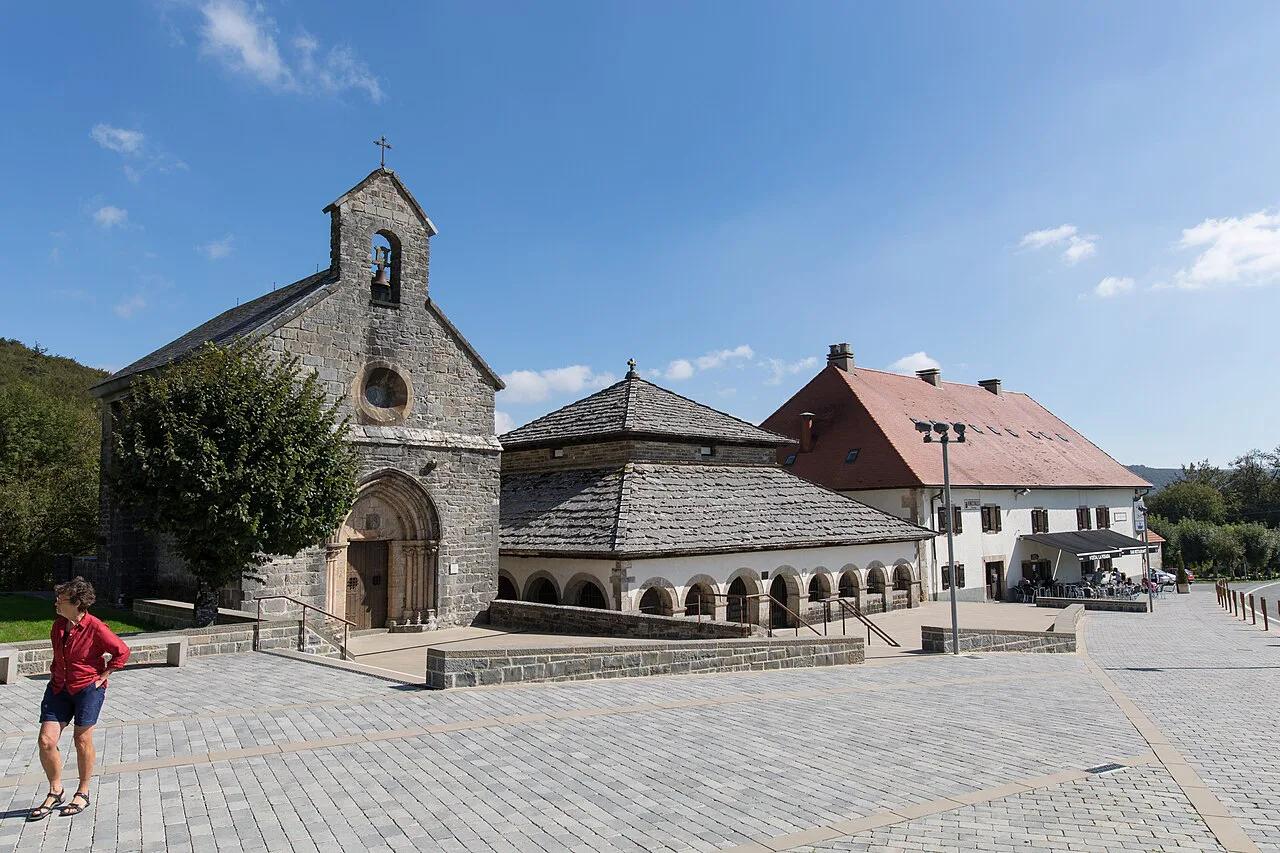
Last updated November 2026: cycling from France to Spain is possible, and Saint-Jean-Pied-de-Port toward Pamplona suits fit, Camino-bound riders on touring or gravel bikes. On a road bike or starting near either coast, choose a different line only after confirming that its surface suits you and it connects across the border. For rides beyond the frontier, compare the Spanish EuroVelo network.
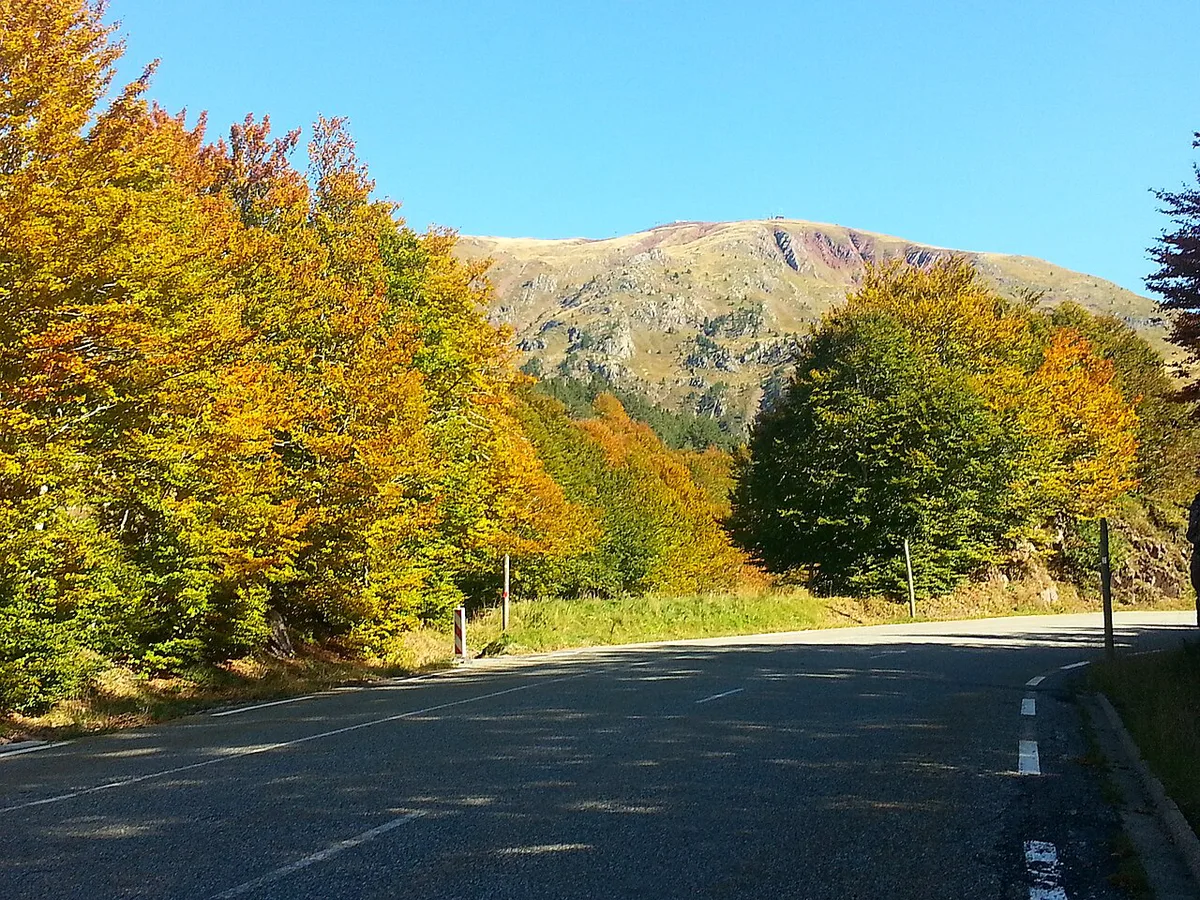
Featured image: Gilles Guillamot, CC BY-SA 3.0, via Wikimedia Commons.
Cycling from France to Spain: which route should you take?
Start with your two endpoints, then judge climbing, surface and transport. Our detailed crossing figures cover the Camino-based ride from Saint-Jean-Pied-de-Port. They can't tell you whether another option is easier or safer. Use the official EuroVelo route maps to check route status and gaps.
| Option | Consider it if | Before you commit |
|---|---|---|
| Camino-based inland crossing | You want to head through Pamplona toward Santiago | Check pass, surface and weather; a road bike is a poor match for the komoot version |
| EuroVelo 1 | Its line fits your start and finish | Confirm the border section, surface, signs and gaps |
| EuroVelo 8 | Its line fits your start and finish | Confirm that your section connects into Spain |
| Toulouse or Canal du Midi approach | You want a longer lead-in within France | Plan the onward crossing separately |
Which route options fit a longer trip?
A route name alone doesn't promise a paved, signed or continuous ride. Compare matching sections, because a short mountain crossing and a whole long-distance route pose different planning problems. Don't assume the Camino and EuroVelo 3 share one track.
- Inland: use the EuroVelo 3 inland guide alongside your Camino GPX.
- First numbered alternative: read the EuroVelo 1 route overview, then match its track to your endpoints.
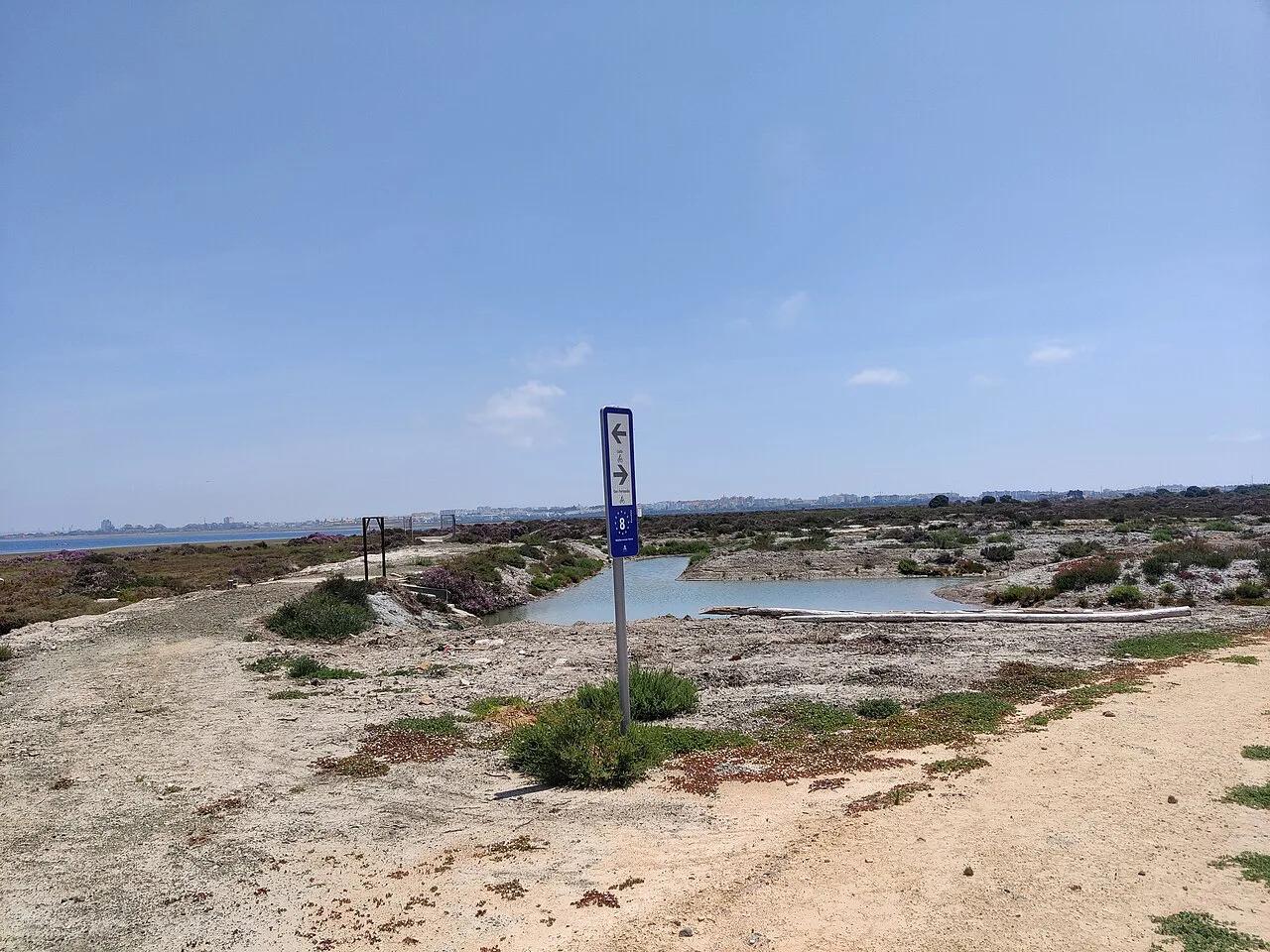
- Second numbered alternative: see the EuroVelo 8 route overview before choosing a border section.
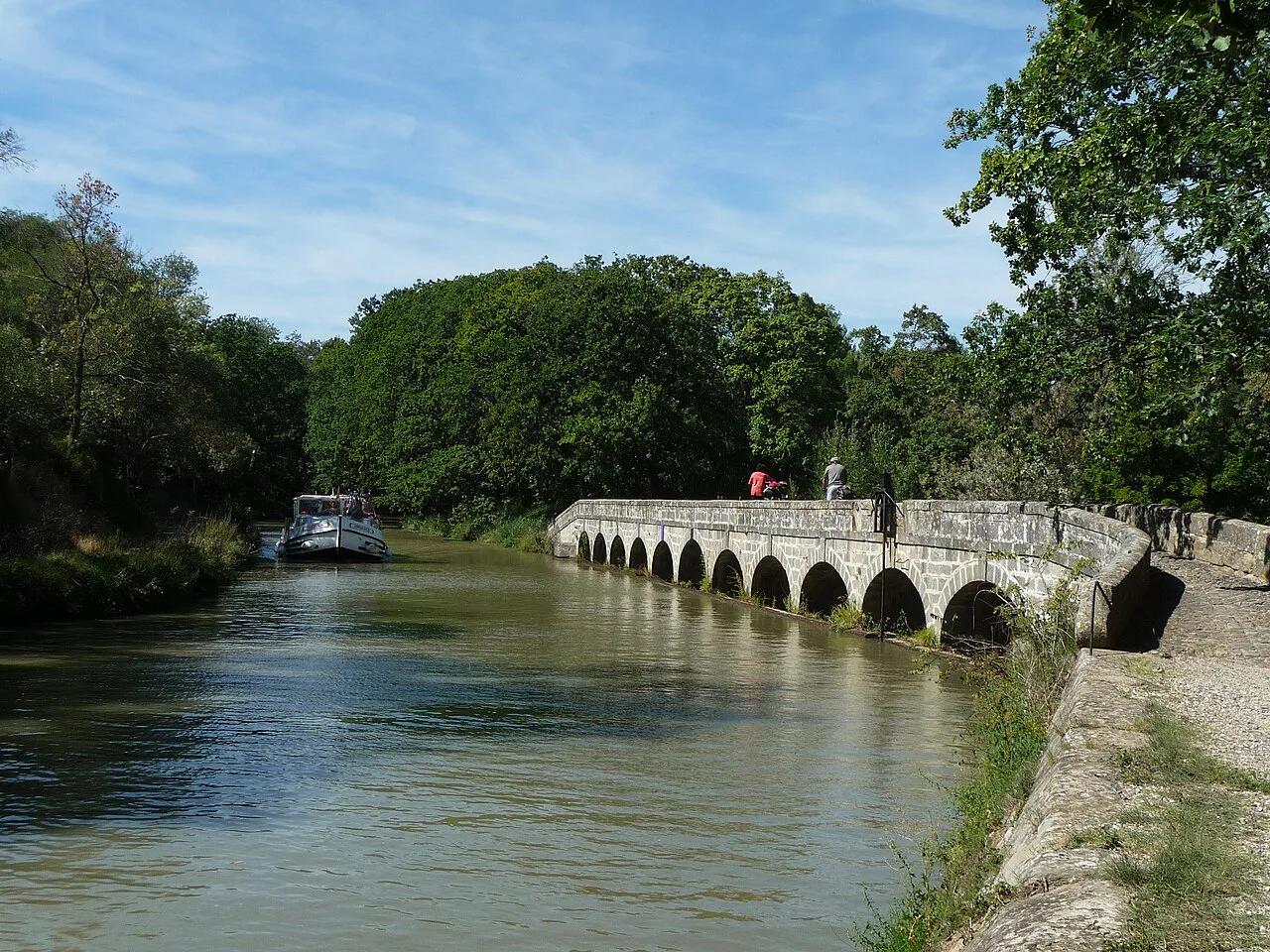
- French canal lead-in: start by planning the Canal du Midi, then map the separate leg into Spain.
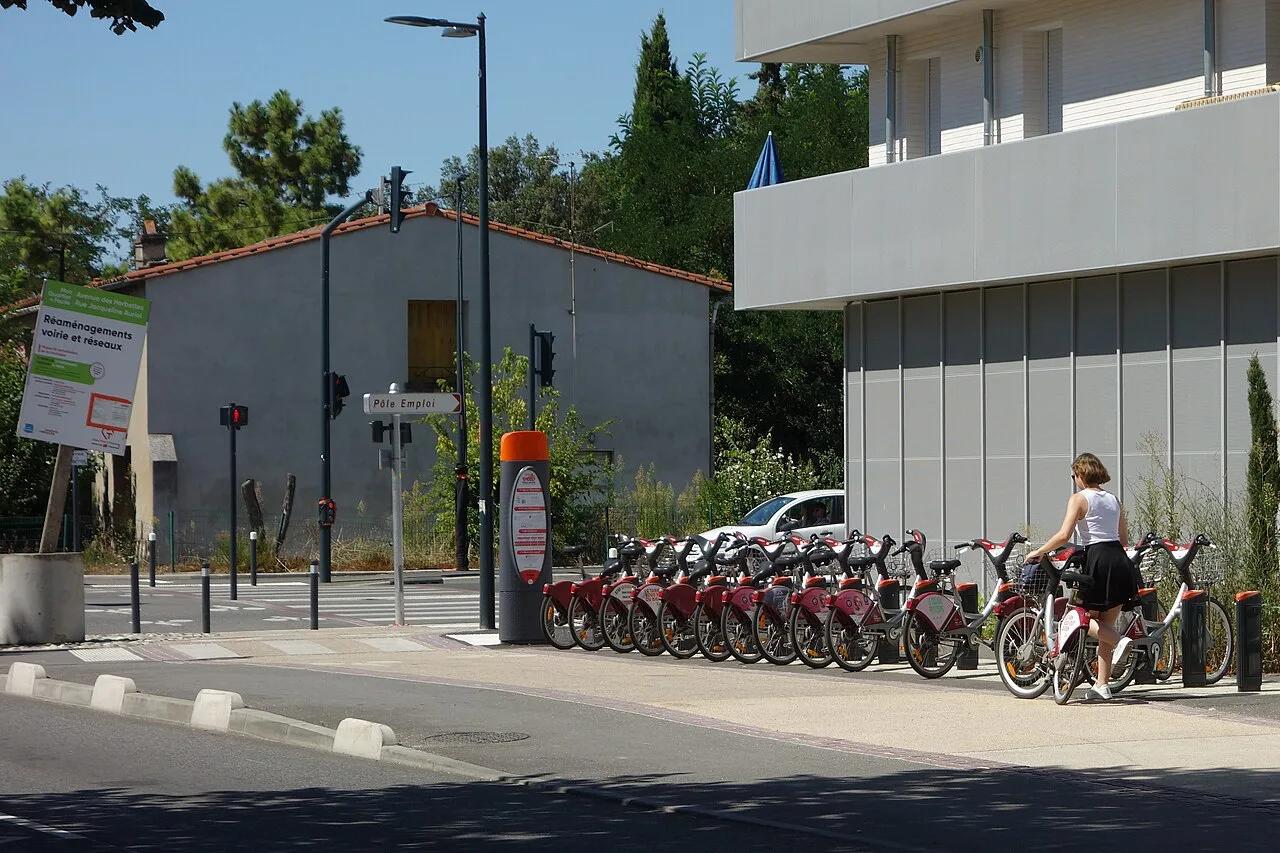
- City start: explore riding around Toulouse if your journey begins there.
- Longer journey: consider the ride from Toulouse toward Gibraltar.
- Continuing farther: plan your onward legs for a trip across Spain.
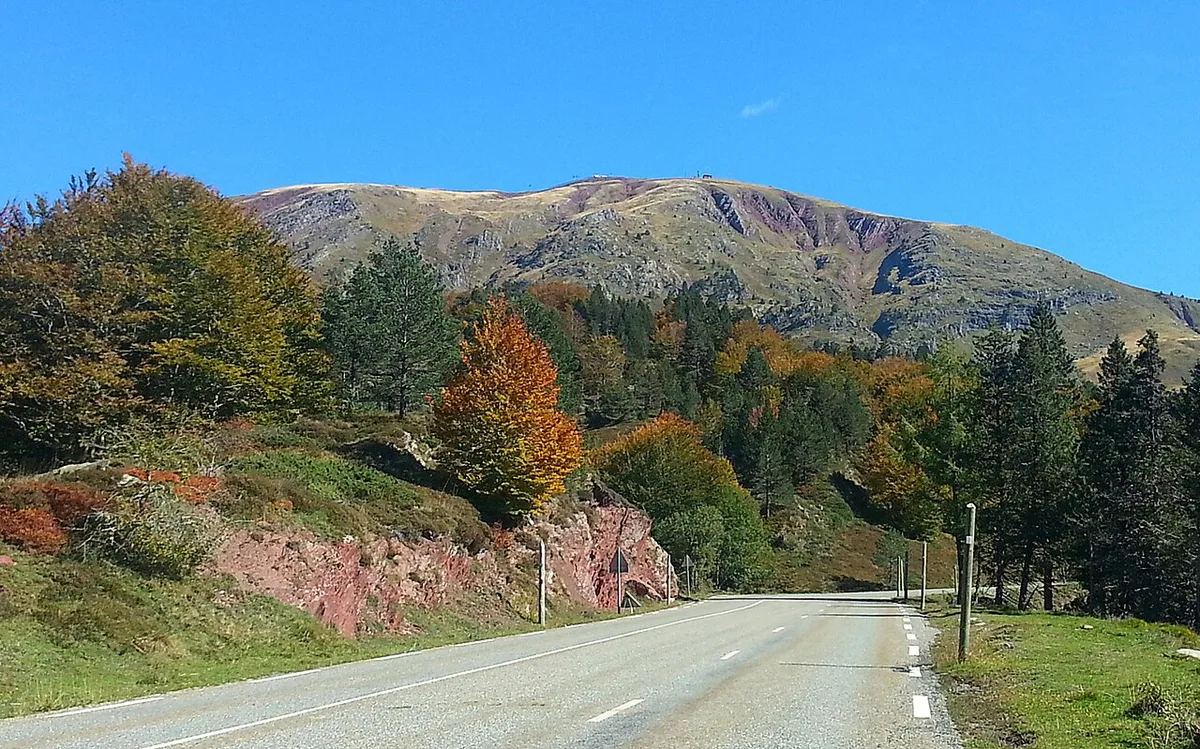
Saint-Jean-Pied-de-Port to Pamplona by bike
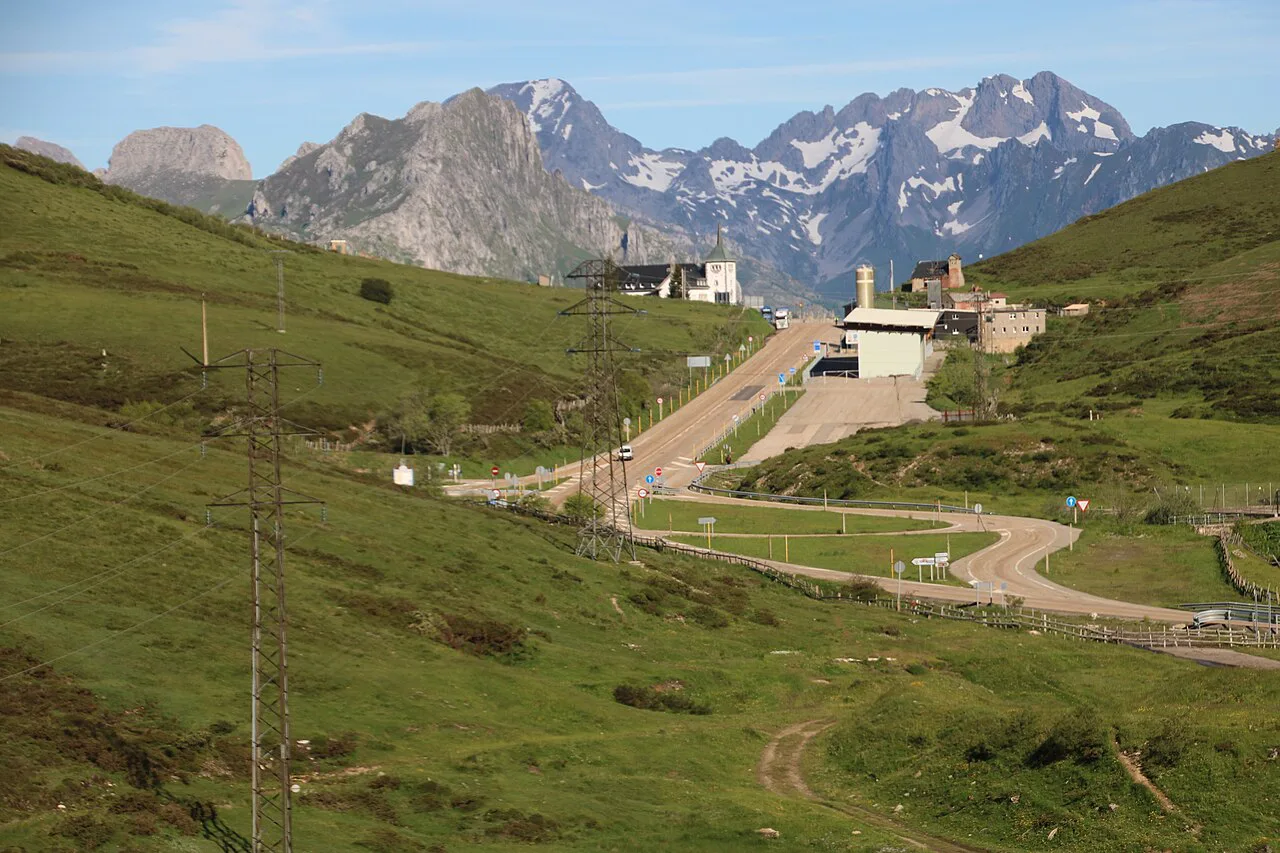
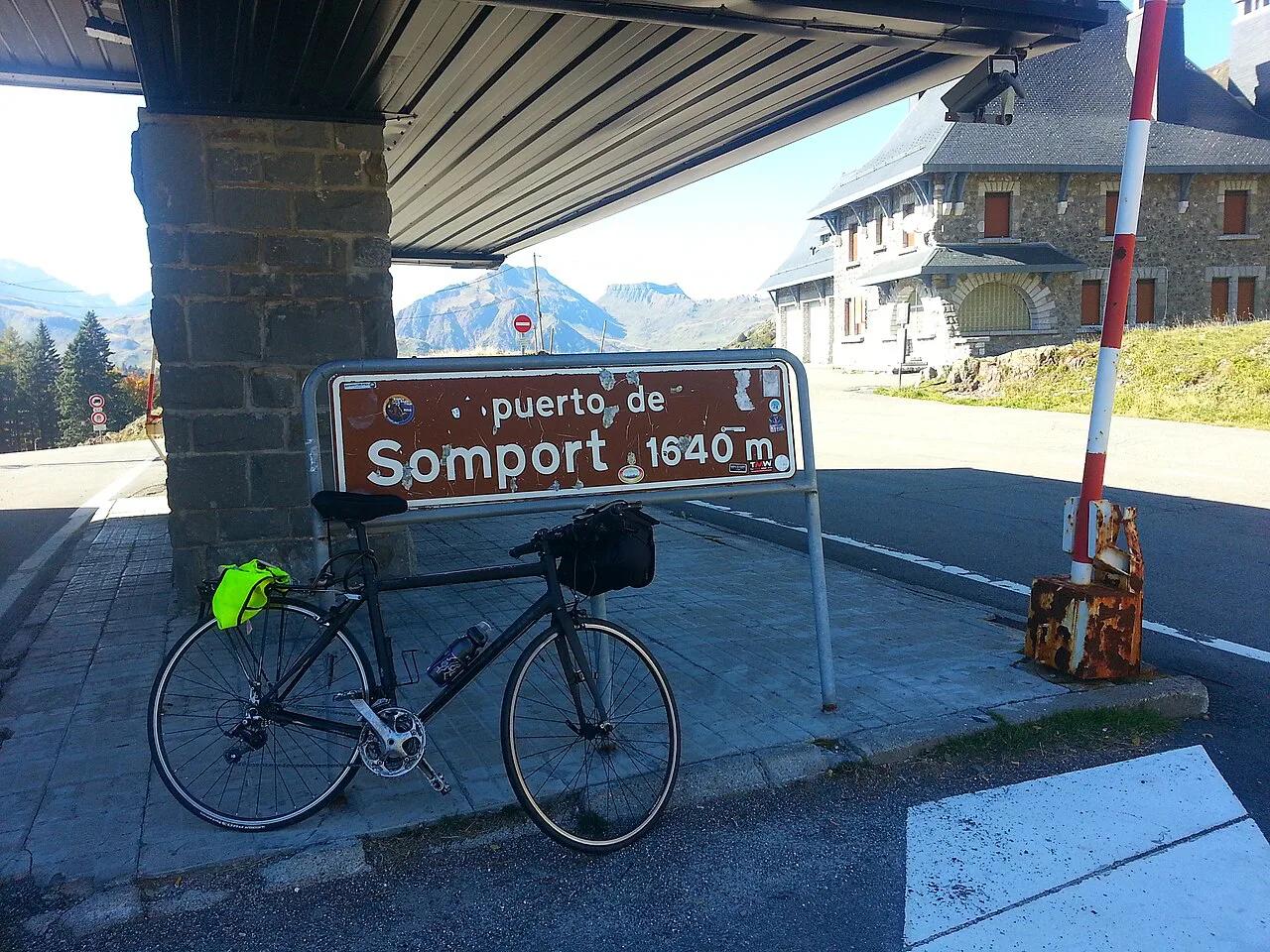
A komoot route author splits this ride into 2 stages through Auritz. Stage 1 covers 19.4 miles (31.3 km) with 4,331 ft (1,320 m) of climbing. Komoot rates it hard and warns that you may need to push in places. Stage 2 runs 22.8 miles (36.7 km) to the Pamplona suburbs, with 886 ft (270 m) up and a medium rating. In the author's view, this wider Camino line isn't meant for a road bike. A touring bike should work, and gravel is better. Before leaving, identify your track's pass and surfaces. Plan where you could turn back or stop if conditions change.
| Stage | Distance | Ascent / descent | Komoot time estimate |
|---|---|---|---|
| 1: Saint-Jean-Pied-de-Port to Auritz | 19.4 miles (31.3 km) | 4,331 ft / 2,067 ft | 3 hr 12 min |
| 2: Auritz to Pamplona suburbs | 22.8 miles (36.7 km) | 886 ft / 2,329 ft | 2 hr 23 min |
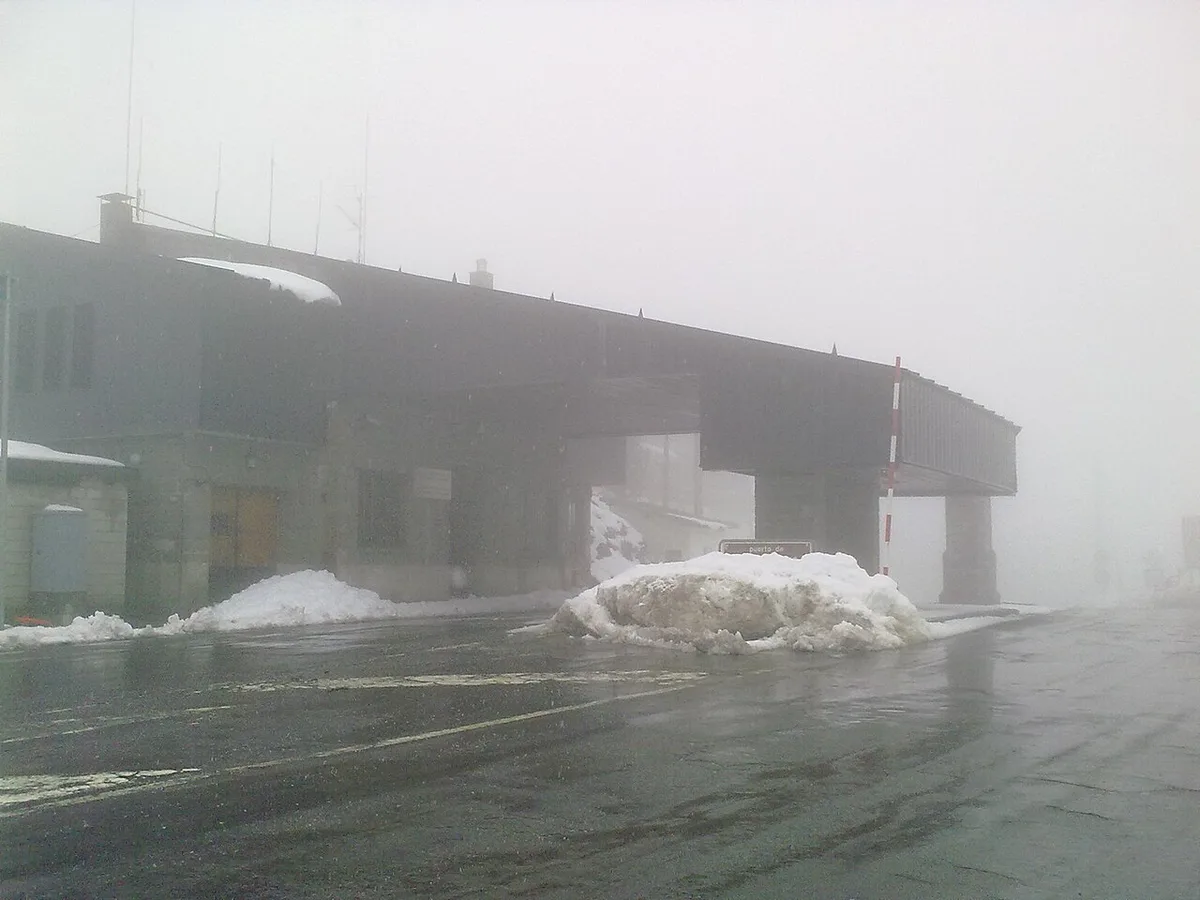
How hard is it, and how many days do you need?
Together, those 2 stages total about 42.3 miles (68 km) and 5,217 ft (1,590 m) of ascent. Treat them as separate days if that climb is beyond your loaded training rides. Komoot's estimates of 3 hours 12 minutes and 2 hours 23 minutes shouldn't be read as door-to-door schedules. Leave extra time for breaks, navigation, pushing and rest. Beyond Pamplona, stage 3 to Estella-Lizarra adds 35.5 miles (57.1 km) and 2,756 ft (840 m) of climbing. For Santiago, the author's description gives 532 miles (857 km) in 19 stages, each intended to take about half a day. A 56-mile (90 km) extension continues to Cape Finisterre. Your pace may call for a different split.
Read this against stage 1's 4,331 ft (1,320 m) climb: the Pamplona-to-Estella leg adds 2,756 ft (840 m) of climbing, so count it separately from that first climb when you set your daily pace.
- Fitness: weigh steepness and total ascent alongside distance.
- Luggage: test your loaded bike on climbs and rough ground before departure.
- Bike: match tires and gearing to the exact track. If you use a low-slung bike, test your recumbent touring setup against its surfaces and transport limits.
- E-bike: plan range around loaded climbing, and secure charging stops before relying on them.
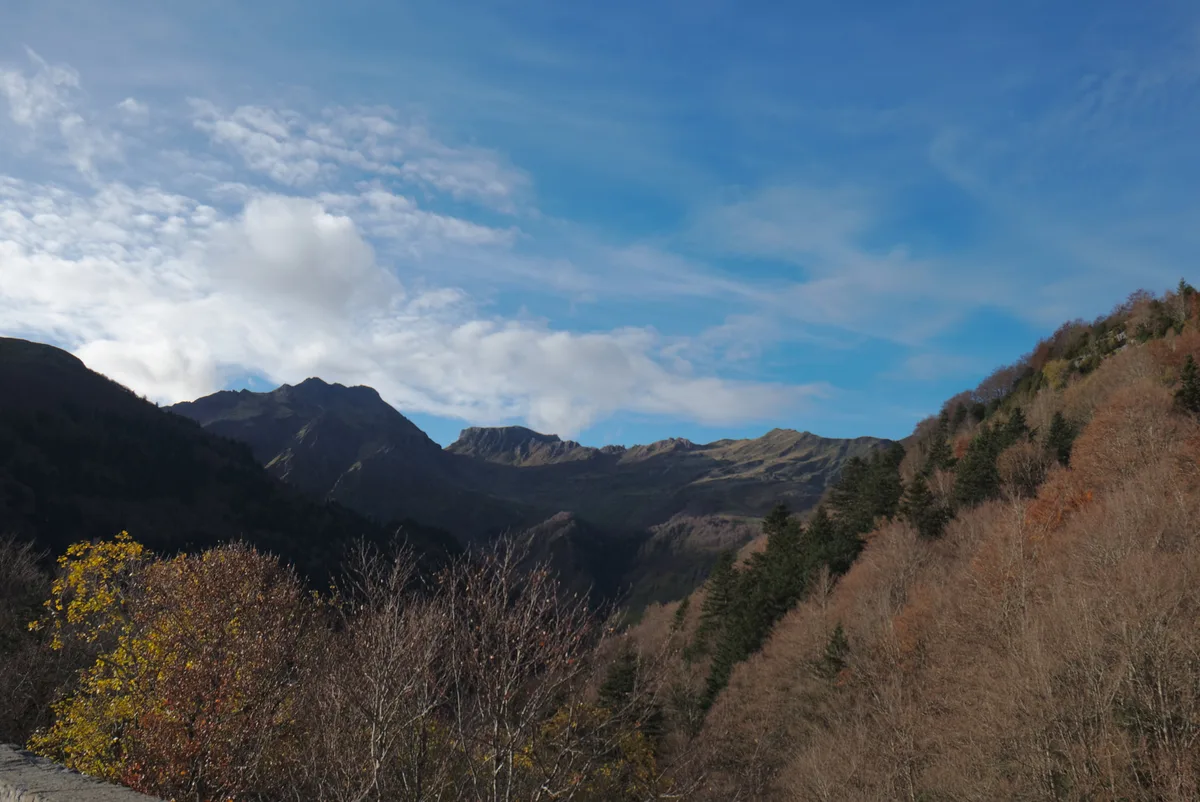
When should you ride across?
No single month suits every crossing. Choose dates using current mountain conditions for your exact track.
- Read forecasts from Météo-France and Spain's AEMET for both sides of your ride.
- Look for snow, heat, strong wind and road or trail closures.
- Fit your stage within available daylight, with time to spare for pushing or a detour.
How do you get there and back with a bike?
Settle both ends of the journey before booking a one-way ticket. Bike carriage can depend on the operator, service and whether your bicycle is assembled or boxed. For Spanish trains, read the conditions for your exact service on Renfe's official website. Ask French rail or bus operators about their own reservation and packing rules. Renting also needs care: get written confirmation of any cross-border drop-off. Review Spanish cycling rules through the DGT traffic authority, and use official French guidance before the border. Carry the identity documents required for your nationality and arrange suitable travel and medical insurance.
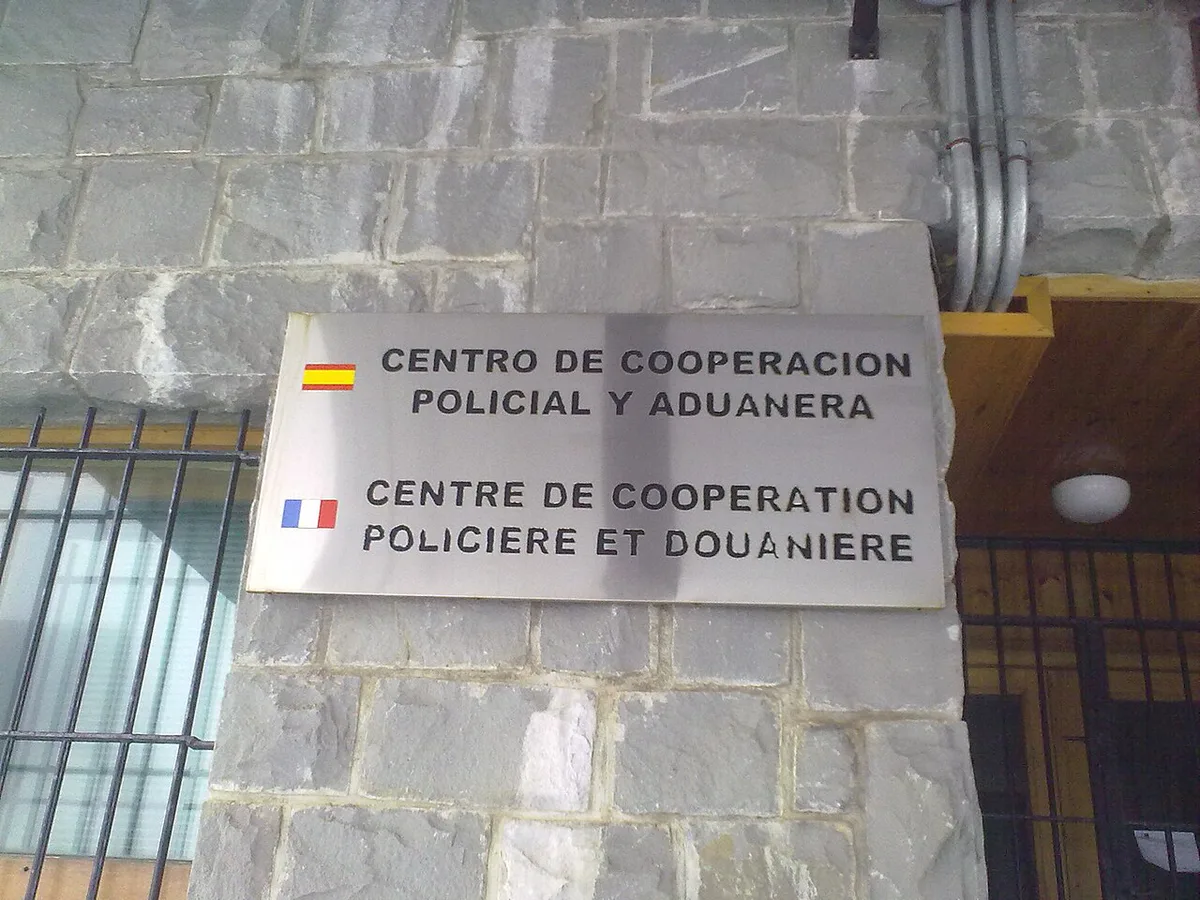
- Outbound: confirm the final link to your starting point.
- Return: price your bike reservation, packing and onward connection together.
- Backup: identify a place to leave the route if weather or mechanical trouble stops you.
Where will you sleep, and what drives the cost?
Reserve around your climbing day, especially if a late arrival would leave no practical alternative. Komoot's route author reports many places to stay along the Camino Francés, but says albergues are often crowded. Camping can add flexibility, although you shouldn't expect a site at every stage end. Ask each property about cyclist admission, bike storage and booking rules. Compare current rates on albergue, campsite or lodging websites. Add food, access transport, bike carriage and any rental return fee. Self-supported travel avoids separate guide and luggage-transfer charges, but you carry the load and organize each night. Before the first climb, mark reliable water, food, a bed and your bail-out choices.
| Travel style | Main advantage | Main trade-off |
|---|---|---|
| Self-supported | More control over stops | You handle bookings, luggage and problems |
| Self-guided with luggage transfer | A lighter bike when transfers are included | Fixed handoffs and service fees may affect plans |
| Guided | Organized support when included in the booking | Less control over dates or pace; inclusions affect cost |
What maps, GPX files and mistakes need attention?
Pin down the exact GPX before trusting a distance total. Komoot's collection header lists 21 days, 588 miles (947 km) and 41,535 ft (12,660 m) of ascent. Its separately labelled variant, updated 21 June 2024, shows 580 miles (933 km) and 41,601 ft (12,680 m) up. Those totals differ from the 532-mile description, so don't merge them. SPAINBYBIKE offers whole-stage planning and GPX export for Spanish routes. Its accumulated climbing excludes OSRM-calculated links between stages, which can make your real day hillier. Roads filling gaps in Spain's wider cycle network aren't necessarily traffic-free. Save an offline copy and inspect its direction, date and gaps. Komoot's author describes yellow scallop shells on blue and yellow arrows, with potentially confusing shell orientation in Galicia. Match signs against your map. On shared Camino paths, slow down around walkers and follow local restrictions. Pilgrims can collect a passport at a Saint-Jean-Pied-de-Port hostel, according to the same author. Get stamps along your ride, and ask the Santiago Pilgrim's Office about current cyclist certificate rules.
- Don't judge a mountain stage by mileage alone.
- Don't assume planner climbing includes every connecting leg.
- Don't equate a walking trail or route label with continuous pavement.
- Don't take an unsuitable bike onto rough ground.
- Don't buy one-way transport before arranging bike carriage.