Best Time to Cycle in Spain: Month & Region Guide
Find the best time to cycle in Spain for your route and riding style. Compare months and regions by heat, cold, rain, terrain and trip logistics.
Last updated November 2026: the best time to cycle in Spain is usually spring or autumn as an all-round choice. That answer changes by region and altitude, so compare your route using Spain's state weather agency and local tourism information. Southern summer riding calls for heat-limited plans, while winter-sun trips need a separate shortlist.
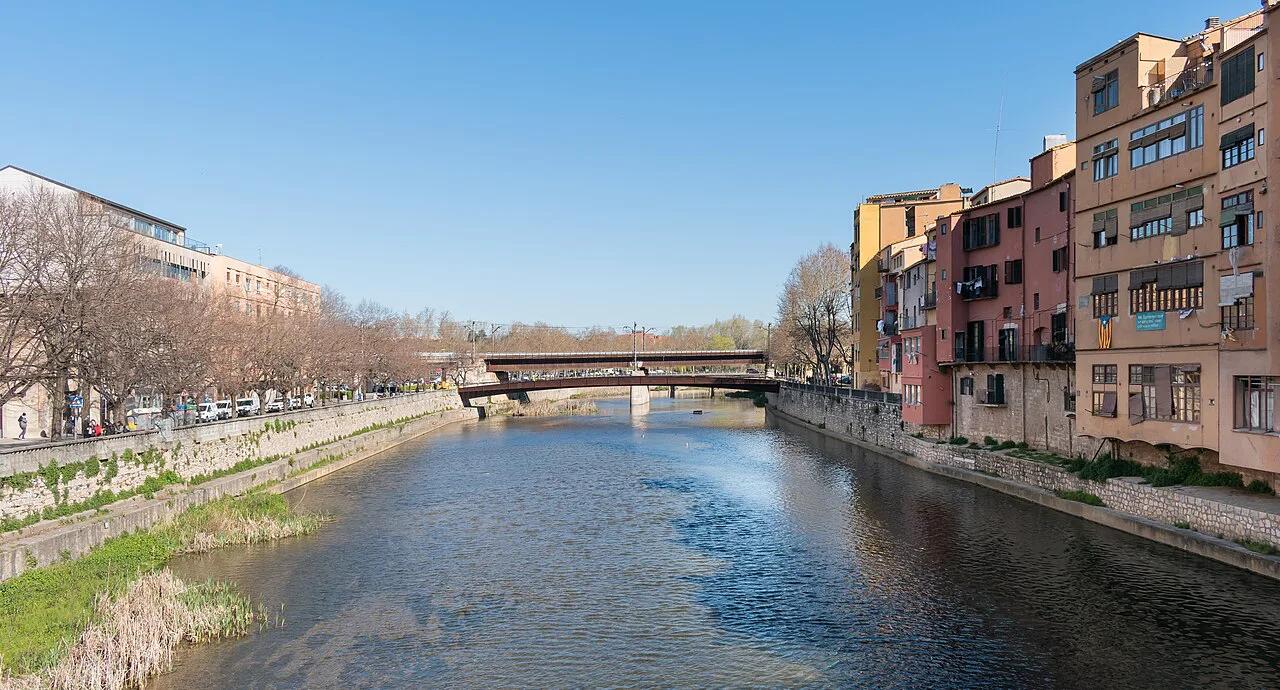
Featured image: Andy Mabbett, CC BY-SA 3.0, via Wikimedia Commons.
When Is the Best Time to Cycle in Spain?
Start with April, May, late September and October if your dates are open. This shortlist is an editorial starting point, with no promise of mild or dry days. Early spring and late autumn can behave differently from the middle of those seasons. For route ideas beyond timing, see our wider Spain riding guide.
| If you want | Consider | Main compromise |
|---|---|---|
| A flexible all-round trip | April–May or late September–October | Conditions still differ by zone and altitude |
| Southern summer base rides | Short early or evening outings | Heat can cancel a ride |
| Winter sun | Canary Islands or selected southern areas, December–February | Rain, wind and high-ground cold still matter |
| High mountain routes | Dates chosen around the exact passes | Valley weather may not match the summit |
| Fixed school-holiday dates | A zone that suits those dates | You may need to change region or shorten stages |
Spain Cycling Calendar by Month and Region
Use this planner to cover all 12 months, then narrow it to your route. These editorial ratings weigh seasonal fit, with heat as the clearest limit in the south. “Good fit” means worth shortlisting. “Conditional” depends on local weather and route checks. “Poor fit” means heat clashes with long daytime riding. “Unrated” means this guide has too little local evidence for a call. Northern Atlantic areas, the inland plateau and valleys, high mountains and the Balearics stay unrated. Judge each separately, without borrowing a southern coast rating. An eastern Mediterranean town also needs its own assessment.
| Month | Southern coast, all-day riding | Canary Islands, lower routes | Other zones |
|---|---|---|---|
| January | Conditional: winter weather | Conditional: good winter-sun candidate | Unrated |
| February | Conditional: winter weather | Conditional: good winter-sun candidate | Unrated |
| March | Conditional: changing spring weather | Conditional: local wind and rain | Unrated |
| April | Good fit: spring shortlist | Conditional: local wind and rain | Unrated |
| May | Good fit with heat limits: warm season begins | Conditional: local forecast | Unrated |
| June | Conditional: daytime heat | Unrated | Unrated |
| July | Poor fit: intense heat | Unrated | Unrated |
| August | Poor fit: intense heat | Unrated | Unrated |
| September | Conditional: warmth continues; reassess late month | Unrated | Unrated |
| October | Good fit: autumn shortlist | Conditional: local forecast | Unrated |
| November | Conditional: late-autumn weather | Conditional: local wind and rain | Unrated |
| December | Conditional: winter weather | Conditional: good winter-sun candidate | Unrated |
Cycling in Spain by Season: Spring to Winter
Compare daytime highs, overnight lows, rainfall, wind and daylight for the same weather-station reference period. Include altitude as well. A monthly average can hide a hot afternoon, a cold start or a chilly descent. Heat may force an earlier departure or shorter stage, while cold high ground may call for a lower route. For winter detail, use our guide to planning colder-month rides. Island research can begin with Tenerife's official tourism information, though Tenerife cannot stand in for every Canary Island.
| Season | Zones to investigate | Suits | Main limitation | When to change plan |
|---|---|---|---|---|
| Spring (March–May) | Southern and eastern lowlands first | Flexible tourers and leisure riders | Early and late spring can differ | Move lower if mountain conditions are poor; limit late-May heat |
| Summer (June–August) | Local bases with route-specific forecasts | Riders able to shorten or skip days | Heat, especially in southern July and August | Change zone or dates if you must ride through hot afternoons |
| Autumn (September–November) | Lowlands matched to your dates | Tourers and road riders | Early heat and later weather changes | Reassess southern heat in September and daylight in November |
| Winter (December–February) | Canaries and selected southern or Mediterranean areas | Winter-sun riders | Rain, wind, shorter days than summer and altitude | Use a lower route or rest day when conditions deteriorate |
Can You Cycle in Spain in Summer?
Yes, some trips can work, but long, fixed stages need much more caution than flexible base rides. In the Axarquia, east of Málaga, local operator Cycle Malaga reports temperatures of 25°C (77°F) and above from May through September. These describe the hottest part of the day, usually mid to late afternoon. It also says southern Spain can reach about 35°C (95°F), in the mid-30s Celsius, during July and August. Neither figure describes all day or the whole country. June is the better starting choice than July for southern riding because Axarquia's heat is usually more intense in July and August. August belongs in that high-caution period too. Build up gradually in the heat, ride early or in the evening, and follow official health advice and weather warnings. An early start does not remove heat risk.
Even in months rated Poor fit, like July, treat 30°C (86°F) as one example of a personal cut-off, not a medical limit.
- Water: carry at least 2 large bottles as a starting point, add capacity for longer gaps, and refill only with water confirmed as potable.
- Refills: map open shops, bars or other reliable stops before leaving; do not assume every roadside fountain is suitable.
- Sun and clothing: use sun protection, UV-protective eyewear and breathable cycling clothing.
- Shade: identify places to stop, including on climbs, without assuming the route has tree cover.
- Fallback: set a shorter loop, transport option or no-ride day before departure.
- Touring: reaching the next bed must never depend on continuing through unsafe heat.
- Personal cut-off: you might choose to reassess at a forecast 30°C (86°F), or much lower; this example is not a medical safety limit.
Which Month Fits Your Type of Ride?
Your daily workload can change the right month. Loaded and first-time riders should leave extra time between overnight stops, using our self-supported touring advice. For organised travel, compare guided ride options by daily distance, climbing and weather policy. Riders considering assistance can explore electric-assisted tour choices. Ask the provider how climbing, temperature and charging access affect the planned day.
| Ride type | Starting window and zone | Deciding factor | Adjust or avoid when |
|---|---|---|---|
| First-time or loaded touring | April–May or October; suitable lowlands | Margin between beds | Heat, climbs or supply gaps make stages rigid |
| Road training | Spring or autumn; route-specific lowlands | Repeatable riding days | Wind or heat disrupts planned efforts |
| High mountain route | Unrated by month; assess the exact area | Summit weather and access | Cold descents, storms or closures affect it |
| Gravel or mountain biking | Spring or autumn shortlist; local trail check | Surface and access | Wet ground or fire-risk restrictions affect trails |
| Leisure or e-bike trip | April–May or October; suitable lowlands | Comfort and manageable stages | Range or conditions leave too little reserve |
| Winter sun | December–February; Canaries or selected southern areas | Local rain, wind and altitude | Your base requires exposed climbs in poor weather |
Route and Logistics Checks Beyond the Weather
Good weather cannot make an unsuitable road pleasant or safe. Coastal lines may involve traffic or urban sprawl. Inland alternatives may add climbing, heat exposure and longer service gaps. Inspect the actual roads, shoulders and junctions before choosing either. For signed route research, browse the EuroVelo network. Greenway riders can also research Spain's Vías Verdes, checking each section's surface and current access. In Catalonia, Costa Brava and Girona Pyrenees tourism offers a regional starting point, but coast and mountains need separate weather assessments. Review Spanish road rules for riders before departure.
- Wind: compare typical patterns and the forecast for your exact stretch; there is no useful countrywide riding direction.
- Beds: check holiday demand, local events and seasonal closures between every overnight stop.
- Rail: read operator and service conditions in our guide to rail carriage for bikes.
- Rentals: ask about dates, bike type, lead time and cancellation terms when hiring a bike locally.
- Access: confirm mountain and off-road closures, including weather or fire restrictions, with route managers or local authorities.
How to Choose Your Dates and Budget
Shortlist two date windows, then price the same itinerary for both. Compare identical room types, bike hire, transport and cancellation terms. Off-peak travel is not automatically cheaper in every town. As a worked example rather than a market rate, a room at €90 a night in one window and €150 in another creates a €420 difference over 7 nights. Apply your actual quotes to that calculation, then weigh savings against closures and weather flexibility. If you prefer a package, our advice on choosing a cycling holiday can help narrow the format.
- Choose your ride type and honest limits for heat and cold.
- Match daily distance and climbing to the least favourable likely part of the day.
- Compare station climate records first; use forecasts closer to departure.
- Map beds, water and food between stops.
- Keep a shorter route, transport backup or rest day.
- Read cancellation terms before paying.
- Mistake to avoid: choosing by average temperature alone or applying one region's weather to all of Spain.
- Mistake to avoid: booking a coastal line without inspecting its roads or preparing a bad-weather alternative.
- Next step: pick one zone and two possible windows, then price its route, rental or tour.
Frequently Asked Questions
What is the rainiest month in Spain?
No single month should guide a Spain-wide cycling trip because rainfall needs local comparison. Look up monthly climate records for stations near your route, then compare both rainfall totals and rainy days over the same reference period.
Which time is best for cycling?
For warm-weather rides, early morning or evening usually offers lower temperatures and weaker sun than the afternoon. Allow for daylight and visibility, and cancel if conditions remain too hot.