Bike Tours in Spain: How to Choose the Right Trip
Compare bike tours in Spain by terrain, effort, guided or self-guided support and trip style, with key costs and checks to make before booking.
Last updated November 2026: for bike tours spain, choose guided if you want a ride leader, or self-guided if you can follow a route and manage pauses independently. Supported tours add specified backup, such as luggage transfers or a vehicle, to either format and suit riders who want practical help. Your best match among Spain bike tours also depends on terrain, daily effort, bike type and travel dates, so start with the comparison below.
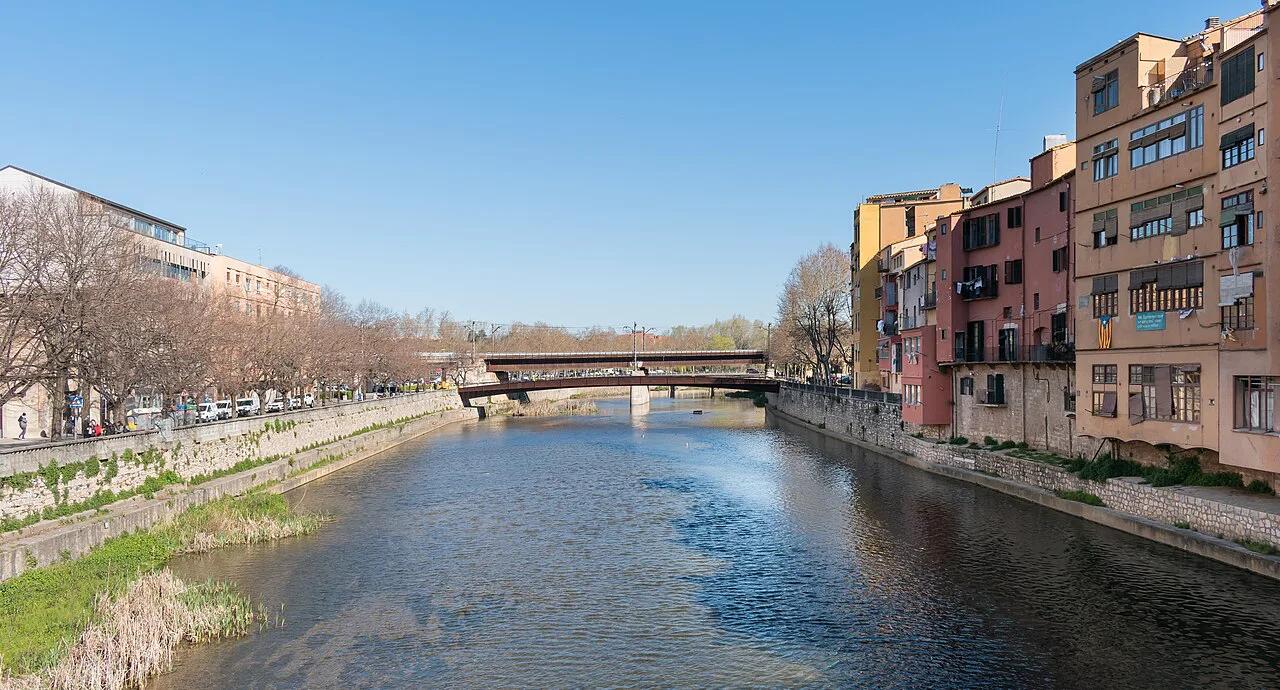
Featured image: Daniel CULSAN, CC BY-SA 4.0, via Wikimedia Commons.
Which Bike Tours in Spain Suit You?
Pick your riding style first, then compare actual itineraries within it. These profiles are planning categories, so an individual departure may differ. For wider route and region ideas, read our overview of Spanish cycling.
| Trip style | Best for | Skip if | Ask about | Main trade-off |
|---|---|---|---|---|
| Demanding road | Confident, trained road riders | Repeated climbing days worry you | Daily climbing and shorter options | Big riding days can limit rest |
| Winter training base | Riders building fitness from one hotel | You want to travel from town to town | Coaching, ride groups and rest days | Less route progression |
| Mountain bike | Riders with suitable off-road skills | Loose or technical ground is unfamiliar | Trail grade, descents and uplifts | Skill matters alongside fitness |
| Greenway or relaxed touring | Riders seeking a gentler pace | You need guaranteed traffic-free or paved riding | Surface, crossings, road links and closures | Route choice may be narrower |
| Self-guided point-to-point | Independent riders who like moving on | You want a leader to solve problems | Navigation, luggage and emergency help | Skipping a stage may need transport |
| Short trip | Riders with limited vacation time | Travel would leave you tired before riding | Actual riding days and arrival deadline | Less room for delays or recovery |
Guided, Self-Guided, or One-Base Tour?
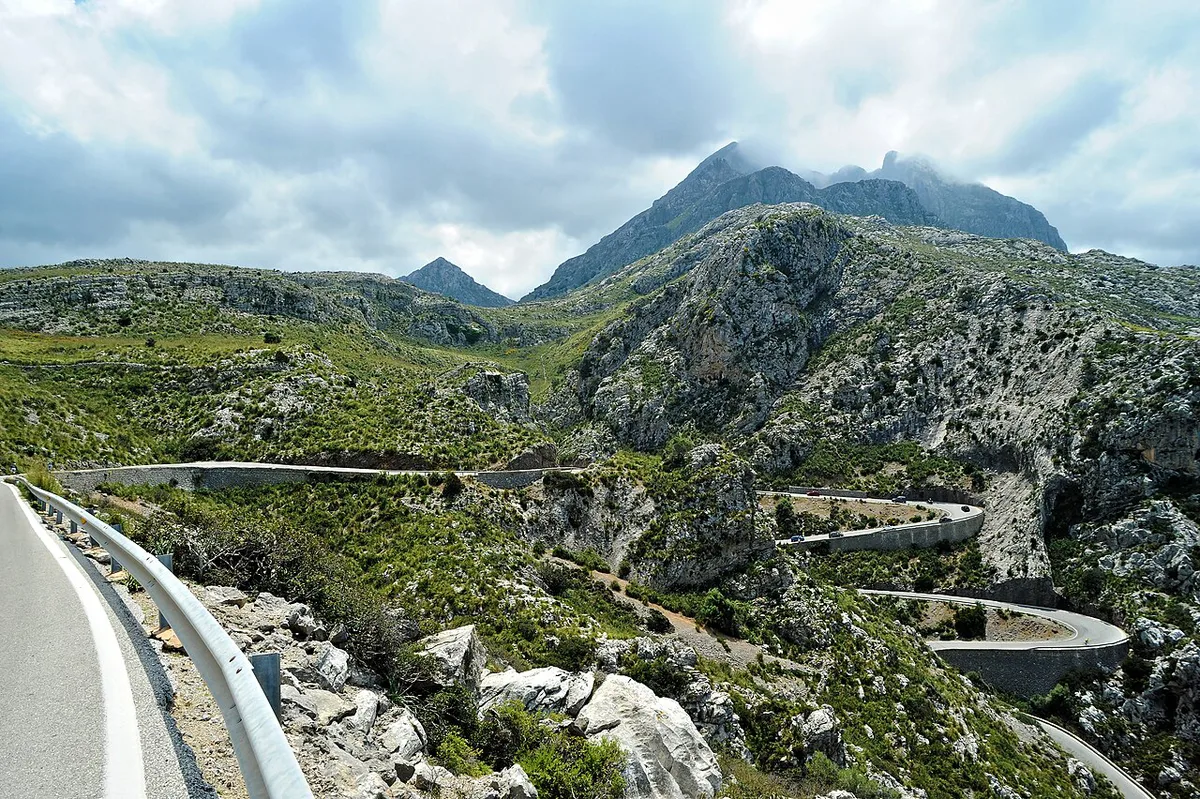
Guided cycling tours in Spain can suit solo travelers, first-time visitors and riders who prefer shared navigation. Ask how the leader handles different speeds. Also find out whether repairs, a support vehicle and your preferred language are included, because a guide alone does not promise them.
Self-guided travel gives you more say over pace and stops when your booking allows it. In return, you may need to navigate, fix a puncture and arrange help. Request sample navigation files and emergency contact hours before paying. For planning without a packaged itinerary, compare independent bike touring options.
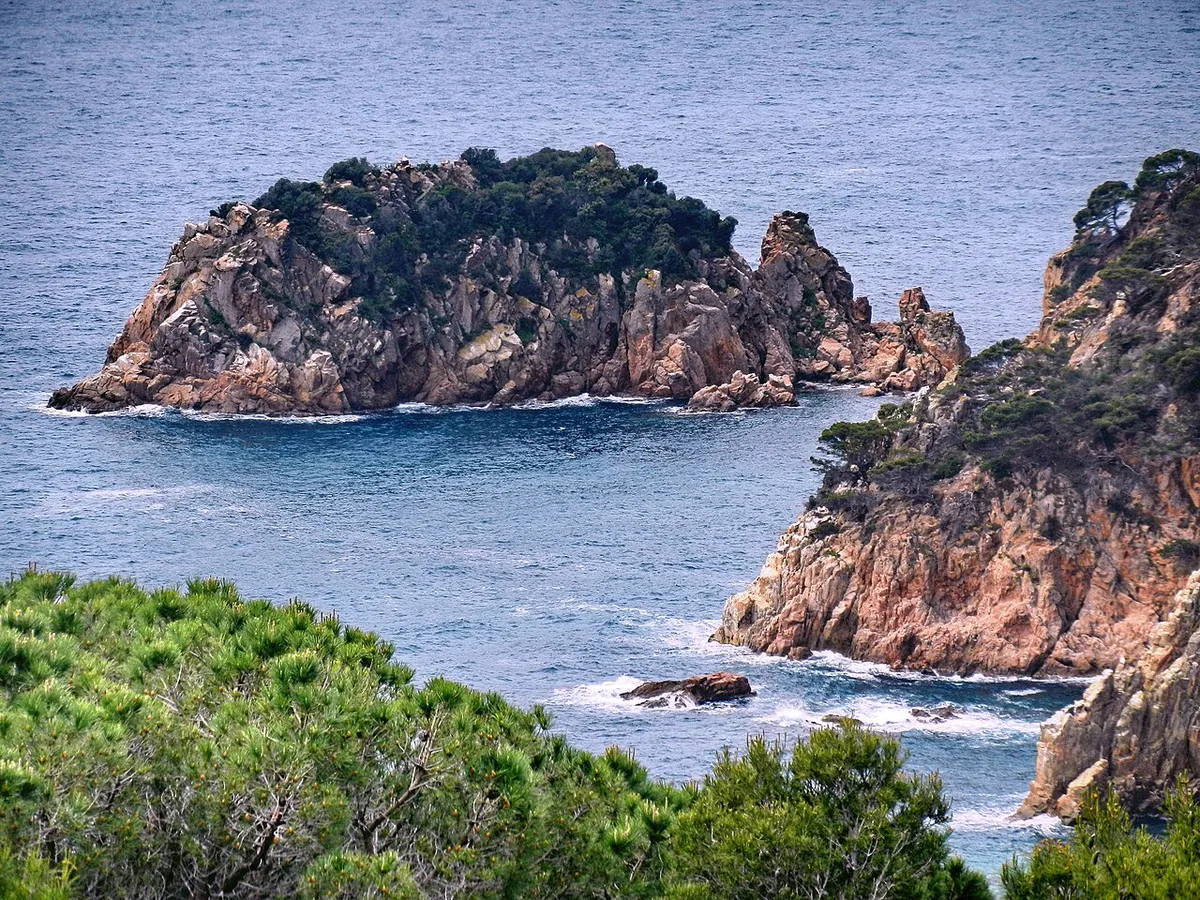
Lodging is a separate decision. One base lets you stay unpacked and may make a rest day easier. Point-to-point riding gives you a sense of progress, but luggage and missed stages need a clear plan. Our cycling holiday planning guide can help with the wider trip.
Match the Tour to Your Riding Style
Road cyclists comparing Girona, Mallorca, Gran Canaria or Tenerife should judge each route's climbs and traffic exposure. A familiar destination name tells you little about the pace. For local background, browse Costa Brava and Girona Pyrenees tourism information. Island planners can also use Tenerife's official visitor site.
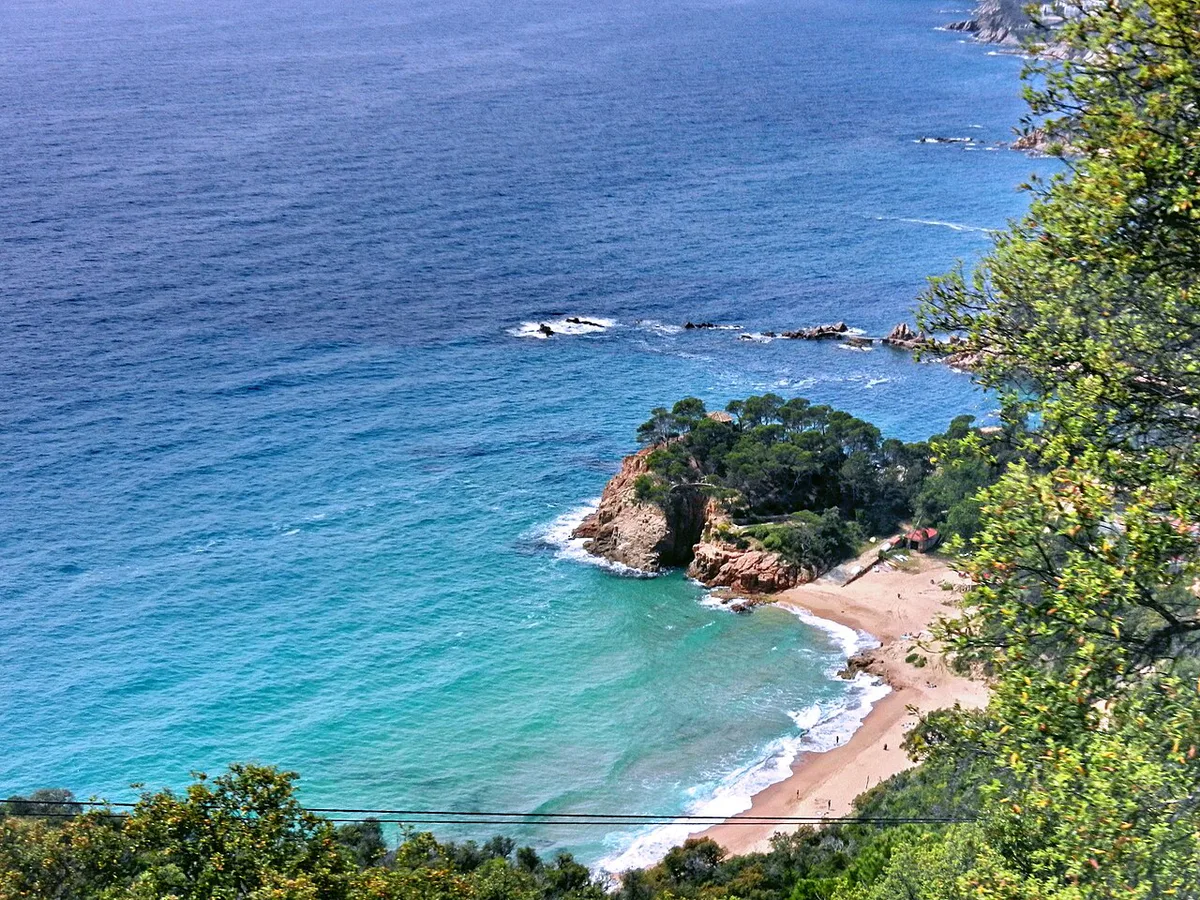
Mountain bikers considering Sierra Nevada should ask for descriptions of both climbs and descents. Uplifts can change the day's effort, so get the number included and any added fee in writing.
Greenway riders can research individual routes through Spain's Vías Verdes network. Do not assume every stage is paved, car-free or suitable for children. Longer-route planners can explore the EuroVelo route network. Another subject for independent research is the Camino del Cid route. A route website is a planning resource, so establish separately what any tour company provides.
If assistance would widen your choices, compare dedicated electric bike tours. Not every departure necessarily accepts e-bikes. Ask about rental stock, charging, battery range on hilly stages and whether your own model is allowed.
How Hard Is the Tour?
Distance alone cannot establish difficulty. Ask for distance and elevation gain for every riding day, plus the longest and steepest sections. Surface, wind, heat, descending skill and consecutive days can change how demanding an itinerary feels.
Compare those details with rides you have recently completed comfortably. Beginners should look for a clearly described introductory route and a practical way to shorten each stage. Find out where a vehicle can collect you and whether pickup costs extra. “Supported” does not necessarily mean immediate rescue.
- Effort: daily distance, total climbing and the hardest day
- Terrain: paved, gravel or technical trail, with traffic exposure
- Recovery: consecutive riding days, rest days and transfer time
- Exit options: shortcuts, pickup points and public transport
When and Where Should You Ride?
Choose dates for the specific region and elevation, because one national forecast cannot describe every route. Use AEMET, Spain's weather agency, for weather information. Consider heat, rain, wind, cold, snow and daylight, especially when a route crosses high ground.
Seasonal averages can help with shortlisting, while forecasts belong closer to departure. Compare regions with our Spanish cycling season guide. For colder months, see winter riding considerations. Málaga training trips and island rides can go on a winter shortlist, but neither location guarantees suitable conditions. Ask what happens if weather makes a planned stage unsafe, including alternative routes, transport and refunds.
What Does the Tour Price Include?
Compare dated quotes for the same travel dates, room arrangement and bike type. Current rates and inclusions belong on each operator's itinerary and booking terms. Keep quotes in euros when that is the selling currency, and note whether they apply per person or require shared occupancy.
Add every exclusion to the headline rate before deciding which option costs less. A cheaper booking can become the dearer choice after rental, transfers and a private room. Package length also differs from saddle time, so count arrival, departure and rest days separately.
- Stay: nights, meals, shared or private room, and single supplement
- Bike: rental, e-bike supplement, helmet, pedals and damage terms
- Logistics: luggage moves, station or airport transfers and uplifts
- Support: guide, repairs, vehicle access, navigation and emergency help
- Booking: deposit, insurance and optional activities
Getting to the Start With or Without Your Bike
Get the meeting address, arrival deadline and finishing point before reserving transport. Point-to-point trips also need a workable return. Ask whether transfers carry people, bikes and bike cases, since passenger transport may not cover all of them. Book extra nights near the start or finish when the timetable calls for them.
Bringing your bike preserves your usual fit but adds packing, carrying and storage tasks. Renting can simplify transport if the right size and equipment are available. Compare the practical details in our Spain bike rental guide. Rail travelers should review bike-on-train planning advice. Use the carrier's current policy for your exact service, and apply the same approach to flights, ferries and coaches.
What to Check Before Booking
Request the full itinerary and terms before paying a deposit. Solo travelers should ask whether they can join, share a room or pay a single supplement. Review Spain's cycling law considerations alongside current official traffic guidance. Match your insurance to the activity, including off-road riding, rented equipment and cancellation.
Avoid booking nonrefundable travel until your departure and meeting point are secured. A package description should never leave you guessing about riding days, climbing, surfaces or included help.
- Departure: date, minimum group size and booking status
- Eligibility: age, height, riding ability and bike restrictions
- Changes: cancellation, refunds, weather disruption and route substitutions
- Access: meeting point, return trip, luggage and bike storage
- Safety: emergency contact, response coverage, insurance and bail-out plan
Frequently Asked Questions
What are some of the best cycling destinations in Spain?
In our editorial assessment, the right destination depends on your riding style. Road riders can start comparing Girona, Mallorca, Gran Canaria and Tenerife. Mountain bikers can research Sierra Nevada, while winter-training planners can add Málaga to their shortlist.
How long does it take to bike the Camino?
Your timing depends on which Camino you ride, where you start, your daily effort and your rest days. Build the schedule stage by stage, with room for delays. If you want pilgrim recognition, read the current requirements from the Santiago Pilgrim's Office before choosing your starting point.