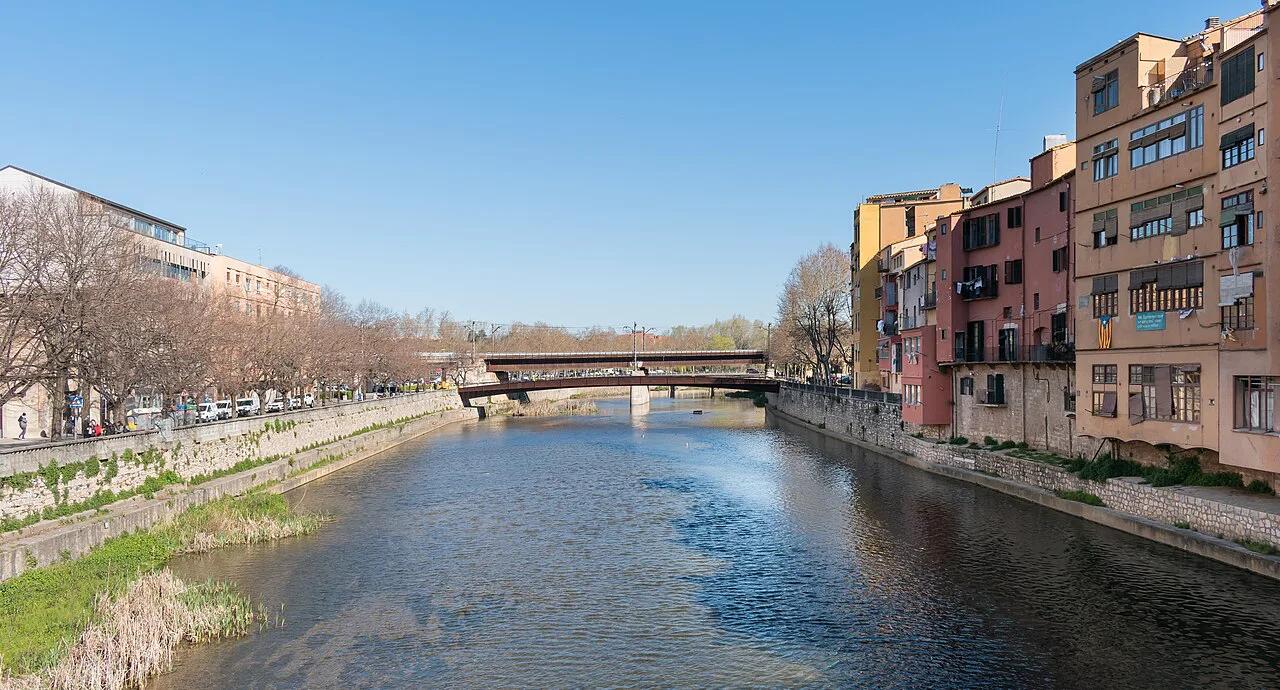
Bike Touring Spain: Routes, Seasons and Planning
Plan bike touring in Spain: compare touring styles, choose a route and season, and check bike transport, budget, overnight stops and safety.
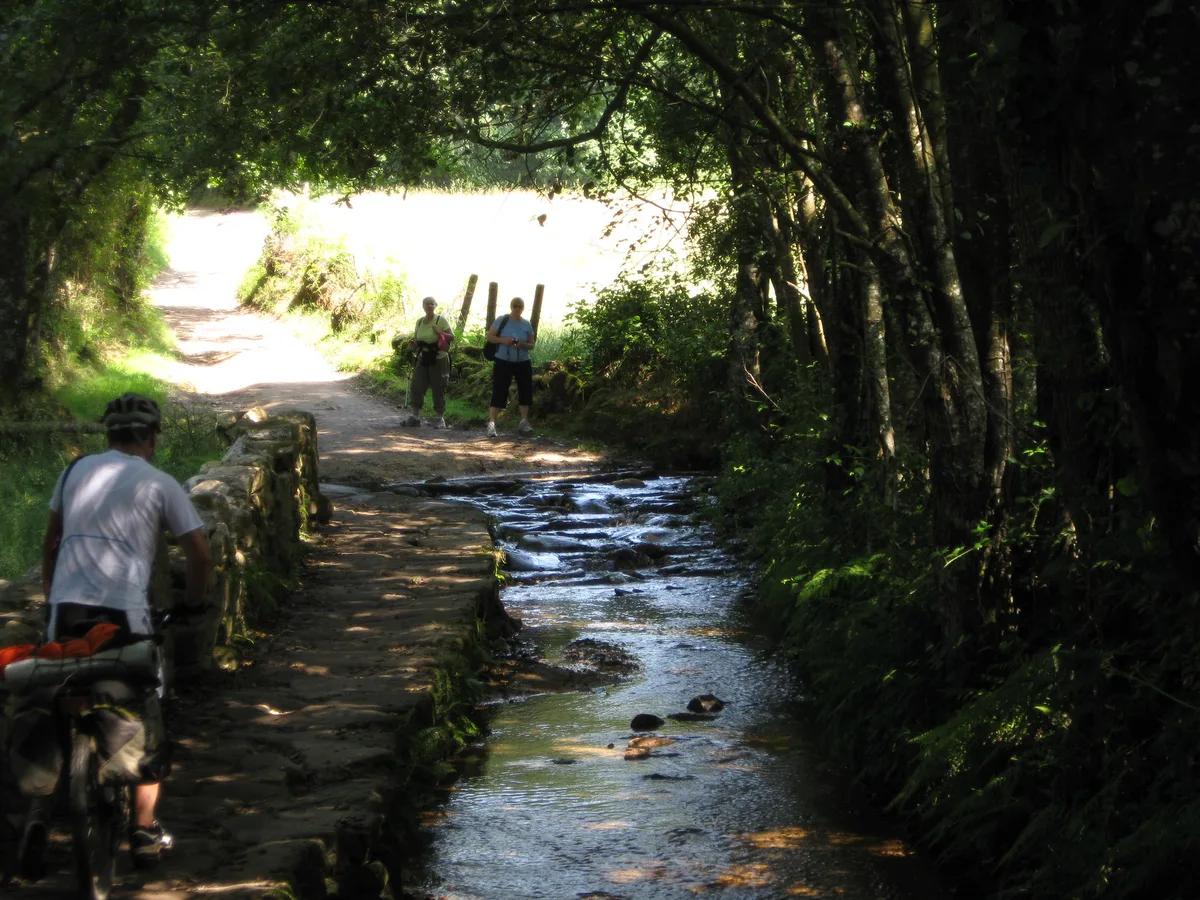
Last updated November 2026: for self-supported bike touring Spain plans, match the surface to your tires and load, then limit remoteness and climbing to what you can manage in that season. For cycle touring Spain on pavement or bikepacking Spain on dirt, reject any route with unclear access, unworkable supply gaps or no realistic exit during expected weather. For wider context, start with our Spain cycling overview.
Featured image: Fresco Tours, CC BY 2.0, via Flickr.
Which Kind of Bike Tour Fits You?
Self-supported travel gives you control, but navigation, luggage and repairs become your job. Credit-card touring here means carrying light bags and sleeping in booked or paid lodging. If you want help, compare organized Spanish bike tours. For each package, ask what luggage transfer, mechanical backup and early pickup actually include. You can also compare broader cycling holiday formats. A base with day rides is an alternative to touring when moving your luggage daily has little appeal. These table ratings are editorial judgments, assuming a multi-day trip.
| Style | Best fit / skip if | Planning, luggage and backup | Cost drivers and flexibility |
|---|---|---|---|
| Self-supported camping | Independent riders / skip if repairs and navigation worry you | High effort; you carry camping gear and arrange backup | Gear, sites and food; flexible where legal stops allow |
| Credit-card touring | Riders wanting lighter bags / skip if fixed beds feel restrictive | High booking effort; you handle backup | Lodging and meals; limited by room availability and terms |
| Self-guided package | Riders wanting arrangements made / skip if you change plans often | Less booking work; support depends on package | Package inclusions and extras; changes depend on terms |
| Guided or van-supported | Riders wanting help or company / skip if you prefer solo pacing | Usually less planning; confirm luggage and mechanical cover | Staffing and services; group schedules may limit changes |
Where to Go Bike Touring in Spain
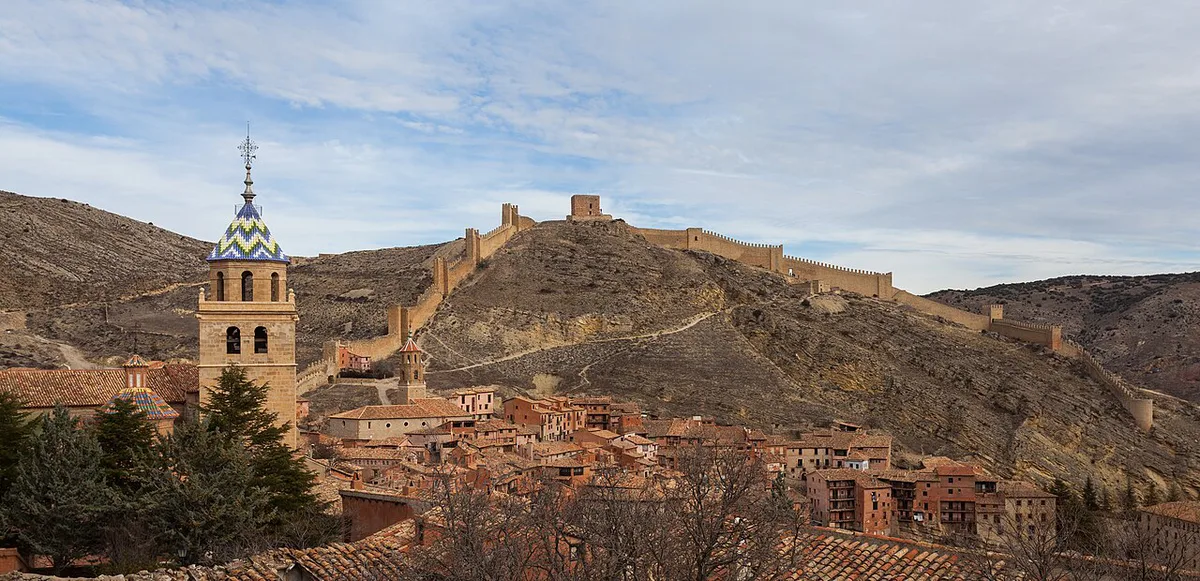
Choose a researchable corridor before drawing a line across the map. For rail-trail ideas, browse Spain's Vías Verdes greenways. Treat each greenway as a separate segment, including any road connection to the next one. For longer corridors, explore the EuroVelo route network. A published line still needs a current review of surface, traffic, closures and overnight gaps.
One YouTube example shows 3 days of touring on the Basque coast, with seaside roads, forest trails, lighthouse views and a short ferry crossing. Use that length as an example, not a recommended schedule. Before copying such a ride, establish bike access on every trail and the ferry's carriage rules. Madrid, Andalusia, Mallorca and other areas can go on your research list, but a regional name cannot establish rider fit.
| Research starting point | Good use | Decide before committing |
|---|---|---|
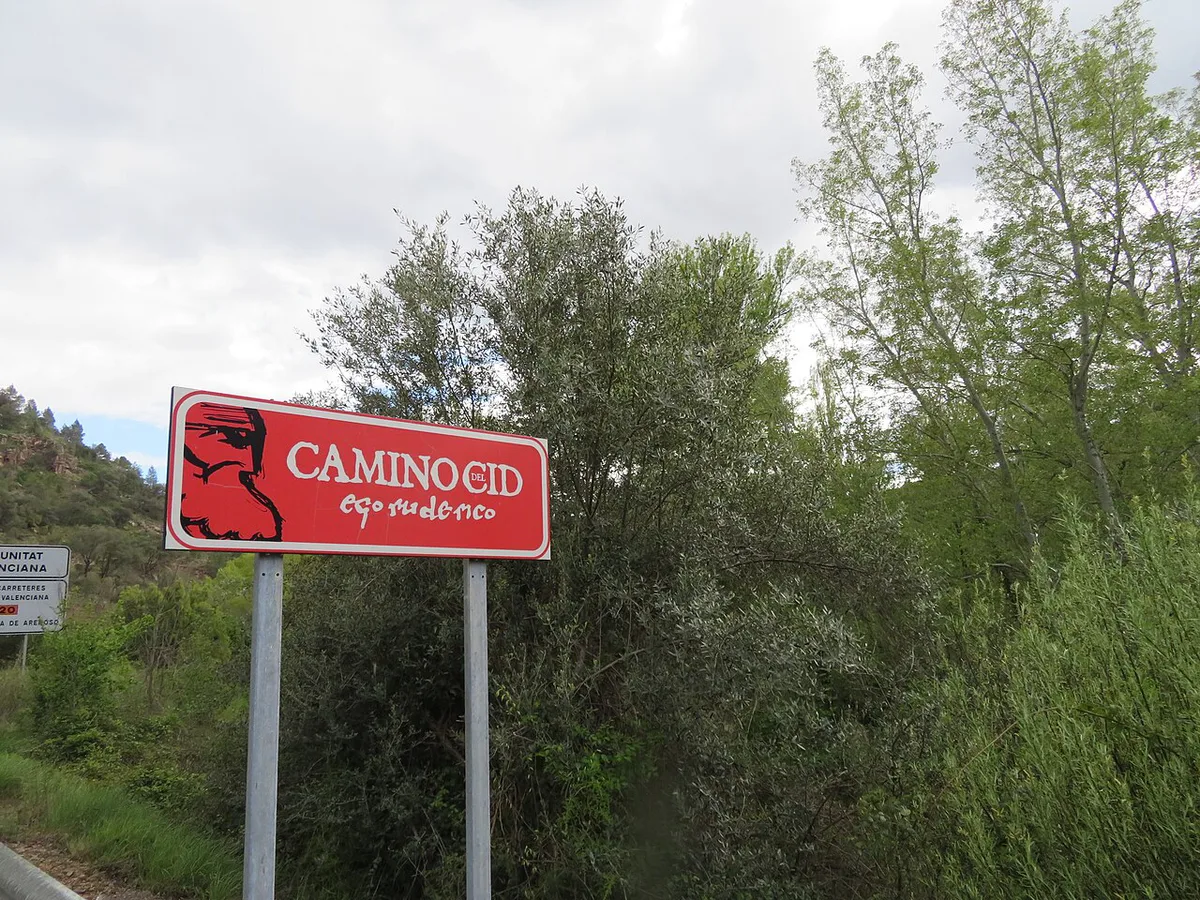
| Camino del Cid website | Researching a themed route | Bike-specific line, surface, climbing and services |
| Santiago Pilgrim's Office | Researching pilgrimage information | Cycling access and any current pilgrim requirements; walking paths may differ |
| Costa Brava tourism site | Exploring Costa Brava and the Girona Pyrenees | Coastal or mountain alignment, traffic, stops and exits |
| Tenerife tourism site | Researching an island trip | Elevation, road or trail access, weather and bike transport |
When to Go: Match the Season to the Route
Spain has no single touring month that suits every route. Compare heat, cold, rain, wind and daylight at both low and high points. For forecasts and warnings, use Spain's state weather agency. Seasonal averages can guide early choices, while forecasts belong in your departure decision. Our seasonal cycling guide covers timing in more detail. For colder months, read about winter riding in Spain. If conditions undermine your margin, shorten stages, choose another region or move your dates. Also ask whether lodging, food stops and transport operate when you plan to arrive.
How Far to Ride and How Long to Allow
Start with available days, then reserve time for arrival, bike assembly, rest, weather delays and getting home. Set each stage from recent riding, loaded weight, ascent, surface, daylight and temperature. Distance alone can hide a slow dirt climb or a long gap between supplies. Take a loaded trial ride on comparable terrain before fixing nightly bookings. First-time tourers should favor a route with practical places to stop early. Give your hardest stage a fallback, such as another bed, a suitable transfer or a shorter line. If none works, redesign that section or book dependable support.
Those 3 days of touring on the Basque coast are an example length, so add your own arrival, assembly and weather-delay time on top.
Getting to the Start and Home With Your Bike
A loop can simplify bags, storage and your return. A one-way tour avoids doubling back but adds a second transport problem. Before booking either end, check bike carriage with each airline, train, bus and ferry operator. Ask about reservations, capacity, packaging, dismantling and e-bike batteries. For rail planning, use our bikes-on-trains guide, then read the rules for your exact service. Do not carry one operator's policy across the whole country. Keep a workable backup for a full service, cancellation or refused bike.
Bring or Rent: Bike and Luggage Setup
Bringing your bike preserves familiar fit, but transport adds packing work and damage risk. For a hire alternative, compare Spanish bike rental options. Ask the provider about size, racks, bag compatibility, pedals, spares, deposit, damage terms and one-way return. Choose road, gravel or touring equipment around your documented surface and loaded weight. For electric assistance, browse Spain e-bike tour options. Test realistic range with cargo and climbing, and plan charging, repair help and battery transport. Pack repair tools, water capacity, weather layers, lights, navigation backup and gear suited to your overnight plan.
Budget and Overnight Trade-Offs
Price your actual dates through each provider's current terms rather than relying on a nationwide daily estimate. Compare complete totals, since a package may bundle services that independent travel charges separately. Camping can change lodging costs but adds gear and weight. Indoor stays can lighten your bags while making room availability more influential. Never assume wild camping is allowed; consult the relevant local or protected-area authority.
- Beds or campsites, food and water
- Flights, rail, buses, ferries, transfers, bike boxes and storage
- Rental or package fees, support, insurance, repairs and contingency
- Secure bike storage, charging, late arrival and cancellation terms
- Distance to the next viable bed if a booked stop fails
Safety, Rules and Final Go/No-Go Check
Read current traffic-authority rules and relevant local restrictions before riding. Our Spanish cycling law guide can help organize questions about equipment, helmets, lights, road access and e-bikes. Carry offline navigation, emergency contacts and suitable insurance details. On departure day, delay or change your route if any essential item below remains unresolved. Seek support or postpone if you cannot manage a likely breakdown or safely stop early.
Mistakes to avoid: assuming walking paths permit bikes, treating distance as effort, booking a one-way trip without return space and ignoring service gaps.
- Go only with legal bike access confirmed for every segment.
- Go only after closures, official warnings and the latest forecast leave a workable plan.
- Mark dependable water, food and overnight options, including a fallback.
- Secure return transport that can accept your bike, plus an alternative.
- Identify exits, repair options and who to contact in an emergency.
- No-go: any critical gap depends on guesswork.