Cycling in Spain in Winter: Where to Ride and How to Plan
Compare places for cycling in Spain in winter by terrain and weather exposure, with advice on bikes, kit, dated tour prices and backup routes.
Last updated November 2026: you can plan cycling in Spain in winter, looking first at the Canary Islands and lower Mediterranean areas. High mountains and exposed inland routes need closer weather scrutiny, so your choice depends on region, elevation and forecast. For wider route ideas, see our guide to planning rides across Spain.
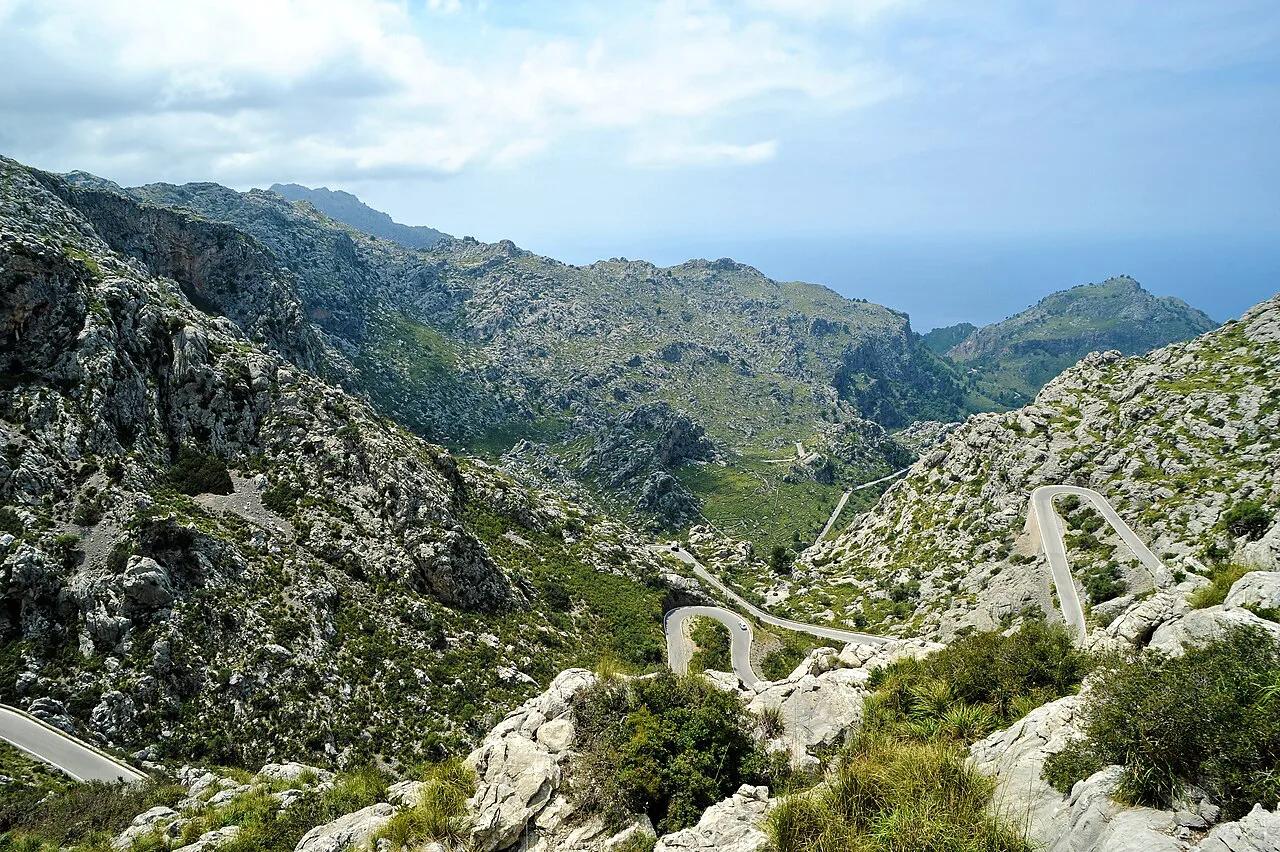
Featured image: Diego Delso, CC BY-SA 4.0, via Wikimedia Commons.
Season Comparison: Is Winter a Good Time to Ride?
Winter here means December to February, with a focus on 2026–27. It can suit you if you accept changeable plans and pack for cool conditions. Tailwinds, a tour-company blog, favors April–June and September–October for most regions, but calls the Canaries suitable year-round. It describes northern Spain as cooler and wetter, with warmer conditions in the south and Canaries. That broad contrast cannot forecast a particular road or summit. If your dates are flexible, compare other months when choosing your riding season. Flamme Rouge prices below were checked in November 2026. They are starting prices for individual listings, not Spain-wide averages.
| Season | Planning outlook | Temperature guide | Flamme Rouge examples (8 days) |
|---|---|---|---|
| Winter (December–February) | Choose by region and elevation | Mallorca, per Ultimate Bike Hire: usually 10°C (50°F) to 16°C (61°F); months and data period not stated | Calpe from €1,195 (12 December 2026); Calpe from €1,295 (31 January 2027); Mallorca from €1,245 (6 February 2027) |
| Spring (April–June) | Favored by Tailwinds for most regions | Use local data for your month | Mallorca from €1,745 (3 April 2027) |
| Summer (July–August) | Plan around heat, especially in the south | Use local data for your month | No comparison price |
| Autumn (September–October) | Favored by Tailwinds for most regions | Use local data for your month | Mallorca from €1,345 (9 October 2027) |
Where to Go Cycling in Spain in Winter
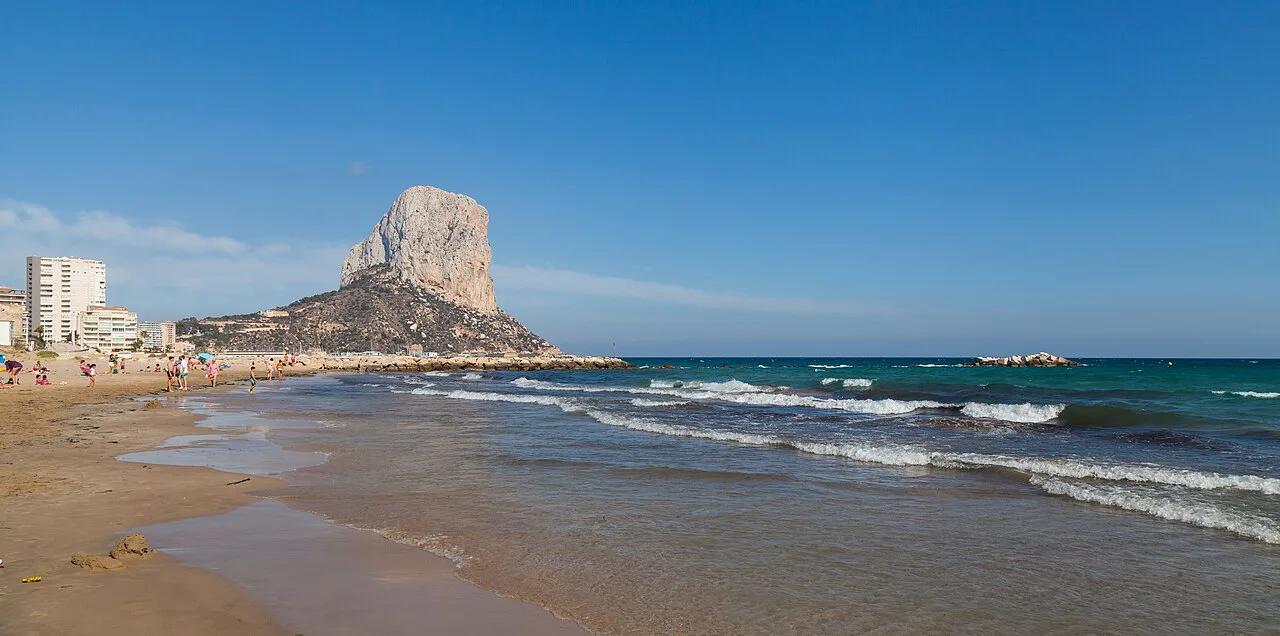
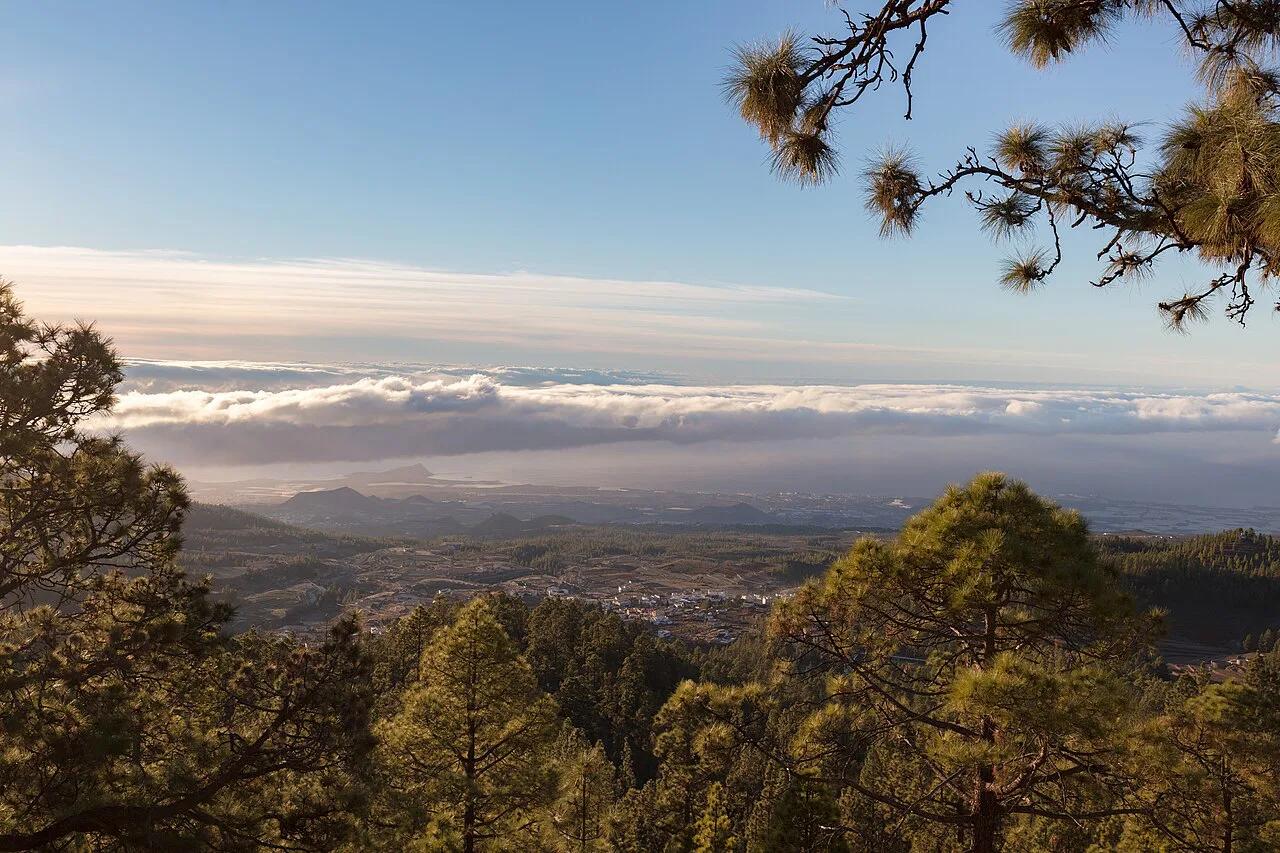
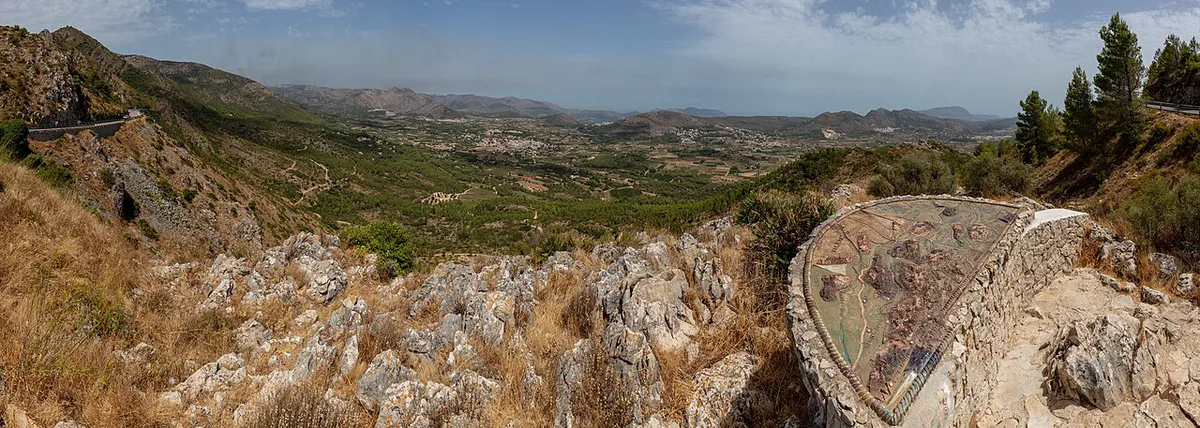
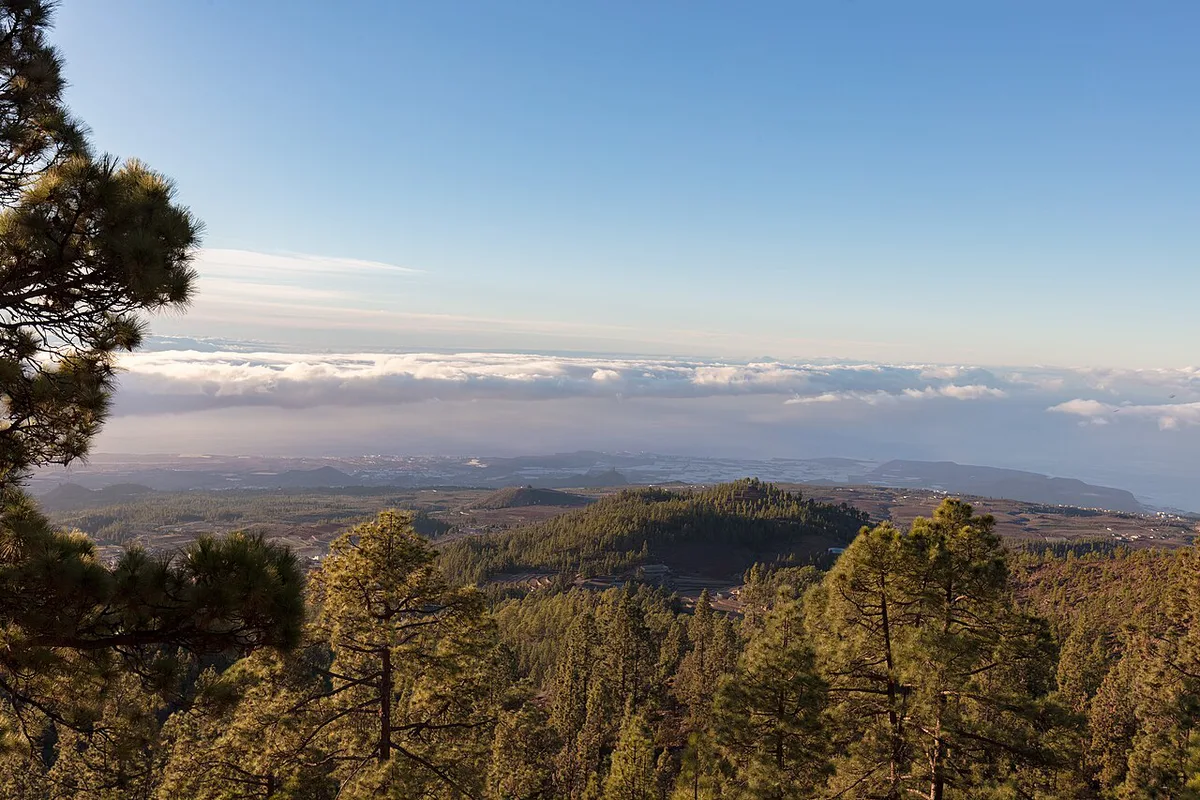
Start with the riding you want, then test each base against your travel month. For Mallorca, Ultimate Bike Hire reports usual winter temperatures of 10°C (50°F) to 16°C (61°F). As a rental company, it has a commercial interest, and its figure does not separate daytime highs, overnight lows or mountain readings. Do not apply it to climbs in the Tramuntana. Before including Cap de Formentor or Sa Calobra, look up current access rules and road conditions. For Tenerife, the island's official tourism website is a starting point for trip research. Assess coastal rides separately from anything around Teide. Northern routes need extra attention to rain. A Camino or Extremadura tour appearing in a general roundup does not establish a winter departure.
| Base | Best-fit rider | Terrain to assess | Winter weather risk | Access and bike options | Main compromise |
|---|---|---|---|---|---|
| Mallorca | Rider comparing easier days with climbs | Gentler routes and Tramuntana mountains | Mountain conditions can differ from lower ground | Island travel; Ultimate Bike Hire advertises rentals and accommodation delivery | Delivery area and terms need confirmation |
| Calpe, Alicante | Rider considering an organized training week | Judge each planned route's climbing | Route-specific wind, rain and temperature need review | Flamme Rouge lists winter trips; arrange access and bike details | A tour listing does not prove weather suitability |
| Tenerife | Experienced rider seeking climbs | Volcanic climbs and descents | Coast and Teide need separate forecasts | Island travel; winter rental and tour availability not established here | High-altitude access and comfort are not assured |
| Andalusia | Rider comparing touring with mountain routes | Seville–Cádiz touring or Granada-area mountains | Coast and Sierra Nevada need separate forecasts | Tailwinds describes tours; winter departures not stated | One regional weather assumption will not work |
- Mallorca: choose it if you want to compare easier and mountain days; reconsider if your plan depends on one exposed climb.
- Calpe: choose it if a listed training week fits your dates; reconsider if you have not seen its routes and terms.
- Tenerife: choose it if you want sustained climbing; reconsider if cold or disrupted high roads would spoil the trip.
- Andalusia: choose it if you can plan around one specific area; reconsider if you expect coastal weather in the mountains.
Winter Weather, Daylight and Route Backups
Mallorca's 10–16°C range is too broad a basis for packing or choosing a summit ride. For each base, compare highs, lows, rain and wind for the same month and data period. Keep long-term averages separate from the daily forecast. Look up sunrise and sunset for your date and location. Use AEMET forecasts and weather warnings for both your base and the highest area you can access. Wet roads, strong wind and cold descents can change a ride. Mountain routes can also face ice, snow or closures, so consult the relevant road authority. Plan a shorter or lower alternative and leave room for a rest day. A lower road is only a useful backup if its own conditions are safer. Spain's Vías Verdes greenways include converted railway routes, but assess each section's surface, access and weather.
- Go: your route is open, warnings do not affect your plan, daylight is sufficient and conditions suit your ability.
- Shorten: remaining daylight or your energy no longer supports the full ride, and the shorter return is safe.
- Switch: another route avoids the problem, based on its own forecast and access status.
- Skip: official warnings or closures affect your options, or conditions exceed your ability.
Independent Ride, Training Camp or Bike Tour?
An independent base gives you room to move rest days around weather, but you handle navigation and backup transport. A package can reduce planning, although fixed dates may limit flexibility. Flamme Rouge lists an 8-day Calpe trip from €1,195, departing 12 December 2026. Before paying, ask about availability, flights, accommodation, meals, vehicle support, mechanical help, required fitness and cancellation terms. Compare Spanish cycling holiday formats if you are undecided between a camp and a looser trip. For packaged routes, our guide to choosing a Spanish bike tour offers another starting point. Luggage planning matters more with independent multi-day touring. If climbing is a concern, explore electric-assist tour options. Match battery range to climbs and conditions, then arrange charging and rental availability.
| Trip style | Planning and navigation | Weather flexibility | Support and luggage | Fitness and cancellation exposure |
|---|---|---|---|---|
| Independent base | You plan routes | Depends on lodging and rental terms | Arrange your own backup | Choose your distance; review each booking |
| Guided camp | Ask who leads each ride | Ask about alternate routes and rest days | Confirm vehicle and mechanical cover | Match the stated level; review tour and travel terms |
| Self-guided tour | Ask what navigation is supplied | Fixed overnight stops may limit changes | Confirm luggage and breakdown help | Check every stage and change fee |
| Multi-day independent touring | You manage the full route | Reservations affect changes | Carry or arrange luggage and repairs | Allow for weak legs and disrupted stages |
Getting There, Bikes and Trip Budget
Flamme Rouge's two 8-day Mallorca listings start at €1,245 for 6 February 2027 and €1,745 for 3 April 2027. That €500 gap compares advertised starting prices; it does not prove that identical packages become more expensive in spring. For Calpe, its 31 January 2027 departure starts at €1,295. Compare inclusions before treating any listing as your trip budget. When weighing renting a bike in Spain against bringing yours, compare fit, availability, carriage fees, damage cover and repair support. For island trips, price flights or ferries with your bike included. Mainland travelers can review train travel with a bike. Allow time for transfers, collection or assembly and weather delays. Choose lodging with secure bike storage, suitable routes from the door, winter opening and a practical way back. Do not assume low season means quiet roads or open services. In rural areas, plan food and water around possible afternoon closures.
- Travel: your fare, bike carriage and airport or station transfers.
- Stay and food: lodging, meals and ride supplies.
- Riding: rental or transport fees, tour charges and repair costs.
- Protection: insurance, change fees and money for disruption.
What to Pack and Check Before You Ride
Pack for the coldest, wettest part of your planned route, including descents. Removable layers let you adjust as you climb and stop. Before leaving, review Spanish road rules for cyclists and use current official traffic guidance for lights, visibility and helmets. Legal minimums may not cover every sensible precaution. Share your route and return time with an emergency contact. Know how you will get back if weather, injury or a mechanical fault ends the ride.
Mallorca's 10°C (50°F) to 16°C (61°F) figure is a rental firm's usual range, so pair it with a current forecast for the exact days.
- Clothing: removable layers, rain and wind protection, and suitable gloves.
- Supplies: lights, water, food, repair gear and a navigation backup.
- Ride review: forecast, warnings, road access, daylight and bike condition.
- Avoid: choosing by coastal temperature alone or underestimating a long descent.
- Avoid: assuming cafés and shops are open or booking without reading change terms.