Cycling Laws in Spain: Rules to Check Before You Ride
Use this Spain cycling law checklist for helmets, lights, road position, alcohol, phones and e-bikes, with official sources and local checks.
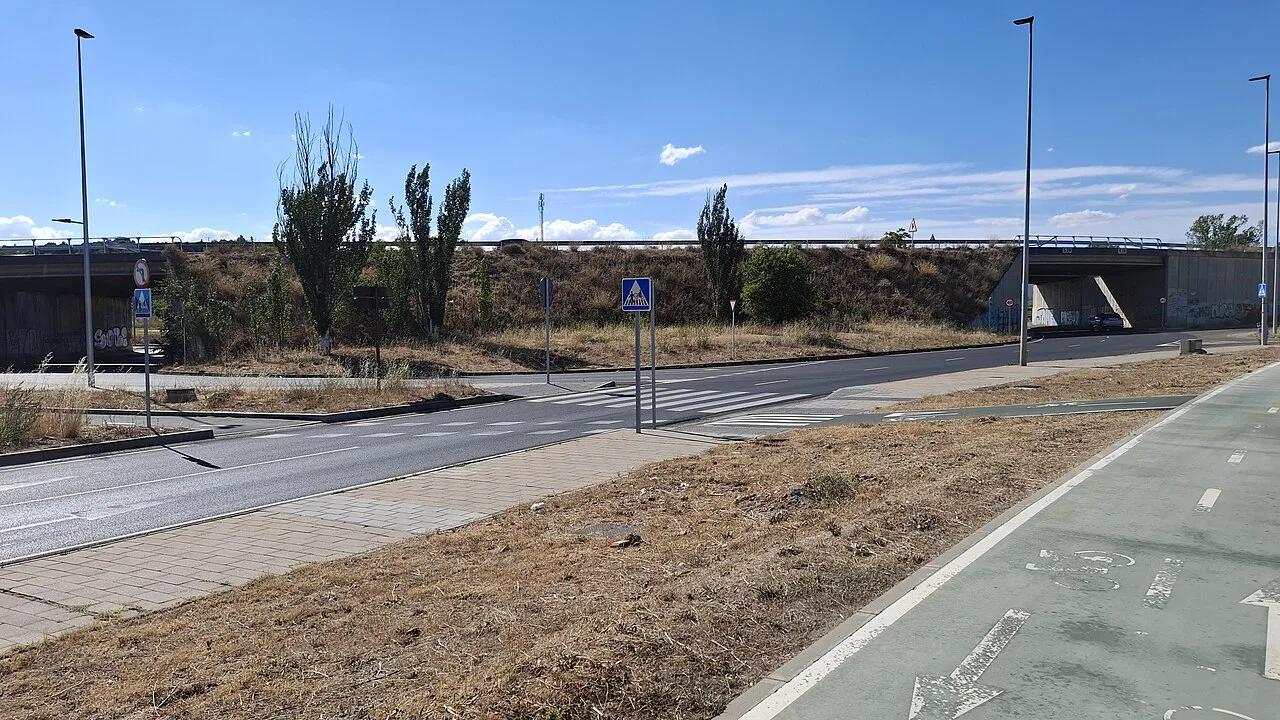
Last updated November 2026: for cycling laws Spain visitors should plan to ride on the right, follow signs and signals, and check road access, lights and local rules. Current legal helmet wording for urban and interurban roads, including age conditions and exemptions, is not confirmed here, so as safety advice wear one on both and read the official text.
Use this page as a pre-ride checklist. Its suggested safe choices are precautions rather than statements of law, and they cannot tell you what is legally permitted. Municipal rules and rental terms may add conditions.
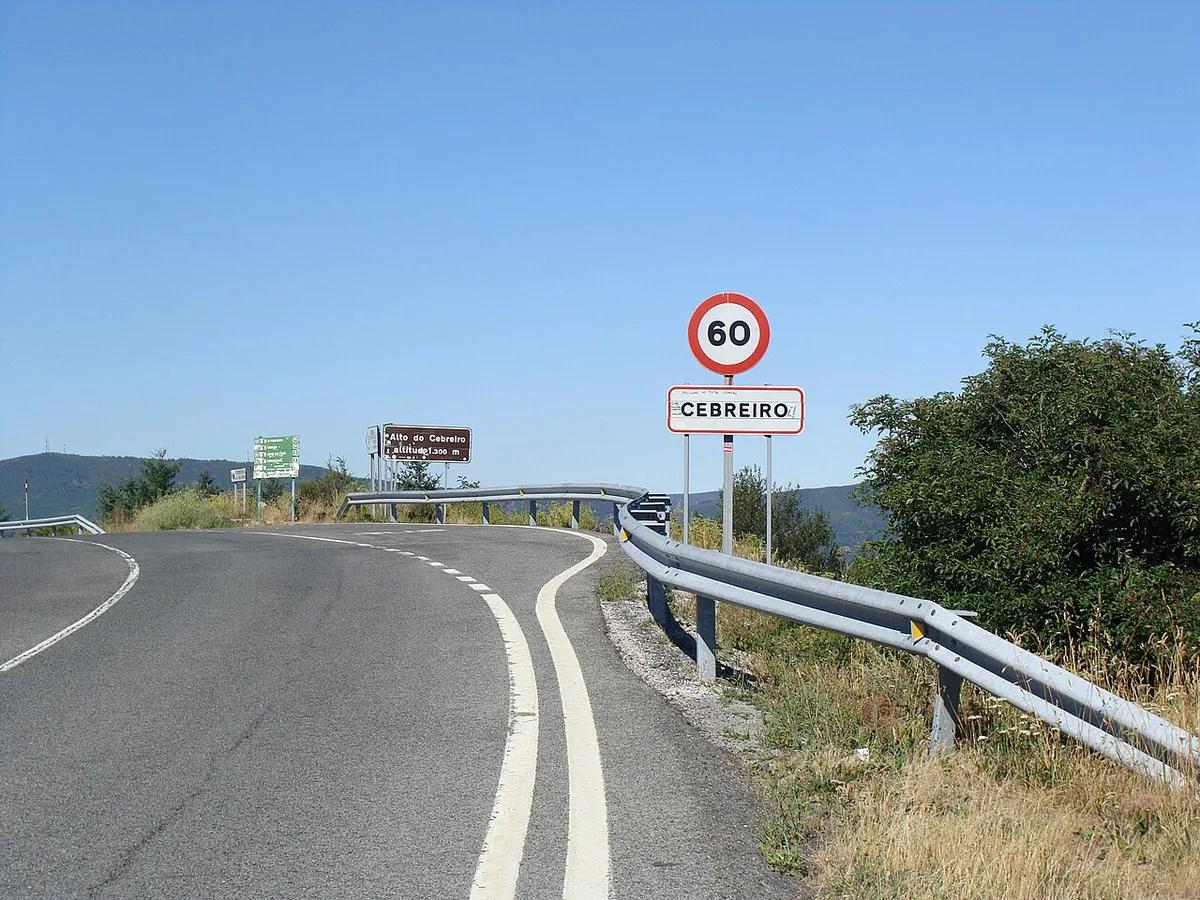
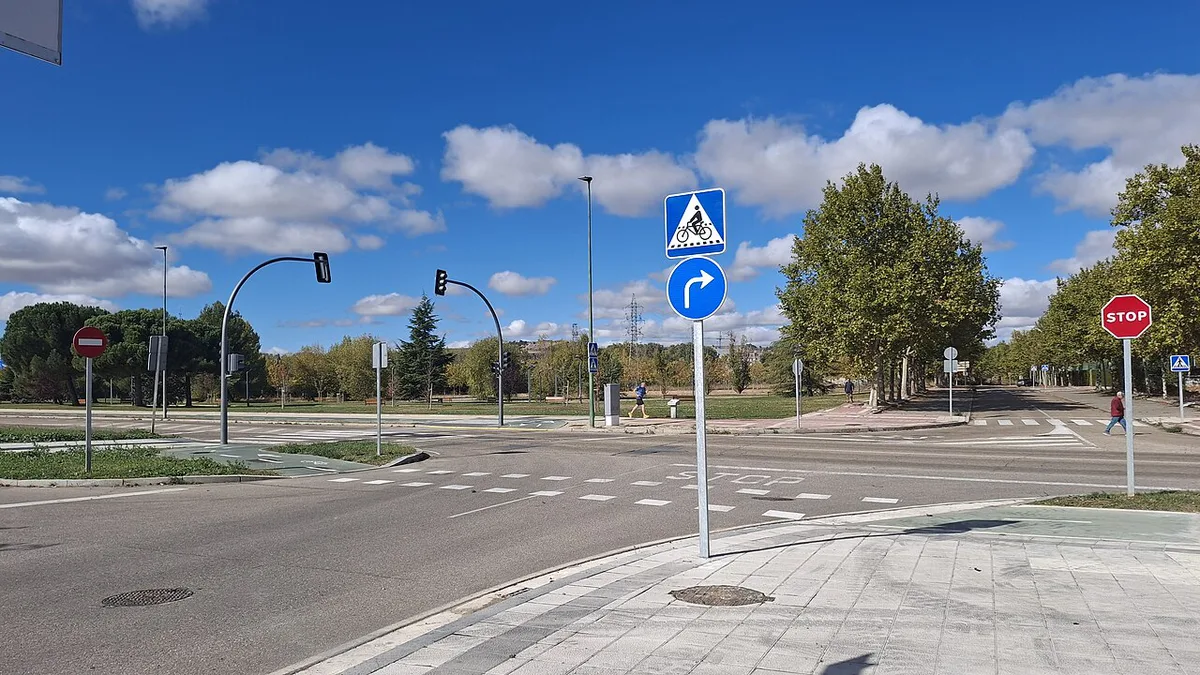
Featured image: Caminetero, CC BY 4.0, via Wikimedia Commons.
Cycling laws Spain: checklist at a glance
Start with Spain's General Traffic Regulations in the official state gazette, the BOE. Read the consolidated wording and check related amendments. For official guidance and change notices, search the Dirección General de Tráfico, known as the DGT.
Keep four labels separate: national law, municipal rule, rental or organiser condition, and safety advice. Rules approved for a later date are different from rules already in force. A proposal is different again. This matters for helmet headlines and for news about personal mobility vehicles.
| Topic | What to establish | Where or who | Suggested precaution (advice, not law) | Where to look |
|---|---|---|---|---|
| Helmet | Duty and exemptions | Urban, interurban, rider age | Wear one on every ride | BOE and DGT |
| Road position | Lanes, shoulders, group riding | Road type and signs | Ride predictably on the right | BOE and signs |
| Equipment | Required lights and reflective items | Night, tunnels, poor visibility | Fit front and rear lights | BOE and DGT |
| Phone and alcohol | Restrictions and testing | Cyclists specifically | Stop to use your phone; do not drink and ride | BOE and DGT |
| E-bike | Legal vehicle category | Your exact model | Get its specification in writing | DGT and BOE |
| City access | Pavements, paths, parking | Each municipality | Walk your bike where access is unclear | Council ordinance and signs |
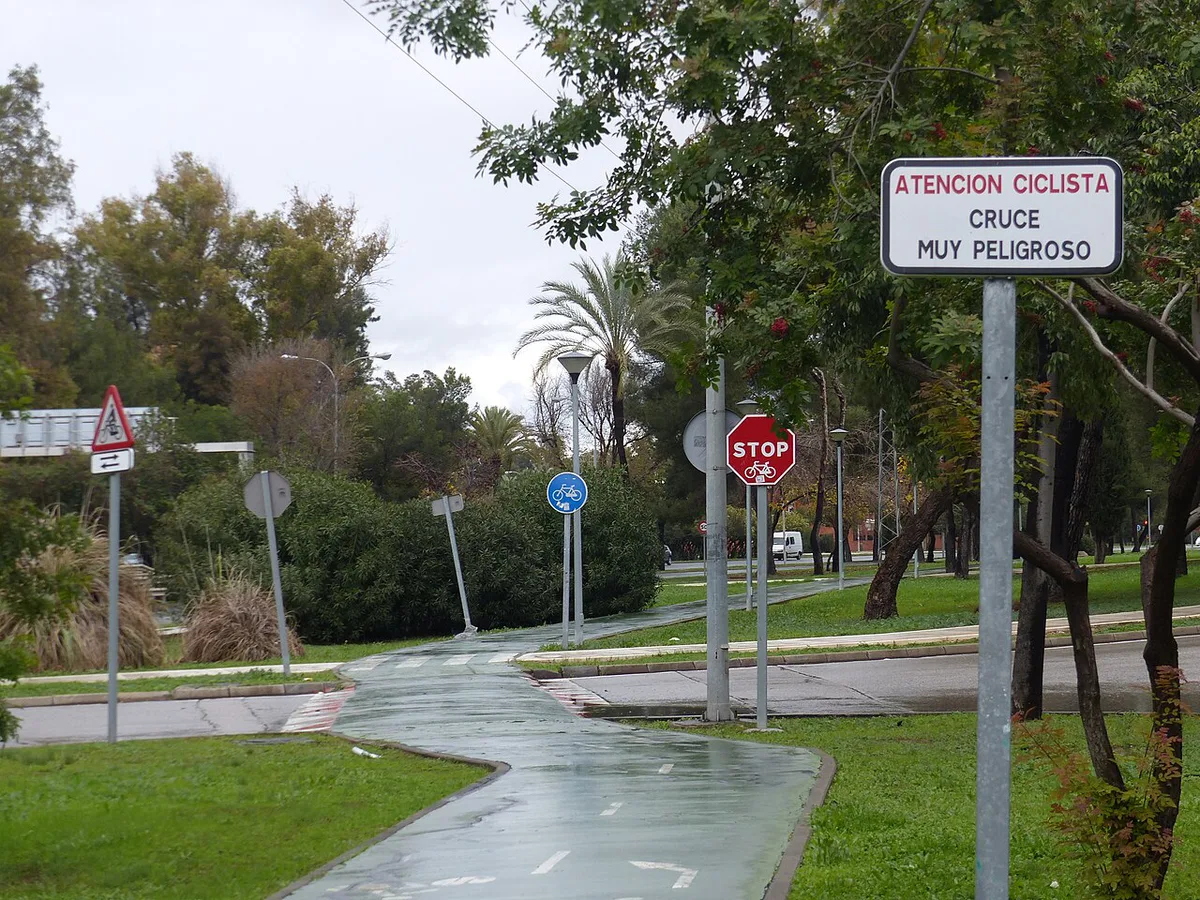
Do you need a bike helmet in Spain?
Wear a properly fitted helmet in town and between towns. This is our safety recommendation, not a summary of the legal duty. Before deciding what the law requires, check urban and interurban roads separately. In Spanish, look for vías urbanas and vías interurbanas, along with casco (helmet).
Read any age condition and exemption in full. Do not rely on an exception repeated by another rider, especially one involving heat, climbing or sport. Rental firms and event organisers can have their own helmet conditions. Ask before booking, and bring a helmet if its availability or fit is uncertain.
Where and how can you ride?
Begin on the right and plan each road before relying on a navigation app. A route line does not establish legal access.
Lanes and restricted roads: look up cycle-lane and shoulder use. Check access to motorways (autopistas) and dual carriageways (autovías) separately, including age conditions and signed exceptions. Avoid either road type unless you have established that your intended section is open to you.
Groups: find the conditions for riding two abreast and for moving into single file. Also check how priority applies to a group at junctions and roundabouts. Agree before leaving how your group will signal, slow and regroup. As a precaution, move into single file when space or visibility becomes tight.
Junctions: review roundabout priority, crossings, hand signals and traffic lights. Do not assume a turn on red is allowed because it is familiar at home. Wait unless a signal or rule clearly permits your movement.
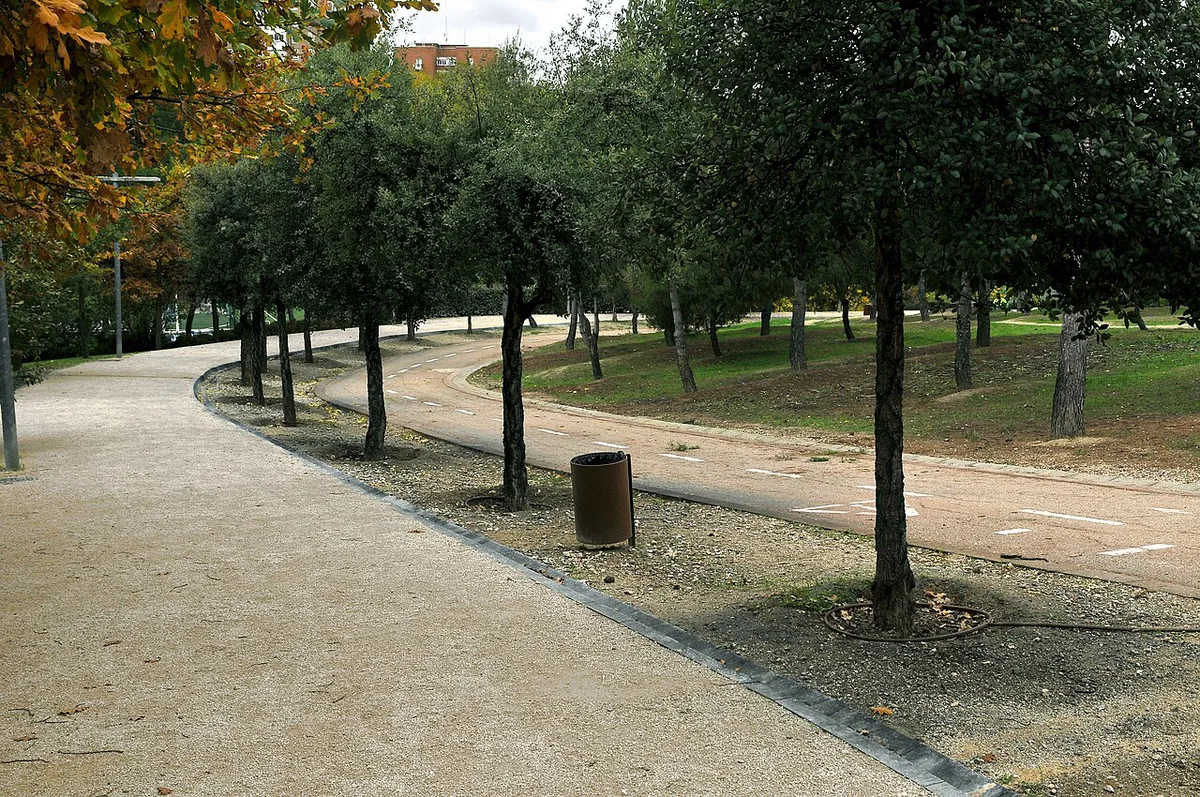
Pavements: separate national rules from the council's ordinance. If bicycle access is unclear, dismount and walk, while following pedestrian restrictions and temporary signs.
Passing traffic: look up drivers' duties for clearance, speed and changing lanes when overtaking cyclists. Whatever those duties are, do not expect every driver to follow them. Hold a steady line and look behind before moving out.
Lights, reflectors and required bike equipment
Check equipment duties for darkness, tunnels and reduced visibility, on both urban and interurban roads. Front lights, rear lights, reflectors, reflective clothing and a bell each need a separate check. One item does not necessarily replace another.
As advice, carry working lights even when you expect to finish in daylight. Delays and poor weather can change your plan. Look at the Spanish state weather forecast before departure. For colder-season preparation, see winter cycling in Spain.
- Legal equipment: match each item to your road type, time of day and visibility.
- Lights: test the front and rear units, mounts and remaining battery charge.
- Visibility: inspect reflectors and decide which reflective clothing to carry.
- Bell and brakes: test both before leaving the shop or your accommodation.
- Rental helmet: ask whether one is available, then try it for size, fit and adjustment.
- Rental terms: ask about bike classification, permitted areas, insurance exclusions, damage charges and traffic fines.
Phones, headphones, alcohol, drugs and passengers
Our precaution is to stop somewhere safe before handling your phone. Set navigation before moving. Leave headphones and earpieces out unless you have checked the exact rule for your device and use. A mounted screen can still take your attention from the road.
Do not ride after drinking or using drugs that could impair you. For the legal position, check alcohol limits and testing as they apply to cyclists. Look for any distinctions by age or experience. Do not assume that every motorist penalty or licence-point rule transfers to a bicycle rider.
Before carrying a child or another passenger, check rider age, passenger age, seat or trailer requirements and permitted road types, and whether the bike and attachment are designed to work together. A rental company's willingness to supply a seat is not proof that every journey with it is legal.
E-bike laws: confirm the vehicle category first
Search DGT and BOE material for bicicleta de pedaleo asistido, meaning pedal-assisted bicycle. Establish the current limits for motor power and assistance cut-off. Check how throttle operation, start assistance and modifications affect classification.
Compare those conditions with the exact model, not its sales label. Ask the rental provider for the specification before paying. A bike sold legally in your home country may not fit the same category in Spain.
If it falls outside the bicycle category, check registration, licensing, insurance and road access before riding. E-scooter or other personal mobility rules should not be treated as e-bike rules. If you want an organised trip, compare Spanish e-bike tours and ask each operator about its bikes.

City rules, shared paths and local restrictions
Search each council's website or official gazette for its ordenanza de movilidad, or equivalent mobility ordinance. Check the latest amendments, then follow signs on the street. Repeat this for every city on your route, because one municipality's rules should not be applied to another.
For a greenway, start with Spain's Vías Verdes network and look for information about your route. Confirm current access with the body managing that section. Protected areas and scenic roads also need location-specific checks.
- Pavements and pedestrian zones: access, dismounting and temporary closures.
- Shared paths: who has priority and which vehicles may enter.
- Parking and locking: permitted locations and removal rules.
- Local additions: age, equipment and e-bike conditions.
Fines, police stops, insurance and crashes
Visitors should not assume that being a tourist protects them from traffic enforcement. For any notice, read the issuing authority's stated offence, amount, deadline, payment method and appeal process. Verify payment requests through official channels. Before riding, check which identification or other documents you must carry, and which are simply sensible to have.
Treat insurance as separate questions about legal obligations and your financial exposure. Check bicycle and e-bike requirements, regional or local conditions, and event terms. For rentals or personal policies, ask what covers injury to others, damage to their property, your medical care, theft and the bike. Read exclusions and excess charges.
Save the current emergency number before your ride. After a crash, move out of danger if you can do so safely and call for emergency help when needed. Contact police where required or when assistance is necessary. Record the location, photos, witnesses and other parties' details. Notify your insurer and, for a hired bike, the rental provider.

Which checks apply to your type of trip?
Match your checks to the journey rather than assuming one answer covers every ride. Hire customers can use the Spain bike rental guide while comparing providers. For overnight routes, add Spanish bike touring planning to your preparation. Rail transfers need their own conditions, covered in taking bikes on trains. Operator carriage terms are not road traffic law.
Allow planning time for every municipality where you will ride. Hiring equipment may reduce what you carry, while bringing your own lets you check its fit in advance. Compare the full rental terms and any extra cover with the risks left uninsured. For broader route decisions, return to our guide to cycling Spain.
Before setting off, inspect your bike, charge lights and phone, review road access and save insurance details. This is general information, not legal advice. Resolve any conflict between summaries and official legal text before relying on a rule.
| Trip type | Rules to check first | Practical constraint | Next step |
|---|---|---|---|
| City rental | Pavements, lanes, parking | Shop terms and local rules differ in purpose | Read both before pickup |
| Road ride | Helmet, road access, groups | App routes may include unsuitable roads | Review every road section |
| Multi-day tour | Equipment and local ordinances | Rules need checking along the route | List each municipality |
| E-bike | Classification and insurance | Home-market labels may mislead | Obtain the model specification |
| Riding with children | Helmet, passengers, road access | Age and equipment conditions may matter | Check each child's setup |
| Own bike | Equipment and vehicle category | Your usual setup may need changes | Inspect it before travel |