Cycling in Alicante: Bike Rental, Tours and Ride Planning
Planning cycling in Alicante? Choose between city, road and trail riding, then compare tours, bike rental, access, return plans and safety checks.

Last updated November 2026: cycling in Alicante can start with a city tour or rental, but road and trail days need more route planning. It can fit city riders, road cyclists and trail riders, provided each chooses a different kind of outing and checks the exact route.
Featured image: kallerna, CC BY-SA 4.0, via Wikimedia Commons.
Which Ride Suits You When Cycling in Alicante?
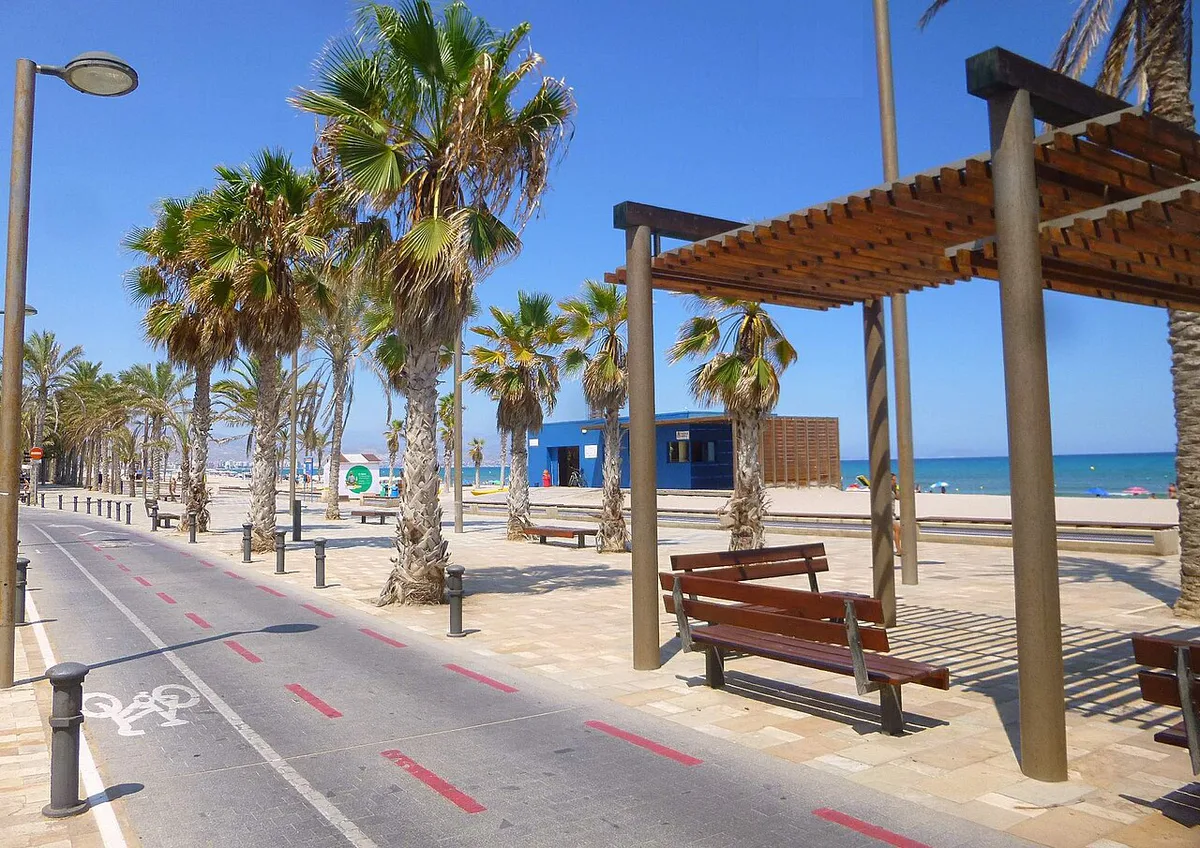
City visitors can begin by comparing a guided outing with a self-guided rental in Alicante city. Road cyclists should plan around a specific climb or loop, which may lie elsewhere in Alicante province. Trail, gravel and touring riders need surface details before choosing a bike. If you are also weighing a northern Costa Blanca base, start with our guide to riding from Calpe.
| Ride type | Best for | Skip it if | Effort and bike | Access and logistics | Main trade-off |
|---|---|---|---|---|---|
| Guided city ride | Visitors who want someone leading | You want to set your own pace | Depends on the tour; ask which bike is supplied | Confirm the meeting point and language | Local support, but a set booking |
| Self-guided city or coast ride | Riders comfortable navigating | You are uneasy handling traffic alone | Depends on the route; match the rental to it | Plan the start, rental return and way back | Flexibility, but you solve problems |
| Road ride beyond the city | Road cyclists with a chosen route | You want a casual sightseeing spin | Check distance and climbing; road bike or suitable e-bike | Arrange transport to the start and back | More planning around your ride goal |
| Trail, gravel or inland touring | Riders prepared to research surfaces | You need a simple city outing | Varies by surface and length; choose gravel, MTB or touring setup | Plan supplies, exits and the return | More independence, with more logistics |
City and Coast Rides in Alicante
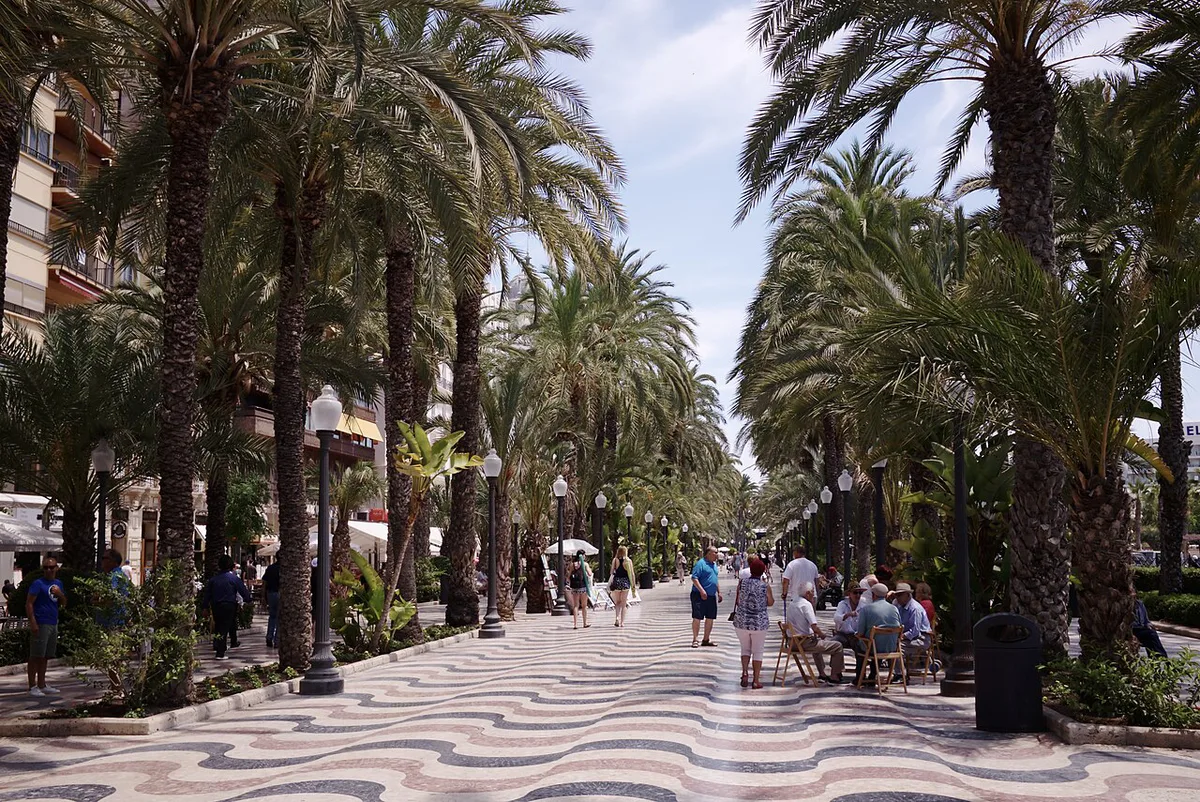
For a ride in Alicante city, choose the actual line on the map before choosing a scenic destination. A beach or park name alone tells you nothing about traffic, surface or difficulty. Alicante's city tourism site is a starting point for visitor information. Beginners and families should wait to commit until they can assess every section, including the way back.
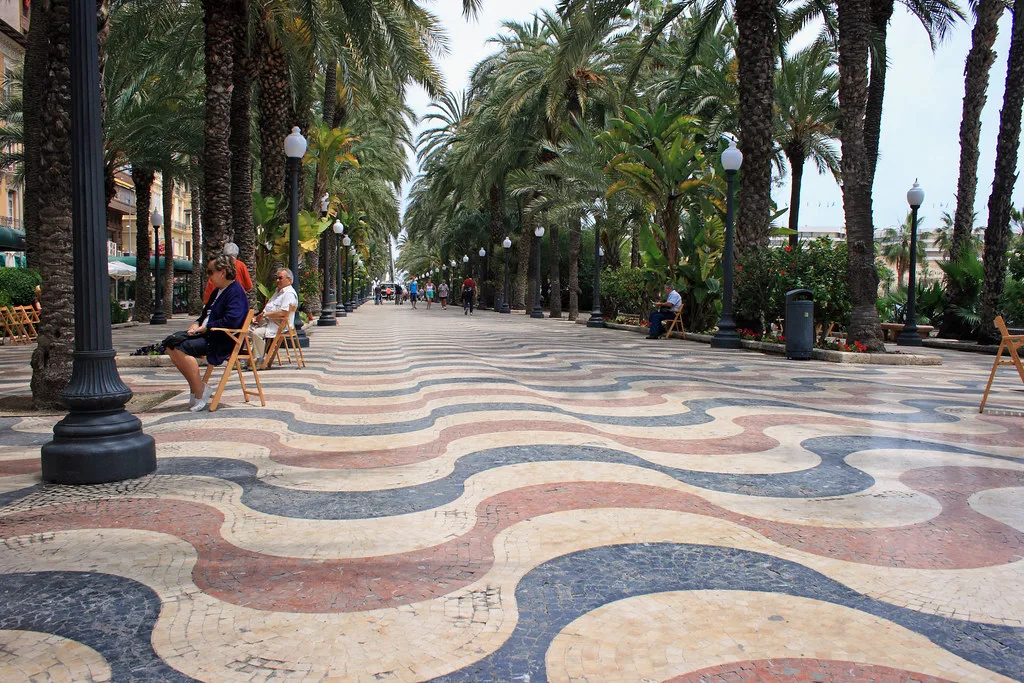
- Start and finish: note whether you will loop, retrace your route or finish elsewhere.
- Road space: identify protected, shared and open-road sections.
- Surface and climbing: match both to the least experienced rider.
- Exit plan: decide where you can shorten the ride.
Guided Tours or Self-Guided Riding?
A guided ride suits you if local support and less navigation matter more than a flexible schedule. In 2022, Alicante company Blue Bike advertised guided rides in Spanish, English or Dutch. Its named options included the Tapas Tour, Alicante XXL Tour, El Palmeral Tour and San Juan Beach Tour. It also advertised city, mountain and electric bike rentals. Ask whether the business and your preferred option are currently available. Those tour names do not establish a route or its suitability.
- Which language will your guide use on your date?
- What are the route, duration, surface and expected effort?
- Where do you meet, and where does the ride finish?
- Which bike, sizes and equipment are included?
- Can children or less confident riders join?
- What happens if you or the operator cancel?
Road Climbs, Gravel and Longer Rides
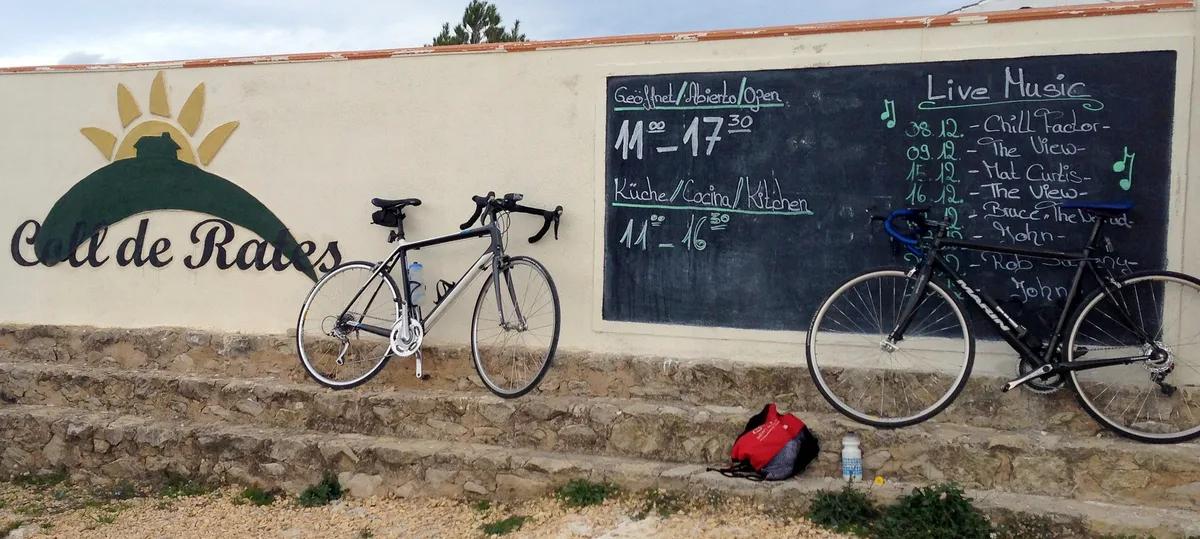
Road, trail and touring days may take you well beyond Alicante city, so treat them as separate planning jobs. Our Costa Blanca route guide can help you explore wider-region ideas. For a climbing objective, read about riding the Coll de Rates as a regional trip. You can also assess the Cumbre del Sol ascent, with transport planned separately from any city ride. Trail riders can research greenways through the Vías Verdes greenway operator. Do not assume an inland tour follows greenway throughout. Multi-day travellers can also compare their plans with the EuroVelo 8 Mediterranean Route.
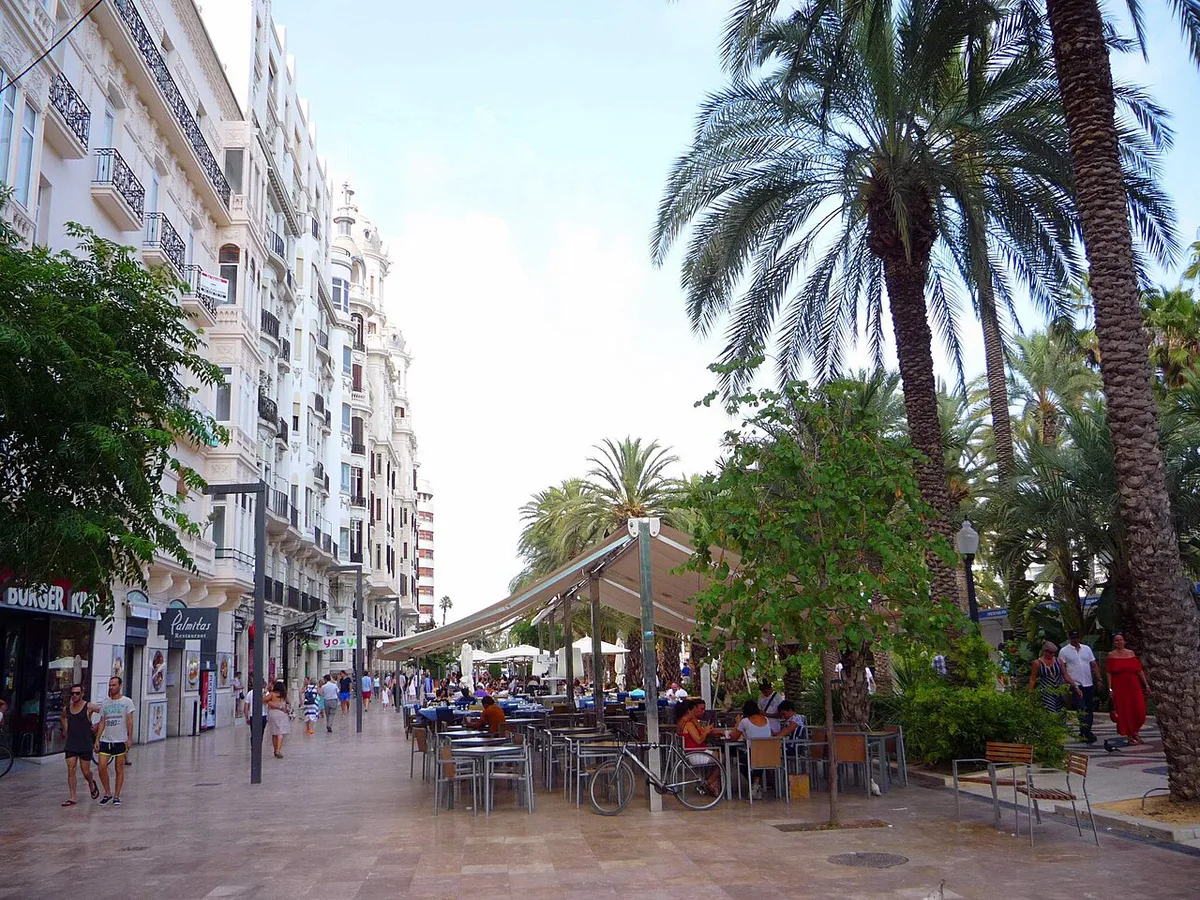
- Road: inspect distance, total climbing, traffic and descents.
- Gravel or MTB: inspect surface, technical sections, access rights and tyre needs.
- Touring: map overnight stops, food, water, luggage capacity and early exits.
- Shared GPS tracks: compare them with current official access and condition notices.
Bike Rental, Costs and Booking
Choose your route first, then ask an Alicante rental provider for a bike that matches it. A road or electric label does not guarantee the right size, gearing or battery range. Renting removes the job of transporting your own bike to Spain. Bringing it keeps your familiar fit, but adds packing, carriage and damage risk. Compare complete quotes from each operator's current price page, including extras, against your total cost of bringing a bike. An e-bike can assist with effort, although weight, charging and range still matter. For a Calpe-based ride only, see our Calpe rental advice.
- Fit: frame size, saddle, pedals and gearing.
- Equipment: helmet, lights, lock, repair kit, bottle cages and navigation mount.
- Price: rental period, accessories, delivery, pickup and late-return charges.
- Cover: deposit, damage, theft and roadside help.
- Limits: permitted surfaces, travel area, battery use and transport carriage.
Getting to the Start and Choosing a Base
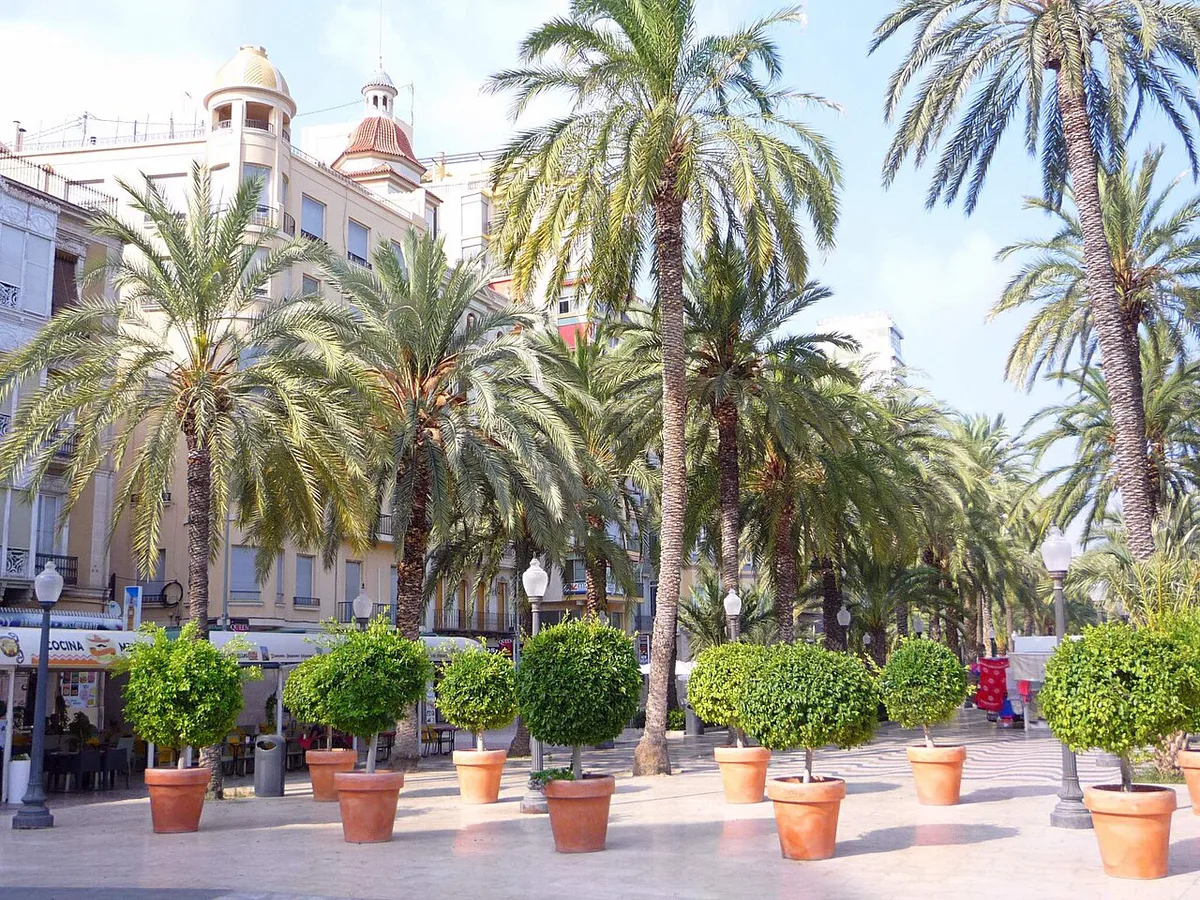
Alicante city is a logical base to consider when your priority is a city tour or local rental. Look at TRAM d'Alacant's current information for service and bike-carriage conditions before relying on it. Rail and bus operators need separate checks, especially for e-bikes. Plan both directions, including how you would get back after a mechanical problem or a shortened ride.
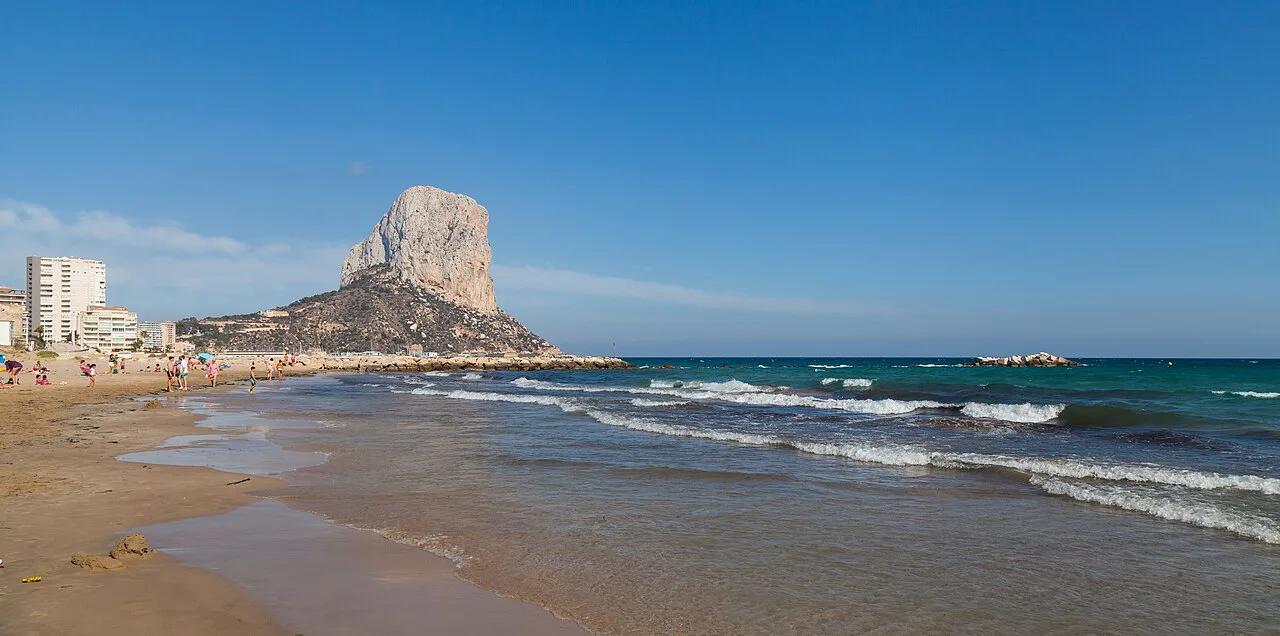
- Calpe: compare city council information with your planned starts and accommodation.
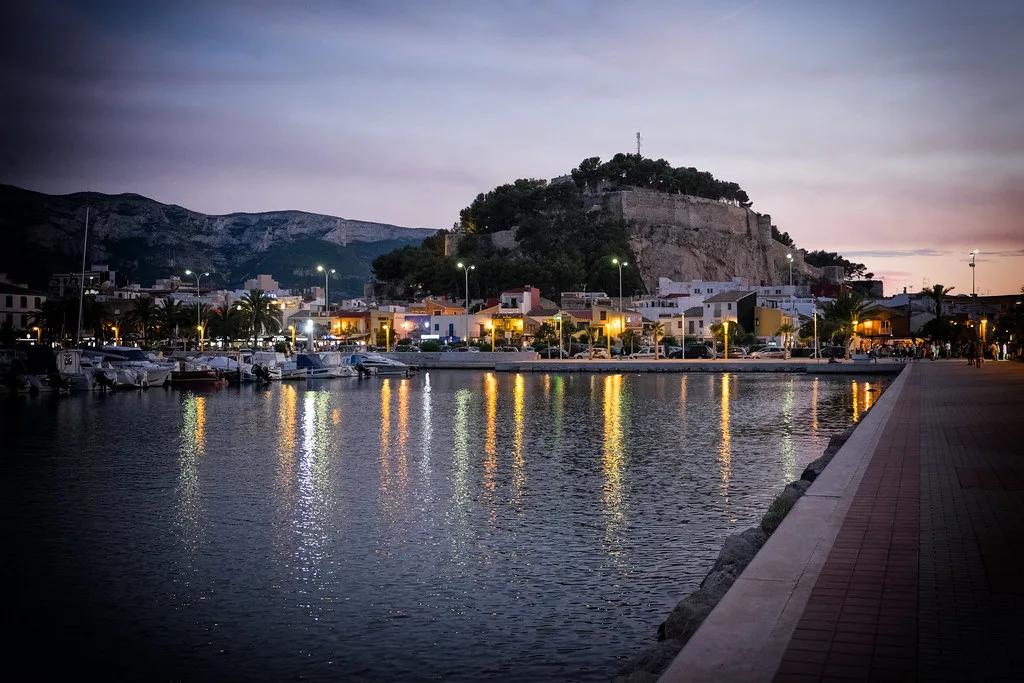
- Dénia: our Dénia cycling guide can help you assess another base.
- Dénia visitor planning: use the official tourism website for local information.
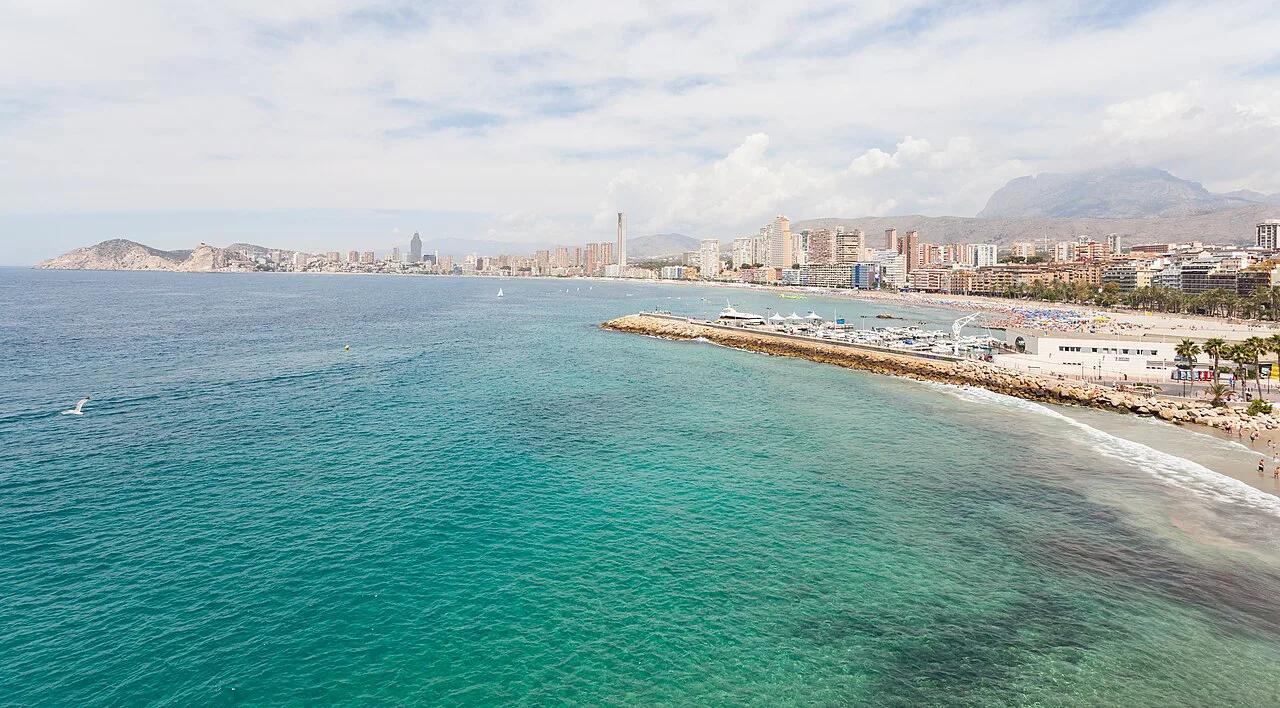
- Benidorm: compare your plans with our Benidorm riding guide.
- All bases: weigh transfer needs, bike storage, rental collection and your preferred riding.
When to Ride and How to Stay Safe
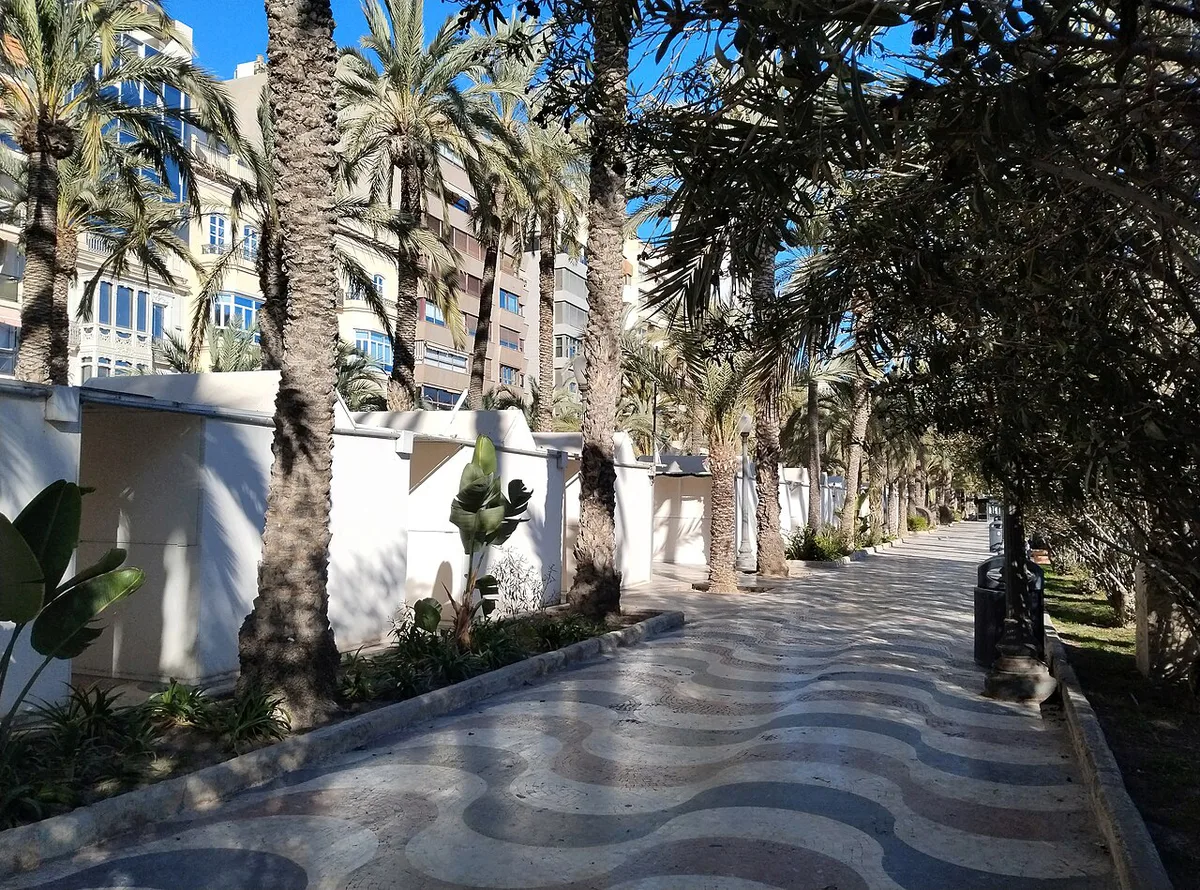
Pick your riding day using the forecast and warnings from AEMET, Spain's meteorological agency. Look at heat, wind, rain and daylight along the whole route, not only your Alicante starting point. Before using public roads, read current guidance from Spain's DGT traffic authority, including helmet and e-bike rules. Local access restrictions also matter in the city. A route is not automatically family-friendly because it is near the coast or appears on a cycling map.
- Bike: brakes, tyres, gears, lights and fit are ready.
- Surface: your tyres and handling skills suit every section.
- Return: you know your finish, transport option and early exit.
- Supplies: you have enough water, food and spare equipment between reliable stops.
- Backup: your map works offline, your phone is charged and someone knows your plan.
- Conditions: your route is open and passable, with weather and daylight checked.
Your Next Step by Rider Type
As a city rider, shortlist a guided option or draw a complete self-guided route before reserving a bike. Road cyclists should settle on a climb or loop, then solve transport and gearing. For trail or touring plans, confirm surfaces, access and resupply before choosing dates or accommodation. If any essential detail remains unclear, pick a ride you can assess from start to finish.