Costa Brava Cycling: Routes, Bases and When to Ride
Plan Costa Brava cycling: compare bases, coastal rides, climbs and gravel, choose your season, and weigh self-guided riding against a tour.
Last updated November 2026: Costa Brava cycling combines hilly coast roads, inland village rides, climbs and gravel, so it suits road and gravel riders comfortable with repeated ascents. If you're considering cycling Costa Brava routes on an e-bike or greenway, choose each section by climbing, surface and traffic, because the riding isn't uniformly flat or beginner-friendly. Your main decision is a coastal base or inland Girona, shaped by your season and preferred terrain.
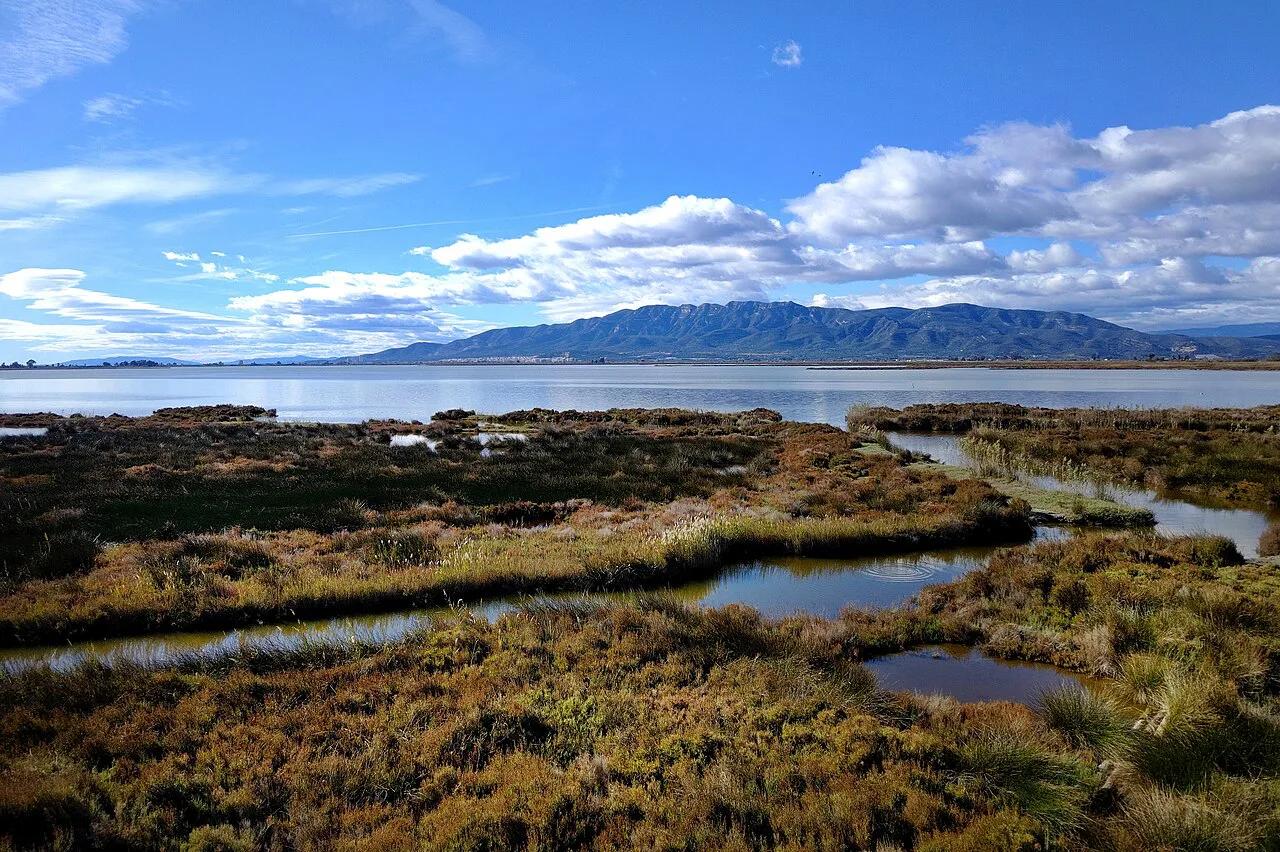
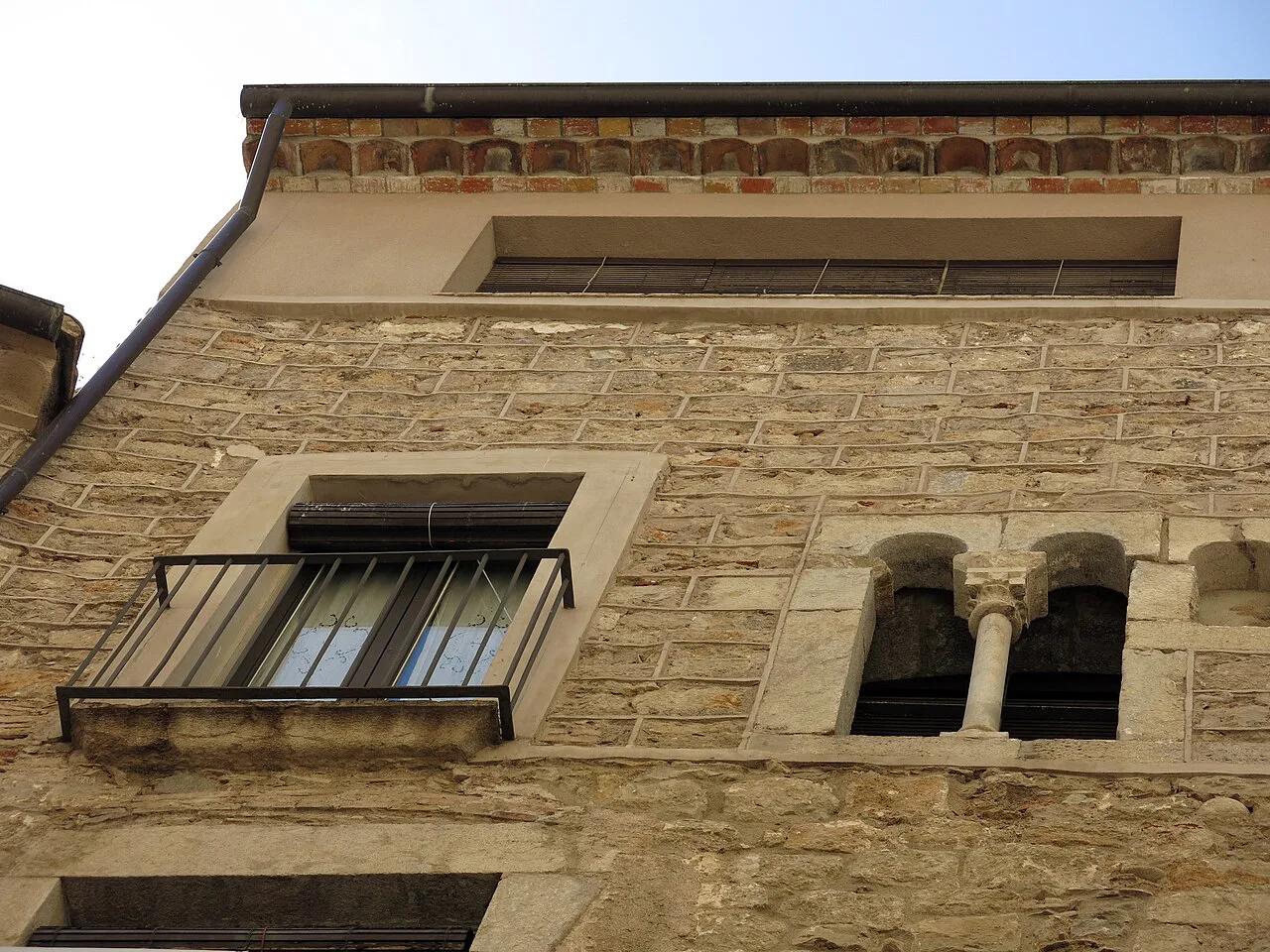
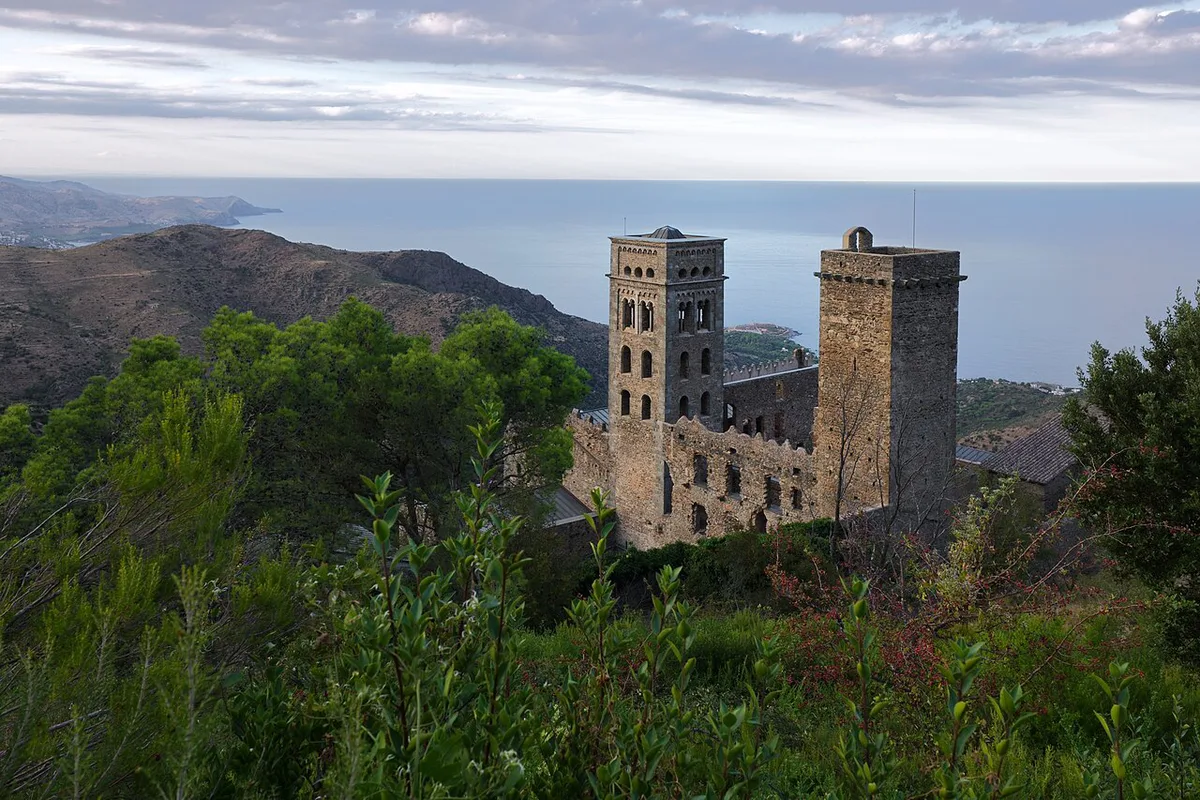
Featured image: Jorge Franganillo, CC BY 2.0, via Wikimedia Commons.
Is Costa Brava Cycling Right for You?
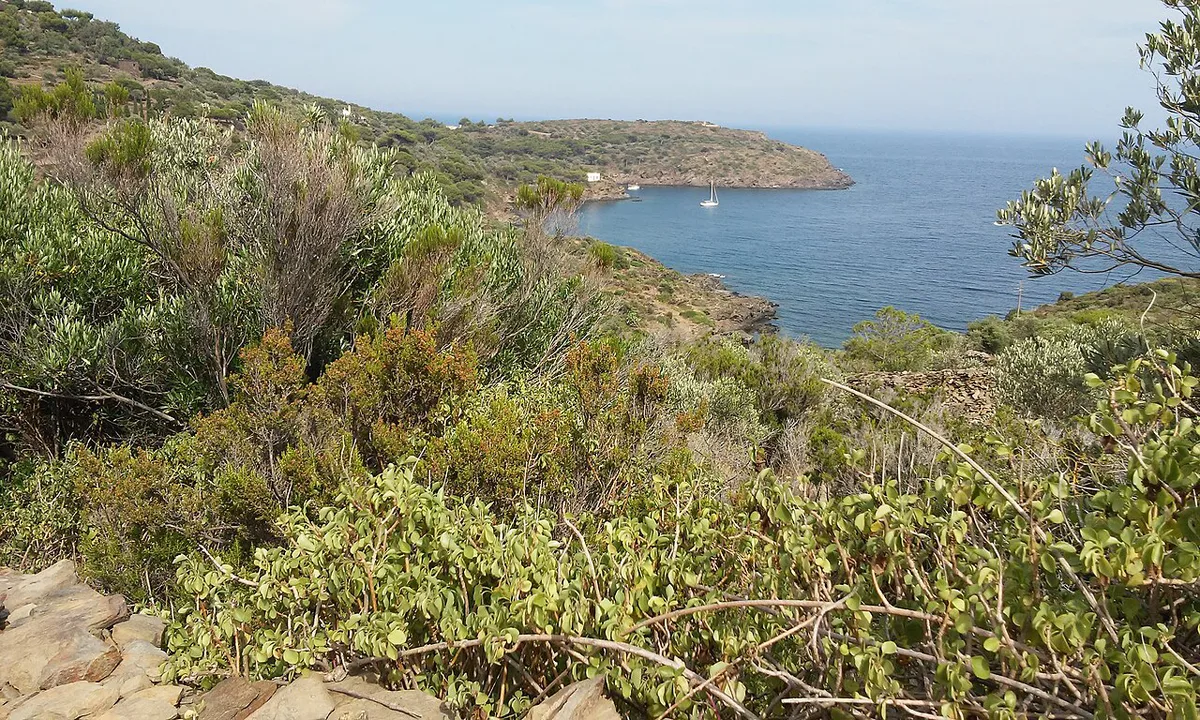
Road riders can mix sea views with inland mileage, while gravel riders have tracks to explore. Mountain biking also features in the regional tourism offer. Cycling Destination puts the coast at about 124 miles (200 km), from the French border to Blanes. It also counts Girona, about 19 miles (30 km) inland, within the cycling region. For rides starting there, use our guide to Cycling in Girona: 7 Rides to Choose and How to Plan. Planning a wider trip beyond this coast? Compare areas for riding across Catalonia.
- Road: a strong match if short, hilly rides appeal to you.
- Gravel: suitable if you can match tires and skills to each track.
- E-bike: useful for hills, provided your battery covers the day.
- Casual or greenway: pick one specific section and a turnaround point.
- Winter training: worth considering if you can adapt to cool, wet or windy days.
Where to Base Yourself: Coast or Girona
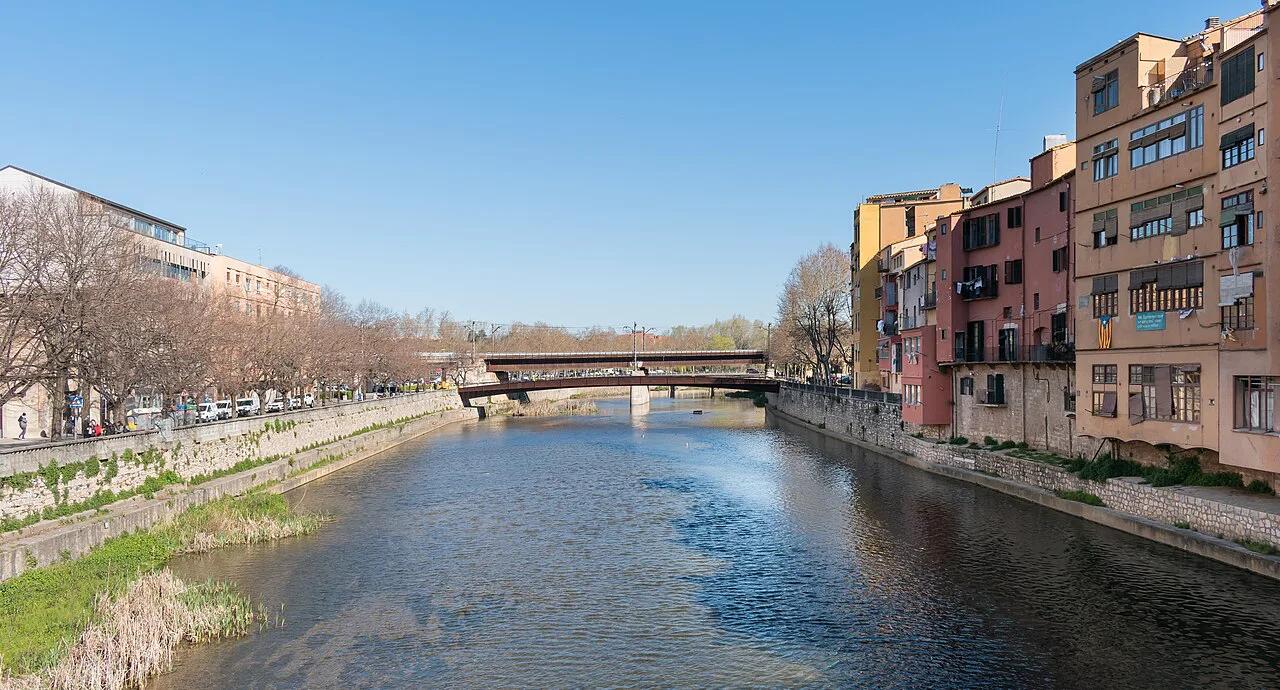
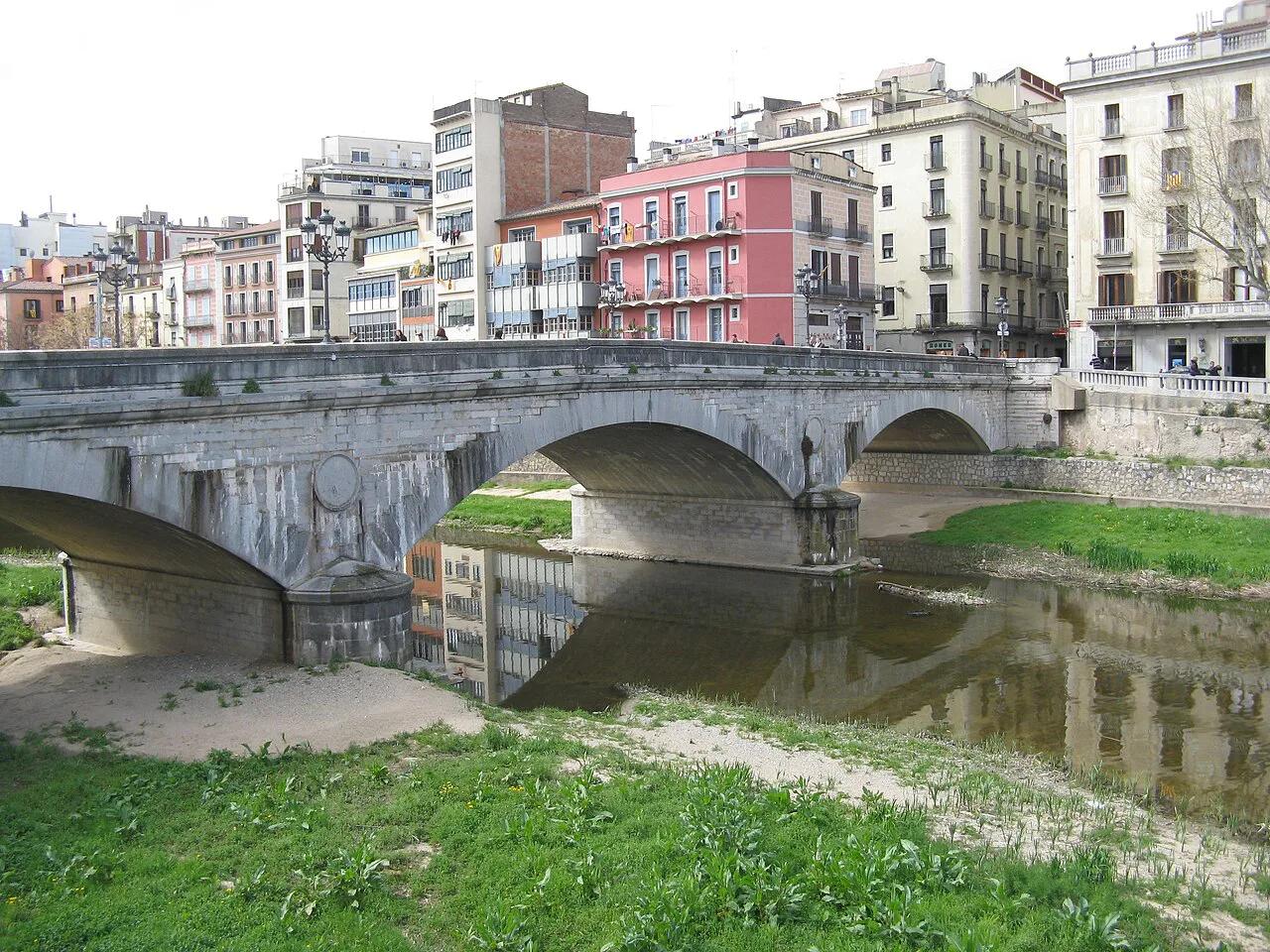
Choose Girona for a wider choice of road routes than you'd get around Platja d'Aro. It also has bike shops and an established riding scene, and you can plan stops using our Girona cycling cafés guide. Platja d'Aro puts you by the sea at the foot of Les Gavarres, with plenty of gravel nearby. On the coast, look for lodging with the tourism board's Bed & Bike badge. The program highlights bike washing, repair and storage, plus services such as technical laundry. Ask your chosen property exactly which of these it provides.
| Base | Riding access | Atmosphere | Best fit | Main compromise or check |
|---|---|---|---|---|
| Girona | Inland road and gravel | City with a cycling scene | Road variety | Inland; peak summer heat |
| Platja d'Aro | Les Gavarres; coast loop | Beach and promenade | Gravel and beach trip | Screen road routes for unpaved sectors |
| Calella de Palafrugell | Coast and Baix Empordà links | Fishing village with coves | Village stay | Check rental delivery and workshop access |
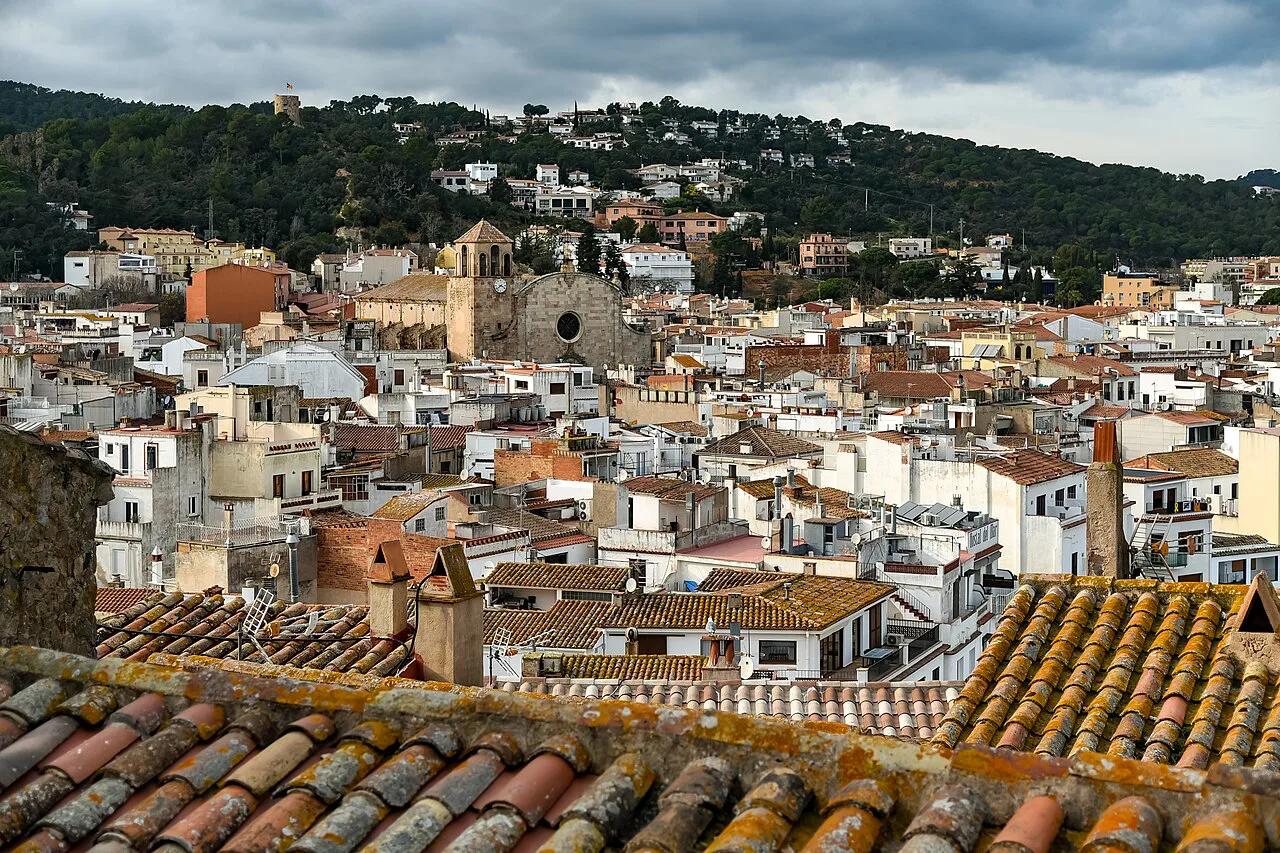
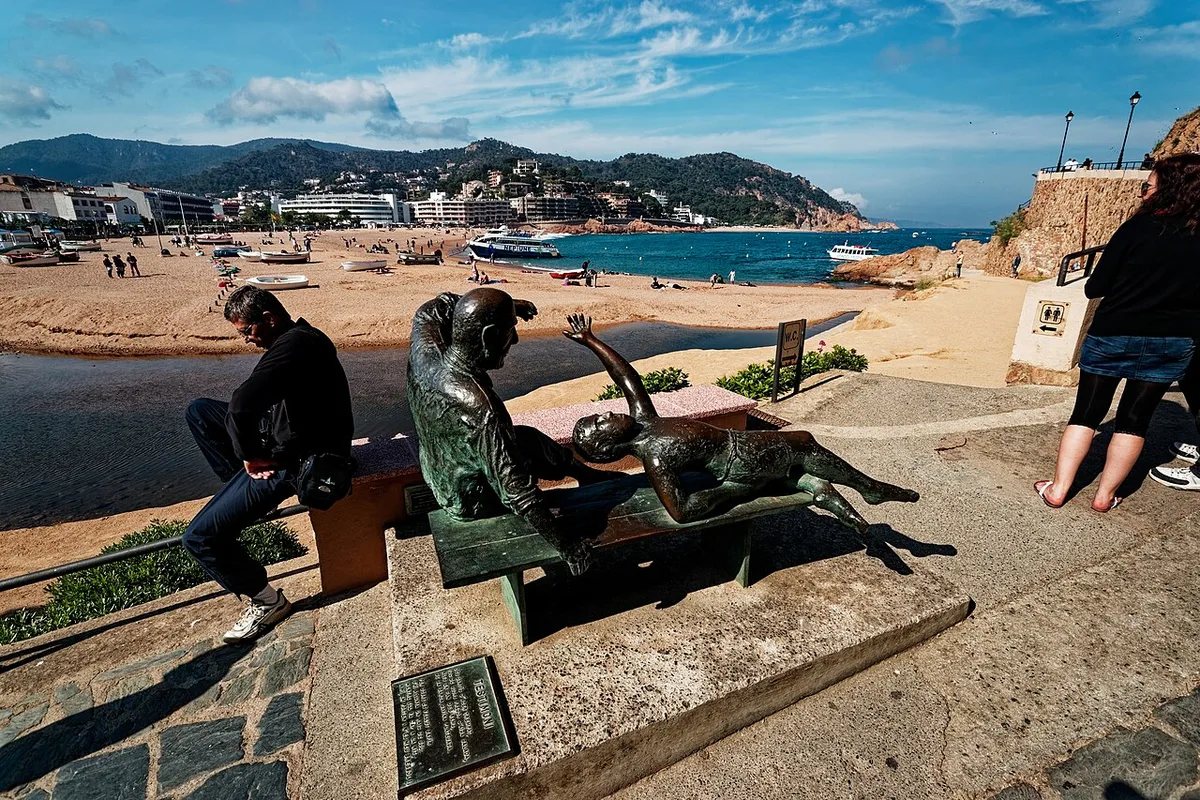
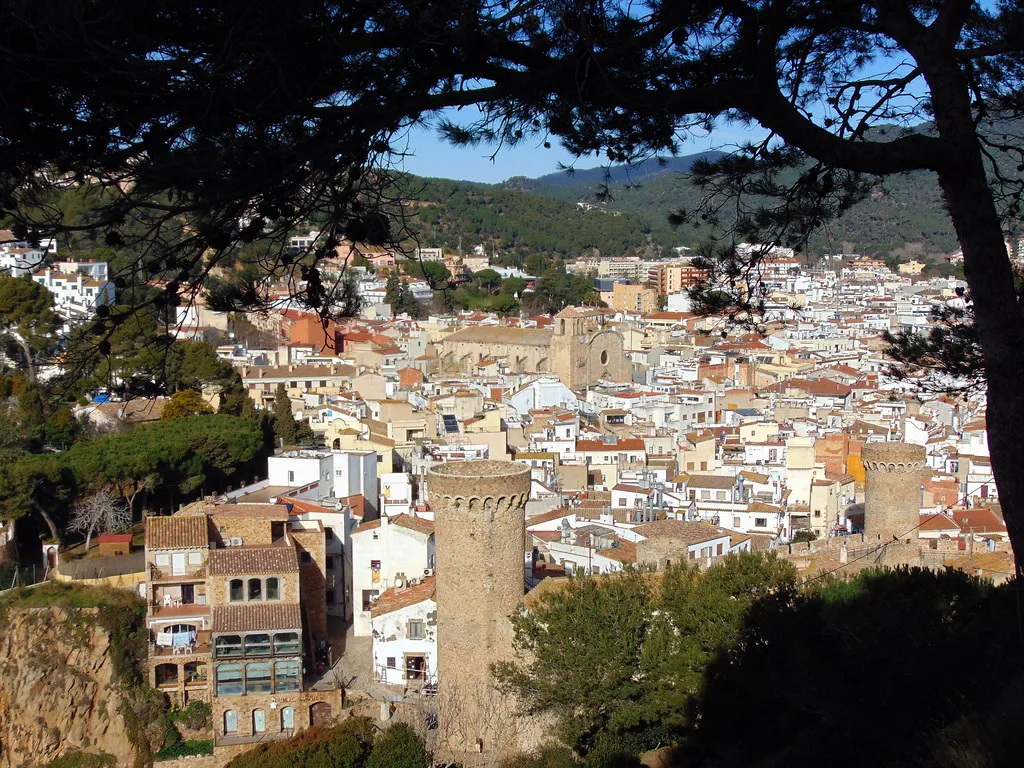
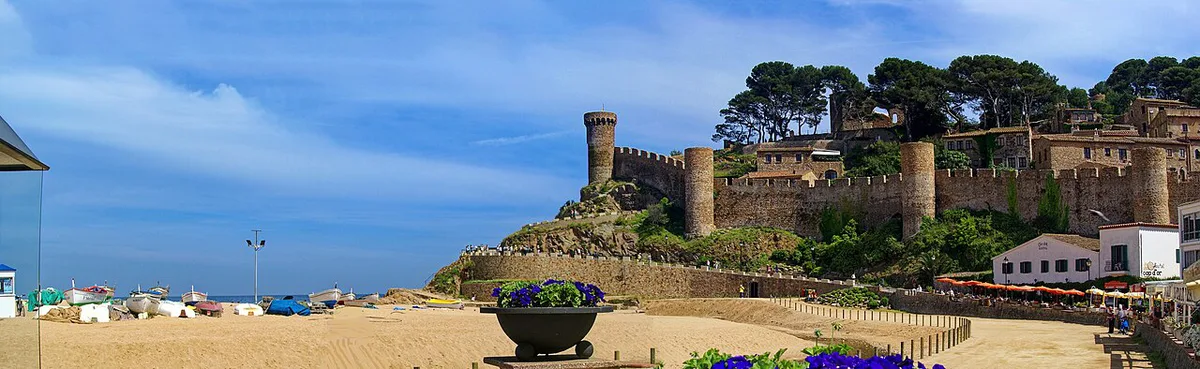
| Tossa de Mar | Hilly loop and coast road | Walled old town by the sea | Confident climbers | Plan easier days and rail connections |
| Roses | Endpoint of a northbound ride | Coastal town | Northern coast stay | Verify local loops and bike services |
Costa Brava Cycling Routes: Choose by Effort
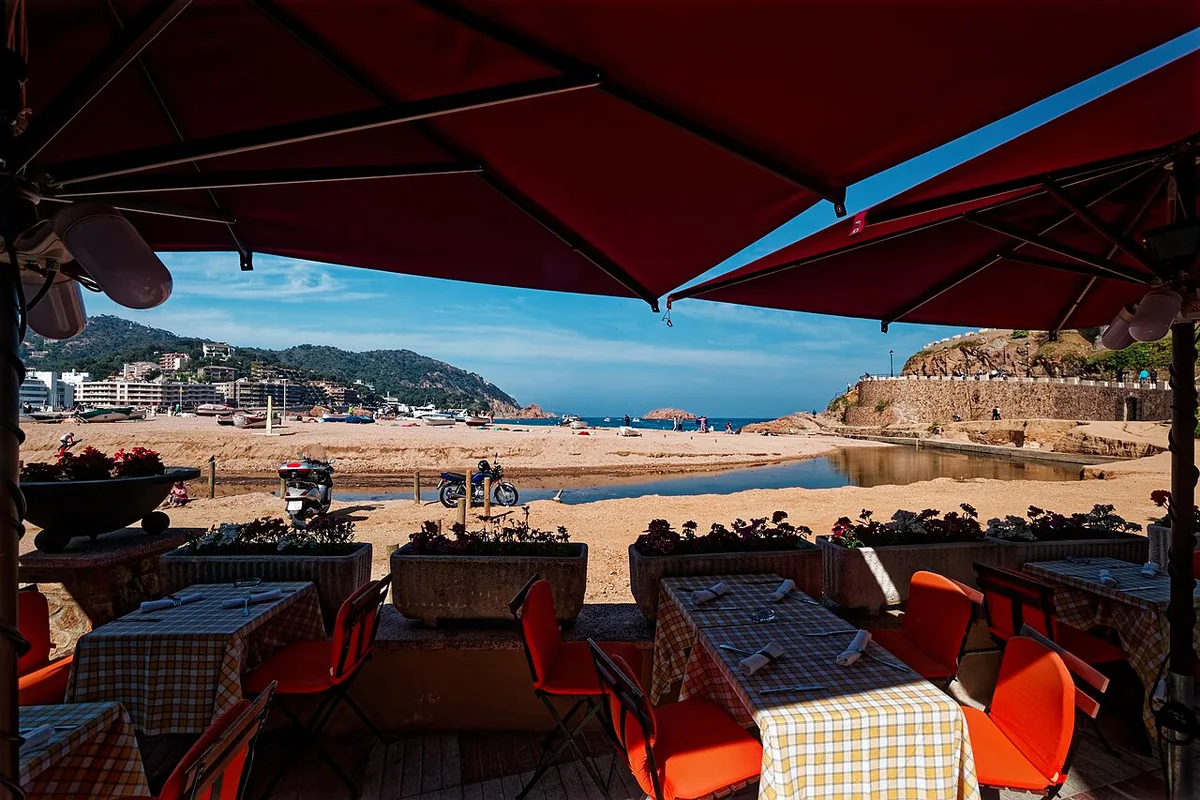
Start with climbing, then look at distance. DuVine's Tossa tour day covers only 16 miles (26 km) but climbs 1,945 feet (593 m). Its longer version reaches 32 miles (52 km) and 3,904 feet (1,190 m). These are tour-itinerary figures, so your own line may differ. For a coast-road ride, plan around Sant Feliu de Guíxols and Tossa de Mar. An extension continues to Lloret de Mar. Komoot rates its 3 loops below as hard. Before riding any route here, compare a current GPX file with local closures and assess traffic for your date.
| Ride and start/finish | Distance | Climbing | Surface | Return or fit |
|---|---|---|---|---|
| Platja d'Aro loop via Tossa views (Komoot) | 44 mi (71 km) | 3,379 ft (1,030 m) | Mostly well paved | Loop; very fit road riders |
| Palamós loop via Tossa views (Komoot) | 47 mi (75.7 km) | 3,937 ft (1,200 m) | Mostly well paved | Loop; very fit road riders |
| Solius loop to Tossa road (Komoot) | 48 mi (77.1 km) | 4,823 ft (1,470 m) | May include unpaved parts | Loop; check tire suitability |
| Tossa loop via Llagostera, Calonge, Sant Feliu (Cycling Destination) | 50 mi (80 km) | 4,898 ft (1,493 m) | Check GPX | Loop; strong climbers |
| Sant Antoni de Calonge to Roses via Palafrugell, Gualta, Castelló d'Empúries (Cycling Destination) | 63 mi (101 km) | 3,100 ft (945 m) | Check GPX | One-way; book your return first |
Which Climbs Fit Your Ride?
Els Àngels is approached from the Girona side and gains 1,424 feet (434 m) over 6.8 miles (11 km). Rocacorba packs 2,418 feet (737 m) into 6.2 miles (9.9 km), ends at a dead end and has rougher pavement near the top. On the coastal side, Sant Grau runs 3.9 miles (6.2 km) at an average 5.7%. Figures change with the chosen start point, so match it before comparing times. Les Gavarres is also home to the Hincapie Loop, another option to research by GPX.
| Climb | Distance and effort | How to use it |
|---|---|---|
| Els Àngels ascent | 6.8 mi; 1,424 ft | Girona training ride |
| Rocacorba ascent | 6.2 mi; 2,418 ft | Harder inland test |
| Sant Grau | 3.9 mi; 5.7% average | Coastal climbing day |
Road, Gravel, E-Bike or Greenway?
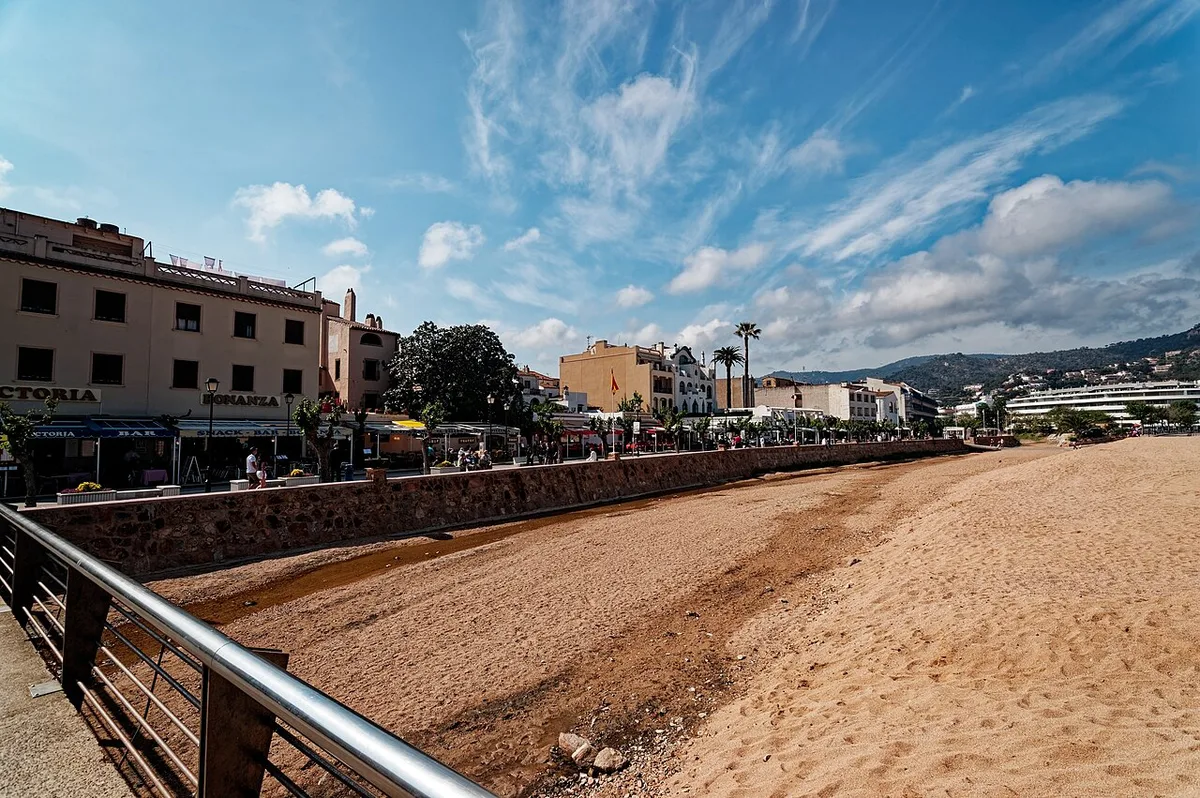
Take a road bike only after checking that your full route is paved. For gravel, choose tires for the roughest sector and mark paved exits on your navigation. In Les Gavarres, consult the natural area consortium about access. Cap de Creus is another gravel area to research, including its protected-area rules. Inland alternatives appear in our Girona gravel guide.
Pirinexus and Ecovies de Girona are the greenway names to explore. Pick a section through Girona Greenways, then check its surface and road crossings. A greenway label alone doesn't establish that a whole route is flat, coastal, traffic-free or suitable for children. You can also assess the Vía Verde del Carrilet: Olot–Girona–Coast Route Guide against your base and transport plan. E-bike riders should compare battery range with total ascent, then arrange charging and luggage. For one-way rentals, get the drop-off terms in writing.
When to Ride the Costa Brava
Cycling Destination favors October–April, reporting winter temperatures often around 54–59°F (12–15°C) with relatively few rainy days. It puts usual summer temperatures at 82–90°F (28–32°C). July and August peaks can approach 95°F (35°C), especially around inland Girona. Treat October–April as one recommendation: tour departures also run in other months. DuVine's 2027 calendar spans April to October, including July and August. Winter trainers should plan around wind, rain, daylight and chilly descents. For cycling plus beach time, compare early autumn with late spring. Heat-sensitive riders should avoid relying on July or August.
| Season | Conditions and daylight | Crowds, lodging and services | Best fit |
|---|---|---|---|
| Autumn | Can stay warm; days shorten | Summer rush eases; check closing dates | Riding with possible swims |
| Winter | Mild spells; shortest daylight | Low season; check what's open | Flexible training |
| Spring | Daylight lengthens; forecasts matter | Blanes and Lloret get busy late on | Longer ride days |
| Summer | Hot; long daylight | Busy resorts; reserve early | Early starts and heat-tolerant riders |
Getting There and Around With a Bike
Girona and Barcelona are the airport options, and you should reserve bike-box space with your airline early. Rail arrivals can use Girona or Figueres. Figueres-Vilafant is the high-speed station, so don't treat every Figueres station name as interchangeable. From Barcelona airport Terminal 1, Trek Travel lists buses to Barcelona Sants every 30 minutes. Terminal 2 has direct trains there, and onward Girona services are listed hourly. Its sample taxi from Girona station to a hotel in Torrent takes about 45 minutes and costs around €60. Taxi prices checked November 2026.
You can plan a car-free trip, but match the final transfer to your coastal town. Ask bus and transfer companies whether they'll carry your bike, boxed or assembled. For trains, read current bicycle conditions from Rodalies de Catalunya and any other rail operator on your ticket. Drivers need secure bike transport and overnight parking. Bringing your own bike preserves your fit but adds packing and spares planning. Compare options for renting a bike in Girona. Before booking, settle sizing, collection, return, damage terms, spares and seasonal availability. Coast delivery needs separate confirmation.
Self-Guided or Guided Tour?
Independent riding gives you the most control, but you handle routes, transfers and breakdown backup. As a premium guided benchmark, DuVine lists 6-day, 5-night departures in 2027 at $5,795–$6,195. Its e-road bike supplement is $400, subject to availability. Trek Travel's 6-day, 5-night trip starts from $5,899 per person, with listed dates reaching $6,199. These 2 premium packages don't represent a typical independent budget. DuVine includes luggage transfers, vehicle support, breakfasts, lunches and 4 dinners, but excludes airfare and guide tips. Check occupancy supplements and current inclusions with either operator. For your own budget, price lodging, rental, transport, food and backup separately.
| Format | Planning and support | Luggage and flexibility | Costs to compare |
|---|---|---|---|
| Independent | You plan and arrange backup | Your transfers; most flexible | Lodging, bike, food, transport |
| Local day ride or camp | Ask what guiding includes | Confirm lodging separately | Fee, rental, travel |
| Self-guided package | Check route and phone support | Check transfers; dates may be fixed | Package plus exclusions |
| Fully guided tour | Confirm guides and vehicle | Check luggage; set itinerary | Fare, supplements, flights, tips |
Sample Costa Brava Trip Plans
Build outward from your base and count accumulated climbing across consecutive days. For more inland choices on a split stay, browse these Girona Cycling Routes: Compare Distance and Climbing. One base keeps bags and workshop arrangements simpler. Using 2 bases makes sense when your coast and inland rides justify a transfer day.
- One holiday ride: from Platja d'Aro or Palamós, consider its listed loop only if you're ready for a hard day. Otherwise, design a shorter out-and-back.
- Long weekend, 3 days: ride the coast on day 1 and inland on day 2. Keep day 3 short, with a weather backup.
- About 7 days: alternate coast, inland road and suitable gravel. Include at least 1 recovery day.
- Girona-based option: use Els Àngels before deciding whether Rocacorba's larger climb suits your legs.
Mistakes to Avoid
Most planning errors come from treating a short coastal distance as an easy day. Before departure, check current Spanish cycling rules, road closures and the forecast. On your chosen line, review narrow sections, descents, any tunnels, water stops and phone coverage.
- Choosing a beach base without checking nearby rideable roads.
- Taking road tires onto a route with unverified surfaces.
- Starting a one-way ride without a booked or proven return.
- Expecting summer traffic and winter services to match.
- Following an old GPX file without checking access.
- Leaving too little margin for heat, wind or fading light.