Cycling in Dénia: Road Routes, Climbs & When to Go
Plan cycling in Dénia: compare road loops by distance and climbing, choose inland climbs, pick your season and sort bike hire, transfers and a base.
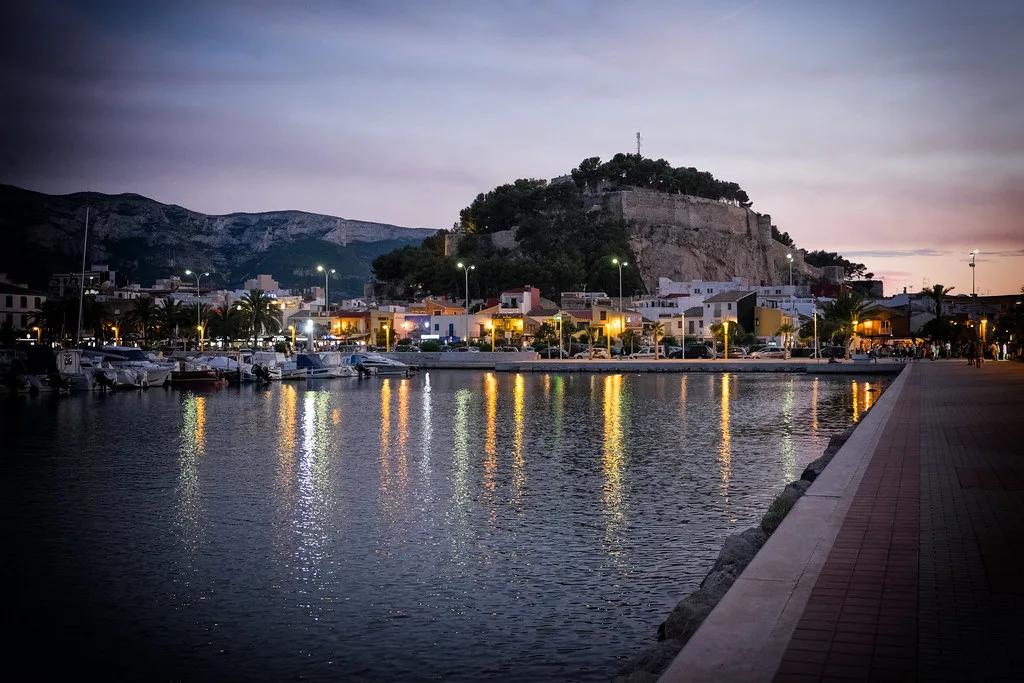
Last updated November 2026: cycling in Denia (Dénia locally) offers some flat, easy riding plus access to inland climbs such as Coll de Rates and Vall d'Ebo. In our editorial assessment, it suits steady road riders, climbers and training groups, while beginners need to vet a short route separately. Your main trade-off is distance, because some climbing days involve a substantial ride before and after the ascent.
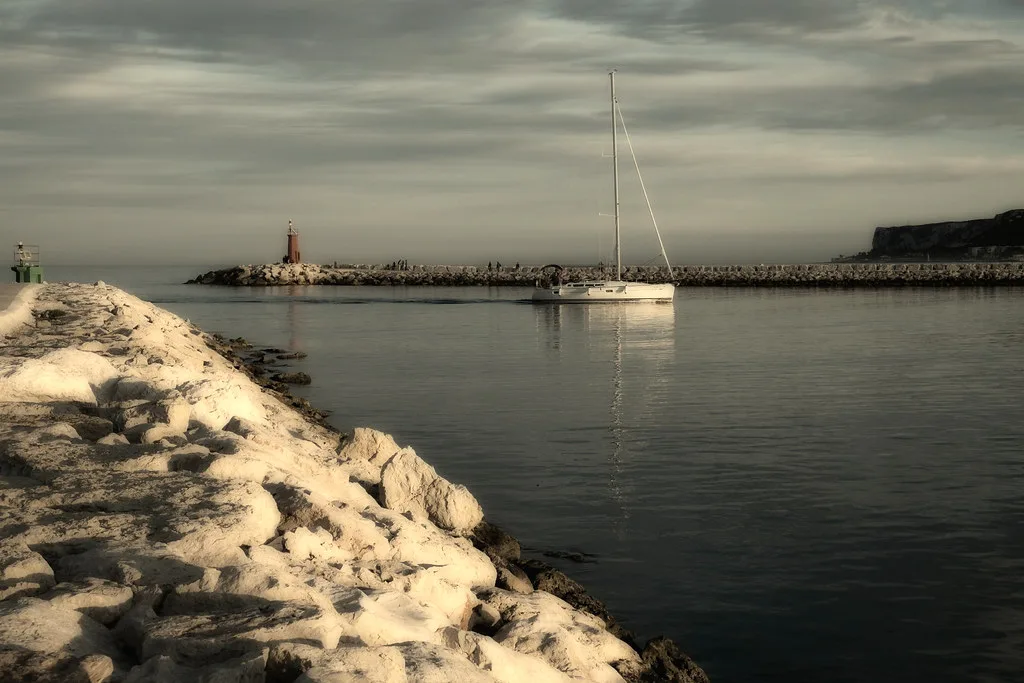
Featured image: ramopant, CC BY-SA 2.0, via Flickr.
Is Cycling in Dénia Right for You?
Start by separating easy local miles from mountain days. John Fegan says most longer Dénia rides open with about 12 miles of easy, flat riding. He owns local camp business Train in Spain and set up Café Ciclista, so he has a commercial interest. His comments appeared in a 2019 Cycling Weekly feature, and they don't show that every road out is flat or quiet.
Fegan also argues that Dénia has more nearby climbs and combinations than Calpe. In his view, Calpe is closer to Alicante airport and the longer southern climbs of Tudons and Confrides. He says its drawback is the busy roads you must ride to reach the hills. Treat that as one interested local's view, and compare your own exit routes. If those southern climbs lead your wish list, explore Calpe as a riding base.
- Steady riders: good potential if you can handle a vetted hilly loop; the shortest candidate below is about 39 miles.
- Climbers: consider Dénia for Vall d'Ebo, Vall de Laguar and routes toward Coll de Rates.
- Training groups: agree pace groups, regroup points and shortcuts before leaving.
- Mixed-ability groups: think twice about one shared loop unless slower riders have a planned way back.
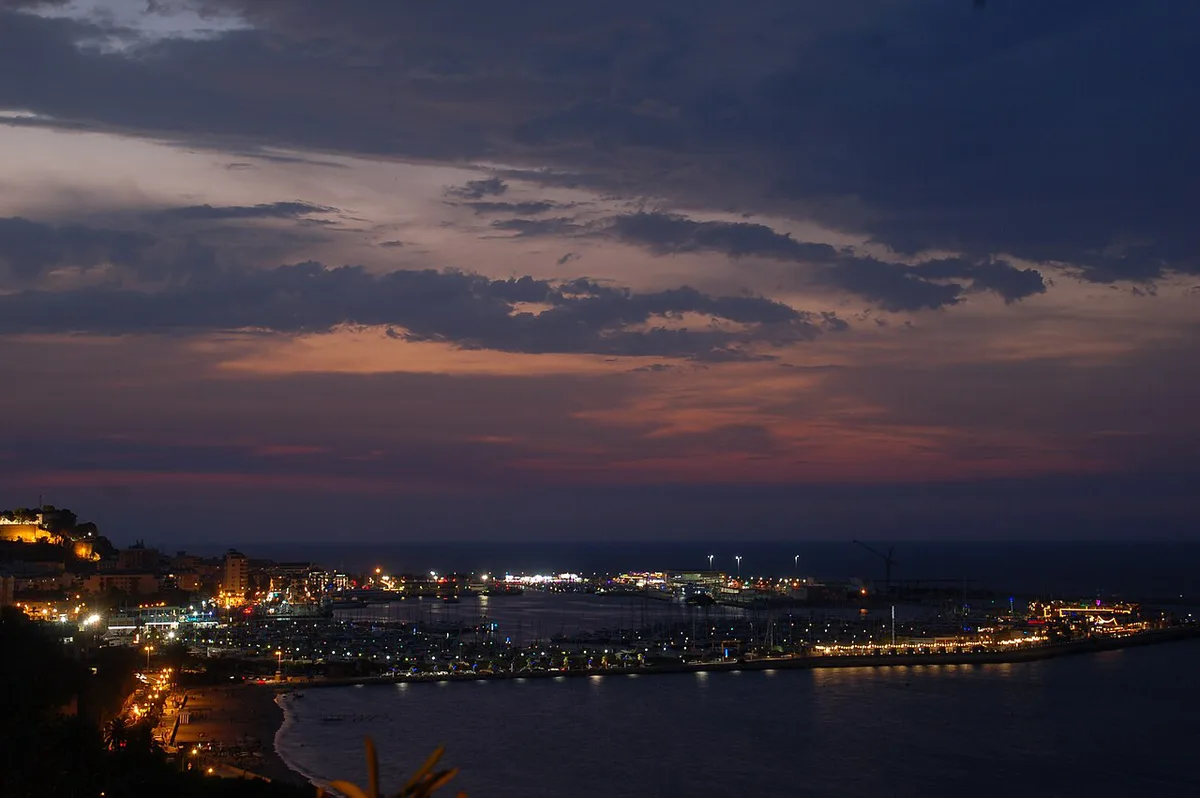
- Travelers with non-riders: Dénia has a marina and sandy beaches for time off the bike.
Which Dénia Road Ride Should You Choose?
Choose by ascent and road checks as well as mileage. A Komoot user collection includes a 38.8-mile loop with 1,710 ft of climbing and a 78.3-mile loop with 5,540 ft. These candidates don't establish a short, easy beginner option. Their listed times aren't promises and may not allow for your stops. For example, the 70.2-mile loop has a shorter listed time than the 59.7-mile ride.
None of these tracks has been ride-tested for this guide. Before choosing one, inspect its GPX for surface, direction, access, closures and traffic. No tested shortcut comes with this comparison, so map your own bail-out. Café Ciclista also names Cap Ride (about 56 miles), Camp Ride (about 93 miles), Cumbres & Laguar and Loop the Loop. Its route list is another lead, but those names and distances don't tell you how hard each day is. For more areas, compare wider regional ride options.
| Komoot loop (place spellings standardized) | Distance and ascent | Listed time (h:mm) | Editorial fit | Surface and bail-out checks |
|---|---|---|---|---|
| Pego, Orba, Pedreguer | 38.8 mi; 1,710 ft | 2:50 | Shortest hilly candidate here | Listed as mostly well paved; verify and add a shortcut |
| Jalón, Benissa, Xàbia | 42.4 mi; 2,330 ft | 3:07 | Steady riders wanting more ascent | Possible unpaved segments flagged; plan a return |
| Dénia, repeated Rates efforts | 52.4 mi; 4,000 ft | 3:10 | Structured climbing efforts | Surface unconfirmed; decide which repeat to drop |
| Orba, Jalón, Benissa, Xàbia | 59.7 mi; 1,210 m (3,970 ft) | 4:40 | Fit riders planning a long day | Possible unpaved segments flagged; plan a return |
| Denia loop | 70.2 mi; 5,710 ft | 4:29 | Experienced climbers | Surface unconfirmed; plan a return |
| Hills via Gorga | 78.3 mi; 5,540 ft | 6:05 | Endurance riders | Possible unpaved segments or pushing flagged; plan a return |
Which Inland Climbs Are Worth Planning Around?
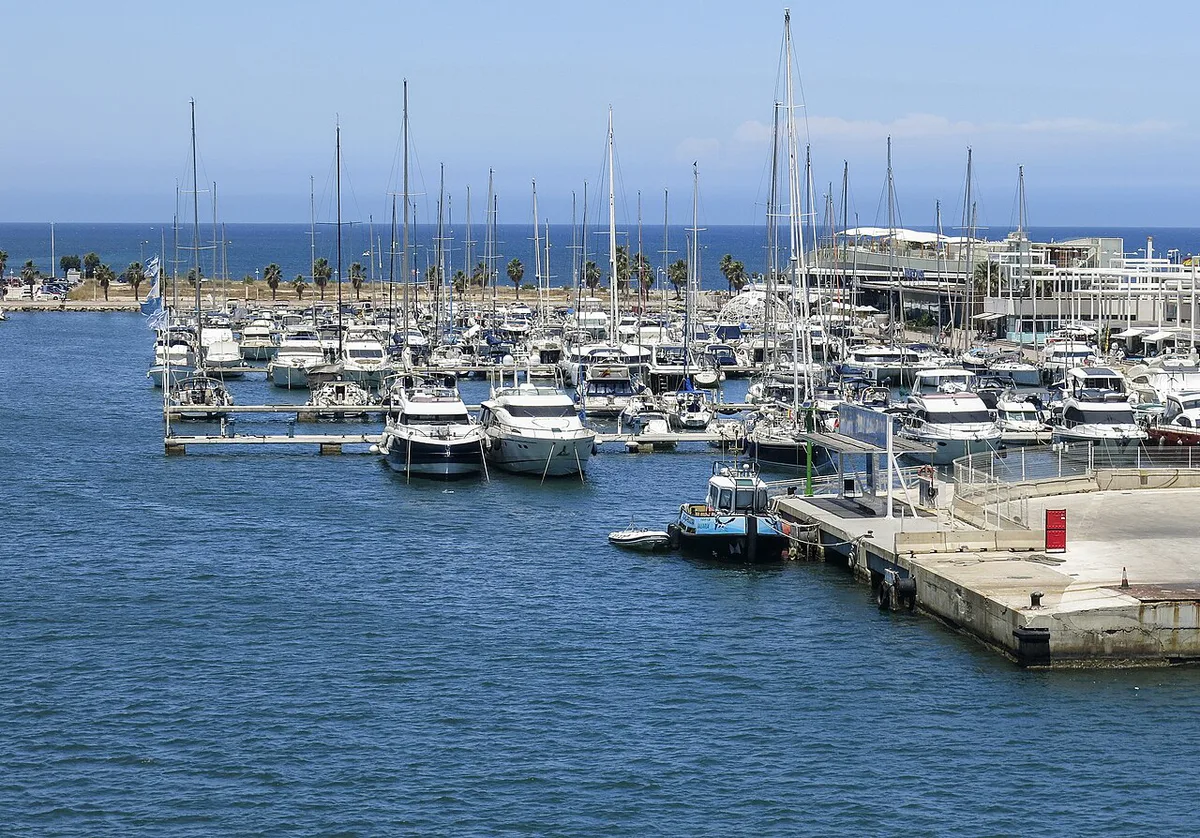
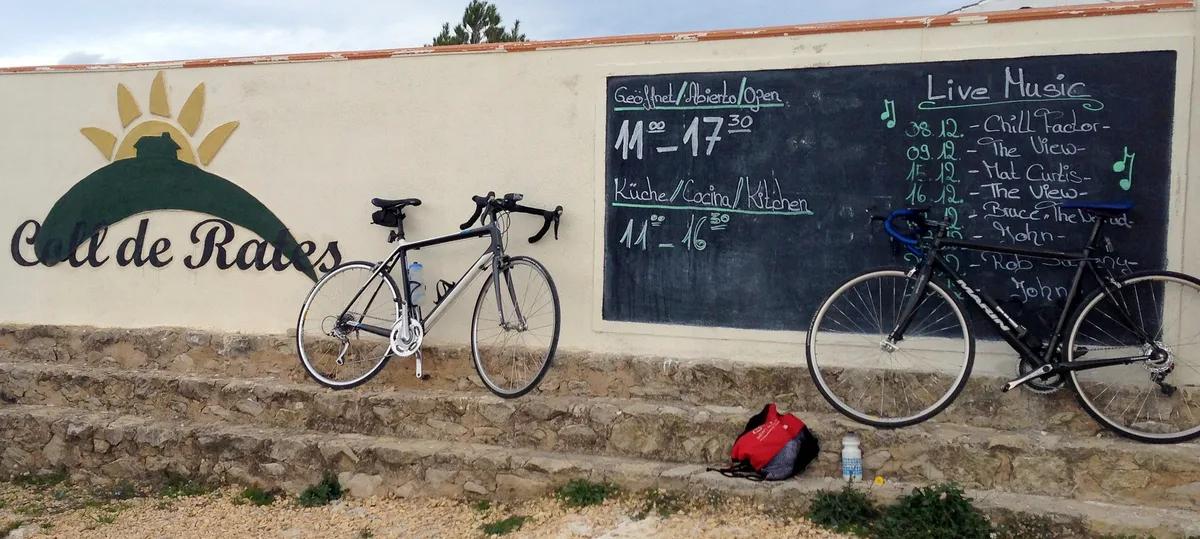
Separate each climb's length from the full ride needed to reach it and get home. Cycling Weekly's 2019 figures put Coll de Rates at about 3.7 miles with a 5% average. Fegan places Coll de Rates about 16 miles from Dénia, without specifying the endpoint. Thomson Bike Tours profiles the ascent from Parcent, so don't treat those 16 miles as a measured distance to that start. See our full Rates climb guide before building the loop.
Coll de Rates lies about 16 miles from Dénia, a figure from one local's estimate. Measure from your own start point before counting that distance toward your loop.
For an optional steep contrast, Cycling Weekly describes a Cumbre del Sol ascent of about 2.5 miles. Its gradient averages around 10%, depending on direction, with ramps above 20%. Match your GPX to the exact side, using our guide to the steep Cumbre ascent.
Port de Bèrnia appears on a Thomson camp's recovery day, but that doesn't make it a beginner ride. Fegan puts the Sierra de Bèrnia roughly 16 miles from Dénia, again without a precise endpoint. Thomson's arrival ride features Montgó, with a climb profile from Xàbia. Keep Montgó mountain-bike tracks out of your road plan.
- Vall d'Ebo from Pego: about 5 miles at a 6% average; a candidate for steady climbing efforts, with no standout ramps described.
- Beyond Vall d'Ebo: continuing from the Pego ascent to Tollos adds about 9.3 miles of rolling terrain with steep ramps after the summit.
- Coll de la Garga: Thomson describes a 6.2-mile climb on a narrow road. On its camp ride, it starts around mile 37, after a relatively flat first 22 miles to Calp.
- Garga return: that itinerary continues over more climbs, descends switchbacks to Pego, then has about 16 miles back to the hotel.
- Vall de Laguar: Cycling Weekly gives 6.7 miles at 6%. From Sagra, the first 5 miles average about 3% to 6% by section. The finish reaches a 9.4% kilometer average, with 17% ramps.
- Port de Tudons: reserve it for a long extension. On Thomson's itinerary, the 9.3-mile climb begins after about 43 miles; your Dénia start may differ.
When Should You Cycle in Dénia?
Pick your dates around heat tolerance and group demand. In 2019, Cycling Weekly said visiting cyclists tended to come from October through May. It gave maximum temperatures of about 61–77°F for that period. June through September could easily reach 86°F. These are broad historical observations, not forecasts or monthly averages. The feature put typical rainy days at 1 a month in midsummer, about 4 in spring and 6 in December.
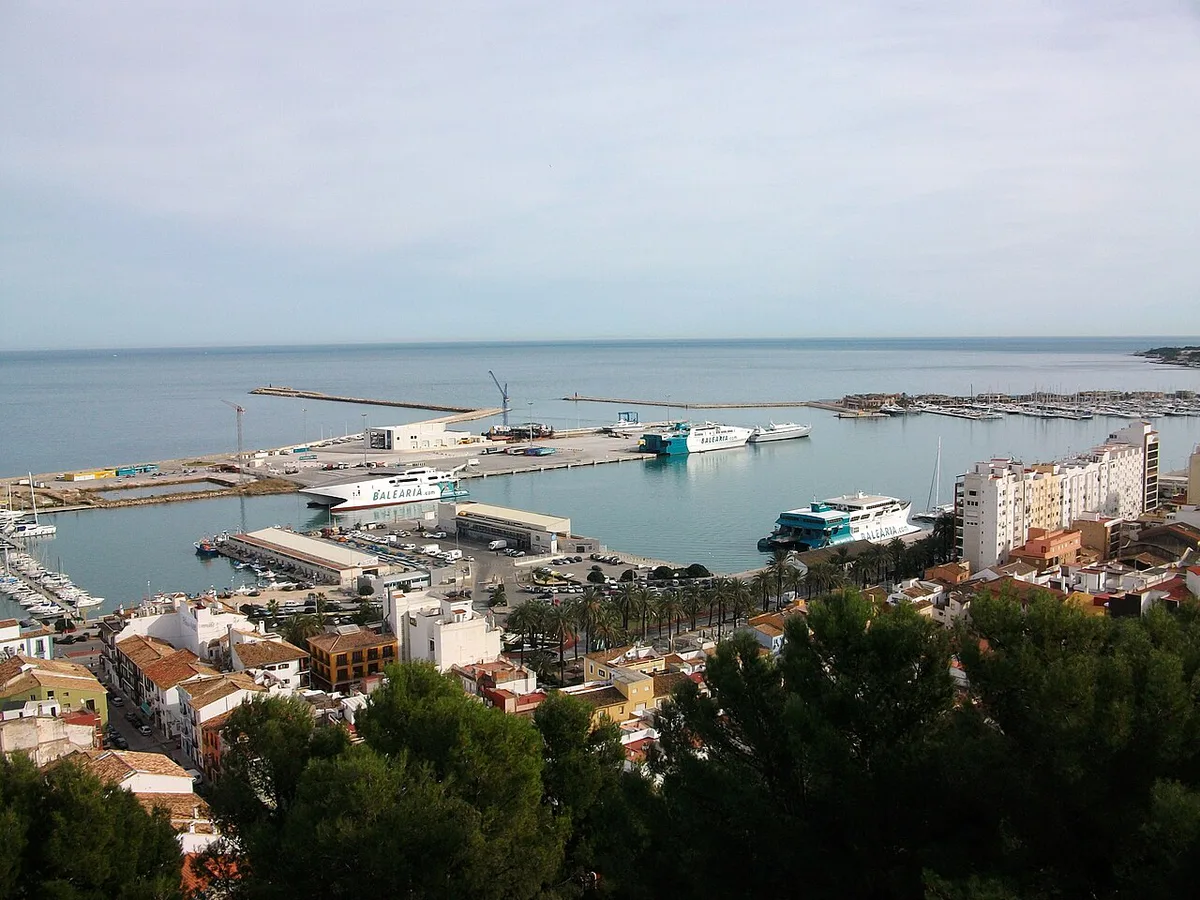
Fegan reported pro teams concentrating in December and January, with amateur groups peaking from February through April. He advised avoiding July to mid-September because of heat and busy coastal roads. Camp popularity doesn't guarantee comfort. Before each ride, use Spain's national weather agency, AEMET, for wind, rain and temperature, then check sunset.
| Period | Heat, rain and cold | Wind and daylight | Camp demand and fit |
|---|---|---|---|
| December–January | Occasional January cold or wet spells; 6 rainy days typical in December | Check each ride day | Pro-team camp period; pack layers |
| February–April | Mild to warm spells; February can have cold or wet spells | Check each ride day | Peak amateur-group period; suits camp-minded riders |
| May and October–November | Warm to mild conditions | Check each ride day | Options for riders avoiding the February–April peak |
| June | Can be hot for riding | Check each ride day | Better for heat-tolerant riders |
| July–mid-September | Heat and busy coastal roads | Check each ride day | Local operator advises avoiding this period |
| Mid–late September | Heat can reach about 86°F | Check each ride day | Choose only if you can adapt to heat |
Where Should You Stay, Get a Bike and Arrive?
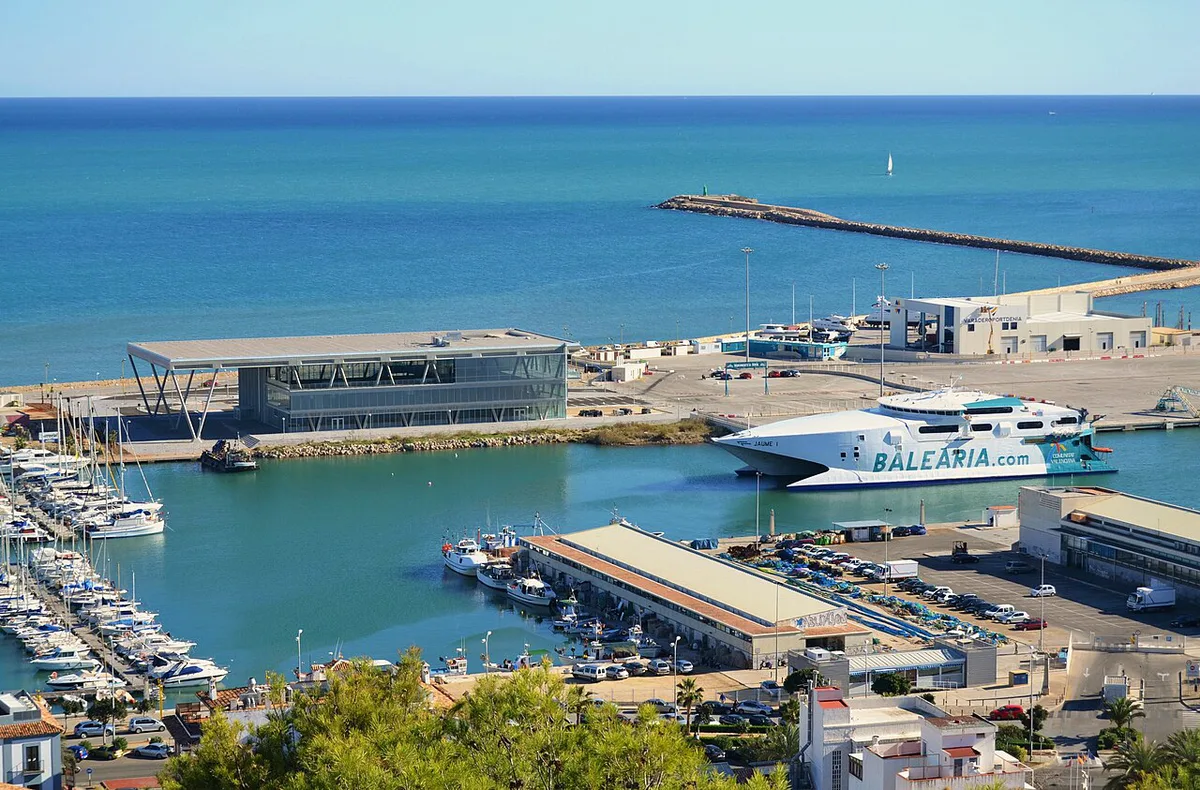
Choose accommodation around your first and last miles. Compare the old town, harbor, quieter residential streets and beachfront by their exits toward your chosen route. Dénia's official tourism site can help with local planning. Blanca Bikes names Hotel Port Dénia as a partner with secure storage and bike-cleaning space; confirm current terms when booking.
Dénia sits about 56 miles from Alicante airport, while Calpe is nearer at about 40, so count the transfer before you pick a base.
Cycling Weekly places Dénia about 56 miles from Alicante airport, compared with about 40 miles for Calpe. Compare Alicante and Valencia using your flight time, transfer quote and bike-box space. For rail options, ask TRAM d'Alacant about current service and its rules for assembled and boxed bikes. If you want a city stay, assess Alicante as a riding base separately from airport convenience. You can also compare a Benidorm riding base.
Blanca Bikes advertises custom trips from 2 nights to 21 days. Possible inclusions are guiding, Cervélo road or e-bike hire, lodging, workshop support and airport transfers, so ask what your quote contains. Café Ciclista's website also lists bike hire and guided riding at Carretera de les Marines 16. If you choose the other town, research hiring a bike in Calpe.
| Ride style | What you gain | What to check |
|---|---|---|
| Self-guided | Flexible timing and route choice | You handle navigation and recovery |
| Local guided ride | Route knowledge | Schedule, pace matching and support |
| Holiday or camp package | Less trip planning | Inclusions, flexibility, drop policy and total cost |
- Base checklist: secure indoor storage, washing and repair access, early breakfast, laundry, nearby food and activities for non-riders.
- Hiring: ask about sizing, fit, gearing, pedals, delivery or collection, damage terms, insurance and breakdown help.
- E-bikes: confirm battery charging arrangements and a range suited to your route.
- Bringing your bike: price outbound and return carriage, packing, transfers and insurance.
How Should You Budget Money, Time and Access?
Price the same dates and services before comparing independent, guided and packaged trips. One premium camp example comes from Thomson Bike Tours, with prices checked November 2026. Its March 13–20, 2027 departure lasts 8 days and 7 nights, starting at $3,995 per person. Rental bikes cost $600 extra, while the single supplement is $950. This single listing isn't a typical Dénia trip price.
Thomson's listed package includes Valencia airport transfers, lodging, daily breakfast and dinner, ride support, ride nutrition and GPX files. Airfare, insurance and gratuities are excluded. Ask about room occupancy and current availability before booking.
For a short break, allow for arrival, bike setup and departure before assigning long rides. As editorial guidance for a training week, leave space for recovery and a weather change. Start with a vetted shorter loop, then add a bigger climbing day if your group is ready.
| Budget line | Independent trip | Guided or packaged trip |
|---|---|---|
| Travel, bike carriage and transfers | Price each leg | Identify included legs |
| Lodging and food | Add your booking and meals | Confirm occupancy and meals |
| Bike hire and insurance | Get matching dates and coverage | Check for extra charges |
| Guiding and support | Add any rides or recovery help | Confirm what the price covers |
What Should You Check Before Riding?
Use this mistake-to-avoid list before choosing even the 38.8-mile candidate. Review current cycling rules and road information through Spain's DGT traffic authority, then go over equipment requirements, emergency guidance and your travel insurance terms.
- Don't judge effort by distance alone; account for ascent, repeated rollers, steep ramps and the return.
- Don't trust an uploaded GPX without checking surface, closures, access and traffic. A low-ascent track isn't automatically suitable for beginners.
- Plan water, food, open café stops, daylight, descent layers and weather.
- Carry repair gear and agree on a shortcut, regroup plan and way back.
- Choose gears for the steepest section you will ride.
- Before joining a group, ask about pace, drop policy and mechanical or recovery support.
Frequently Asked Questions
Where is the best place in Spain for cycling?
No single base is right for every rider. Consider Dénia if you want inland road climbs and can plan rides around your fitness, season and tolerance for traffic.