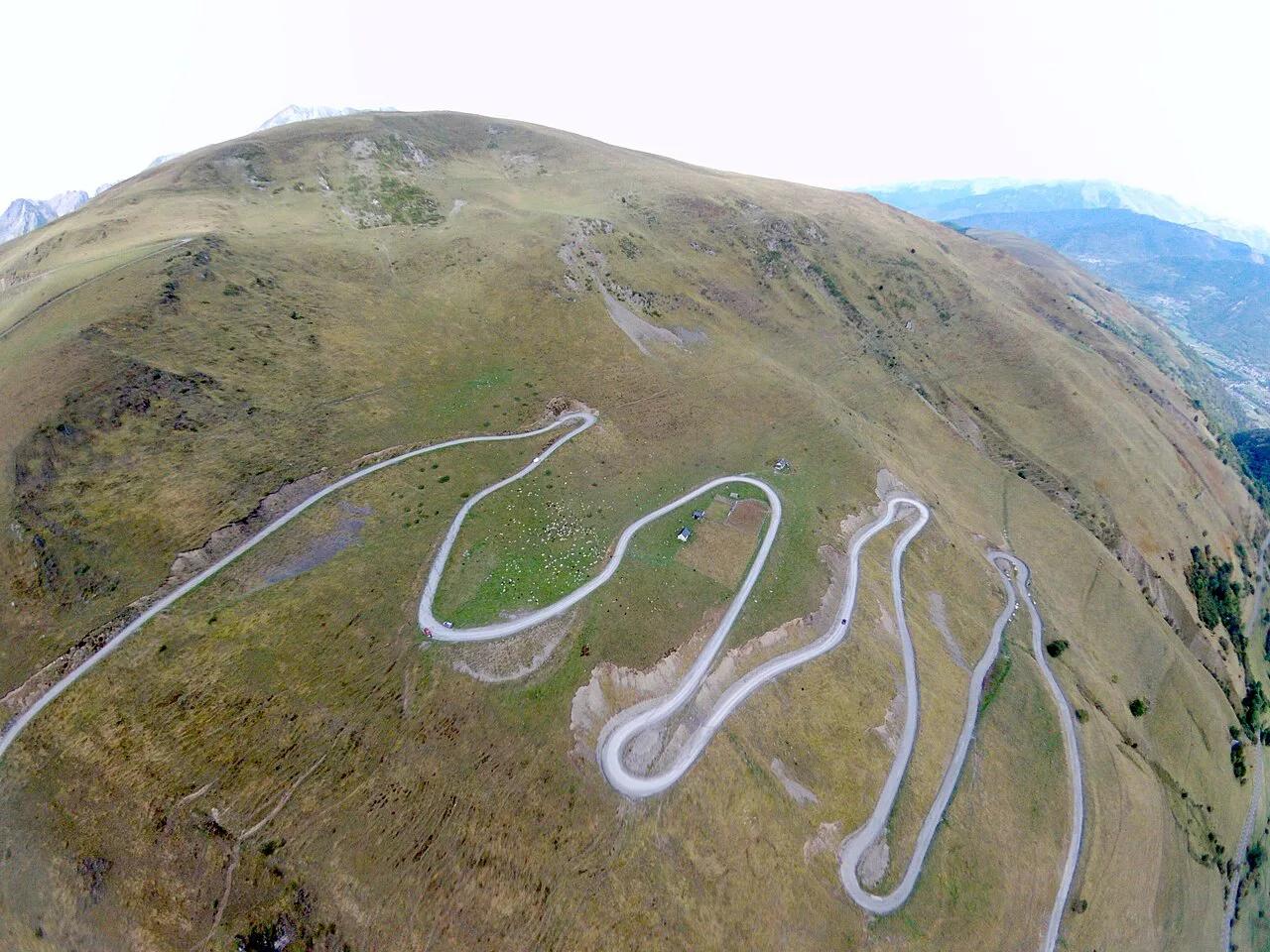
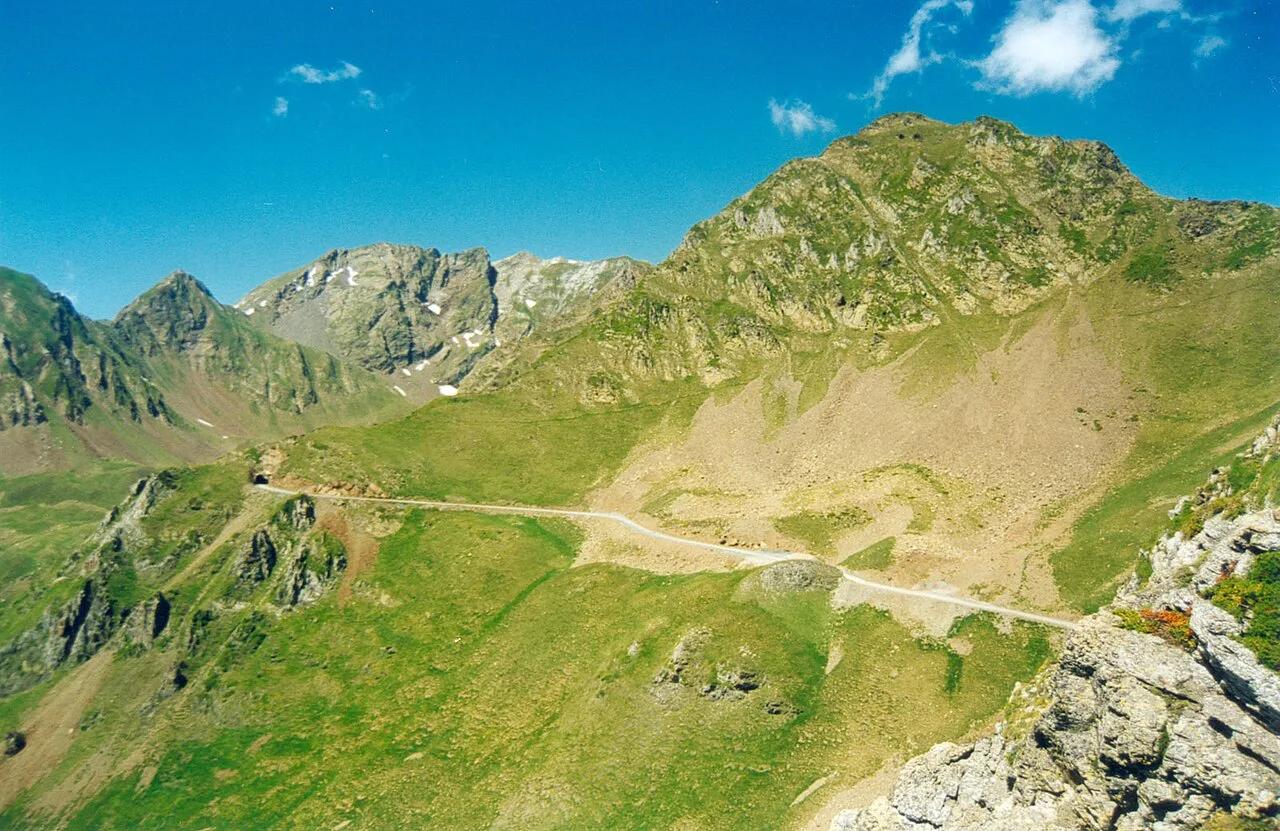
Luz Ardiden Climb: Cycling Guide and Ride Planning
Plan your Luz Ardiden bike ride above Luz-Saint-Sauveur: route mapping, pacing, ride choices, access, seasonal checks and descent preparation.
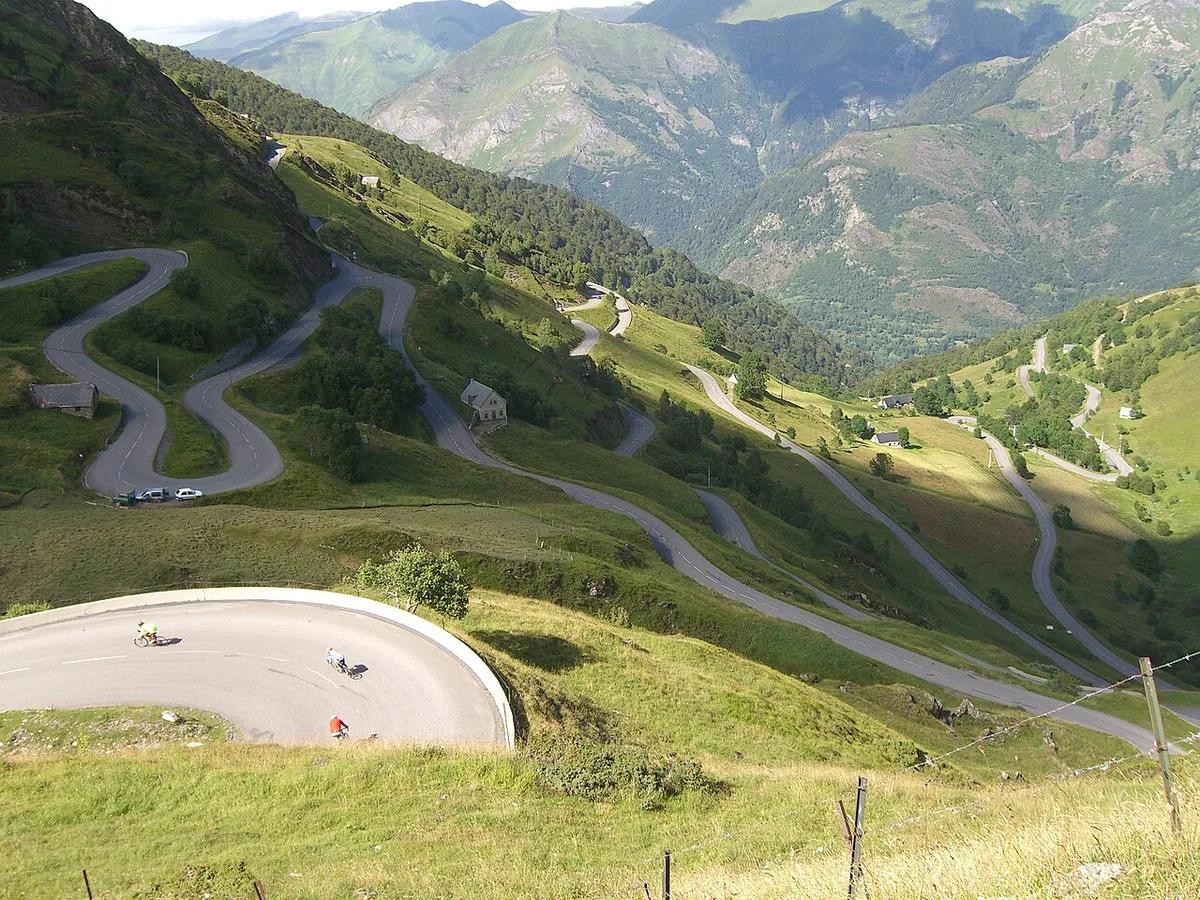
Last updated November 2026: Luz Ardiden is the ski-area climb above Luz-Saint-Sauveur in the French Pyrenees. For road cyclists, it is a mountain ride to plan around climbing fitness, descending confidence and the day's conditions. Luz Ardiden is also a ski resort, so skiers should look for current resort information instead of this cycling plan.
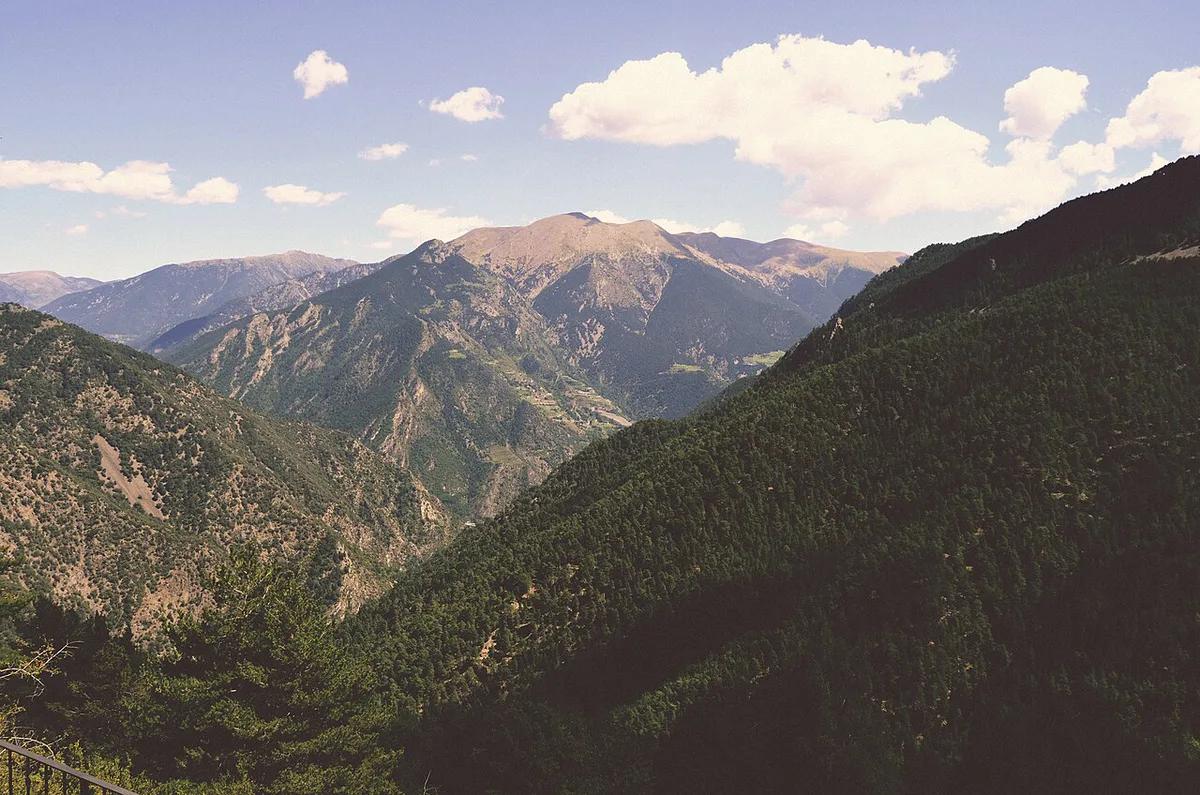
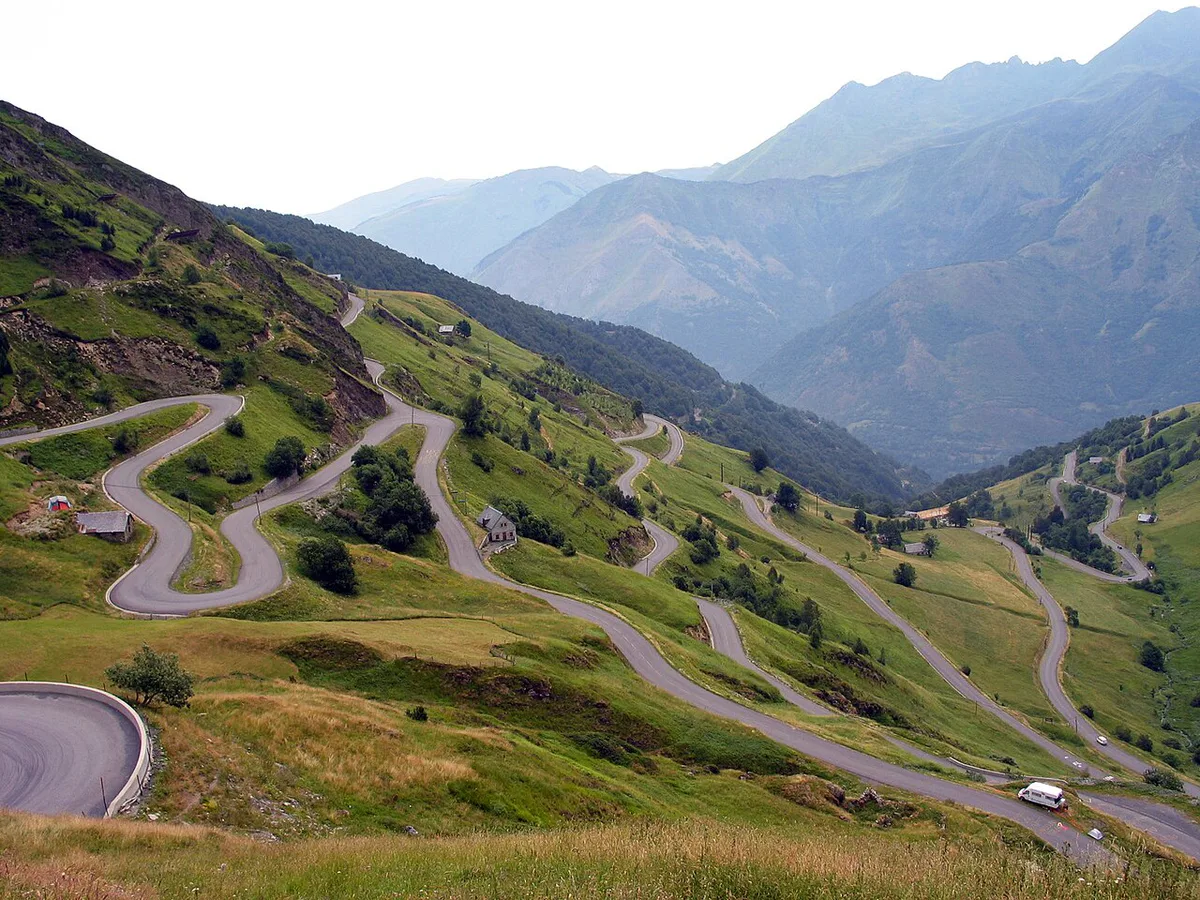
Featured image: Mikel Ortega, CC BY-SA 2.0, via Wikimedia Commons.
Luz Ardiden Climb at a Glance
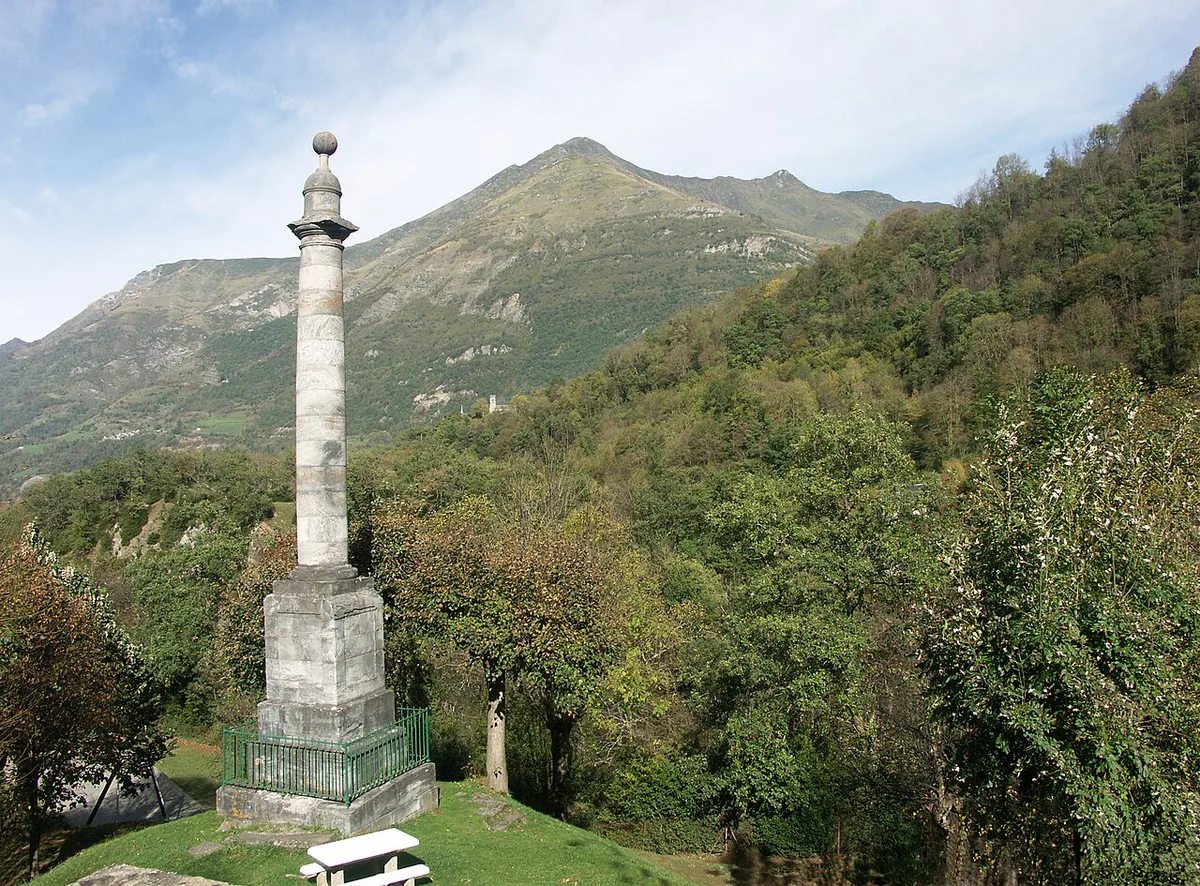
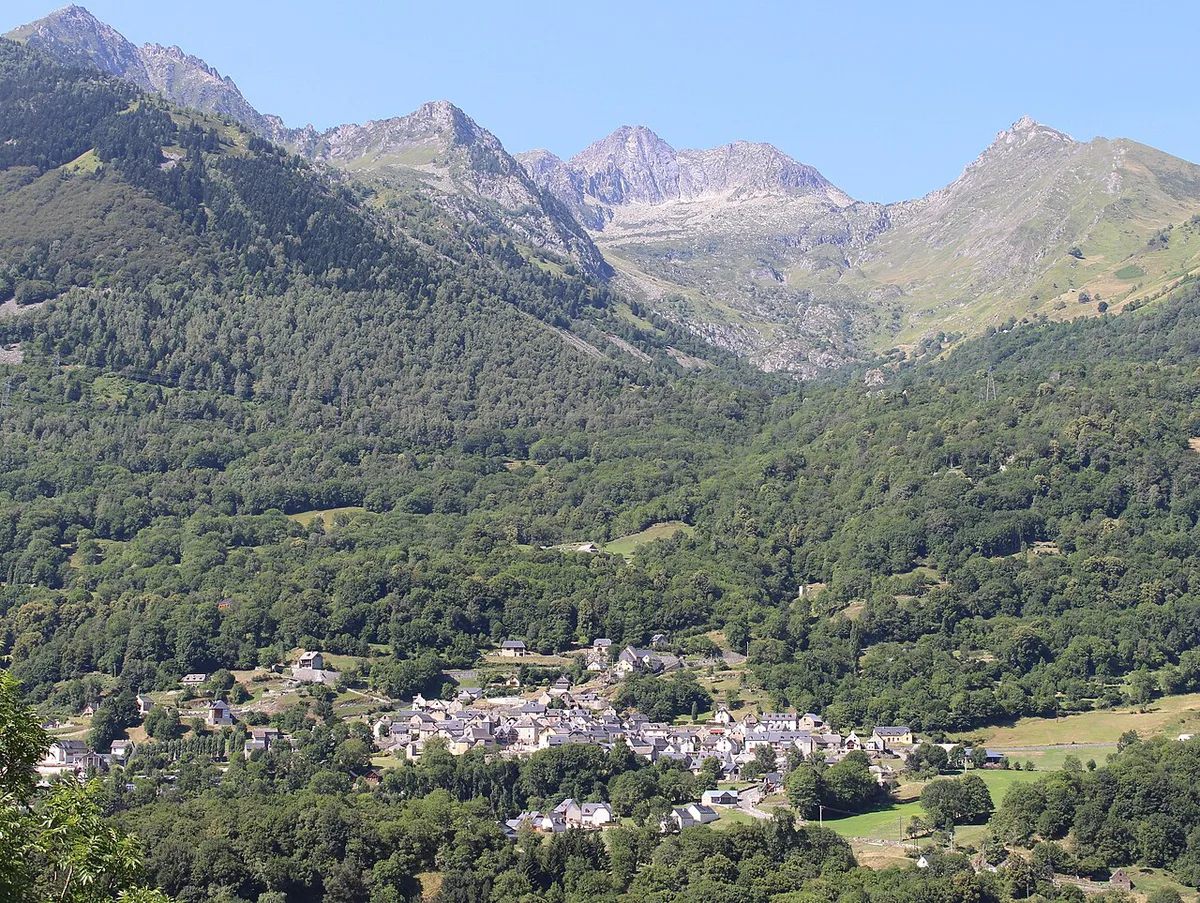
For a Luz Ardiden cycling day, begin your planning in Luz-Saint-Sauveur and trace the road up to the ski area. Our Pyrenees cycling guide helps you place this ride within a wider trip. Choose exact start and finish markers before comparing profiles. Different markers can change the distance, elevation gain and average gradient. Resort altitude figures may not describe the point where your road ride ends. For that reason, this ride is called the Luz Ardiden climb here, although you may also see searches for Col de Luz Ardiden.
- Start area: Luz-Saint-Sauveur; save your exact departure point.
- Destination: Luz Ardiden ski area; mark where on the road you will turn around.
- Route figures: take distance, elevation gain and finish altitude from the same profile.
- Gradient: read both the average and the steeper individual sections.
- Record: note the profile's source and date beside your saved route.
How Hard Is Luz Ardiden? Gradient and Pacing
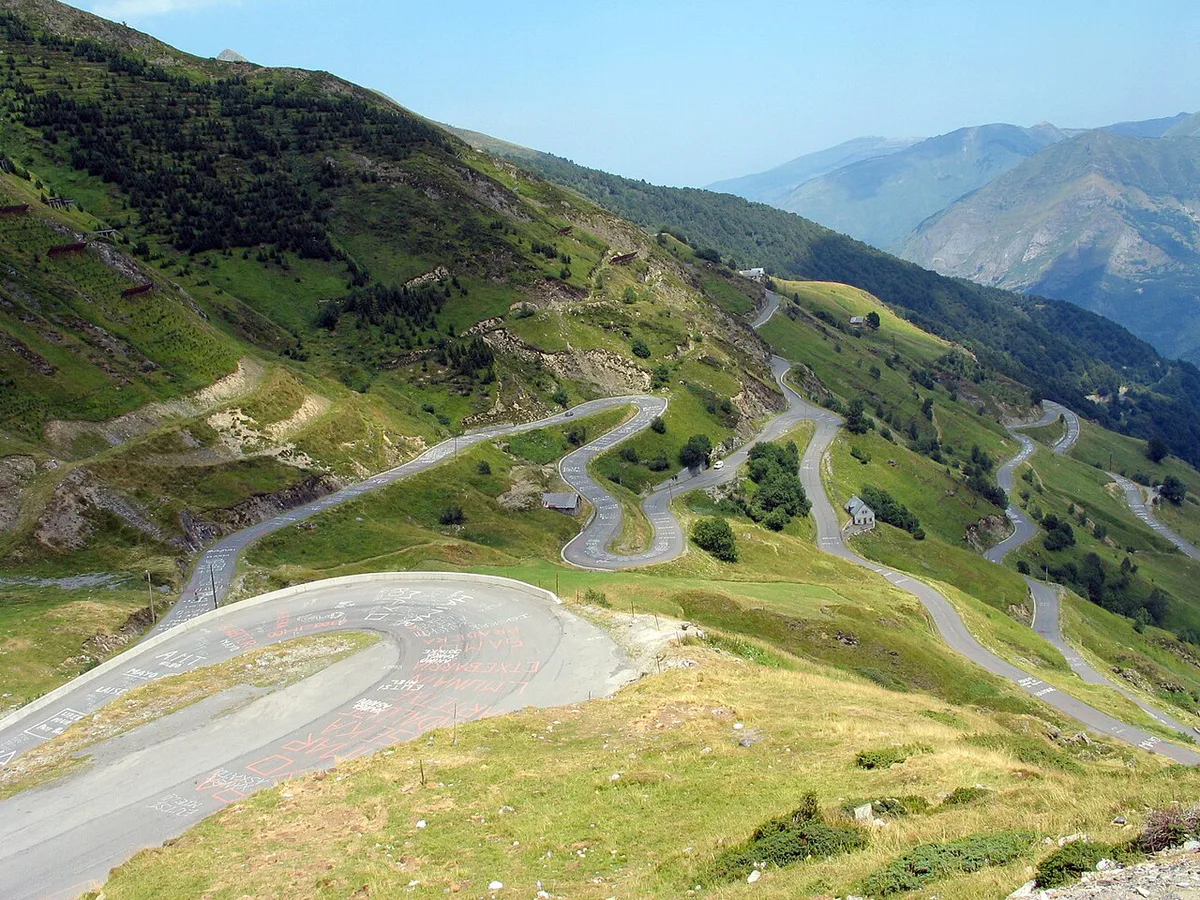
Judge the difficulty from a segment-by-segment profile, because an overall average can hide changes in slope. Compare it with climbs you have already completed, looking at both length and height gained. As pacing guidance, start at an effort you could hold all the way to your turnaround. Save harder riding for later, once you know how your legs and breathing are responding. Choose gearing that lets you turn the pedals comfortably when tired, especially on the steeper sections shown by your profile.
For a time estimate, divide the route's elevation gain by your own sustainable climbing rate in height per hour. Use a rate recorded on a comparably long ascent, and keep both measurements in the same unit. Treat the answer as moving time uphill. Add separate allowances for reaching the start, stopping, changing layers and descending. As a first major Pyrenean climb, this ride makes sense only if you are prepared for both directions. Reconsider if long climbs or mountain descents are still unfamiliar, or your available time leaves no margin.
Standalone Climb or Bigger Pyrenees Day?
An out-and-back is the simpler plan: climb from the valley, turn around and descend by your chosen road. Make it your default for a first visit or an uncertain day. For a longer outing, you might consider the Col du Tourmalet ride as a second objective. Map the full connection before committing, including both ascents, every descent and your return to base. Set a decision point before the second climb, with a direct way back if fatigue or conditions change. If you would prefer to compare another single objective, read our Hautacam climbing guide.
| Planning factor | Luz Ardiden out-and-back | Longer day with Tourmalet |
|---|---|---|
| Time commitment | One climb and its return | Two climbs plus connecting travel and return |
| Effort | Pace for one ascent and descent | Hold energy back for the second ascent |
| Logistics | One road status and supply plan | Status and supplies for the whole loop or linked route |
| Bail-out | Turn around and descend, if safe | Skip the second climb at your decision point |
| Best fit | First visit or limited time | Riders with proven endurance for longer mountain days |
Where to Start and Stay
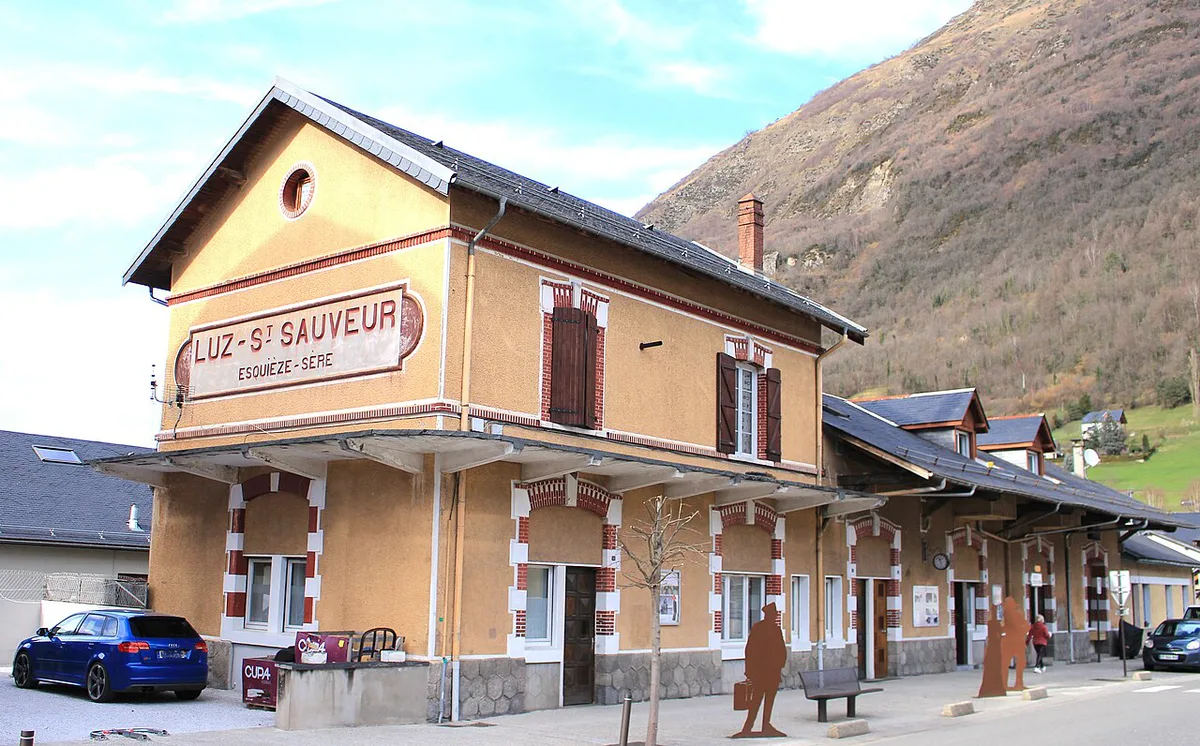
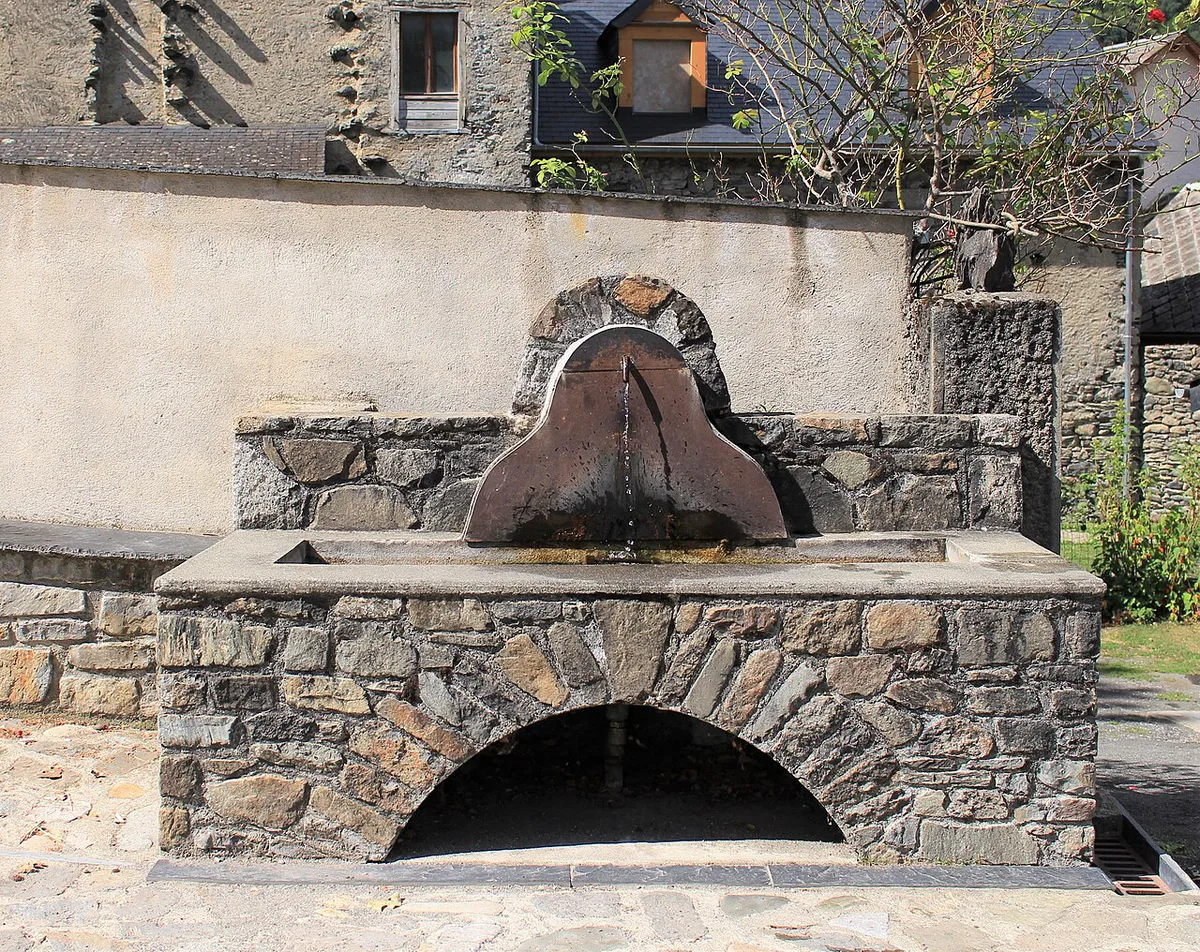
Luz-Saint-Sauveur is the natural place to investigate for a base because the climb sits above it. Before booking, compare your accommodation's location with your saved departure point. Ask about secure bike storage and early food. The Luz-Saint-Sauveur tourism office is a starting point for local visitor enquiries.
If you are driving, choose legal parking near your start. Parking at the ski area serves a different plan from beginning the climb in the valley. Without a car, price the whole journey to your base and confirm bike carriage on each leg. Arrange rental and repair support before travel, rather than assuming either is available beside the route. For wider area research, consult the Vallées de Gavarnie visitor information.
When to Ride and What to Check
Do not assume the road is suitable for cycling year-round. Before leaving, check its status with the responsible Hautes-Pyrénées road authority or local officials. Ask about snow, works, event restrictions and closures. During ski operations, ask about road traffic as well. Use a current Météo-France forecast to assess heat, rain, wind, visibility and changing mountain weather.
Carry enough food and water for your planned effort and a delay. Do not rely on an open fountain, café, toilet or shelter along the road or at the top without current local information. The Hautes-Pyrénées tourism office can help with wider trip research. For your budget, get quotes for accommodation, travel, bike transport or rental, and any organised ride. A ride from local lodging with your own bike may avoid some transfer and rental costs. Ask road officials about any access restriction or charge.
Descent and Pre-Ride Checklist
Keep enough energy and daylight for the way down. On the ascent, notice surface damage, loose material, bends and places that may need extra care. Conditions can differ on your return, so ride within your sight distance and leave room for traffic. Brake with control before bends. Put on dry or warmer layers before you become chilled. Turn back before the top if weather deteriorates, visibility falls or fatigue affects your handling. Stop in a safe place if you cannot descend with control.
- Road: current status and any timed restrictions.
- Weather: conditions at both the valley and higher elevations.
- Bike: sound tyres, effective brakes, secure wheels and suitable gears.
- Supplies: food, water, repair equipment and a charged phone.
- Clothing: accessible descent layers and protection suited to the forecast.
- Return: a turnaround time and a plan for contacting help.
Luz Ardiden in the Tour de France
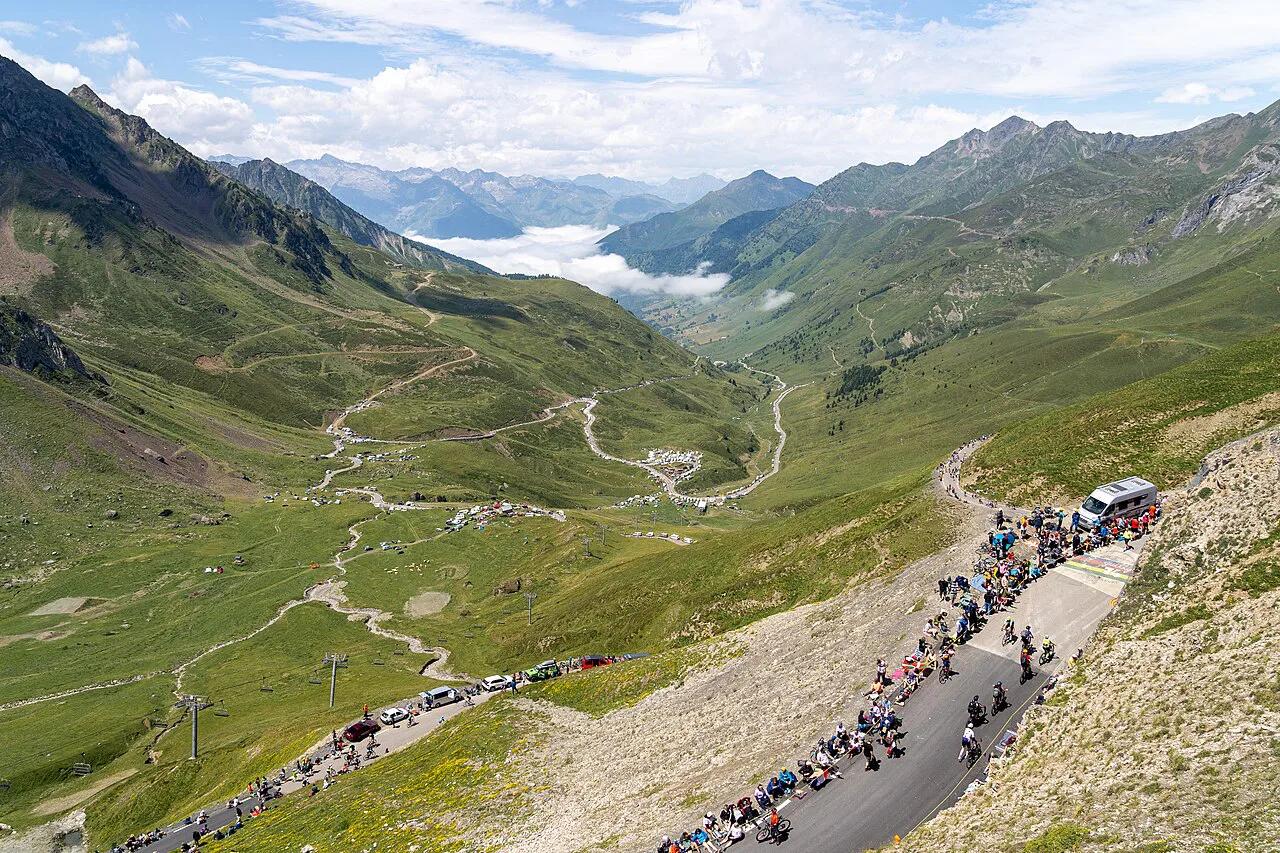
Race history can add interest to your visit, but professional results will not tell you how to pace your ride. For stage dates and results, start with the official Tour de France website.