Col du Portet Cycling Guide: Difficulty and Ride Planning
Plan a Col du Portet ride from the Saint-Lary-Soulan area. Judge your fitness and gearing, compare climbs, and prepare for road, weather and descent.
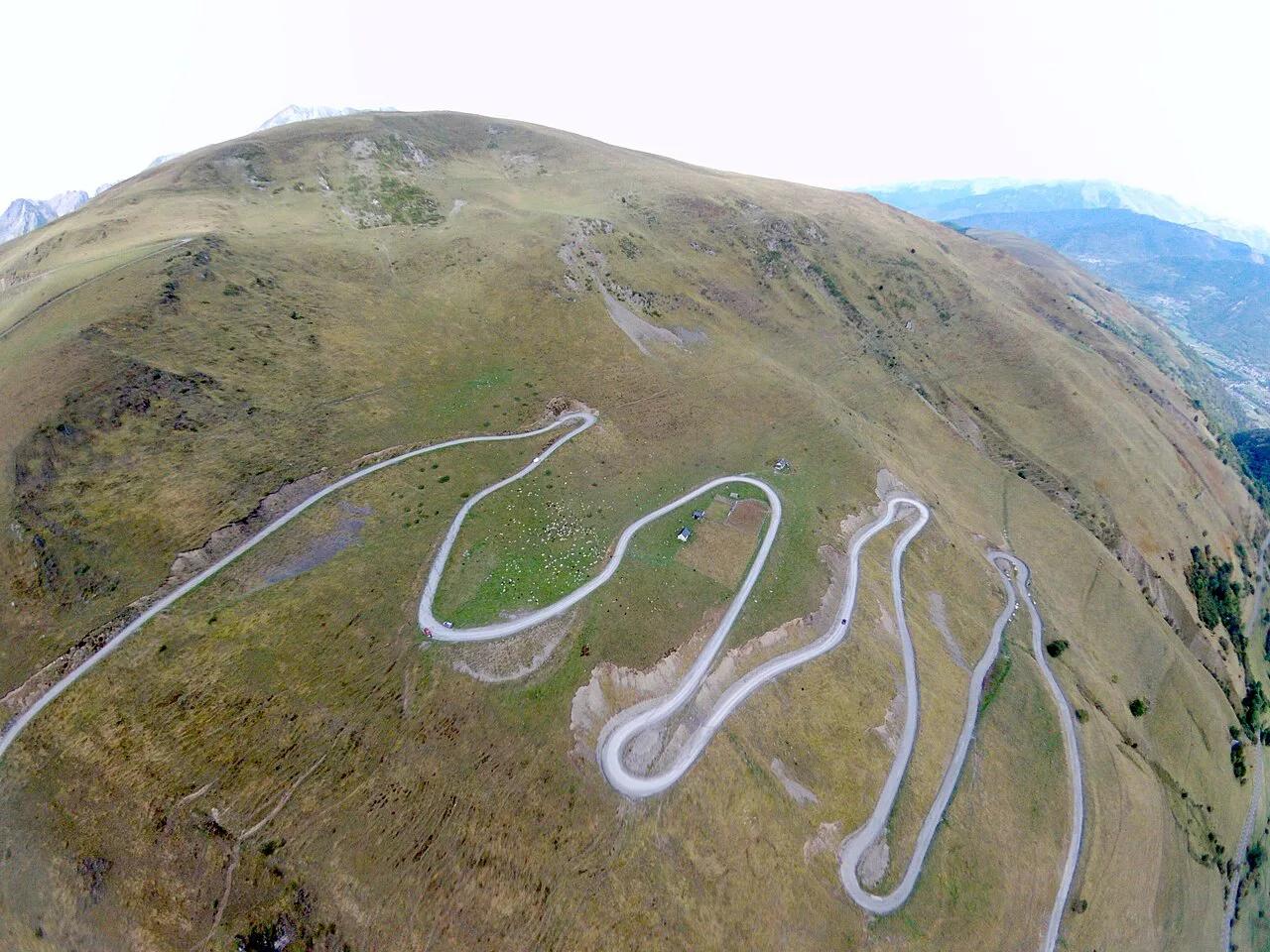
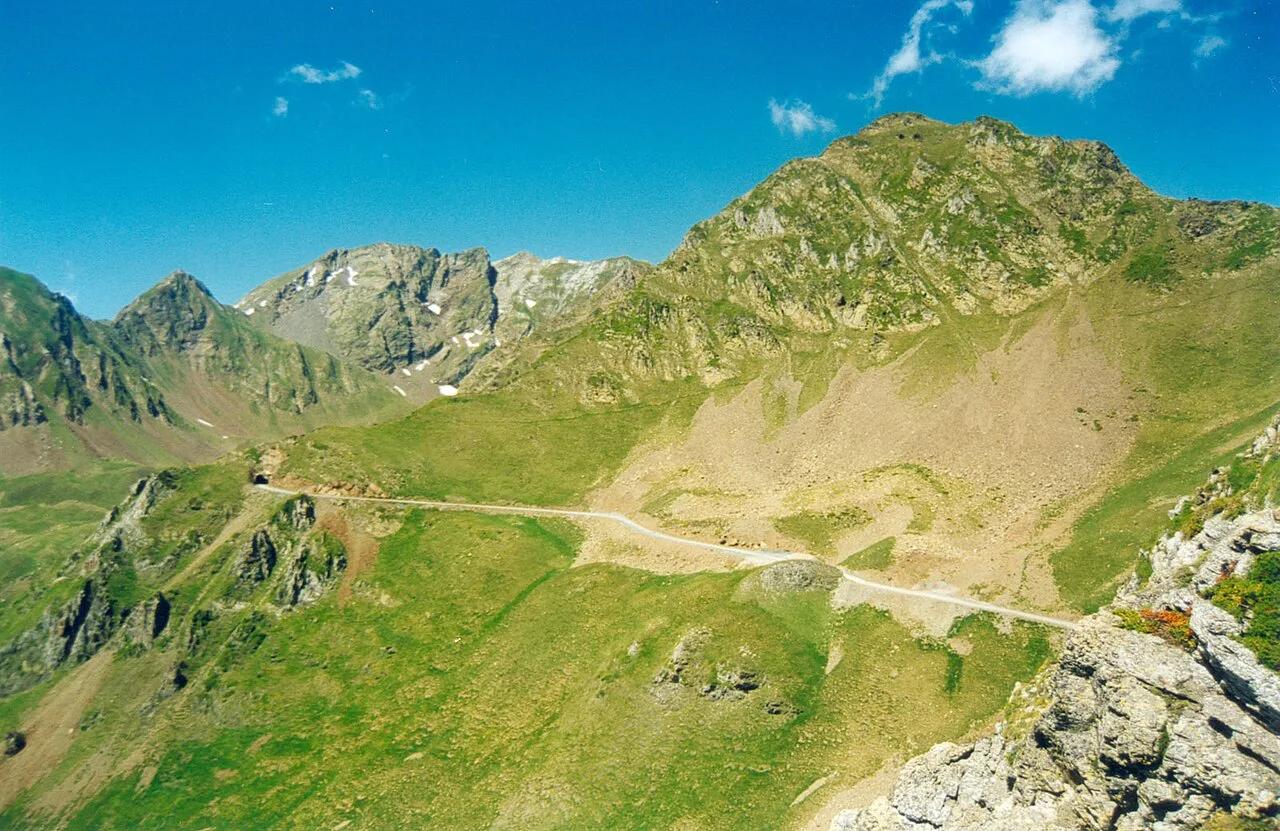
Last updated November 2026: Col du Portet is a mountain road climb above Saint-Lary-Soulan in France's Aure Valley. In our editorial assessment, it suits cyclists who already handle long, sustained ascents and feel confident on mountain descents.
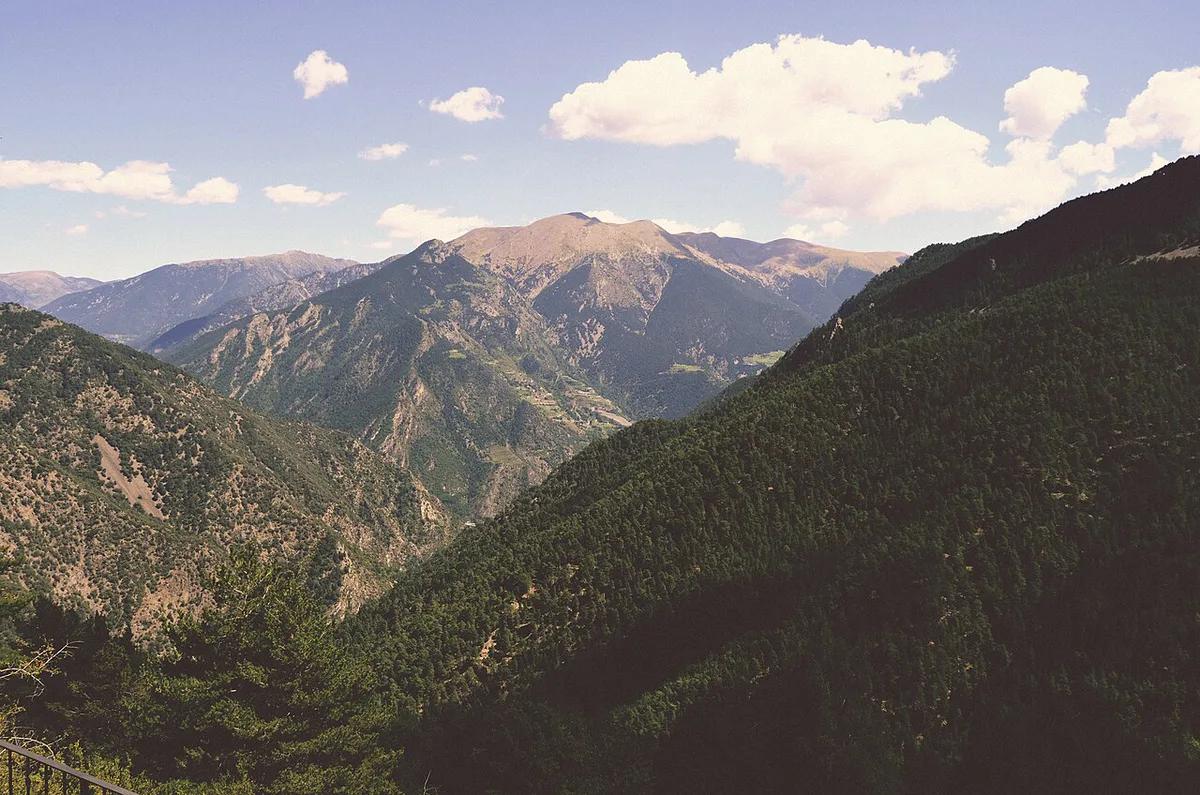
Featured image: Teddy65170, CC BY-SA 4.0, via Wikimedia Commons.
Col du Portet at a glance
Treat this as a major objective for your riding day, especially if you are new to the mountains. For help fitting it into a wider trip, start with our Pyrenees riding hub. Before judging length or steepness, choose one route profile and use its figures throughout. Profiles can produce different totals when they begin or end at different points.
- Location: above Saint-Lary-Soulan in the Aure Valley, in France's Pyrenees.
- Best suited to: riders with sustained climbing practice, suitable gears and descending confidence.
- Profile check: note the exact start, finish, distance, elevation gain and average gradient together.
- Name check: confirm that your map and GPS file say Col du Portet. Port de Bielsa is a different climb, even when listed from Saint-Lary-Soulan.
Route and gradient: what to map before you ride
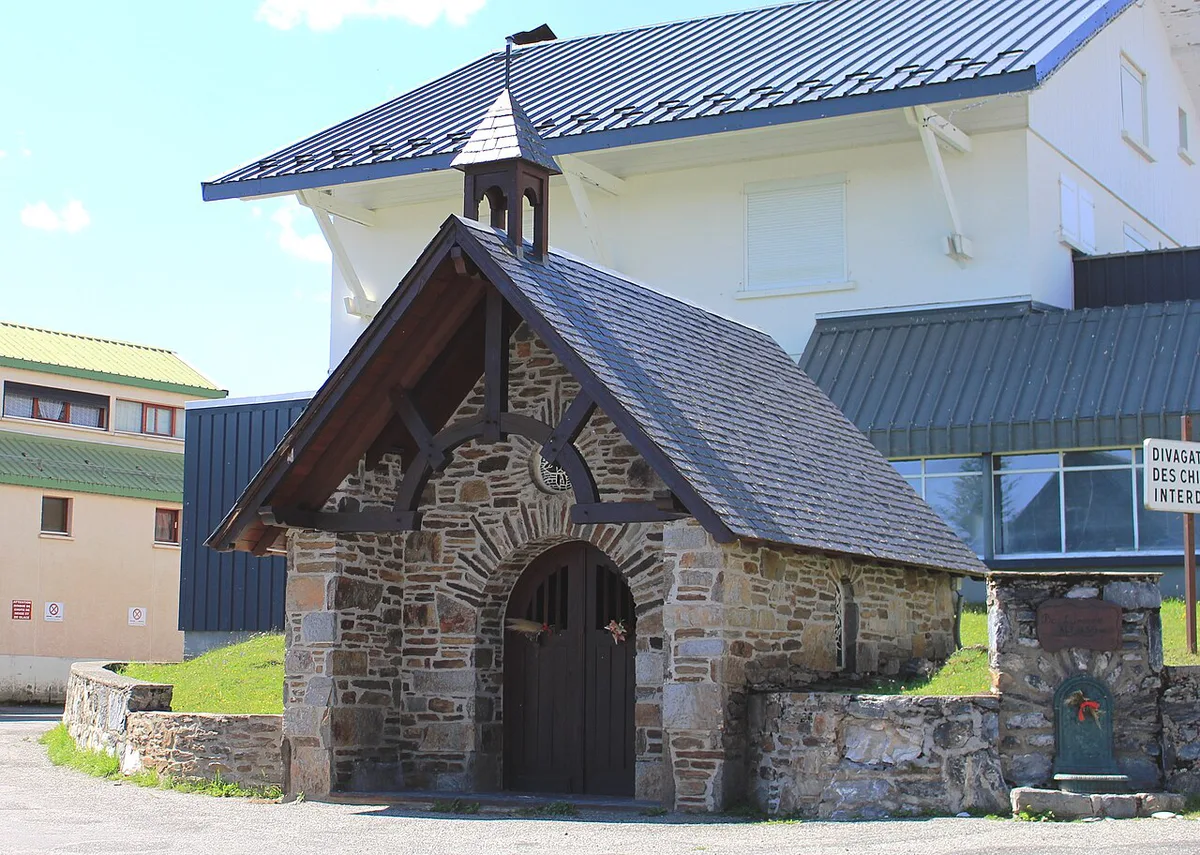
Build your route from a precise point in or near Saint-Lary-Soulan to a clearly marked finish. Cross-check your cycling profile against IGN's Géoportail mapping. An average gradient cannot show where the steeper ramps fall, so study each section separately. Save the route for offline use in case your phone loses signal.
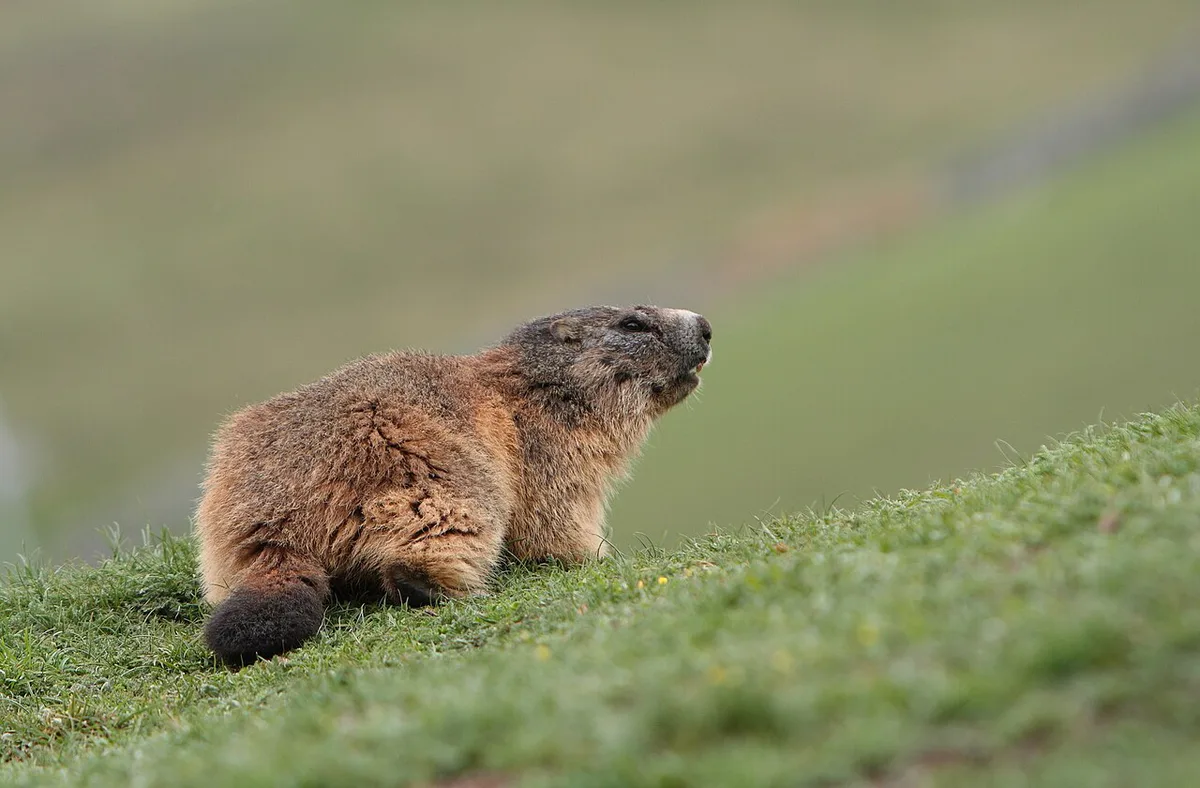
- Junctions: mark every turn, including any point where your route leaves a road used for another climb.
- Effort: locate the steeper stretches and any easier sections where you could settle your breathing.
- Surface: look for recent reports of damage, loose material or roadworks.
- Exposure: identify open sections where sun or wind could affect your pace and clothing.
- Turnaround points: choose safe, recognizable places where you can stop and reassess.
How hard is it, and is it right for you?
Judge your readiness by recent rides rather than your strongest day last season. You should be able to climb steadily for a long period and still concentrate on the way down. Start at an effort that lets you speak in short phrases, then adjust for gradient and conditions. Choose gearing that lets you keep pedaling smoothly when tired. If your longest climbs have been short hills, build up on a less committing mountain ride first. For a difficulty comparison, use our Tourmalet climb guide and name the starting side. Compare distance, gain and gradient using the same measurement method.
| Your check | Ready to attempt | Reconsider or postpone |
|---|---|---|
| Climbing practice | You have recently managed long, sustained climbs | Your recent riding is mostly flat or short hills |
| Gearing | You can keep a smooth cadence on steep ground | You already struggle in your easiest gear on training climbs |
| Descending | You can brake and corner with control | Long descents leave you tense or unsure |
| Conditions | Road and forecast suit the whole outing | Access is restricted or weather is deteriorating |
| Daylight | You have spare time after the planned descent | A delay would leave you riding in poor light |
Which Pyrenean climb should you choose?
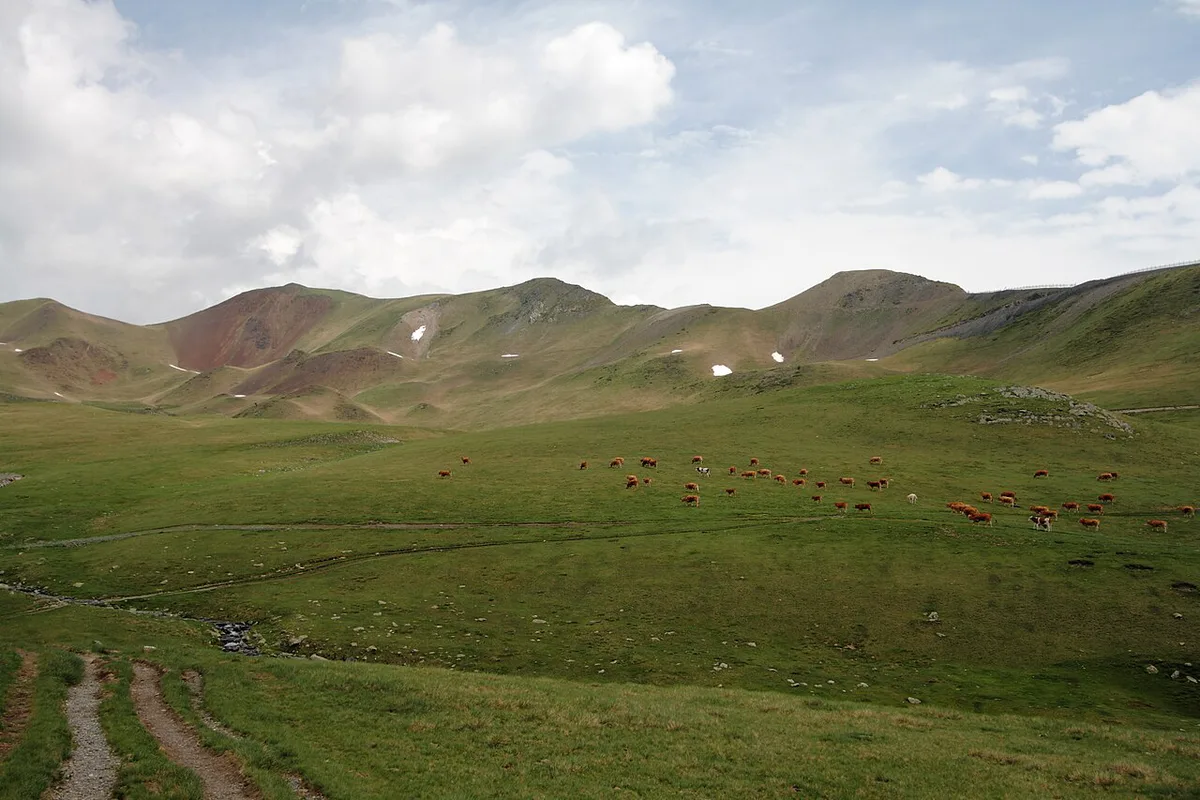
Choose Col du Portet when you want a ride focused on the Saint-Lary-Soulan area and your preparation fits a major ascent. Another climb may make more sense if your accommodation is elsewhere. You can compare the experience of riding up to Hautacam before choosing your base. Our guide to the Luz Ardiden ascent offers another alternative. For a longer holiday, research the Peyresourde pass as a separate objective. You can also add the Aubisque road to your shortlist. Map transfers between bases before assigning these rides to consecutive days. Staying near your chosen start can simplify the morning. A different base may work better if several of your planned rides lie elsewhere.
When to ride: road access, weather and traffic
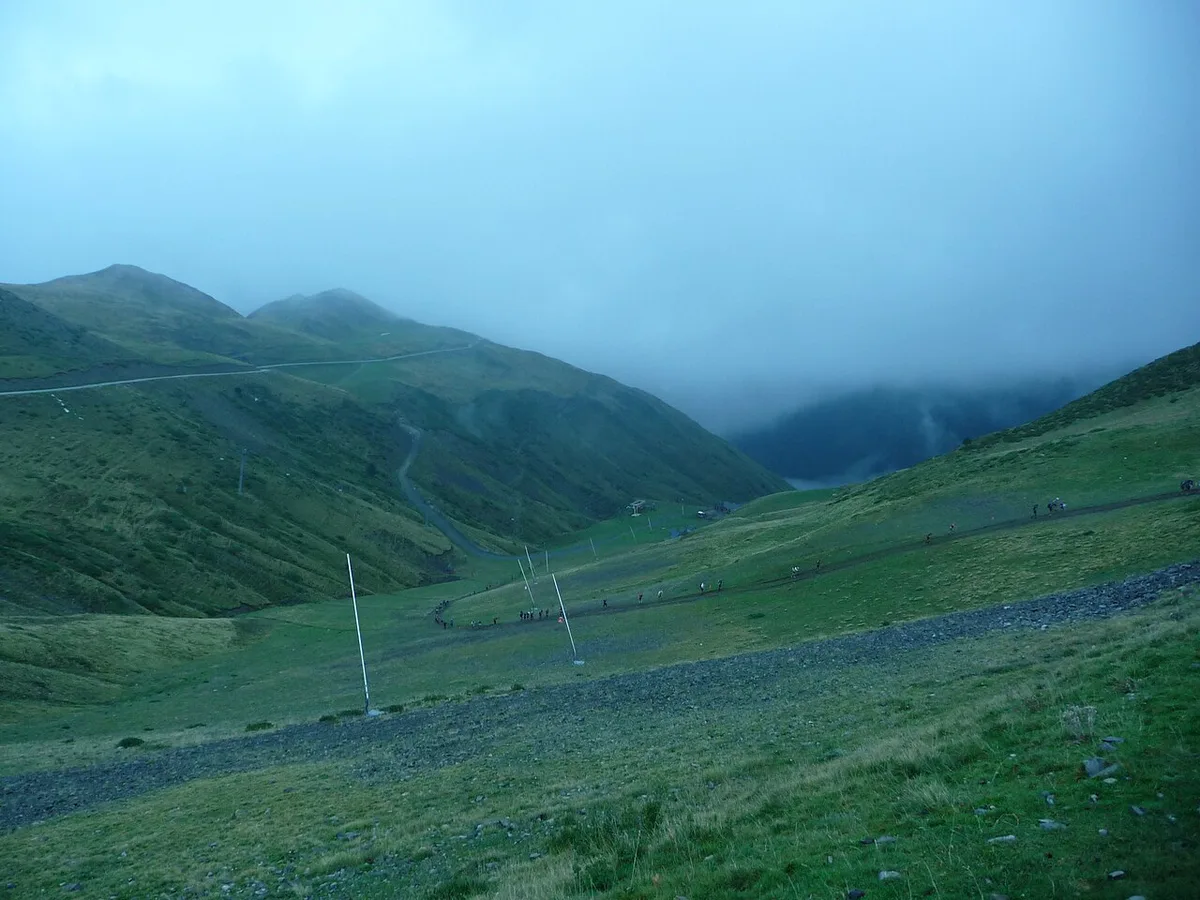
No month guarantees both an accessible road and suitable riding conditions. Before leaving, check access notices from the Hautes-Pyrénées road authority and local communes, plus the Météo-France mountain forecast.
- Road status: look separately for seasonal closures, snow, works and event restrictions.
- Weather: consider rain, storms, wind, heat, cold and visibility for your full time on the mountain.
- Traffic: expect to share the road unless an official notice announces a restriction on vehicles.
- Car-free riding: verify the date, hours and road section of any advertised cyclist-priority event.
- Turn back: stop climbing if visibility falls, storms threaten, access changes or you lose the reserves needed to descend safely.
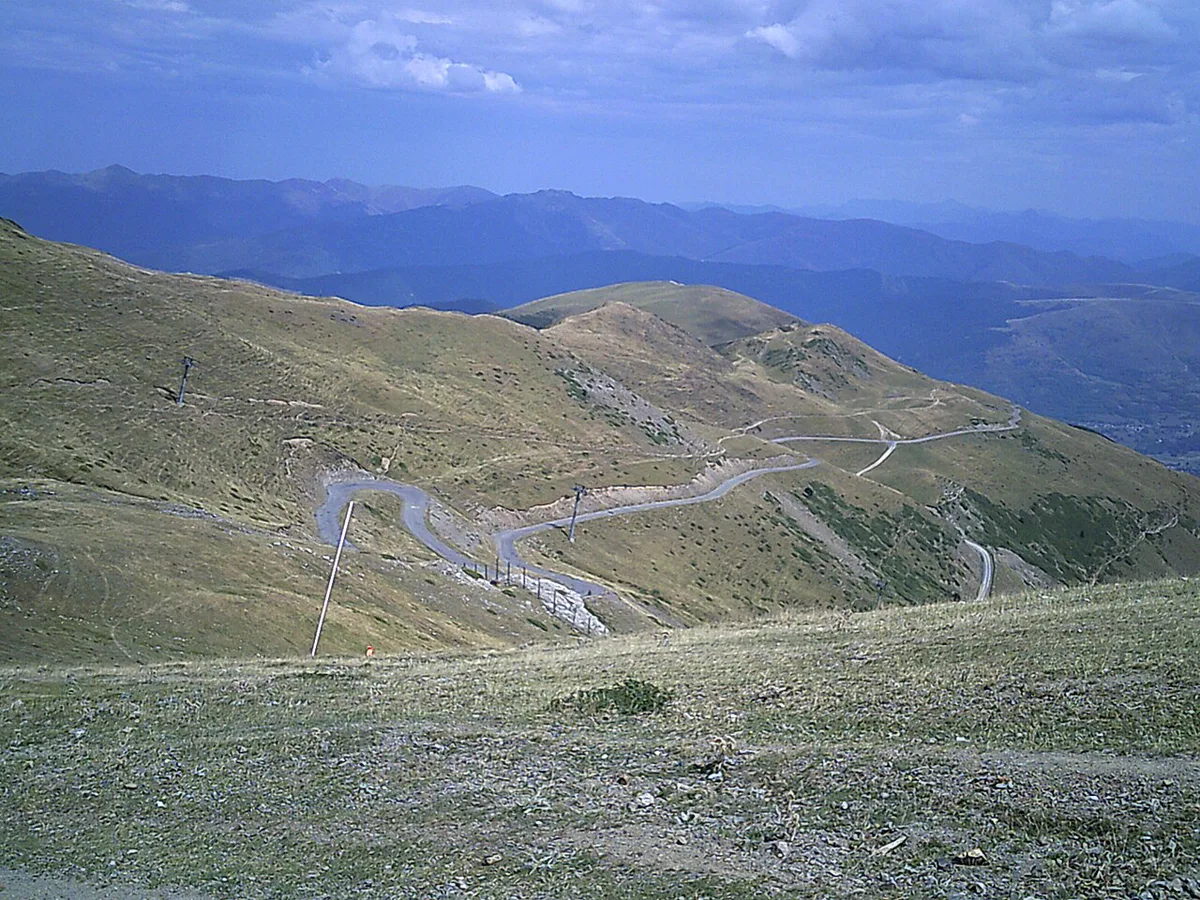
Getting to the start, parking and supplies
For local planning, contact the Saint-Lary-Soulan tourist office or browse the Hautes-Pyrénées tourism office website. Confirm services for your exact riding date, particularly outside busy holiday periods.
- Arrival: arrange your public transport connection or legal parking space before ride day. Ask the transport operator about bike carriage if you are arriving without a car.
- Bike choice: bringing your own keeps your familiar fit and gearing. Hiring can simplify travel, but reserve the correct size and ask for suitably low gears.
- Repairs: carry a pump, tire repair supplies and tools you know how to use.
- Water and food: leave the base with enough for the climb and delays. Count on a refill only after verifying that it is operating.
- Toilets and summit facilities: plan your day so that a closed building will not leave you short of essentials.
- Support: self-guided riding gives you control of timing. If you want a supported ride, ask what navigation help and vehicle backup it includes.
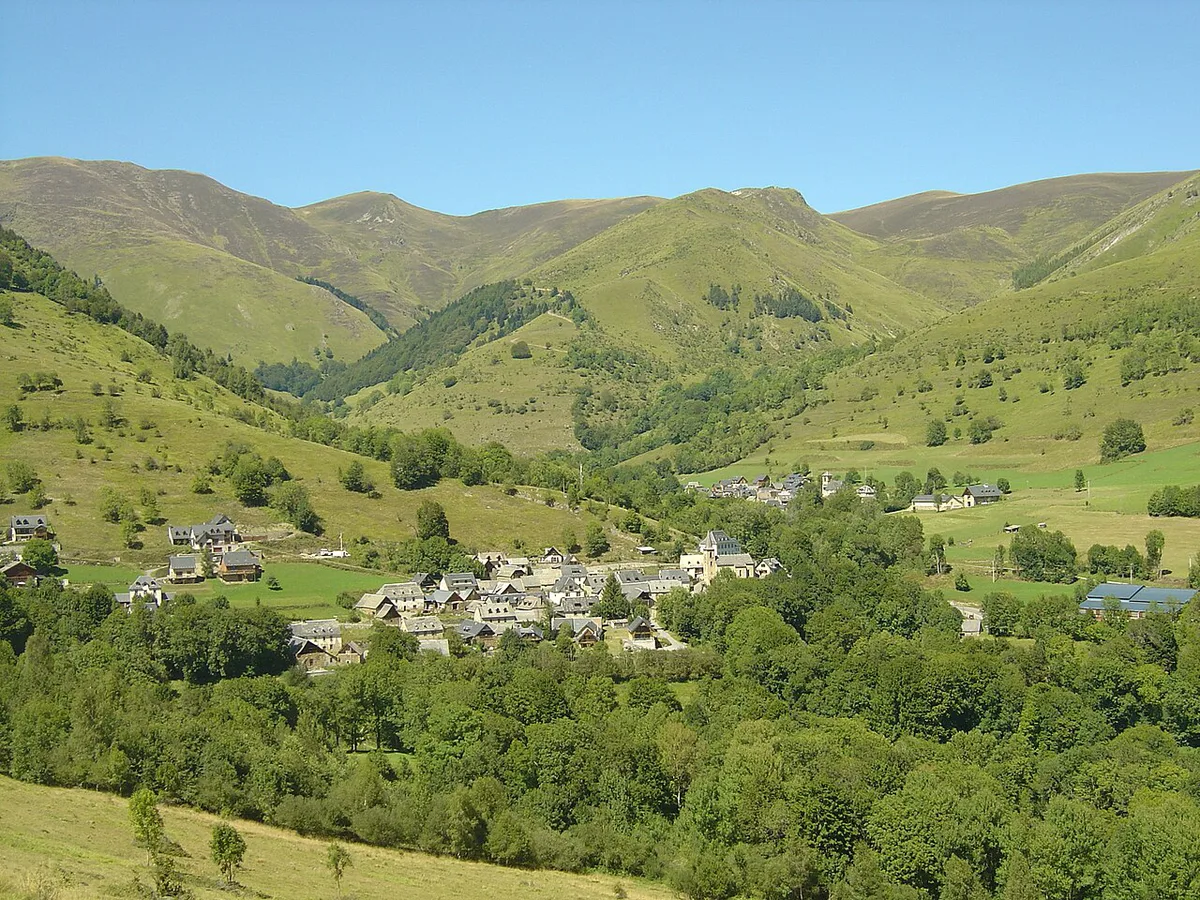
Planning your time and descent
Estimate ascent time from your recent pace on comparably sustained climbs. Add stops, the full descent and a generous weather margin. Set a latest turnaround time before you begin, and keep it even if the top feels close. E-bike riders should test their expected range on a demanding climb. Battery use depends on assistance level, load, temperature and gradient, so avoid relying on a flat-road estimate. Arrange charging or hire in advance if your plan depends on either. Before heading down, eat if needed and put on extra layers while you are still comfortable. Brake in control before bends and leave room for vehicles, livestock or debris. Pay close attention to changes in the road surface. Plan to ride back down unless you have already secured another way to transport both yourself and your bike.
- Pack a warm, windproof layer and rain protection suited to the forecast.
- Check brake wear, tires and quick-release or thru-axle security before departure.
- Carry working front and rear lights as a visibility backup.
- Tell someone your route and expected return time.
For trip-planning details, see Tour de France official site.
Frequently Asked Questions
What is the hardest climb in the Pyrenees?
No single choice settles this for every rider, because starting point, length, gradient and conditions all affect difficulty. Compare named ascents using consistent measurements, then consider how their steep sections match your training and gearing.