Cycling in Málaga: City Rides, Road Cycling & Tips
Planning cycling in Málaga? Compare waterfront riding, Montes de Málaga road climbs and guided tours, plus bike checks, start points and logistics.
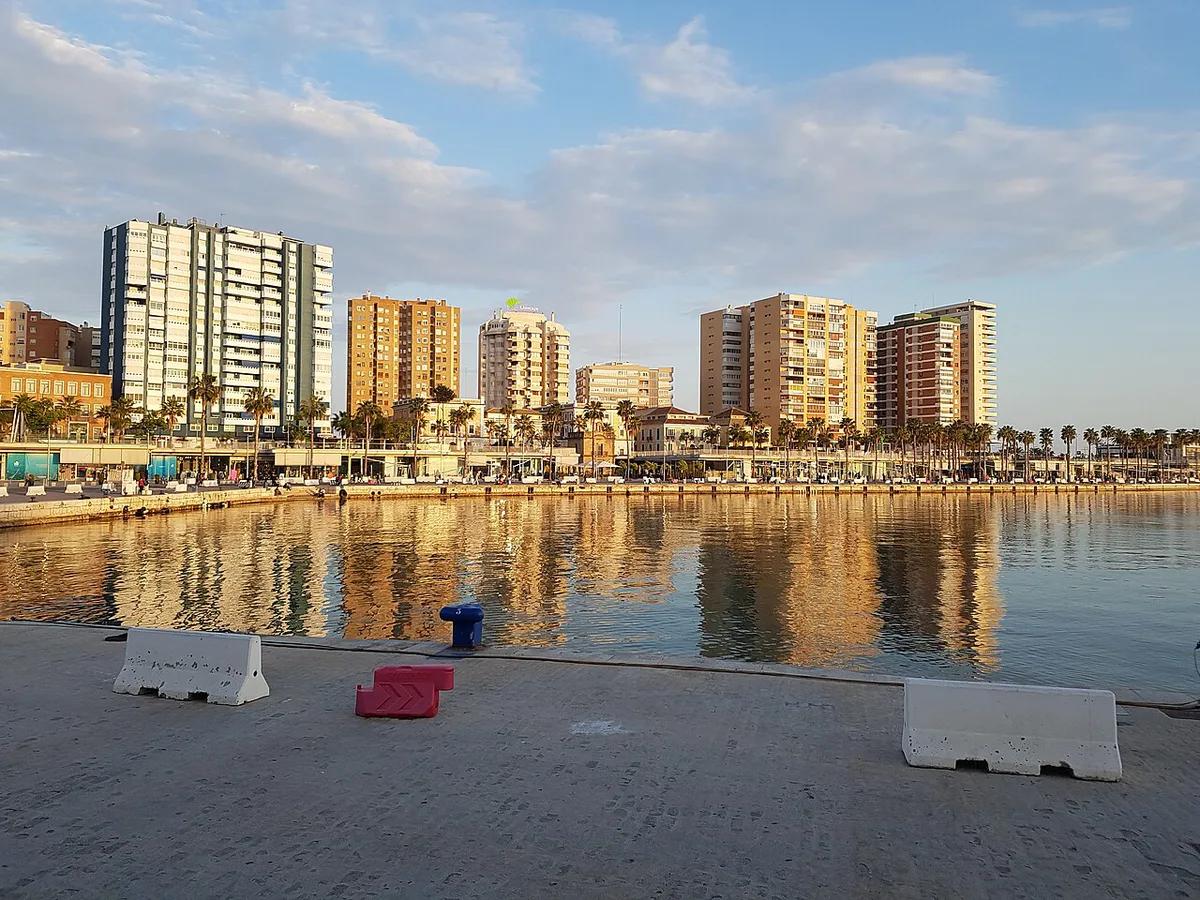
Last updated November 2026: for casual cycling in Málaga, plan around the waterfront at Muelle Uno, La Malagueta, Pedregalejo and El Palo. Road climbing into the Montes de Málaga is a different outing, suited to fit riders who are comfortable with traffic, long ascents and descents.
Your main trade-off is simplicity against effort. A seafront plan can stay short and flexible, while a hill ride needs a mapped route, supplies and a way to cut it short.
Featured image: Mirokado, CC BY-SA 4.0, via Wikimedia Commons.
Which Type of Cycling in Málaga Suits You?
Choose by your weakest area, whether that is fitness, traffic confidence or navigation. Casual riders should start with a self-guided city outing and skip the hills. Fitness road riders can plan their own climb if they can follow a route and fix a puncture. Strong climbers who want local route choice may prefer a guide.
| Decision | Self-guided city ride | Self-guided road ride | Guided road ride |
|---|---|---|---|
| Best for | Casual riding and sightseeing stops | Independent road cyclists | Riders wanting route leadership |
| Fitness and traffic confidence | Comfort around people on foot and city junctions | Climbing fitness, road confidence and descending skill | Ability that matches the group, including road descents |
| Time commitment | Flexible if you control the turnaround | Set by route, climbing, stops and return | Set by operator, route, pace and transfers |
| Bike source | Your own or a rental | Your own road bike or a rental | Included or rented, depending on the operator |
| Navigation and support | You handle both | You handle both | Guide leads; support varies |
| Main drawback | Interruptions and shared space are possible | You must solve problems yourself | Less control over start, timing or pace |
| What to ask or map | Lane gaps and local riding rules | Exit roads, water and bail-outs | Meeting point, ability level and terms |
| Who should skip | Riders seeking uninterrupted training | Nervous road riders and first-time climbers | Children or novices, unless the operator accepts and equips them |
Cycling Around the City and Seafront
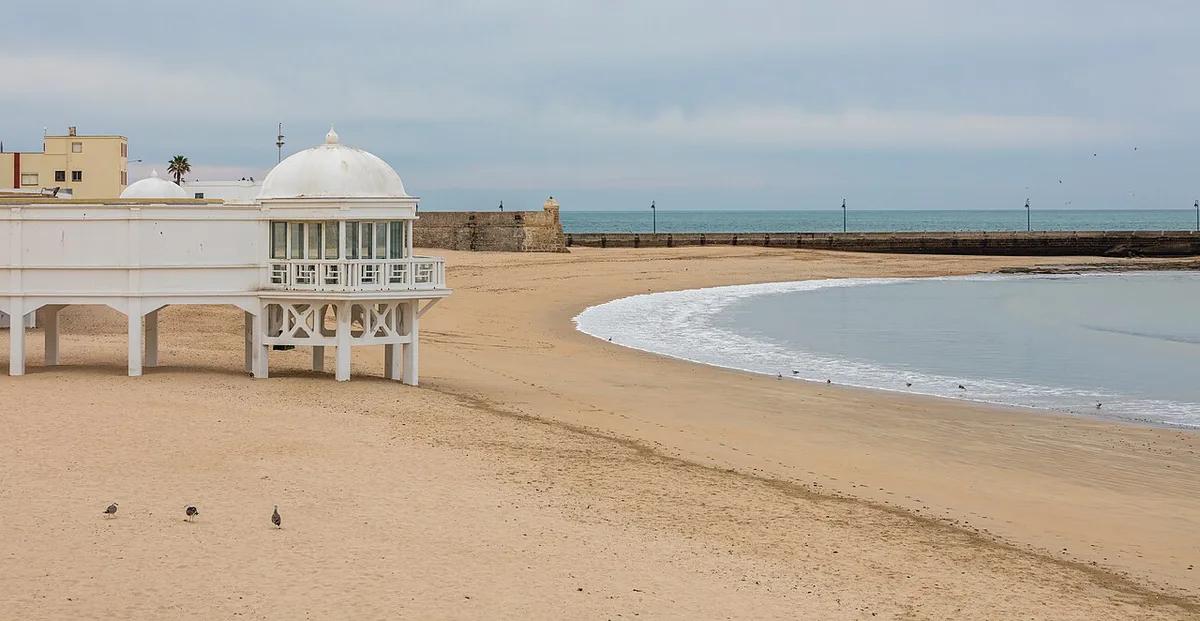
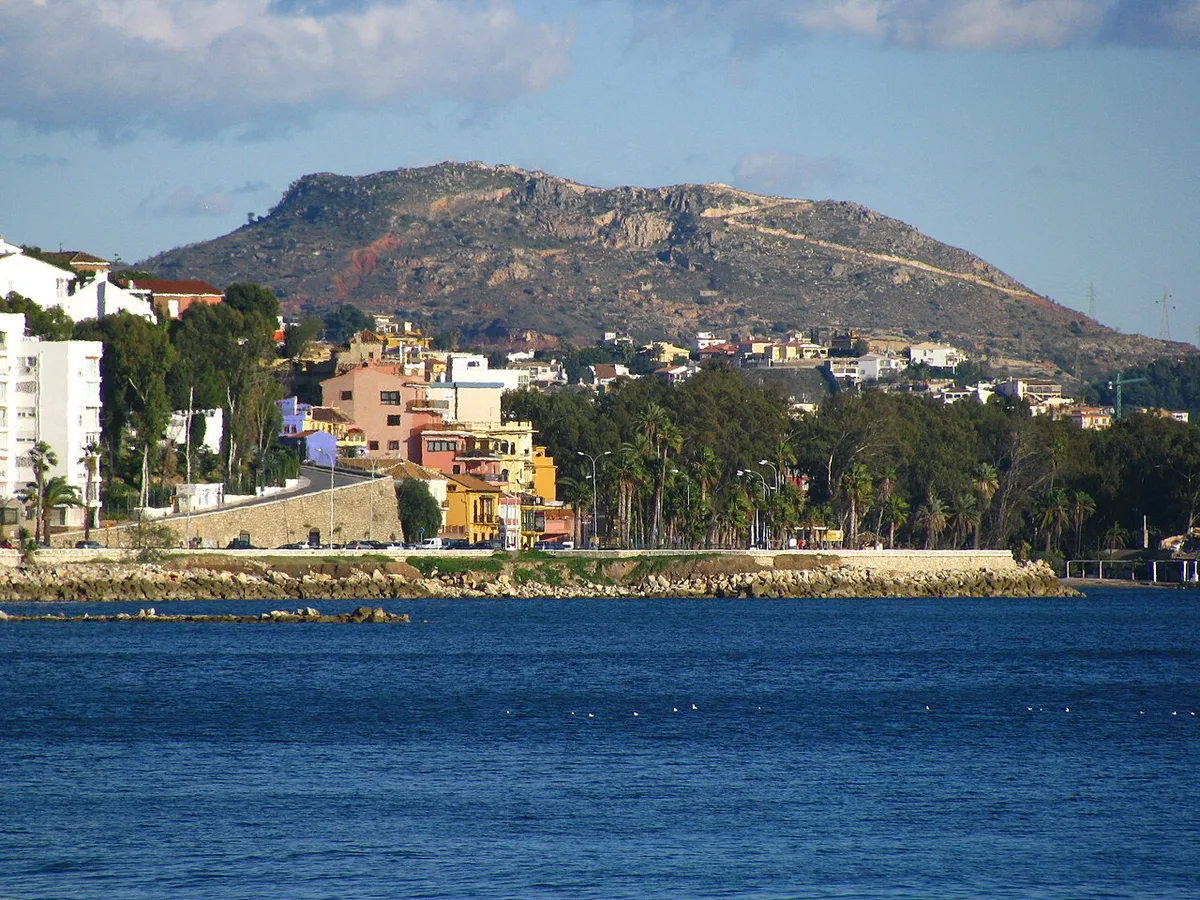
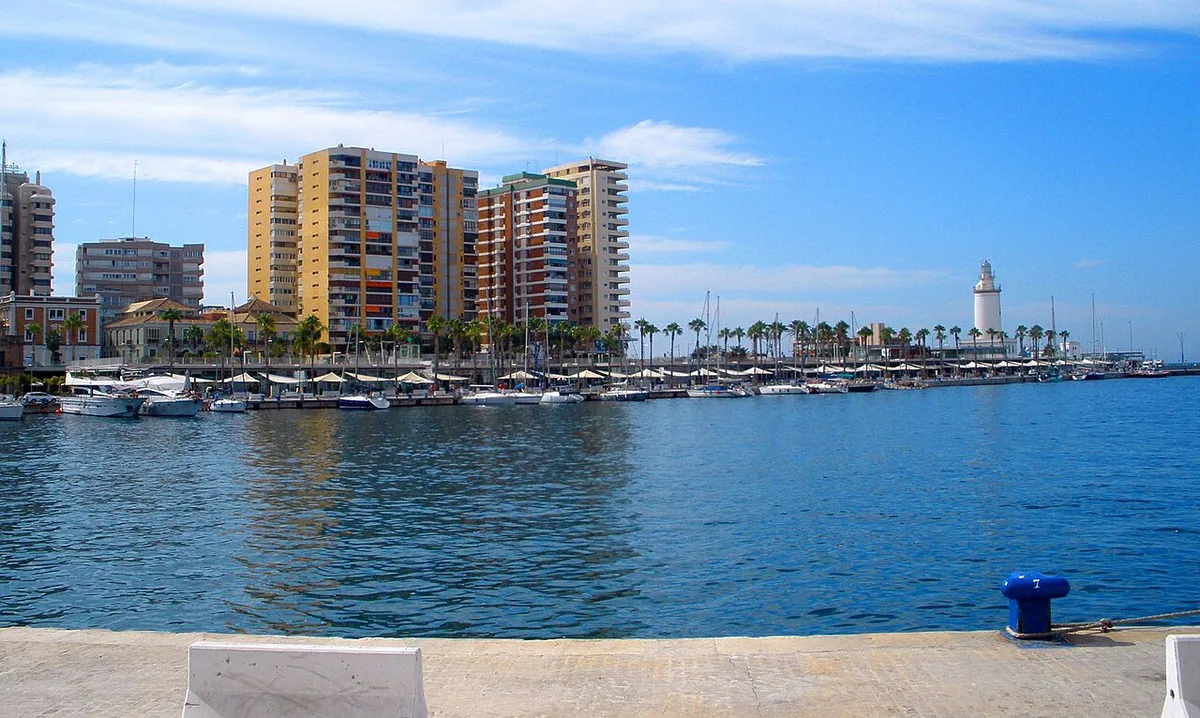
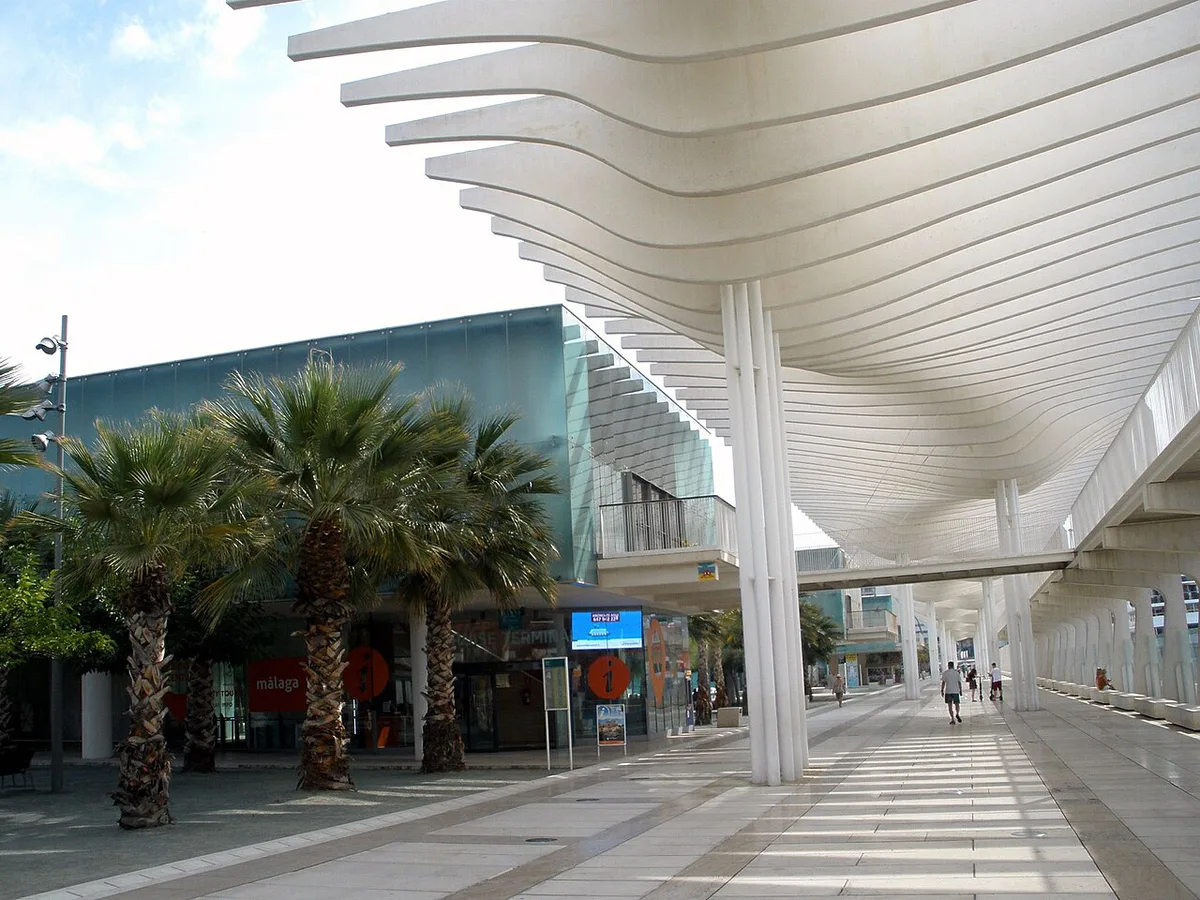
For a longer city outing, consider the direction from Huelin and the Sacaba area toward El Dedo beach in El Palo. Treat it as a corridor to plan, since you should not assume one continuous bike lane. Muelle Uno, La Malagueta and Pedregalejo can help you choose shorter segments or stopping points.
Before setting off, trace each link on a current Málaga city cycling map. Look for lane breaks, shared space and any 30 km/h (about 19 mph) streets where you would ride with motor traffic. Expect to reassess around crossings and busy pedestrian areas. Follow posted signs, and do not assume bikes may use a pavement or promenade just because it runs beside the sea.
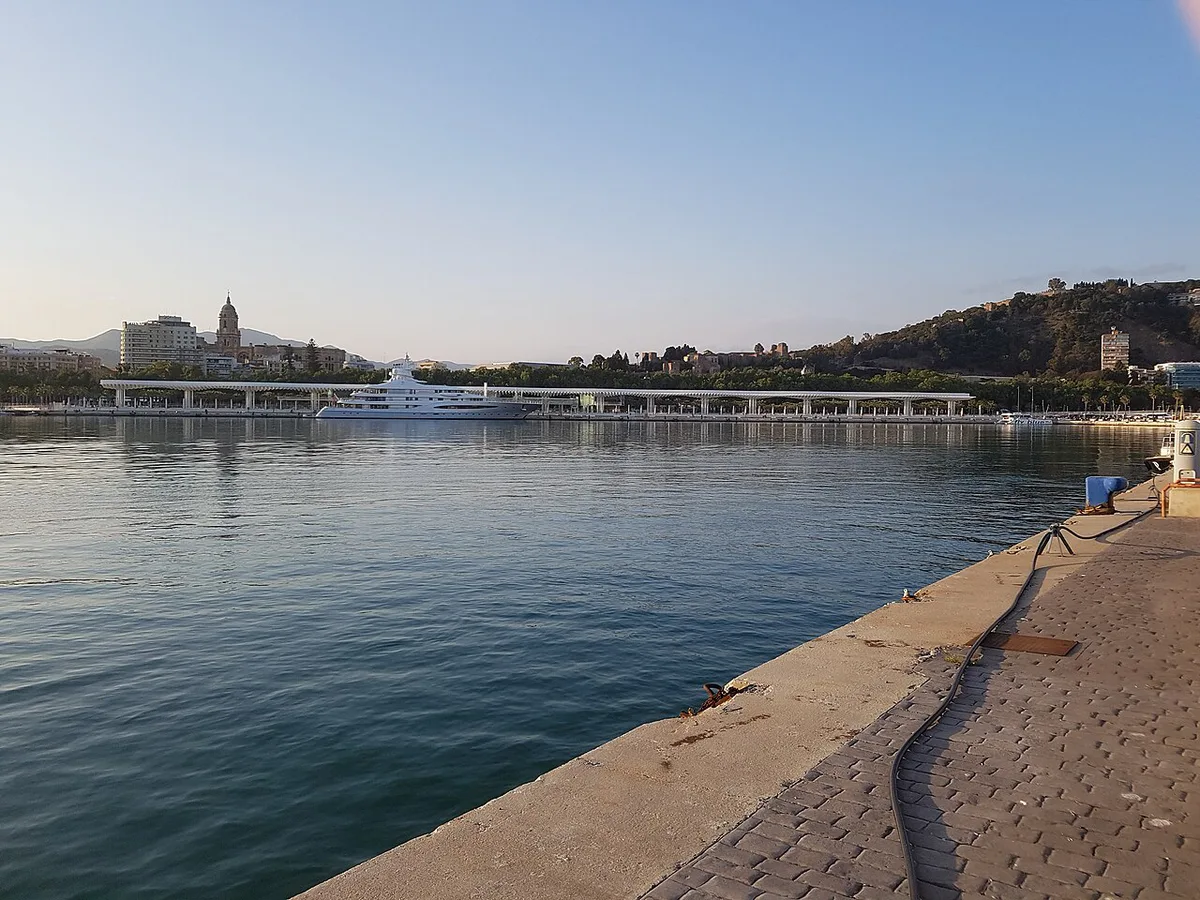
Children and hesitant riders need extra care in choosing a segment. Skip any link where they would have to handle traffic beyond their ability. Set a turnaround point early, because your return adds to the outing. This option will frustrate road cyclists who want sustained, uninterrupted effort.
Road Cycling Beyond Málaga
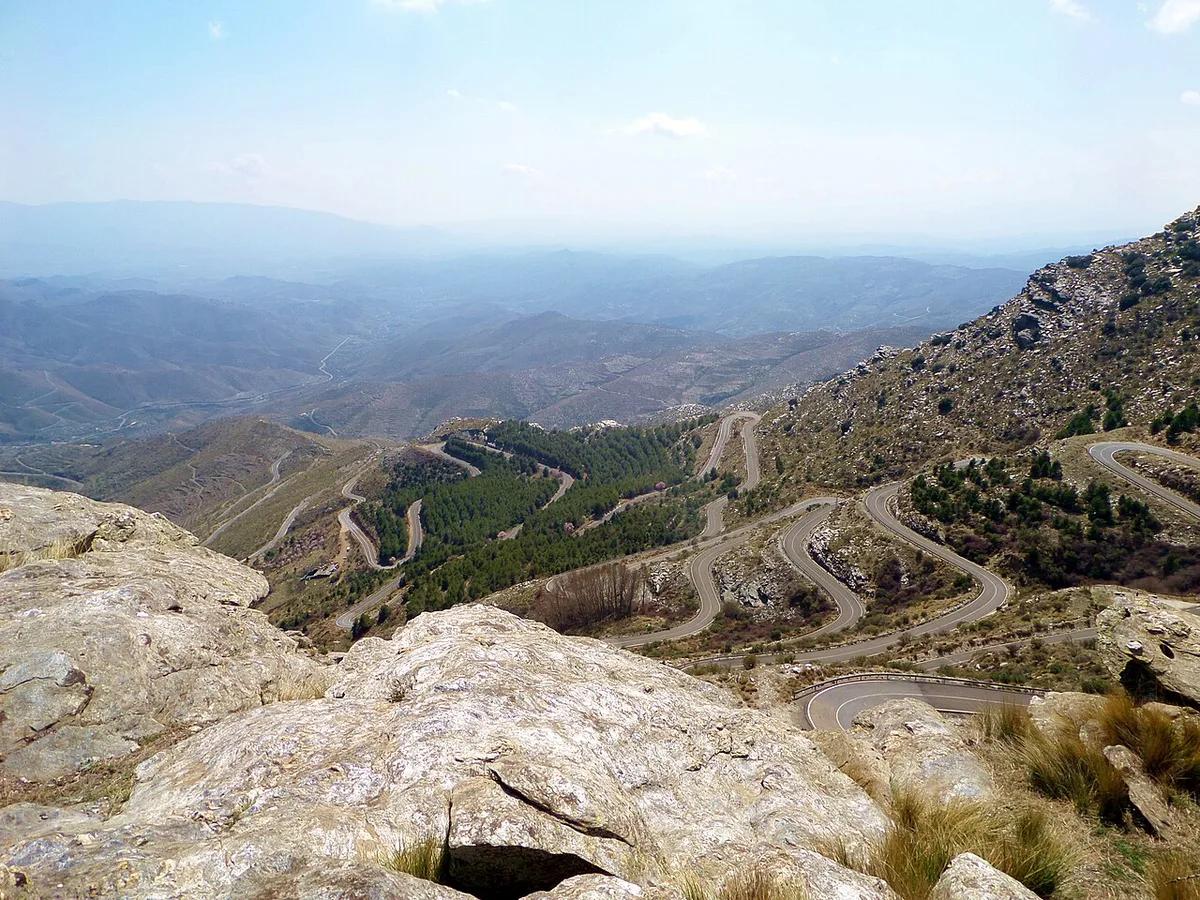
Treat a ride into the Montes de Málaga as a road climb, even if your seafront outings feel comfortable. Map the whole loop or out-and-back, including its distance, total elevation gain and descent. Leaving the city is part of the ride, so inspect junctions and exit roads as carefully as the climb. Consult the responsible road authority about closures or restrictions.
Pick a turnaround time and at least one realistic way to shorten the route. Mark water stops without assuming that a village tap or café will be open. Carry repair supplies, food, a charged phone and a layer for the descent. Heat, wind or rain can justify turning back before the planned high point.
Nervous road cyclists and riders new to long descents should choose another outing. For a much bigger objective, read about the Pico Veleta climbing challenge. Plan it separately rather than as a routine ride from Málaga, with its own access, effort and transport research.
Guided or Self-Guided: Which Start Works?
A Málaga tour name does not guarantee a Málaga city start. One example is the Málaga Road Bike Tour listed on My Guide Marbella, which meets in Marbella. Read the meeting and return points before you book, then plan both transfers.
For that tour only, the listing gives typical distances of 50–100 km (about 31–62 miles). Its stated elevation is 800–2,000 m, or about 2,625–6,562 ft. Allow about 4–6 hours for riding, depending on route and pace, plus your own travel to the meeting point. A road bike and guide are included, with a helmet listed as included if required.
Routes are adapted to rider fitness, and private tours can be customised. Cancellation is listed as fully refundable up to 24 hours ahead. These figures and terms do not describe other Málaga tours. Guiding suits you if route choice is the hard part, but it cannot replace the fitness or handling skill needed for climbs.
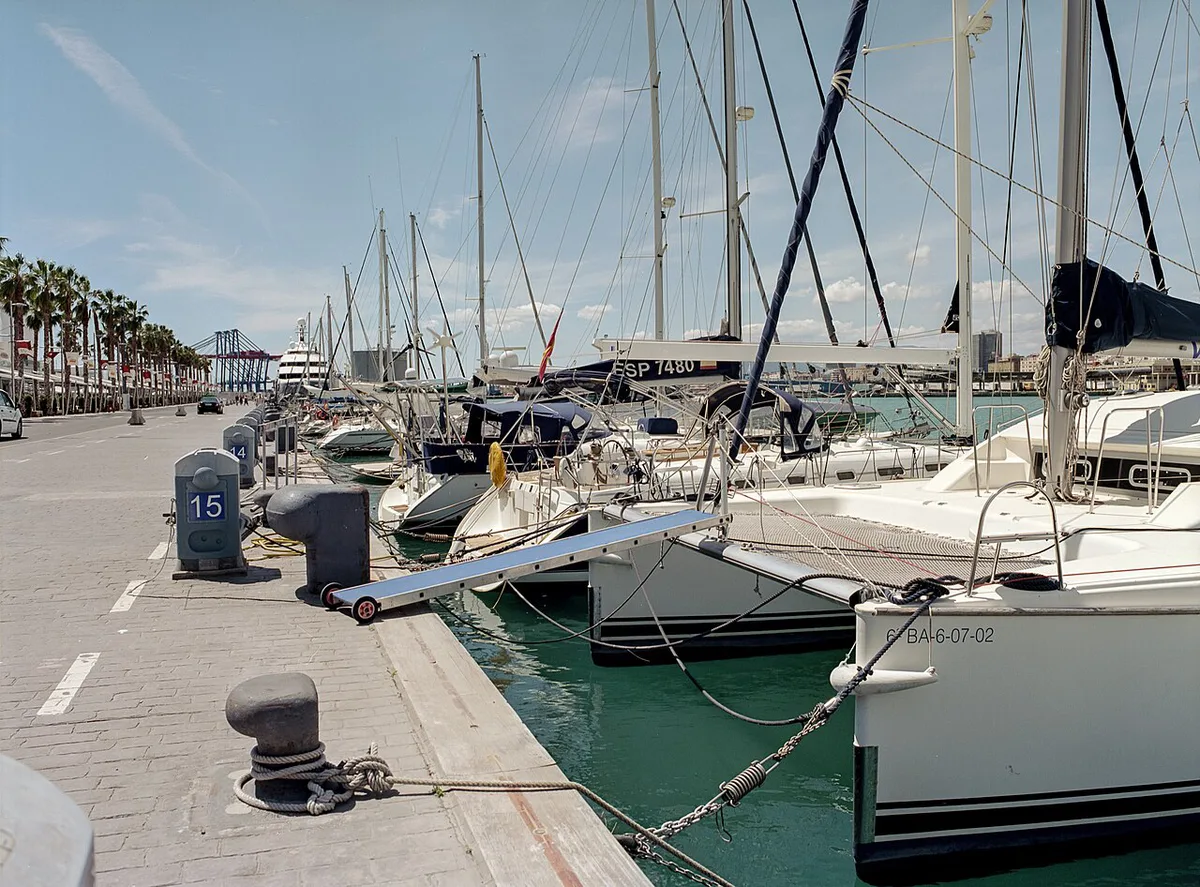
- Self-guided: you control the start and turnaround, but navigation, repairs and the return are your responsibility.
- Guided: you get route leadership, but you need to match the group's pace or arrange a private option.
Renting or Bringing Your Own Bike
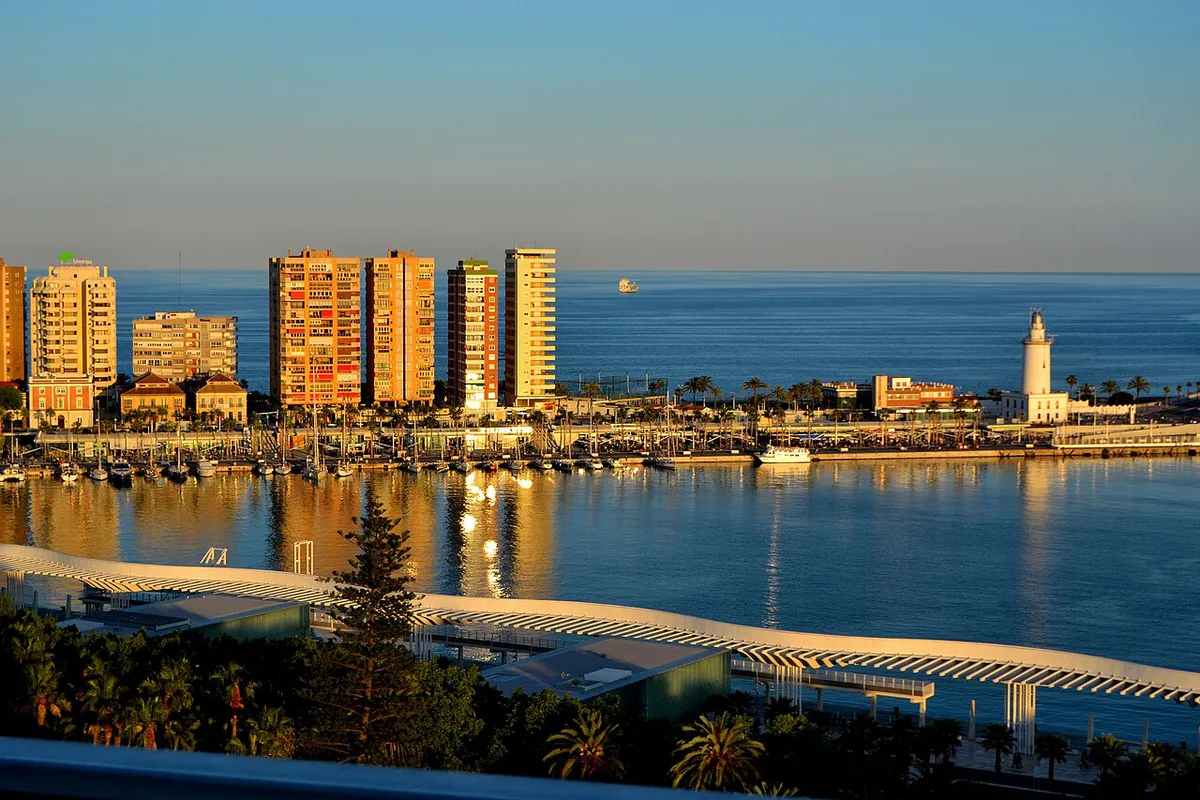
Renting reduces the baggage you need to move, while your own bike gives you a familiar fit. For city riding, ask for a bike suited to your planned surfaces and stops. Hill riders should put sizing and low enough gearing ahead of convenience.
Compare total costs rather than a headline rate. A rental may involve delivery, accessories, insurance and a deposit. Bringing a bike can add airline carriage, packing and transfer costs. Guided riders should add any transport and extras to the tour price. Ask each rental business, operator or airline for a quote for your dates.
- Meeting and return points, including any transfer
- Distance, climbing, pace and minimum ability
- Group size or private option, plus the guide's language
- Bike type, sizing, gearing, pedals and helmet
- Mechanical help and any support vehicle; do not assume one follows the ride
- Insurance and liability
- Total price, extras and deposit
- Cancellation and weather terms
Where to Stay and How to Reach Your Start
Choose your base after choosing the ride. A city base makes sense when your rental pickup and seafront segment are convenient to your lodging. For a Marbella departure, compare an overnight stay there with the transfer needed on ride morning.
A Marbella departure adds time: the guided tour's 4–6 hours covers riding, while your travel to the meeting point comes on top.
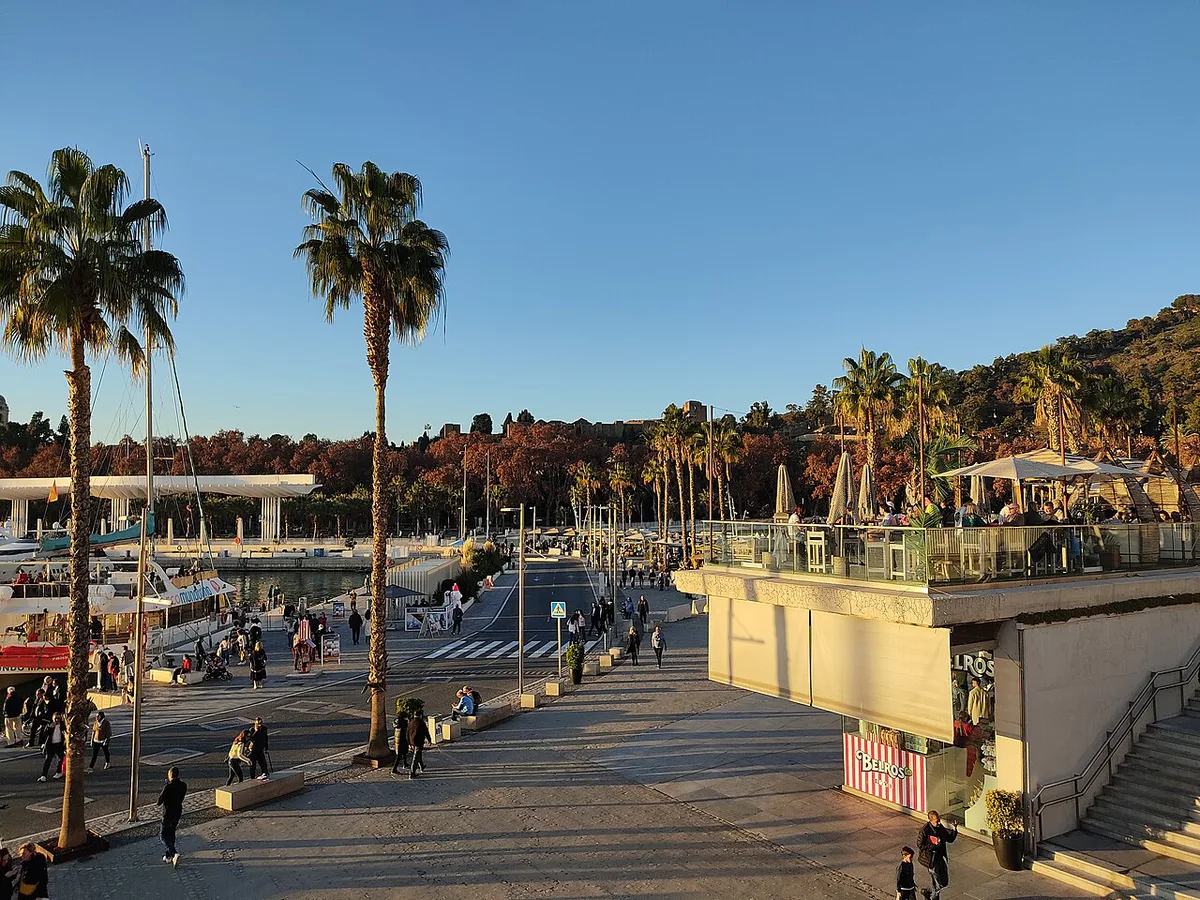
Ask your accommodation whether bikes can go indoors, where they are stored and whether the space locks. Make sure a boxed bike or travel bag will fit too. Rail travelers can start with the Renfe train operator website for bike carriage conditions on their intended service. Airport links, metro, buses and taxis may apply different rules. Ask the relevant provider about both an assembled bike and a packed one.
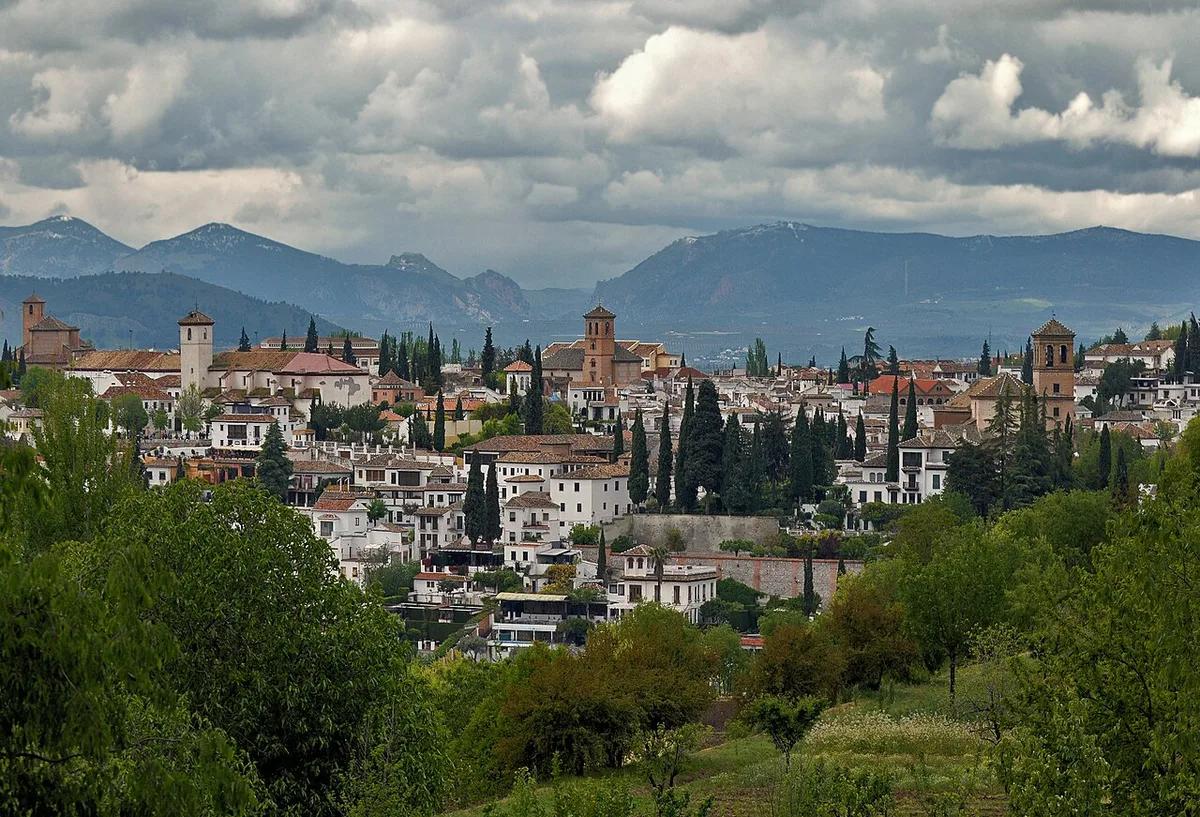
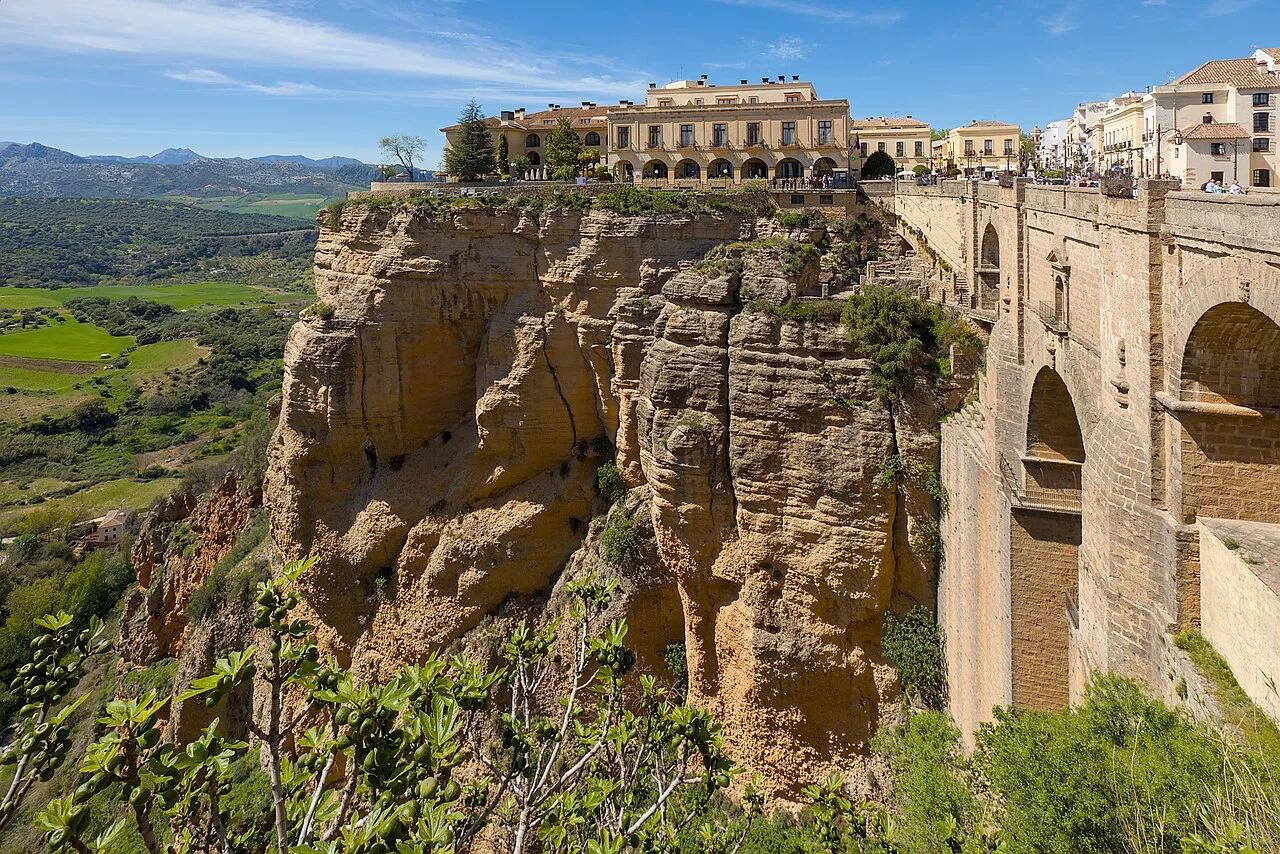
For a wider route, use our guide to planning rides across Andalucía. Onward options include bike trips around Granada. You can also compare road riding near Ronda. Give either destination its own transport and route plan.
When to Ride and Mistakes to Avoid
Spring and autumn are sensible seasons to consider, but your ride-day forecast matters more than the season. My Guide Marbella describes both as mild for its tour. Use AEMET, Spain's meteorological agency, for current forecasts and warnings covering both the city and your highest point. Leave enough daylight for slow climbing, stops and the return.
Check AEMET's forecast before the refund window closes on that listed Marbella tour, which is 24 hours ahead.
Read current national requirements from Spain's DGT traffic authority alongside Málaga's municipal rules. Helmet and access requirements deserve particular attention, especially for children or e-bike riders. An operator may also set its own equipment conditions.
- Booking before reading the meeting point
- Treating a flat waterfront outing as proof that you are ready for hill roads
- Counting the climb but forgetting the descent and ride home
- Heading out without a water plan or shorter return option
- Keeping a fixed route despite heat, rain or strong wind