Cycling in Almería: Where to Ride and Where to Base
Plan cycling in Almería: compare coast, desert and mountain riding by terrain, season and distance, then pick a base and size up the Velefique climb.
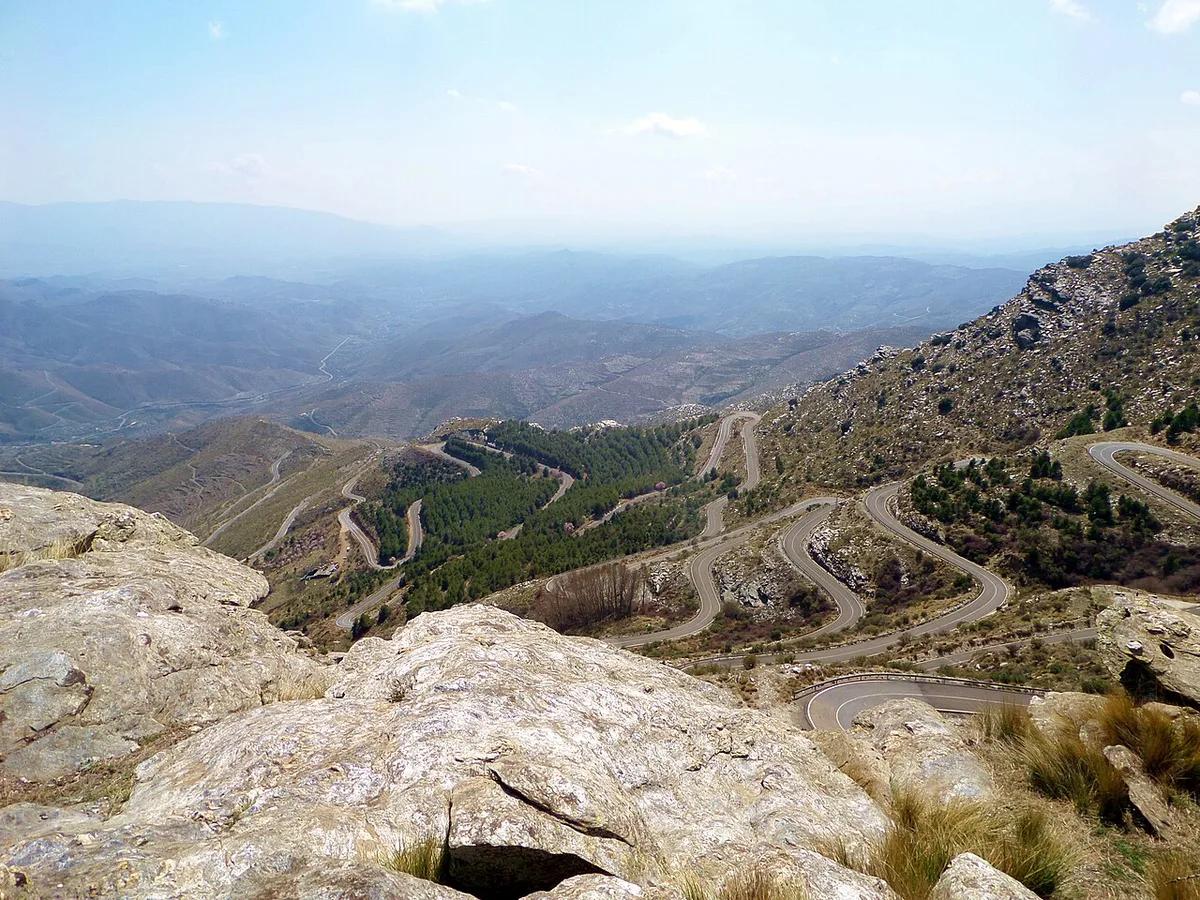
Last updated November 2026: for cycling in Almería, choose the coast for easy days, the Tabernas desert for dry scrubland, or the Sierra de los Filabres for big climbs. Road riders can narrow Almería cycling to 4 areas below, but off-road riders need to settle surface and access track by track. Your best choice depends on season, climbing appetite and ride length, and high roads can have winter snow and ice.
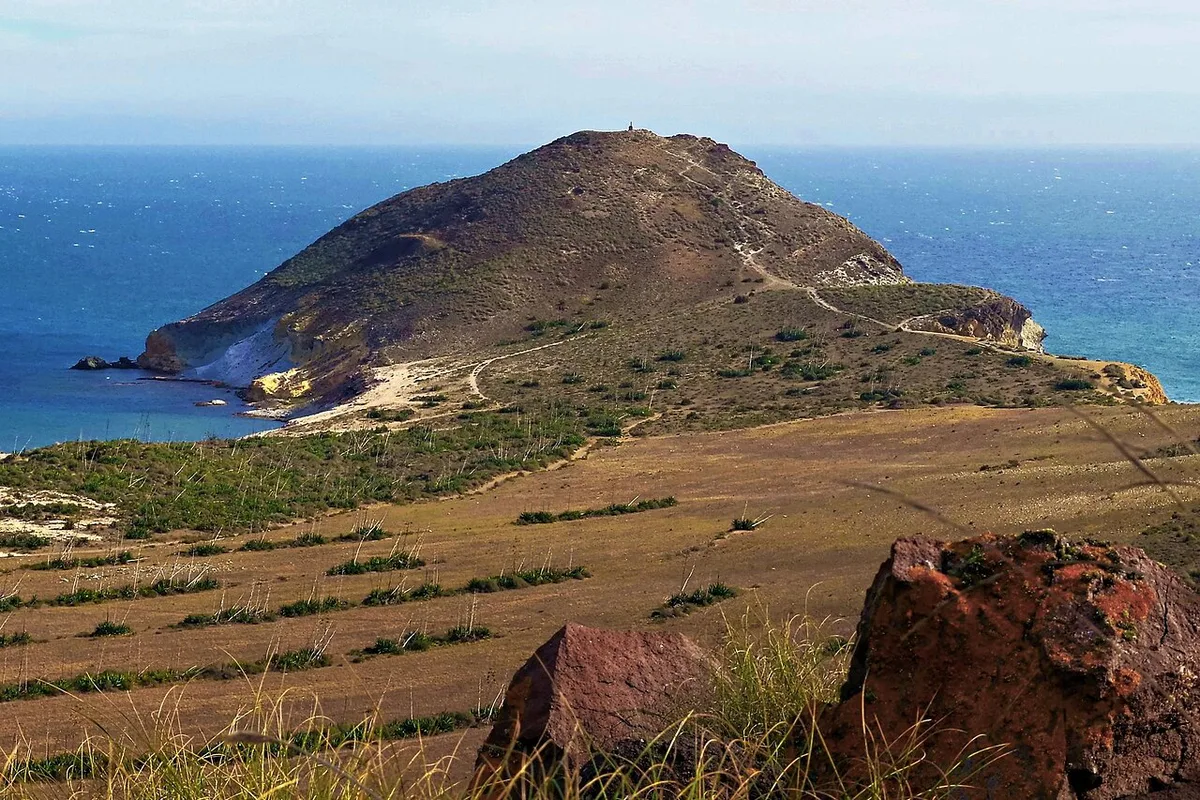
Featured image: CFiesta, CC BY-SA 4.0, via Wikimedia Commons.
Cycling in Almería: which area should you ride?
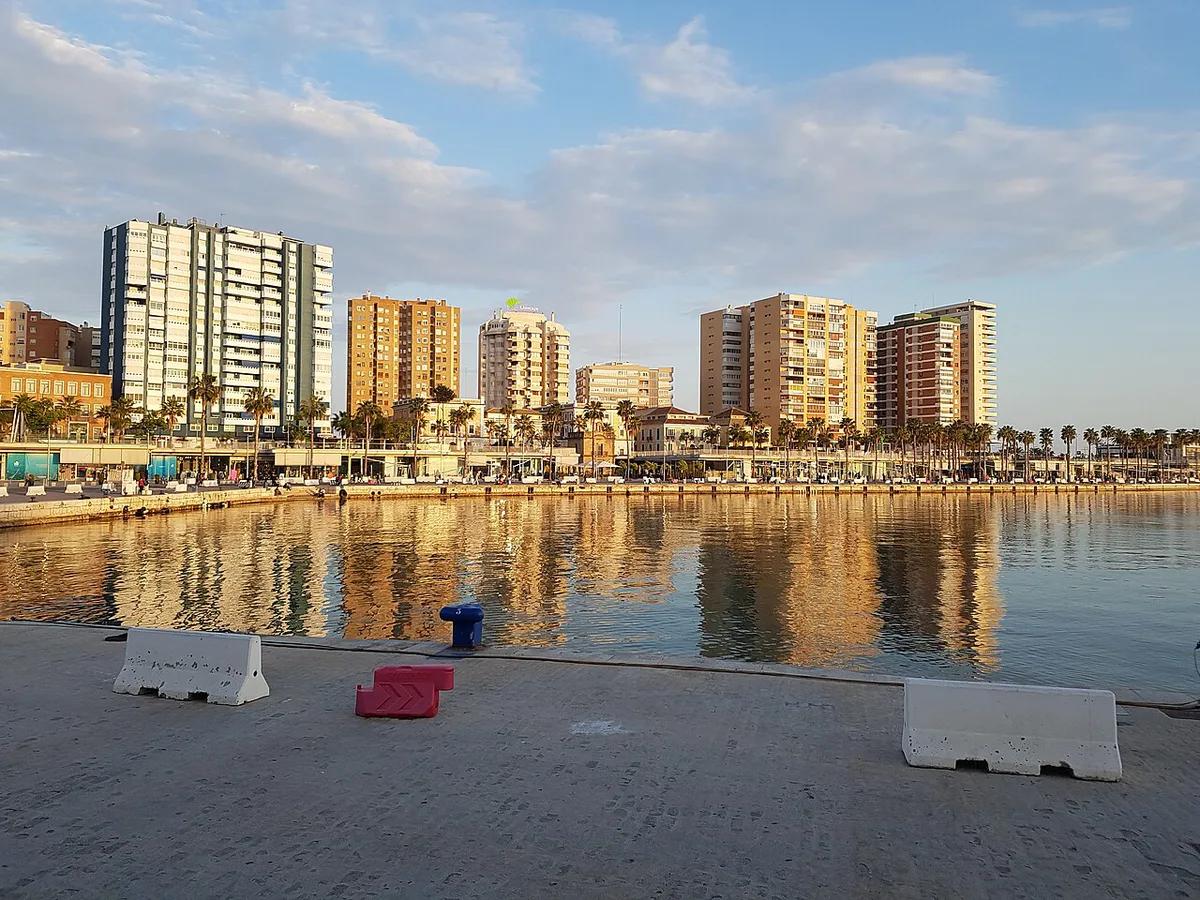
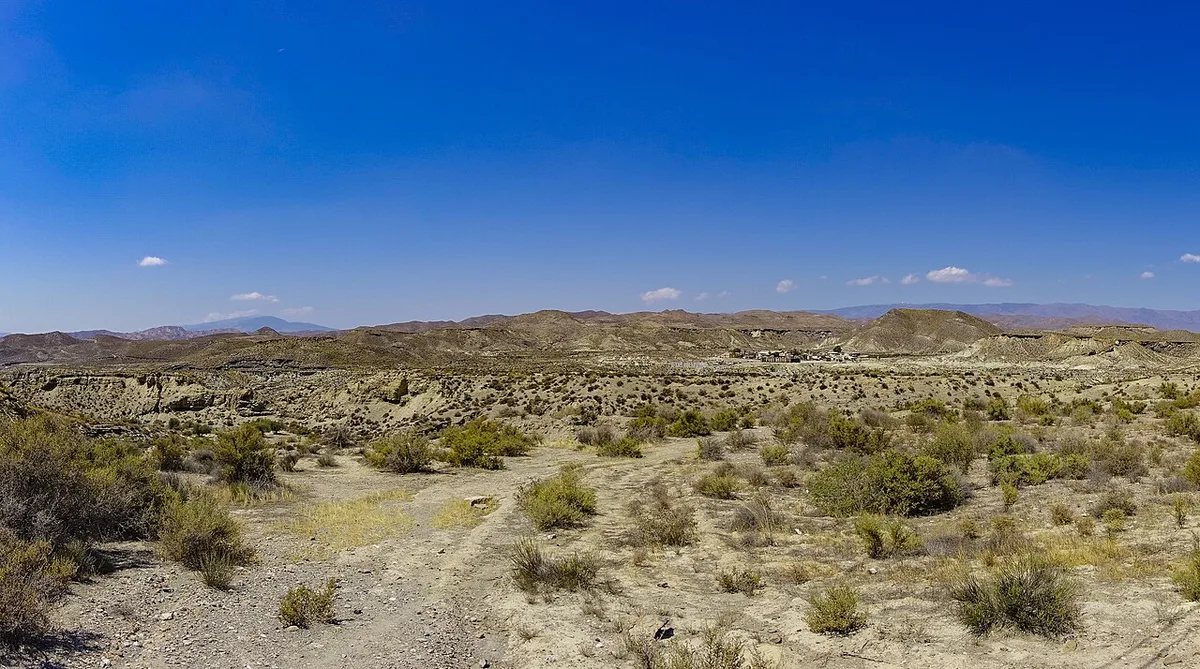
Coastal riding suits easier days, although a flat start doesn't make a whole loop flat. Around Tabernas, expect bare, dry scrub and plan carefully for heat. In the Filabres, the draw is longer mountain riding, white villages and the observatory road. For the wider regional picture, compare these choices with cycling across Andalucía.
Ride Almería, a cycling guide to the province, groups its road riding into 4 areas. This is its own grouping rather than an official division. Its loop counts cover its selected routes, and each high point applies to an area, not a named pass. Even the shortest loop listed for each area runs 27–39 miles (44–63 km). Distance alone won't tell you how hard a ride is or how long it takes.
Our editorial shortlist starts with Almerimar or Vera if you want coastal days with climbing options. Choose Berja for serious mountain days, including rides toward Puerto de la Ragua and the Alpujarra villages. Pick the Filabres if long climbs are the main purpose of your trip. Ride Almería also considers that area's roads its quietest. Mountain plans may extend beyond Almería, so trace the whole route if you want to stay within the province.
Off-road, gravel and mountain bike riders shouldn't read these road areas as trail recommendations. A desert or coastal setting says nothing about whether a track is open or suits your tires. For rail-trail ideas, search the Vías Verdes greenway listings.
| Area and listed base | Terrain and ride character | Listed loops and distance | Area high point | Listed best months | Think twice if (editorial view) |
|---|---|---|---|---|---|
| Almerimar and Poniente coast; Almerimar | Coast, greenhouse plain and Sierra de Gádor; easy coastal days or big climbing days | 10 loops; 39–71 miles (63–114 km) | 3,281 ft (1,000 m) | September–June | You want a mainly high-mountain base |
| Berja and La Ragua; Berja | Sierra de Gádor, Alpujarra and Sierra Nevada; serious mountain riding | 9 loops; 29–79 miles (46–127 km) | 6,709 ft (2,045 m) | February–June; September–November | You want mostly gentle coastal outings |
| Filabres and Calar Alto; Armuña de Almanzora | Sierra de los Filabres and Almanzora valley; long days and big climbs | 9 loops; 27–86 miles (44–139 km) | 7,054 ft (2,150 m) | March–June; September–November | Sustained climbing doesn't appeal |
| Vera and Levante; Vera | Coast, Sierra Cabrera and Cabo de Gata; coastal rides, rolling climbs and long loops | 9 loops; 34–91 miles (54–147 km) | 3,543 ft (1,080 m) | September–June | You want the highest mountain terrain |
When to go and how the season changes your choice
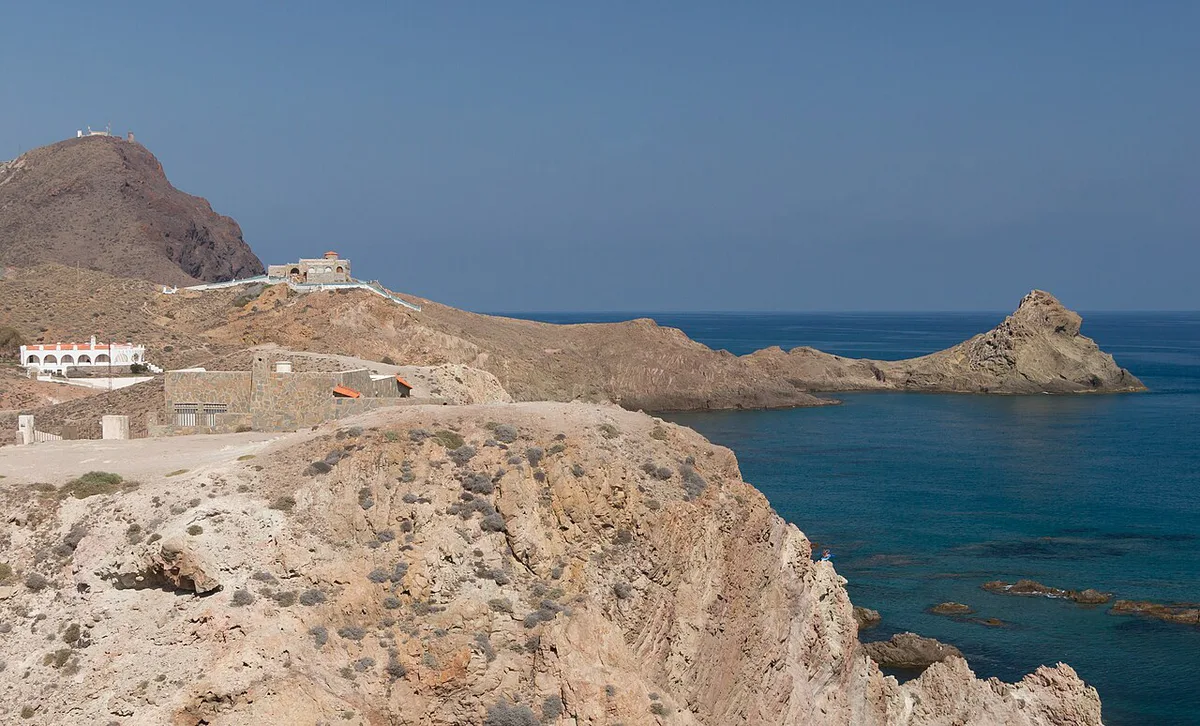
Almería is rideable all year, so treat suggested months as orientation. Ride Almería lists September to June for both Almerimar and Vera. For Berja, it suggests February to June and September to November. Its Filabres window is March to June and September to November. A month outside these windows doesn't automatically rule out a ride.
For a winter trip, our editorial preference is a coastal base with mountain days kept optional. Snow and ice can affect the high roads even when you're planning from sea level. In spring or autumn, all 4 areas have listed months, so let climbing and distance decide.
Before leaving, check Spain's national weather agency, AEMET, for heat, wind, rain and summit conditions. Look for road closures too. Keep a shorter or lower fallback, and assess its conditions separately.
- Winter: start your planning at Almerimar or Vera, and make any summit conditional on the day's conditions.
- Spring and autumn: compare coastal loops with Berja or the Filabres, using each route's elevation profile.
- Hot days: shorten exposed rides, plan water stops and set a turnaround time.
Alto de Velefique from Tabernas: is the climb for you?
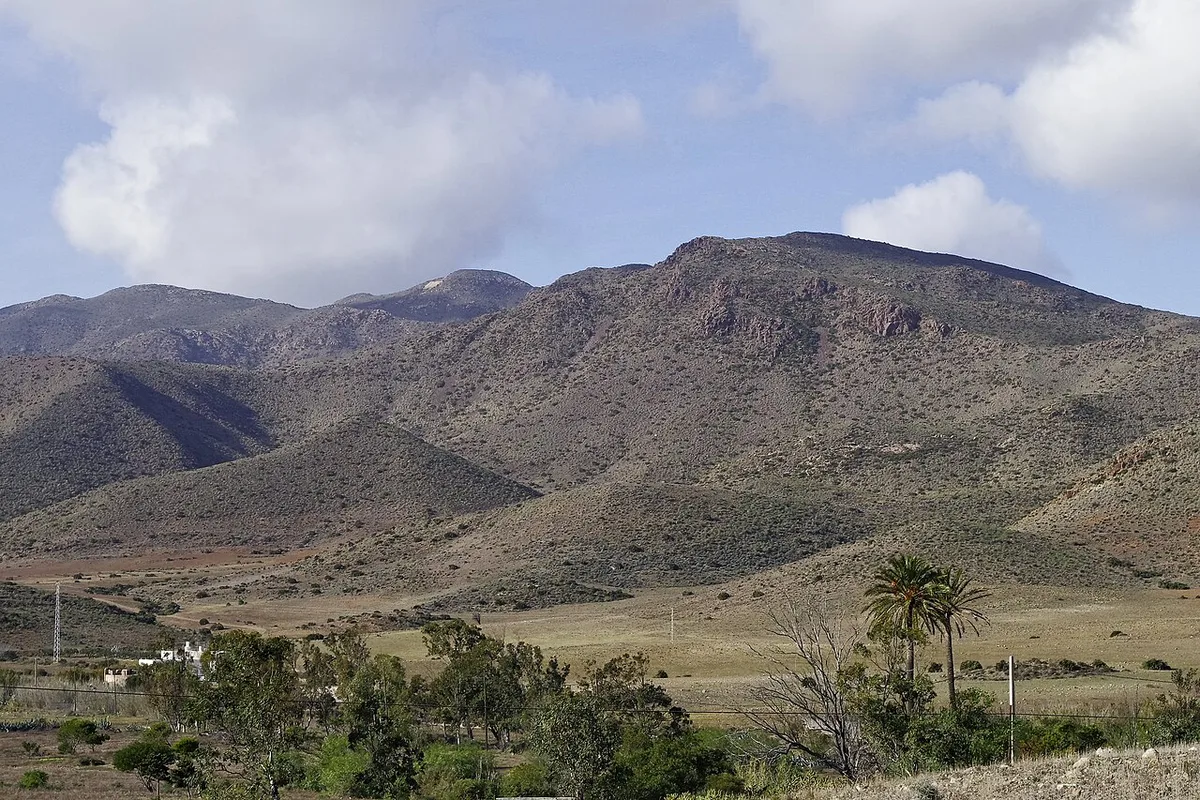
Visit Southern Spain describes this ascent as almost 19 miles (30 km), averaging 4.6% with a maximum around 12%. It puts the summit at 5,804 ft (1,769 m). Its suggested start has free parking at Restaurante Malvinas, where the N340A meets the A349. That junction and the 'from Tabernas' label may not mark the same measuring point. Trace your chosen start on an elevation map before relying on these figures, and ask the restaurant about parking.
Velefique village first comes into view after about 9 miles (15 km). Seeing it doesn't mean the hard work is over. Above the village, the same description gives gradients of 7–10% to the top. Dry, open scrubland sets the scene on the way up. Conditions can be far hotter than in Mojácar, while the summit can be cold.
In our editorial assessment, choose it only if you're ready for sustained climbing with a steeper upper section. A shorter ride makes more sense if heat or descending already concerns you. If you're comparing mountain challenges elsewhere, the Pico Veleta Cycling: Granada Climb Guide is a separate objective outside this Almería ride.
- Effort: choose gearing you can sustain on 7–10% slopes after the lower climb.
- Food and water: carry supplies, and don't assume anything in Velefique village will be open.
- Clothing: pack a warm layer for the summit and descent, alongside sun protection.
- Descent: allow enough daylight and energy to ride down with control.
- Turnaround: set a time limit before you start, and turn back earlier if weather or your condition deteriorates.
Coast and Cabo de Gata rides to research
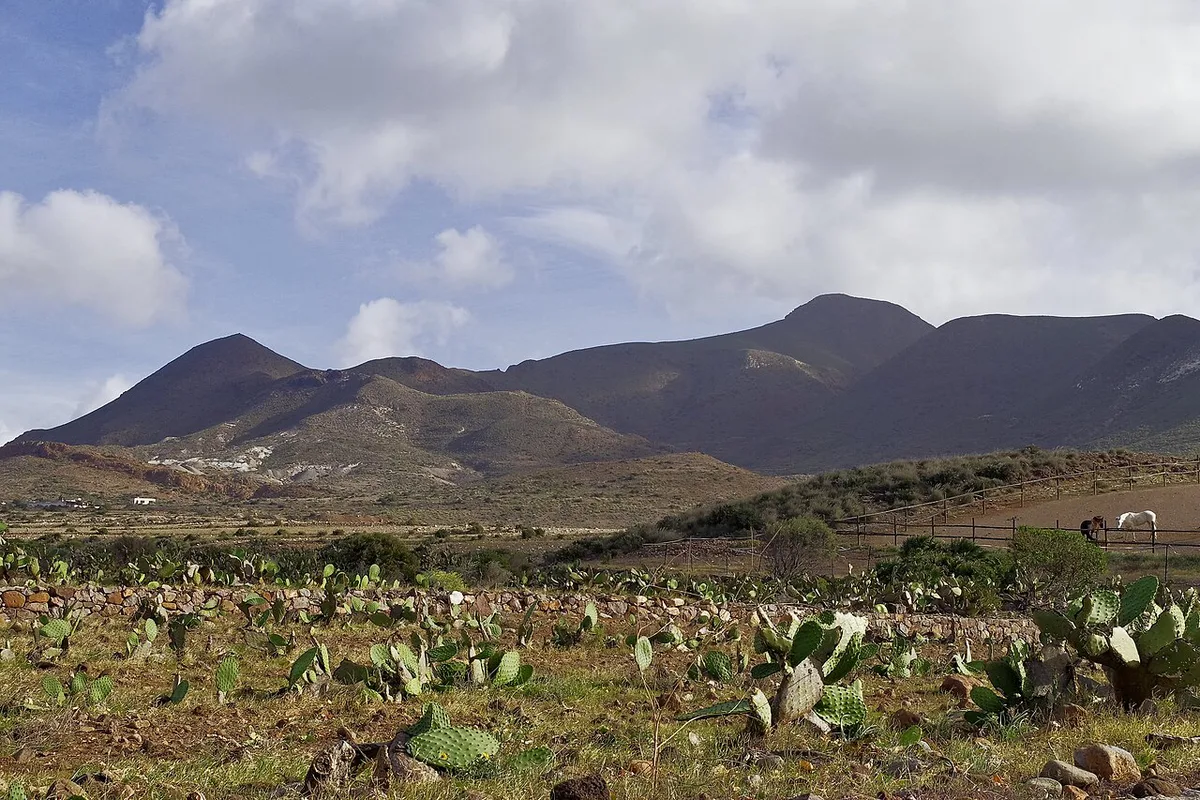
Treat these 2 coastal options as research ideas rather than ready-to-follow routes. One is a local outing from San José toward Los Genoveses and Mónsul in Cabo de Gata-Níjar's natural park setting. Another is a bikepacking stage from Almería city to San José, planned to stay as close to the sea as possible. That aim doesn't establish a continuous or permitted shoreline route.
Neither idea should be assumed easy, family-friendly or suitable for a road bike. Before choosing a track, check access and seasonal restrictions with the natural park authority and local council. You also need a clear picture of the surface, traffic and tire requirements. Plan water, shade and your return before setting off.
Road riders who want a broader coastal day can start with the Vera and Levante options instead. Their long Cabo de Gata loops still need route-by-route planning. If you're researching longer touring links, consult the EuroVelo 8 route information. Don't treat a long-distance route name as proof of a protected path on your chosen section.
Where to stay for cycling in Almería and get around
Base yourself around your main riding goal. For a short trip such as 3 days, our editorial advice is to stay in one place and limit transfers. On longer visits, a second base can make sense if it gives you different terrain. Weigh that variety against packing, moving your bike and losing riding time.
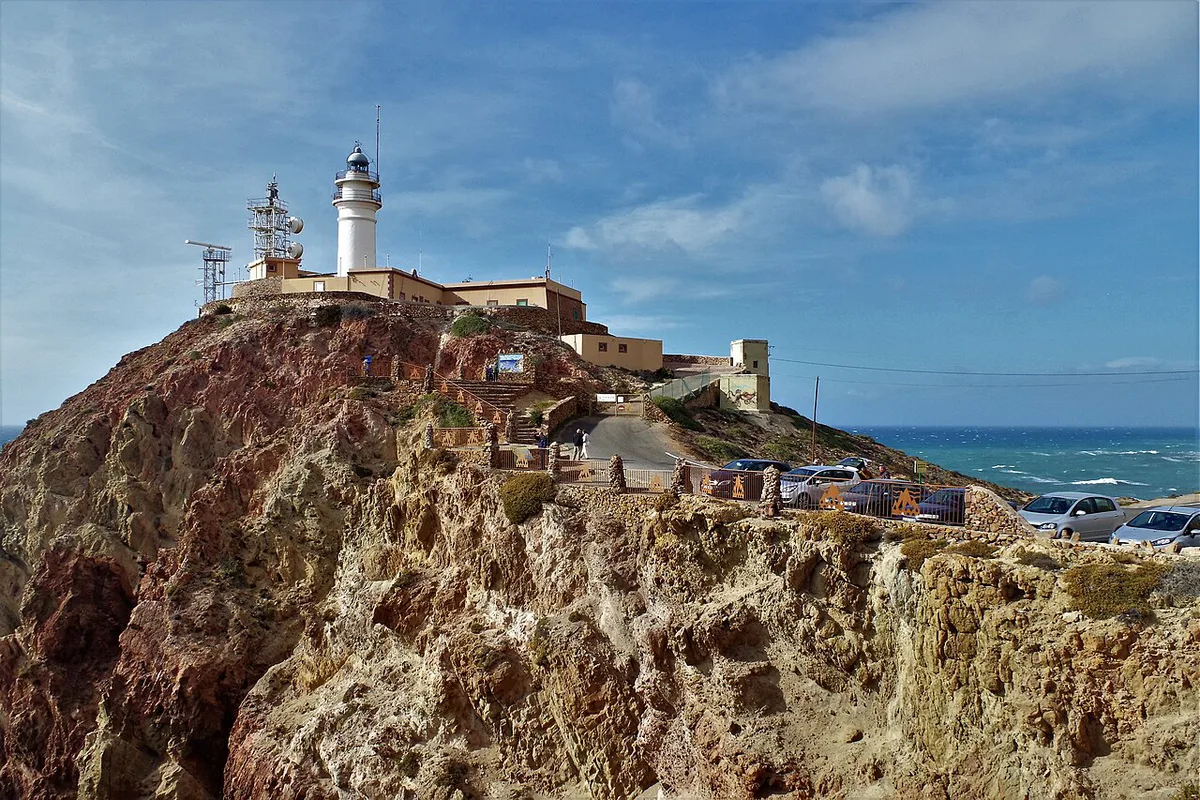
A listed riding base doesn't guarantee suitable accommodations, shops or bike services. Use the Almería province tourism site as a starting point for local trip research. Ask your lodging about secure indoor bike storage before booking. Also trace whether your preferred climb starts from the door or needs a transfer.
Don't assume any of these bases will work without a car. Compare your airport arrival, onward bus or rail connection and final trip to the room. For trains, read Renfe's travel information and check the bicycle conditions for your exact service. Ask other operators how they carry assembled or boxed bikes. If you're extending into the neighboring mountains, plan rides around Granada as a separate leg.
- Almerimar: shortlist it for coastal days, a flat start and access to Sierra de Gádor riding.
- Berja: consider it when mountain days and Alpujarra villages matter most.
- Armuña de Almanzora: consider it for Filabres climbing and Almanzora valley riding.
- Vera: shortlist it for coast, Sierra Cabrera and longer Cabo de Gata plans.
- Every base: compare food shops, easy-day routes, bike storage, parking and car dependence.
Budget, bike hire and support
Rates for rentals, tours and transfers aren't listed here, so request dated quotes in euros (€) from providers serving your base. Compare the full trip cost, not just the daily hire rate. Bringing your own bike preserves your fit, but you need to price its carriage and transfers. Renting can simplify luggage, although delivery and deposits may change the total.
Self-guided riding gives you control over each day's route, and you handle the backup plan. With a guided or supported option, ask exactly where it operates and what happens after a breakdown. An Andalucía-wide tour description doesn't mean the service reaches Almería.
- Transport: total your travel, bike carriage, transfers, car hire and parking.
- Rental: ask about bike type, size, climbing gears, pedals, delivery, insurance and deposit.
- Support: ask about the repair kit, breakdown pickup, coverage area and cancellation terms.
- E-bikes: match battery range to the route's climbing, and ask about charging and transport weight limits.
- Accommodations: compare room costs alongside secure storage and extra travel to your rides.
Plan your first ride and avoid common mistakes
Start with your ability and bike, then choose the season, area and route. For a first visit, we'd favor a manageable coastal outing near Almerimar or Vera. Study its full elevation profile and identify a shorter way back. Even a 27-mile (44 km) loop, the shortest distance in the area ranges above, can be too much on the wrong day.
Velefique village first comes into view after about 9 miles (15 km), so pick your turnaround time before you reach that point.
On a multi-day trip, alternate demanding climbs with easier days. Save Velefique for a day when your preparation and the conditions both support it. Review the road rules and current traffic information from Spain's DGT traffic authority. No area label can guarantee safety, so judge traffic, road conditions and descents on your specific route.
- Don't choose by distance alone; compare total climbing and steep sections.
- Don't use coastal weather as your summit forecast.
- Don't take a road bike onto a surface you haven't established is suitable.
- Don't assume water, food or return transport will be available.
- Don't fill a short trip with base changes and long transfers.
- Set your bail-out point before leaving, including how you'll get back.