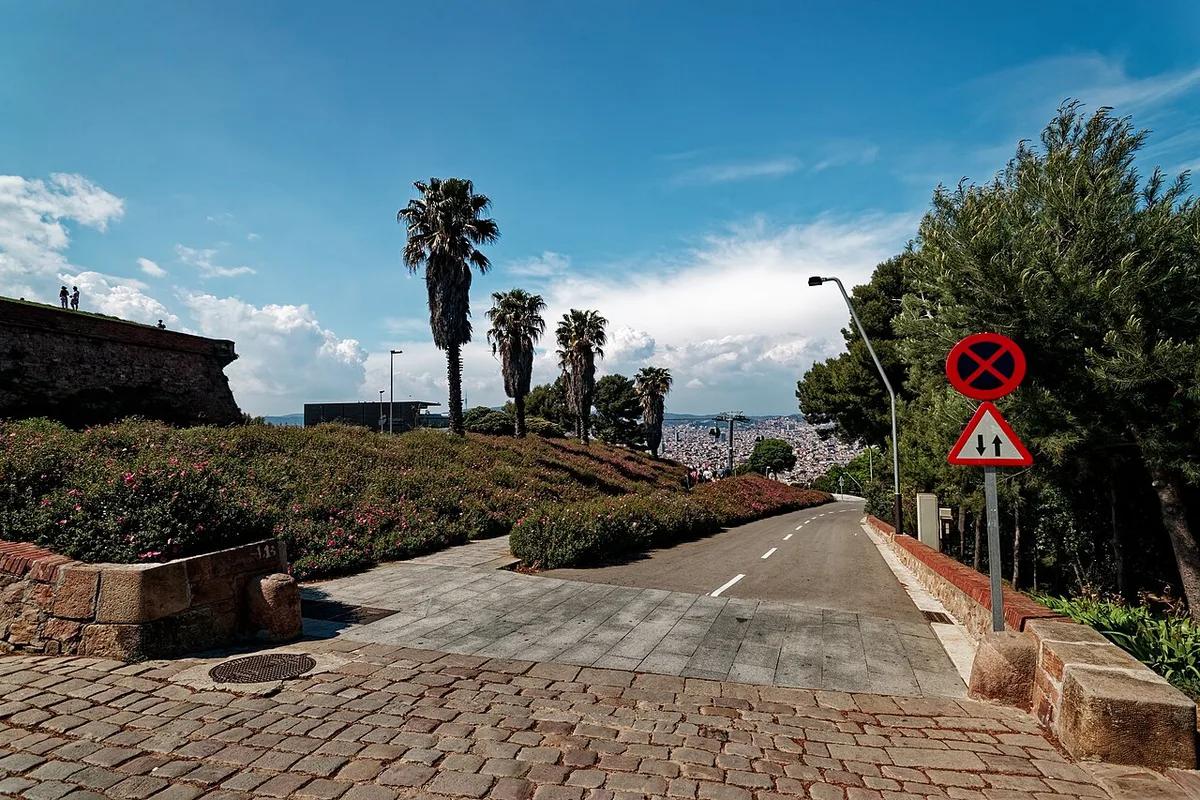
Barcelona to Sitges by Bike: Should You Ride It?
Barcelona to Sitges by bike: who should ride it, why the Garraf coast is the sticking point, how to plan each leg, choose a bike and get back.
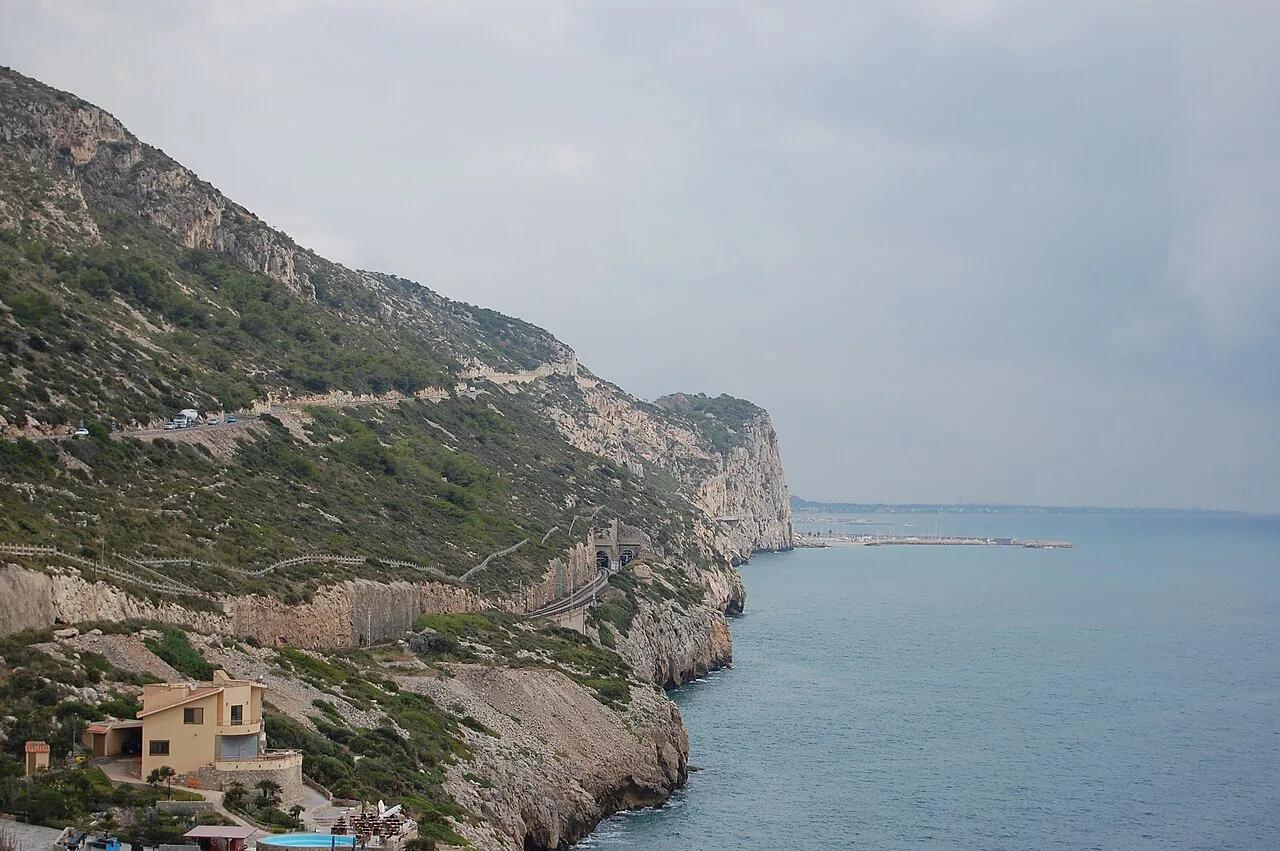
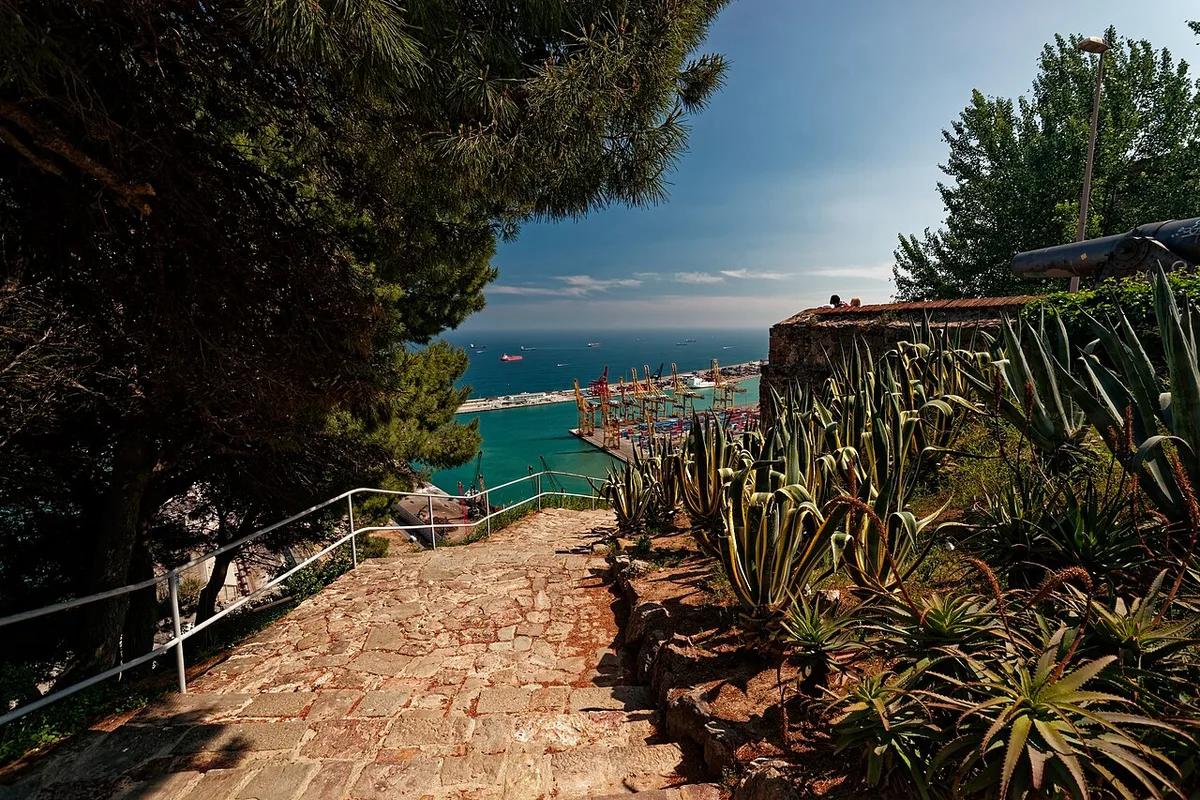
Last updated November 2026: Barcelona to Sitges by bike can suit confident road riders comfortable with climbs and traffic, but don't plan it as a relaxed family seaside ride. Your main obstacle is the Garraf coast, where hills meet the sea and you shouldn't count on a continuous, separate bike path, so settle that section or plan another way past it. For riding before you leave town, start with our guide to Barcelona cycling.
Featured image: Alex Guerrero from New Haven, United States, CC BY 2.0, via Wikimedia Commons.
Can you ride Barcelona to Sitges by bike?
Treat this as a conditional yes for an experienced road rider and a no-go until the whole route is clear. A line in a mapping app doesn't show that bicycles are allowed on every section. It also won't tell you whether a path has a gap or a temporary closure.
No route is endorsed here as continuous, signposted or traffic-free from end to end. Distance, climbing and riding time depend on your exact start, finish and track, so measure them on the line you intend to follow.
- Possible fit: confident road cyclists who can handle climbs, descents and passing vehicles.
- Poor fit: families, nervous riders and anyone who needs separation from traffic throughout.
- Deciding factor: a legal, connected way through the Garraf section.
- Alternative: a shorter ride combined with rail, if your bike can travel on your chosen service.
Which route plan should you choose?
Choose your approach to Garraf before thinking about the rest of the day. Riding straight through keeps the trip simple on paper, but it gives that coastline the final say. Mixing rail and riding can remove the section you don't want, provided the stations and service work for your bike.
For either riding plan, look for bicycle restrictions in the information from Spain's traffic authority. Local works and diversions also need a separate look with each municipality on your track.
| Plan | Climbing and traffic | Navigation and bike | Main drawback |
|---|---|---|---|
| Ride the whole way | Assess both on your full track; expect the Garraf section to be decisive | Requires a connected legal track and a bike suited to its surfaces | An unsuitable section can rule out the plan |
| Ride part and use rail | Depends on where you board and leave the train | Requires usable stations and permitted bike carriage | Service or carriage limits can disrupt the day |
| Travel without riding between towns | No intercity riding | No route track or intercity bike needed | You give up the point-to-point ride |
Barcelona to Sitges by bike: section-by-section plan
Plan the journey as three linked legs, with a named start, finish and exit for each. Begin at your actual accommodation or hire shop rather than a generic city-centre pin. For city streets, the City Council's mobility information is the municipal starting point.
Zoom in at every junction and place where a cycle path appears to end. Recent street imagery can reveal a mismatch, although it can't establish legal access or today's conditions. Save the route offline and mark where you would turn around before reaching Garraf. Don't improvise onto a road with an unfamiliar restriction.
- Leaving Barcelona: trace the exit from your door, including every crossing and break in cycling infrastructure.
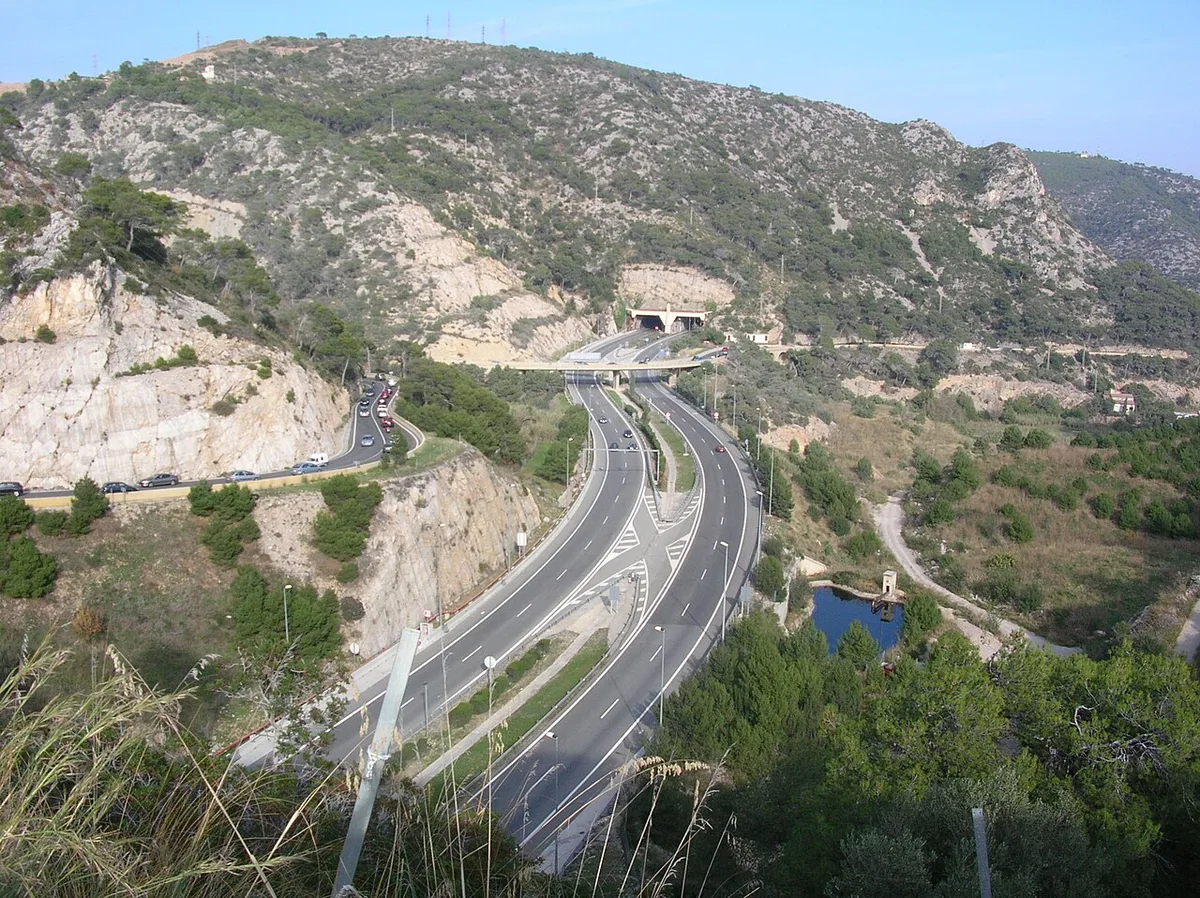
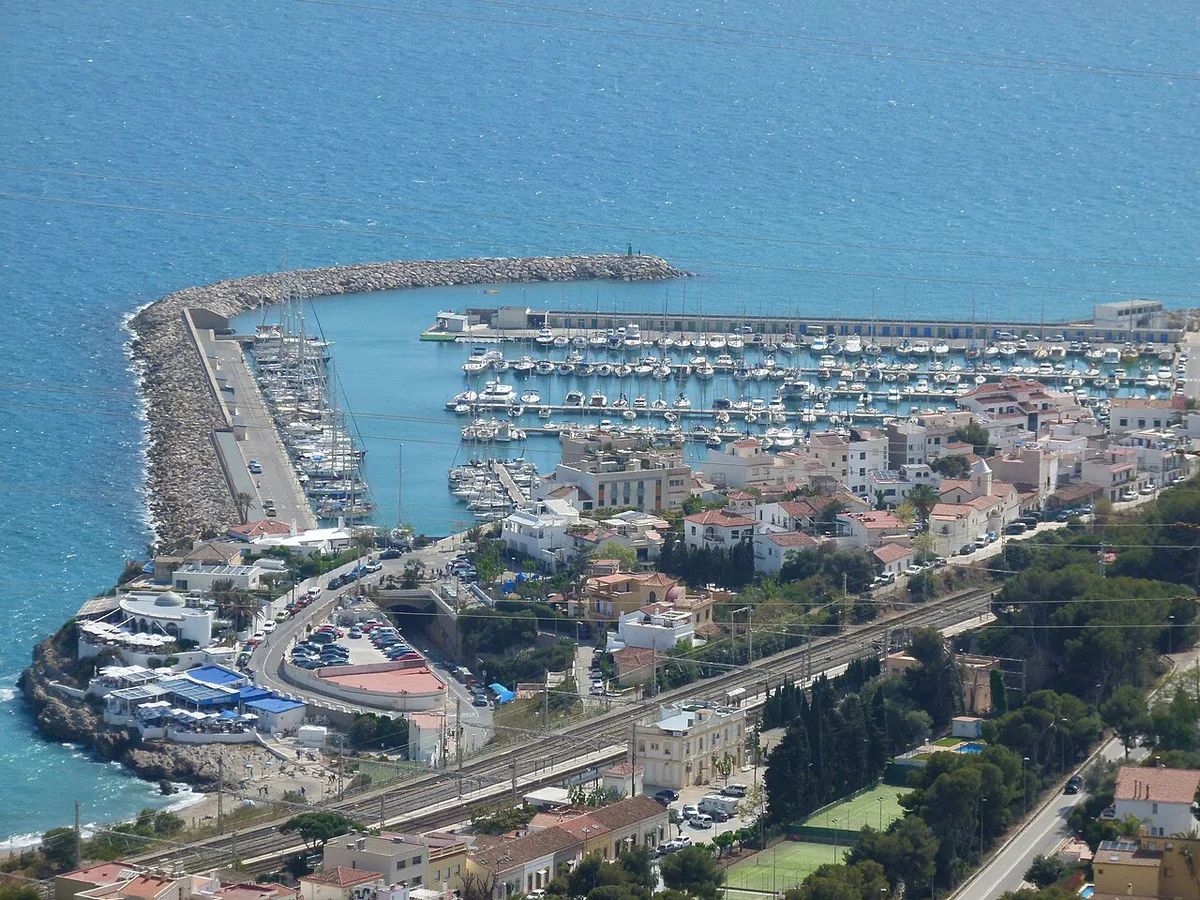
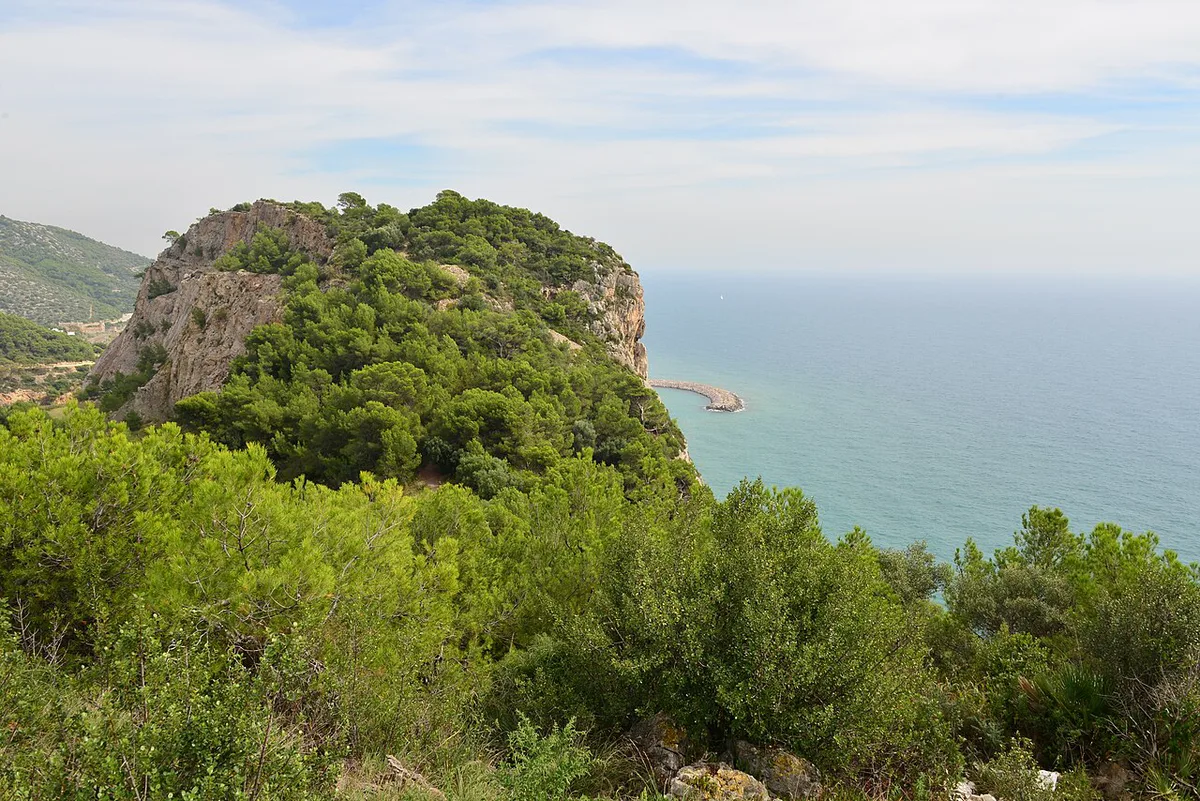
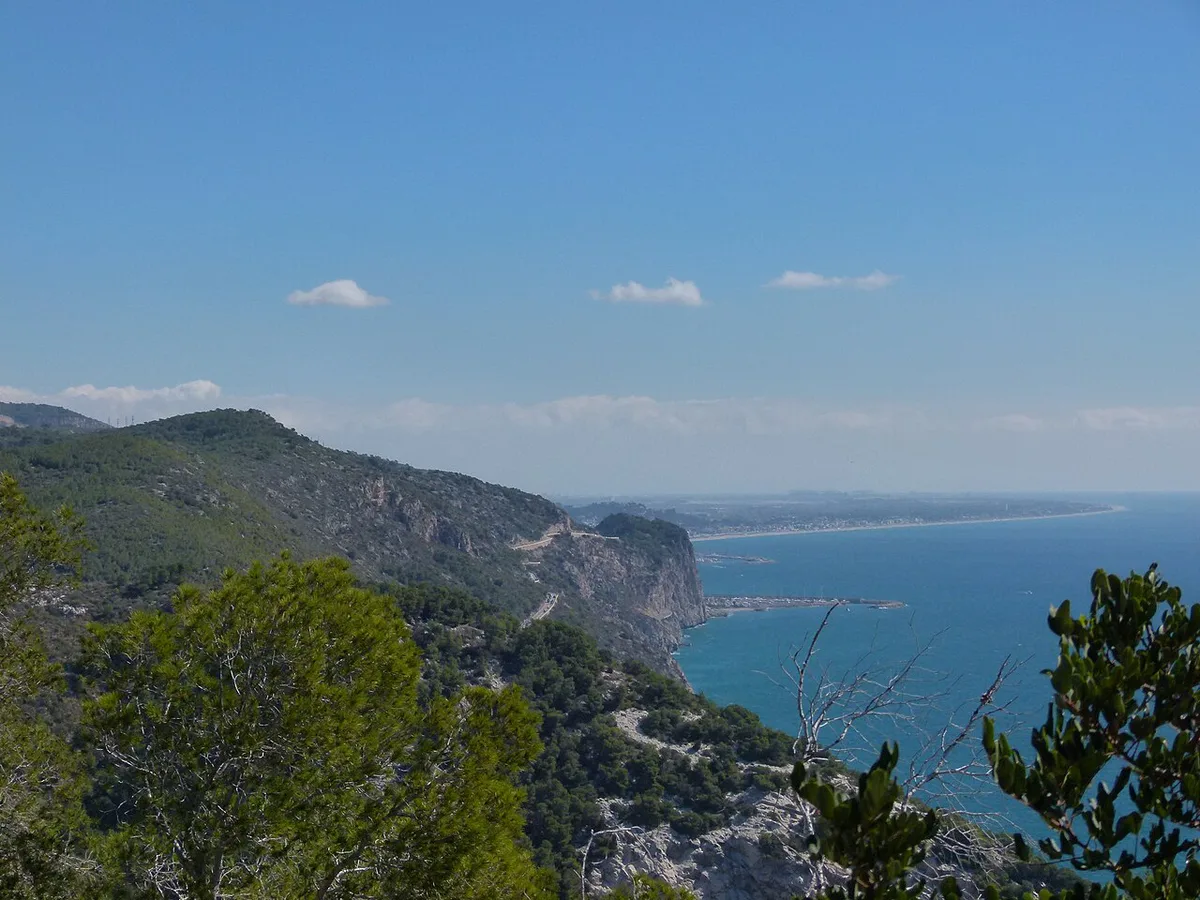
- Garraf coast: inspect access, road sharing, shoulder space, climbs, descents, tunnels and major junctions wherever your track meets them.
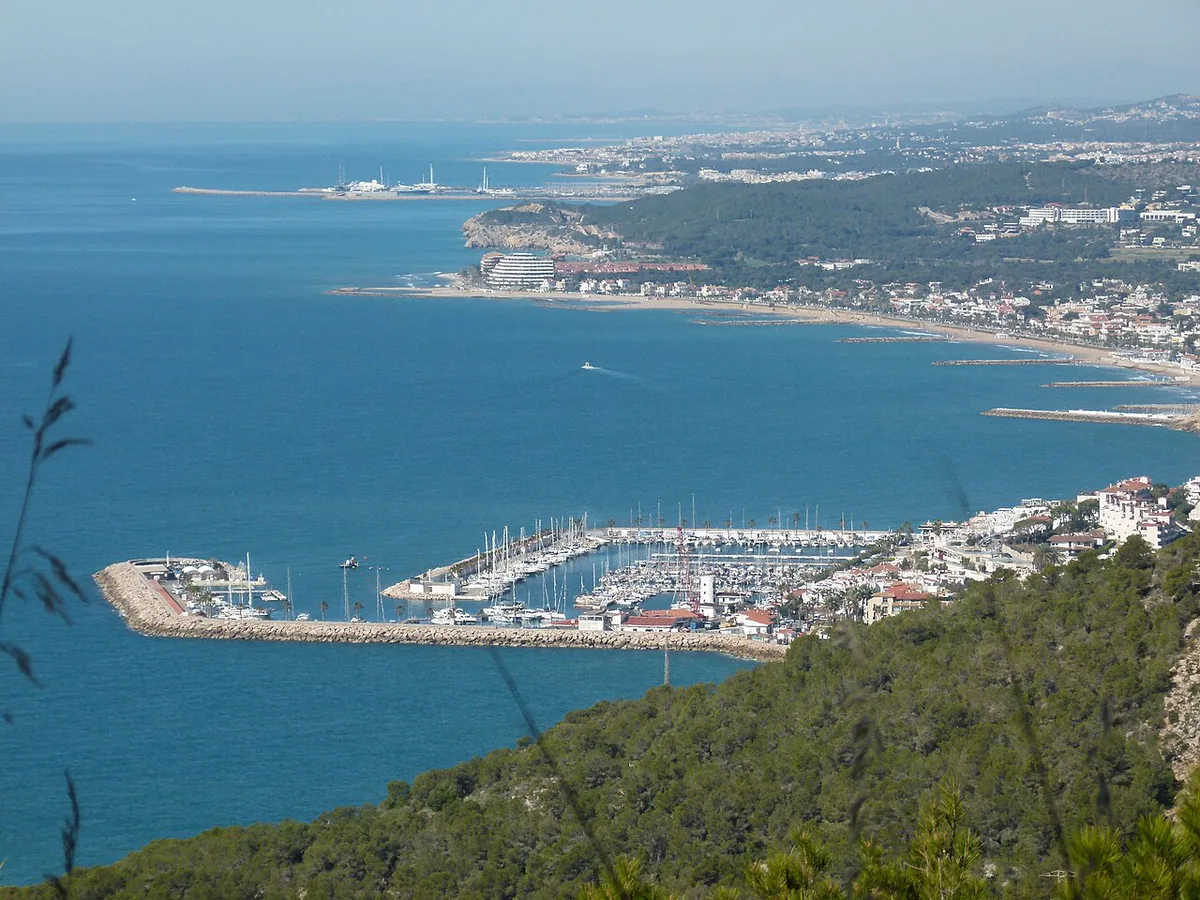
- Arriving in Sitges: set an exact endpoint, then trace the final streets and your way to the return station.
- Exit points: for every leg, note a station you can reach legally and the point after which turning back makes less sense.
How hard is the ride, and who should skip it?
Difficulty depends on more than the distance between two town names. Climbing, repeated descents, surfaces, wind and traffic can change which riders will cope. Read the elevation profile alongside the road view, because a short climb may feel different beside moving vehicles.
When estimating time, use your own recent pace on hilly roads. Add stops, navigation pauses and the walk through stations separately from moving time. Occasional riders may be fit enough for the effort yet remain uncomfortable with the traffic. Our Barcelona road cycling advice offers further reading for road riders.
- Confident road cyclists: consider it once access, continuity and every difficult section are clear.
- Fit but occasional riders: skip the through-ride if descents or close traffic would unsettle you.
- Families: choose another outing unless the complete route meets your youngest rider's needs.
- E-bike riders: motor assistance helps with effort, but it doesn't reduce traffic exposure.
- Visitors on hired bikes: ride only with suitable equipment and permission for this journey.
What bike should you use?
A well-fitted road bike is the natural starting point if your entire track is paved and permits cycling. Hybrid, gravel or mountain bikes need to match both the surface and the climbing. Folding bikes require particular care with gearing, braking and comfort on descents. For an e-bike, compare realistic range with your weight, assistance level, wind and elevation profile. Include the extra weight when thinking about station access.
Before booking through a Barcelona bike hire option, ask for written answers to the questions below. Hire and breakdown charges depend on the provider and agreement. Compare the full total, including any optional cover or return fee.
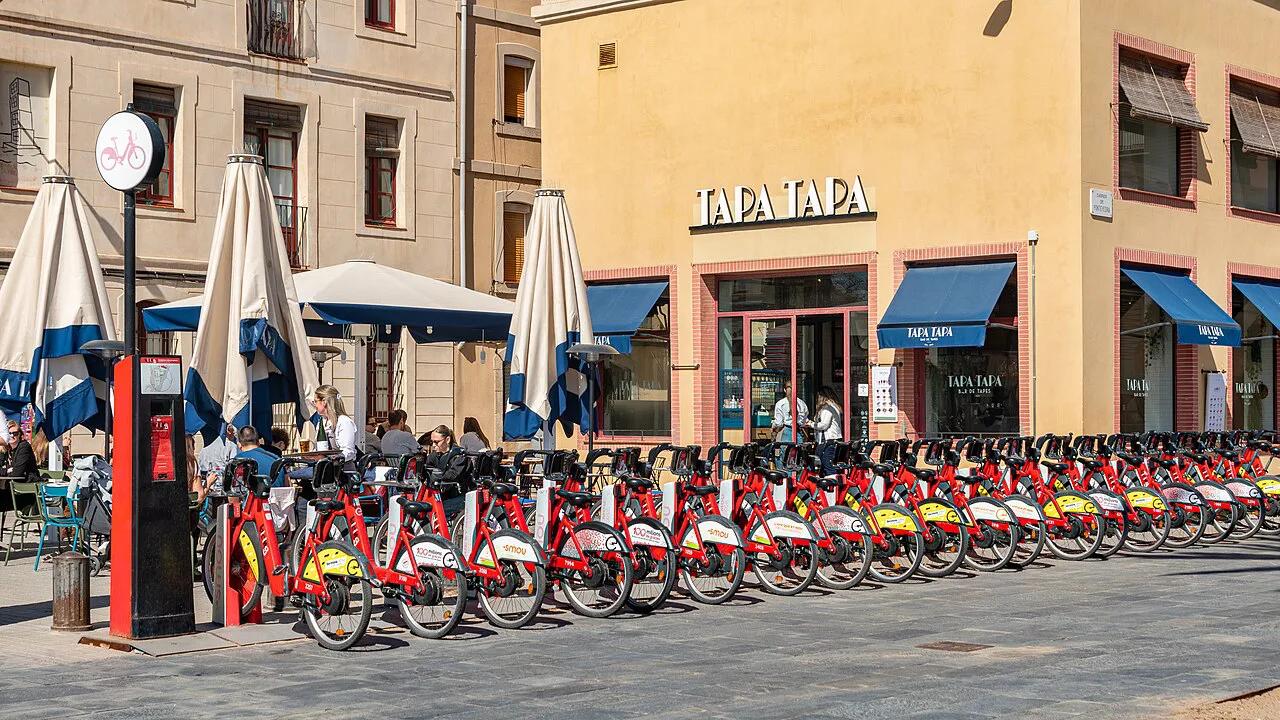
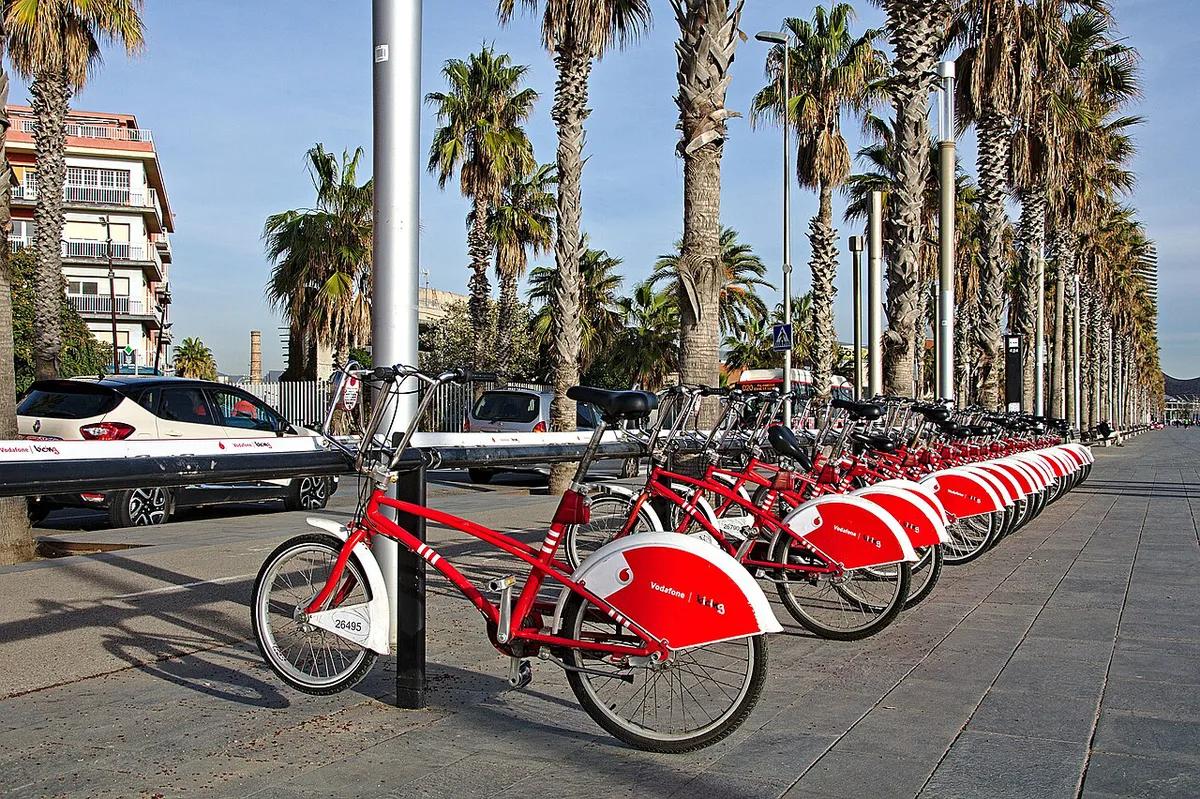
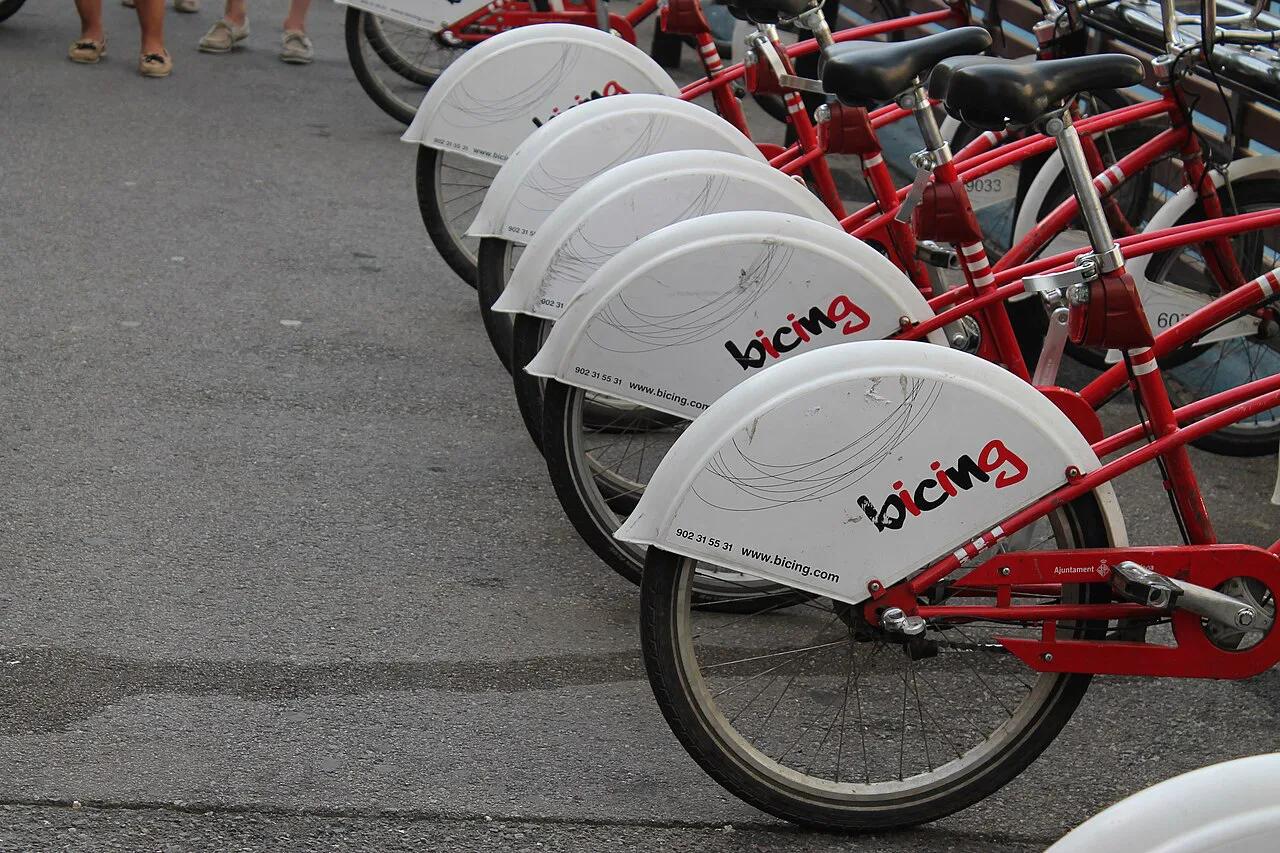
Don't assume a shared city bike can make this trip. Look up current area limits and user conditions with Barcelona's Bicing service. Our explainer on shared Bicing bikes gives more context.
- Can the bike leave Barcelona?
- May you take it on a train?
- Is return in another town allowed, and what does it cost?
- What happens after a puncture or mechanical failure outside the city?
- Which lock, lights, repair kit and battery equipment come with the hire?
How do you get back with your bike?
Decide on your return before leaving Barcelona. Riding back repeats the access question and adds effort when daylight and concentration may be lower. Rail can shorten the day, but boarding with a bicycle shouldn't be treated as automatic.
Use Rodalies de Catalunya rail information for bike carriage conditions, fares and disruptions on your travel date. Look at time or space limits as well as access at both stations. E-bikes and folding bikes may need a closer reading of the rules. Save a later travel option, but don't make the plan depend on catching the final service.
- Before departure: identify the return station and a way to enter it with your bike.
- Before boarding: confirm that your bike type is permitted on that service.
- If boarding is refused: wait for a permitted service or use pre-arranged support that can carry the bike.
- If you're tired or the bike fails: stop somewhere secure, then use your saved exit or provider's contact.
- If a closure blocks the track: turn back unless you have already checked a legal diversion.
When should you go, and what should you pack?
No month makes an unsuitable section suitable. Pick the day using an official weather forecast and its warnings, with attention to heat, rain, visibility and wind along the coast. Postpone if conditions would make braking or holding your line difficult. Leave enough daylight for navigation delays and your return, rather than timing the day around riding alone.
Carry water from the start and don't rely on an unplanned refill or repair stop. Take food, phone power and the tools you know how to use. On the morning of travel, check the route for closures and review the rail service again.
- Saved route and a legal turnaround point
- Return station and bike carriage conditions
- Water, food, phone power and emergency payment
- Working brakes, tyres and lights
- Spare tube or suitable puncture kit and pump
- Hire company contact and breakdown terms, if relevant
Should you ride it or choose something else?
Go only if you have a legal, connected track, suitable equipment and a return you can actually use. You should also be comfortable with each traffic exposure you identified. Skip the full ride if any essential section remains unclear.
For company closer to town, look at a guided Barcelona bike outing. Riders wanting assistance can compare a Barcelona e-bike tour. Neither alternative should be assumed to travel to Sitges. Ask any operator for its exact route, endpoint, transport arrangements and breakdown plan before booking.
- Go: your route, bike, skills, weather and return all work together.
- Change the plan: only one section is unsuitable and you have a permitted way around it by transport.
- No-go: bicycle access or continuity is unresolved, or your return relies on an unconfirmed assumption.