Transpyr Coast to Coast: Formats, Route and Planning
Compare Transpyr Coast to Coast formats, see what the Pyrenees route demands, and find the cost, support and travel details to settle before entering.
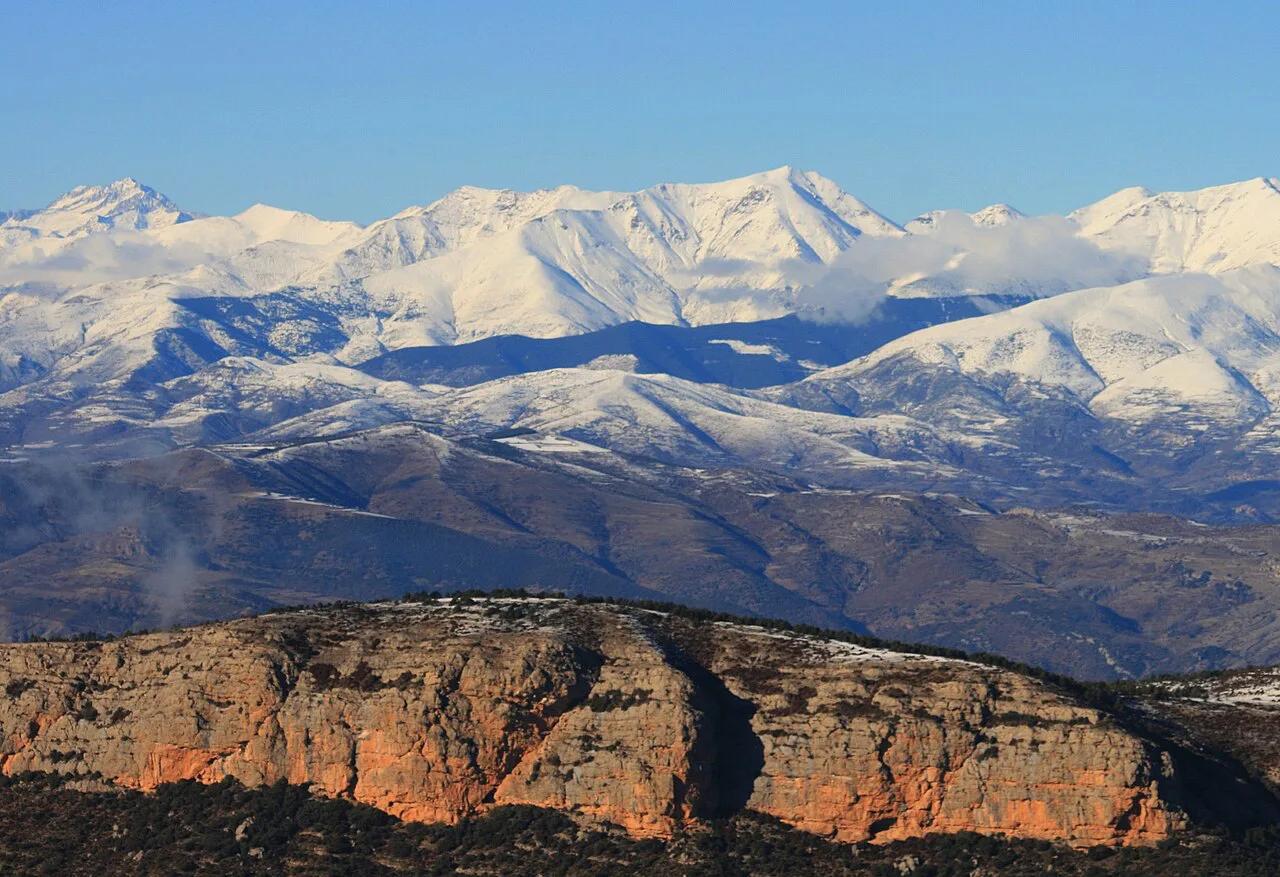
Last updated November 2026: Transpyr Coast to Coast is a seven-stage Pyrenees cycling challenge from the Mediterranean to the Atlantic, according to its organizer's official site. Transpyr MTB is listed as Gran Raid MTB, covering 658 km (about 409 miles) with 15,790 m (51,804 ft) of climbing in the 2027 overview. Use this independent guide to choose a format and plan your trip, or start wider with mountain biking across Spain.
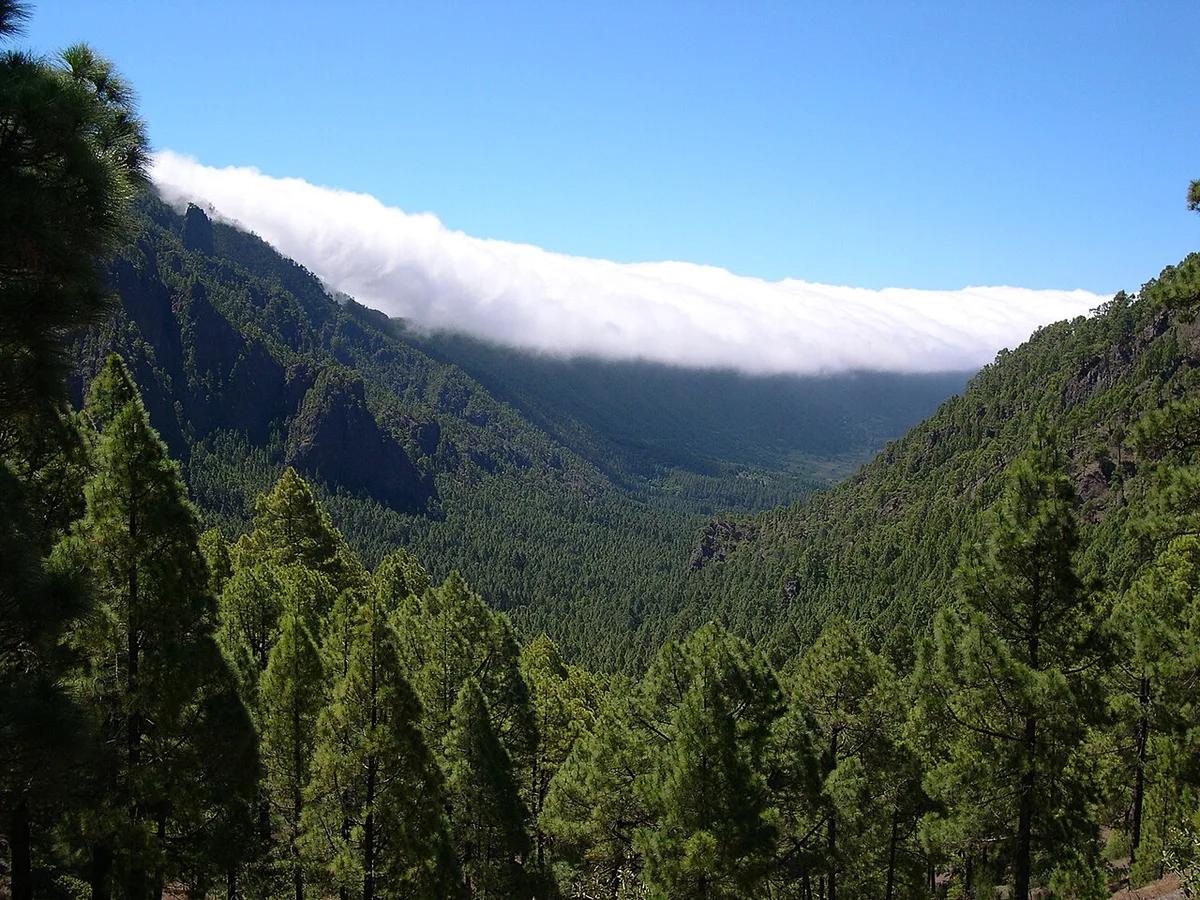
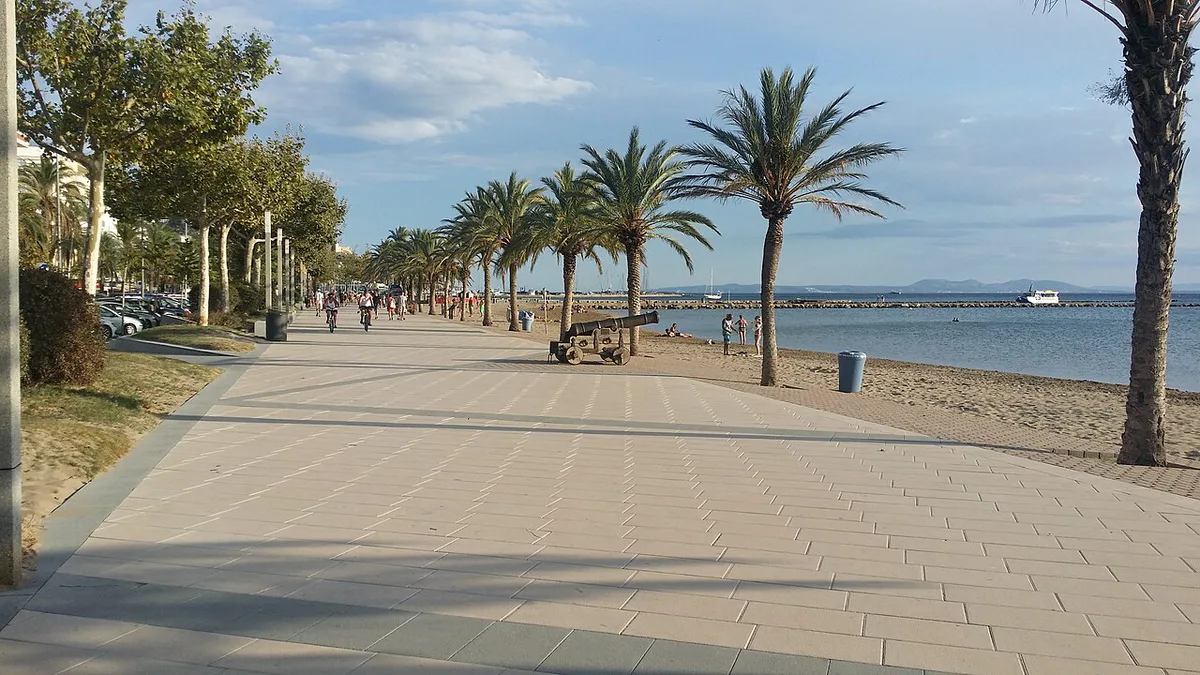
Featured image: Flickr user 90664717@N00, CC BY 2.0, via Wikimedia Commons.
Which Transpyr Format Should You Choose?
Start with the bike and surface you want to ride. Gran Raid has 211 km (131 miles) less distance than Backroads but 1,835 m (6,020 ft) more listed climbing. A shorter total therefore doesn't tell you it will be easier. Surface, technical terrain and your own pacing also matter, so these totals can't predict your ride time.
Compared with Gravel Adventure, Gran Raid is 142 km (88 miles) shorter and climbs 1,460 m (4,790 ft) more. E-Transpyr shares Gran Raid's distance and gain. Before treating any category as timed or ranked, read its current rules.
| 2027 format | Distance | Elevation gain | Consider it if |
|---|---|---|---|
| Backroads | 869 km (540 mi) | 13,955 m (45,784 ft) | You want the road-oriented option and can handle the longest listed distance |
| Gravel Adventure | 800 km (497 mi) | 14,330 m (47,014 ft) | You want to cross on the gravel option |
| Gran Raid MTB | 658 km (409 mi) | 15,790 m (51,804 ft) | You want the mountain bike option and are prepared for the most listed climbing |
| E-Transpyr | 658 km (409 mi) | 15,790 m (51,804 ft) | You want the e-bike option and can plan around battery range |
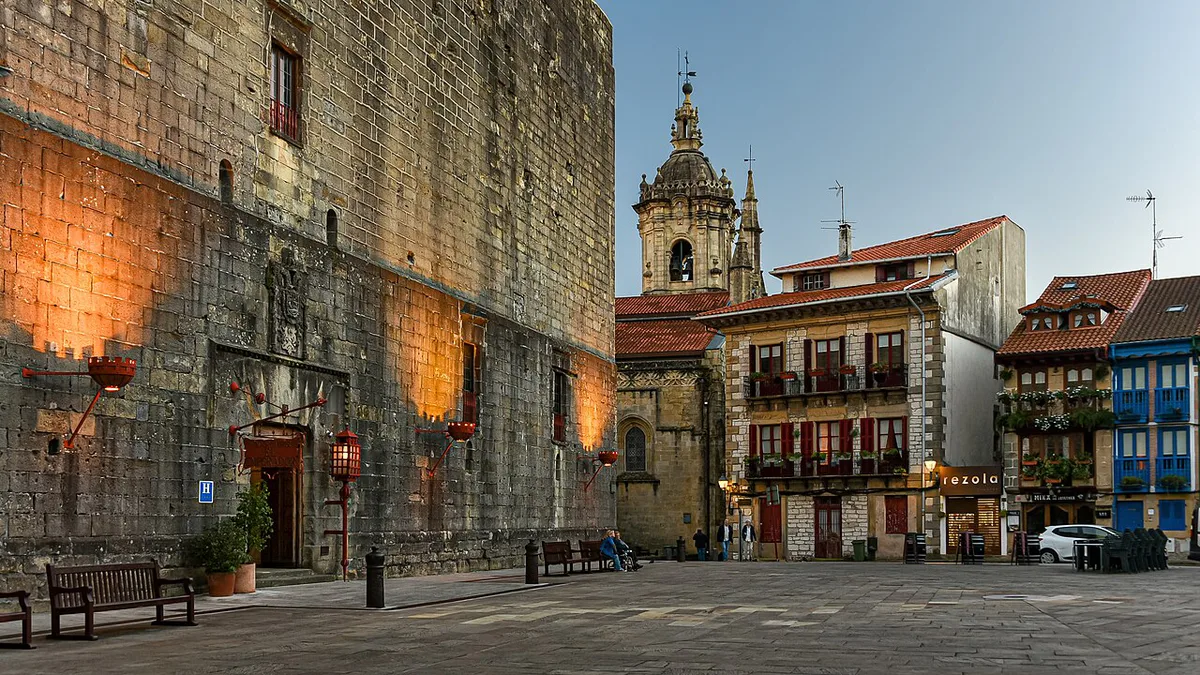
The Route From the Mediterranean to the Atlantic
Your crossing heads west from the Mediterranean. On the 2027 overview, stage 2 takes on the first major mountain passes and drops through the Cerdanya plateau. Stage 5 runs through the Geopark of Sobrarbe, where the mountains begin to soften.
Backroads' stage 6 covers 132 km (82 miles), far beyond the 92 km Gran Raid figure in the table, so the table can't pace that route.
Routes split around basecamps on stage 3: Gran Raid and E-Transpyr use one, while Backroads and Gravel use another. Both branches rejoin heading west on stage 4. They have separate basecamps again on stage 6 and finish together on the Atlantic after stage 7.
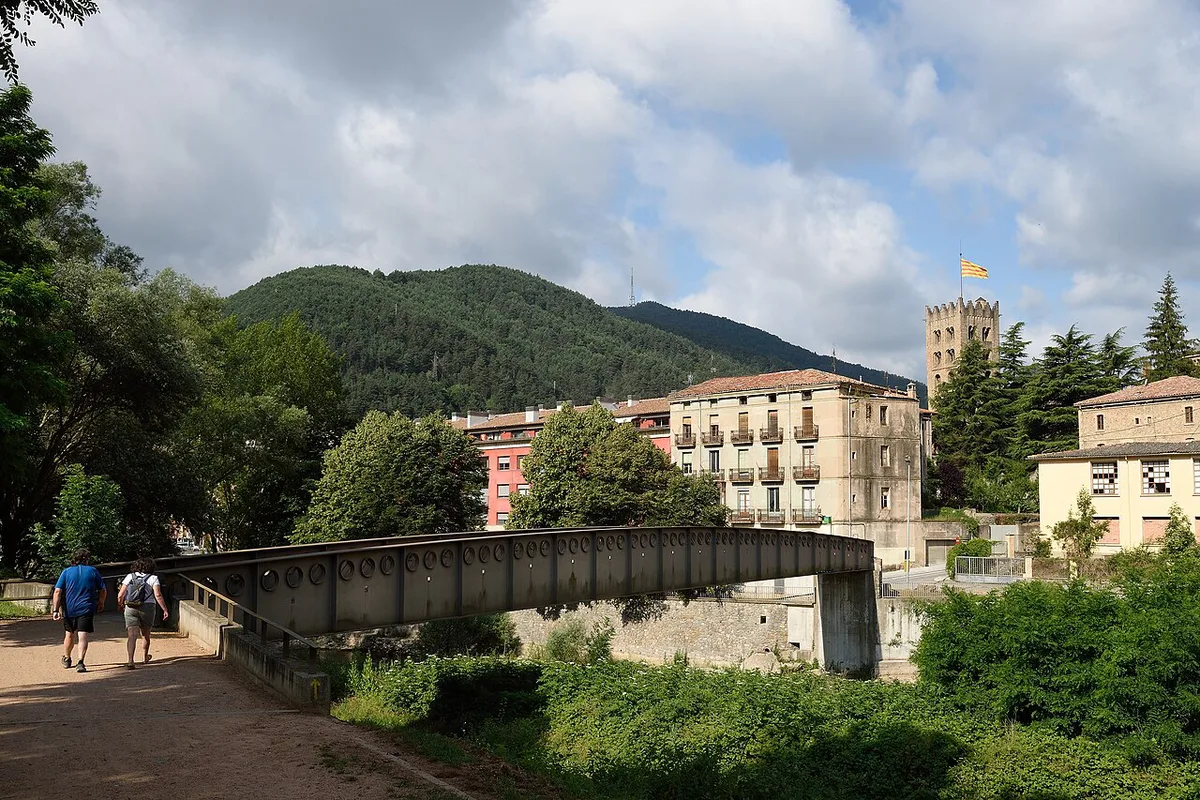
Stage 6 enters Navarra, with beech forests among its highlights. Its Gran Raid and E-Transpyr routes use high passes, while the organizer describes gentler roads for the other two formats. Backroads covers 132 km (82 miles) with 1,650 m (5,413 ft) of gain that day. Gravel Adventure covers 120 km (75 miles) and climbs 1,750 m (5,741 ft). The organizer rates stage 6 as 3 out of 5 for difficulty.
The table below applies to Gran Raid and E-Transpyr. Its distances and climbing add up to their full-route totals, and stage 6 matches their separately listed figures. Don't use it to pace Backroads or Gravel. For wider regional context, see our guide to riding in the Pyrenees.
| Stage (Gran Raid and E-Transpyr, 2027) | Section | Distance | Elevation gain |
|---|---|---|---|
| 1 | Mediterranean to Eastern Pyrenees | 98 km (61 mi) | 2,150 m (7,054 ft) |
| 2 | Eastern to Central Pyrenees | 102 km (63 mi) | 2,590 m (8,497 ft) |
| 3 | Central to High Pyrenees | 98 km (61 mi) | 2,680 m (8,793 ft) |
| 4 | High Pyrenees to Aragón | 102 km (63 mi) | 2,380 m (7,808 ft) |
| 5 | Aragón to Western Pyrenees | 88 km (55 mi) | 2,240 m (7,349 ft) |
| 6 | Western Pyrenees to Navarra | 92 km (57 mi) | 2,100 m (6,890 ft) |
| 7 | Navarra to Atlantic | 78 km (48 mi) | 1,650 m (5,413 ft) |
Are You Ready for the Seven Stages?
Judge your readiness across consecutive days, not by your single biggest ride. On the mountain bike route, stage 3 has the most listed climbing at 2,680 m (8,793 ft). Even the final 78 km (48-mile) stage includes 1,650 m (5,413 ft) of gain after six earlier stages.
Basecamps split the routes at stage 3, the day with the most listed mountain bike climbing: 2,680 m (8,793 ft).
Use the questions below to find gaps in your preparation. They are self-assessment prompts, not entry requirements. For descending practice, Spain's bike parks are one place to look, but skills sessions don't replace multi-day endurance training.
E-bike riders also need a range plan for each day. Get written answers on batteries and charging before you enter. If you're considering a shorter entry, first ask whether one is offered for your format and edition. Compare its route sections, endpoints, time off and total cost, and don't assume it reaches both coasts.
- Back-to-back days: Can you climb for long periods, recover overnight and ride again?
- Technical control: Can you descend safely when tired on terrain like that of your chosen format?
- Fuel and recovery: Have you practiced eating, drinking and resting across several riding days?
- Bike care: Which problems can you fix yourself between points of assistance?
- E-bike eligibility: Which bikes, motors and batteries do the rules allow?
- E-bike range: Are spare batteries permitted, and where can you charge during stages and at basecamps?
- Battery transport: Who can carry your batteries, both during the event and on your journey there and home?
What Support Is Included, and What Will It Cost?
Price the whole trip, including your journey and any extra nights, rather than the entry fee alone. This guide has no verified entry price or package list for Transpyr. Use the official event website linked above for current fees, and match each inclusion to your format and entry package. Treat every item below as unconfirmed until your package terms answer it.
Add your quoted entry fee to every cost it leaves out. Include lodging, meals and insurance, plus bike transport or rental. Then add transfers, parking and nights before and after the ride.
Before paying, get the confirmed edition dates. Read the refund and entry-transfer terms as well as the rules on time limits and required equipment. You should also know what happens if you can't finish a stage.
| Item | Status | What to ask |
|---|---|---|
| Luggage between stages | Unconfirmed | Bag limits, delivery points and handling at split basecamps |
| Mechanical service | Unconfirmed | Labor, parts and where help is available |
| Massage and bike cleaning | Unconfirmed | Included or paid extras, and how to book |
| Lodging and meals | Unconfirmed | Nights, room type, meals and dietary options |
| Withdrawal or sweep support | Unconfirmed | How you and your bike reach the basecamp |
| Medical cover and insurance | Unconfirmed | On-course care, evacuation costs and the policy you must hold |
| Time limits and mandatory kit | Unconfirmed | Cutoffs, qualification rules and equipment checks |
| Refunds and entry transfers | Unconfirmed | Deadlines, fees and event-change terms |
Getting to the Start, Between Basecamps and Home
Plan this as a point-to-point trip: your outbound and return journeys begin at different ends of the Pyrenees. Get the exact start and finish towns for your edition and format before reserving transport. A third-party event calendar names Roses and Irun, but treat those endpoints as unconfirmed. Its 2027 date range is also marked unconfirmed, so wait for the organizer's dates before buying nonrefundable travel.
If your transfer includes an FGC rail service, read that operator's current bike rules. Apply the same step to every other carrier, especially if your bike will be boxed.
Friends riding different formats may sleep in separate places after stages 3 and 6. Support crews need those locations before booking rooms. Also ask whether private support vehicles are allowed and whether companions can use any event transfers.
- Arrival: How will you and your bike reach the start?
- Departure: How will you leave the finish, and where can you pack your bike?
- Bike box: Can it be stored or moved to the finish?
- Car and bags: Where can you park, and how will you get back to your car or luggage?
- Lodging: Which nights and basecamp locations must you arrange yourself?
Event Entry or a Self-Guided Pyrenees Ride?
Choose an event entry if its date and confirmed services fit your needs. A self-guided crossing lets you set your own schedule, but you take responsibility for navigation and problems along the way. Don't assume the 658 km event mountain bike route or its navigation tracks are available or permitted outside the event.
Compare both options using the same cost lines, including bags, beds and the trip home. Before committing, avoid these mistakes: using another format's figures, choosing by distance alone and assuming a service is included. Booking fixed travel around an unconfirmed date is another risk.
| Decision | Event entry | Self-guided ride |
|---|---|---|
| Dates | Fixed by the event edition | You choose, subject to access and bookings |
| Navigation | Ask what route guidance is supplied | You research and manage the route |
| Luggage | Depends on package terms | You carry it or arrange transport |
| Problems on route | Depends on event rules and support | You arrange help and an exit plan |
| Cost | Entry plus excluded items | Your bookings, transport and services |