Teide Altitude Training: A Cyclist's Planning Guide
Planning altitude training on Teide? Compare where to sleep and ride, plus recovery, weather, safety and logistics, before you book a Tenerife cycling block.
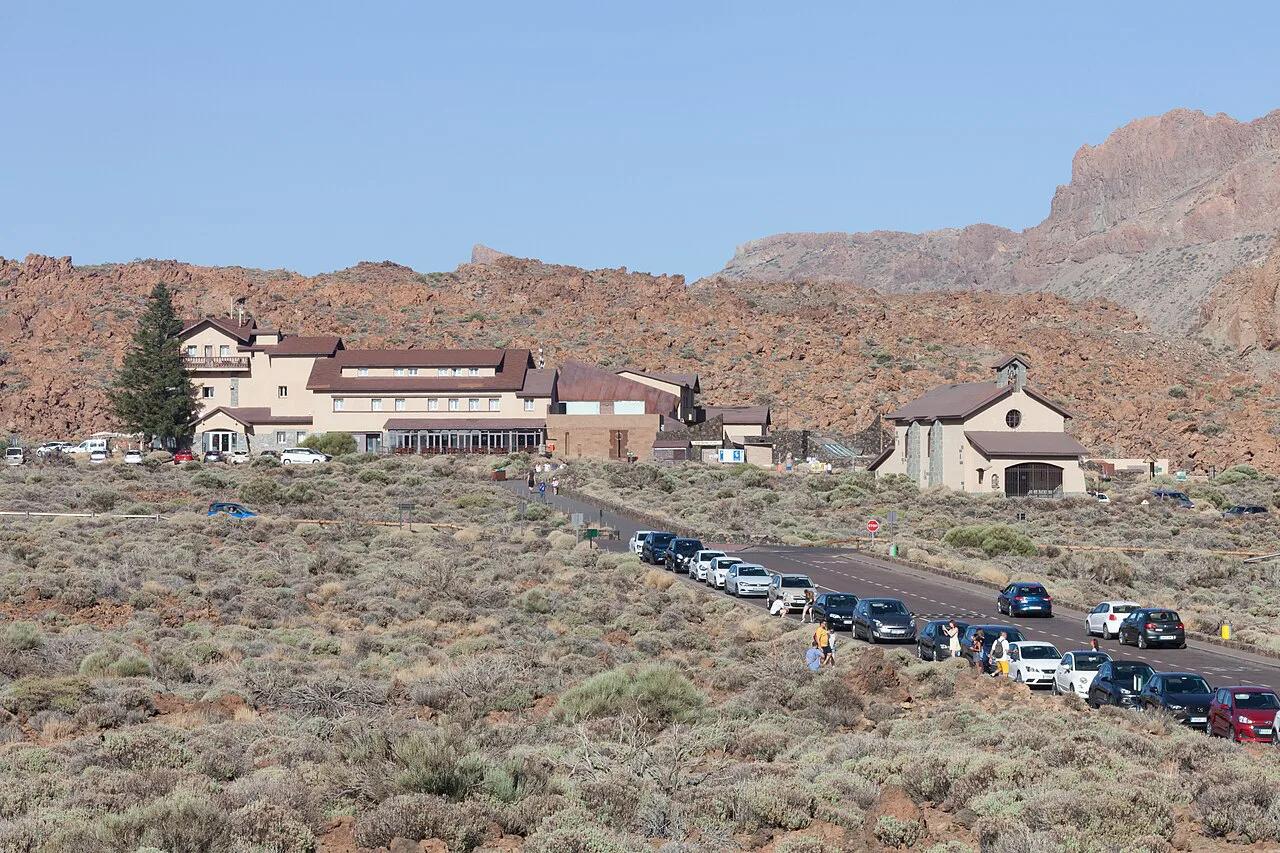
Last updated November 2026: teide altitude training means, to cyclists, a multi-day block of sleeping high on Tenerife while training, not one ride up the mountain. Sleep near Las Cañadas and ride down for hard efforts if you can book a suitable room; otherwise, stay lower and ride up, accepting much shorter altitude exposure. A block may suit trained, healthy riders with a clear goal and time to recover, while others may prefer a normal cycling trip, and neither guarantees faster riding.
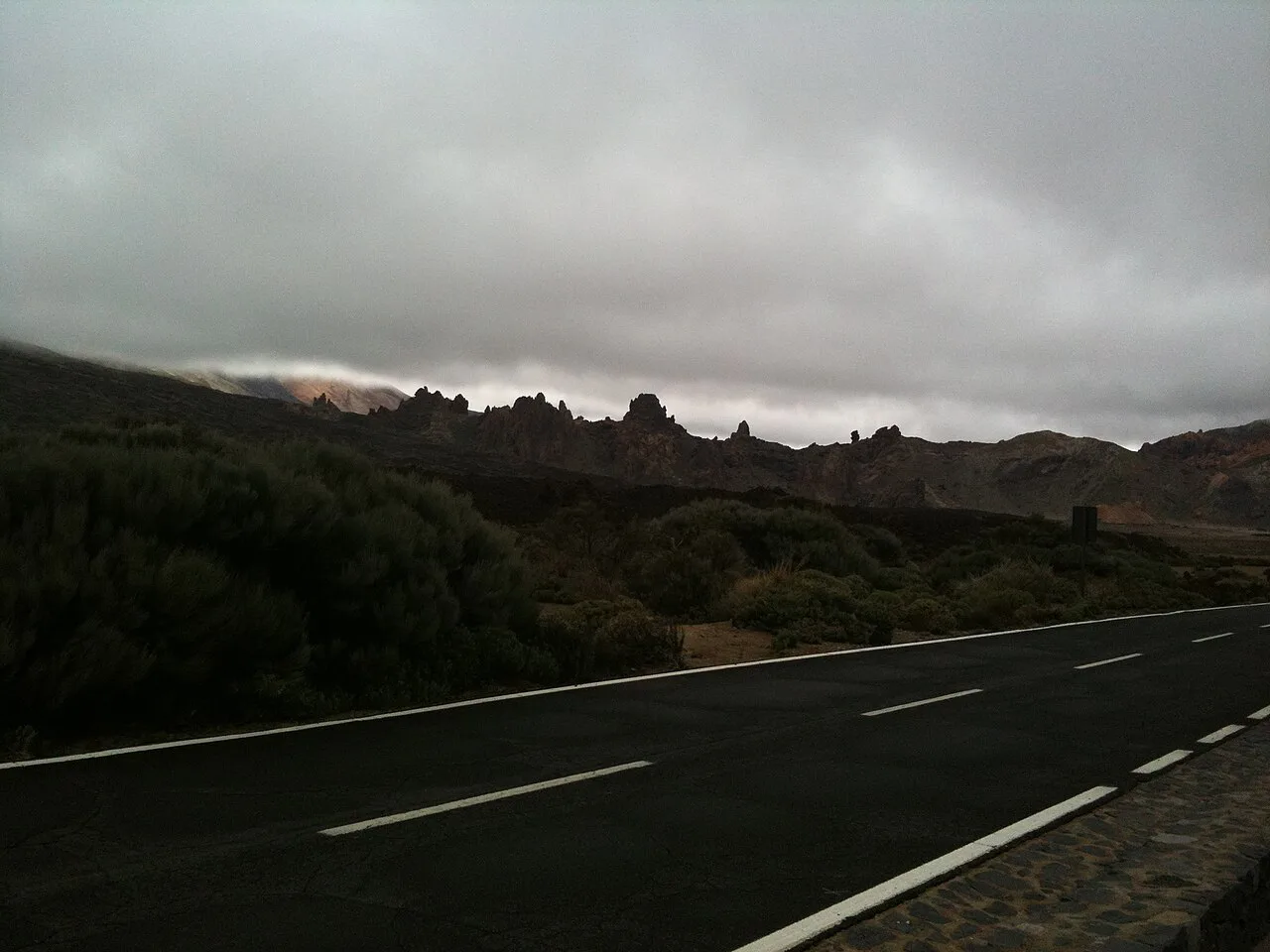
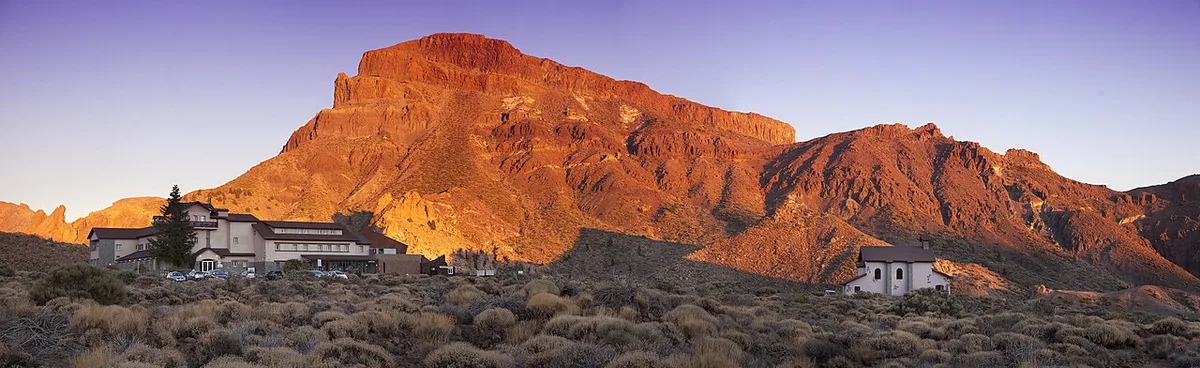
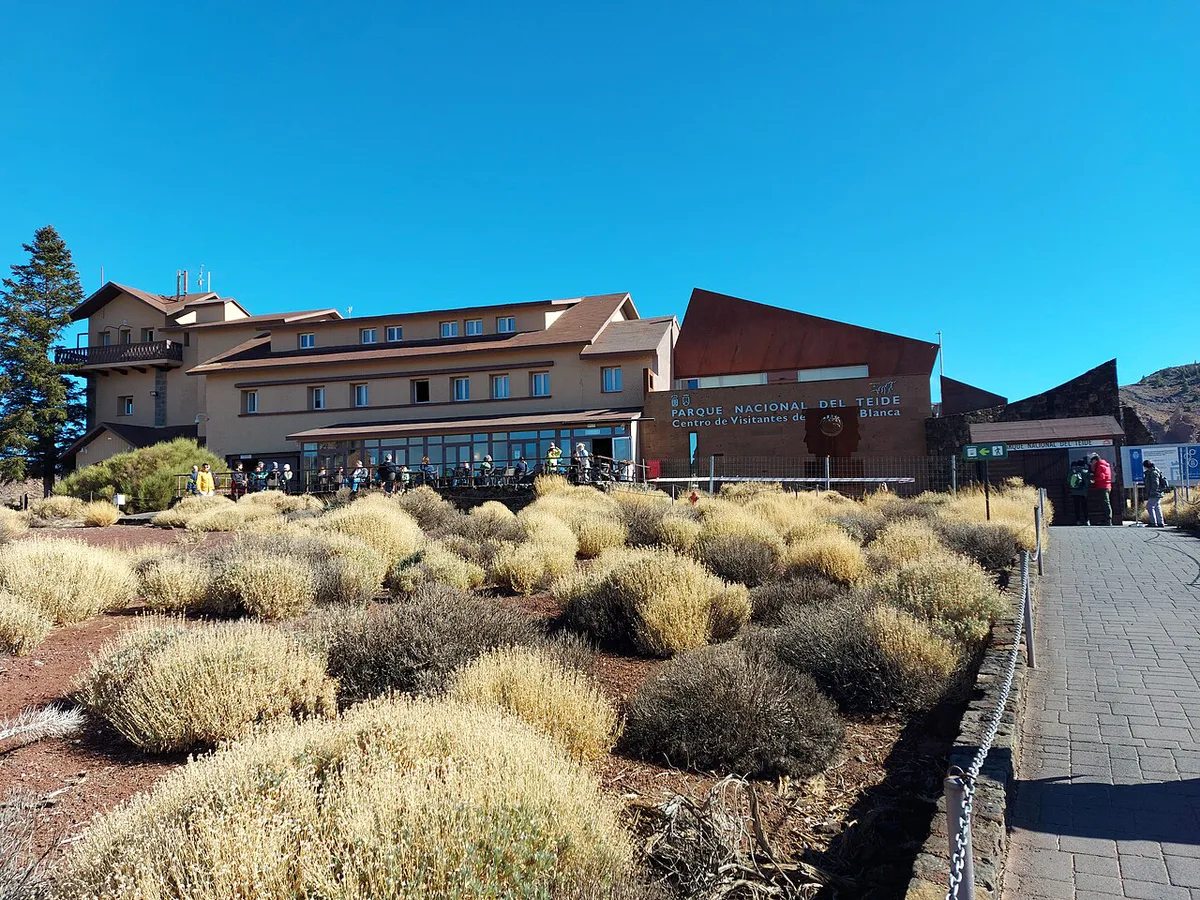
Featured image: Lmbuga (Luis Miguel Bugallo Sánchez), CC BY-SA 4.0, via Wikimedia Commons.
Is Teide Altitude Training Right for You?
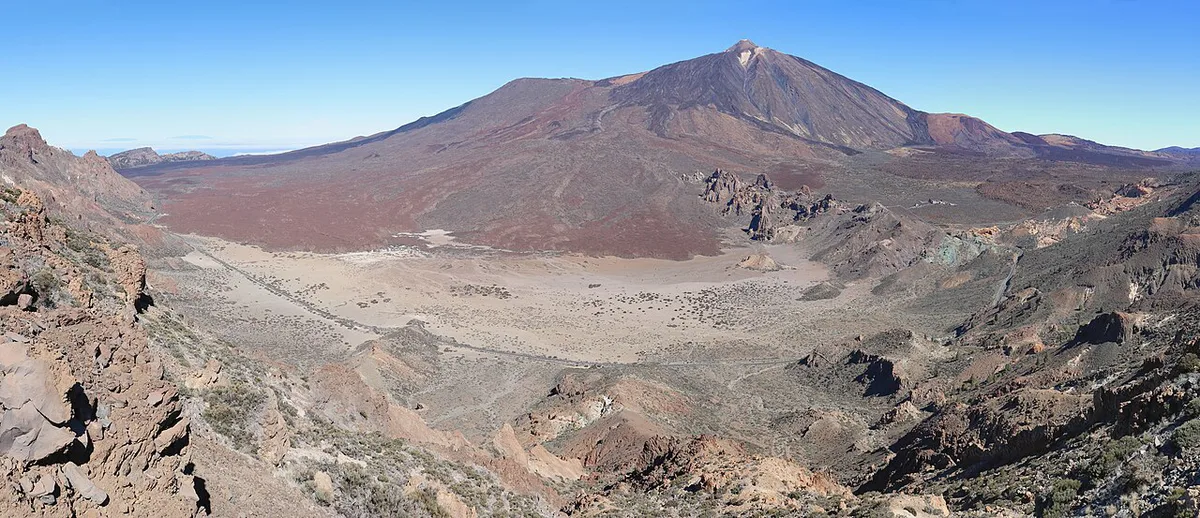
Start with your goal and its date. A structured block makes most sense when you already train consistently, can protect your rest and can accept some compromised sessions. For big climbs without that commitment, use our Tenerife cycling holiday overview. One long ride to altitude is a worthwhile challenge, but don't expect altitude adaptation from it.
- Structured block: repeated nights high, planned training and protected recovery.
- Training holiday: high climbs from a base chosen for comfort and access.
- One-off ride: a single Teide day with no adaptation target.
- Weigh up: training history, available days, health, recovery capacity, budget and coaching access.
- Postpone: if you are ill, injured or carrying unusual fatigue.
- Get medical advice first: for heart, lung or blood conditions, pregnancy or past altitude illness.
Sleep High or Ride High? Choosing Your Setup
Live high, train low means spending long periods, including sleep, at altitude, then descending for demanding intervals. Its logic is to keep the altitude exposure while doing hard work where you can produce more effort. Pro rider Victor Campenaerts has described living at around 2,000 m (6,561 ft) during his blocks. He did much of his steady riding high and took high-power work lower. That is one elite athlete's practice, not an amateur threshold. Judge a room by its own elevation, not by the highest point on your ride. Ask a qualified coach what sleeping height and nightly exposure fit your goal. On Tenerife, the idea only works if the room, descent and return climb are all manageable.
| Setup | Altitude exposure | Hard-session quality | Getting home | Recovery and services | Cost factors | Best fit |
|---|---|---|---|---|---|---|
| Live high, ride lower | Long, including sleep | Can be better protected by descending | Climb or transfer back up | Depends on the high base | High lodging and possible car support | Structured block with suitable lodging |
| Live low, ride high | During rides only | Hard work can stay low | Descend to base | Compare services at each lower base | Lodging and any uplift | Training holiday |
| Live and train high | Long, including training | May be reduced | Little descent needed if routes stay high | Depends on the high base | High lodging and supplies | Coach-guided riders |
| One-off climb | Brief | Not a block | Ride or collection | Your usual base | Bike and transport | Challenge day |
Where to Base Yourself
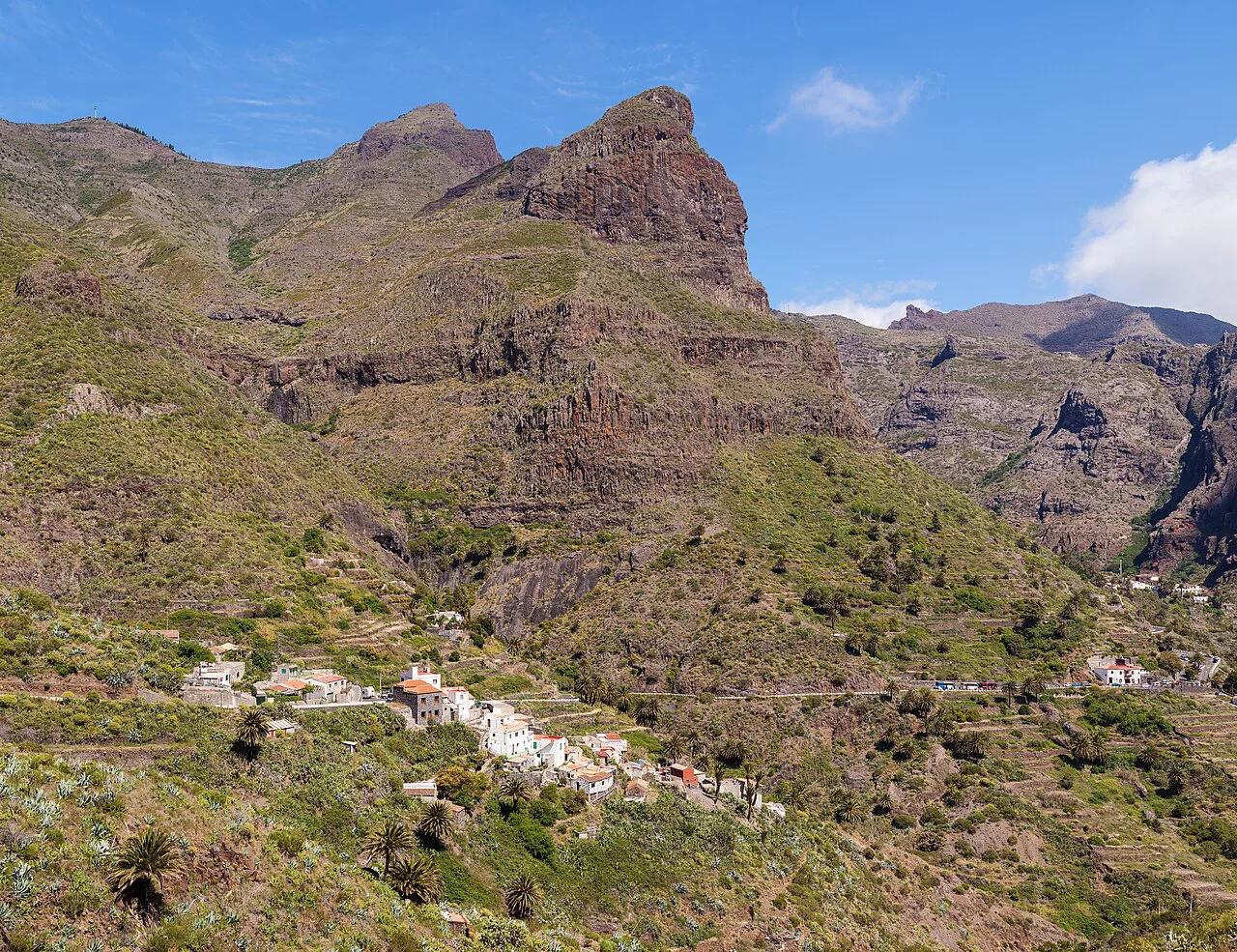
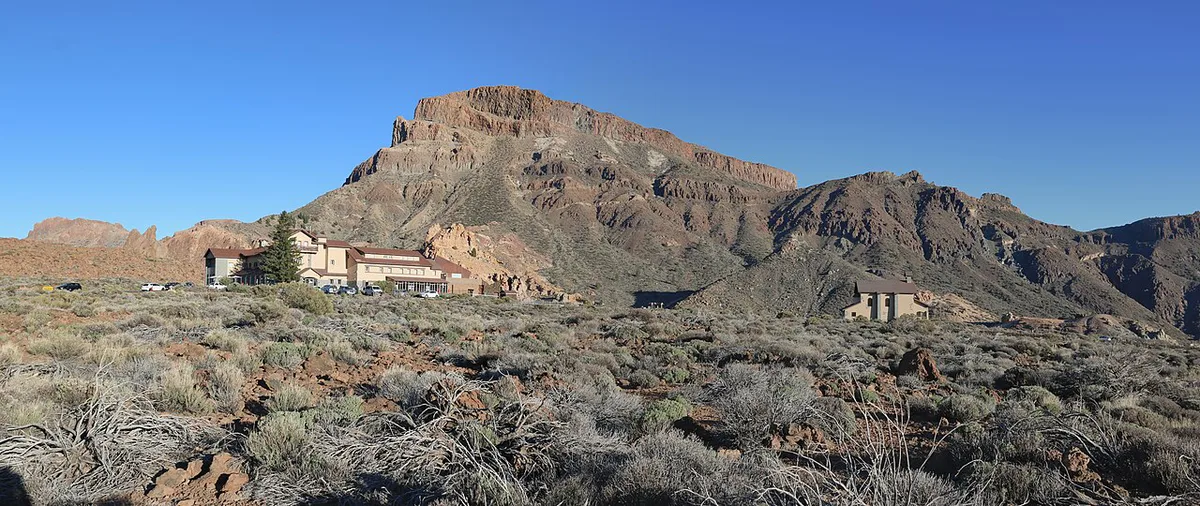
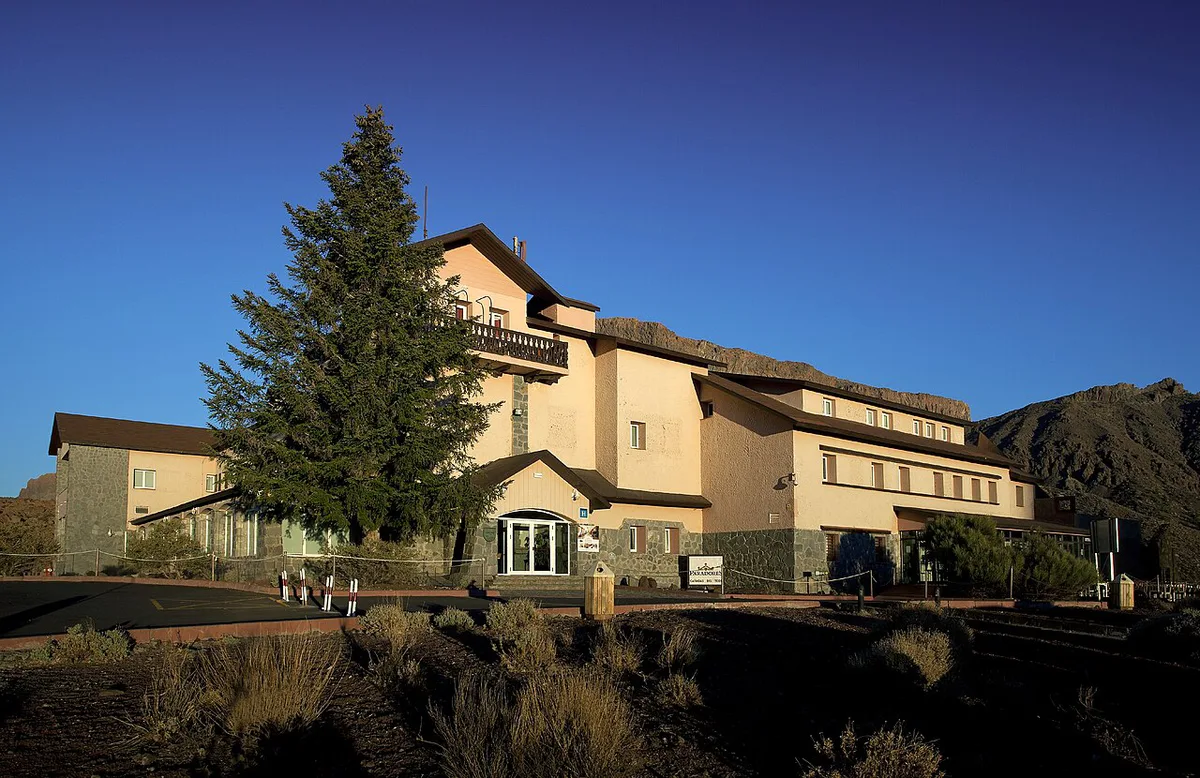
Near Las Cañadas, secure the room before booking flights, and don't assume high lodging will be free on your dates. Vilaflor is an area to compare for access from the south, while the north coast is a lower-base option. Neither name tells you the altitude of a particular bed. Look up each property's elevation on official mapping. Turismo de Tenerife's visitor information can support your area research. For availability, meals and storage, ask the property directly. For easier days, compare other rides around Tenerife against each address. Consider riding to Masca as a separate outing, not an automatic interval or recovery session.
Vilaflor and the north coast names say nothing about bed height, and the 2,000 m (6,561 ft) figure is one elite rider's practice, not an amateur benchmark.
- Bed: sleeping elevation, availability and booking lead time.
- Daily needs: food, secure bike storage, laundry and recovery space.
- Training: road access to suitable lower terrain.
- Return: the full climb or drive home after hard efforts.
- Support: car access, parking and a collection plan.
How to Structure the Block
Set the length, nightly exposure and gap before your goal event with a coach using current sports science. No single schedule suits every rider. Begin cautiously, because easy riding can feel harder at altitude. Campenaerts also stresses restraint during his first week. Place harder intervals lower when your base allows it, and count the journey back as training load. Riders may respond differently. Heavy training or weak recovery can also undermine a block, but neither automatically explains a disappointing result.
| Phase | Priority | Warning signs | What to scale back |
|---|---|---|---|
| Arrival | Settle in and ride easily | Poor sleep, headache, unusual effort | Intensity and duration; stop if unwell |
| Main block | Balance planned work and rest | Persistent fatigue or falling session quality | Hard efforts and extra climbing |
| Departure | Recover and travel toward your goal | Illness or lingering tiredness | Last-minute training load |
Riding Teide: What the Climbs Mean for Training
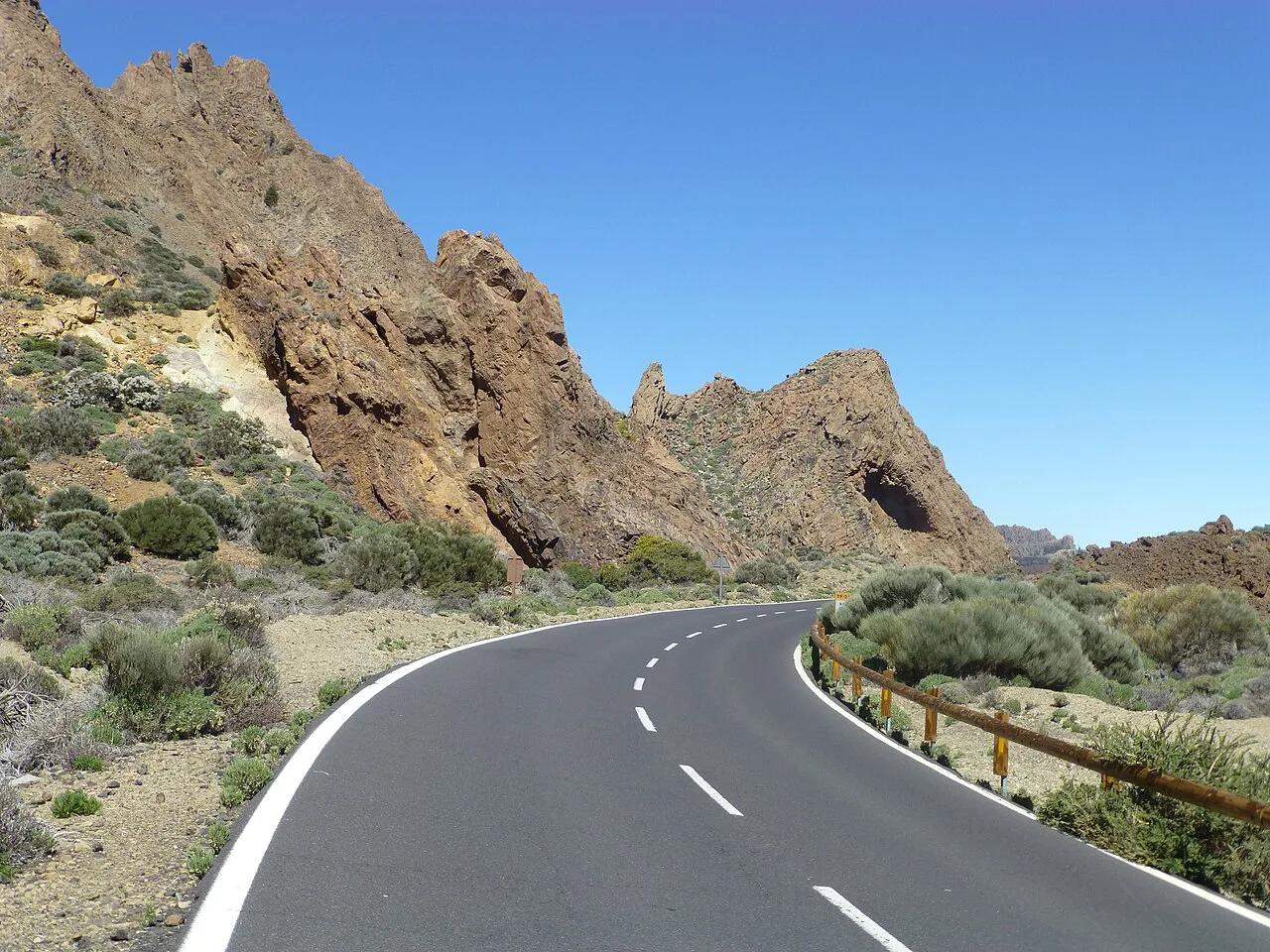
North and south approaches should be compared from your actual start point. Map sustained climbing, exposed stretches, water stops, bail-out options and the route home. Separate total ascent from the elevation difference between start and finish. Your sea-level power targets may be too demanding up high. Use perceived effort alongside power and heart rate, and back off when the usual numbers feel unusually costly. For route detail, see our Mount Teide climbing guide.
Fuel, Hydration, Recovery and Health
Altitude may raise your fluid and carbohydrate needs. Adjust with a sports dietitian or clinician instead of copying a professional's intake. Eat regularly, drink to a plan suited to you and protect sleep. Before the trip, ask a doctor whether iron testing is appropriate. Don't start iron supplements on your own. Stop riding if you develop headache with nausea, dizziness or unusual weakness. Rest, avoid going higher and seek medical advice; descend if symptoms persist or worsen. Chest pain, fainting, confusion, poor coordination or breathlessness at rest need urgent help. Call 112, and move lower with assistance if it is safe.
Weather, Descents and Road Safety
Coastal sunshine can hide very different conditions in cloud or on high ground. Check AEMET forecasts and warnings for both your base and your highest point. Before leaving, look for restrictions through Spain's DGT traffic authority. Island notices may also appear through the Cabildo de Tenerife. For protected-area rules, use the official Teide National Park page. Winter training plans need a backup because high roads may not always be suitable or open. Save energy and concentration for the descent.
- Clothing: wind protection, warm layers, gloves and rain protection.
- Exposure: sunscreen and eye protection.
- Road conditions: slow down for fog, wet surfaces, wind and tired hands.
- Supplies: planned water and food stops, plus reserves.
- Support: charged phone, shared route and a way home if you stop.
Cost, Time and Access: Planning Checklist
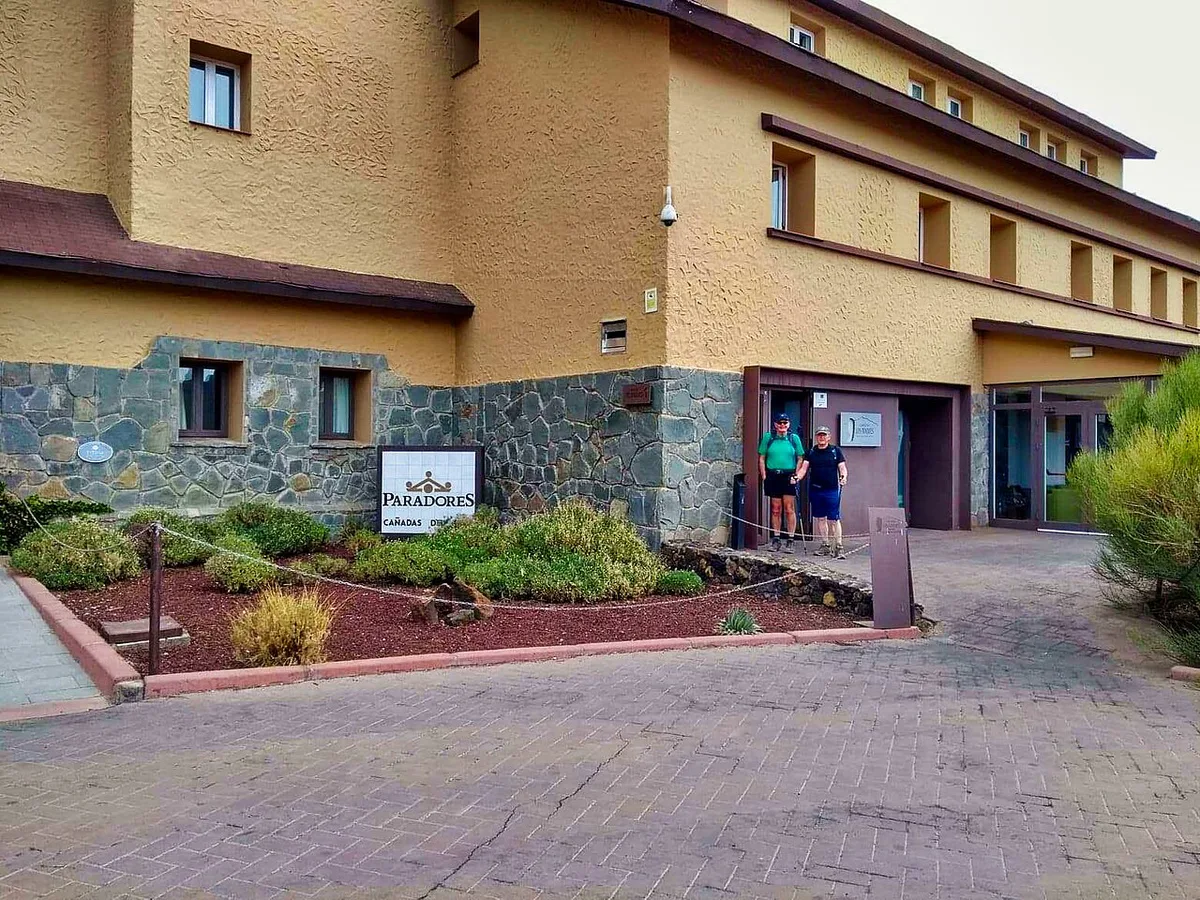
Price the whole trip, not just the bed. Self-planning avoids a separate coaching package, but you must organize training and backup yourself. For rates and inclusions, ask each lodging or camp provider for a dated quote. You can review current services on the Tenerife Top Training center site. If you need transport, compare bike hire options on Tenerife with bringing your own. Bus users should check TITSA's current service information, including bike carriage rules, before relying on it.
| Planning factor | Self-planned block | Coached or organized camp, if available | Ordinary cycling holiday |
|---|---|---|---|
| Days required | Set around your goal | Set around programme dates | Set around leave |
| Lodging | Book separately | Ask what is included | Choose for comfort and routes |
| Bike and transport | Arrange hire or travel | Ask about hire and transfers | Arrange to suit rides |
| Car or support | Plan your own | Confirm coverage | Choose as needed |
| Coaching | Optional separate cost | Ask about scope | Usually unnecessary for sightseeing rides |
| Medical checks | Arrange individually | Ask what remains your responsibility | Based on personal health |
| Flexibility | Depends on bookings | Depends on programme terms | Easier to prioritize leisure |
| Bad-weather backup | Prepare lower rides or rest | Ask for the backup plan | Swap ride and rest days |
- Mistake to avoid: judging the plan by the highest point reached.
- Mistake to avoid: training too hard during the first days.
- Mistake to avoid: booking a base without checking the ride home.
- Mistake to avoid: carrying sea-level targets over unchanged.
- Mistake to avoid: packing only for coastal weather.
Frequently Asked Questions
How long does it take to cycle up Teide?
No single time fits every ascent. Your start, finish, route, fitness, wind and stops all affect it. Map your exact ride and allow extra daylight, plus time for the journey home.
What are the downsides of altitude training?
Training may feel harder, session quality can drop and recovery may suffer. Altitude illness is also a risk. Travel, high lodging and support can add cost and complexity without guaranteeing better performance.